
130 international guests, including scientists from 30 countries, experts of international organizations, religious figures and representatives of non-governmental organizations, are expected to participate in the international scientific conference on “E
Day: March 5, 2024
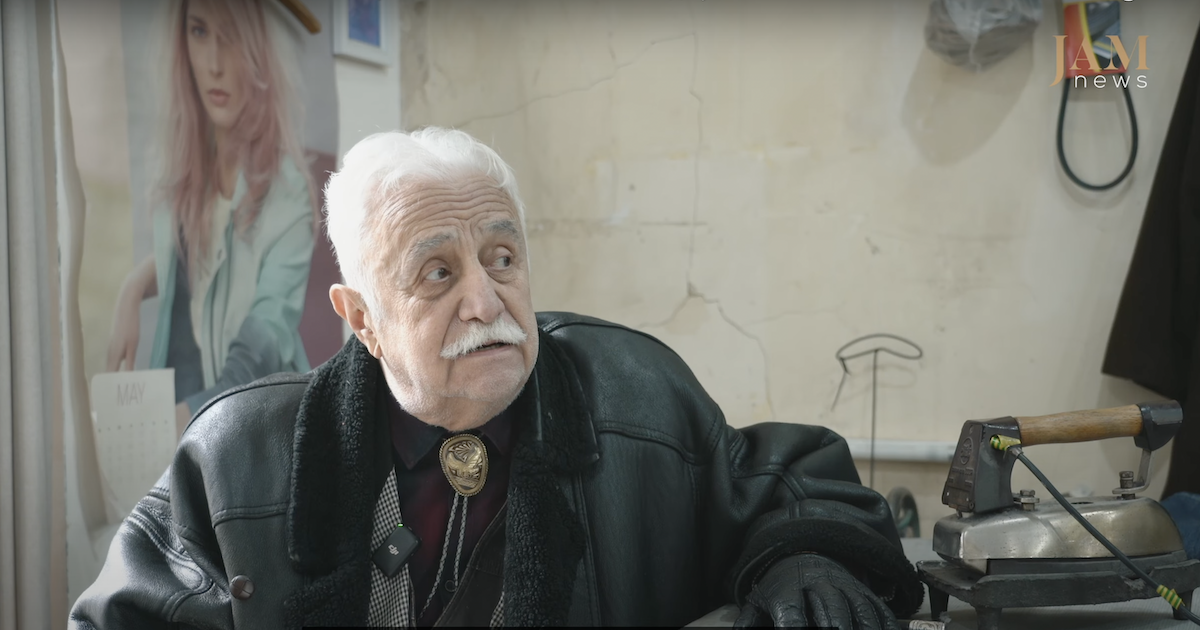
Soviet-era tailor shop in Tbilisi
In Tbilisi, on Tamara Mepe Avenue, stands a historic Soviet-era tailor shop, presided over for over four decades by the same individual, Merab Otarashvili. The youngest tailor is over 60 years old.
Nearly all of them are men, having worked together for many years. Nowadays, they often see the sons and grandsons of those for whom they tailored suits, tuxedos, trousers, dresses, and coats in their youth, now seeking their expertise. Over the years, they’ve amassed a wealth of stories, which they were eager to share with us.
This film is the next in a series produced by JAMnews about places in Georgia where time seems to have stopped and nothing has changed for many years. It’s also about the people who have worked in one place for decades, dedicating their entire lives to their work and speaking about it with love.
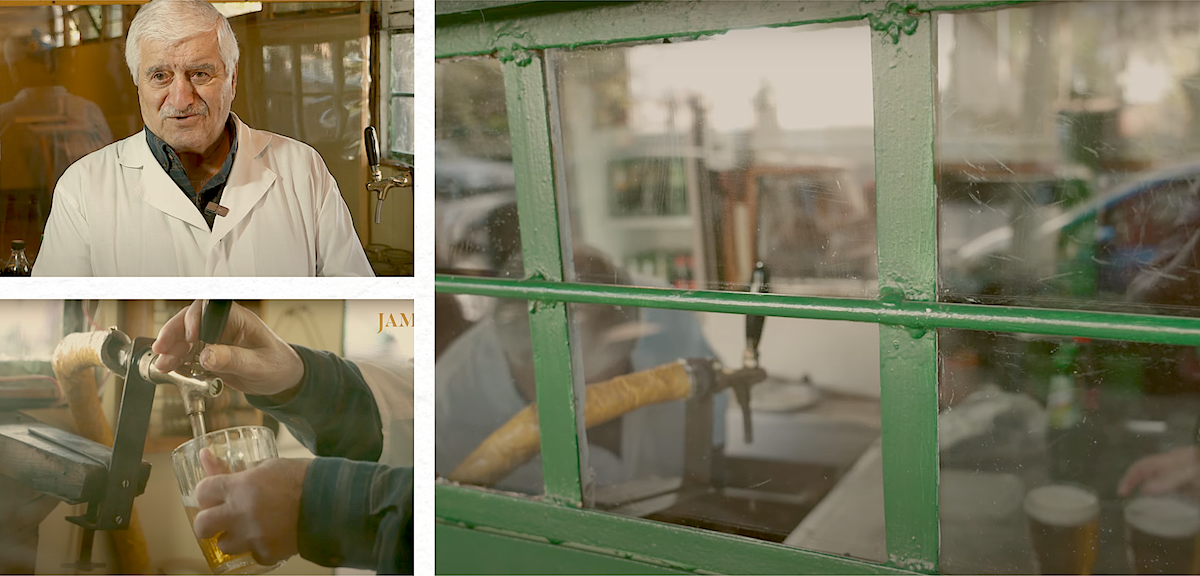
Below is a film about a hot dog restaurant in Tbilisi that has maintained its style for 53 years:
Reparations as part of the peace process
The negotiation process for a peace treaty between Azerbaijan and Armenia is seen as an important component of the broader peace process, according to analysts from the Azerbaijani Center for South Caucasus studies. “If the peace treaty is to establish the framework for the future interaction between the two states, then topics such as the unblocking of communications, humanitarian issues, the issue of reparations, and others represent parallel processes, each with their own dynamics,” the center’s analytical article states.
- “Talking about LGBT propaganda in Georgia is as absurd as the idea of dragging us into war.” Comment
- European Parliament resolution blames Putin for Navalny’s murder
- In Azerbaijan, only $470 per year is allocated for the treatment of a cancer patient
The article by analysts from the Center for South Caucasus studies (CSSC) details the peace process between Azerbaijan and Armenia.
“Each of the topics in the relationship between Azerbaijan and Armenia develops according to the conditions formed in a specific period. Some topics can be deferred to the future (for example, unblocking of communications, the Zangezur corridor), or, conversely, they can become conditions for the peace treaty (for example, changes to Armenia’s legislation).
The issue of reparations from Armenia has been relevant since the end of the war. Azerbaijan has conducted monitoring and assessment of the damage. Baku has the Armenian prime minister’s signature under the trilateral statement, which acknowledges the presence of Armenian armed forces on Azerbaijani territory.
Over the last few decades, there have been few examples of reparations being paid, however, this does not render the concept outdated. The most recent example is the freezing of Russian financial reserves, which are planned to be transferred to Ukraine. It is necessary to look at the legal form in which the West will convert the transfer of Russian financial reserves to Ukraine. One thing is clear: the primary basis for reparations is the aggression against Ukraine and the occupation of territories followed by annexation to Russia.”
This formulation perfectly applies to Armenia, which committed aggression against Azerbaijan, occupied territories, and annexed them. Armenian legislation will constitute the evidentiary base for Azerbaijan. Azerbaijan’s demand for changes in Armenian legislation acts to some extent as a lifeline for the Armenian leadership to somewhat soften Baku’s position on reparations. However, if the Pashinyan government does not demonstrate constructiveness, all these documents will turn the lifeline into an anchor, dragging them to the bottom.
Pashinyan’s statement “about the impossibility of peace with Azerbaijan,” made after Macron’s admonitions, may prompt Baku to introduce new conditions for the peace treaty. Along with the condition of changing the legislation, the issue of reparations could move from being a parallel process to a precondition.
The West, particularly the United States, pays great attention to the issue of reparations claims. In Washington, delegations started to include officials responsible for filing claims in international courts, suggesting that the USA proposes to abstain from mutual lawsuits.
However, the negotiation process has its dynamics. And the issue of reparations here might gain a new connotation.
The argument that Armenia is unable to pay does not hold up to scrutiny. Armenia is a country that spent 400 million dollars annually for three years to maintain its army on Azerbaijani territory; it’s a country demonstrating economic growth and replenishing its financial reserves; it’s a country spending billions on armaments from India and France.
Thus, Armenia is accumulating significant financial reserves, and considering that Armenia, unlike civilized countries, has not officially apologized to Azerbaijan for the years of occupation, multibillion-dollar reparations become a necessary condition to restrain Armenia’s aggressive nature.
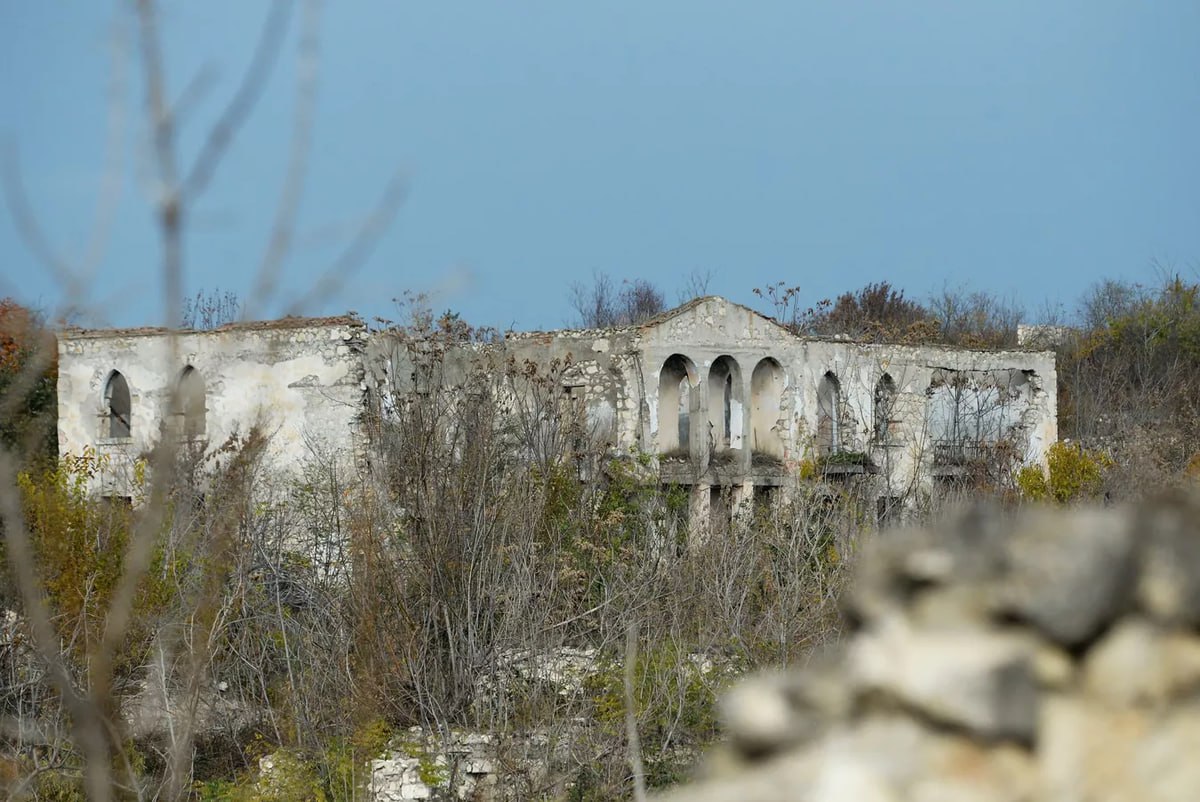
Western patrons could help Armenia in this matter if they undertake commitments to make reparations payments to Azerbaijan. For this, it would be sensible for Baku to escalate the reparations process to the level of a real threat in courts or to introduce the issue of reparations as a condition for the peace treaty. Alas, without this, the Western patrons of Armenia will not budge; they are indifferent to the destroyed towns and villages of Azerbaijan, the minefields where Azerbaijanis are being injured, and the hundreds of thousands of Azerbaijanis wishing to return to their native lands.