
Day: February 20, 2024
The fateful moment is approaching when #Armenia will make an important choice. It will be necessary for the government and the people of Armenia to answer an important question: with which center will the development and fate of the Armenian state be connected – with #Russia and… pic.twitter.com/jpJsdyE8Pr
— Robert Ananyan (@robananyan) February 20, 2024
Every year, my school, Bergen County Academies (BCA), holds an assembly titled “International Day of Acceptance” (IDA). This student-facilitated performance is a blend of cultures and backgrounds coming together to bring light to our multicultural community in Hackensack, New Jersey. Following months of preparation – including emails, auditions, practices, dress rehearsals and wardrobe procurement – student groups perform for their fellow students and faculty. Each group receives around five minutes total for their performance, including an introduction to the culture followed by the dance performance. Student leaders choose the melodies, along with choreographing, coordinating and preparing the performances.
One main emphasis of this assembly is that a student does not need to be a part of a certain ethnicity to join their group. For instance, in my freshman year I chose to perform as part of the Hispanic IDA, dancing styles such as bachata, samba and merengue. Without any Hispanic dance background and just a pure interest in Hispanic culture, I enjoyed getting on stage to perform these various dances. Consequently, I returned the next year as a sophomore and now in my junior year as a co-leader.
While I have enjoyed my time in other groups, since freshman year I have always thought about what it would be like to have my Armenian culture on the BCA stage. There are just a few students with Armenian backgrounds at BCA, probably just six at most throughout all four grades. However, while our numbers are small, my culture is so grand in my heart that it pushed my desire to be represented at the IDA assembly. Just because there is small representation in my school environment, that does not mean that the students shouldn’t learn about our long history of arts and customs. Especially with recent events, and the resilience of Armenians in Armenia and Artsakh alike, it was crucial that I took this step. I put my thoughts into action, and this year I led the first ever Armenian IDA performance along with the help of another fellow Armenian classmate, Heidi Borekciyan.
 Heidi Borekciyan and Seta Sahagian
It started with an interest email, the first step in bringing this idea to life. Then came recruitment, gathering my friends of all backgrounds to join. I expressed that this performance was more than a dance and has deeper meaning rooted in our fight as a nation. Then came the practices, staying after school on Tuesday evenings to learn choreography. I decided to combine six different Armenian melodies, including slow rhythms and fast beats. I wanted to capture the full Armenian spectrum, showing the beauty of our instruments that shine through in slower songs and the firm, upbeat nature of our battle or party dances. The choreography included songs from music geniuses such as Ara Gevorgian, Tata Simonyan and Karnig Sarkissian.
During practices, as we went through the various styles, I would ask students which they liked the best. Many of my friends would say the “shoorch bars,” as they linked pinkies to dance in unison. As a young Armenian, these dances have been a large part of my life, whether at camp, Armenian dances or celebrations. To hear my “odar” (non-Armenian) friends say this made me realize how they can learn about the other half of my life. These friends said, “Now we can do this at your birthday,” or “I remember seeing you do this dance; now we can too.” With all my non-Armenian friends, I will certainly be playing some “Anapati Arev” at our next outing.
As the performance neared, a lot of attention was placed on cleaning up formations and moves and our appearance on stage. This is where outfits came into question. Outfits would be crucial to fully showcasing the beauty of Armenian dance. I crafted a letter to send via email to various Armenian dance groups to borrow outfits for the performance. As these are important pieces in many groups’ performances, I promised that they would be kept in good condition, and any damage caused by the students would be corrected through payment. Looking to my Armenian community, I hoped that these groups would see the message I was trying to spread within my school walls. Unfortunately, I was faced with blank stares and barriers. Everyone either sought hundreds of dollars, which was not feasible for a student group, or did not respond to our inquiry.
This experience taught me a great deal about the power of a few – a few thoughts and then a few Armenians coming together to attempt the growth of an idea. A few conversations with my friends turned into dancing together on stage in traditional Armenian dress.
Finally, shortly before the performance, I received an affirmative response. Sylva Asadourian from the Akh’tamar Dance Ensemble graciously allowed us to borrow about two dozen outfits. I am very thankful for her giving nature, for supporting a spark in the Armenian youth. Not only did all the dancers enjoy wearing traditional clothing, admiring the patterns on the skirts, but the audience continuously gave compliments about our appearance in the performance.
This experience taught me a great deal about the power of a few – a few thoughts and then a few Armenians coming together to attempt the growth of an idea. A few conversations with my friends turned into dancing together on stage in traditional Armenian dress. All these girls came together because of some Armenian girl they knew and an idea she had. I feel lucky to have such committed and educated friends.
It is also important that we learn from our experiences to better our communities and create a future for the youth to take action. As an Armenian school graduate, member of the AYF and child of the Armenian church community, I have been surrounded by the idea of the Armenian community. As the youth, it is our duty to step up and spread the message of our people. We should use our connections to help one another for the united, shared cause to keep our multi-millennia-old identity alive.
However, as I prepared for this performance, it was difficult for me to utilize these connections, especially when searching for group outfits. As a community, we should not look for profits and or be silent as the diaspora attempts to serve the Armenian community. Our Armenian dance ensembles and organizations are in place in order to educate, share and grow global understanding of the presence of Armenians. With that, actions speak louder than words. Let us help the youth to educate their classmates about Armenia, bring Armenian dance to their schools and continue our fight.
My mom was the backbone in letting this idea become a reality, from helping me choose songs and coordinate outfits to picking me up from school. She had watched me prepare for the four-minute performance for months. As she watched me on stage with 16 other students from my school, I could see her eyes shine. Hints of water reflected through them, as she watched high school students of all backgrounds – Japanese, Indian, Polish and Hispanic – come together for the Armenian cause. Every Armenian parent looks to their child to continue the cause, the fight of our ancestors. I could see the pride in my mother’s eyes and the pride of my great-grandparents from 100 years ago. It made getting on stage and dancing for my school community the most worthwhile.
For all the diasporan Armenians: You will be faced with challenges, whether it is being told “no” or struggling to find those who have a will as strong as yours. Be the one to start the group, reach out and represent our nation in every aspect of your life. The Armenian storybook only comes to life if there are storytellers to teach the tales of our people. Dance, sing, read, write, speak and share in any capacity you can. This is what it means to be Armenian.
Watch the Armenian IDA performance at https://youtu.be/chPqJR7ZkaQ
Author information
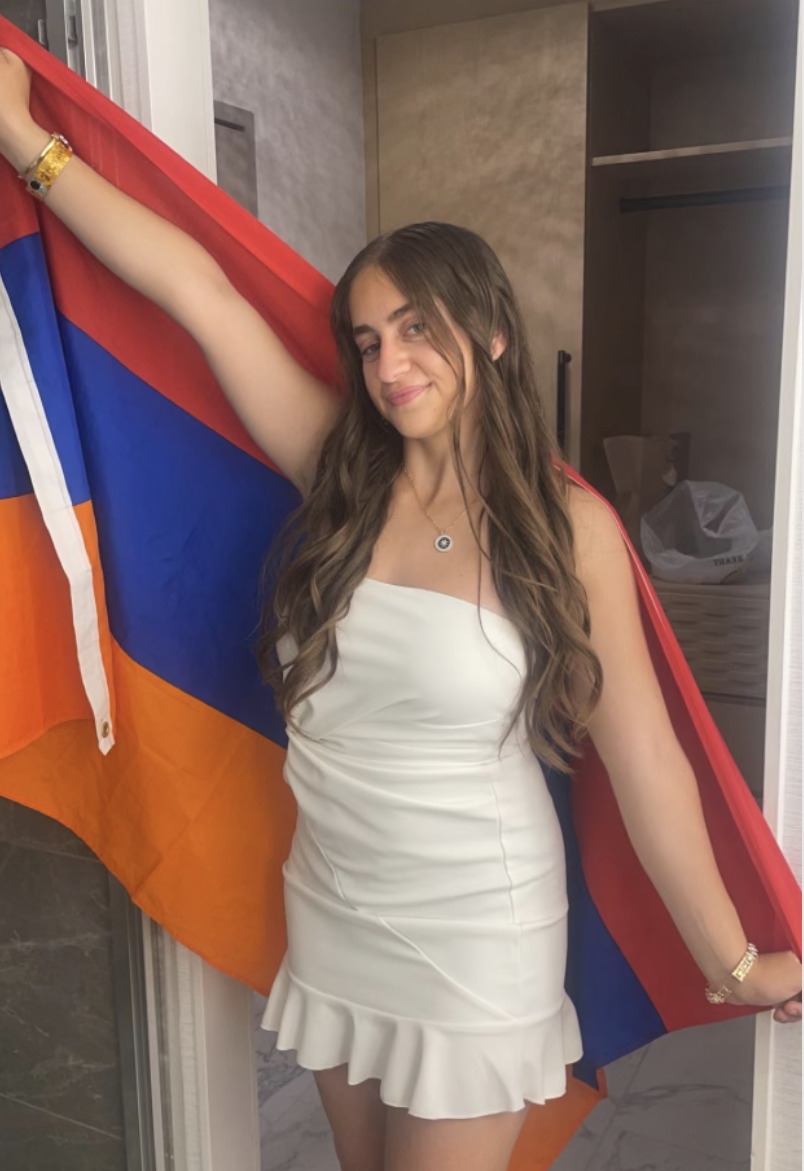
Seta Sahagian
Seta Sahagian is 17 years old, a member of the AYF New Jersey “Arsen” Chapter and a graduate of Sipan Armenian School. She attends Bergen County Academies (BCA) in Hackensack, New Jersey.
|
The post Bringing “shoorch bar” to high school stages appeared first on The Armenian Weekly.
In my previous articles delving into photographs from the ARF Archives, we saw some familiar and unfamiliar visuals from our history and culture over the past century and more. One clear takeaway is that the Armenian people have never lived in a vacuum. Empires have passed over the lands where Armenians have lived. Large-scale conflicts have reverberated among the Armenian people, not least of which the Genocide during the First World War. Armenians themselves have also participated in and helped shape fashions and trends around them – including, not coincidentally, the spread of photography in the Middle East.
Unsurprisingly, then, there are subjects among the photographs in the archives outside of exclusively Armenian circles.
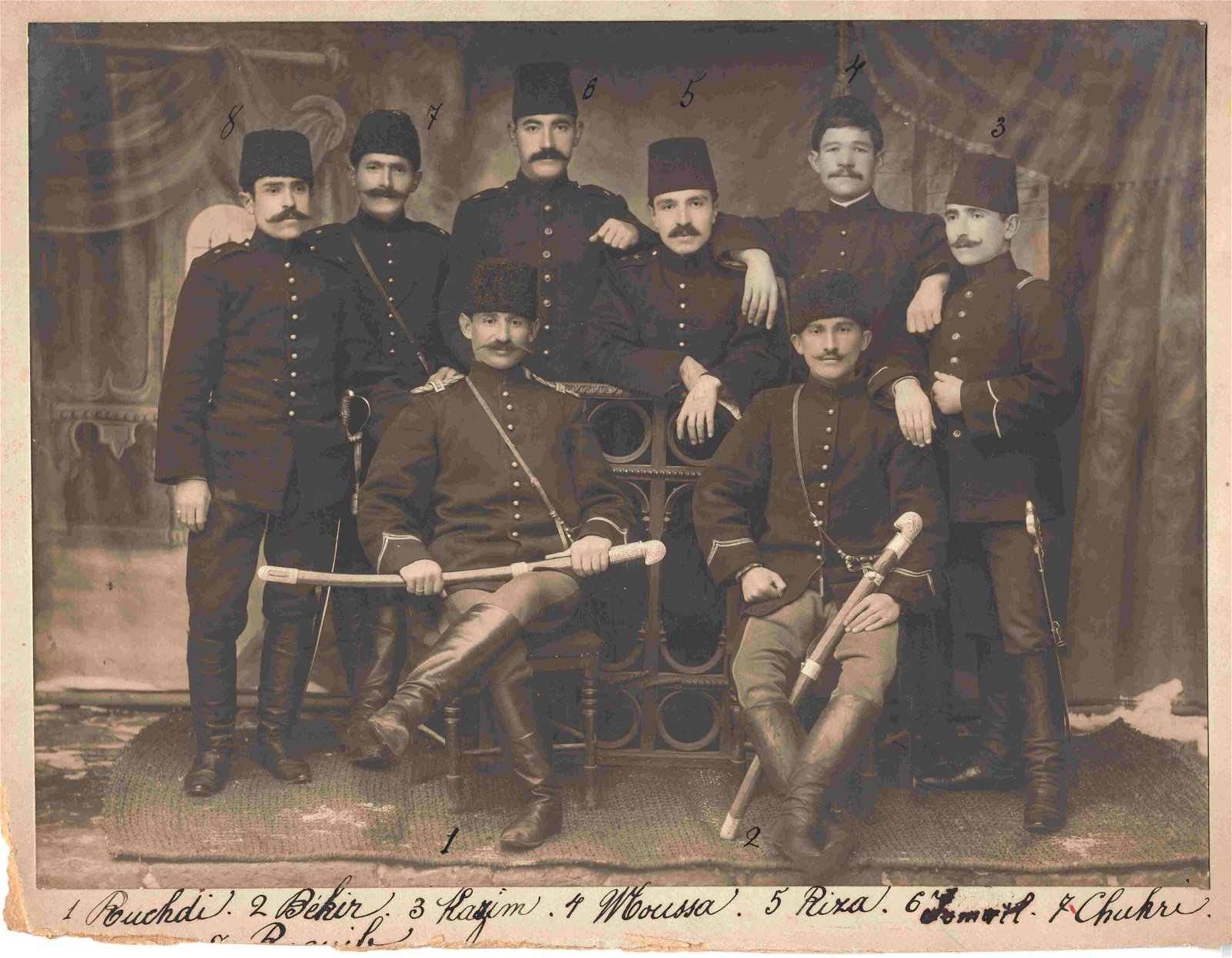 ARF Photo Archives – Box 1, Photo 15
For example, here we have a group photo of Turkish military personnel. Below, more specifically, is one Mustafa Vefa Bey who, it says on the back of the photo, was a spy assassinated in Tiflis (Tbilisi).
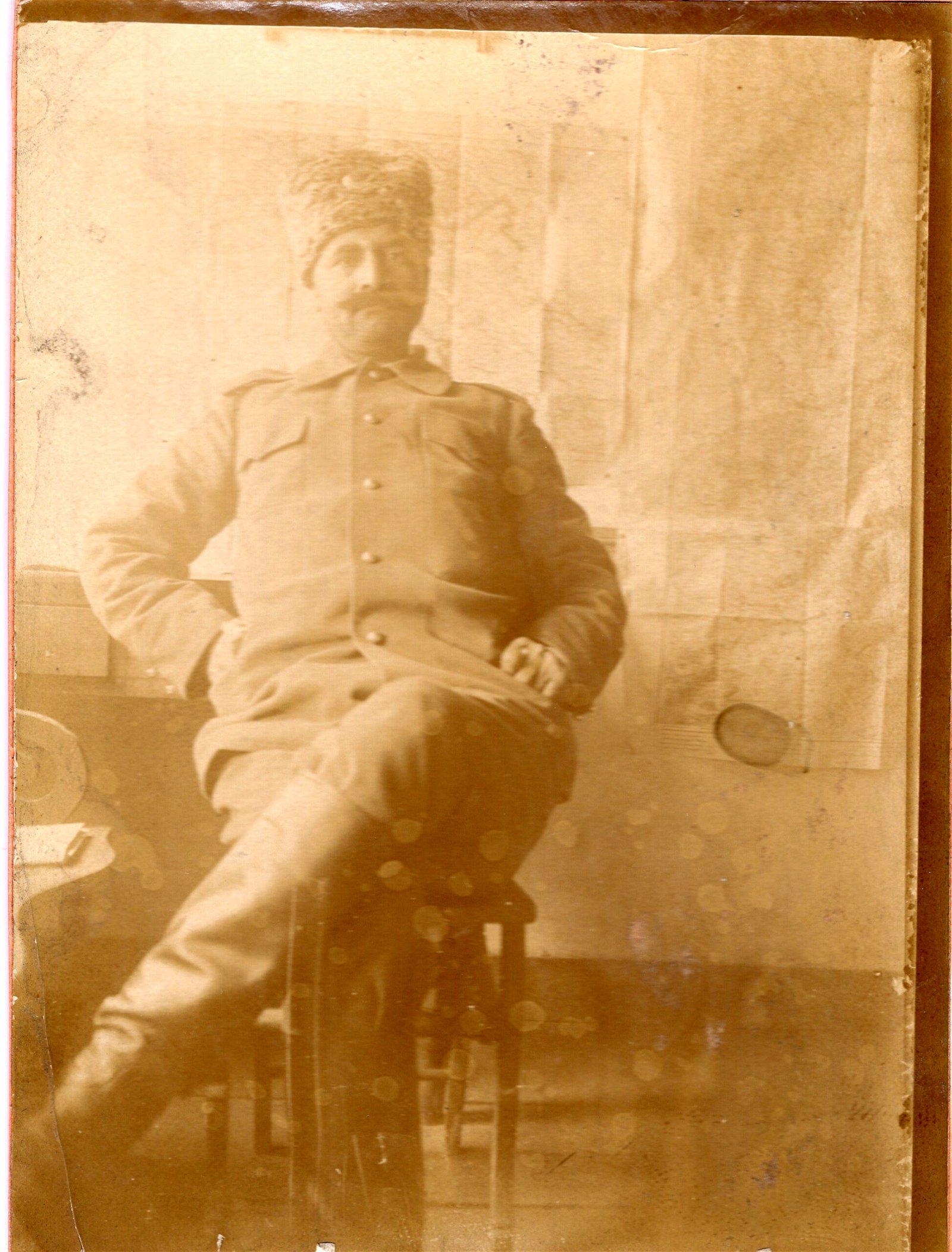 ARF Photo Archives – Box 10, Photo 40
The picture below is a bit more mysterious, as it is merely labelled “Տաճկական Հիւպատոս” in Armenian on the back – “Turkish Consul.”
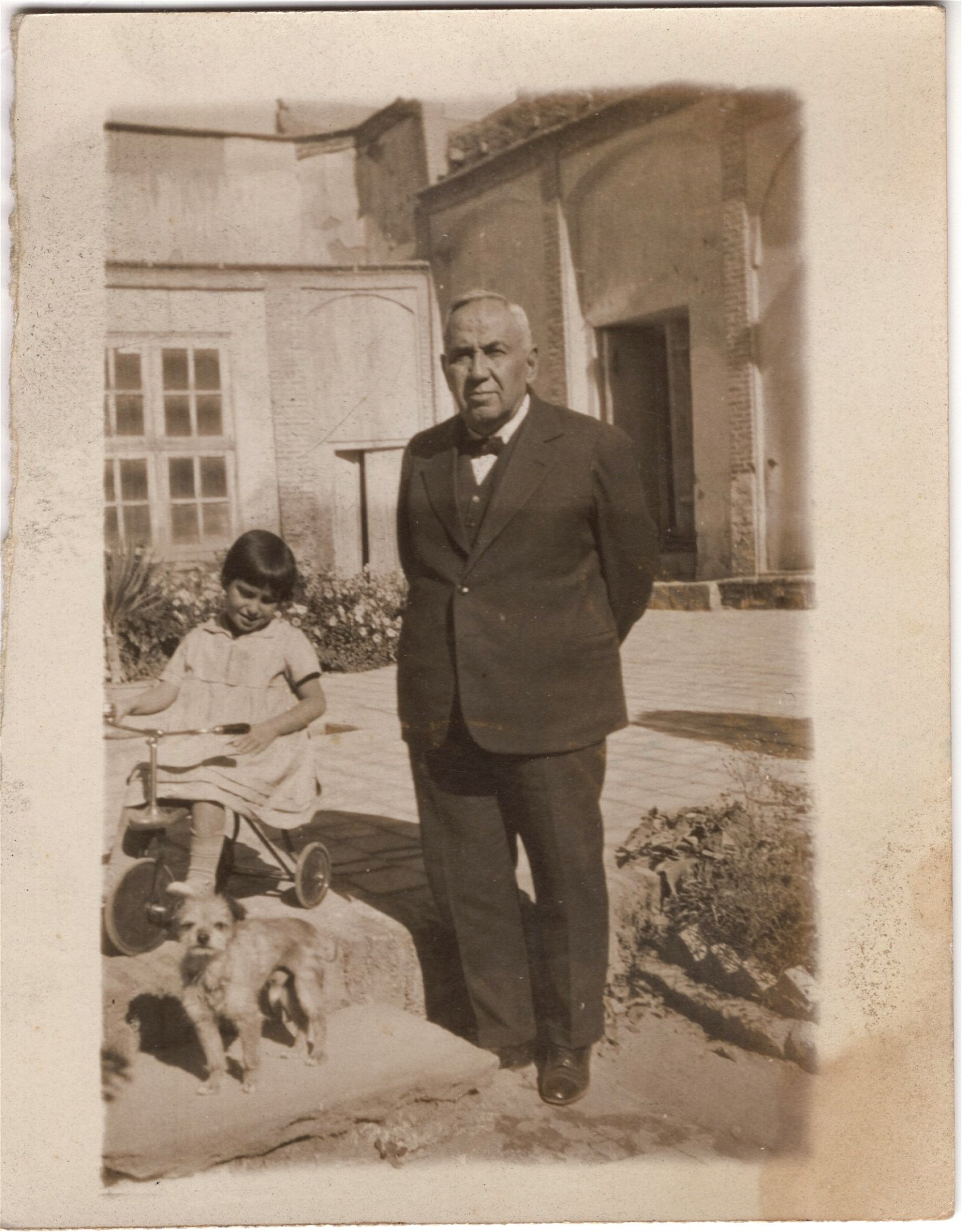 ARF Photo Archives – Box 3, Photo 186
This picture does not match the stereotypical visualizations of Turks in Armenian discourse (for which, see the images above). There is something domestic and avuncular about this man, his dog and a granddaughter, perhaps, on a trike.
There are also a number of photographs with Kurdish themes in the collection – many more than Turkish ones. The ARF photo archives reflect a turbulent time in the 1920s and 1930s after the Genocide and the establishment of the USSR and the Republic of Turkey, when Kurdish and Armenian groups collaborated in armed movements. The most significant such uprising was the Ararat Rebellion in the late 1920s, led by the Khoyboun (Xoybûn) party. Below are two of its members.
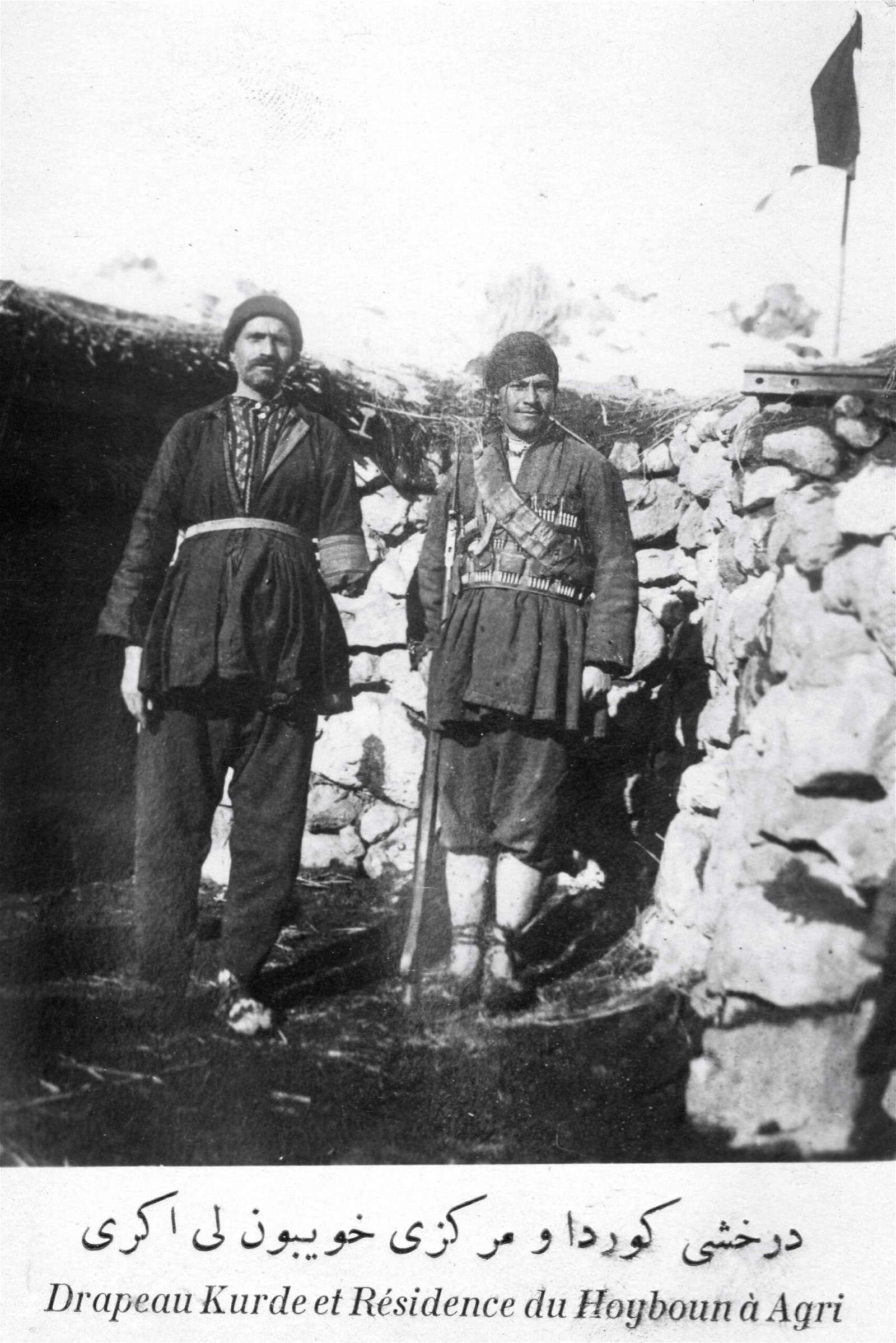 ARF Photo Archives – Box 10, Photo 47
Ardashes Mouradian, in the picture below, was an ARF agent within that group. He went by Zeynal or Ziylan Bey, and was eventually abducted across the border into the USSR and probably killed on the orders of the Soviet leadership.
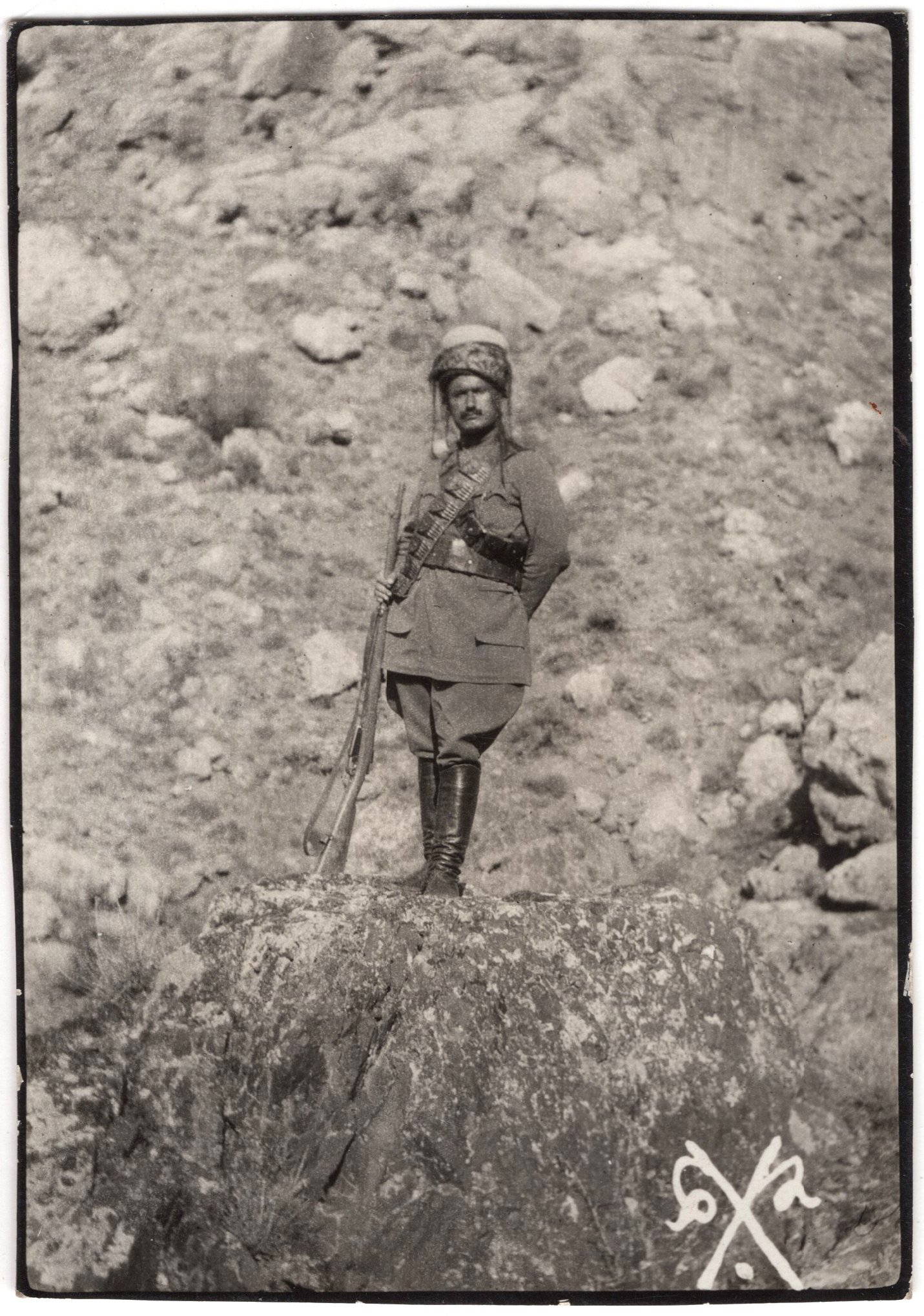 ARF Photo Archives – Box 6, Photo 169
Sheikh Mahmoud Barzanji also features in a couple of photographs in the collection.
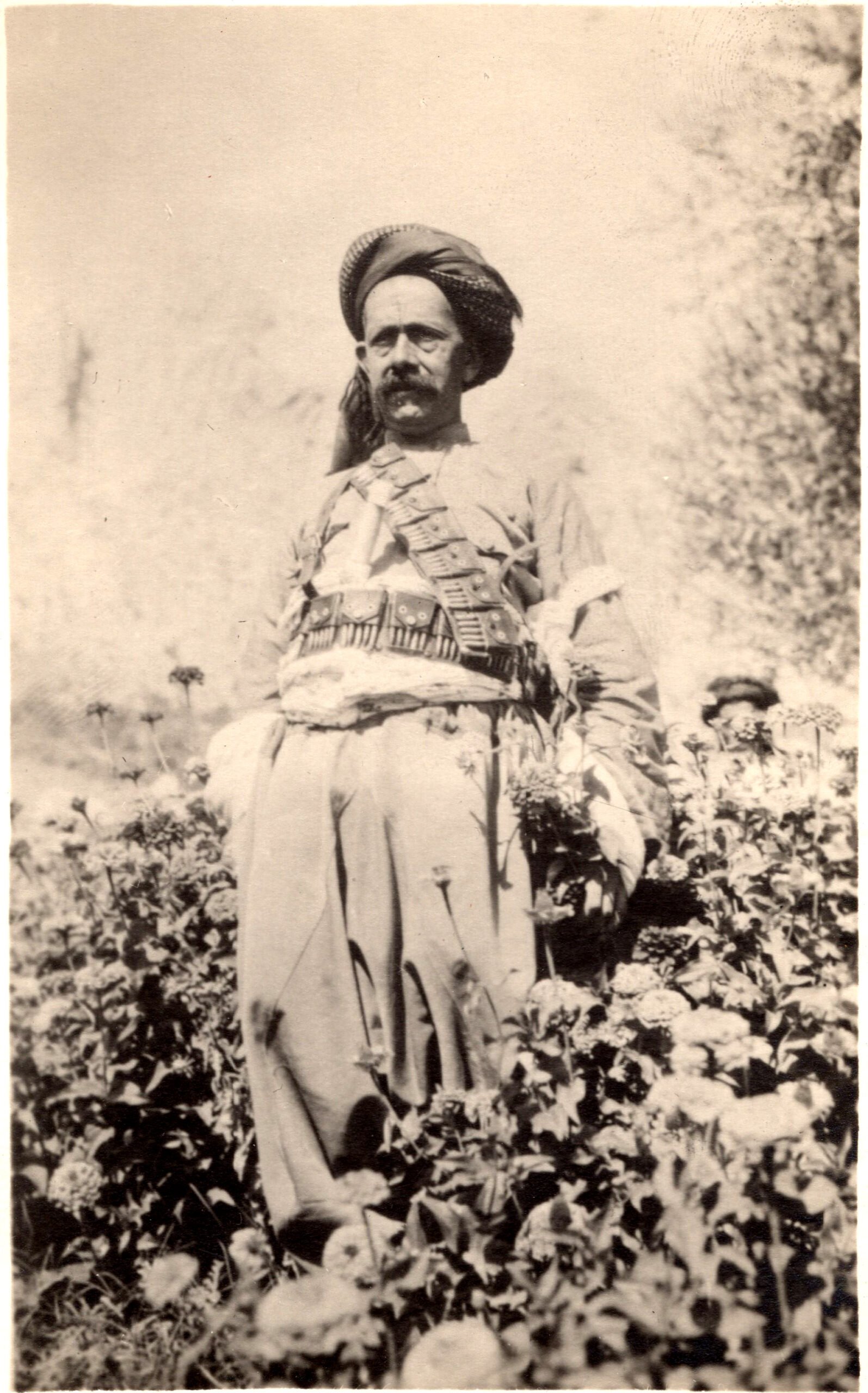 ARF Photo Archives – Box 10, Photo 37
He was a Kurdish leader in uprisings against British rule in the north of newly-established Iraq in the 1920s. It is not clearly marked in the images, however, what the Armenian or specifically ARF connection might have been with his activities.
This series of brief articles is meant above all to invite you to visit arfarchives.org/photograph. Click around on the website. You might find a fascinating page from your family history or see directly the ups and downs of the Armenian nation in the last hundred-plus years.
Author information

Nareg Seferian has lived, studied and worked in New Delhi, Yerevan, Santa Fe, Boston, Vienna, Istanbul and Washington, DC. His writings can be read at naregseferian.com.
|
The post Glimpses into the ARF Photo Archives: Armenians and Their Neighbors appeared first on The Armenian Weekly.