

Day: February 2, 2024
These two almost literally never saw each other while serving together #POTUS 🇺🇸
📸: @TrumanLibInst pic.twitter.com/xlxGU7i86U
— Presidential Wisdom (@PrezWisdom) February 2, 2024
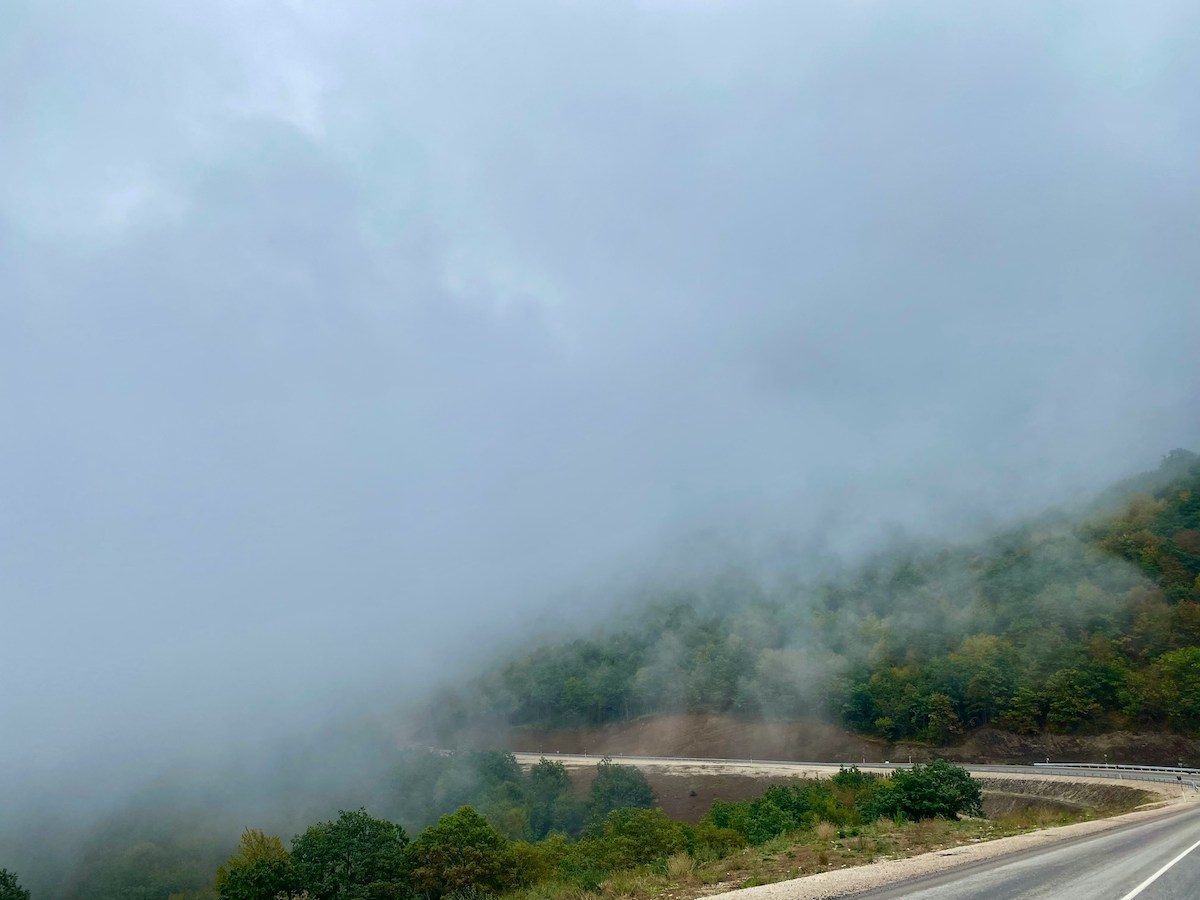
Georgia after the events in Karabakh
“The military operation conducted by Azerbaijan in September 2023 concluded the longest-standing conflict in the Caucasus region, centered around Karabakh. At the very least, it marked a significant stage in the resolution of the conflict.
A new reality has taken shape in the region. However, what implications does this hold for Georgia? What lessons should the country, grappling with two unresolved territorial conflicts of its own, take away?
JAMnews presented these inquiries to experts in conflict, international relations, and security. Additionally, we engaged in discussions with them about Turkey’s escalating role in the region and the potential opportunities this presents for Georgia.”
Turkey – a new player in the region and a new opportunity for Georgia
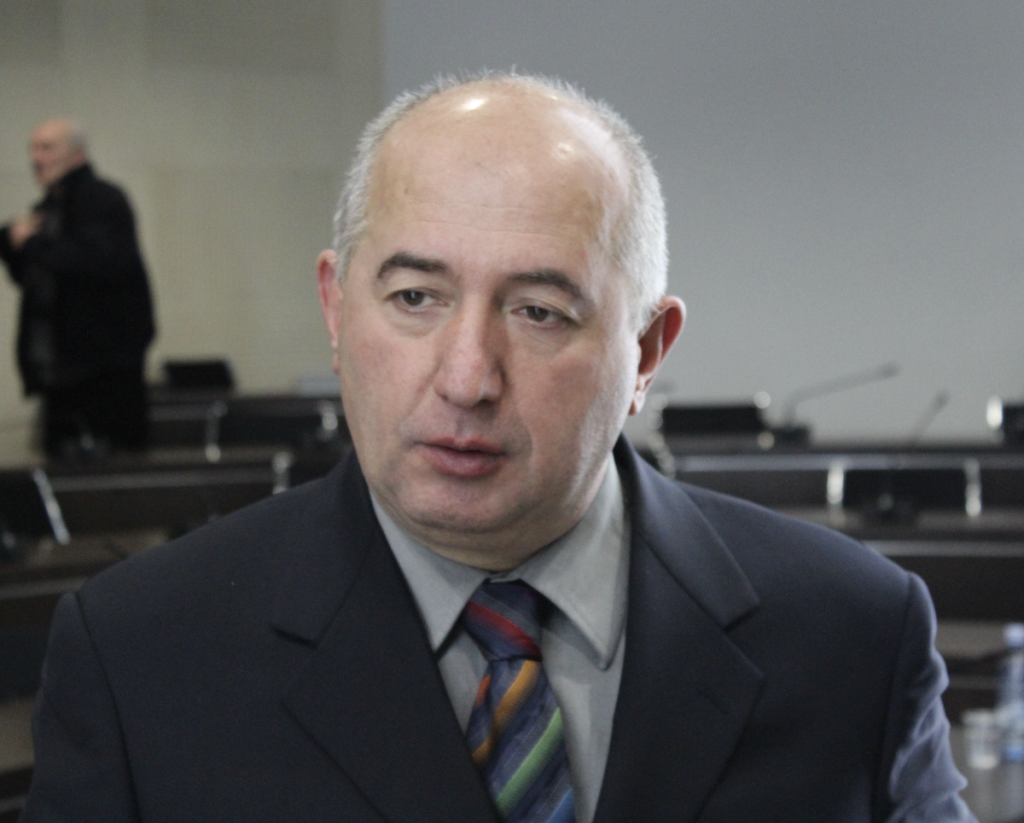
Paata Zakareishvili, conflictologist:
The developments in Karabakh have fundamentally altered the Caucasus region by introducing a new influential player – Turkey.
Turkey, which withdrew from the Caucasus in 1921 as per the Treaty of Kars, made a return exactly one hundred years later, in 2020.
Being a NATO member, and considering Georgia’s aspiration to join NATO, the entry of NATO, represented by Turkey, into the region raises concerns for Russia.
Presently, Turkey stands as our neighbor, a friendly state that recognizes the territorial integrity of Georgia. However, we are not leveraging this Turkish factor in any significant manner.
▇The Georgian government deliberately refrains from leveraging the Turkish factor, considering Russia’s interests.
Russia does not show significant interest in the closer ties between Turkey and Georgia. Conversely, Georgia maintains a neutral stance in its relations with Turkey, which seems peculiar and runs contrary to Georgia’s interests.
As a new player in both the Caucasus and the Black Sea, Turkey should enhance its influence in both directions.
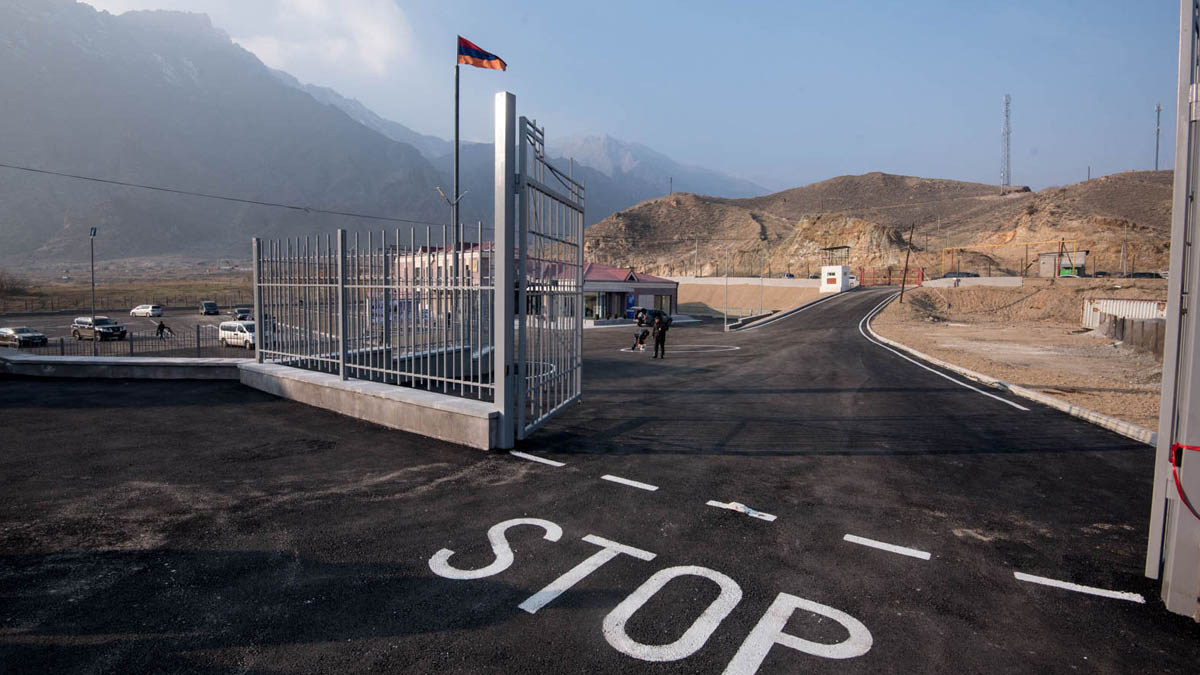
Georgia, situated in the Caucasus and on the Black Sea, holds a unique position for Turkey today. However, we remain silent. Not only do we fail to express interest in fostering friendship with Turkey within the context of security, but, on the contrary, we cultivate an image of a suspicious state that cannot be trusted. Turkey is unlikely to appreciate our recent engagements with Russia and China.
▇Russia is an aggressor country, in this context we should find a common language with Turkey and seek security guarantees in cooperation with Turkey.
It is evident that Russia is weakening and has lost influence. In this context, much depends on how Georgia sets its priorities.
Azerbaijan as an Example of the Restoration of Territorial Integrity
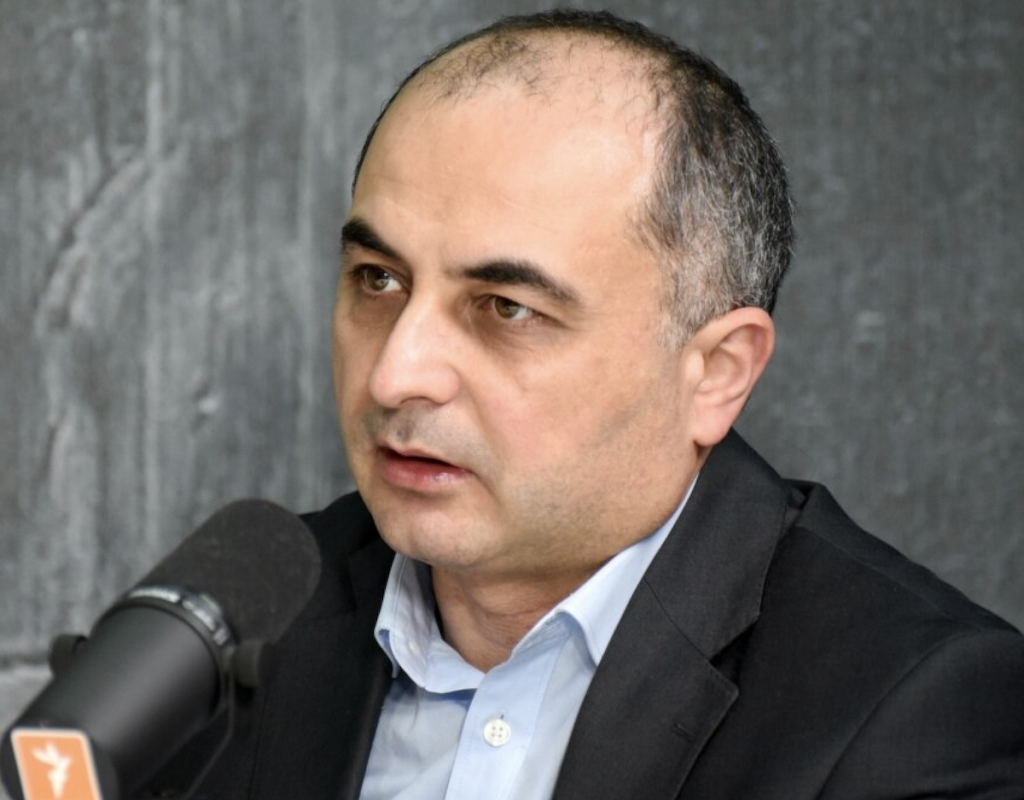
Zurab Batiashvili, Research Fellow at the “Georgian Strategy and International Relations Research Foundation” (GFSIS):
Azerbaijan has become the first country in the post-Soviet space to restore its territorial integrity. It is noteworthy that this occurred amid the Russian-Ukrainian war. Azerbaijan capitalized on Russia’s vulnerability, unable to engage in military actions on two fronts, and Moscow turned a blind eye to Azerbaijan’s actions.
Apart from the importance of resolving this conflict and restoring Azerbaijan’s territorial integrity on its own merits, it also holds significance for the region as Russia’s influence is evidently waning.
▇The greater Russia’s involvement in the war with Ukraine, the more its influence in the Caucasus will diminish.
However, this does not imply the complete elimination of Russian influence.
On the other hand, we also observe the strengthening of the Turkish-Azerbaijani coalition in the South Caucasus. This is natural, as in its foreign policy, it operates on the principle of “one nation, two states.” Therefore, it is not surprising that Turkey is entering and solidifying its presence in the region through Azerbaijan.
Azerbaijan, being the largest Caucasian state in terms of territory and population, allows Turkey to extend its influence across the entire Caucasus by gaining influence over Azerbaijan.
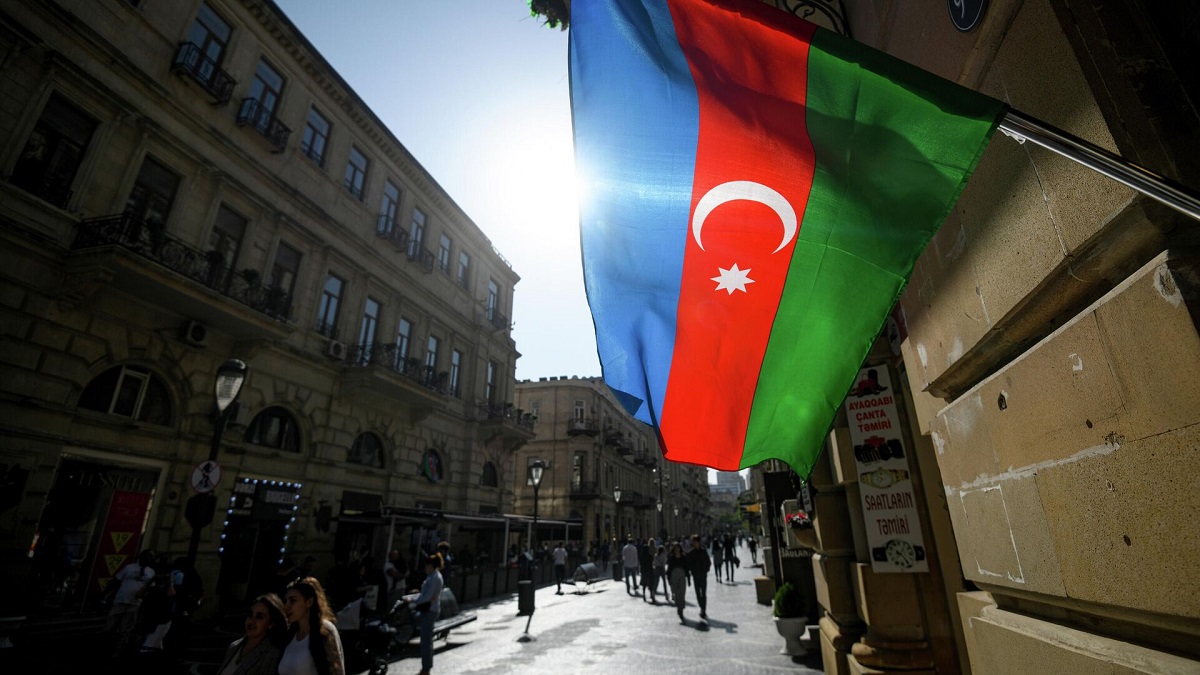
The example of Karabakh demonstrated that despite Azerbaijan not being a NATO member, it successfully formed a robust coalition with Turkey, Israel, and Pakistan, leveraging it for its own objectives.
Why can’t we pursue something similar, even with the involvement of Great Britain, Poland, and Turkey, for the benefit of Georgia? Since we are not NATO members, we need to contemplate alternative paths that involve Western countries. This is the direction we genuinely need to consider and actively pursue, aligning with how a country concerned about its own security should behave. However, what security are we discussing when the country has lacked both a security concept and a document on threat assessment for years?
▇ Our singular policy is the infamous strategy of avoiding provocation with Russia.
Another lesson we should draw from the current geopolitical situation is the necessity for strength, and this strength should manifest through robust state institutions encompassing the military, intelligence, foreign policy, and more. Unfortunately, this is not occurring.
Window of New Economic Ties and Opportunities
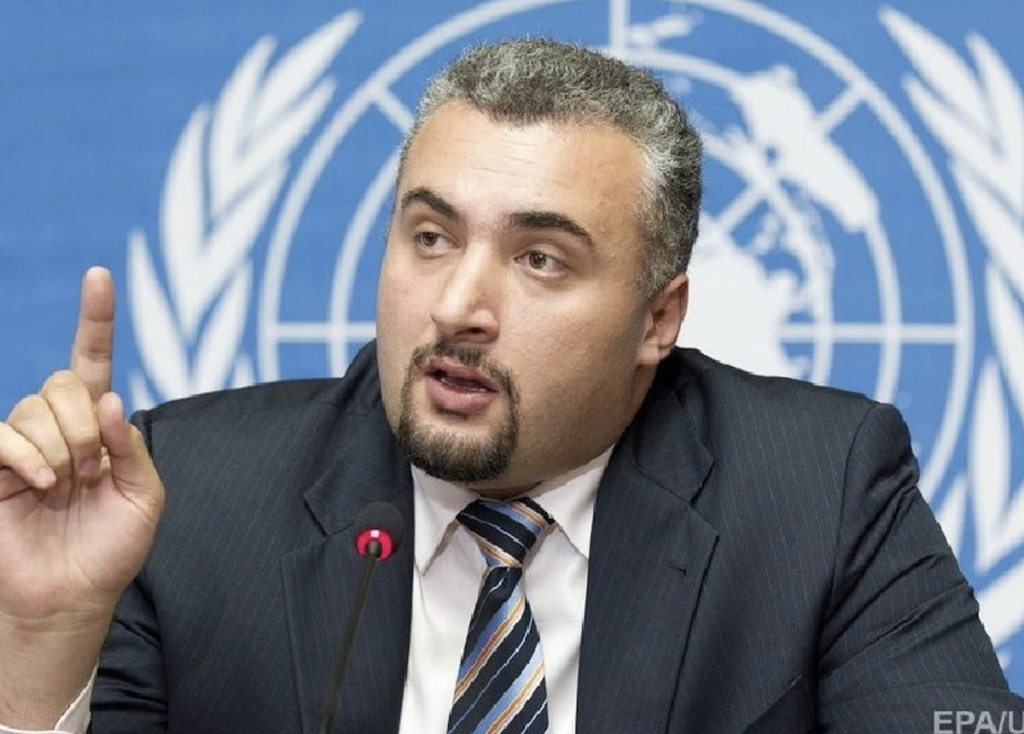
Sergi Kapanadze, Doctor of International Relations:
The developments in Karabakh undeniably alter the situation in the region, as there is now a genuine chance for peace in this conflict-ridden area.
The primary impediment that was obstructing economic progress in the Caucasus region has been resolved.
This implies numerous new opportunities, not only in the context of achieving peaceful conflict resolution but also for establishing new connections and economic contacts.
Now, we can commence efforts on new routes, whether in the East-West direction, which is of interest to us, or the South-North direction, which theoretically could also be of interest to us.
▇ The resolution of the Karabakh conflict has created an excellent opportunity to establish more ties and increase economic prosperity and security in the region.
Russia’s role in the region is undergoing changes. One question pertains to the current status quo regarding Russia’s role at this stage, and the second revolves around the potential and prospects for Russia to persist in the region.
As of now, Russia has succeeded in sustaining its involvement in the conflict, although the role of the Russian military on the Azerbaijani-Armenian border is not yet fully defined. Due to the peace agreements, Russia holds leverage to potentially endure in the region, and it is likely to make efforts not to relinquish it.

Certainly, much will hinge on the positions taken by Azerbaijan and Armenia regarding Russia’s role. Recent developments suggest that Armenia is not inclined towards Russia’s involvement in the South Caucasus, which is understandable given the unfolding events. Armenia perceived that Russia did not adequately protect it and failed in its duty within the Collective Security Organization.
Russia’s involvement and assistance thus far have been beneficial for Azerbaijan, but the future role that Russia will play for Azerbaijan remains uncertain. In any case, there is a chance and a prospect, in my opinion, that Russia’s role will be less significant than before.
While some may deduce from the events in Karabakh that conflicts can be resolved through force, I do not believe this is the right lesson for Georgia.
▇ The primary lesson for Abkhazians, for us, and for Russia should be that as long as there is a chance for peace and the possibility to resolve the conflict through negotiations, it is imperative to seize this opportunity.
Armenia, Azerbaijan, and primarily Karabakh missed the chance for a peaceful settlement, and the subsequent course of events underscores this lesson.
In my view, both Sukhumi and Moscow should draw the conclusion that it is preferable to resolve the issue peacefully rather than being constantly under the threat of renewed war. This, in my opinion, is the main lesson that needs to be learned and discussed more actively.
Regarding Turkey and its growing role in the Caucasus, after the events in Karabakh, Turkey emerged victorious and strengthened its position along with Azerbaijan. This is an undeniable fact. Turkey has fortified its standing and influence in the South Caucasus.
It is certainly possible to intensify the peace policy with Turkey’s involvement, and even more plausible to deepen Turkey’s role in the matter of conflict resolution. There is undeniably potential for enhancing relations with Turkey. Of course, there are also certain issues that need consideration and cannot be ignored, such as the current relationship between Turkish trading companies and Abkhazia.
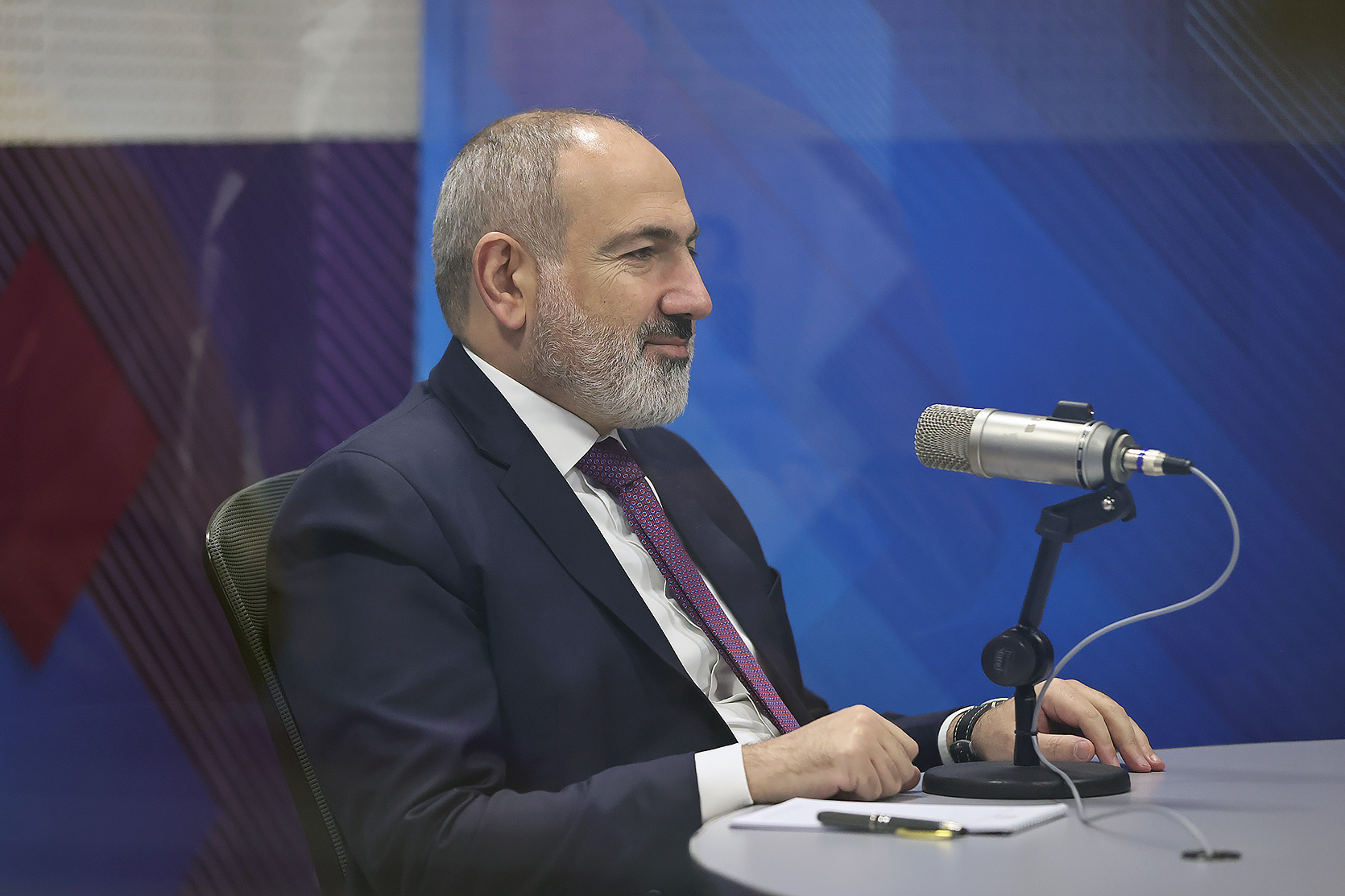
Pashinyan speaks about security
“In the past, Armenia’s defense sector was 95-97% reliant on relations with Russia. However, due to both objective and subjective reasons, this is no longer feasible,” the Prime Minister of Armenia stated.
Nikol Pashinyan underscored the importance of discerning viable military-technical partnerships for Armenia. Currently, efforts are underway to develop a concept for reforming the armed forces, with completion scheduled by year-end. According to the prime minister, this reform must be imbued with a political context, necessitating a clear answer to the question: ‘What purpose should this army serve? Is it to ensure historical justice, or to safeguard Armenia’s internationally recognized sovereign territory?’
During an interview with Public Radio of Armenia, the Prime Minister addressed issues within the defense sector, Armenian-Russian relations, the imperative of adopting a new constitution, as well as the objectives and intentions of Azerbaijan.
More questions than answers
During the interview, Pashinyan frequently posed questions to himself. For instance, he pondered the nature of Armenia’s relations with various countries under the new armed forces reform concept and the type of security partnerships Armenia would establish with Iran, Georgia, and the United States. He highlighted several critical questions:
“Will our security cooperation with Russia undergo changes? In what manner? Will we maintain our membership in the CSTO? What kind of relationship are we cultivating with France?”
While he didn’t provide direct answers, he offered insights into the situation. He noted that the CSTO military alliance not only refuses to shoulder responsibility for Armenia’s security but also advises them to handle their issues independently in critical moments.
Consequently, the prime minister stressed the necessity for Armenia to devise a formula enabling the country to maintain as much independence as possible while ensuring its security.
He announced that the government has drafted an agenda for its actions, advocating for significant changes in the security sphere:
“We urge the people to focus on substance rather than mere rhetoric. We must acknowledge that the standards our army adhered to in 1996 might have been acceptable for that era. However, clinging to those same standards into the 2000s is untenable as they have become hopelessly outdated.”
“It is crucial to establish legitimate objectives”
“In the context of military development, it is crucial to establish legitimate objectives, not only for internal perception but also for international partners,” emphasized the prime minister.
He highlighted the importance of linking legitimacy to the “tools for ensuring the country’s security,” such as the military and diplomacy. Security threats create discrepancies between internal and external perceptions of the country’s security.
Pashinyan defined legitimacy as safeguarding the sovereign territory, territorial integrity, and independence of Armenia, along with ensuring conducive conditions for development. These principles should form the foundation of the strategic security vision. Additionally, he emphasized the importance of Armenia’s messaging to the world regarding the legitimacy of maintaining a robust and combat-ready army:
“We must bolster our military and ensure its readiness to defend our territorial integrity, sovereignty, independence, and land. The territorial integrity of our country equates to the territorial integrity of the Armenian SSR.”
However, the language concerning strengthening the army with the aim of “restoring historical justice” prompts the question of why other nations should endorse this military buildup.
“Azerbaijan faces the task of legitimizing its aggressive ambitions”
As per the prime minister, his interview serves as an explanatory dialogue within the country, emphasizing the need to prevent external interference in such discussions. Such interference, he warns, would impede Armenia’s resilience and ultimately lead to a deadlock. He particularly highlights Azerbaijan’s endeavor to legitimize its potential aggression against Armenia.
“To fulfill their aggressive ambitions, they require us to provide them with justifications to legitimize their actions.”
He suggests that Baku is striving to create an impression that certain forces within Armenia pose a threat to Azerbaijan’s security. This narrative is essential for Baku to legitimize its aggression both domestically and internationally:
“Who claims that the Azerbaijani people desire war? No population desires war. However, if there are aggressive intentions, what is the government’s obligation? It must convince its citizens that failing to carry out this aggression would render them vulnerable to aggression themselves.”
“The decision to change the constitution must be made by the people”
Why did he propose adopting a new Constitution? Pashinyan asked himself and responded:
“The issue lies in the disconnect between citizens and the state. The country’s constitution has never been adopted under conditions where citizens could feel they participated directly in the process.
Where is the moment when we transition from a non-state to a state society? It’s when individuals, of their own volition and without coercion or manipulation, participate in a constitutional referendum, reaching an agreement on the proposed issue. In our society’s perception, people have never had a say on this matter.”
He stressed that in this context, what matters is not just the content of the Constitution, but its “organic connection” with the people.
The government cannot alter the constitution, the prime minister declared; only the people can make that decision. Addressing rumors of potential voting result falsification, Pashinyan reassured:
“This is impossible, as such a course would mean undermining one’s own political identity.”
Is Baku involved in the proposal to adopt a new constitution?
Opposition members directly claim that the notion of a new constitution arose under pressure from Azerbaijan. However, the Prime Minister neither confirmed nor refuted this assertion. Instead, he articulated his stance:
“To avoid any confusion, let me address this question directly. What does Azerbaijan have to do with this matter? This is an internal discourse, but it’s worth noting that your surroundings and the individuals with whom you share amicable or adversarial relations invariably influence your mindset.”
As an illustration, the prime minister cited the national anthem, which references the term “enemy”: “Let [the flag] shine before the enemies.” Pashinyan interpreted this as indicative of a corresponding layer in perception:
“In this regard, regardless of our actions, our enemy is always present. Whether explicitly stated or not, our enemy is ever-present. Simultaneously, 90 percent of the consciousness currently being cultivated in Azerbaijan is preoccupied with us, Armenians, and the Republic of Armenia.”

Perceptions of Armenia’s Declaration of Independence from neighboring countries
According to Pashinyan, the declaration outlines three fundamental provisions: the restoration of historical justice, the fulfillment of the aspirations of all Armenians, and the resolution on the reunification of Nagorno-Karabakh and Armenia. He believes it’s essential to consider this issue not only from the perspectives of Azerbaijan and Turkey but also from that of other countries, such as neighboring Georgia.
“Why don’t we ask ourselves: why does Georgia have deep defense relations with Azerbaijan and Turkey, and not with Armenia? Could this be related to the messages underlying our state’s foundation?”
The Armenian government head is convinced it’s crucial to ponder this and ascertain whether state policy should be guided by the decree “On the reunification of the Armenian SSR and Nagorno-Karabakh”:
“This is a matter of political choice. If so, it means we will never achieve peace. Furthermore, it will likely lead to conflict.”
Nikol Pashinyan firmly believes that Azerbaijan does not wish for Armenia to strengthen and is endeavoring to weaken it. Hence, announcements from Baku claiming, “they are doing all this at our request.” According to the prime minister, this tactic aims to sow opposition within Armenian society to impede positive changes.
Follow us – Twitter | Facebook | Instagram
Pashinyan speaks about security
For #environment
For #World
We have to stop him.#voteblue pic.twitter.com/gKUdQ7xOhB— NatureNeedsUs🌱🌍♻️💚 (@Nature_NeedsUs) January 26, 2024
Shabbat Shalom to my #Jewish ✡️ family in your home #Israel 🇮🇱, in the United States 🇺🇸 & around the World 🗺️, may you have a blessed day with family & friends & May peace be upon you 🇮🇱💙✡️🌹.#ShabbatShalom pic.twitter.com/iyzPjy0EVV
— Hayder Alasadi 海得 (@1AlasadiHayder) February 2, 2024