NPR News: 12-29-2023 1AM EST
Categories
 The South Caucasus News - SouthCaucasusNews.com
Insurance company Irao
Campaigns for cleaning and greening the environment, sorting waste, collecting wastepaper in schools, open classes for children, products made from recycled materials, commercials, the “Walk” campaign, etc. — employees of the Georgian insurance company Irao competed for a whole month for the title of the most environmentally friendly team.
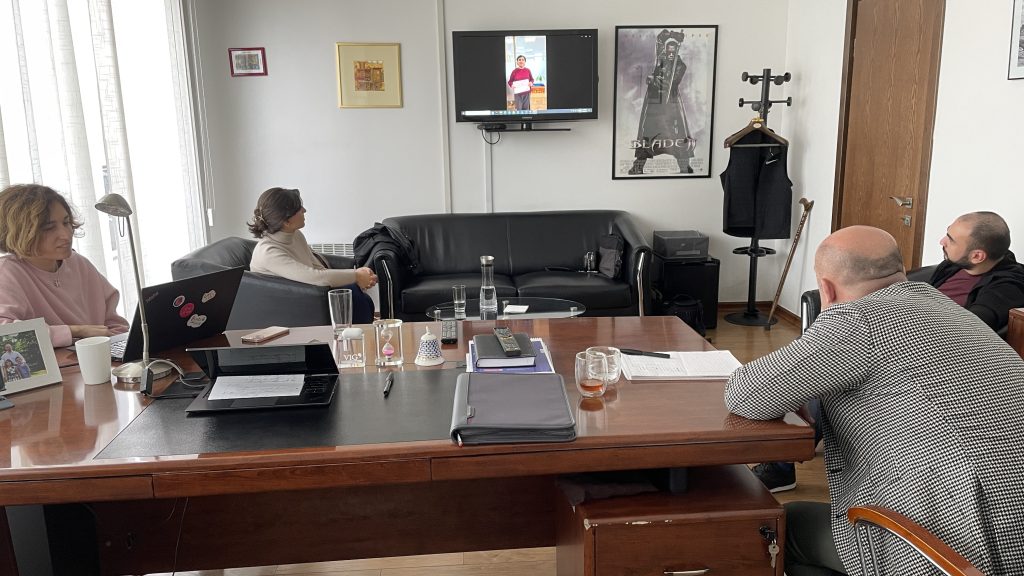
The company has planned an environmental competition called ‘Green Challenge’ to raise awareness among employees about the importance of environment protection and waste management.
The entire staff of the insurance company took part in the marathon, from department heads to junior staff.
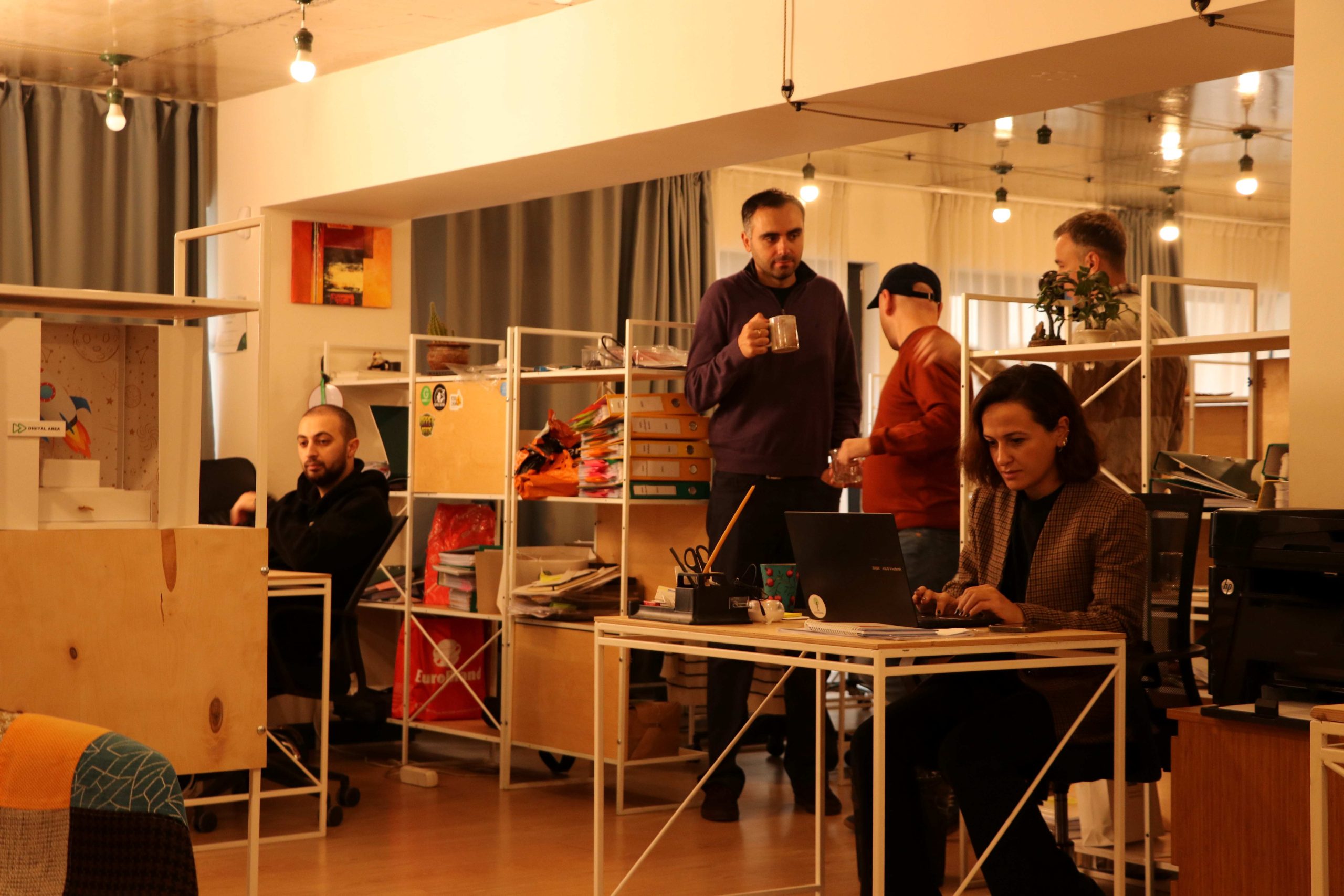
About 300 employees joined 16 teams. Teams were recruited by department or type of activity.
In addition to good work, the teams were motivated by the main prize – a vacation in Kakheti at a prestigious hotel complex.
The eco-competition turned out to be so broad that even a month later the jury were deliberating on the winner.
Here’s how it began.
Insurance company Irao has been operating in the Georgian market for 19 years. This is the only insurance company in Georgia that is a 100% member of the Vienna Insurance Group.
The Vienna Insurance Group (VIG) was founded in the 19th century and still occupies a leading position in the insurance industry. Environmental protection is of paramount importance to the company, and in this direction it implements various interesting projects around the world every year.
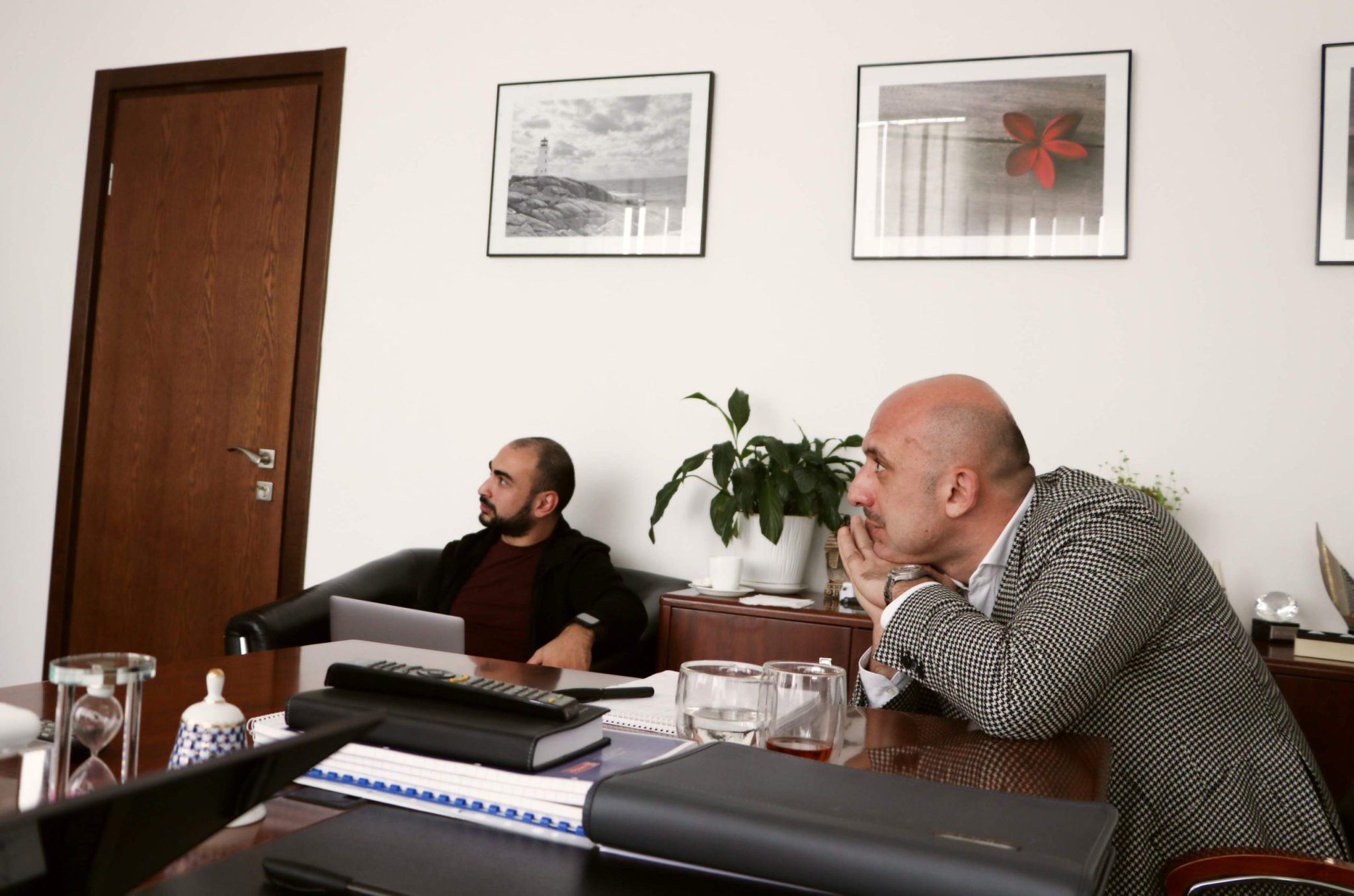 The jury observes presentations prepared by the participating teams.
“We, as a member of the Vienna Insurance Group, have long made sustainable development part of our strategy,” Vakhtang Dekanosidze, CEO of the insurance company Irao, says.
Before this competition, Irao held an annual Social Activism Day, he said.
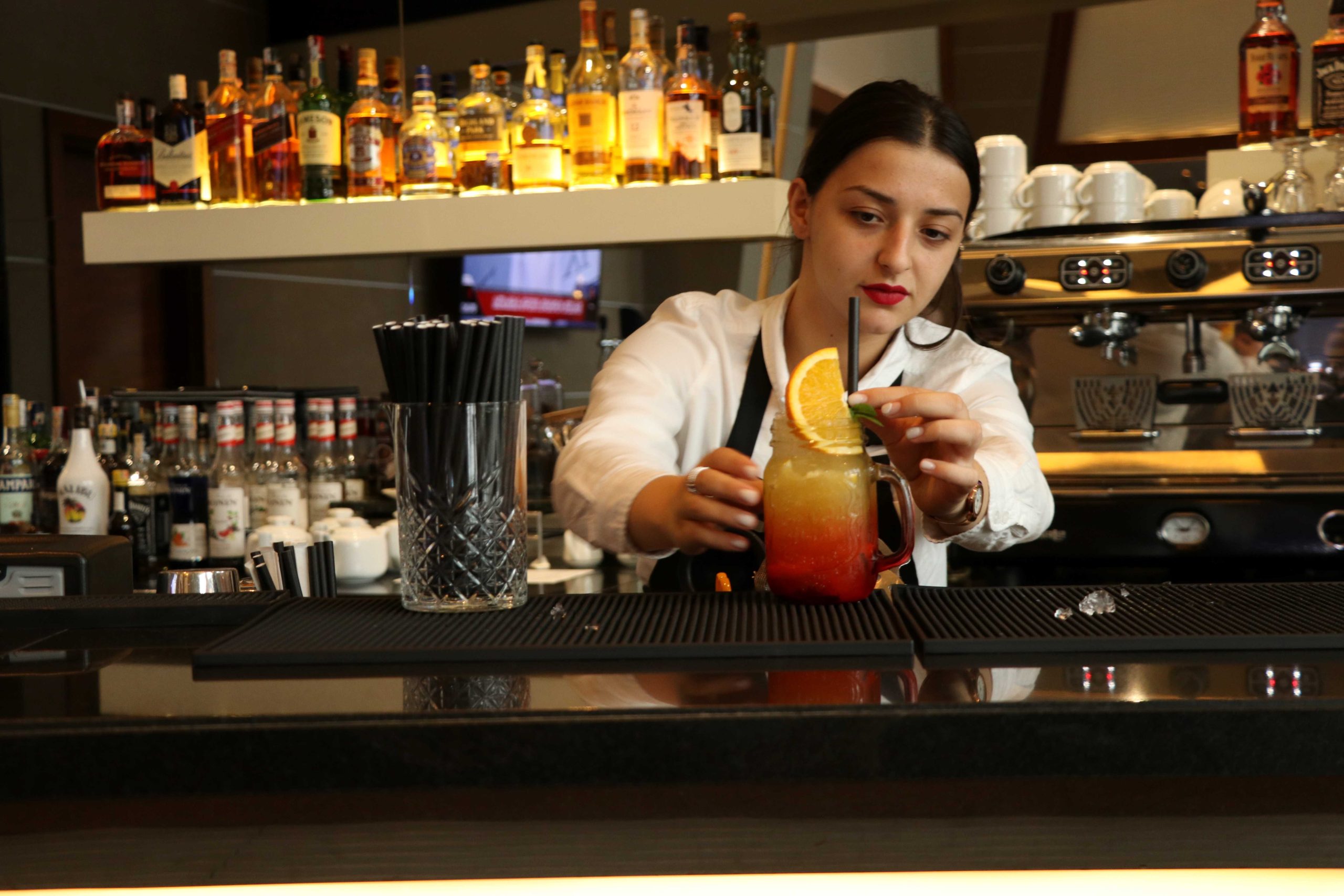
You will no longer find bathroom sets in plastic bottles or plastic straws in the Radisson network
Since 2011 it has been organized annually by the Vienna Insurance Group. On this day, employees of all companies in the group can spend one working day volunteering in support of good causes.
This day is observed by company employees from more than twenty countries. Every year about 6 thousand people participate in various events.
The insurance company Irao, as a member company of the Vienna Insurance Group, supports projects such as “Protect, Recycle, Save!”, “Ride Without a Car”, the construction of a rehabilitation center of the “Monk Andria Foundation” together with social enterprises, as well as the Day of Social Activity various master classes, etc.
And that’s not all. The green policy is also felt in the Irao offices. Part of this policy includes minimizing single-use plastic products, saving water and electricity, and separating waste.
To minimize the amount of single-use plastic, Irao first changed its purchasing policies. The company has stopped using plastic water bottles during meetings and conferences. In addition, company employees were given reusable ceramic glasses and water bottles.
 Elene Margishvili, head of the company’s integrated marketing communications department
To reduce the number of plastic bags that the company was throwing away n large quantities, the number of trash cans was reduced, says Elene Margishvili, head of the company’s integrated marketing communications department. Whereas each room used to have one or more trash cans or bins, now there is only one trash can per floor.
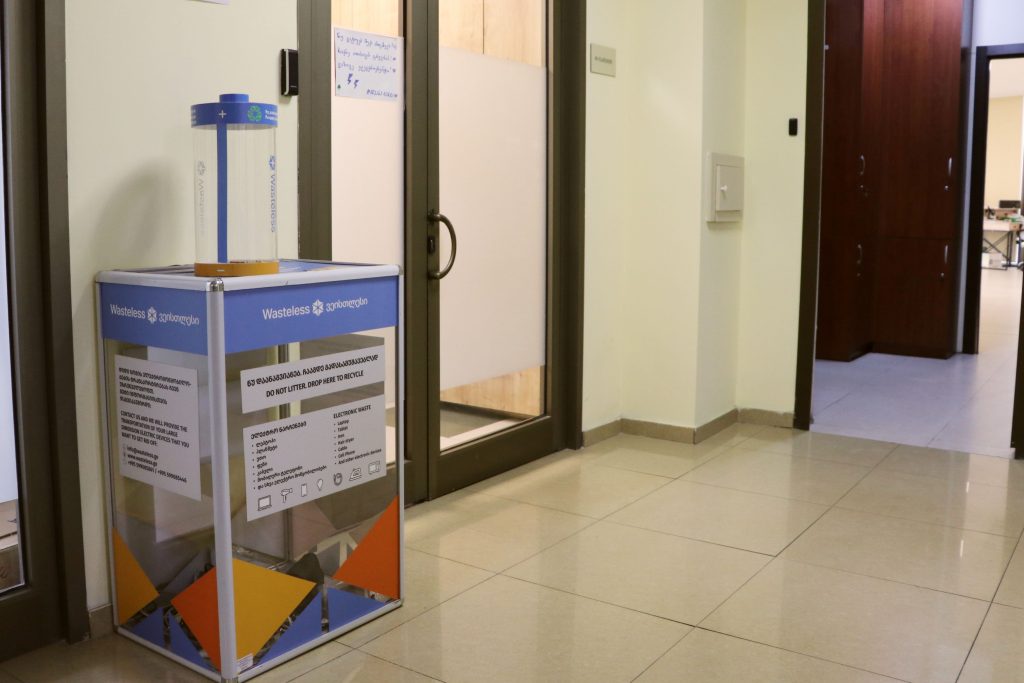
“No matter how much trash the bins accumulated, cleaners still had to empty them every day and thousands of bags were collected. This change has saved us up to 33,000 plastic bags per year.”
“Don’t use the elevator, walk. Save energy” – this sign is posted in the Irao office on all floors near the elevator.

The list of green actions in offices is extensive.
“We completely changed the lighting in the office and switched to energy-saving lighting. If it is not necessary, we do not print anything. We switched to electronic policies and replaced plastic cards. We are friends with CENN [an environmental company], there are bins on each floor for collecting and returning plastic, and we also hand over waste paper,” Elene says.
Another part of this policy was the Green Challenge eco-competition, which was held for the first time this year.
 Slide from one of the team’s presentations
The competition was announced in October and within a month the teams had to plan environmental activities and projects. All teams chose a captain who prepared a report and presentation of their activities.
Teams could work on any type of activity – cleaning the environment, planting trees, saving resources, collecting and recycling plastic and paper, walking and other creative solutions.
 Elene Bedenashvili. Jury member. Company CENN
Teams were evaluated according to three criteria:
“If we look at various materials about corporate social responsibility, we see that people tend to do good deeds and take care of the environment. There was no exception here. Our employees at all positions joined in with great enthusiasm,” Dekanosidze says.
This was also felt in the presentations that the teams prepared for the report. That is why the jury debated for several hours about the winner.
“Many people planned their activities in such a way that outsiders were included in them. Some, for example, gave public lectures. In the end, the results were very impressive. We didn’t even expect such a number and variety of events,” Elene says.
In the end, the jury named the “Green Vision” team as the winner.



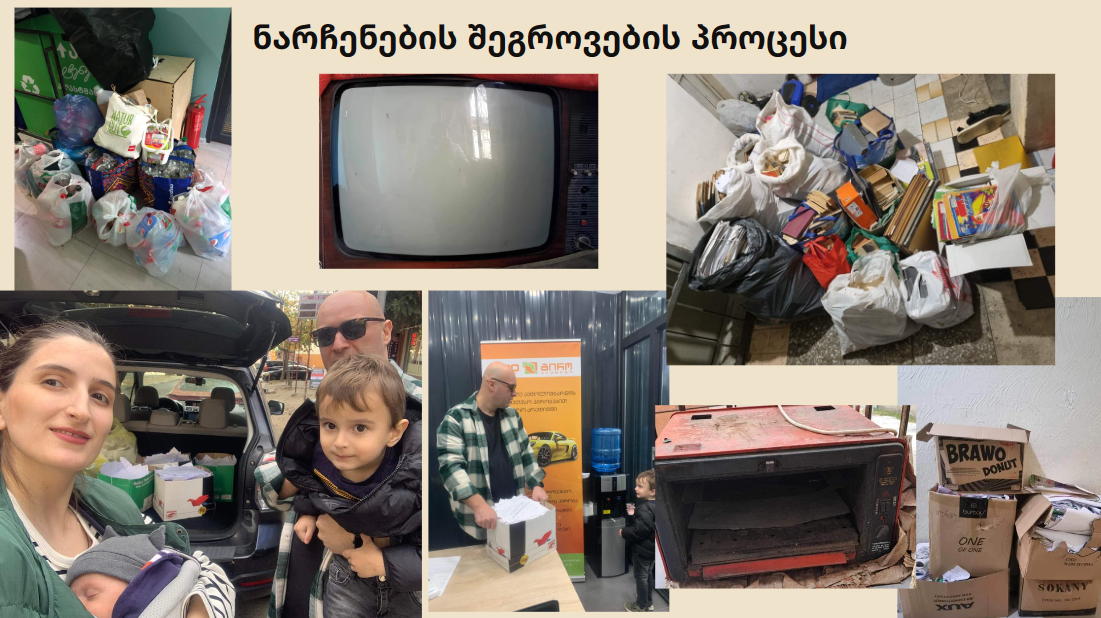
The list of team activities is impressive:
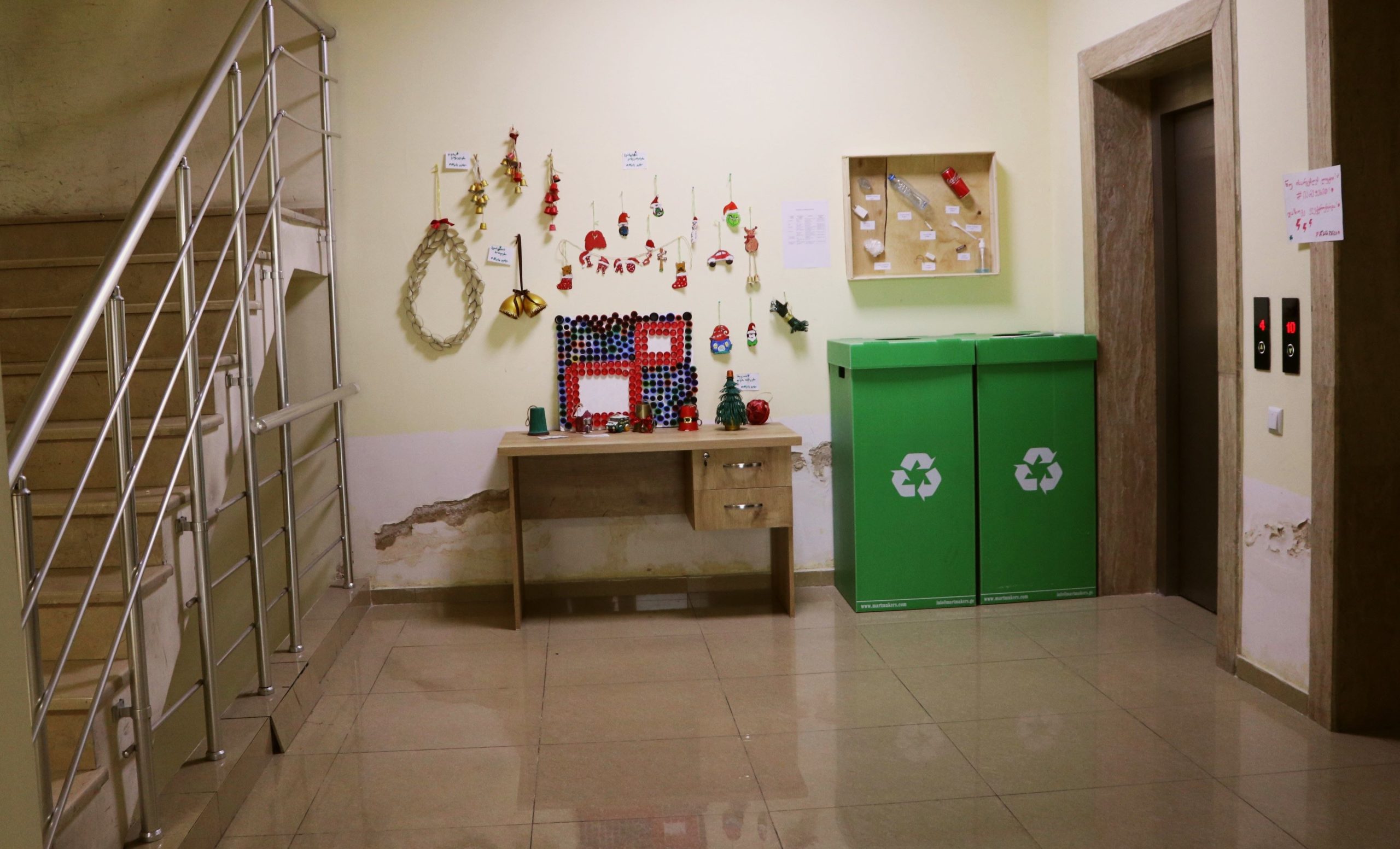
All these products now decorate the offices of Irao. These items remind employees how important it is to reduce waste and protect the environment in general.
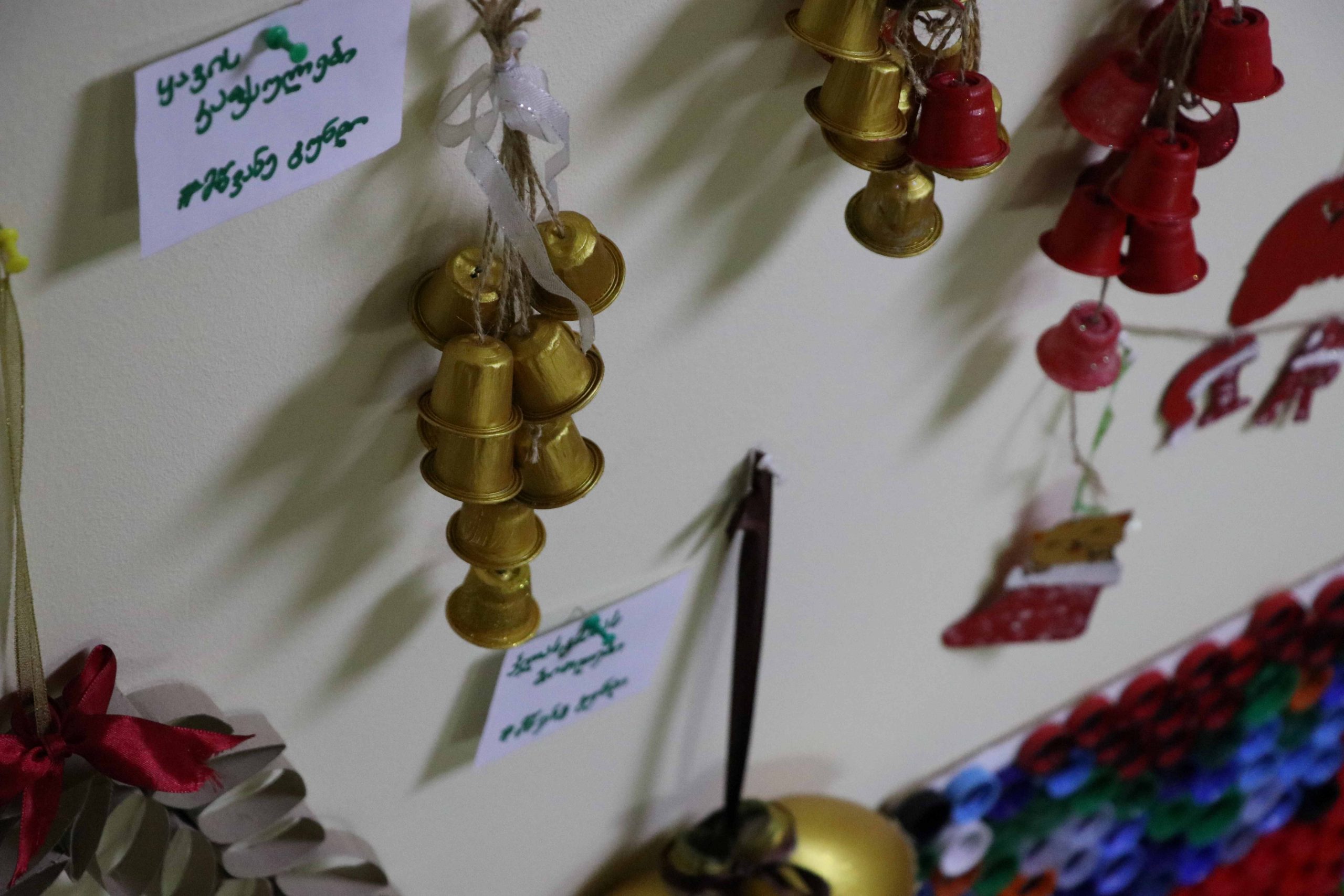


The winning team received a stay at the Tsinandali Hotel as a prize.
“For us, the leadership, the main prize will be to take a step forward, reconsider our behavior and take even more care of the earth,” Dekanosidze says.
He also says the competition will become traditional and even larger next year.
“What should people do to save the Earth? Let’s start changing our behavior, become more environmentally friendly citizens, spend less resources, move towards a circular economy. If we all don’t start acting together, no single tree planted will help.”
Insurance company Irao
The story was created within the project “Empowering People for Circular Solutions in Georgia”, implemented by CENN, with the support of the USAID’s Economic Security Program.
Suppliers for the likes of IKEA, Home Depot HD.N, Amazon AMZN.O and retailers around the world are doing the same as businesses grapple with the biggest shipping upheaval since the COVID-19 pandemic threw global supply chains into disarray, sources in the logistics industry said.
Florida-based Basic Fun usually ships all Europe-bound toys from its China factories via the Suez Canal, the quickest way to move goods between those geographies, CEO Jay Foreman said in a telephone interview from his Hong Kong office.
That trade route is used by roughly one-third of global container ship cargo, and redirecting ships around the southern tip of Africa is expected to cost up to $1 million extra in fuel for every round trip between Asia and Northern Europe.
Yemeni Houthis’ drone and missile attacks in the Red Sea to show their support for Palestinian Islamist group Hamas fighting Israel in Gaza have upended shipping plans.
Basic Fun is now working through the holidays to send toys from China to ports in the U.K. and Rotterdam via the longer route.
It is also diverting some goods bound for ports on the U.S. East Coast from the Suez Canal to the drought-choked Panama Canal, while switching others to the West Coast via the direct route across the Pacific Ocean.
“It’s just going to take longer and it’s going to cost more,” said Foreman, who added that rates for some China-U.K. freight have more than doubled to around $4,400 per container since the Israel-Hamas conflict began in October.
The Suez Canal situation remains fast changing, and shippers MaerskMAERSKb.CO and CMA CGM are moving to resume voyages with military escorts through the Red Sea.
The biggest impact likely will come over the next six weeks, said Michael Aldwell, executive vice president of sea logistics for Switzerland’s Kuehne + Nagel KNIN.S.
“You can’t flick a switch” and reorganize global shipping, said Aldwell, who expects the diversions to cause a shortage of vessel space, strand empty containers needed for China exports in wrong places and send short-term transport price indexes sharply higher.
According to estimates from freight platform Xeneta, it costs $2,320 to ship a 40-foot equivalent unit (FEU) container from the Far East to the Mediterranean “post escalation” versus $1,865 per FEU in early December. It costs $1,625 to ship an FEU from China to the United Kingdom “post escalation” versus $1,425 per FEU in early December.
These rates do not include “extra ordinary” risk surcharges and “Emergency Recovery Cost” that can be between $400 and $2,000 per FEU, Peter Sand, chief analyst at Xeneta, said.
Scramble for space
As of Wednesday, nearly 20% of the global container fleet — or 364 hulking container vessels capable of carrying just over 2.5 million full-sized containers — had been set on a new course due to the Red Sea attacks, according to Kuehne + Nagel data.
Mitsui O.S.K. Lines 9104.T and Nippon Yusen 9101.T, Japan’s largest shipping companies, said their vessels with links to Israel were avoiding the Red Sea area and both companies were monitoring the situation carefully for next steps.
Vessel owners already have begun rationing the less expensive, contract-rate space they reserve for customers, said Anders Schulze, head of the ocean business at digital freight forwarder Flexport.
For example, he said, a customer who delivers five containers a month versus the 10 promised in their contract may only get five containers at contract rates. The remainder would be subject to expensive spot market rates.
This has set off a scramble to reserve space ahead of the early February deadline to get goods out of China before factories there close for the extended Lunar New Year celebrations, logistics experts said.
“Every single booking [out of China] now needs to be reconfirmed. The dates could change, the routing may change,” said Alan Baer, CEO of OL USA, which handles freight shipments for clients. OL has contracts with ship owners and is part of the rush to secure spots on ships.
Small shippers are most at risk of being elbowed out.
Marco Castelli, who has an import/export business in Shanghai, has been trying to rebook three containers of Chinese-made machinery components bound for Italy after the shipments were canceled due to the crisis.
“Transfer my situation to a large corporation and you get what’s going on,” he said.
Foreman at Basic Fun, which plans to have about 40 containers on the water before the Lunar New Year, said the company’s contracts with customers don’t include a way to recover the extra expense. “The price is fixed. [Most suppliers] are going to have to eat those costs.”
Suppliers for the likes of IKEA, Home Depot HD.N, Amazon AMZN.O and retailers around the world are doing the same as businesses grapple with the biggest shipping upheaval since the COVID-19 pandemic threw global supply chains into disarray, sources in the logistics industry said.
Florida-based Basic Fun usually ships all Europe-bound toys from its China factories via the Suez Canal, the quickest way to move goods between those geographies, CEO Jay Foreman said in a telephone interview from his Hong Kong office.
That trade route is used by roughly one-third of global container ship cargo, and redirecting ships around the southern tip of Africa is expected to cost up to $1 million extra in fuel for every round trip between Asia and Northern Europe.
Yemeni Houthis’ drone and missile attacks in the Red Sea to show their support for Palestinian Islamist group Hamas fighting Israel in Gaza have upended shipping plans.
Basic Fun is now working through the holidays to send toys from China to ports in the U.K. and Rotterdam via the longer route.
It is also diverting some goods bound for ports on the U.S. East Coast from the Suez Canal to the drought-choked Panama Canal, while switching others to the West Coast via the direct route across the Pacific Ocean.
“It’s just going to take longer and it’s going to cost more,” said Foreman, who added that rates for some China-U.K. freight have more than doubled to around $4,400 per container since the Israel-Hamas conflict began in October.
The Suez Canal situation remains fast changing, and shippers MaerskMAERSKb.CO and CMA CGM are moving to resume voyages with military escorts through the Red Sea.
The biggest impact likely will come over the next six weeks, said Michael Aldwell, executive vice president of sea logistics for Switzerland’s Kuehne + Nagel KNIN.S.
“You can’t flick a switch” and reorganize global shipping, said Aldwell, who expects the diversions to cause a shortage of vessel space, strand empty containers needed for China exports in wrong places and send short-term transport price indexes sharply higher.
According to estimates from freight platform Xeneta, it costs $2,320 to ship a 40-foot equivalent unit (FEU) container from the Far East to the Mediterranean “post escalation” versus $1,865 per FEU in early December. It costs $1,625 to ship an FEU from China to the United Kingdom “post escalation” versus $1,425 per FEU in early December.
These rates do not include “extra ordinary” risk surcharges and “Emergency Recovery Cost” that can be between $400 and $2,000 per FEU, Peter Sand, chief analyst at Xeneta, said.
Scramble for space
As of Wednesday, nearly 20% of the global container fleet — or 364 hulking container vessels capable of carrying just over 2.5 million full-sized containers — had been set on a new course due to the Red Sea attacks, according to Kuehne + Nagel data.
Mitsui O.S.K. Lines 9104.T and Nippon Yusen 9101.T, Japan’s largest shipping companies, said their vessels with links to Israel were avoiding the Red Sea area and both companies were monitoring the situation carefully for next steps.
Vessel owners already have begun rationing the less expensive, contract-rate space they reserve for customers, said Anders Schulze, head of the ocean business at digital freight forwarder Flexport.
For example, he said, a customer who delivers five containers a month versus the 10 promised in their contract may only get five containers at contract rates. The remainder would be subject to expensive spot market rates.
This has set off a scramble to reserve space ahead of the early February deadline to get goods out of China before factories there close for the extended Lunar New Year celebrations, logistics experts said.
“Every single booking [out of China] now needs to be reconfirmed. The dates could change, the routing may change,” said Alan Baer, CEO of OL USA, which handles freight shipments for clients. OL has contracts with ship owners and is part of the rush to secure spots on ships.
Small shippers are most at risk of being elbowed out.
Marco Castelli, who has an import/export business in Shanghai, has been trying to rebook three containers of Chinese-made machinery components bound for Italy after the shipments were canceled due to the crisis.
“Transfer my situation to a large corporation and you get what’s going on,” he said.
Foreman at Basic Fun, which plans to have about 40 containers on the water before the Lunar New Year, said the company’s contracts with customers don’t include a way to recover the extra expense. “The price is fixed. [Most suppliers] are going to have to eat those costs.”