Categories
South Caucasus News

A migration agreement has been signed by Georgia and Germany. What does it mean?


Migration agreement between Georgia and Germany

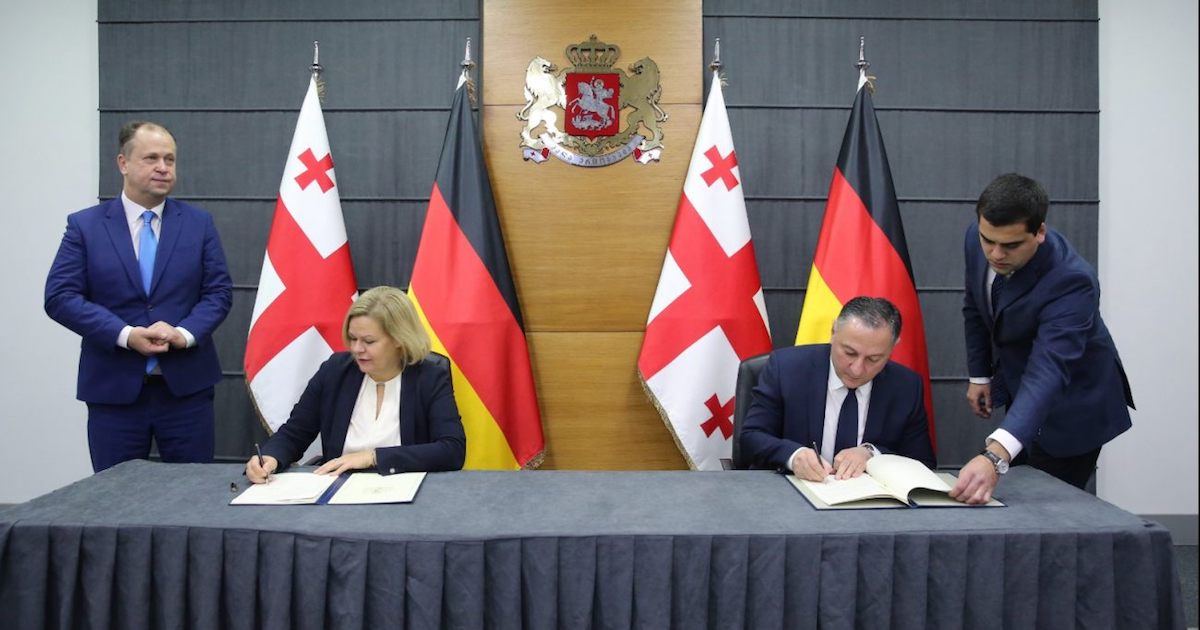
An agreement on migration and mobility has been signed by the Ministers of Interior of Georgia and Germany, Vakhtang Gomelauri and Nancy Faeser. One of the main goals of the agreement is to combat illegal migration.
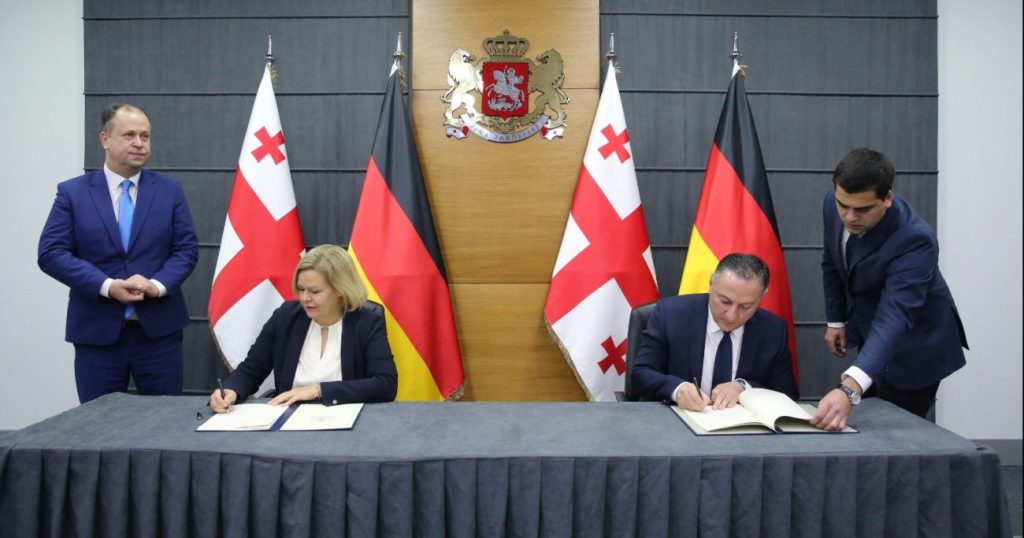
German and Georgian Interior Ministers Nancy Faesar and Vakhtang Gomelauri/Photo: Interior Ministry

“The agreement is aimed at strengthening cooperation between Georgia and the Federal Republic of Germany in the field of labor migration and education. Training and internship programs will be implemented with greater intensity for Georgian students and researchers. In addition to the above, the agreement envisages strengthening the fight against illegal migration, which means strengthening cooperation in the direction of ensuring readmission and reintegration of those Georgian citizens who violate the visa-free travel regime,” the Georgian Interior Ministry said in a statement.

What the agreement entails

“The chance of getting asylum for Georgian citizens in Germany is about 0.3%,” Nancy Faeser told Georgian journalists.

According to the German Interior Ministry, the agreement aims to permanently reduce illegal migration in the future, based on the interests of both countries. From January to November 2023, 15.6% of those denied asylum by Germany were from Georgia and Moldova.

A similar agreement is reportedly being negotiated with the Republic of Moldova, Kenya, Colombia, Uzbekistan, Kyrgyzstan and Morocco.

On December 17, before her visit to Georgia, Nancy Faeer noted that this agreement will not only strengthen cooperation between the countries to limit illegal migration, but also create new prospects for seasonal employment in Germany.

“Employment opportunities in the German labor market are being expanded to make it easier for Georgian citizens to escape unstable labor relations in third countries. To this end, a group of bilateral experts will be established with the participation of relevant Georgian ministries and agencies,” the German ministry statement reads.

Georgia on the list of safe countries

A month ago the German Bundestag declared Georgia and Moldova safe countries. According to lawmakers, the move is aimed at reducing the growing number of asylum seekers from these countries. Being classified as a safe country means that asylum applications from citizens of that country will be processed faster, thus speeding up the deportation process. The main criterion for inclusion on the list of safe countries is that there be no threat of political persecution.

An interview with German MP Jens Spahn was published on December 17, who proposed an initiative to send all new asylum seekers who “came to the EU illegally” to Ghana, Rwanda or non-EU Eastern European countries, including Georgia and Moldova.

According to Spahn, their goal is “an agreement with third countries whereby refugees will go through asylum procedures and will be able to stay there safely if they are granted protection.”

Germany is not the only country in Europe that favors such a policy for illegal migrants. On May 31, Politico wrote that Great Britain is starting negotiations with Chisinau on a new scheme for the return of Moldovan migrants. According to the newspaper, British Prime Minister Rishi Sunak was to announce a similar agreement with Georgia.

According to a European Commission report, the number of asylum seekers from Georgia increased by 81 percent in 2022.

Migration agreement between Georgia and Germany

Categories
South Caucasus News

New trends in Azerbaijan: accusation of smuggling and blocking of bank accounts


Political persecution in Azerbaijan

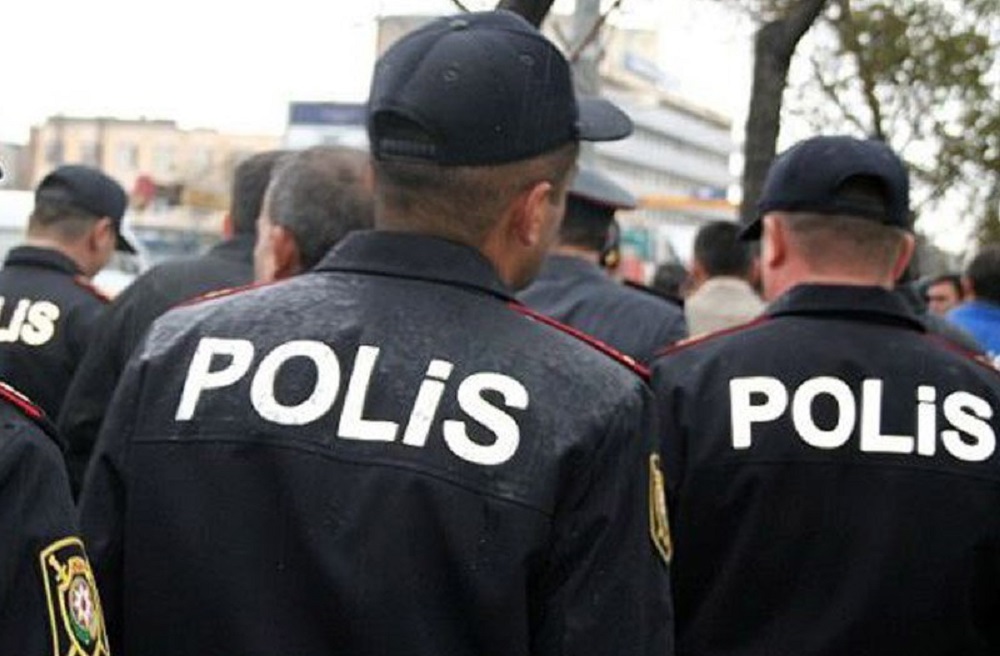
Recently, the trend of arrests on charges of smuggling has been increasingly strengthening in Azerbaijan. Today, law enforcement authorities brought the same charge against the head of the Internet TV Channel 13.

The second new trend is the seizure of bank accounts of not only the accused, but all those involved in the Abzas Media case, as well as their relatives.


A new indictment against the head of Canal 13.

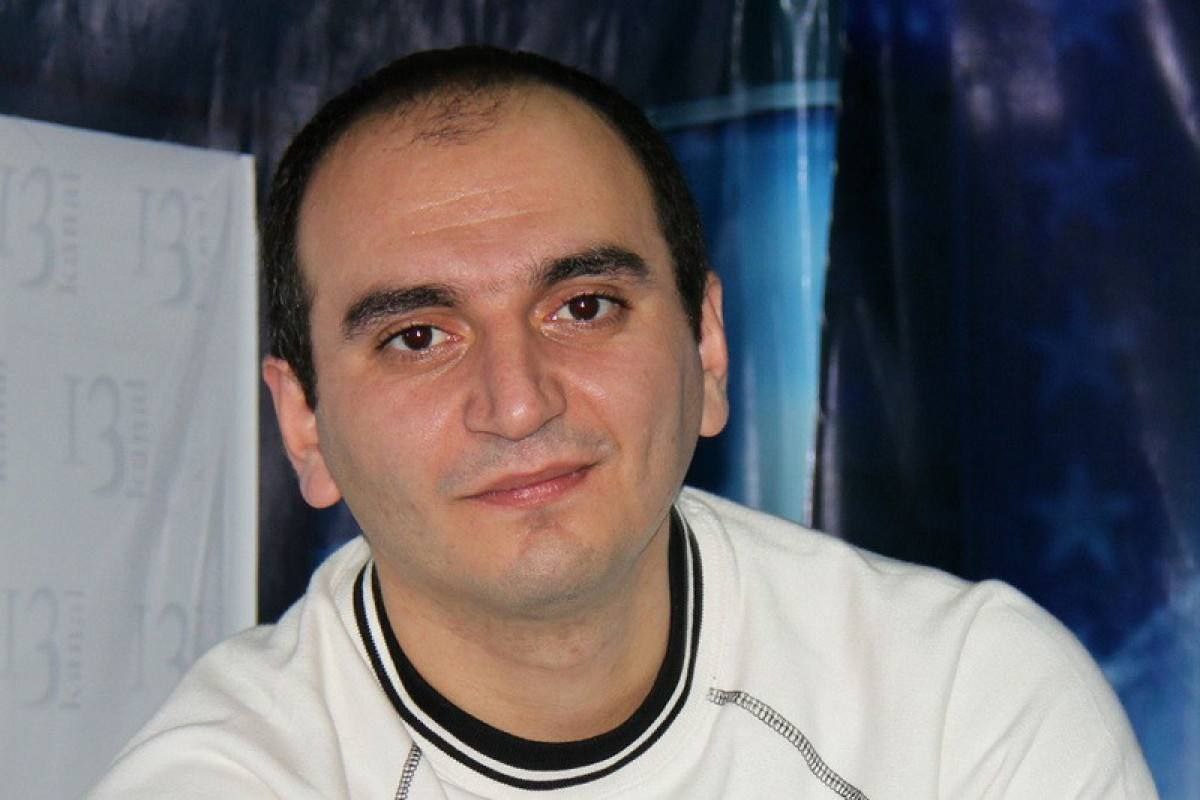
On December 19, a new charge was brought against Aziz Orujev, the head of the Internet TV channel “Channel 13”, who was arrested twenty days ago for illegal construction of a house. Now he is also charged under Article 206.3.2 (smuggling when committed by a group of persons, by prior conspiracy) of the Criminal Code of Azerbaijan. This was reported by his lawyer Bahruz Bayramov.

“Today in the police department of Sabail district of Baku city a new accusation was brought against him. It is about a small amount of money that Aziz’s brother Anar sent to him from Europe through a person he knows. Aziz Orujev does not accept either the previous or these charges. He says his arrest is related to his journalistic activities,” the lawyer said.

Under this article, Orudzhev faces a prison sentence of 7 to 12 years.

Aziz Orudzhev was already sentenced in 2017 to 6 years in prison on charges of illegal entrepreneurship. In 2018, the Supreme Court reviewed the punishment and canceled the charge of illegal entrepreneurship. He was released early.

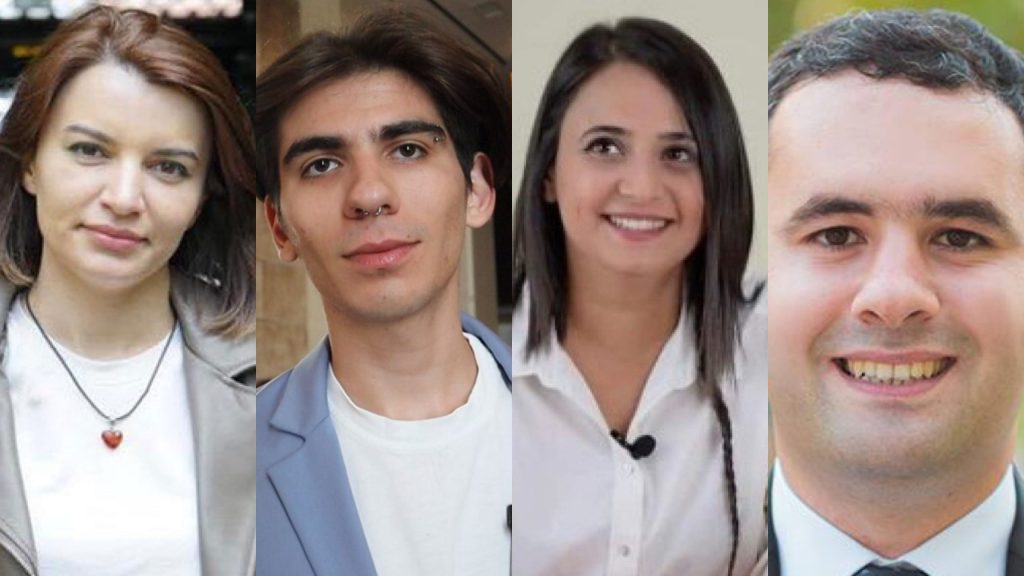
Recall that all 5 arrested in the case of Abzas Media – the chief editor Sevindzh Vagifkyzy, director Ulvi Hasanly, his deputy Mohammed Kekalov, reporter Nargiz Absalamova, investigative journalist Hafiz Babaly are also accused of smuggling in conspiracy with a group of persons.

Blocking of bank accounts

On December 18, a court hearing was scheduled on the complaint of all persons who are on trial in the Abzas Media case and their relatives. They complained about the court’s decision to block all bank accounts not only of the accused in the case, but also of witnesses and even their relatives, who are not involved in the case at all.

Investigative journalist Hafiz Babaly was not brought to the Baku Court of Appeal where the hearing was held. Therefore, the other complainants requested that the trial be postponed to another day. The court granted their request and the hearing was postponed to December 20.

Ofelia Magerramova, Sevinj Vagifkyzy’s mother, says she can no longer receive her disability pension because her pension card has been blocked.

“As a second-group disabled person, I receive a pension of 326 manats [about $190]. Every month on December 15, I used to withdraw money from the ATM. But this time I failed to withdraw money from my pension card. My medicines cost 500 manats [about $295]. My pension was not only not enough for living, but also for treatment. I have no income from anywhere else, this is all I had. I bought some medicines from the pharmacy on installments. I said I would pay when I got my pension, but I couldn’t get my pension. It’s very difficult,” she said.

Narmin Hasanova, Ulvi Hasanly’s sister, also says the blocking of Ulvi Hasanly’s family members’ accounts has caused them considerable hardship:

“My mother Esvira Musayeva’s pension card and my sister Sadagat Hasanova’s salary card were blocked. They were the only breadwinners in the house. My mother has her own needs, she has been worrying for days, she doesn’t know what to do,” says Narmin Hasanova.

Lawyer Elchin Sadygov claims that blocking the bank accounts not only of family members but also of the accused themselves is unjustified:

“Such decisions are taken in the investigation of some cases, but in this case there are no grounds for it. The decision is unfounded,” the lawyer states.

Follow us Twitter | Facebook | Instagram


Categories
South Caucasus News

Strasbourg court orders Russia to pay 130,000 euros for Georgian citizen’s murder


ECHR decision on Otkhozoria murder

The European Court of Human Rights (ECHR) has ordered Russia to pay 130,000 euros in the case of the murder of Georgian citizen Giga Otkhozoria.

The complaint was filed over the killing of 30-year-old Giga Otkhozoria on May 19, 2016, in the zone of the Georgian-Abkhazian conflict. Otkhozoria’s family members believed that the second article of the European Convention on Human Rights, which has to do with the right to life, was violated concerning Gigi.

The Strasbourg Court found that the Russian Federation not only violated the second article of the Convention but also failed to fulfill its obligations under Article 38, as it did not submit the relevant materials of the criminal case to the court.


Killing of Giga Otkhozoria

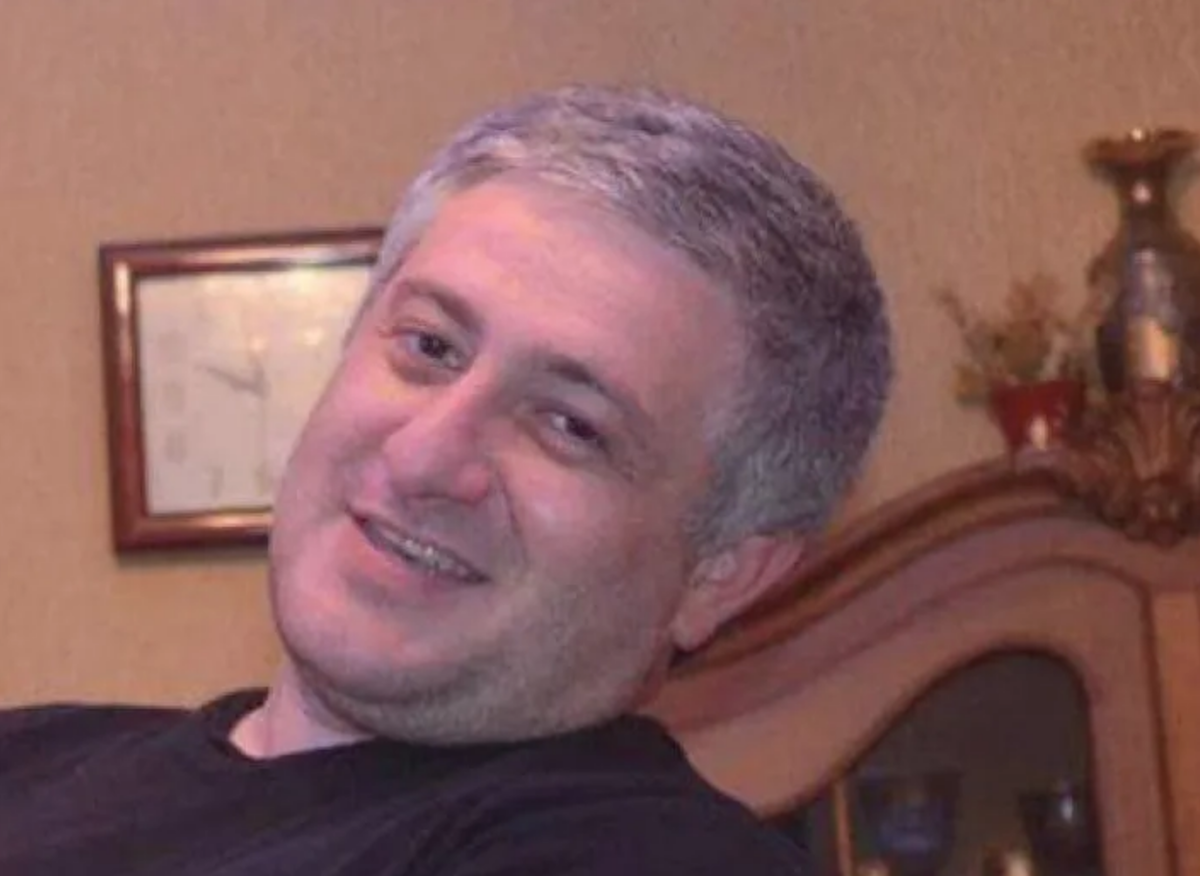
Giga Otkhozoria, 30, was killed on May 19, 2016, near the village of Khurcha, in Georgian-controlled territory near the dividing line. Abkhazian border guard Rashid Kagji-ogly fired six bullets at him.

The moment of the murder was captured by a surveillance camera, which shows Giga Otkhozoria and Rashid Kagji-ogly arguing over goods that Otkhozoria was attempting to smuggle something across the dividing line. After the argument, Kagji-Oglu left the checkpoint, moved toward the village of Khurchi, and shot the unarmed Otkhozoria multiple times.

In absentia, a Georgian court sentenced Rashid Kagji-ogly to 12 years in prison.

The military prosecutor’s office of Abkhazia initiated an investigation into the case. The Abkhazian court placed the accused under house arrest as a preventive measure.

However, in April 2017, criminal prosecution against Kagji-Oglu was terminated, and the case was closed. According to military prosecutor Adgun Agrba, there were no signs of a crime because the Georgian side did not provide Sukhumi with the necessary materials for the case.

Currently, Rashid Kagji-Oglu is wanted by Interpol. The de facto Abkhazian authorities refuse to extradite him to the Georgian authorities.

In January 2018, the Georgian Young Lawyers Association, on behalf of the Okhtozoria family, appealed to the European Court of Human Rights.


Advocate’s comment

Despite the unlikelihood of Russia actually paying, its significance remains paramount. Put simply, without delving into legal intricacies, the self-proclaimed border guard trespassed into our controlled territory, resulting in the death of one of our citizens. The European Court has held the Russian Federation accountable for this incident.

While debates persist on whether Georgia should engage directly with Abkhazians, it’s crucial to note that even the European Court has identified Russia as the responsible party for every action undertaken by Abkhazians.

The lawyer representing the Ohtozoria family, Giorgi Tabatadze, asserts, ‘Russia exerts complete control over their actions, extending its influence even into territories under our control.’


Categories
(@mikenov) / Twitter

@PoppotGroup: RT by @mikenov: #THC #DEA #DOJ We warned about this problem back in 2016: https://t.co/LkkbMF7BJA https://t.co/2DtwC46ioh


Categories
South Caucasus News

Azerbaijan says border issues shouldn’t get in way of peace deal with Armenia – KELO


Azerbaijan says border issues shouldn’t get in way of peace deal with Armenia  KELO

Categories
South Caucasus News

Polish PM appoints new heads of country’s intelligence services


Polish Prime Minister Donald Tusk has announced the appointment of new heads of the country’s five intelligence services


Categories
South Caucasus News

Head of Azerbaijan’s Central Election Commission: “We take uncompromising position on violations of law”


Chairman of the Central Election Commission (CEC) of Azerbaijan Mazahir Panahov has announced an uncompromising position on violations of the law


Categories
South Caucasus News

Hikmet Hajiyev holds meeting at UK Royal United Services Institute


Assistant to the President of the Republic of Azerbaijan – Head of the Foreign Policy Affairs Department of the Presidential Administration Hikmet Hajiyev has met representatives of the academic community of the Royal United Services Institute (RUSI)

Categories
South Caucasus News

EU to suspend trade tariffs on US goods


The EU and the US have agreed that Washington will continue to suspend tariffs on EU steel and aluminum until March 2025 and Brussels will not reimpose its retaliatory measures

Categories
South Caucasus News

President of Israel says ready for new humanitarian pause in Gaza


Israeli President Isaac Herzog signaled readiness on the part of the country on December 19 to enter another foreign-mediated Gaza truce in order to recover hostages held by Hamas and enable more aid to reach the besieged Palestinian enclave