
The seizure of frozen Russian assets could undermine global financial stability and monetary policy, Kristalina Georgieva, Managing Director of the International Monetary Fund, said at the Qatar Economic Forum, Report informs.
 The South Caucasus News - SouthCaucasusNews.com
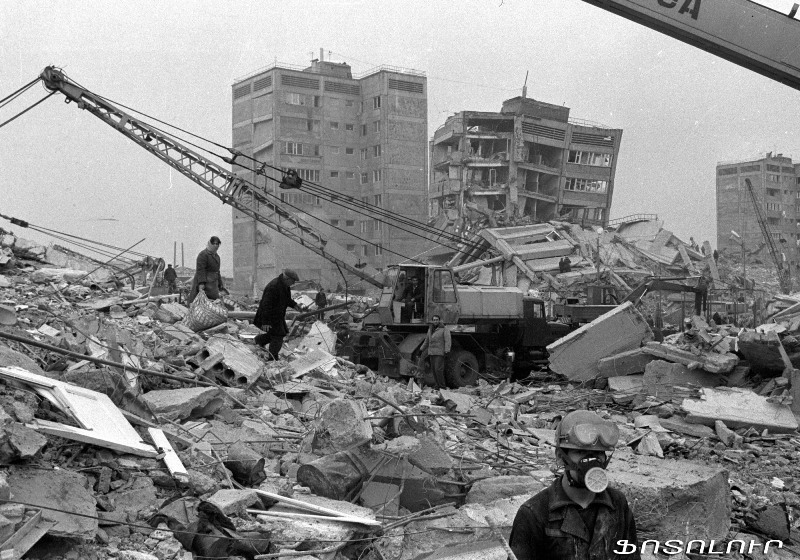
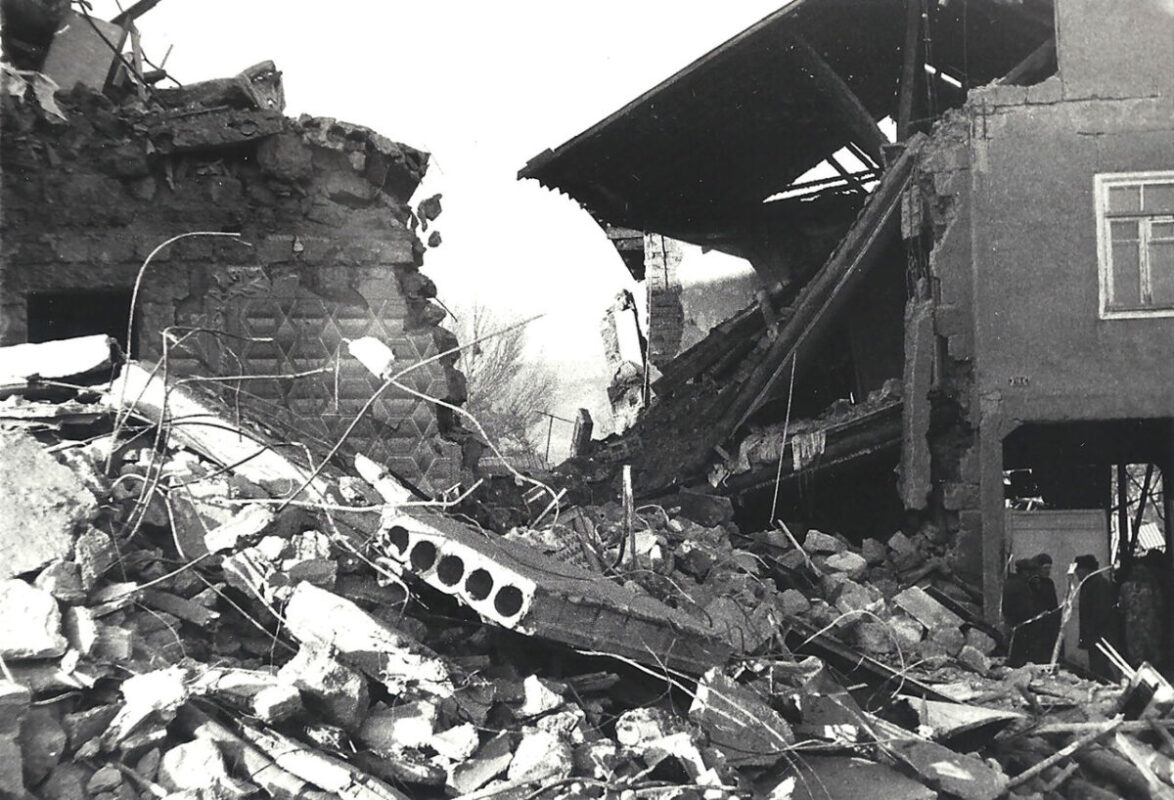
December 7 marks the 35th anniversary of the devastating earthquake in Spitak. The earthquake hit 40% of the territory of Armenia, densely populated regions with 1 million people.
The cities of Spitak, Leninakan (now Gyumri), Kirovakan (now Vanadzor) and Stepanavan, as well as hundreds of villages were totally or partially destroyed. Twenty-five thousand people were killed, 500 thousand were left without shelter. 17% of the buildings were destroyed, the work of 170 industrial companies was halted.
Immediately after the earthquake Armenians all over the world united and offered comprehensive support to the Motherland. “SOS Armenie,” “Aznavour for Armenia” and tens of other organizations were created. Many Diaspora Armenians rushed to Armenia, bringing food, clothes and medicine.
Many of them – doctors, psychologists, constructors, architects – stayed in Armenia and personally participated in the rescue works.

A number of countries of the world continued to support Armenia years after the earthquake. Italians built a whole dwelling district in Spitak, Norwegians built a hospital, which was named after great humanist F. Nansen.
A school built by Englishmen was opened in Gyumri. Prime Minister of Great Britain Margaret Thatcher participated in the opening ceremony.
A 5.6-magnitude earthquake struck the Caspian Sea on Thursday, according to Azerbaijan’s seismological center. The quake’s epicenter was 68 kilometers deep and 60 kilometers east of Siyazan station. No damage or casualties have been reported.
United Nations Secretary-General António Guterres invoked Article 99 of the UN Charter on Thursday, as he warned of a deepening “catastrophe” in Gaza and called on the Security Council to take urgent action to end the violence and protect civilians.
Article 99 gives the secretary-general the authority to bring to the attention of the Security Council any matter which in his opinion may threaten the maintenance of international peace and security. This is the first time that Guterres has used this power since he took office in 2017.
The Security Council, which has the primary responsibility for the maintenance of international peace and security, has been divided over the Gaza crisis, with the United States blocking several attempts by other members to issue a joint statement or adopt a resolution calling for a ceasefire.
The council has held four emergency meetings on the situation but has failed to agree on any concrete action.
Guterres said he hoped that his invocation of Article 99 would “galvanize” the council to act swiftly and decisively to end the bloodshed and suffering in Gaza, and to revive the stalled peace process in the Middle Ea
