Categories
Audio Review - South Caucasus News

The Evolution Of The Modern State System: Does Pakistan Meet The Criteria Of A Modern State? – OpEd


The Evolution Of The Modern State System: Does Pakistan Meet The Criteria Of A Modern State? – OpEd

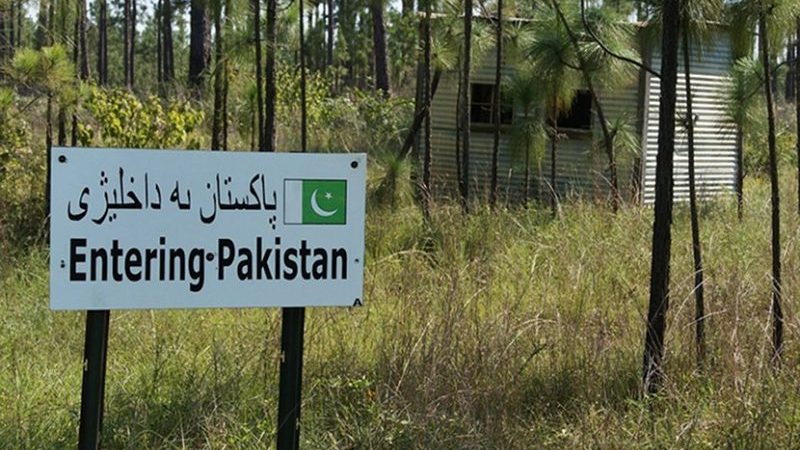
Pakistan border

Concept of the state system

Historical records reveal that the very concept and nodes of the modern nation-state system can be traced back to the creation of Greek city-states when first they came to prominence around 700 BCE followed by the Roman city-state system in 753 BCE, later on, converted into kingdoms and empires and their re-emergence with the signing of the Treaty of Westphalia in 1648. This system began in Europe and spread elsewhere in the world, which established the concept of State Sovereignty. 

The origin of the existing modern state system which provides a history of the division of global space into independent states with defined principles and boundaries in Asia and the rest of the world took place after decolonization due to the First and Second World Wars from 1914 to 1945. The modern nation-state was identified with its four essential elements: Territorial integrity, Sovereignty, Nationalism, and Equality. 

Responsibilities of the Modern State 

The first and most important duty of the State is to protect the life and property of its people. For this purpose, the State agrees with citizens called social contact or constitution, and makes laws to prevent others from interfering in the affairs of the individual. If any individual violates the law of the State, he is punished. In this regard, the idea of Socrates is most relevant in that the “goal of sharing wealth within in state was not just to make one class happy, but to achieve maximum possible happiness for the nation as a whole”. The Roman scholar Cicero writes, about the behavior of the state, “He who takes care of only one group of citizens and neglects the rest perpetrates to introducing the deadliest element in the city, by which I mean anarchy and hatred.” 

Emperor Ashoka (about the state), also seems in one of his inscriptions wishing for protection, self-control, justice, and happiness for all within the state system. I think the quote of 4th US President James Madison is the most recent and relevant in this regard, he says, “All governments depend on opinion. The states appear bigger than tall buildings, mirrors, and armies, but they all depend on whether people trust them or not”.

Is Pakistan meeting the criteria of statehood or fulfilling its responsibilities as a state?

The 76 years of the chequered political, economic, and judicial history of the country deficits altogether opposite picture and contrary stories what has been said or defined by various Scholars and political scientists about the state and its duties toward its citizens. Our political system has swung from parliamentary to presidential, from democratic to dictatorial, and hybrid forms of governance but none of them have met the criteria of modern statehood specifically about delivering goods to the public-resulting in 1971 debacle-separation of East Pakistan.

Our judicial history is full of controversies. The whole judicial system has become rotten due to constant interventions and unabated manipulations, polarisation during the judicial process and decisions, and particularly politicization of higher judiciary during the selection and appointments of judges. Resultantly, the elites get relief within in short period while common people are lingering for seeking Justice in the courts for decades.

Economically we as a nation are facing multiple challenges. Unfortunately, successive governments – whether civilian, hybrid, or military – have consistently failed to take meaningful action for the betterment of the public. This failure is rooted in vested interests, lack of political will, and a fear of disrupting the status quo.

The whole country particularly its economy is captured by a small elite class. This phenomenon, known as ‘elite capture’, stands as a formidable challenge to human development and social justice in Pakistan, according to esteemed economist Dr. Hafiz Pasha. It systematically erodes the foundations of economy, democracy, accountability, and equality. 

As a result of a lack of coherent policies, Pakistan having begging bowl in hand has borrowed from the IMF 23 times since 1958, including 14 times since 1988 and six times since 2000. Turning to the IMF is the economic equivalent of a sick individual being in intensive care. Considering that Pakistan has spent 22 years in the last three decades in the IMF’s intensive care, the country’s economy suffers from some serious ailment.

Pakistan posted GDP growth of a meager 0.29 percent in the fiscal year ending June 2023, below the target of 5.0 percent set last year, and less than the annual population growth rate of 2.5 percent. The country’s population is increasing faster than its economy is growing, pointing to the depth of the economic crisis. The country is short of foreign exchange because it imports more than it exports and has to service external debts. The government generates less revenue in taxes than it spends; the State Bank prints notes to finance the government’s expenditures, resulting in rampant inflation; politicians are blaming each other for the faltering economy.

According to the World Energy Council, at present, Pakistan ranks among the lowest (99 out of 110). From July 2021 to May 2022, Pakistan’s food import bill was reported to be 7.5 billion dollars. We import wheat, lentils, and edible oils to name a few food products from the long list. So much for being an agricultural country.

Pakistan ranks 129 out of 140 in the 2022 World Justice Project (WJP) rule of law index. However, when it comes to order and security, the ranking drops to an abysmal 139 out of 140, only beating Afghanistan.

The nation faces a multitude of pressing issues: a woeful state of education, an exploding population, a looming water crisis, lamentable health services, distressing law and order situation, runaway inflation, a chronically underperforming economy, sorely needed judicial reforms, fuzzy civil-military relationship, massive brain drain, climate change and above all security challenges.

Why Pakistan is considered a failed or abnormal state?

A failed state or “weak state” is a state-like entity that cannot coerce and is unable to successfully control the inhabitants of a given territory (Clark & Golder, 2012). They are incapable of providing these goods, and once a state has become weak, it loses effective sovereignty over part of its territory. according to Phillip Bobbit, the state loses its legitimacy when it can no longer fulfill the function of maintaining, nurturing, and improving the condition of its citizens.

Further, States and policies, for instance, are sometimes referred to as ‘abnormal’, and in International Relations (IR) research, the label has been used most persistently to describe post-war Japan and its foreign and security policy. The similarities, as well as divergences between Japan’s and Pakistan’s abnormalities, are worth undertaking a deeper look by academia in Pakistan.

The tumultuous history of politics and the successes as well as failures of the civil, military, and hybrid governments in Pakistan in the last seven decades coupled with politicised judicial  and weak economic systems unfortunately has earned both images of failed as well as abnormal state. This ugly image needs to be evaluated keeping in view the features and fundamentals of the state’s behavior toward its citizens and the whole governance system especially concerning the achievement of vital and non-vital national interest.

How to become a normal modern nation-state?

Pakistan’s problems are political in nature: not technical. The concentration of power within a small elite-class civil military — particularly in certain key domains such as foreign policies and governance including state bureaucracy corporate strongholds and the security apparatus — is the primary reason for continued abnormality and bed governance in the country. Multiple follies for the seven decades have been committed by leaders and individuals in positions of authority including institutions responsible for running the affairs of the state. The whole system requires serious introspection for the survival of our state. True democratic dispensation based on republican principles of social justice, respect for the constitution, the rule of law, liberal freedom from dogmas, and an inclusive system of governance is required.

Pakistanis must embrace economic pragmatism and do away with ideological preoccupations that have kept productivity down and foreign investment away. Religious militancy, and judicial interference in political and economic affairs particularly in investment contracts (remember Reko Diq, still mill, etc must be stopped forthwith.

Economic recovery needs pragmatism, which would lead the nation to open trade with all countries, especially immediate neighbors India, Iran, Afghanistan and notwithstanding political or other territorial disputes. Investment in building human capital that would expand the country’s technological base, leading to economic modernization specifically foreign Investment should be the priority. It thrived in EU countries, particularly the best example is the China-India border dispute. They put aside their centuries-old hostilities and opted for trade and investment.

Pakistan’s strategic location in the region attracts many international investors in mega projects like TAPI, IPI, CASA-1000, and specifically CPEC but given the tense environment within the country and of the region due to our geo-strategic position coupled with global geopolitics particularly our hostility with India and now with Taliban government in Afghanistan has stalled all those projects for decades and it is not possible for business owners to access to the Central Asian market. 

The grime security situation particularly the TTP’s resurgence in KP and Balochistan and continuing Baloch insurgency in parts of the western province have scared investors away. Therefore, it is important that the bitter history is buried and relations with neighbors are normalized. Equally important is to engage all disaffected parties and stakeholders in dialogue. Without these steps, investment claims specifically foreign investment under SIFC will forever remain just a dream.

The country is in dire need of permanent and pro-public policies but successive governments have been in search of shortcuts. The Musharraf regime depended heavily on 9/11-related inflows that came into the country in the middle of the 2000s. The PML-N government of 2013 found inflows from bilateral sources like China or the Gulf countries. The PTI government found a bonanza economic growth pushing further down the country into economic meltdown.The current caretaker government is endeavoring to materialize the dream of SIFC and the recent visit of the caretaker PM to gulf countries and signing contracts in billions for investment in the country if materialized, will be a sigh of relief for the ailing economy.

For Pakistan to remove the image of an abnormal and failing state and effectively move forward as a modern nation-state, it must confront its internal and external hurdles head-on delicately and consistently. This requires substantial restructuring of our political economic and judicial system including our internal and external policies particularly switching from security to welfare state. The main focus should be overhauling and education, health infrastructure, and a commitment to inclusive, representative, and good governance. 

Categories
Audio Review - South Caucasus News

COP28: The UAE’s Vision for A Fossil-Free Future – OpEd


COP28: The UAE’s Vision for A Fossil-Free Future – OpEd

Pumpjack Energy Oil Industry Sunset Fossil Fuel Silhouette Resource

The United Nations Climate Change Conference, COP28, currently unfolding in Dubai, holds the promise of a historic breakthrough in the global effort to combat climate change. Hosted by the United Arab Emirates (UAE), a nation deeply rooted in the wealth of fossil fuels, this conference is poised to make unprecedented commitments to reducing the gases heating our planet. This article delves into the intricate dynamics of COP28, exploring the cautious optimism expressed by the UAE negotiating team, the challenges in phasing out fossil fuels, and the transformative role played by Sultan al-Jaber, the president of COP28 and head of UAE state oil company Adnoc.

While it might seem logical for a climate conference to focus on eliminating fossil fuels, the reality was quite different until a couple of years ago. These energy sources were rarely discussed, let alone targeted for reduction, at global gatherings. The breakthrough began at COP26 in Glasgow in 2021, where the commitment to “phase down” the use of coal was the first formal acknowledgment of the need to address the main source of climate change.

Current Progress at COP28

The UAE negotiating team expresses cautious optimism about COP28 committing to phasing down, and possibly abandoning, fossil fuels over the coming decades. This proposition, although seemingly paradoxical given Dubai’s status as a petrostate, underscores the potential for real progress on climate action. The challenges lie in formulating a commitment without specifying an expiry date and allowing “abated” fossil fuels, where emissions are captured to prevent climate change.

Sultan al-Jaber, as the president of COP28, has been pivotal in driving the vision for a fossil-free future. While the bureaucratic language might have obscured his intentions, he has actively encouraged parties to contribute language for the negotiated text, aiming for a commitment to phase out or down fossil fuels. Al-Jaber’s persistence in pushing for unprecedented actions and transformation underscores his commitment to steering COP28 towards historic decisions.

Challenges and Controversies

Phasing out fossil fuels presents significant challenges, and controversies linger around setting a specific expiry date. The allowance of “abated” fossil fuels adds complexity, as capturing emissions at the required scale remains a technological challenge. However, even without a concrete expiry date, a commitment to addressing the main source of climate change would mark a groundbreaking step forward.

The surprising stance of the UAE, a nation built on oil money, raises questions about its motivation to advocate for a phase-out. Sultan al-Jaber’s recent comments questioning the science of global warming have sparked debates, but his subsequent clarification emphasizes the inevitability of phasing down and out fossil fuels. The UAE’s recognition of the imperative to kick the addiction to unabated fossil fuels aligns with a broader global understanding.

The decisions at COP28 are guided by science, particularly the target of limiting global warming to 1.5C. Prof. Jim Skea, head of the UN’s Intergovernmental Panel on Climate Change, explains the necessity of eliminating unabated coal by 2050, with significant cuts in oil and natural gas. The science-backed approach forms the basis for the UAE’s commitment to transformative action.

The UAE’s ambition to put itself decisively on the right side of history reflects a broader recognition of the world’s need to transition away from unabated fossil fuels. A commitment to phasing down or out fossil fuels at COP28 would have far-reaching implications, signaling a global acknowledgment of the urgency to address climate change. The challenges ahead, both in technological advancements and global cooperation, will test the commitment made at this pivotal conference.

Conclusion

In conclusion, COP28 in Dubai stands at the precipice of a historic breakthrough in the global fight against climate change. The UAE’s vision for a fossil-free future, spearheaded by Sultan al-Jaber, challenges conventional expectations from a petrostate. While challenges and controversies persist, the potential commitment to phasing down or out fossil fuels signals a transformative moment in the pursuit of sustainability. As the world awaits the outcomes of COP28, the decisions made here may well shape the trajectory of climate action for generations to come.


Categories
Audio Review - South Caucasus News

Understanding The Broader Impact Of The Ukraine Conflict – OpEd


Understanding The Broader Impact Of The Ukraine Conflict – OpEd

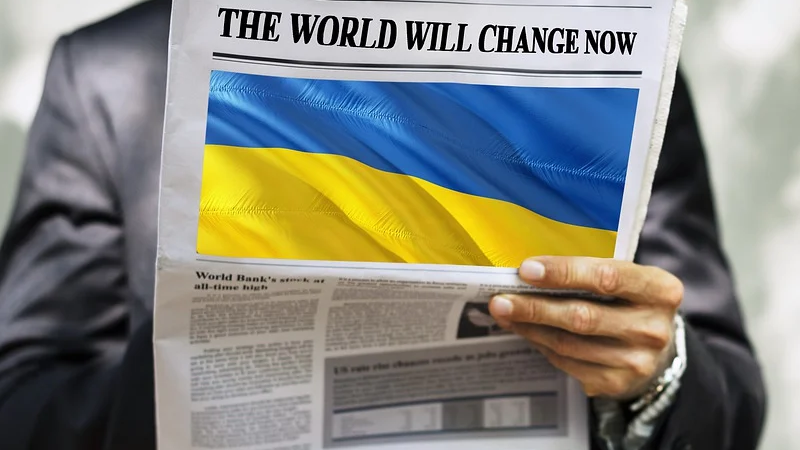
Man Newspaper Read World Change War Ukraine Flag

The Ukraine conflict has ramifications that extend far beyond the borders of the region. This geopolitical crisis has triggered a ripple effect, influencing international relations, security dynamics, and global politics. The conflict’s broader impact is evident in the strained relations between major powers, the reevaluation of strategic alliances, and the humanitarian challenges it has posed. Additionally, economic repercussions and the reshaping of geopolitical narratives contribute to the complexity of the conflict’s reach. Analyzing the broader impact of the Ukraine conflict is essential for comprehending its multifaceted consequences on the global stage.

The conflict in Ukraine has led to disruptions in global commodity markets, resulting in rising food prices and apprehensions concerning food security. Ukraine and Russia, both major grain exporters, have had their agricultural production and exports hampered by the conflict. This, in turn, has affected Global South nations reliant on these imports. Moreover, the instability in energy markets, driven by geopolitical tensions related to the conflict, has raised questions about energy security and affordability for numerous countries.

Economic instability stemming from the Ukraine war has played a role in currency devaluations across several Global South countries. These exchange rate fluctuations can lead to increased import costs, inflation, and economic uncertainty, posing challenges to the fiscal and monetary policies of these nations. Furthermore, the war has disrupted global trade and foreign direct investment (FDI) flows. Supply chain disruptions and decreased demand from key trading partners have affected the exports and imports of many Global South countries. Additionally, FDI inflows have declined due to heightened uncertainty and geopolitical risks associated with the conflict.

The Ukraine war has also triggered significant population displacement, with millions of people fleeing conflict zones. Neighboring Global South countries have absorbed a substantial number of refugees, placing immense strain on their resources, social services, and infrastructure. Addressing the humanitarian consequences of the conflict has necessitated international assistance. Countries in the Global South hosting refugees require humanitarian aid to meet the immediate needs of displaced populations. However, funding shortfalls and logistical challenges often impede the effective delivery of aid.

The disruption of healthcare systems in Ukraine due to the war has contributed to health crises, exacerbating the challenges posed by the COVID-19 pandemic. The Global South, already grappling with healthcare disparities and limited resources, faces increased risks as the war strains international health efforts. Additionally, the Ukraine conflict has prompted Global South countries to take positions on the conflict, aligning themselves with either Russia or Western powers. These diplomatic choices have geopolitical implications and can affect relationships with key allies.

The conflict in Ukraine has had a ripple effect on regional conflicts and alliances in the Global South. Some nations have leveraged their involvement in the conflict to strengthen alliances or pursue their own regional interests. Moreover, the United Nations (UN) has been actively engaged in addressing the Ukraine crisis. Peacekeeping efforts and diplomatic initiatives by the UN may influence the role of Global South countries in conflict resolution and international diplomacy. Several Global South countries heavily depend on Russian energy supplies. The Ukraine war has raised concerns about the reliability of these energy sources, prompting nations to consider diversification strategies and renewable energy initiatives.

Global South countries affected by the Ukraine war have sought financial aid and loans from international organizations such as the International Monetary Fund (IMF) and the World Bank. These institutions play a crucial role in providing economic assistance and shaping recovery plans. However, striking a balance between immediate economic recovery needs and geopolitical pressures poses a challenge for Global South countries. Development projects and infrastructure investments may be influenced by these competing priorities.

The environmental consequences of the Ukraine war also extend to global climate change efforts. Disruptions in commodity markets and energy supplies can affect greenhouse gas emissions and sustainability goals. Furthermore, the conflict has caused environmental damage and created risks, including impacts on agriculture and water resources. Environmental degradation can exacerbate existing vulnerabilities in Global South countries.

Understanding the potential long-term consequences of the Ukraine war for the Global South is crucial. Geopolitical shifts, economic recovery prospects, and development trajectories will continue to evolve, shaping the future of these nations. As Global South countries navigate these complex dynamics, international cooperation and conflict resolution efforts remain vital. Monitoring and addressing the multifaceted repercussions of the Ukraine war on the Global South are essential for global stability and sustainable development. 


Categories
South Caucasus News

NPR News: 12-07-2023 5AM EST


NPR News: 12-07-2023 5AM EST

Categories
South Caucasus News

Gold Bars Found In Senator Bob Menendez’s Home Linked To 2013 Robbery | News Radio 570 WWNC – iHeart


Gold Bars Found In Senator Bob Menendez’s Home Linked To 2013 Robbery | News Radio 570 WWNC  iHeart

Categories
South Caucasus News

Armenia parliament speaker says Azerbaijan itself dragging out peace process


Categories
South Caucasus News

Blinken ‘Looks Forward To’ Hosting Bayramov, Mirzoyan In Washington ‘Soon’: James O’Brien


U.S. Secretary of State Antony Blinken “looks forward to hosting foreign ministers Bayramov and Mirzoyan in Washington soon for peace negotiations,” chief U.S. diplomat for Europe and Eurasia James O’Brien posted on X, the platform formerly known as Twitter, following his meeting with Azerbaijani president Ilham Aliyev yesterday.

“As I…


Categories
South Caucasus News

Voskanyan faces life imprisonment


Baku/07.12.23/Turan: The investigation into the case of Armenian serviceman Gagik Voskanyan, detained in the Kelbajar region, started on Thursday at the Sabunchu district court in Baku.

The case is being considered by a panel of judges chaired by judge Abdulla Mammadov of the Ganja court for grave offences.

At the…


Categories
South Caucasus News

Azerbaijan to hold snap presidential election on February 7, shortly before Russia’s vote – Beaumont Enterprise


Azerbaijan to hold snap presidential election on February 7, shortly before Russia’s vote  Beaumont Enterprise

Categories
South Caucasus News

AP Headline News – Dec 07 2023 05:00 (EST)


28013281