Tensions between Azerbaijan and Turkey
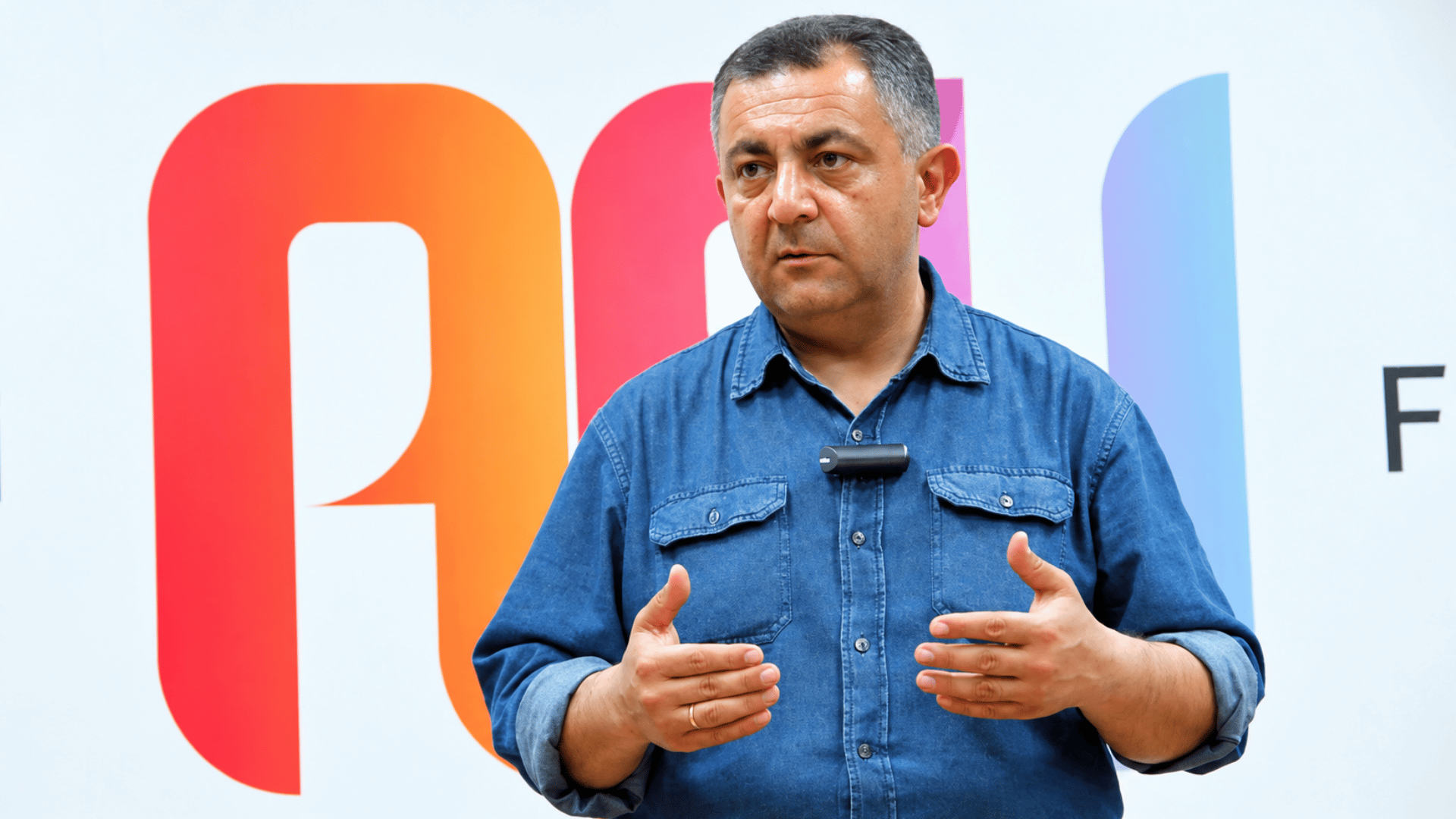
Political analyst Arastun Orujlu has discussed the reasons for the recent tensions between Azerbaijan and Turkey, as well as their possible consequences, in an interview with Meydan TV.
In his view, one of the main reasons for the disagreement between Baku and Ankara is Azerbaijan’s growing closeness to Israel.
– Mr Orujlu, what do you think is the main reason for the tensions that have emerged between Turkey and Azerbaijan in recent days?
– The tensions between Turkey and Azerbaijan have nothing to do with Islam or religious values. These factors serve merely as a pretext, primarily for official Baku, which uses them to provoke conflict. However, I do not rule out personal motives either. Experience shows that personal considerations often lie behind the Azerbaijani authorities’ strong reactions to the actions of other countries.
Ilham Aliyev views every issue through the prism of his personal interests. Nevertheless, I believe the current tensions are primarily political. They reflect Azerbaijan’s desire to distance itself from neighbouring countries and pursue a foreign policy oriented towards Tel Aviv and Washington. This trend is now clearly visible.
– You link these tensions to Azerbaijan’s foreign policy. In Turkey, however, people have criticised the Azerbaijani authorities both over their policies on the hijab and over their relations with Israel. To what extent does this criticism reflect political considerations? Are there genuine disagreements between Ankara and Baku on these issues?
– These are separate issues, so let me address them one by one. The hijab has always been a matter of principle for Turkey’s Justice and Development Party (AKP). For a long time, it sparked heated political debates in Turkey. The country experienced serious upheaval and a painful period over this issue. Therefore, if the current Turkish government, led by the AKP, had failed to respond to what was happening, it would undoubtedly have damaged its standing among its own voters.
In fact, the first reaction did not come from the AKP leadership. It began on Turkish social media, where journalists and individual users started protesting. Only later did the AKP leadership respond, and not at government level. The response came from Oktay Saral, an adviser to Recep Tayyip Erdoğan on party affairs.
As for Israel, the problems here are genuinely serious and entirely political. Turkey and Israel are engaged in an intense struggle for influence in the South Caucasus, the Middle East and the eastern Mediterranean. Israel is effectively seeking regional dominance. Turkey, meanwhile, believes it should take the leading role because it has stronger moral and historical claims to it, as well as greater military capabilities than Israel. Turkey’s strong reaction to the genocide unfolding in Gaza also plays an important role.
We know these problems have existed for quite some time. There is no doubt that Israel is trying to expand its influence in Central Asia through Azerbaijan and the South Caucasus. Central Asia is one of Turkey’s key foreign policy priorities, and Israel has already begun strengthening its position there. The two sides have very sharp disagreements over this issue.
It is also well known that the Azerbaijani authorities maintain exceptionally close relations with Israel. After the United States, Azerbaijan may well be Israel’s closest partner.
– In this context, how do you assess Azerbaijan’s decision to declare 31 Turkish citizens persona non grata? How might this decision affect relations between the two countries?
– As far as I can tell, Ilham Aliyev is trying to weaken Turkey’s influence in Azerbaijan. I do not mean its influence over the government, but rather Turkey’s role in Azerbaijani society. Although no opinion polls have been conducted, the situation clearly suggests that Turkey became the most popular country among Azerbaijanis after the 44-day war. Deep historical, cultural and ethnic ties explain this. Perhaps this is precisely what worries Ilham Aliyev.
He effectively signalled that a conflict was brewing at the New Azerbaijan Party (YAP) congress. For some reason, many observers overlooked his remarks. In his speech, Ilham Aliyev addressed not only economic and social problems but also put forward three political arguments with an underlying message.
First, he stated directly that nobody had provided Azerbaijan with free support, and that even weapons and ammunition had been sold at global market prices. Azerbaijanis immediately thought of Turkey when they heard these words. Yet Ilham Aliyev himself has repeatedly said that Azerbaijan would have found itself in a difficult position without Turkish support. At the Victory Parade following the 44-day war, he stood alongside Recep Tayyip Erdoğan on the main podium. Now, suddenly, he has made this statement. It is quite clear that he directed it specifically at Turkey.
Second, in the same speech, he stressed the need to improve the quality of education. But if Ilham Aliyev genuinely wants to improve education, he should appoint professionals to senior positions in the sector. Today, Azerbaijan’s education system is run entirely by brokers, shopkeepers and traders who have nothing to do with education.
The third point concerned strengthening patriotic sentiment. Aliyev was effectively saying: “I will fight against Turkey, and your first homeland is Azerbaijan.” That was the message behind his words.
Look at who took part in all the disputes and conflicts that followed. They included media outlets linked to the Azerbaijani authorities, individuals, influencers, media platforms, experts and even people who call themselves opposition party leaders. They all joined the campaign. It was carefully planned.
Let me repeat: it appears that Ilham Aliyev has set himself the task of weakening Turkey’s standing and influence in Azerbaijani society. Alternatively, someone may have assigned him that task.
– We have previously seen the Azerbaijani authorities use similar rhetoric and pressure tactics when relations with other countries deteriorated. For example, when relations with Europe worsened, independent NGOs and media representatives became targets. When tensions with Russia escalated, authorities targeted the Sputnik news agency and several politicians. During tensions with Iran, they put pressure on religious believers. Now we see a similar approach towards Turkey. Which specific issue, in your view, lies at the heart of the disagreement between Azerbaijan and Turkey?
– I believe the issue concerns foreign policy alone. As I have already said, Azerbaijan is moving closer to Israel, and this process is advancing very rapidly. Moreover, Azerbaijani media have featured not merely people who support Israel, but individuals with direct links to Israeli organisations. They have accused Turkey of wrongdoing while defending the Azerbaijani authorities’ position.
For example, the English-language Azerbaijani website News.Az published an article by a certain Roman Gurevich. After reading it, I noticed that subsequent events in Azerbaijan unfolded according to the scenario described in that article. This shows that Israel has considerable influence over Azerbaijani media.
All the websites and media outlets that belong to Global Media Group also have links to Israel. People in Turkey can see this and understand that Azerbaijan is moving away from them. Relations between Israel and Turkey have deteriorated to such an extent that Azerbaijan has effectively found itself having to choose a side. Ankara can clearly see that Azerbaijan — or, more precisely, Ilham Aliyev and his family — are choosing Israel. I believe this is the main reason for the current conflict.
But what measures can they take against Turkey? Turkey has no levers of influence within Azerbaijan. Western countries, for example, once had some influence over certain NGOs and media outlets. The authorities arrested their representatives on fabricated charges. When relations with Iran deteriorated, they arrested religious believers. During tensions with Russia, they detained IT specialists whom the Azerbaijani authorities themselves had invited into the country.
Turkey has no comparable resources in Azerbaijan. Taking such steps against Turkey would also carry serious risks. Azerbaijan itself has considerable leverage in Turkey, including a network of lobbyists it funds and media resources. In addition, Azerbaijani investments in Turkey amount to around $20 billion.
Nevertheless, I do not think relations will deteriorate to the point of a complete break. Recep Tayyip Erdoğan’s phone call was more than an invitation. It was also a warning with a clear message: “Stop this process.” The Azerbaijani authorities had been orchestrating an extremely dirty campaign against Turkey, including at the military leadership level. Perhaps even Russia and Iran have not faced attacks this harsh.
– How might the current tensions affect the future of relations between the two countries?
– These tensions have already affected relations. The relationship between Azerbaijan and Turkey rests on several distinct foundations, unlike Azerbaijan’s ties with other countries.
The first is the relationship between the two states. The second is the personal relationship between Ilham Aliyev and Recep Tayyip Erdoğan, which brings together various interests. For example, companies close to the AKP operate in Azerbaijan. The third foundation is the connection between the two societies. This is the most reliable pillar of their relationship.
The concept of “One nation, two states” is more than a slogan. The relationship between the two peoples has deep historical roots stretching back at least 120 to 130 years. This third pillar has suffered the damage.
Various groups hostile to Turkey have become more active in Azerbaijan and taken advantage of the situation. They have effectively received a signal that they can now criticise, insult and accuse Turkey. As a result, they have dealt a significant blow to the most important foundation of relations between the two countries.
– At what level will the two countries maintain their political and strategic alliance after this?
– That will depend on many external factors. The results of elections in Israel and the political situation in the United States will play an important role, for example. Recently, an American researcher published a book alleging that large sums of money had been transferred to Donald Trump’s son-in-law through Azerbaijan. This should not surprise us, because Azerbaijan conducts much of its foreign policy through lobbying and financial mechanisms.
Future developments will depend on these factors. For example, if the Republican Party loses the US midterm elections and Trump’s influence weakens, Ilham Aliyev will have to realign himself with either Russia or Turkey.
I say this with full responsibility: if Aliyev has to choose between Russia and Turkey, he will choose Russia. Around 70% of people in Azerbaijan’s current leadership have ties to Russia, while 30% have ties to Israel. There are virtually no people in the Azerbaijani leadership who look to Turkey.
Tensions between Azerbaijan and Turkey