
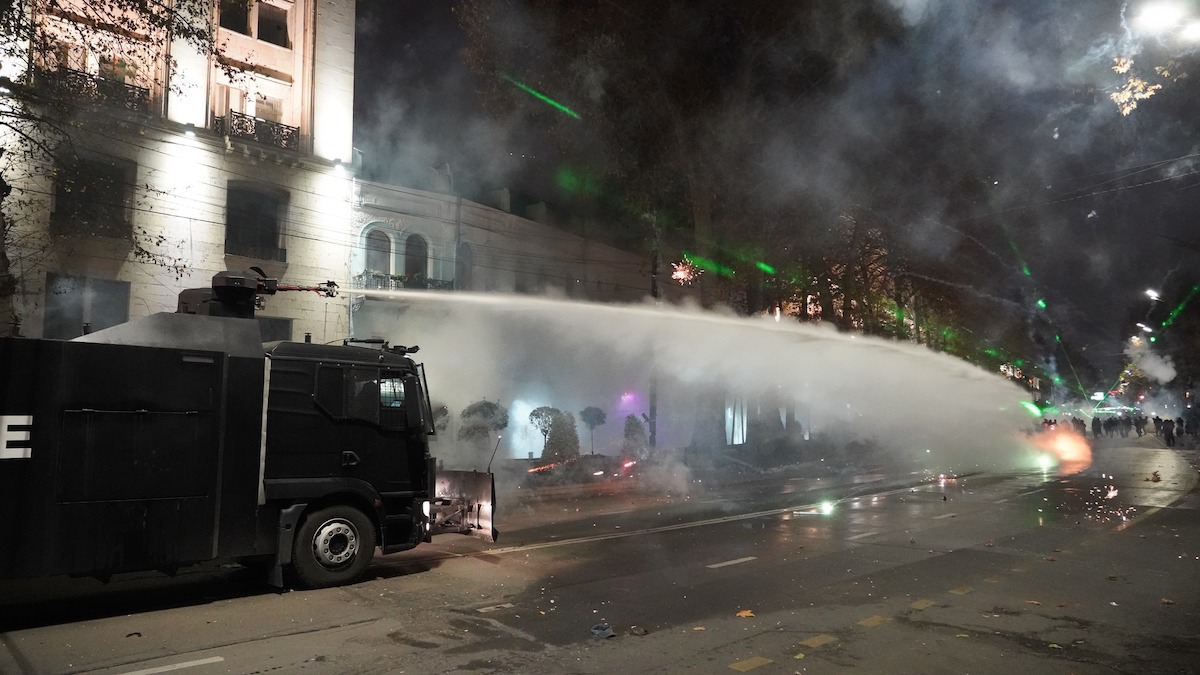
Georgia water cannon chemicals case
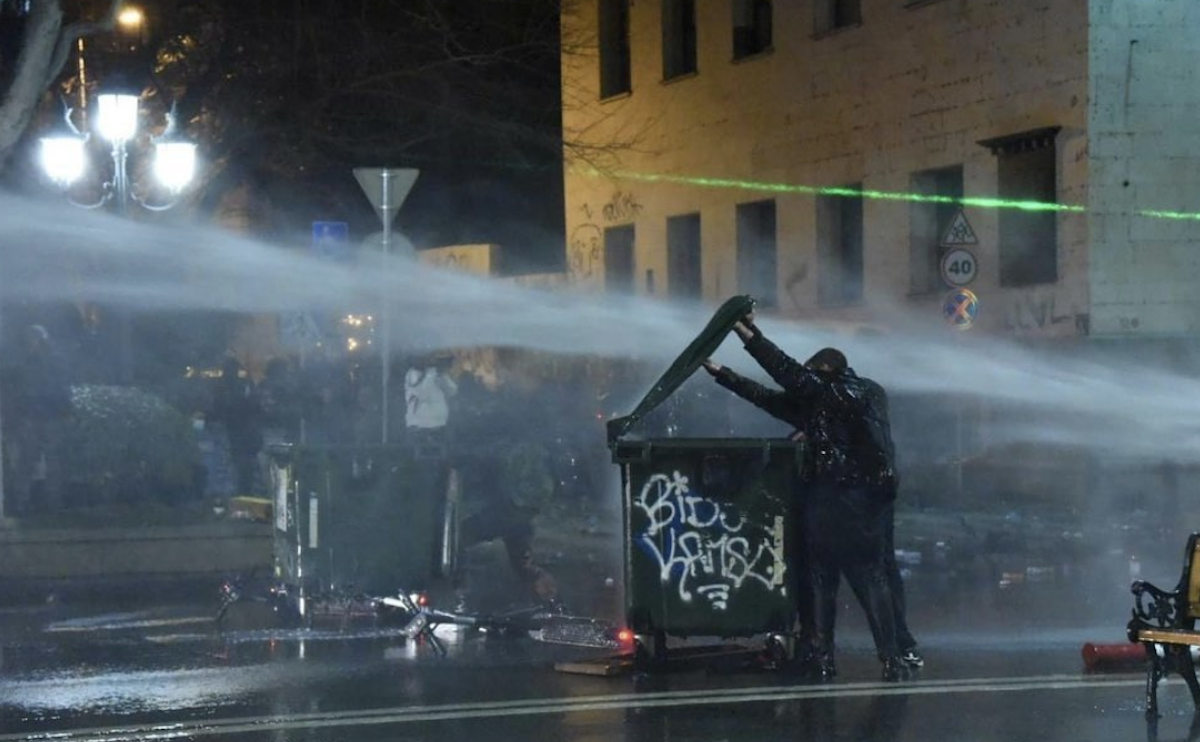
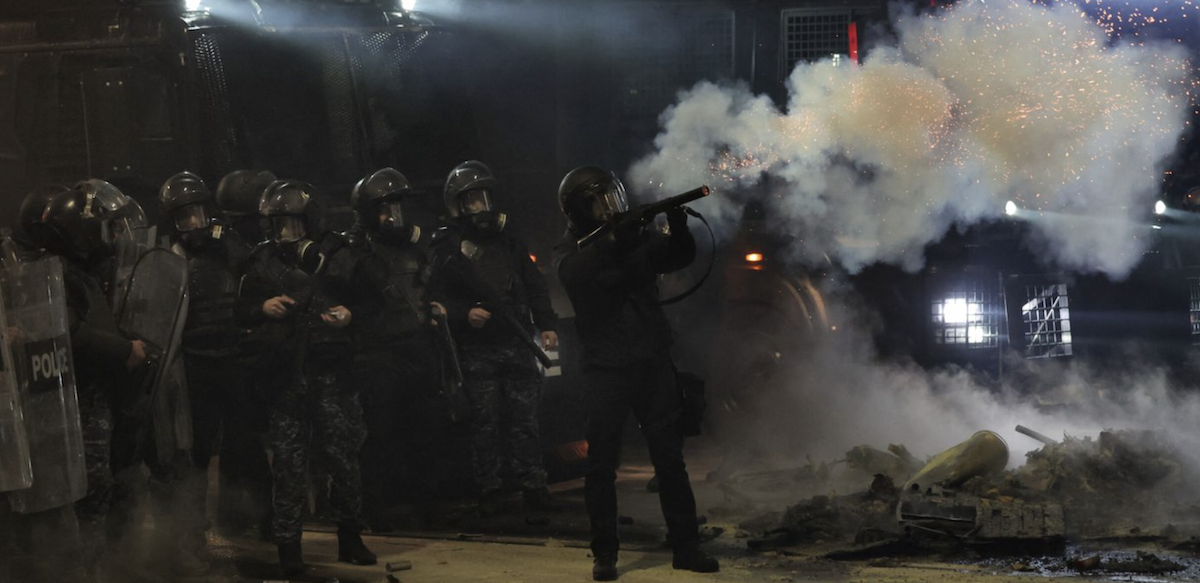
The Georgian Young Lawyers’ Association has announced the start of legal proceedings on behalf of citizens who say they were harmed by chemicals used in water cannons during the dispersal of protests in Georgia in November and December 2024.
The organisation has appealed to the prosecutor general’s office, calling for an effective and independent investigation, the recognition of the victims’ legal status, and the prosecution of those responsible.
What the lawyers are demanding
The organisation is calling for:
- Information on the progress of the investigation;
- Interviews with those affected;
- An assessment of the use of chemicals in water cannons under the criminal code;
- All necessary investigative steps to identify those responsible;
- Official recognition of seven people whose health was harmed as victims.
At this stage, the association is representing seven citizens in court who say the special means used during the protests caused serious and lasting harm to their health.
Legal and generally accepted standards
The Georgian Young Lawyers’ Association says the issue of adding chemicals to water cannons is poorly regulated under the Law on Police. There are no provisions that directly authorise such a practice.
The organisation notes that an earlier version of the law, adopted in 2015, prohibited the simultaneous use of water cannons, rubber bullets and tear gas. However, this restriction was later removed from the current text without the introduction of additional safeguards.
According to the association, a water cannon filled with chemical irritants cannot be considered a legally defined or proportionate means of crowd control. It says the practice contradicts both national standards and European conventions on the legality, necessity and proportionality of the use of force.
Questions over the independence of the investigation
The association also criticised the fact that the investigation is being carried out by the same agency that questions whether any violations took place. It says this creates a conflict of interest and runs counter to widely accepted standards of effective and independent investigations.
The organisation also warned of possible intimidation against those who publicly speak about the alleged abuses.
Investigation into chemicals in water cannons
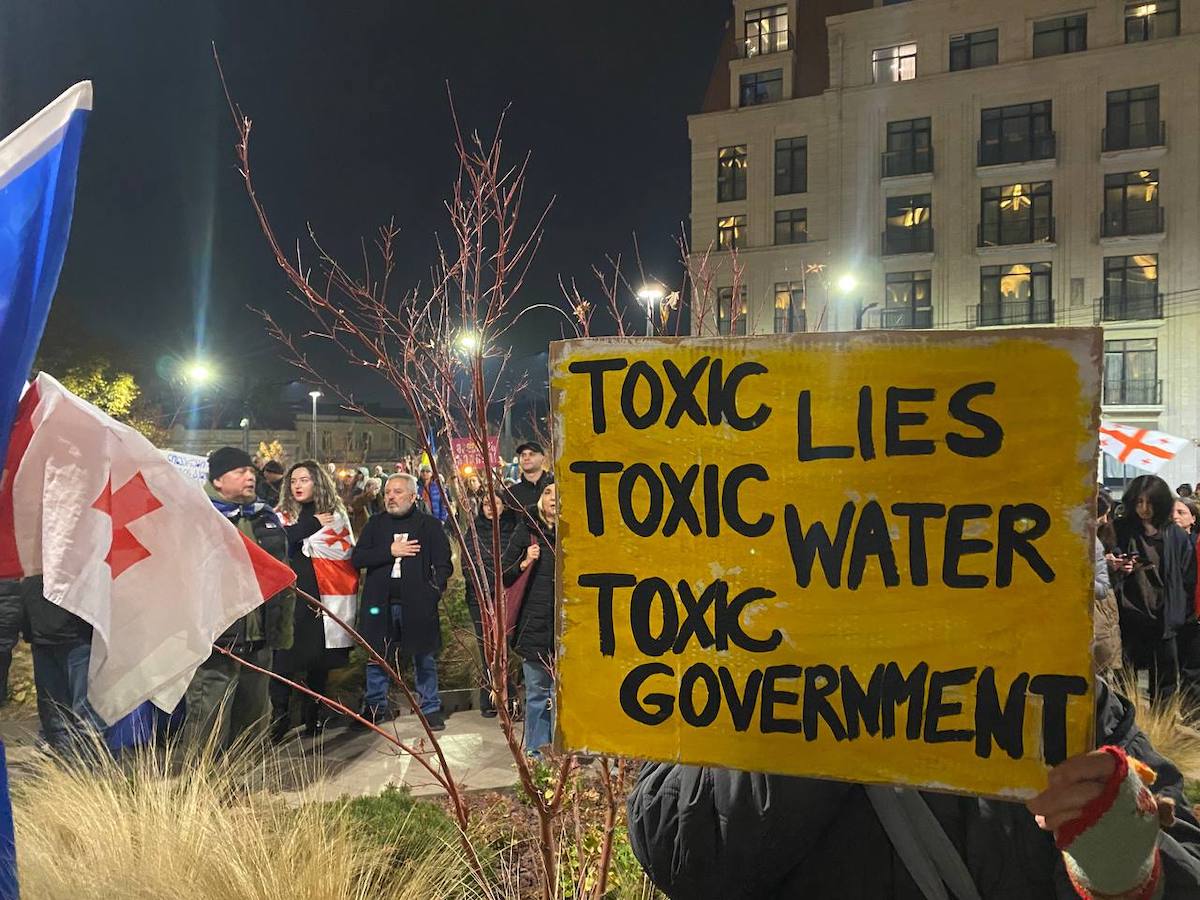
On 1 December 2025, the BBC published an investigation claiming that the Georgian government may have used a chemical agent dating back to the First World War to disperse anti-government protests at the end of 2024.
The report said British journalists spoke to chemical weapons experts, sources in Georgia’s police special units and doctors, and found that a substance known as bromobenzyl cyanide, or “camite”, may have been used in water cannons during the crackdowns.
Georgia’s State Security Service launched an investigation. It later confirmed that a chemical substance had indeed been used, but said it was not “camite” but chlorobenzylidene malononitrile, known as CS gas. The agency added that “camite” had never been purchased by the interior ministry.
The statements further intensified questions about transparency and access to information. In January 2025, the Georgian Young Lawyers’ Association requested public information from the interior ministry but received no response. The health ministry said it also had no information about the composition of the substances used and that such data had not been requested from the interior ministry.
Background
The protests in Georgia in November and December 2024 took place amid heightened political tensions. In recent years, the use of force to disperse demonstrations has repeatedly drawn sharp criticism from the public and the international community.
Water cannons and chemical agents are widely used in law enforcement, but under international law their use must meet clear criteria: it must be lawful, necessary and proportionate. Adding chemical agents to water cannons is a rare and particularly sensitive practice that requires strict regulation and transparency.
In Georgia’s case, the dispute is not only about identifying the specific substance. It also concerns the legality of the use of force, the independence of the investigation and public trust in state institutions.
Georgia water cannon chemicals case