
Reaction of Armenian exporters to Russia’s restrictions
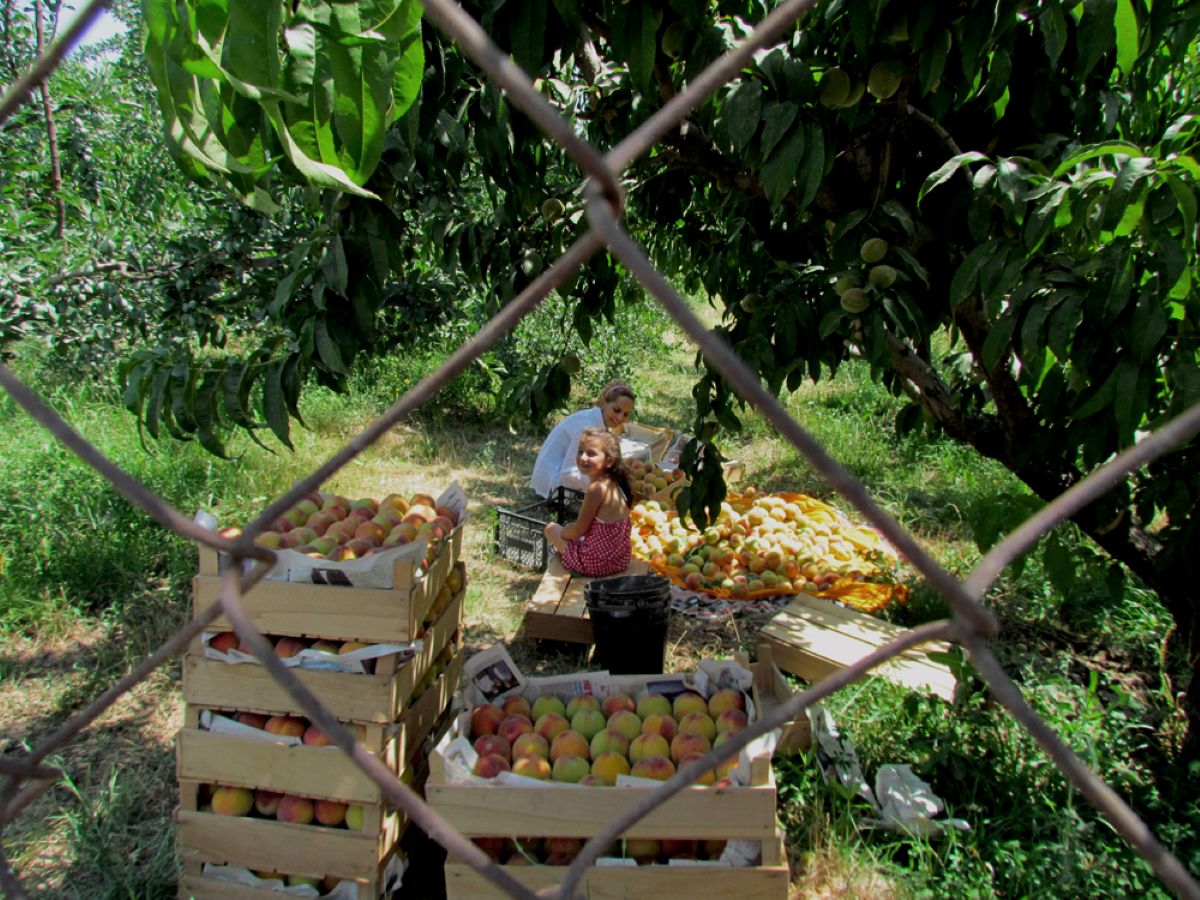
Since May 2026, Armenian exporters have faced serious problems after Russia banned imports of many Armenian goods and food products. The restrictions initially targeted Jermuk mineral water and later certain alcoholic beverages. Russia’s Federal Service for Veterinary and Phytosanitary Supervision then announced a temporary ban on imports of flowers and ornamental plants from Armenia.
The list expanded further in June. A new restriction came into force on Armenian products subject to quarantine controls. It covered around 130 types of goods, including fresh fruit and vegetables, flowers and other agricultural products.
Russia introduced the restrictions shortly before Armenia’s parliamentary elections. Local experts believed Russia was trying to support pro-Russian politicians taking part in the elections. For this reason, they and Prime Minister Nikol Pashinyan expected the situation to gradually return to normal after the election.
However, no positive changes have emerged. The situation has become more difficult. At first, Russia justified the restrictions by citing the quality of Armenian products. It now openly says Armenia cannot use the Russian market because the country has chosen a path towards European integration.
Against the backdrop of Russian restrictions, the Armenian government has launched support programmes for Armenian exporters.
The programmes include subsidies and financial compensation, including compensation for export duties on other markets. In late September, the government allocated an additional 4.5 billion drams ($12.7 million) to help exporters offset their losses.
The measures aim to help businesses redirect their supplies from the Russian market to Europe and other countries. The country’s foreign ministry is providing the strongest support for this process. The government recently renamed it the Ministry of Foreign Affairs and International Trade to reflect this role.
Even so, the ban on exports to the Russian market has hit agriculture particularly hard. Armenian farmers had long considered Russia their main export destination.
- Armenia unveils exporter support programme to offset Russian restrictions
- ‘Copper is to us what oil is to other countries’ – expert on Armenia’s mineral wealth
- Armenia’s anti-corruption campaign: law on confiscating illicit assets takes effect
A farmer on the situation and his plans
Six years ago, Argam Yerndjyan established cherry orchards in Armenia’s Ararat Province. Three years later, he harvested his first good crop and began exporting to the Russian market.
“This year was difficult. I sold about 80% of my crop on the local market, at a price that did not generate any profit. I sold it at cost. I decided that this year, at least, my people and local residents should be able to buy a high-quality product at a price they could afford,” he says.
As a result, the farmer was able to pay his employees and cover his bank interest payments. However, if the situation does not change next year, he plans either to sell the orchards or switch to another line of business:
“I supplied about 20% of my cherries to a company that prepares products for export to the European market. The exporting company has promised to buy more next year. But I am worried about the current situation and have many concerns. I am a responsible person. I have employees and I am responsible for them.”
Argam Yerndjyan believes Armenia should promote its products more aggressively in foreign markets.
“Business cannot handle this on its own. At the same time, businesses need advice. For example, I am wondering whether I should export not only fresh cherries but also dried fruit, compotes and jams. I am thinking about processing some of my products myself. We also need exporters to tell us what foreign markets are demanding. My partner is currently working to establish exports to countries in the Middle East. We will see how it goes.”
Political context and statistics
The restrictions Russia introduced in 2026 have not only created short-term problems for Armenian exports but have also pushed the country to accelerate efforts to diversify its foreign markets.
Against this backdrop, the European Union has reached out to Armenia. It has launched measures to support the Armenian economy and give exporters additional opportunities to access the EU market. In July, European Commission President Ursula von der Leyen announced in Yerevan that the EU could introduce autonomous trade measures for Armenian goods:
“I am here today to state clearly: if Russia closes its market to Armenian products, the EU will open the doors of its consumer market to them, with 450 million people.”
The European Parliament and the Council of the EU have already approved a package of temporary trade preferences. The EU will suspend customs duties on a wide range of goods exported from Armenia for two years. The trade preferences will cover around 80% of Armenian exports. The proposed benefits for some groups of goods will be significant and will cover products previously exported to Russia, including:
- 99% of fresh agricultural produce,
- 91% of beverages.
In the first seven months of 2026, Armenia’s foreign trade exports totalled around $4.04 billion. Compared with the same period last year, total exports fell by 7.9%.
At the same time, Armenia’s export geography still includes both traditional and new markets.
From January to June this year, Armenian exports to EU countries exceeded $516 million. Compared with the same period last year, exports grew by more than 80%.
From January to July, exports of Armenian-origin goods to other major markets increased by:
- 100% to India,
- 66.8% to China,
- 4.2% to the United States.
Agricultural exports form a separate category. From June to August 2026, Armenia exported:
- fruit to 24 countries,
- vegetables to 16 countries,
- flowers to 28 countries.
Political context and statistics
The restrictions Russia introduced in 2026 have not only created short-term problems for Armenian exports but have also pushed the country to accelerate efforts to diversify its foreign markets.
Against this backdrop, the European Union has reached out to Armenia. It has launched measures to support the Armenian economy and give exporters additional opportunities to access the EU market. In July, European Commission President Ursula von der Leyen announced in Yerevan that the EU could introduce autonomous trade measures for Armenian goods:
“I am here today to state clearly: if Russia closes its market to Armenian products, the EU will open the doors of its consumer market to them, with 450 million people.”
The European Parliament and the Council of the EU have already approved a package of temporary trade preferences. The EU will suspend customs duties on a wide range of goods exported from Armenia for two years. The trade preferences will cover around 80% of Armenian exports. The proposed benefits for some groups of goods will be significant and will cover products previously exported to Russia, including:
- 99% of fresh agricultural produce,
- 91% of beverages.
In the first seven months of 2026, Armenia’s foreign trade exports totalled around $4.04 billion. Compared with the same period last year, total exports fell by 7.9%.
At the same time, Armenia’s export geography still includes both traditional and new markets.
From January to June this year, Armenian exports to EU countries exceeded $516 million. Compared with the same period last year, exports grew by more than 80%.
From January to July, exports of Armenian-origin goods to other major markets increased by:
- 100% to India,
- 66.8% to China,
- 4.2% to the United States.
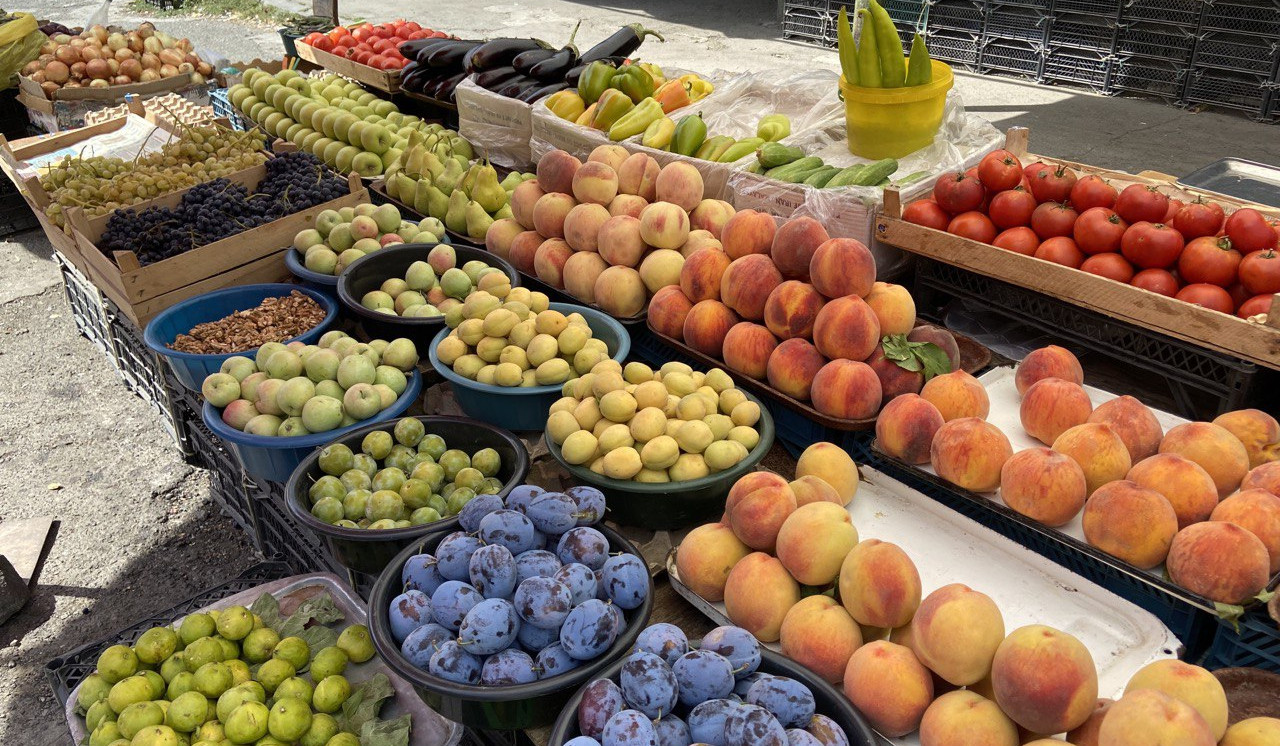
Agricultural exports form a separate category. From June to August 2026, Armenia exported:
flowers to 28 countries.
fruit to 24 countries,
vegetables to 16 countries,

Reaction of Armenian exporters to Russia’s restrictions