
Category: South Caucasus News
Category Added in a WPeMatico Campaign
Why Abkhazians did not like Ilia II
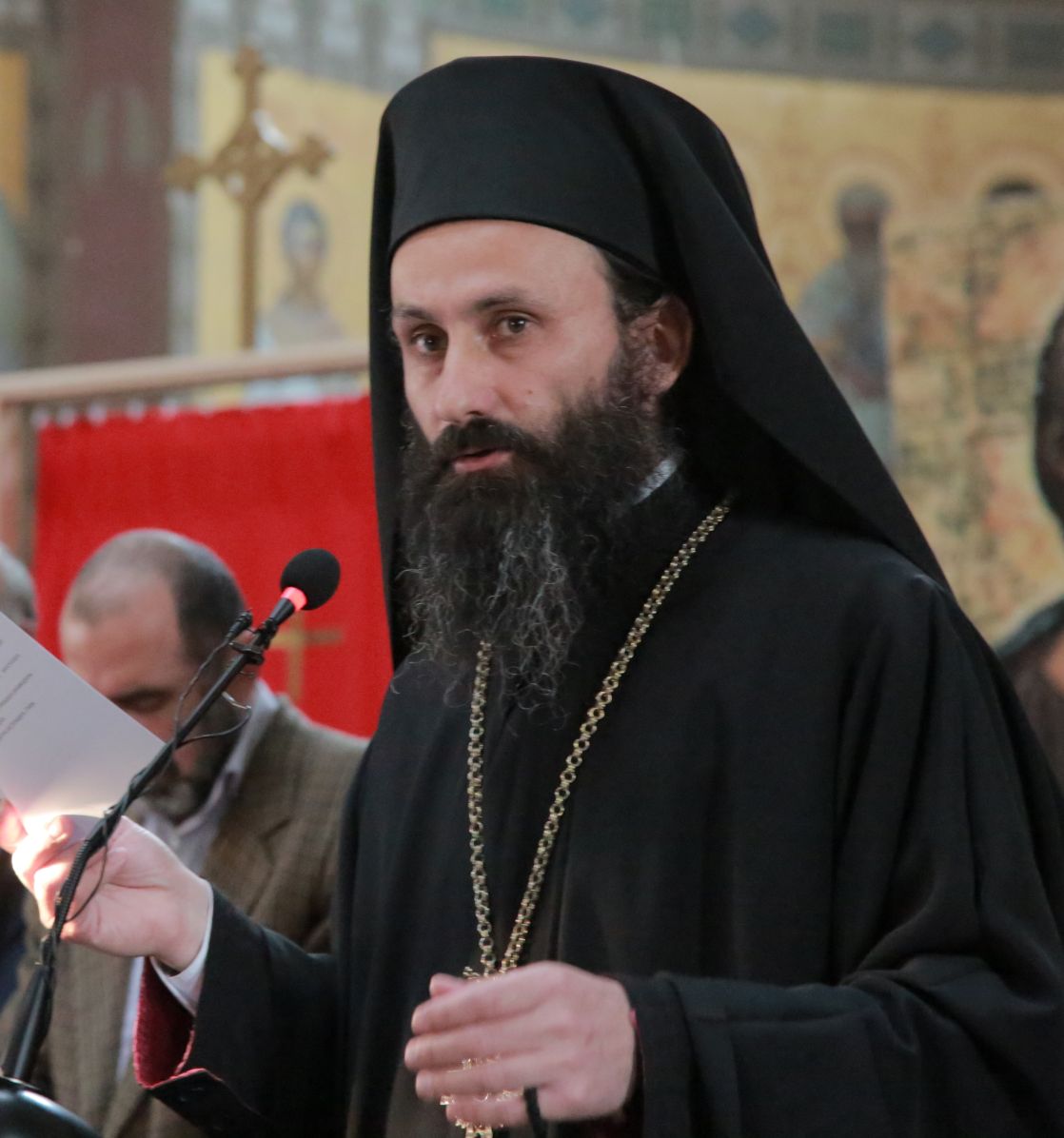
Abkhaz cleric Archimandrite Dorofei explained the reasons for the resentment in Abkhazia towards Georgia’s recently deceased Patriarch Ilia II.
According to Dorofei, it stemmed from the patriarch’s position on the Georgian-Abkhaz conflict.
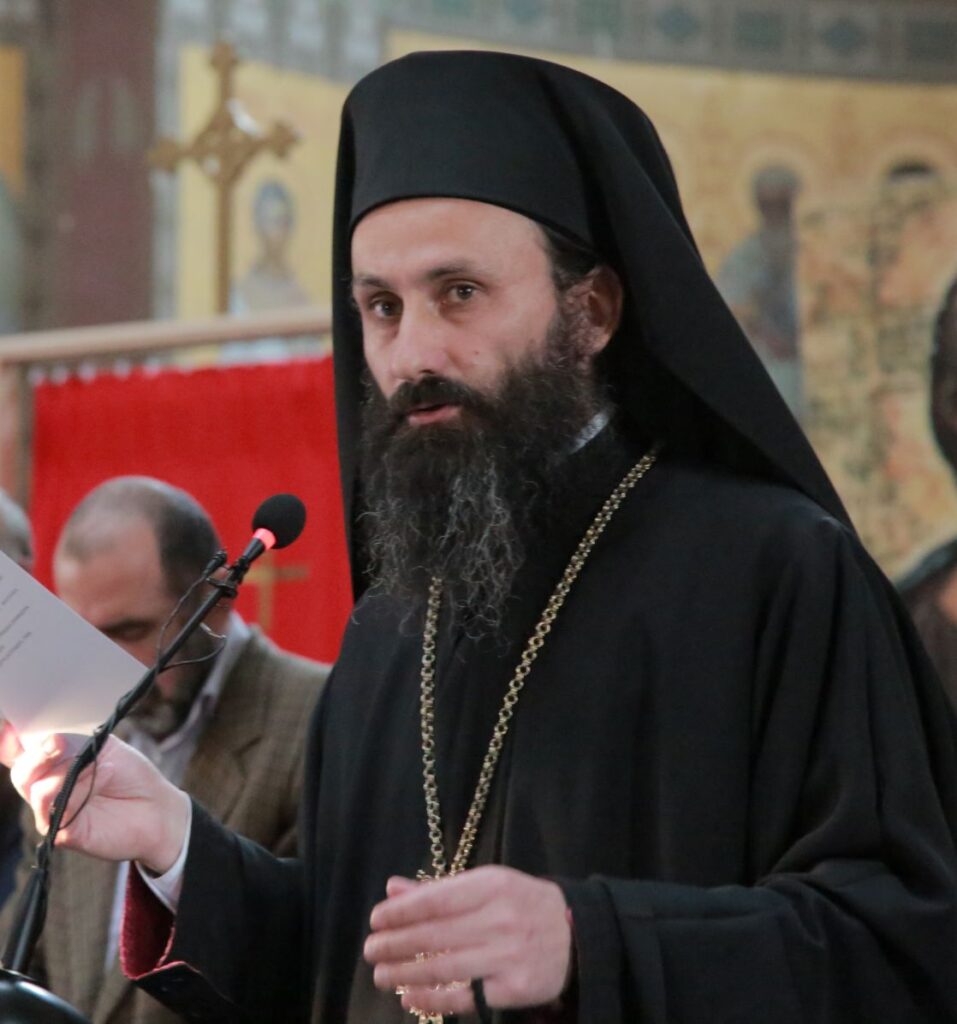
Archimandrite Dorofei:
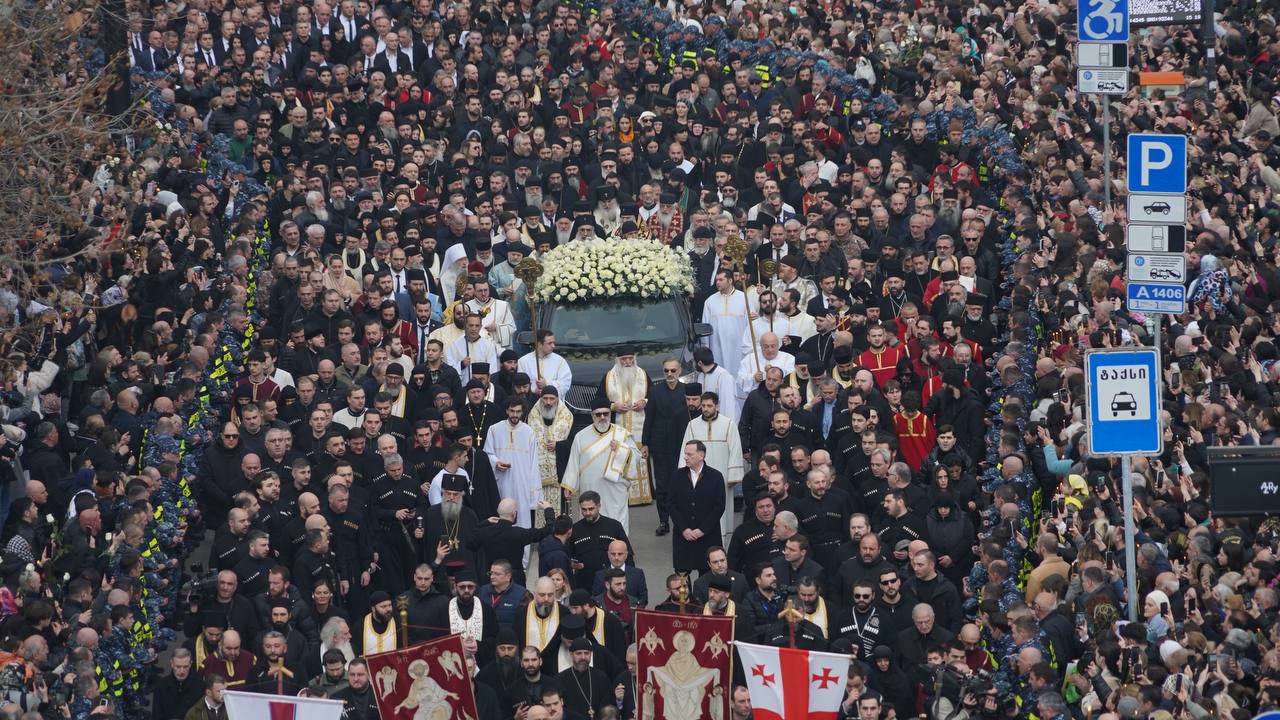
“First of all, I would like to recall one telling episode linked to Ilia II’s visit to Abkhazia in 1990. This was at the height of Georgian nationalism, when the Church effectively aligned itself with politicians hostile towards Abkhazians.
Information emerged that cars accompanying Ilia’s vehicle were carrying small arms in their trunks.
At one point, local residents blocked the patriarch’s motorcade on a road. They confirmed the information. They did indeed find weapons, and Ilia II saw this personally.
It remains unclear whether he knew about it, but the incident nearly led to bloodshed. A tragedy was avoided only thanks to the intervention of Deacon Vissarion Apliaa, who managed to calm the crowd, understanding that such an incident would have been used by Georgian propaganda against Abkhazians.”
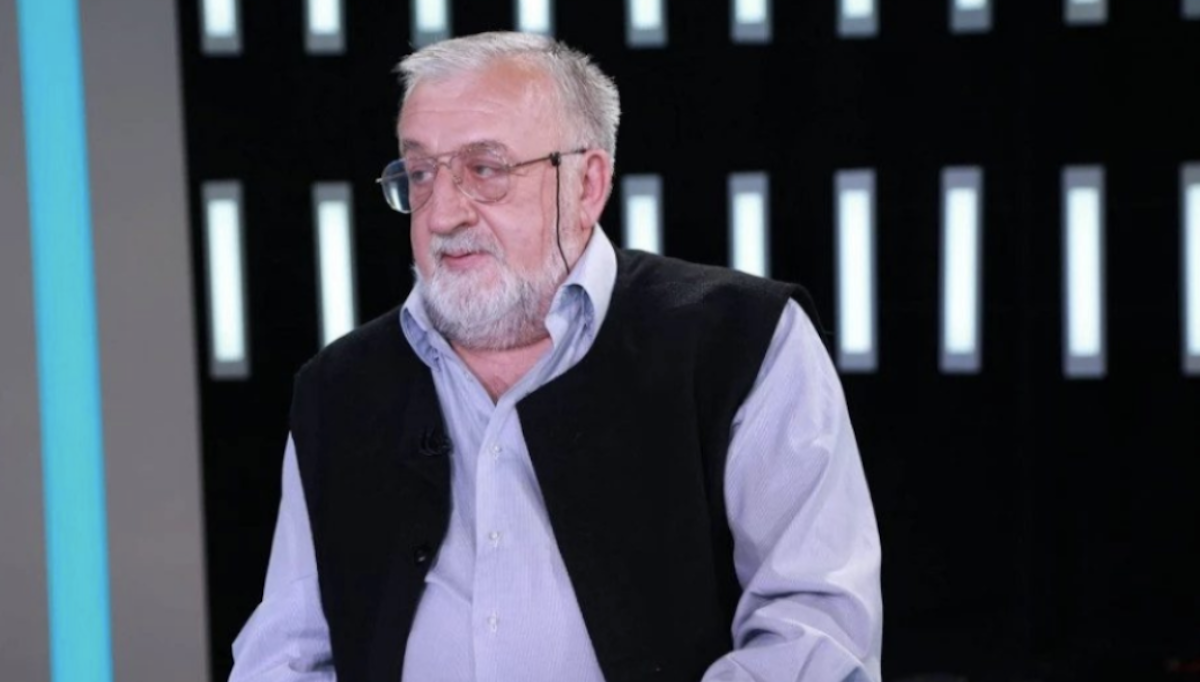
Before ascending to the patriarchal throne, the future patriarch led the Sukhum-Abkhaz diocese for ten years (1967–1977). Senior clergy recall that his work in this role did not leave a positive legacy.
For example, the late rector of the Lykhny church, Archpriest Pyotr Samsonov, recalled a conflict with Ilia, then a metropolitan, over the replacement of the iconostasis.
Ilia II oversaw the installation of a new iconostasis in the ancient church. It followed a distinctly Georgian style and carried inscriptions only in the Georgian language.
In the first days of the 1992–93 Georgian-Abkhaz war, Vissarion Apliaa contacted Ilia by phone. He urged him to respond to the deployment of Georgian armoured vehicles and troops in Abkhazia.
The Catholicos replied: “This is not our concern. Let Shevardnadze and Ardzinba decide.”
Analysts have described this position as a deliberate avoidance of responsibility. Some Georgian commentators made similar observations.
At the same time, the Abkhaz flock did not ask the patriarch to defend their political interests. They expected him to calm nationalist sentiments in Georgian society and to condemn what they saw as utopian and dangerous ideas of a “Greater Georgia”, for which thousands of lives were sacrificed.
Abkhaz society also strongly remembers a document titled “Extraordinary Decision of the Catholicos-Patriarch of All Georgia”, dated 28 October 1990, a month before the incident with weapons in car trunks.
Despite recent attempts to label it a fake, the document is real.
It stated: “From now on, anyone who kills a Georgian, regardless of the victim’s guilt or innocence, will be declared an enemy of the Georgian people.”
“I remember the shock this decree caused. The biblical commandment ‘Thou shalt not kill’ is absolute and applies to everyone, regardless of ethnicity.
Political rhetoric ultimately prevailed over canonical truth in 2010, when Ilia II added to his title the designation ‘Metropolitan of Pitsunda, Sukhum and Abkhazia’.
Of course, every person, including the Patriarch, has the right to make mistakes. But Christianity presupposes repentance and a change of mindset. Unfortunately, neither Abkhazians nor Ossetians ever saw this from him.”
Terms, place names, opinions and ideas suggested by the author of the publication are her / his own and do not necessarily coincide with the opinions and ideas of JAMnews or its individual employees. JAMnews reserves the right to remove comments on posts that are deemed offensive, threatening, violent or otherwise ethically unacceptable.
Why Abkhazians did not like Ilia II