
Access free Outlook email and calendar, plus Office Online apps like Word, Excel, and PowerPoint.
Day: February 20, 2026
Categories
Citibank Online
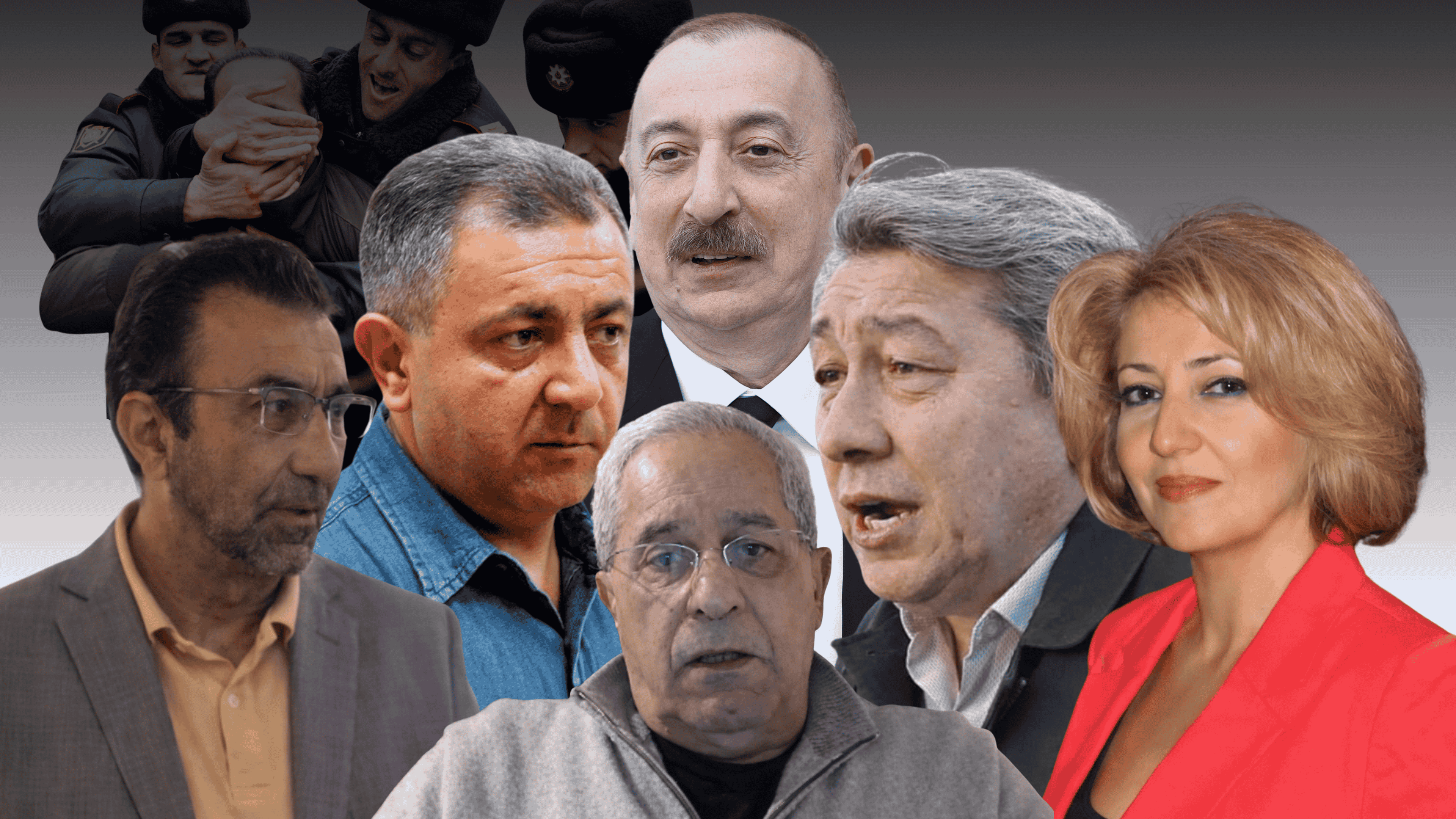
Azerbaijan targets critics abroad
Azerbaijan’s courts have tried criminal cases in absentia against historian Altay Goyushov, political analyst Arastun Orujlu and other critics living abroad, handing down lengthy prison sentences.
The rulings are based on charges under Article 281.2 of the Criminal Code, which concerns repeated or group public calls for the violent seizure of power, as well as Article 220.2, which covers active disobedience to lawful orders from authorities and calls for mass unrest.
Human rights organisations, including Human Rights Watch, say in their reports that the cases reflect an expanding practice under Ilham Aliyev of prosecuting critics abroad on what they describe as fabricated charges.
Arastun Orujlu: eight years in prison
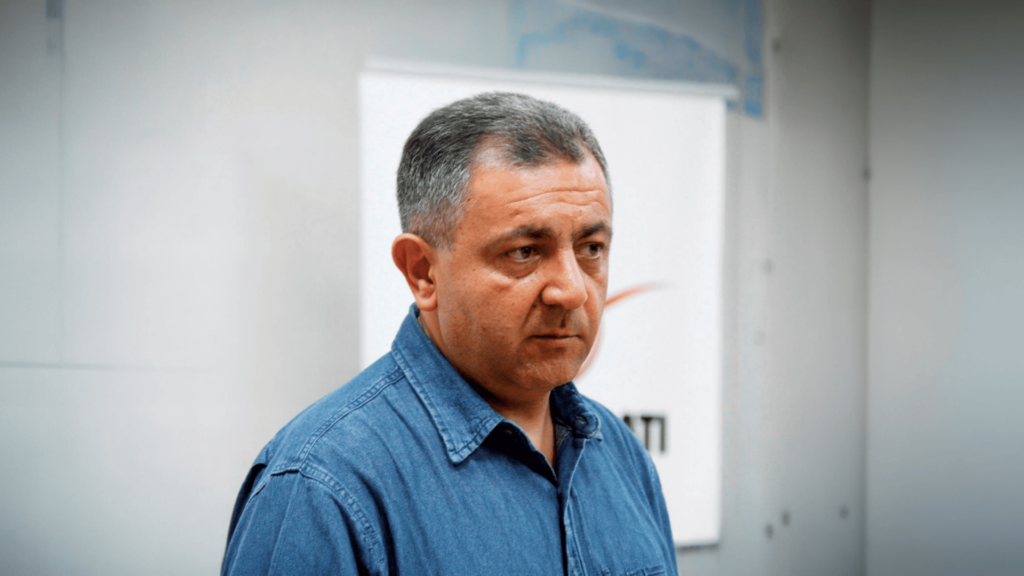
Arastun Orujlu is a political analyst and founder of the East–West Research Centre.
He has lived in the United States since 2014 and is known for his social media commentary critical of the Azerbaijani authorities.
On 19 February 2026, the Baku Serious Crimes Court sentenced him in absentia to eight years in prison. Judge Babek Panahov presided over the trial.
Authorities charged him under Articles 220.2 and 281.2 of the Criminal Code.
Investigators say Orujlu called for disobedience to lawful orders from the authorities and incited mass unrest.
Orujlu has said he never called for a coup or rebellion and opposes violence.
He accused Azerbaijan’s courts of issuing politically motivated rulings and said that “the concept of the rule of law does not exist in Azerbaijan.”
Altay Goyushov: six years in prison
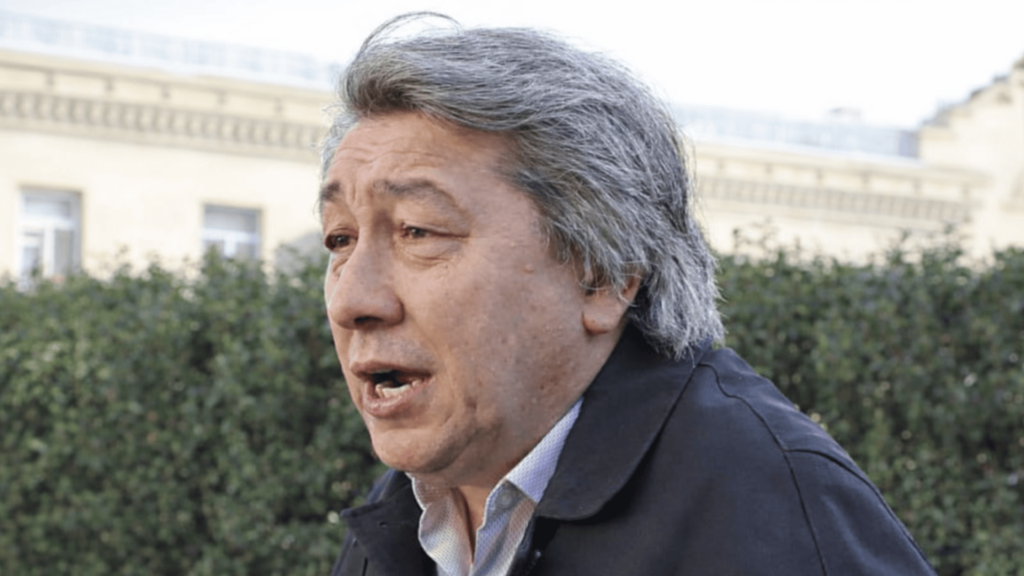
Altay Goyushov is an orientalist historian, a former lecturer at Baku State University and one of the founders of the ReAl movement.
He has lived in France since 2018 and works as a researcher at Sciences Po Paris. He is also known for his critical statements about the Azerbaijani authorities.
On 18 February 2026, at the Baku Serious Crimes Court, state prosecutors requested a seven-year prison sentence. Judge Eldar Ismayilov presided over the hearing. After deliberations, the court sentenced Goyushov in absentia to six years in prison.
According to the indictment, between 2020 and 2025 Goyushov used the YouTube channel Düz Danışaq and his Facebook page, together with other individuals, to call for violent actions against the current government.
On 23 February 2025, the Binagadi District Court ordered his arrest in absentia. Prosecutors later brought an additional charge against him under Article 281.2 of the Criminal Code on 17 September 2025.
Because Goyushov was outside the country, he did not attend the investigation and had no opportunity to present his position in court.
Commenting on the verdict on Facebook, he wrote:
“Who is the criminal?
The Constitution of Azerbaijan states that the system of government is republican. However, the Aliyevs violated the constitutional order and have effectively turned the country into an absolute monarchy. That is the crime, and the criminal is the one who did it.
The Constitution and laws say that the people are the source of power and that authorities are formed through elections. However, Aliyev came to power through election falsification in violation of the Constitution and the law, and this has happened repeatedly. That is the crime, and the criminal is the one who did it.
The Constitution and laws establish a separation of powers into legislative, executive and judicial branches that must remain independent. By violating the Constitution and the law, Aliyev eliminated that separation and subordinated both the legislature and the courts to the supreme executive authority — himself. That is the crime, and the criminal is the one who did it.
The Constitution and laws state that legislative authority must be formed through elections. Aliyev falsifies elections in violation of the law and appoints loyal individuals as members of parliament, undermining the will of the people. That is the crime, and the criminal is the one who did it.
The Constitution and laws establish the rule of law, meaning equality before the law. By violating the Constitution and the law, Aliyev placed himself above the law. That is the crime, and the criminal is the one who did it.
On the contrary, opposing all these crimes is not a crime but a contribution to restoring the constitutional order of the state. Resisting these crimes and demanding the restoration of constitutional order is not only my right but my civic duty. Opposing the crimes I have listed and the person who committed them is therefore not a crime, but a fight against crime and the criminal.”
Sevinj Osmanqizi, Abid Gafarov and Beydulla Manafov: eight years in prison

Sevinj Osmanqizi (Mirzoyeva) is a journalist living in the United States and the creator of the YouTube channel Osmanqızı TV. She previously worked as a correspondent for the BBC and the ANS television channel.
Abid Gafarov is an opposition blogger who appears in various online programmes on AzerFreedom TV and other platforms. In 2022, a court sentenced him to one year in prison on charges of defaming the Azerbaijani authorities. He emigrated after his release.
Beydulla Manafov is an economist based in the United States and is also known as a public activist who appears on platforms including Turan TV.
On 14 January 2026, the Baku Serious Crimes Court sentenced all three in absentia to eight years in prison. Judge Nigar Imanova presided over the trial.
Authorities charged them under Article 281.2 of the Criminal Code, which concerns public calls against the state, and Article 220.2, which relates to calls for mass unrest.
According to the prosecution, programmes broadcast between 2019 and 2024 on Osmanqızı TV and other online channels included calls for violence against the authorities.
In February 2025, courts ordered their arrest in absentia, and prosecutors formally charged them in September 2025. Authorities later placed them on a wanted list after they failed to appear for the investigation.
All three strongly deny the accusations and describe them as politically motivated.
Ganimat Zahid: seven years in prison
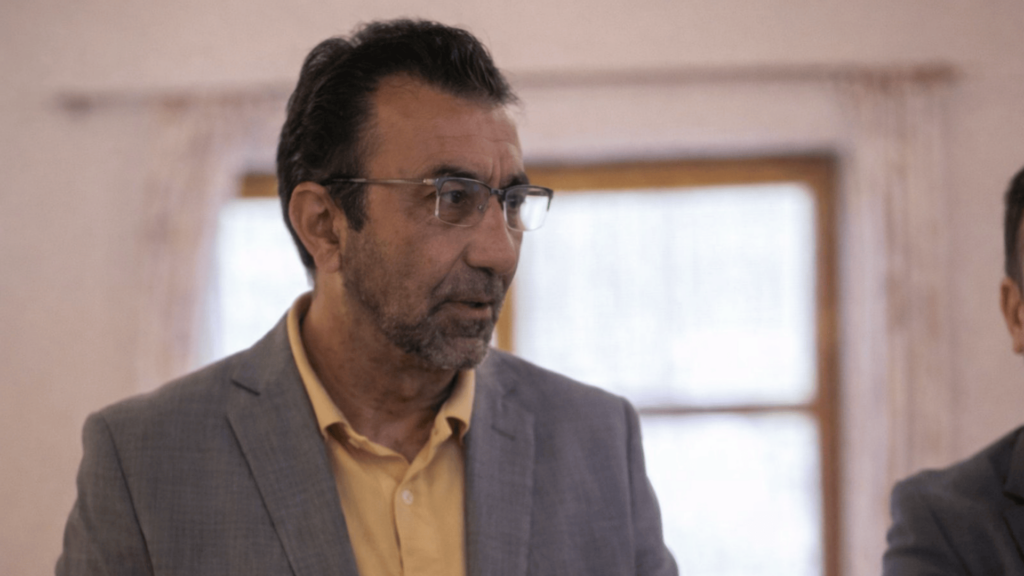
Ganimat Zahid is the former editor-in-chief of the Azadlıq newspaper and the host of the YouTube programme Azerbaijan Hour.
He has lived in France since 2010.
On 23 December 2025, the Baku Serious Crimes Court sentenced Zahid in absentia to seven years in prison. Judge Fakhri Mammadov presided over the trial.
According to the prosecution, authorities charged Zahid under Article 281.2 of the Criminal Code in May 2024 and placed him on a wanted list after he failed to appear in court.
Zahid says the verdict against him is politically motivated.
Azerbaijan targets critics abroad
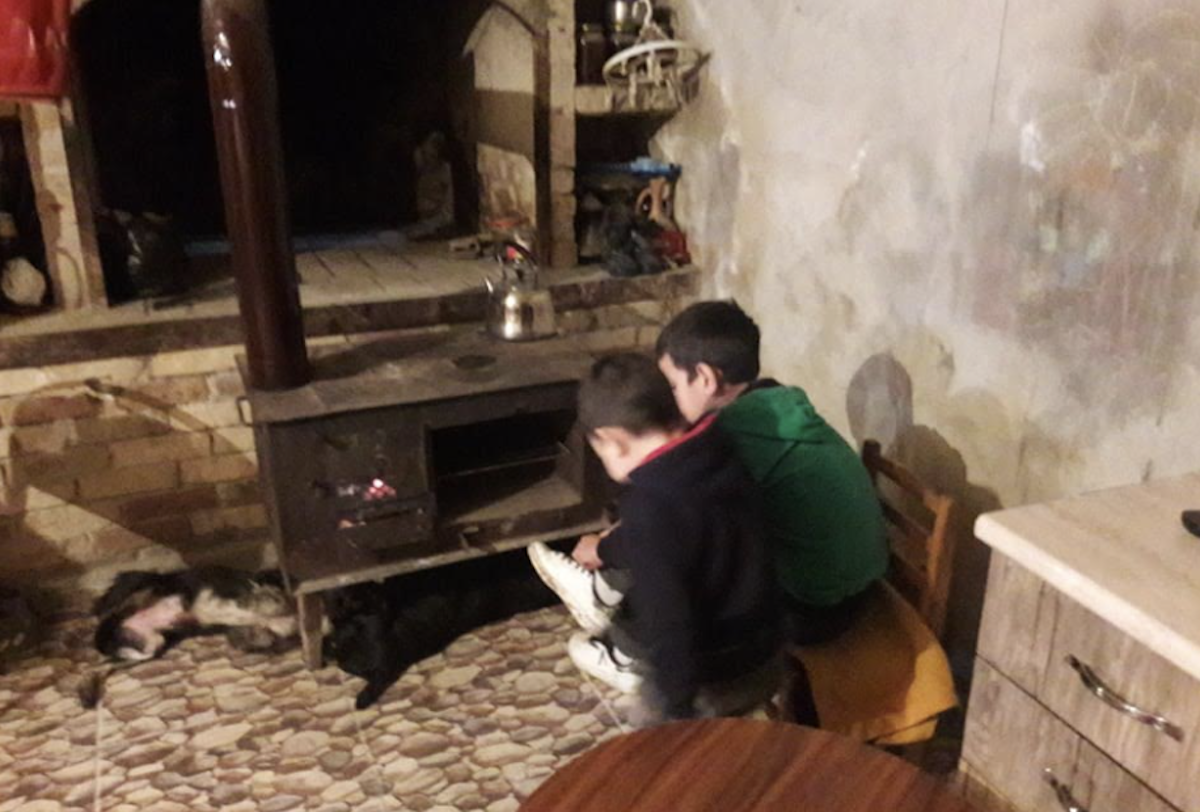
Social assistance in Georgia
Georgia’s Social Service Agency is launching a large-scale review of families registered in the database of socially vulnerable groups. The government believes the status of thousands of benefit recipients may no longer reflect their actual social and economic circumstances.
Health Minister Mikheil Sarjveladze announced the initiative. He said the data contained in the unified database “does not correspond to the recognised economic progress” the country has achieved in recent years. The minister said there were grounds to suspect “manipulation of figures and the creation of false perceptions”. Sarjveladze also said that “it is time to put an end to political speculation”.
According to official data, about 410,000 families — roughly 1.3 million people — are currently registered in the Unified Database of Socially Vulnerable Families. More than 185,000 families, or around 710,000 people, receive financial assistance. More than half of the registered families do not receive direct financial support, although they benefit from various state privileges provided by law.
The review will take place in stages over the coming months under a programme defined by the ministry. Authorities will prioritise families whose circumstances suggest they may no longer meet the criteria for social assistance. One of the indicators is a monthly income of 2,000 lari over the past three months.
According to the minister, the aim of the review is to ensure that only families genuinely entitled to state support remain in the database, in line with current legislation. This includes both direct financial assistance and various social benefits.
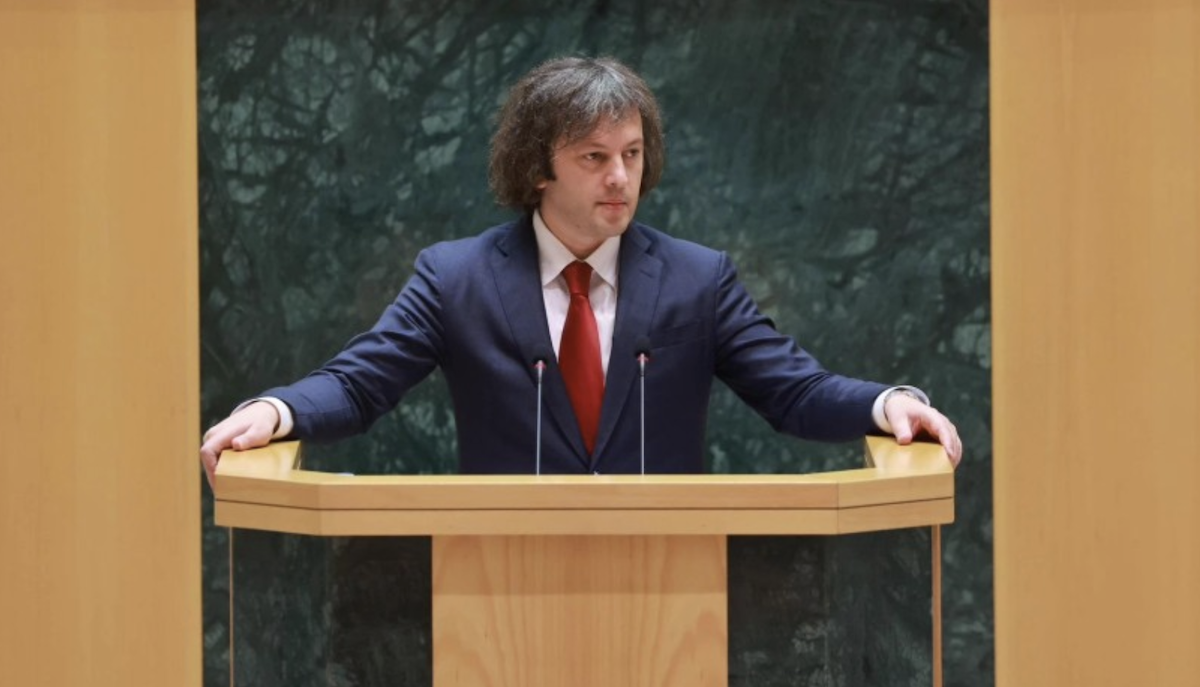
Sarjveladze said the threshold used to determine eligibility for benefits has doubled since 2012, which, in his assessment, made assistance accessible to a much broader group of people. He argued that without this change, the number of families receiving support today would not exceed around 120,000.
The minister also noted that authorities carried out almost no inspections during the moratorium introduced after the Covid-19 pandemic, “except in the rarest cases”. As a result, he said, the database still includes families that no longer require social assistance.
Sarjveladze also referred to cases he believes point to a systemic problem. According to him, some families that earned tens of thousands of lari in recent months purchased new 2024-model vehicles or took out bank loans worth hundreds of thousands of lari. In such cases, the minister said, officials observe “an improvement in material conditions”, which raises questions about whether those families should continue receiving social benefits.
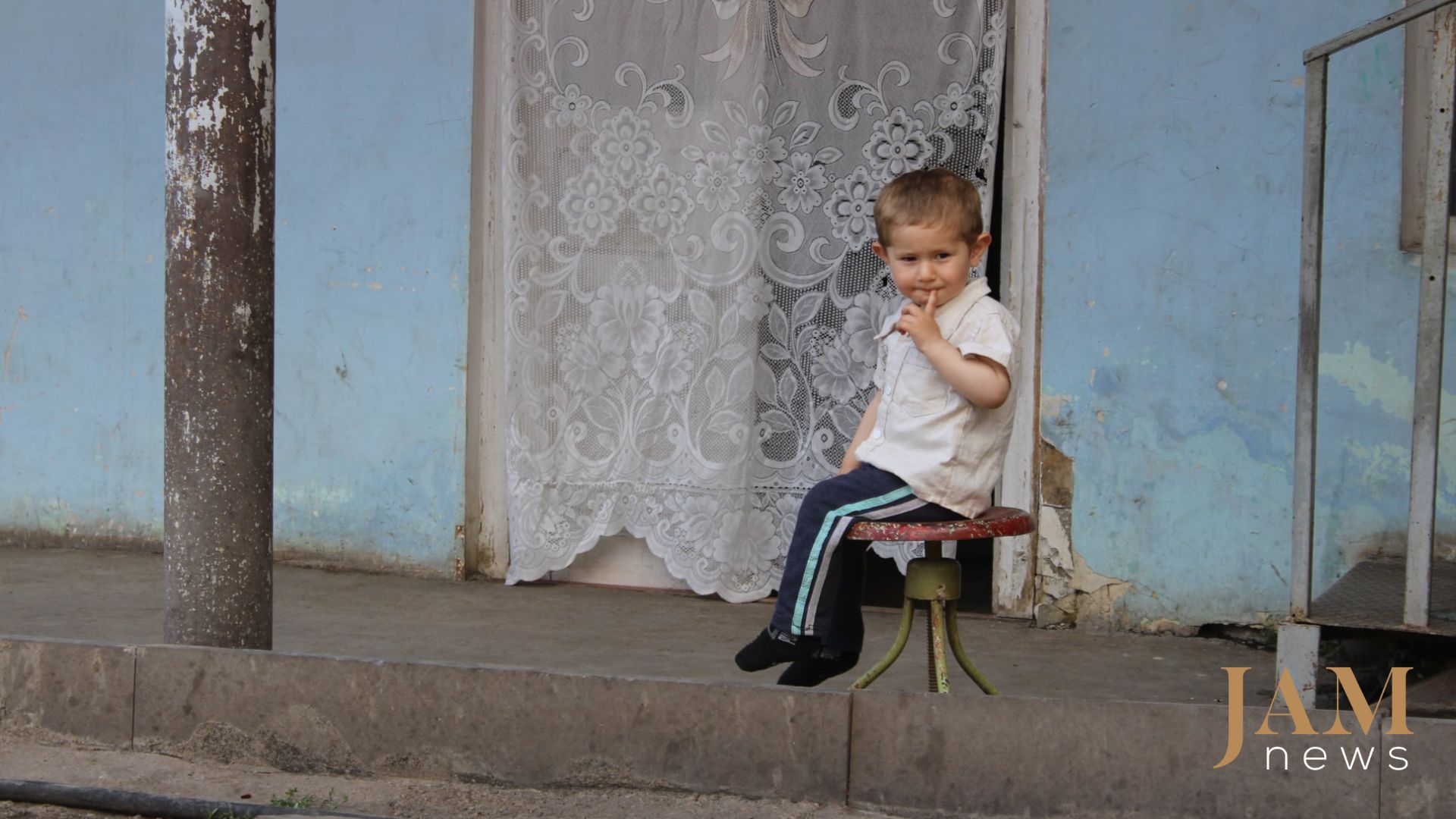
Two days earlier, Prime Minister Irakli Kobakhidze of the Georgian Dream party expressed a similar position in parliament. He said a preliminary analysis suggested that about 8% of social assistance recipients were “well-off”, meaning they not only had incomes higher than poverty indicators but were “genuinely financially secure”.
The government says the process requires “special attention” and insists the review will take place under strict oversight. According to the minister, the process will be lengthy and thorough, and should ultimately lead to a “more effective and targeted” distribution of social resources among those who genuinely need support.

Social assistance in Georgia