
‘Abkhazia is not anyone’s showcase, and we did not ask Moscow for help’ — response to Russian propagandist’s article jam-news.net
Day: January 27, 2026
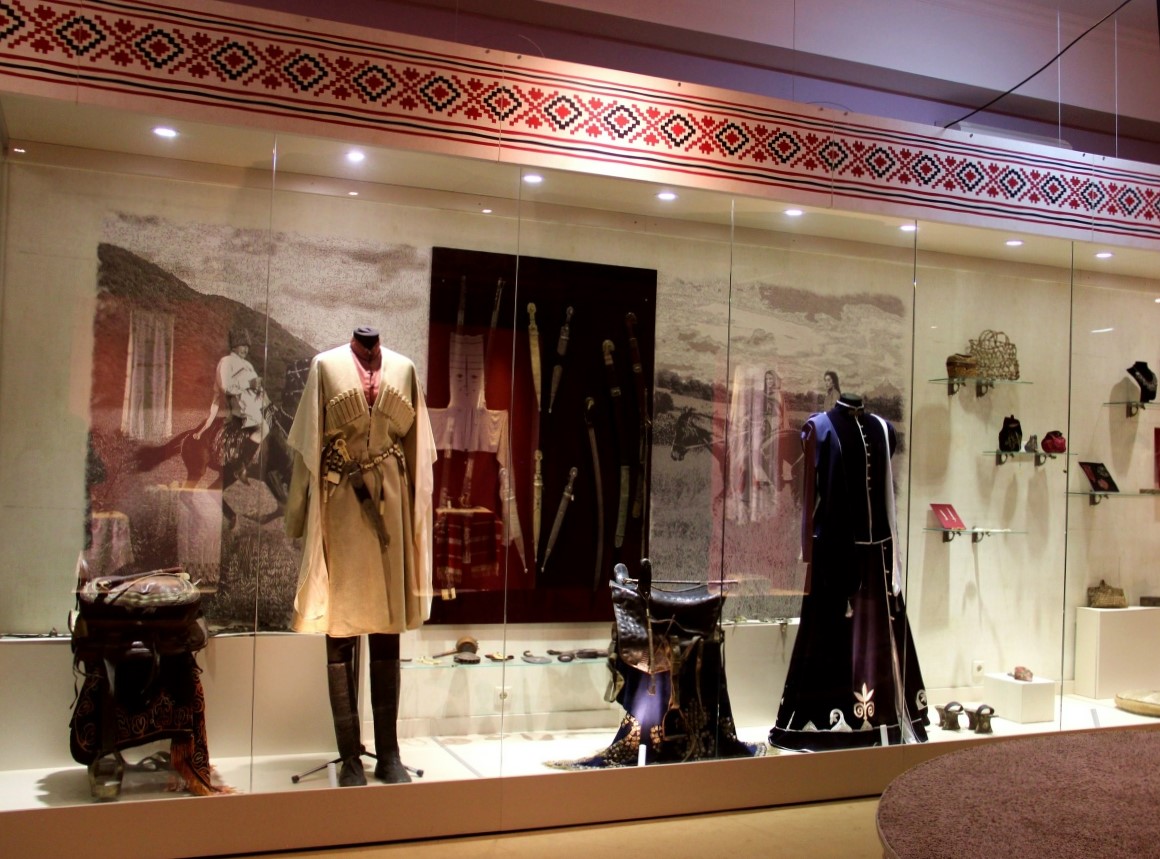
A response to Pegov’s article on Abkhazia
An article by Russian war correspondent and propagandist Semyon Pegov about Abkhazia and its current relationship with Russia has sparked strong reactions in Abkhaz society.
The core argument of Pegov’s piece is that Russia supported the sovereign Abkhaz project as a starting point for a shift towards a multipolar world. From this perspective, Abkhazia has become a “Russian foreign policy showcase”, one that Moscow will not allow to be “smashed because of internal political disputes”.
Abkhaz public figure Akhra Bzhaniya responded to Pegov’s claims on social media.
“The recognition of Abkhazia was tactical rather than strategic, and demanding feudal-style submission from Abkhazia in return is both unjust and futile,” he said.
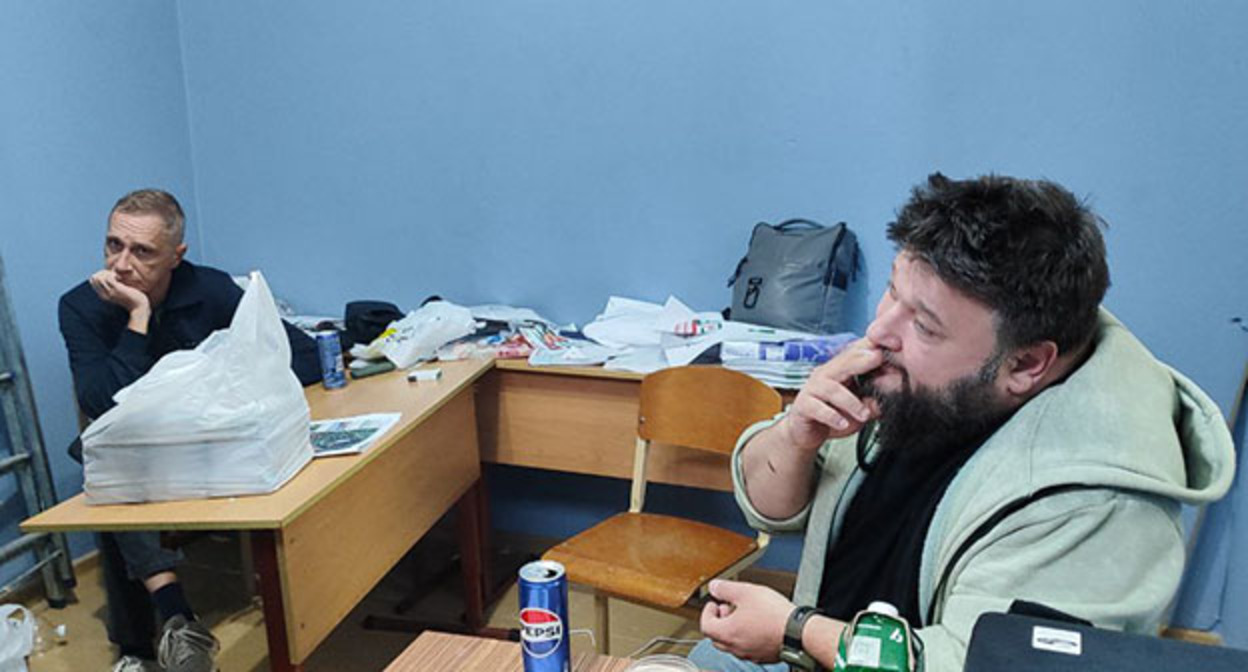
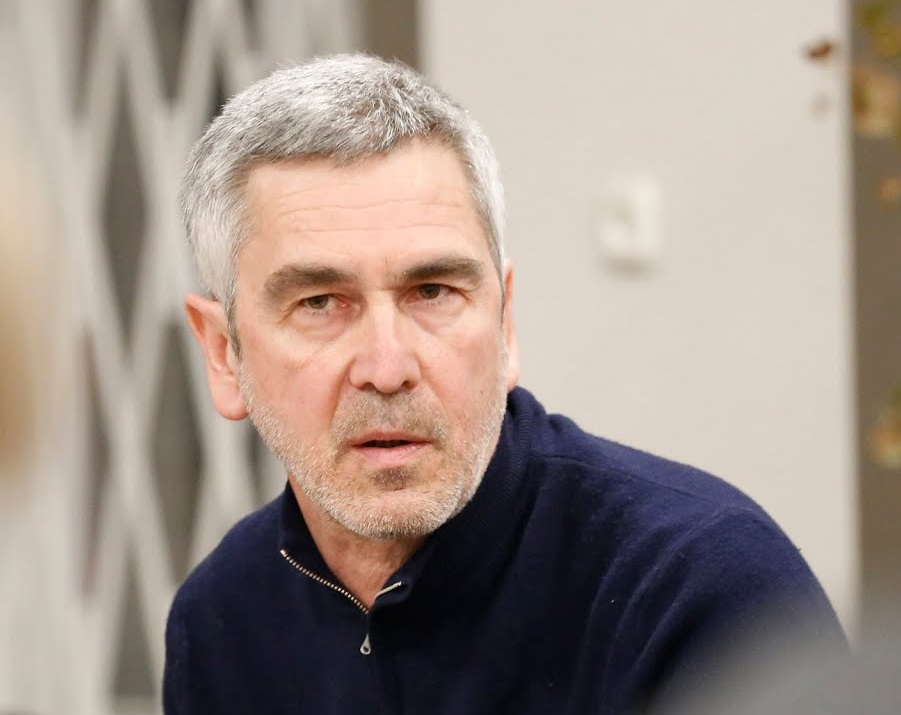
According to Akhra Bzhaniya, people in Abkhazia view Russia’s recognition in a different context.
“In 2008, it became clear that the Georgian government was oriented towards breaking historical ties with Russia and moving Euro-Atlantic structures closer to its borders. One can only speculate about the long-term repercussions this would have created along Russia’s southern frontiers and the consequences it could have had for the North Caucasus.
At that point, after weighing all the pros and cons, and taking into account the fact that Abkhazia could once again repel Georgia but would then find it extremely difficult to influence its policies, a decision was made to recognise the sovereignty of Abkhazia and South Ossetia,” Bzhaniya said.
He notes that, as a result, Russia secured dozens of military bases formalised by agreements, naval ports, stability in the North Caucasus, and a friendly republic in a region of critical logistical and geopolitical importance.
“Abkhazia is not someone’s showcase filled with toy palm trees and papier-mâché dolls. It is a country going through a stage of its formation,” Akhra Bzhaniya said angrily.
He reminds the Russian side, represented by Semyon Pegov, that Abkhaz society has so far dealt with all its internal problems and upheavals on its own and does not need help from a “big brother”. Especially, he adds, since that assistance is not altruistic.
He also draws attention to what he describes as the article’s vague hints, which he says sound more like threats.
“What, for example, does the phrase ‘our present is shared, but the future is twofold’ mean?” he asks. “Is it meant to imply: behave yourselves, or we will hand you over to Georgia?”
At the same time, Akhra Bzhaniya suggests that Pegov is likely only a co-author of the article, and that an unnamed official figure stands behind it. He addresses that person directly at the end of his post:
“Dear Moscow official, we did not ask you for help. If you consider this assistance burdensome and uncompensated, then stop the subsidies.
We are not afraid of being left one on one with Georgia. But if an armed conflict were to resume, you would most likely lose your military bases here regardless of the outcome.
And finally: freedom is not an empty word for us. We fought for it throughout the 19th and 20th centuries, suffered enormous losses, and now intend to defend it to the very end, even if the world around us begins to collapse,” Akhra Bzhaniya wrote.
Toponyms, terminology, views and opinions expressed by the author are theirs alone and do not necessarily reflect the views and opinions of JAMnews or any employees thereof. JAMnews reserves the right to delete comments it considers to be offensive, inflammatory, threatening or otherwise unacceptable.
A response to Pegov’s article on Abkhazia
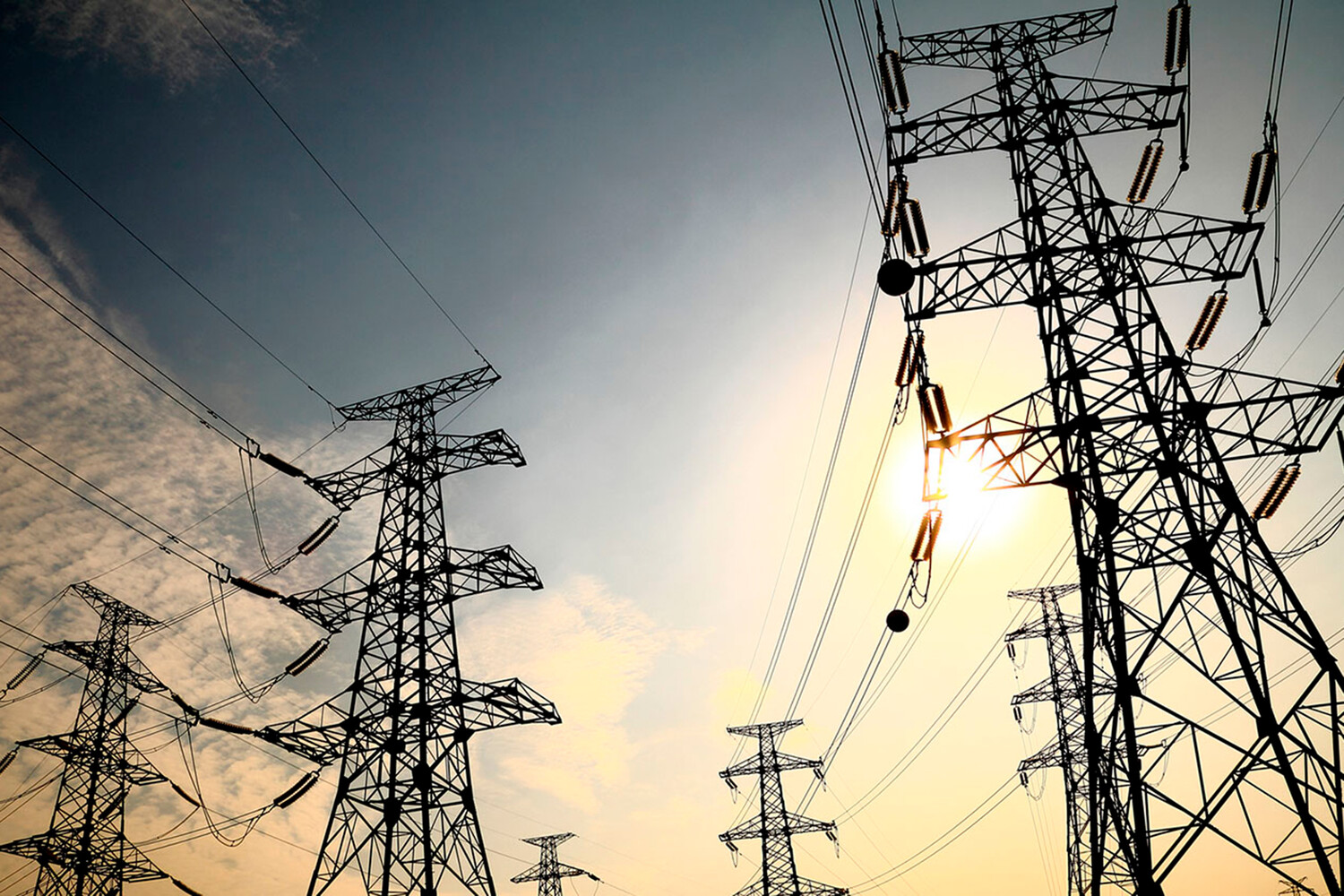
Russia has granted Abkhazia an additional quota of what it calls a “social” electricity flow — in simple terms, agreeing to supply more free power. This means the usual rolling blackouts in Abkhazia are unlikely to take place this winter.
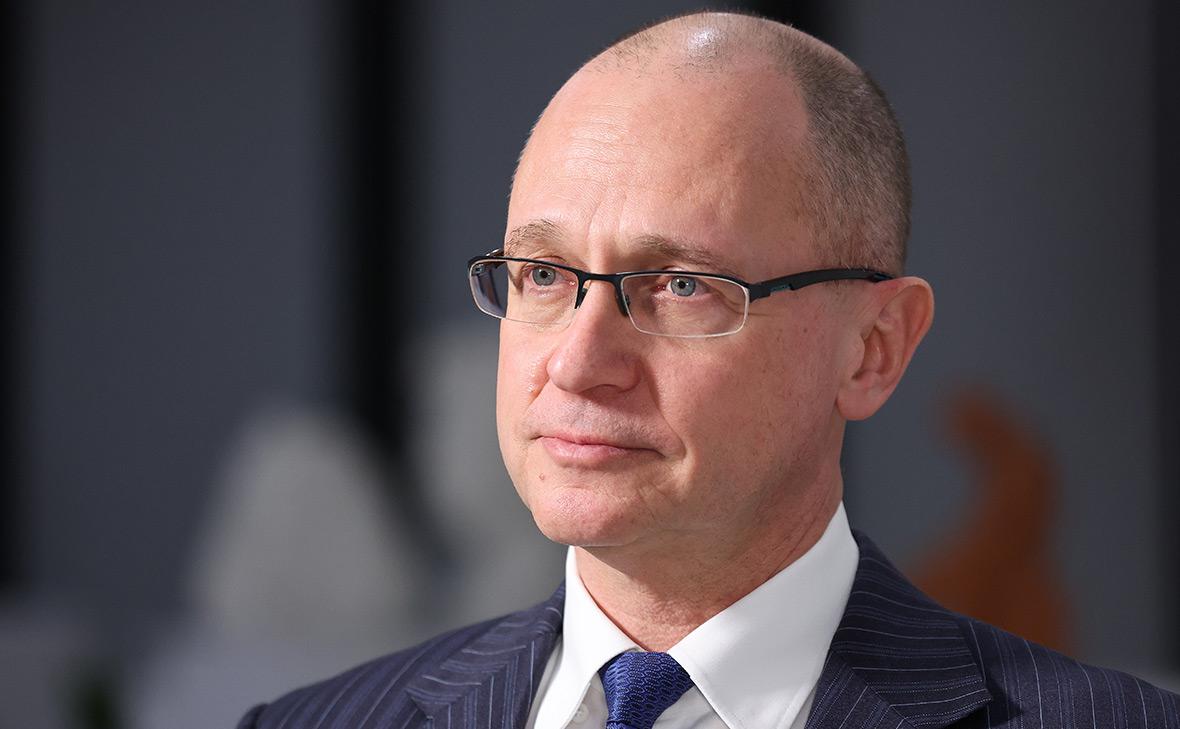
Since 1 January, Abkhazia has already been receiving a free allocation of electricity from Russia, covering the shortfall typically seen during that month. To secure a similar arrangement for February, Abkhaz President Badra Gunba travelled to Moscow for talks with Sergey Kiriyenko, first deputy head of Russia’s presidential administration and the Kremlin’s point man on Abkhazia. The talks proved successful.
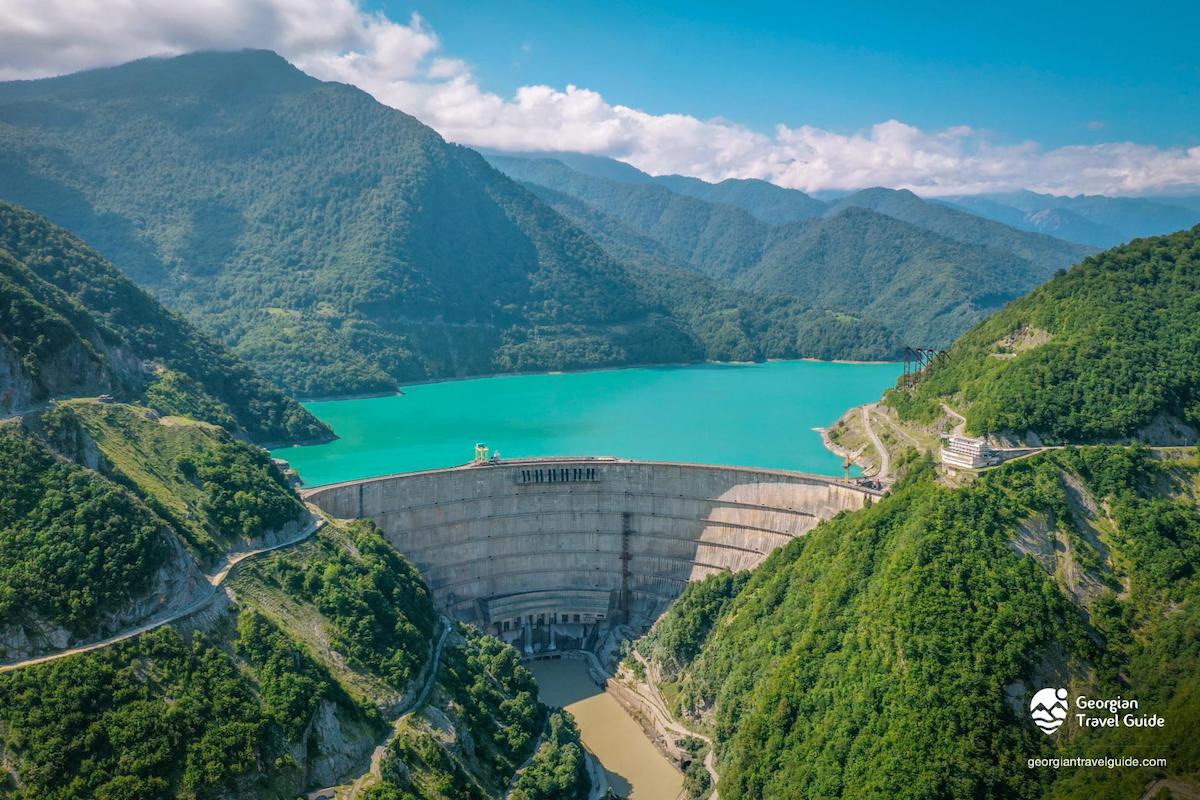
For Abkhazia, the autumn and winter period has for several years been marked by electricity shortages. During this time of year, water levels fall at the dam of the only power plant supplying the territory, the Inguri Hydropower Plant, leading to lower generation.
The Inguri plant is unique in that it is the only major facility that Georgians and Abkhaz were able to divide and operate jointly after the 1992–93 war. The station sits directly on the conflict line, and for more than 30 years the Georgian and Abkhaz sides have shared its output — Georgia receives 60% of the electricity produced, while Abkhazia takes the remaining 40%.
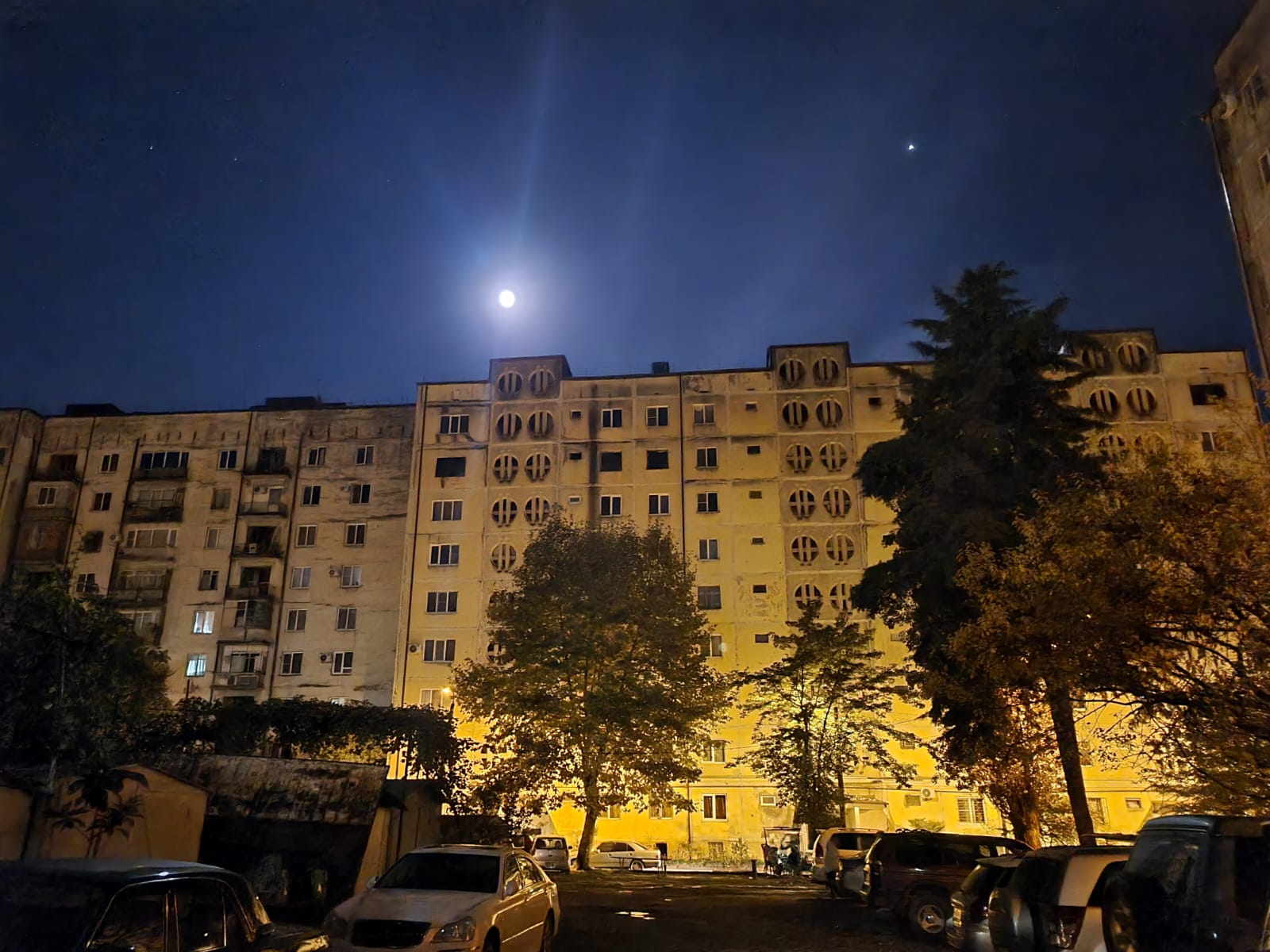
Until recently, that 40% share was enough to meet Abkhazia’s needs. But since 2020, electricity consumption in the territory has surged because of uncontrolled cryptocurrency mining. This spike triggered a severe energy crisis and led to rolling blackouts during the autumn and winter months. At times, power cuts lasted up to 12 hours a day.
Abkhazia has now managed to reduce electricity consumption from three billion to 2.4 billion kilowatt-hours. Even so, a deficit remains. The authorities cover it partly through what they describe as “humanitarian assistance” from Russia, and partly by purchasing electricity from Russia.
Since October 2025, however, Abkhazia has had to buy power at market rates rather than preferential prices. Those costs have proved unaffordable, prompting the authorities to ask Moscow to increase the volume of free electricity supplies.
Toponyms, terminology, views and opinions expressed by the author are theirs alone and do not necessarily reflect the views and opinions of JAMnews or any employees thereof. JAMnews reserves the right to delete comments it considers to be offensive, inflammatory, threatening or otherwise unacceptable.
Новости в Абхазии