
Day: January 22, 2026
Georgian Dream Prime Minister Irakli Kobakhidze spoke about the importance of public debates for democracy and for people to make choices based on “proper analysis,” in a January 22 letter posted on Facebook, while accusing “informal forces” and their “Georgian agents” of creating a polarized media environment in the country.
“We are obliged to correct this unhealthy situation; we are obliged to return to the Georgian people the right to enjoy one of the fundamental principles of democracy – debate – and not allow informal forces and their ‘Georgian’ agents to impose their own agenda on us.
So that in the future the Georgian people can make every choice based on proper analysis, we must allow them to publicly hear the positions of all political groups that have ambitions to be in government. We must return public discourse to public life, which is vital for the functioning of a full-fledged democracy,” Kobakhidze wrote on Facebook.
The letter drew swift reactions from opposition politicians and critical broadcasters, inviting Kobakhidze and other Georgian Dream members to appear live on television for debates.
The letter begins by defining debates as a “discourse about the truth” and “one of the main pillars of democracy,” highlighting their societal benefits and calling them “one of the most distinct parts of European civilizations.”
It then claims that the situation in Europe “gradually changed for the worse since 2008,” which Kobakhidze attributed to what he called the “growing influence on European politics of the so-called ‘deep state,’ that is, informal oligarchic rule.”
Blaming the establishment for “agents’ rule” and “pseudo-liberal values,” Kobakhidze said the “informal rulers themselves created artificial problems,” citing “LGBT and gender identity issues, ‘green politics’ and others.” He added that they “redirected” public attention from real issues to artificial ones, resulting in what he described as the “total disappearance of healthy debates” from European politics.
“Especially since 2020, well-known, high-rating debates in leading European media outlets have been repeatedly canceled, removing from public life the opportunity for discussion and hearing differing opinions,” he claimed.
Turning to Georgia, Kobakhidze said the same process had “partially affected” the country, claiming it led to the end of what he called “the many-years-long culture of political, economic and social debates.” He blamed Nika Gvaramia, former head of once opposition-leaning Rustavi 2, founder of Mtavari TV, which went off air last year, and now-jailed opposition figure, for carrying out what he described as the “total radicalization” of the media.
“Gvaramia successfully carried out the task – he established lies, insults, cursing, slander, and hysteria as the media standard, ultimately creating such a toxi media environment that a normal, healthy person no longer wants to participate in debates, which ultimately end in humiliation,” he said. In turn, he added, the situation had “split society” and deprived it of “the right to hear different positions and make choices according to one’s own views.”
Kobakhidze concluded that the “unhealthy situation” must be corrected and the Georgian people’s right to public debate “restored” so they can make informed choices.
The letter drew both surprise and criticism from opposition leaders and media representatives, who often say they are either not invited to appear on pro-government channels or that ruling party members decline invitations to sit with critical outlets.
Zurab Japaridze, leader of the opposition Girchi-More Freedom, responded on Facebook that he was ready to debate Kobakhidze “in any format, at any time.”
Misha Mshvildadze, director of opposition-leaning Formula TV, said the channel was “ready to host debates between Kobakhidze and any opponent.”
Grigol Gegelia, one of the members of the opposition Lelo party, questioned whether Georgian Dream representatives would actually agree to debate opposition figures and said he was also ready to take part.
For many years, opposition and government representatives have rarely appeared together on TV. Moreover, opposition figures usually appear on critical, opposition-leaning outlets, while ruling party members stick to pro-government channels.
Also Read:
- 06/12/2024 – Irakli Kobakhidze Vows to ‘ Completely Neutralize’ Opposition
- 07/10/2025 – Kobakhidze Offers Reset With West, Threatens to End Rustaveli Protests
- 03/06/2025 – Georgian Dream Targets Critical Broadcasters for Questioning Government Legitimacy
- 01/04/2025 – GD Rubber Stamps FARA, Broadcasting Law Changes, Revives Treason, Removes Gender, Excludes CSOs
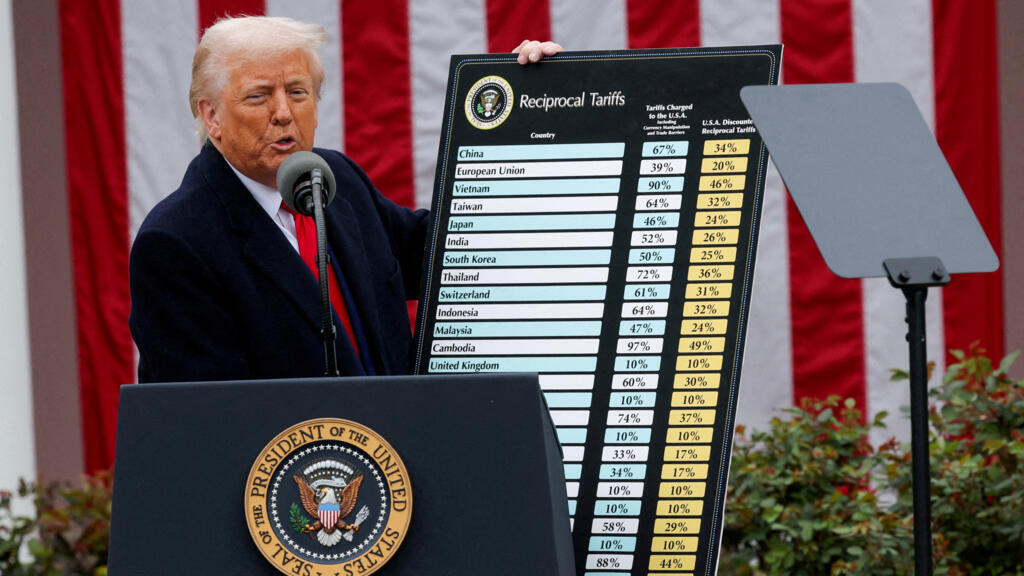
Impact of Trump’s 25% tariffs on Armenia
Following Donald Trump’s statement on imposing 25% tariffs on countries that cooperate with Iran, Armenian officials have said the country continues to pursue a balanced policy with both the United States and Iran.
“You know which programmes we are implementing with the United States today. You also know what kind of relations we have with Iran. I hope we will continue to pursue a balanced policy with our two partners, guided by the same logic,” said Artur Hovhannisyan, secretary of the ruling Civil Contract faction, during regular parliamentary briefings.
Trump’s announcement has not yet taken the form of a legal act and has not entered into force. Even so, Armenian economists have already begun to analyse the possible consequences for the country’s economy. They are also discussing how the move could affect Armenia’s bilateral economic relations with Iran and the United States.
Economist Anna Pakhlyan said the decision to introduce 25% tariffs would have only a limited impact on Armenia’s economy in terms of customs burdens.
“Given the practical implementation of US–Armenian strategic cooperation within the joint TRIPP project, I see a real possibility that Armenia could be included on the list of exemptions from the new customs tariffs,” she said.
According to the expert, the political context of Trump’s statement matters more, especially in light of Iran’s geopolitical and strategic importance for Armenia.
- US stake in TRIPP project to reach 74%, Yerevan and Washington say
- Iranian president: “Visit to Armenia is part of priority trips to neighbouring countries”
- Will US vice-president visit Armenia? Yerevan discusses possible trip
Economist’s commentary
Economist Anna Pakhlyan said Trump’s statement signals Washington’s intention to apply economic pressure on Iran. She stressed that any country with economic ties to Iran could come under pressure.
“Even though the United States has not yet published a legal mechanism or outlined exemptions for this policy, uncertainty and a sense of coercion are increasing for Armenia’s foreign trade,” she said.
Pakhlyan said Armenia could still end up on an exemption list. At the same time, she noted that no official document exists so far and that key details remain unclear.
“It is not clear whether tariffs on countries cooperating with Iran will depend on the scale and depth of trade and economic ties,” she said. “It is also unclear whether even minimal trade with Iran could trigger additional levies. We also do not know whether customs duties would apply to exports, imports, or both. Clarifying these conditions would significantly change the scale and scope of any potential tariffs.”
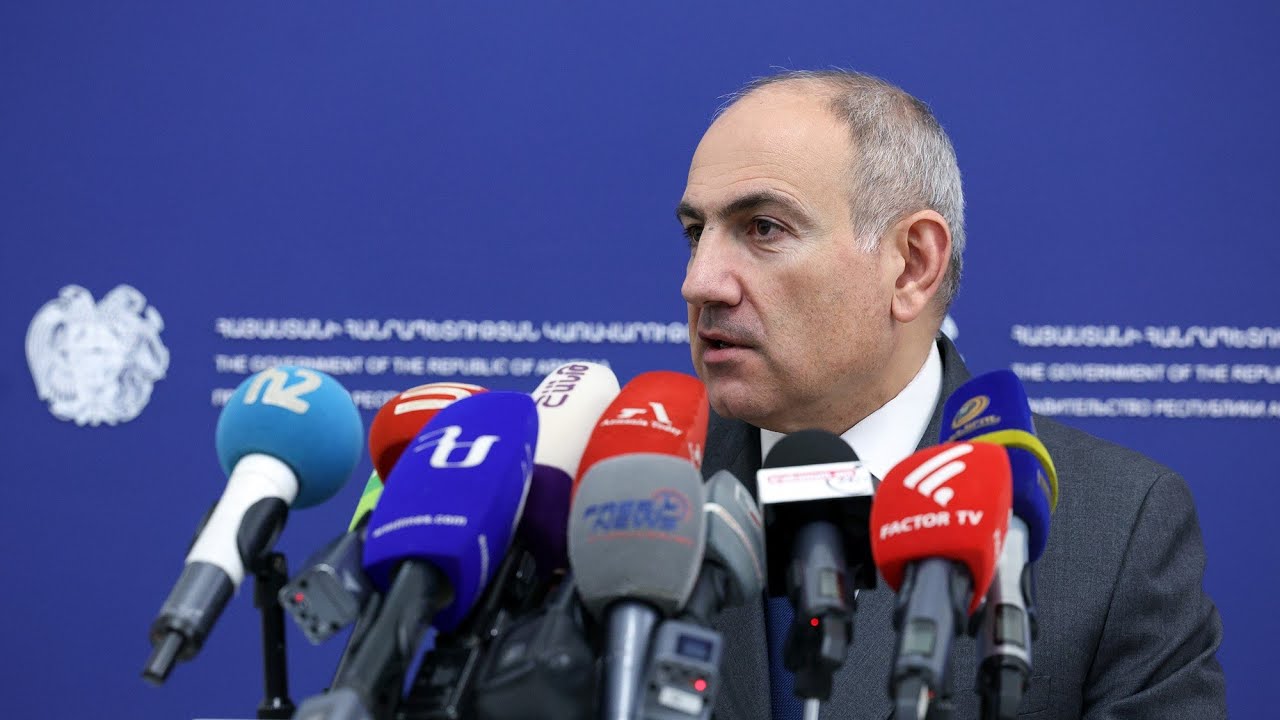
Economist Anna Pakhlyan said that if tariffs are introduced, the “main targets” would be Iran’s largest trading partners.
According to official data, these include China, which accounts for about 40% of Iran’s exports, followed by Iraq (13%), the United Arab Emirates (11%), Turkey (10%) and India (3.4%).
“As for Armenia, it accounts for only 0.66% of Iran’s exports. However, Iran’s share in Armenia’s foreign trade is slightly higher,” she said.
Pakhlyan cited the following figures:
- In 2024, Armenia exported goods worth $108.3m to Iran, or 0.8% of its total exports.
- Exports from Armenia to the United States in 2024 amounted to $58.9m, or 0.5% of total exports.
- Between January and November 2025, Armenia exported $83.4m worth of goods to Iran and $46.2m to the United States.
“The volume of Armenia’s exports to the United States is small. The Iranian market also does not rank among the main export destinations for our country,” she said.
She added that import volumes also remain “insignificant”.
In 2024, Armenia imported goods worth $351.7m from the United States, or 2.1% of total imports. Imports from Iran reached $629.2m, accounting for 3.7% of the total.
“Under these conditions, the introduction of a 25% customs tariff on economic cooperation with Iran would have a negligible impact on Armenia’s economy,” Pakhlyan said.
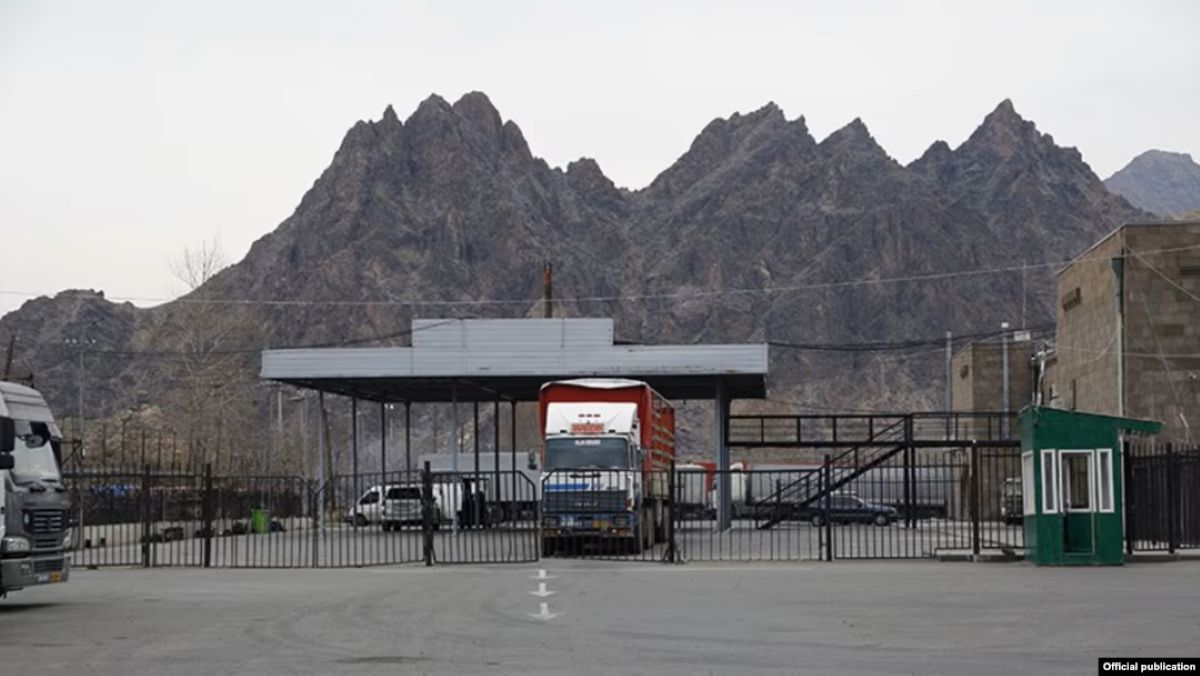
Impact of Trump’s 25% tariffs on Armenia
South Korea on Thursday formally enacted a comprehensive law governing the safe use of artificial intelligence (AI), becoming the first country in the world to establish a regulatory framework aimed at curbing misinformation and other potential risks associated with the emerging technology, Azernews reports, citing Yonhap agency.
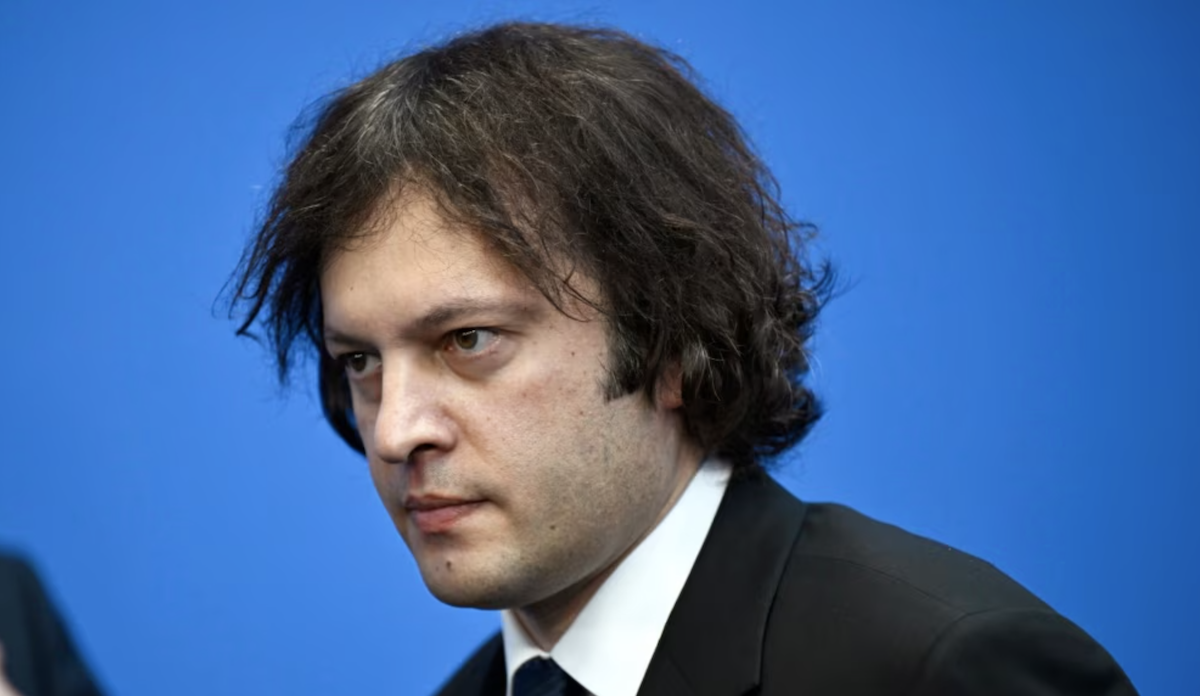
Political debate in Georgia
Georgian Dream Prime Minister Irakli Kobakhidze has spoken of the importance of public discussion, saying the country needs to restore a culture of political debate.
In a lengthy letter published on social media, Kobakhidze wrote that citizens should have the opportunity to publicly hear the positions of all political forces seeking power, in order to make choices based on informed analysis.

Kobakhidze said debates are one of the fundamental elements of democracy, as they allow citizens to compare different viewpoints and determine which positions align more closely with their values and interests. He argued that the tradition of public debate laid the historical foundations of European democracy.
The prime minister said Europe has developed a culture of debate over centuries in various forms, ranging from public assemblies to televised discussions. He added that this culture has extended to almost all areas of public life, including politics, the economy, environmental protection, culture and sport. The purpose of this process, he said, was to ensure citizens are as well informed as possible and that decisions are based on arguments rather than emotions.
At the same time, Kobakhidze said the space for debate in European politics has gradually narrowed in recent years. He linked this to the growth of informal influences which, in his view, reduce state sovereignty and alter the nature of democratic processes.
According to the Georgian Dream prime minister, political agendas increasingly drift away from real social problems and focus instead on ideological issues. He said this deprives citizens of a genuine choice.
Kobakhidze also said this trend has gone hand in hand with a decline in debate within the media space. He noted that, particularly after 2020, European media outlets shut down a number of popular debate formats, further limiting opportunities for public discussion.
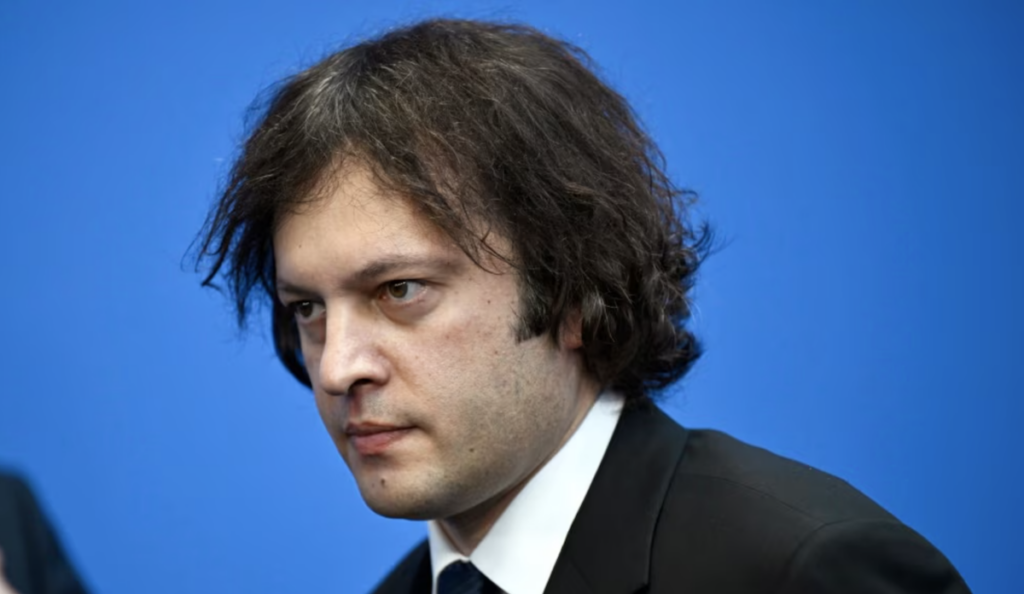
Georgian Dream PM on political debate in Georgia
Kobakhidze said the culture of political debate that developed in Georgia over many years has significantly weakened. He pointed to growing polarisation in the media environment, saying that mutual accusations, emotional rhetoric and conflict-driven communication often replace genuine discussion.
In his view, such an atmosphere deprives citizens of the opportunity to calmly assess different arguments. As a result, politics becomes more confrontational and debates lose substance.
Kobakhidze argued that the state’s task is to restore one of democracy’s key instruments — public debate. He said citizens should have the opportunity to hear all political forces, compare their programmes and make choices based not on fear or confrontation, but on thoughtful analysis.
“For the Georgian people to be able to make the right choice in the future, it is necessary to bring discussion back into the public sphere,” wrote Irakli Kobakhidze, adding that democracy cannot function properly without a free exchange of different opinions.
Political debate in Georgia
In Davos, on the margins of the #WorldEconomicForum2026 Forum, honoured to participate in the meeting of the Board of Peace and the solemn signing of its Charter. Armenia’s engagement in this format reflects our continued commitment to lasting peace and international cooperation.
— Nikol Pashinyan (@NikolPashinyan) Jan 22, 2026