
In the first eleven months of 2025, Azerbaijan exported about 195 thousand tons of petroleum coke worth $59.9 million, according to the State Customs Committee, Azernews reports.
Day: January 16, 2026
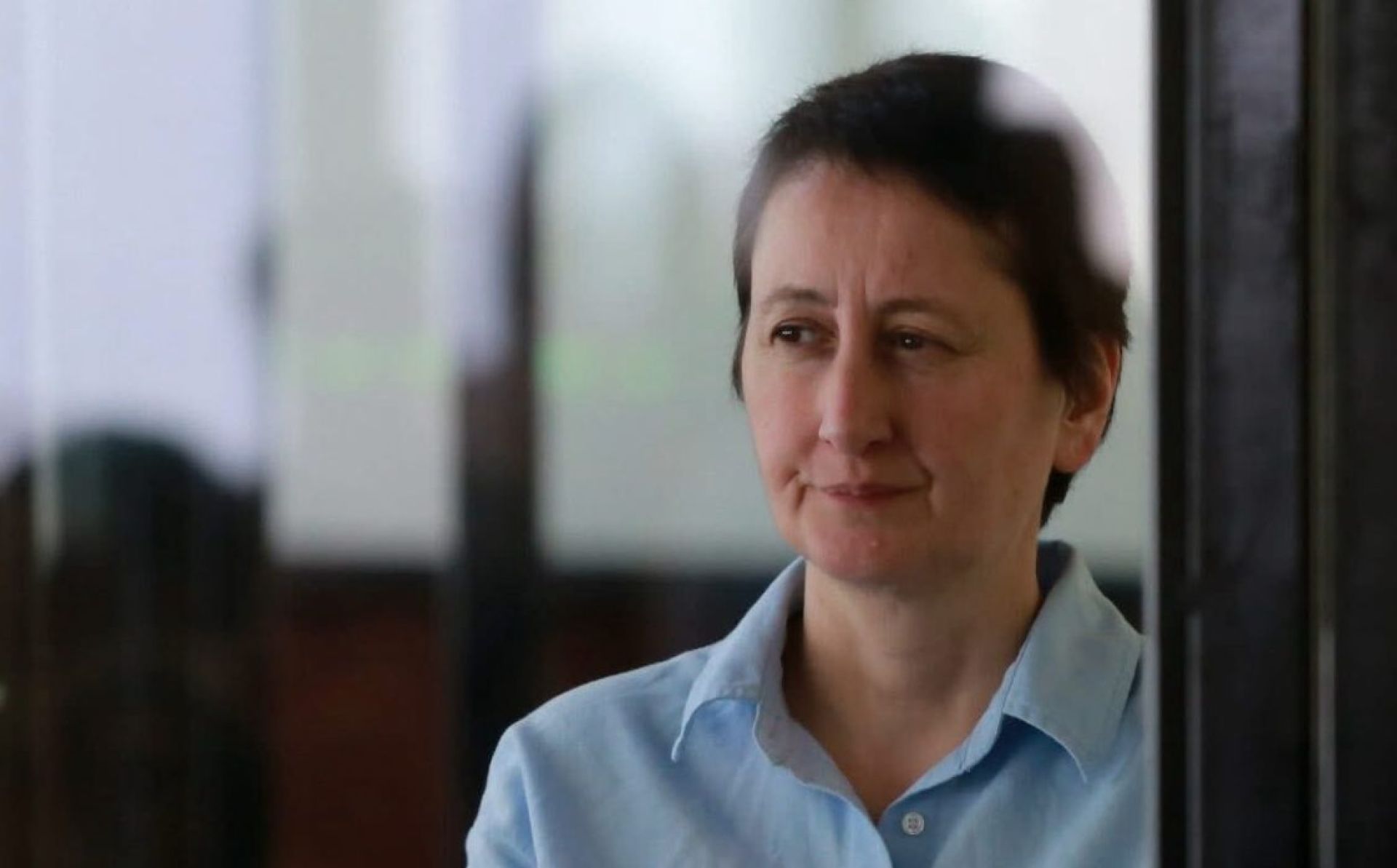
“The trial of Mzia Amaglobeli failed to meet international standards of a fair hearing, raising concerns about the state of human rights, freedom of expression and media independence in Georgia,” the Clooney Foundation for Justice said in its assessment of the case against the Georgian journalist.
On 16 January, the foundation published its final TrialWatch report on the case.
TrialWatch is an international initiative that monitors court cases around the world to identify violations of the right to a fair trial, particularly in cases involving politically motivated prosecutions. The project was launched in 2019 by the Clooney Foundation for Justice. It was founded by human rights lawyer Amal Clooney and actor George Clooney. Since its creation, TrialWatch has monitored court proceedings in more than 40 countries and is currently tracking cases involving nearly 60 journalists in 10 countries.
- Italian senator: “Mzia Amaghlobeli and Nino Datashvili are not criminals, but political prisoners”
- 24 countries call for the release of Georgian journalist Mzia Amaghlobeli in joint statement
- Jailed Georgian journalist Mzia Amaglobeli wins Sakharov Prize
On 12 January, one year marked since the arrest of Mzia Amaglobeli, the founder of the news outlets Batumelebi and Netgazeti. She was sentenced to two years in prison for slapping the head of Batumi’s police during a protest.
Mzia Amaglobeli has since become a symbol of Georgia’s pro-European movement and has received a number of international awards, including the Sakharov Prize from the European Parliament.
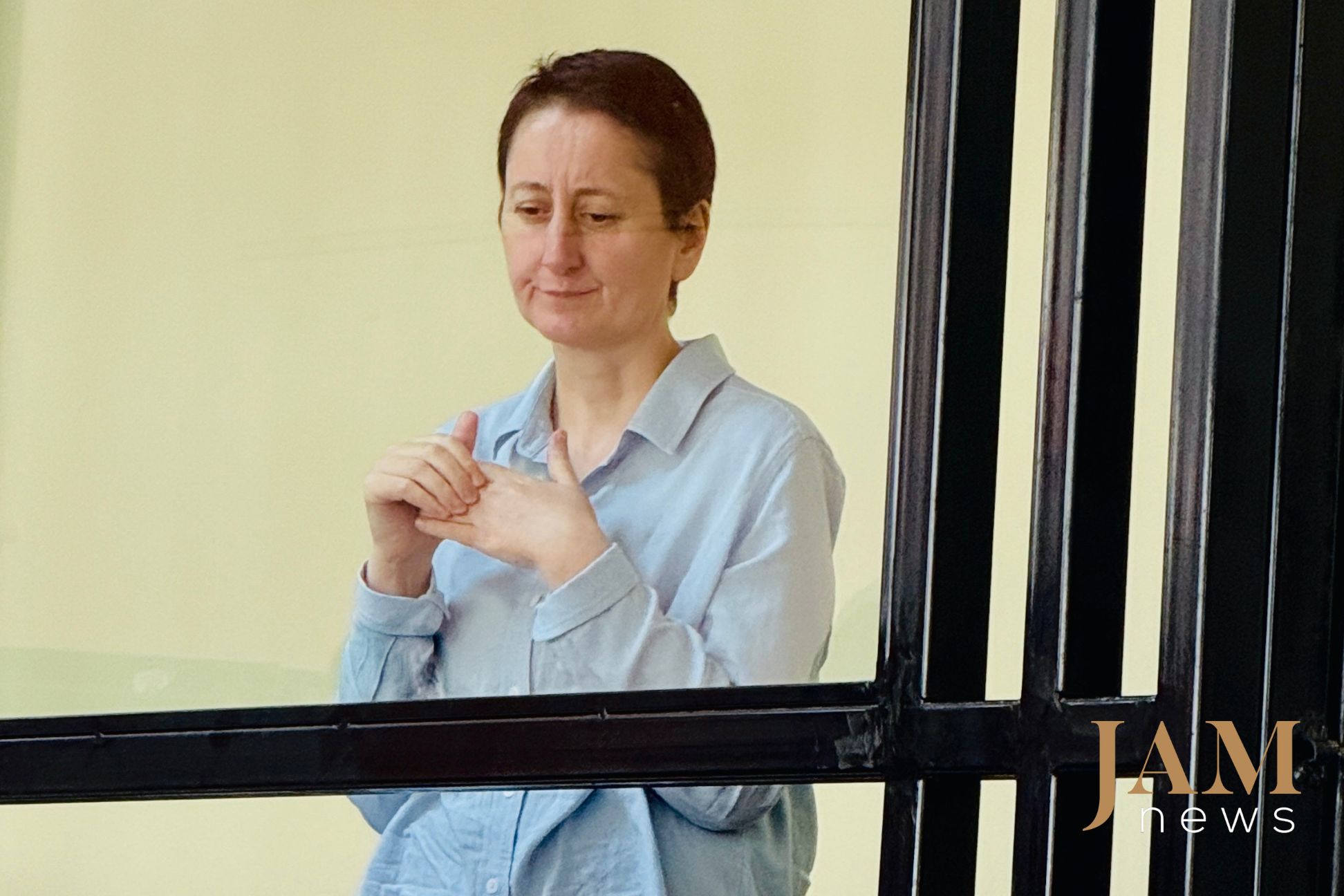
In a press release accompanying the Clooney Foundation’s report, the prosecution of Mzia Amaglobeli is described as particularly concerning, as it is taking place amid broader restrictions on media freedom and judicial independence by the pro-Russian ruling party, Georgian Dream.
“The criminal proceedings against Mzia Amaglobeli revealed numerous violations of international human rights standards, which seriously undermined the fairness of her detention and trial, as well as her conviction under an article that was never formally brought against her,” said British lawyer Nicolas Bratza, a former president of the European Court of Human Rights. He assessed the trial as an expert for TrialWatch.
In its final report, the Clooney Foundation for Justice points to a miscarriage of justice in the journalist’s case and sets out in detail the shortcomings of the proceedings. The report highlights violations of defence rights, noting in particular that the defendant was not allowed to communicate freely with her lawyers during the trial. In addition, the court denied the defence access to key evidence and witnesses.
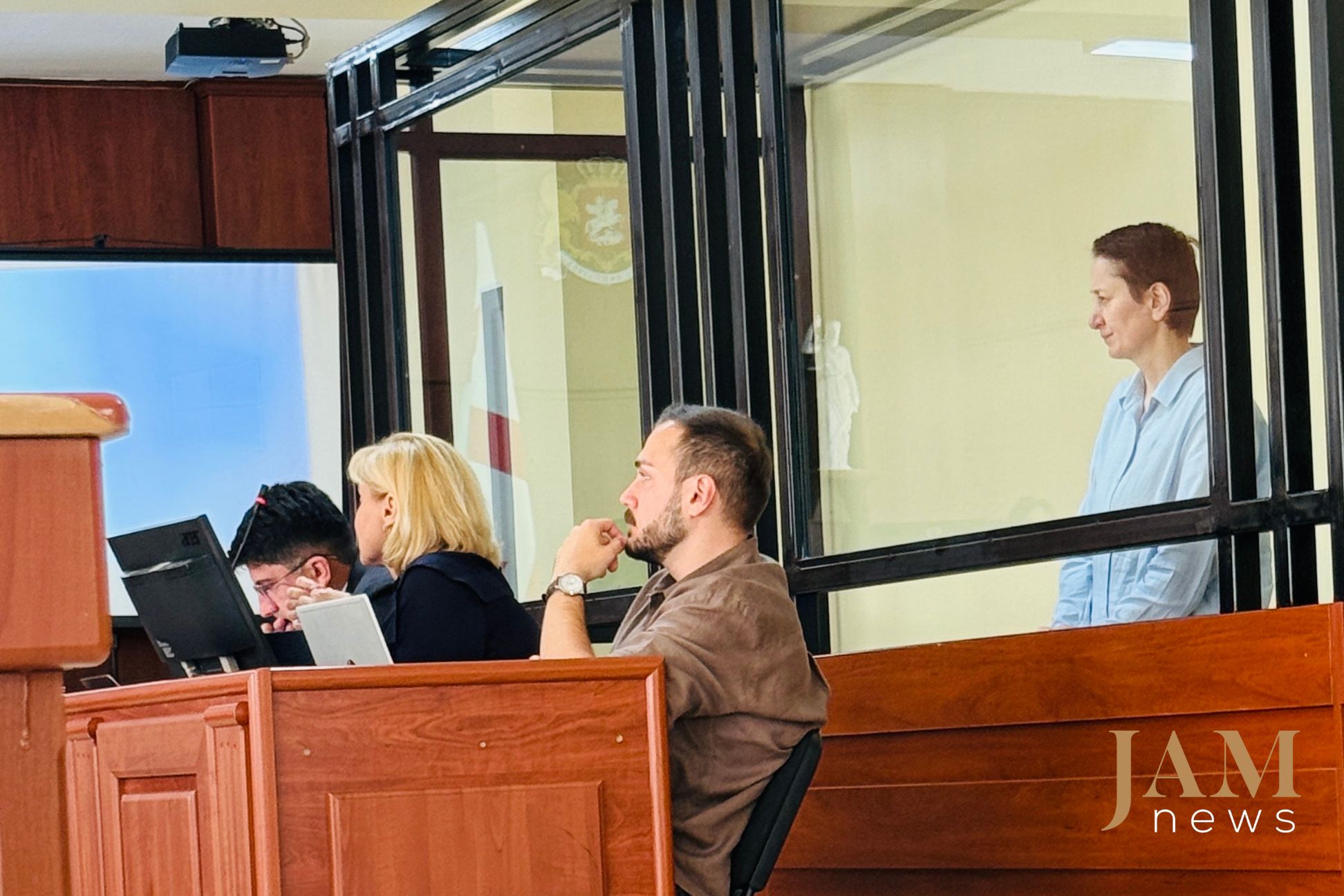
Mzia Amaglobeli was initially charged with assaulting a police officer, an offence punishable by four to seven years in prison. However, on the day the verdict was delivered, the judge reclassified the charge as resisting a police officer.
The report by the Clooney Foundation for Justice stresses that this sudden reclassification deprived Amaglobeli of a genuine opportunity to defend herself against the new charge on which she was ultimately convicted.
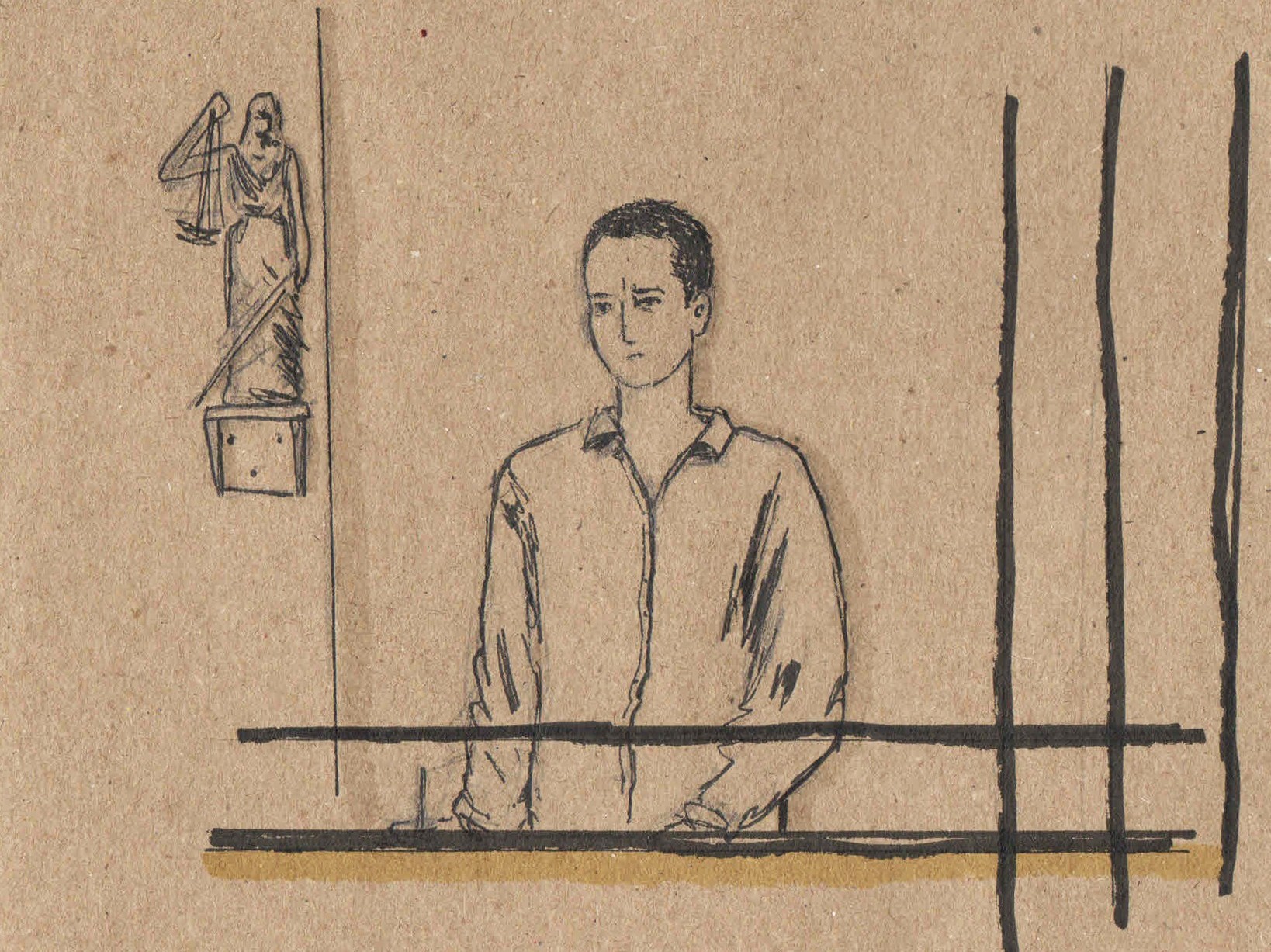
The report also raises concerns about the fairness of the sentence. According to the foundation, the court’s verdict lacks proper justification for both the conviction and the prison term imposed. It describes the custodial sentence as disproportionate, arguing that there were sufficient grounds to impose a fine or place the defendant under house arrest instead.
The foundation says this points to an abuse of the judicial process and an intention to punish the journalist in order to intimidate others who hold dissenting views.
The report also refers to a violation of the presumption of innocence, citing statements by senior officials who publicly described Mzia Amaglobeli as guilty long before a verdict was delivered.
The Clooney Foundation for Justice considers the case to be politically motivated, saying this is further evidenced by Georgia’s broader political climate and the state of its democracy.
The foundation calls on the Georgian authorities to overturn Mzia Amaglobeli’s conviction, secure her immediate release, and ensure that courts operate free from political influence.
Clooney Foundation on Amaglobeli trial
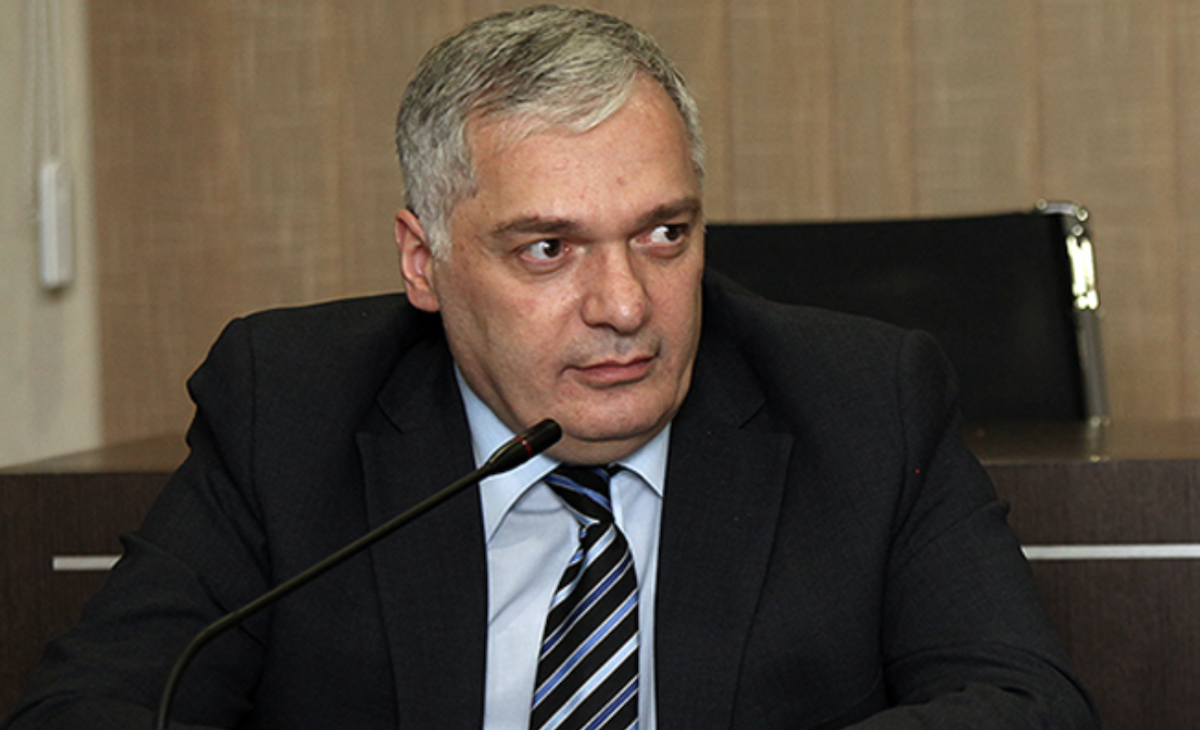
Lawyer predicts Ivanishvili’s downfall
Commenting on the current political developments in Georgia, lawyer Sandro Baramidze says there is a global trend of authoritarian regimes in decline, and that sooner or later this will also affect Georgia’s current leadership.
According to Baramidze, there is a broad consensus in society that the regime of Bidzina Ivanishvili and the Georgian Dream party — of which he is widely regarded as the informal leader — has gone beyond any legal framework and has “not only violated the country’s constitution, but effectively destroyed the constitutional order itself”.
The lawyer also commented on a complaint filed by the Georgian government with the UK broadcaster BBC, demanding the removal of a report alleging that chemical agent “camite” was used during the dispersal of protests in Tbilisi in 2024. Baramidze said the complaint contradicts procedural law and that no court would agree to consider it.
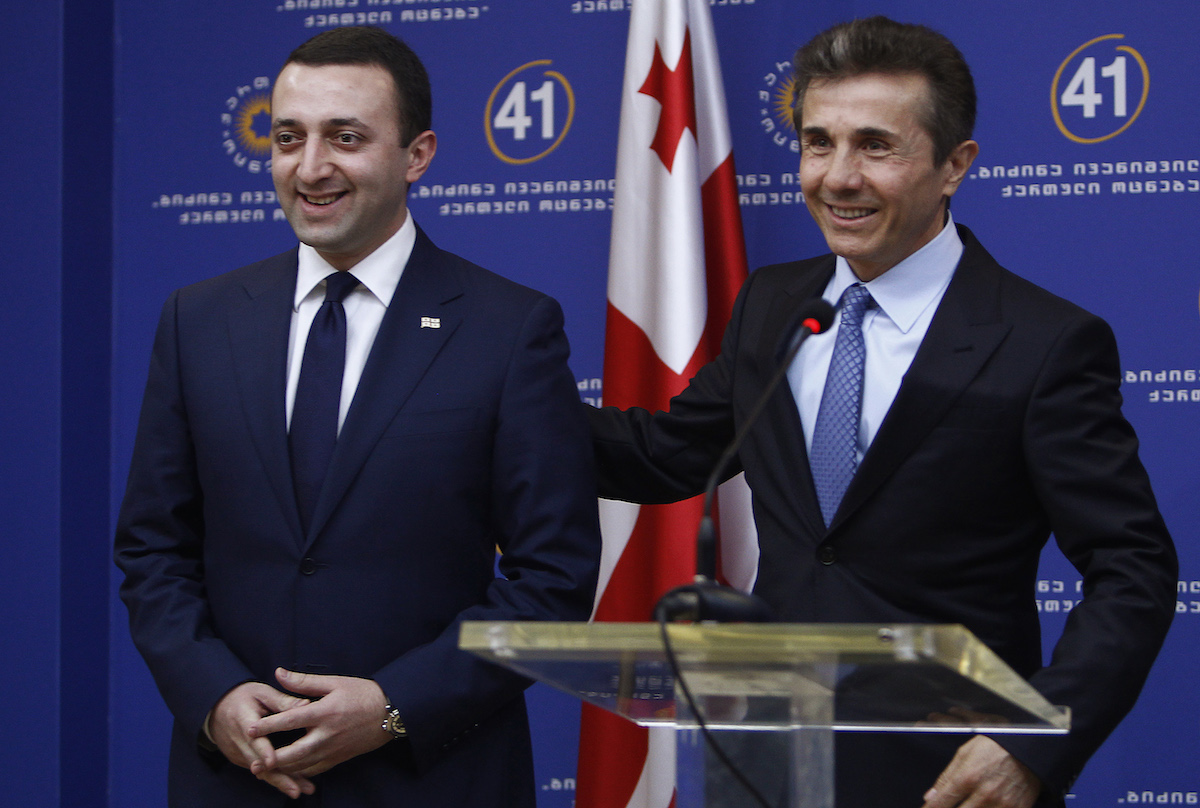
Sandro Baramidze:
“[In Georgia] there are no longer any fundamental human rights. The right to freedom of assembly and demonstration has been destroyed, as has freedom of association, while the livelihoods of media outlets and non-governmental organisations have been blocked. The authorities are now trying to eliminate political pluralism by filing a constitutional complaint to ban three parties. In this way, they seek to eradicate electoral democracy, because if there is no choice, elections lose their meaning.
But the situation for authoritarian regimes worldwide has changed dramatically. There is a clear trend towards their collapse. Sooner or later, Georgia’s turn will come — and in our case it will require far less effort than in Iran or Venezuela.”
As for Georgian Dream’s claims against the UK broadcaster BBC, the party has no standing to lecture one of the world’s most authoritative broadcasters on ethics or professionalism.
The BBC documentary that so angered Georgian Dream is based not on assumptions or facts established by the BBC itself, but on testimonies from victims, reports and conclusions by chemical weapons experts, as well as other sources.
More broadly, Georgian Dream’s complaint is inadmissible before any judicial body, including the European Court of Human Rights. A generally accepted principle of procedural law is that a party may file a complaint with a competent authority only to seek redress for violations of its own rights. It cannot act on behalf of others. Georgian Dream’s complaint contains four claims, three of which do not concern the party itself.
Two of the claims relate to the Interior Ministry, and one concerns Bidzina Ivanishvili personally. Georgian Dream, however, cannot file a complaint on behalf of the Interior Ministry or Ivanishvili. Such a complaint would be ruled inadmissible by any body, whether in Georgia or abroad.

Lawyer predicts Ivanishvili’s downfall
The trial and conviction of Georgian journalist Mzia Amaghlobeli violated her right to a fair trial and amounted to an abuse of process, according to a newly published report by TrialWatch, the Clooney Foundation for Justice’s program that monitored the case.
“The criminal proceedings against Mzia Amaglobeli gave rise to a series of violations of international human rights standards that cumulatively and gravely undermined the fairness of the proceedings against her,” said Sir Nicolas Bratza, a British jurist and former president of the European Court of Human Rights, who served on the TrialWatch Experts Panel.
Mzia Amaghlobeli, a journalist and founder of the online media outlets Batumelebi and Netgazeti, was arrested in Batumi on January 11–12, 2025, after slapping the local police chief during a tense protest. She was initially charged with “assaulting a police officer” and faced four to seven years in prison. On the day the verdict was delivered, August 6, the charge was reclassified to the lesser offense of “resistance against an official,” and she was sentenced to two years in prison. Amaghlobeli remained in custody during the entire pretrial period.
According to TrialWatch, Amaghlobeli’s trial revealed “several procedural flaws,” including limitations on the defense’s ability to present evidence and call witnesses who could have corroborated her account of the slap, as well as her placement in a glass enclosure (“aquarium”), which the report said restricted communication with counsel and hindered her ability to participate fully in her defense.
The report also criticized the last-minute reclassification of charges, saying it left her with no time to respond or to prepare a defense against the new elements of the offense for which she was ultimately convicted. It added that the judgment did not address procedural irregularities identified by the defense, inconsistencies in prosecution witness testimony, or allegations of ill-treatment. The report further said the court failed to adequately justify the imposition of a custodial sentence, rather than alternative measures such as a fine or house arrest.
The report also notes that Amaghlobeli’s right to the presumption of innocence was breached by the public statements made before the final verdict by senior Georgian Dream officials, including Prime Minister Irakli Kobakhidze
“These deficiencies in the trial, including the sudden reclassification of the charges, were not substantively cured on appeal,” the report said, adding that the appellate court “likewise minimized the relevance and value of defense evidence.”
The report concluded the case involved documented violations of Amaghlobeli’s rights under the European Convention on Human Rights and the International Covenant on Civil and Political Rights, finding that her trial was “unfair and in breach of the presumption of innocence” and did not meet international standards.
Also Read:
Categories