
@SouthCaucasus ორი კვირის შემდეგ არის ✠︎
— 𝐀𝐋𝐋𝐇𝐄𝐀𝐑𝐓 (@olokardia) Dec 24, 2025
Day: December 24, 2025
The growth in exports follows a strategic agreement signed in 2024 between Japan Tobacco International (JTI) and Azerbaijan-owned Tabaterra CJSC. Under the agreement, JTI’s global brands, including Sobranie, Winston and Camel, are produced at Tabaterra’s facilities in Azerbaijan and exported primarily to the Georgian market.
Categories
Имущество Чубайса арестовали
“We were the ones faced with the biggest injustices in the history of recent years. Because our lands were occupied… While all such situations exist, international organizations, major powers and political circles of various countries condemn the fact of occupation, use various methods to coerce the occupier or impose sanctions on it. We are seeing this. Recent history shows this,” President of the Republic of Azerbaijan Ilham Aliyev said at a meeting with residents relocated to the city of Aghdam.
“It is true that there is a peace process between Armenia and Azerbaijan now, and we were the ones who initiated it. Everyone knows and should know that. We were the first to propose it, we are the authors of the peace treaty, and we are the authors of all its articles,” President Ilham Aliyev said during a meeting with residents relocating to the city of Aghdam.

Food prices in Georgia
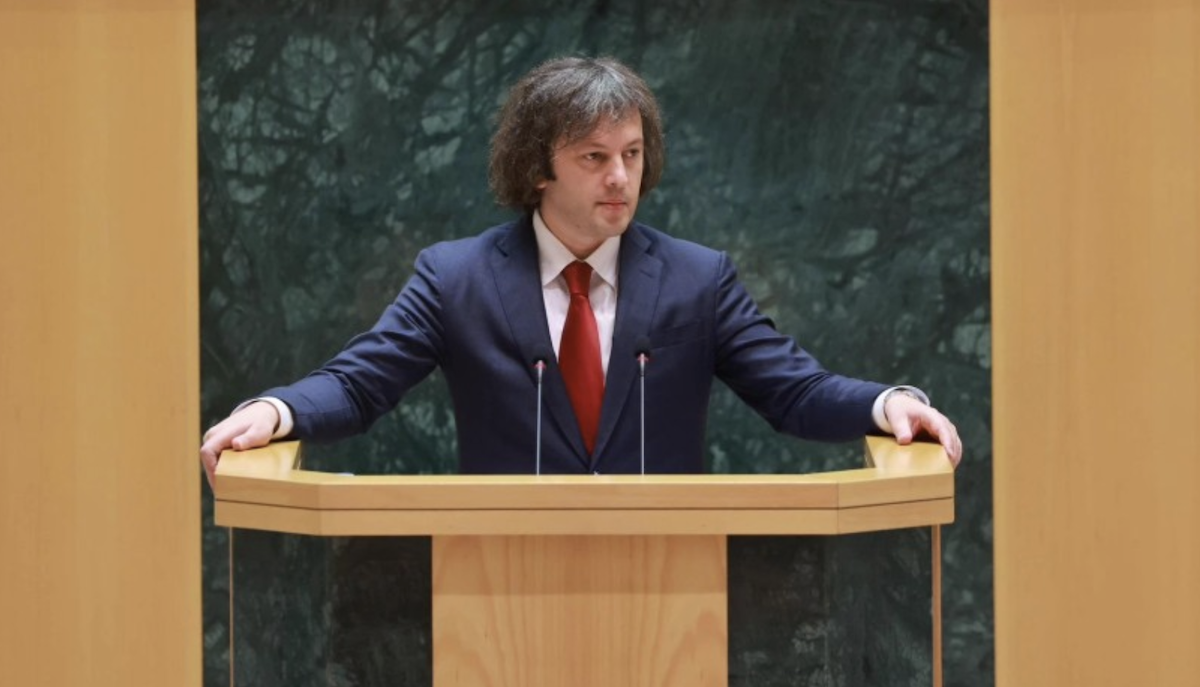
Prime Minister Irakli Kobakhidze of the ruling Georgian Dream party has said that, in some cases, food prices in Georgian supermarkets are significantly higher than in European countries. He blamed mark-ups by retail chains and possible breaches of antitrust legislation, calling on law enforcement agencies to look into the issue.
Parliament Speaker Shalva Papuashvili said a special investigative commission would be set up immediately after the spring parliamentary session opens to examine food pricing.

In a video address published on 24 December 2025, Irakli Kobakhidze said public frustration over prices was justified. He said a government comparison showed that price gaps for the same international brands between Georgia and European countries were, in some cases, substantial. Compared with France, sunflower oil in Georgia was 34% more expensive, pasta 97%, rice 180%, butter 30%, cheese 42% and chocolate 47%.
According to the Georgian Dream prime minister, one of the main reasons is high mark-ups by distributors and retail chains, averaging 86% even before goods reach consumers after crossing Georgia’s border.
He also said the net profit margins of large retail chains operating in Georgia range from 7% to 14%, compared with an average of about 2% in Europe, despite significantly higher operating costs there, including rent, wages and utilities.
Kobakhidze stressed that the financial burden often makes it more profitable for Georgian producers to export their goods rather than sell them through domestic chains. As a result, imported products tend to dominate supermarket shelves, even though, the government says, the country’s strategic interest lies in supporting local production and reducing reliance on imports.
He added that the problem has been compounded by the rapid expansion of retail chains. Over the past five years their number has doubled, with 113 stores per 100,000 people in Georgia, compared with 45 in Germany and 62 in Austria. The costs of expansion, he said, are ultimately passed on to consumers.
A preliminary government review points to several practices driving up prices, including so-called “network cashback”, delivery fees charged to suppliers, delayed payments to distributors and producers, and the costs of opening new outlets. Kobakhidze said these factors raise suspicions of coordinated cartel behaviour, warranting deeper analysis.
He said the government would step up work with distributors and retailers to bring prices down and, if necessary, use antitrust tools applied in other countries. He also called on law enforcement agencies to investigate potential criminal violations by specific companies and proposed that parliament set up a special commission to assess the issue.
Expert opinion
Financial expert and former central bank governor Roman Gotsiridze has said that Irakli Kobakhidze’s call on law enforcement agencies to look into rising supermarket prices amounts to a continuation of pressure on business and a revival of the Soviet-era OBKhSS system, the department tasked with combating the misappropriation of socialist property.
In his view, the Georgian Dream government is planning repressive measures against retail outlets under the pretext of tackling high prices. Gotsiridze argues that the main driver of price rises is flawed monetary and fiscal policy pursued by the authorities.
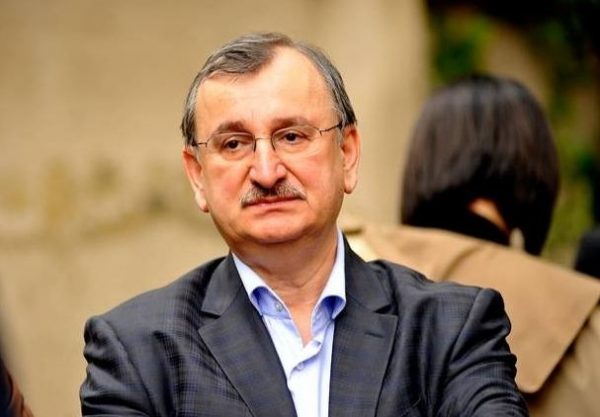
Roman Gotsiridze:
“Irakli Kobakhidze’s call on law enforcement agencies to look into rising supermarket prices is a continuation of repression in the business sphere and a revival of the Soviet-era OBKhSS system. The next step will be the introduction of state control over business, as seen in Belarus and other similar countries. Before long, the principles of a market economy will be replaced by an ideology of ‘state capitalism’.
The wholesale plundering of state resources and corruption among the elite — which the authorities themselves acknowledge through internal political repression — are among the reasons behind rising prices.”