
Day: December 19, 2025
Categories
BlackBerry Q3 revenue rises
Citing “backsliding” on key commitments, the European Commission warned of “appropriate measures” against Georgia in its eighth visa-free suspension report, first to target holders of diplomatic, service, and official passports, with potential eventual suspension of visa-free travel for the entire population.
The Commission published its annual report under the visa suspension mechanism on December 19, a month after Brussels approved new rules making it easier to suspend visa-free travel for citizens of third countries, which also foresees a targeted approach to ending visa exemptions. The new mechanism will take effect on December 30, 2025.
“Georgia has regressed significantly on key governance and rule-of-law benchmarks that formed the basis for the granting of visa-free travel. Similarly, Georgia regressed also in the domains of visa-alignment and fight against corruption,” the Commission said in a 16-page document. “Given the systemic and deliberate nature of this backsliding, the Commission will consider appropriate measures under the revised Visa Suspension Mechanism.”
“In the first phase, the visa suspension could target holders of diplomatic, service and official passports issued by the Georgian authorities, who are primarily responsible for not taking action to address the Commission’s recommendations,” the report said.
Brussels has introduced similar measures against diplomatic passport holders earlier in 2025, and top Georgian officials have acknowledged they required visa to travel to some European countries since. The new report, however, clarified that the new regulations would ensure “a uniform application” in all member states, which means that no bilateral exemptions will be possible for holders of such passports.
“In the second stage, the suspension could be extended to the entire population if issues are not addressed by the Georgian authorities,” the report said, warning that “ultimately, Georgia could lose its visa free status entirely.”
Human Rights, Russian Influence, Asylum Applications
The document highlighted a range of issues that countries enjoying visa-free travel are expected to address, including human rights concerns, progress in implementing recommendations from previous visa reports, and migration- and security-related risks.
Georgia has “violated numerous commitments undertaken during the visa liberalisation dialogue, failed to implement nearly all recommendations of the 7th Visa Suspension Mechanism report, and despite repeated requests over the past years to advance on visa policy alignment and on prevention of corruption has even further backtracked in 2024- 2025 including in relation to the protection of fundamental rights and freedoms,” the Commission said.
- Human rights and past recommendations
Noting that “respect for fundamental rights constitutes one of the key benchmarks agreed by Georgia duringthe visa liberalisation dialogue,” the Commission said in the report that Georgia failed to implement relevant recommendations issued in the previous suspension report, and “has instead regressed further in key areas of governance and fundamental rights.”
According to the report, a series of lesgislative amendments, including Georgia’s Foreign Agents Registration Act (FARA), amendments to the Law on Grants, Law on Political Associations, Administrative Offence Code, and the Law on Broadcasting “have collectively curtailed civic space and restricted dissenting voices, including those of protestors, opposition representatives, civil society organisations, and independent media.”
The Commission said that this “particularly affected civil society associations and human rights defenders, multiplying various obstacles to make their activities more difficult and as result limit their ability to function.”
“Rather than taking remedial steps, the Georgian authorities have openly defended these measures, invoking national sovereignty and disregarding the commitments undertaken during the visa liberalisation dialogue,” the Commission noted.
The report also recalled the Commission’s July letter to Tbilisi requesting a progress update on the implementation of recommendations on the 7th suspension report, including on repealing repressive laws. Georgia in its response “did not inform of any meaningful progress in addressing the recommendations related to fundamental rights,” the report says. “In most areas, no corrective measures were reported and in several others the situation has further deteriorated.“
- Migration
The report notes that Georgia has 26 visa-free deals with countries subject to the EU visa
requirements and “has not taken any steps towards further alignment since 2022,” but “on the contrary,” backtracked by granting visa-free entry to citizens of China in 2024.
“Georgia also continues to pursue a visa policy that diverges substantially from the EU acquis, particularly by allowing entry to nationals of 17 countries that are visa-required both in the EU and in Georgia, solely on the basis of a visa or residence permit issued by one of the Gulf Cooperation Council (GCC) countries,” the report states, recommending to terminate the practice “immediately.”
The report also says that “the significant influx into Georgia of nationals from India and to a lesser extent from other Asian and Middle East countries, raises concerns about the potential illegal migration towards the EU, whether by land or by sea.”
- Russian Influence
“Security concerns persist in Georgia due to Russian influence, especially in light of the rapid growth of the resident Russian diaspora,” the report says, noting that “approximately 160,000 Russian citizens have emigrated to Georgia” since Russia’s full-scale invasion of Ukraine. “There is a growing apprehension that the Russian presence in Georgia could be exploited for foreign influence operations,” it adds.
The report also raised concerns about Georgia’s liberal investor citizenship schemes and naturalisation procedures. “Although numbers are very limited compared to the normal track for acquisition of citizenship, simplified naturalisation procedures could be used by Russian nationals to acquire citizenship,” the report says, noting that Serbian and Georgian cases in this regard “warrant further scrutiny to determine whether those practices are abusive.”
The report added that “compliance with EU law requires that candidate countries abolish existing investor citizenship schemes and repeal their legal basis.”
- Asylum applications
The Commission’s report said that unfounded asylum applications “lodged by nationals of visa-exempt partners continue to pose a significant challenge for some EU Member States.”
Noting that the number of such applications from EU-neighboring countries “has generally declined,” including in the Georgian case, where the numbers in 2024 (14,530) “decreased considerably” compared to 2023, “they nevertheless remained at considerable levels.”
- Other concerns
The report also raised concerns over Georgia’s regress on anti-corruption reforms and legislation regarding the possibility for individuals to change their names.
“Georgia not only has failed to adequately follow up on the recommendations on anti-corruption set out in the 7 th Visa Suspension Mechanism report but backtracked by cancelling some earlier reforms in this field,” the report said.
Georgia, alongside Kosovo, Serbia, and Ukraine, was among the countries where, according to the report, “the possibility for individuals to change their names and obtain new identity documents, sometimes repeatedly, remains problematic.” According to the Commission, the procedure “may be used to evade Schengen Information System (SIS) alerts and circumvent EU return or entry bans,” with the report noting that “this vulnerability should be addressed.”
Brussels started warning that Georgia may lose visa-free travel with the EU, one of the main achievements on Georgia’s long integration process, amid the country’s anti-democratic and anti-Western turn. The suspension of visa-free travel was also considered as it, unlike many EU sanctions, requires only a qualified majority of member states, meaning it is less likely to be vetoed by Georgian Dream–friendly countries such as Hungary.
While initial discussions centered on suspending visa-free travel for all Georgians, EU officials later shifted the focus to a targeted approach against a certain group of officials.
Also Read:
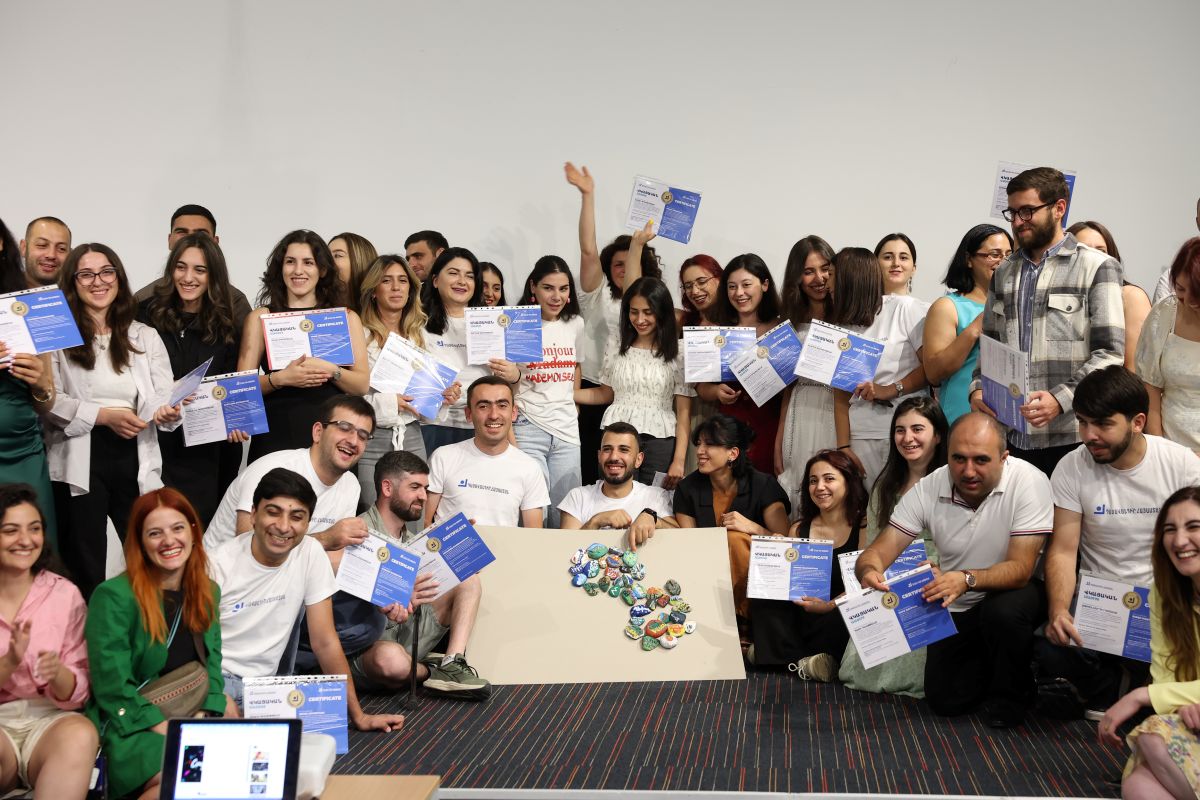
“Teach for Future of Armenia” programme
Under the “Teach for the Future of Armenia” programme, around 50 young specialists are sent each year to work in remote villages and towns across the country. They are selected from a large pool of applicants who complete a specialised training course. Only after finishing the courses do the top candidates go to Armenian communities where schools face a shortage of teachers.
The programme has operated for more than ten years and has become an official partner of the global educational network Teach for All. This international network of social leaders operates in 36 countries worldwide. Its goal is to improve education quality and enhance living standards within local communities.
Here is how the “Teach for the Future of Armenia” programme works and the achievements it has delivered over the years.
- Private schools gain popularity in Armenia as parents seek alternatives
- Yerevan youth leave city to work in village schools
- Armenian children lead world in sugar consumption, sparking health concerns
- Teacher salary increases: Educational reforms continue in Armenia
‘If I hadn’t applied to programme, I’d probably be sitting in some noisy office in Yerevan right now‘
Mané Mkrtchyan, a programmer and information security specialist, is one of the teachers in the 11th cohort of the “Teach for the Future of Armenia” programme. Since September, she has been teaching in the village of Dovegh in Tavush province.
The school in this border village, home to 500 people, had no mathematics teacher. Mané now teaches algebra and geometry to students in grades 6 to 10.
“There are only 57 students in the school. I teach 22 of them. They are engaged, curious, and very smart. From my first day in Dovegh, the community welcomed me warmly. Now, even if I leave the village for a day, neighbours call to ask why the lights in the house are off, where I am, and if everything is okay,” Mané says.
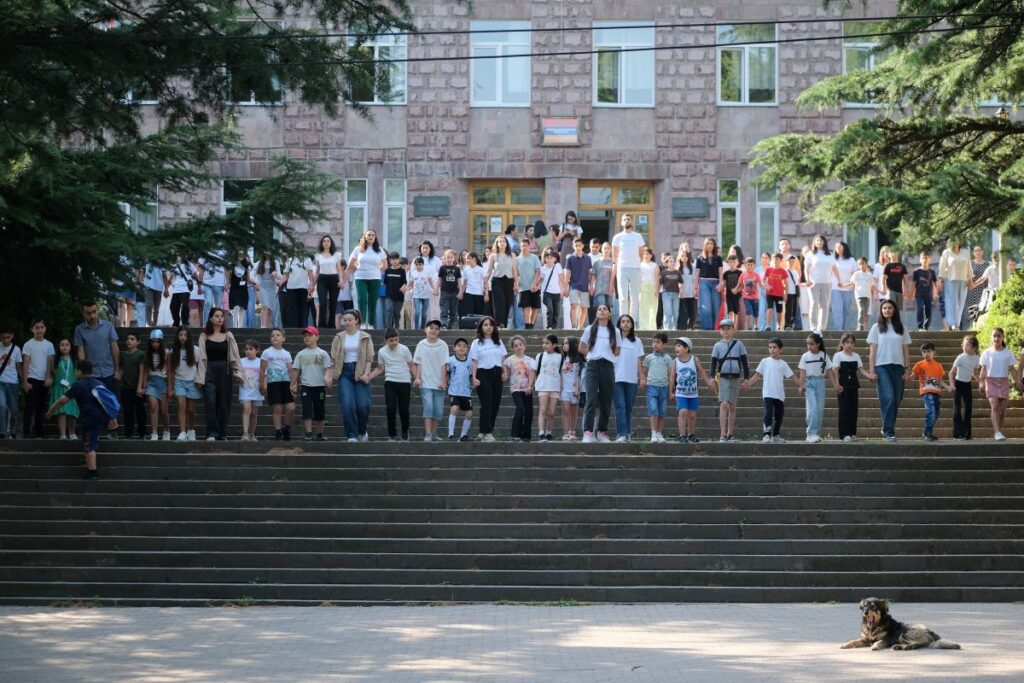
In her fourth year at Yerevan State University, Mané completed the specialised courses of the “Teach for the Future of Armenia” programme. This gave her the opportunity to work at the school in the village of Dovegh.
“At the time, I thought it would be great to apply and take part. I enjoy living away from cities, in a quiet and peaceful environment. If I hadn’t applied to the programme, I’d probably be sitting in some noisy office in Yerevan right now. For me, it is important to work with people, communicate, and be on the same wavelength as them,” Mané Mkrtchyan says.

Engaging recent graduates in educational projects
Arshak Poghosyan, head of the university collaboration programme at “Teach for the Future of Armenia,” says the programme receives 250–300 applications from students each year. Applicants are introduced to the programme’s various projects.
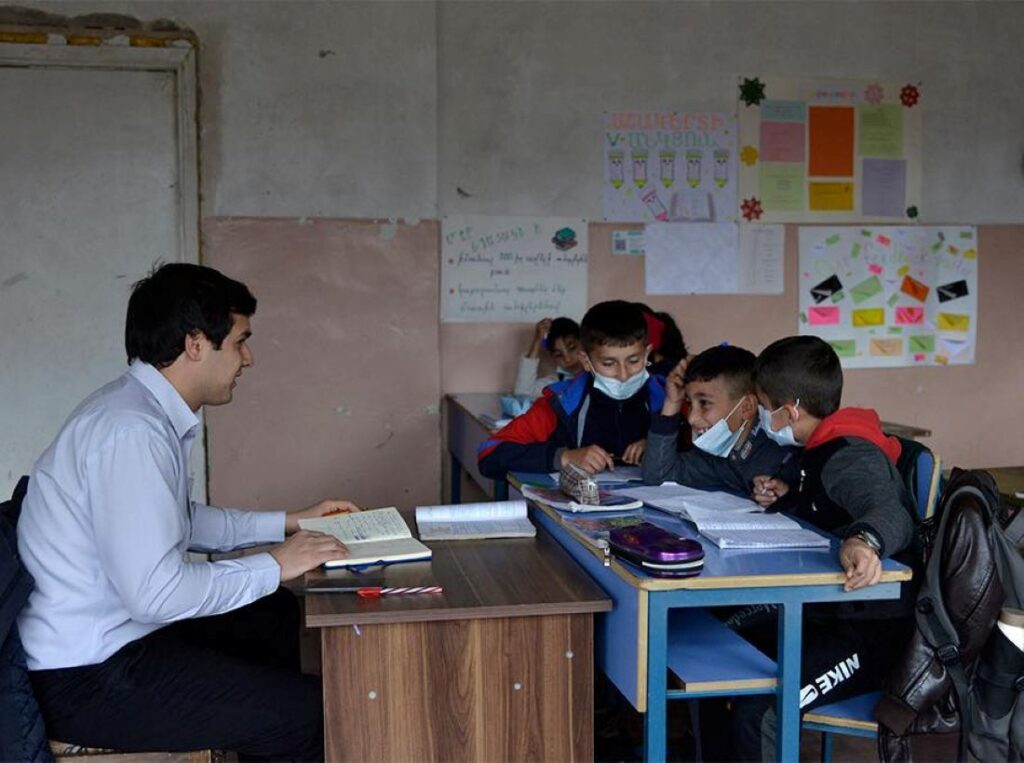
“We pay special attention to involving graduates in our projects. On average, over the past three years, around 700–800 young people have considered moving to the regions. In the end, only 7–8 percent of applicants pass the selection. But the positive aspect is that young people think about relocating, living independently, developing their skills, and achieving financial stability. Here, they receive both the salary paid by the school and the allowance provided by our programme, resulting in a substantial income.
In the first year of the two-year placement, we pay them 200,000 drams ($526) per month, and 100,000 drams ($263) in the second year. This financial support comes from our programme and includes housing. From the second year, our teachers can take the certification exams like other Armenian educators. If they pass successfully, they receive a higher salary from the school itself,” explains Arshak Poghosyan.
‘Children from rural areas have far greater potential‘
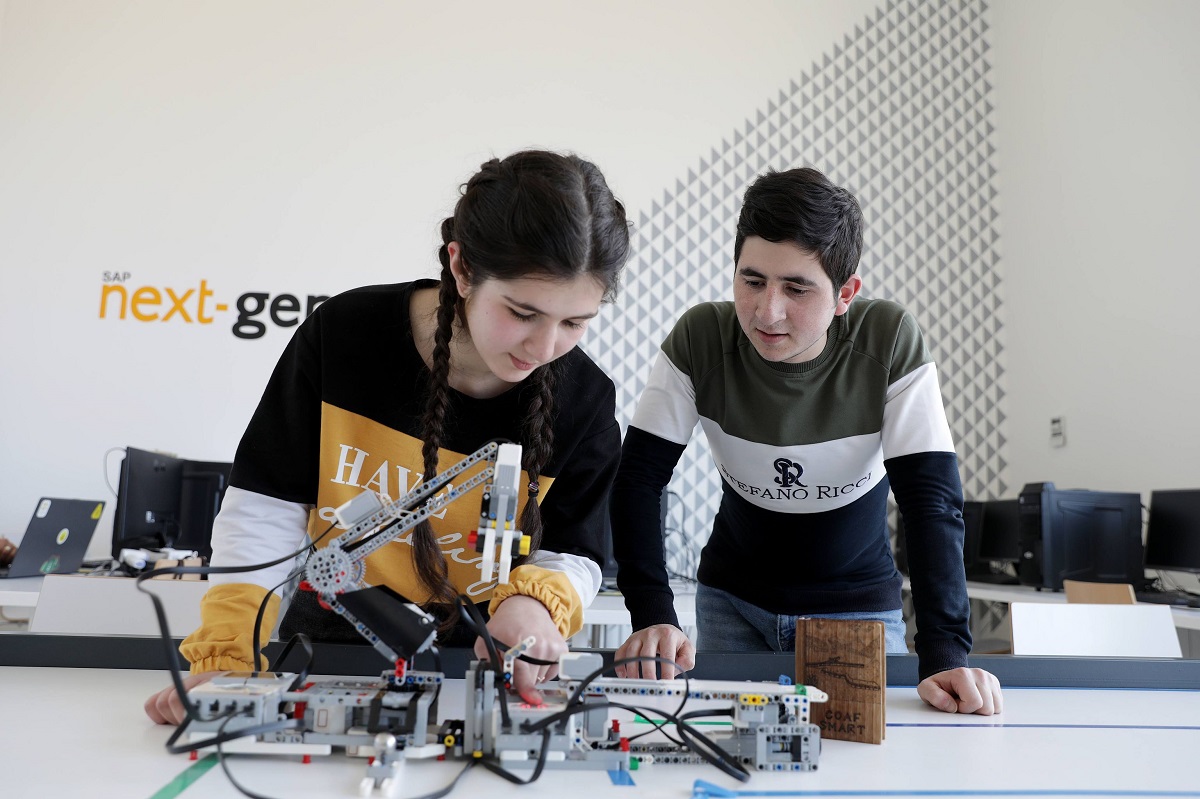
Maria Atanesyan has been teaching for two years at a secondary school in the village of Shamb, Syunik region. She joined the programme in her fourth year at the Pedagogical University. The 23-year-old teaches mathematics, digital literacy, and computer science to students in grades 5–12.
“I wanted to work in a village. I always felt that children in rural areas miss out on many opportunities. There aren’t many music schools or clubs, and not everyone can practice their favourite sports. But I believe they have great potential because they grow up in more natural conditions. You just need to nurture that potential and work with them,” Maria says.
At first, she worried that adapting to village life would be difficult, but it turned out to be much easier than expected.
“My students really helped me. I always engaged with them openly and friendly, even outside of lessons. This two-year programme shapes us as individuals. It gives us confidence, teaches self-organisation, and encourages a balanced lifestyle. You take responsibility for everything, starting with your own decisions. You feel the freedom of choice but learn to consider every step carefully,” the young teacher reflects.
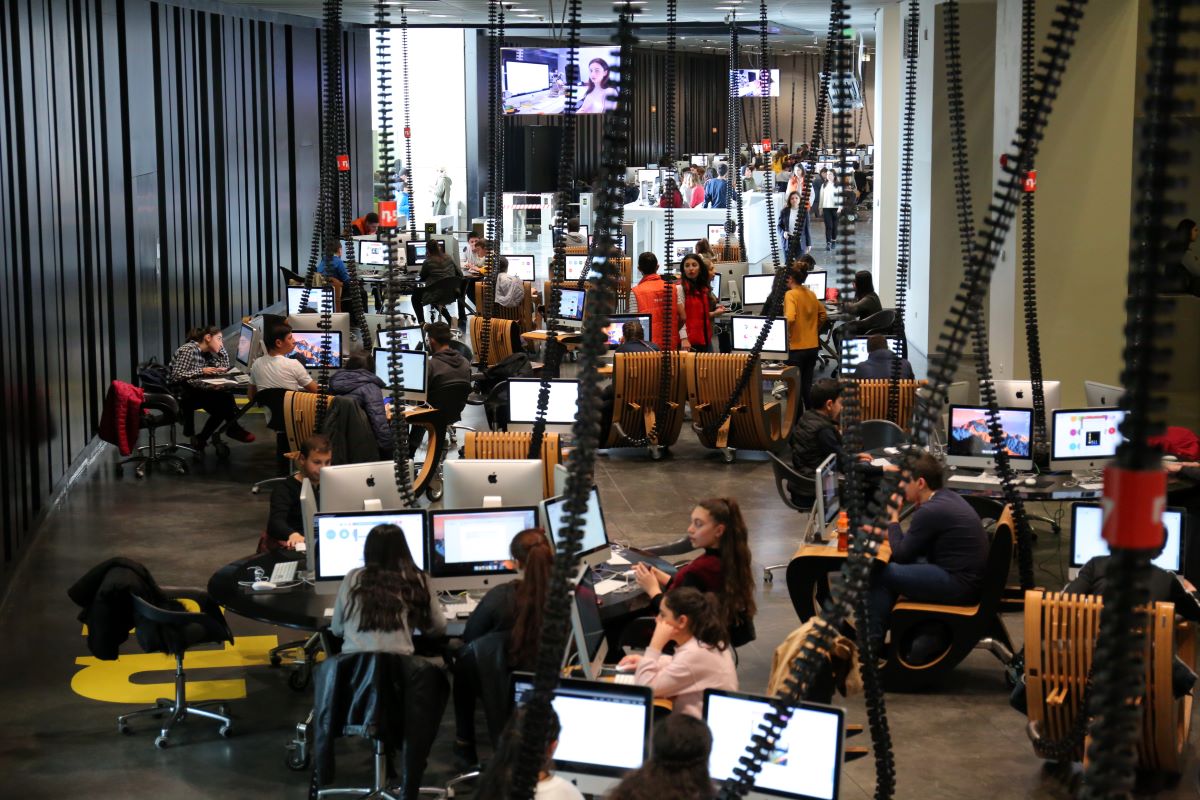
Programme sends not just teachers to villages, but leaders.
Teachers taking part in the “Teach for Armenia’s Future” programme receive leadership training.
Narine Vardanyan, the programme’s manager for leadership development, says the teachers sent to villages are expected not only to teach students but also to “be an inspiring and motivating leader for the entire community.” The programme aims to strengthen local communities. According to Vardanyan, teachers implement various projects in line with their skills and experience.
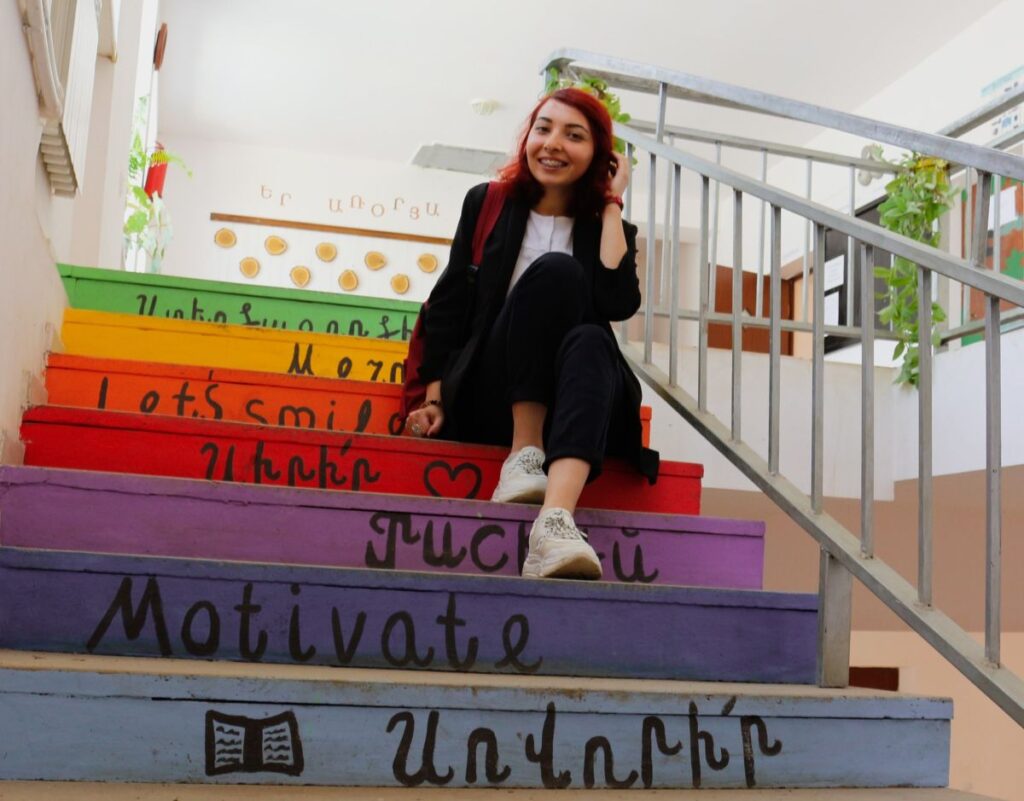
“A lot depends on the teacher-leaders, so that the community accepts them, trusts them, and believes in them. At the same time, they need to understand everything that exists in the settlement. You can’t arrive in a region acting like a savior. You need to learn from the people there. They have so many wonderful traditions and residents with vast experience. You must identify these and combine your innovative ideas with their knowledge. You need to communicate and negotiate effectively. That’s essential for collaboration.
Clearly, a newcomer isn’t immediately accepted as one of their own. But after two years, when their assignment ends, farewells are almost always emotional. During regional visits, people often ask me how to keep our teachers here,” Narine explains.

Over the past ten years, the programme has trained 450 graduates.
Over ten years, the “Teach for the Future of Armenia” programme has sent 450 teachers to rural areas, where they are known as “ambassadors of new ideas.”
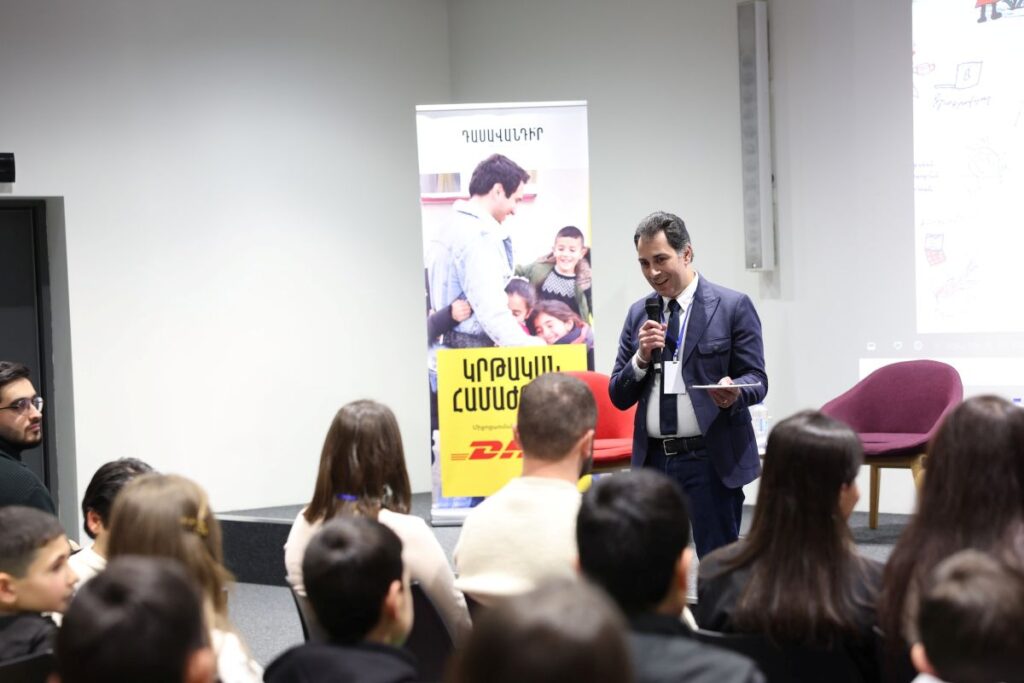
Vardan Partamyan, the program’s promotion director, says the teachers earned this title “for their efforts to tackle inequality in education.” He stresses that real change does not start with grand statements or good intentions:
“Change begins with leadership that emerges and develops in the classroom. When teachers, students, and the community start trusting each other and making decisions together, the system begins to transform—class by class, school by school. This experience has had a significant impact on shaping the education system. Today, we can already see how quickly reforms can advance when they come from within the community, respond to real needs, and are guided by people’s belief that change is possible.”

‘Every school lacks teachers in science and mathematics‘
Vardan Partamyan says the biggest challenge for regional schools is the shortage of science and mathematics teachers, with up to 600 positions left unfilled each year.
“If we look at vacancies, mathematics, computer science, and physical education teachers top the list, followed by physics and chemistry. Various programs aim to address this, but the problem remains. Each year we manage to place 50–60 teachers, covering roughly ten percent of the gap. If 60 mathematics positions remain vacant, it shows the shortage exists across all regions. We try to be flexible and fill as many teaching roles as possible,” explains Arshak Pogosyan, head of the university cooperation program.
About 25% of program teachers specialise in mathematics and computer science. Fewer are assigned to English, Armenian, or history.
“It isn’t easy to find the right specialists, even though we collaborate with all leading Armenian universities. Pedagogical institutions train students professionally, while others, like the mathematics faculty at YSU, produce students who excel in the subject but lack teaching experience. We work with them as well. We also maintain strong links with the Economics University, which provides additional specialists every year,” Pogosyan adds.
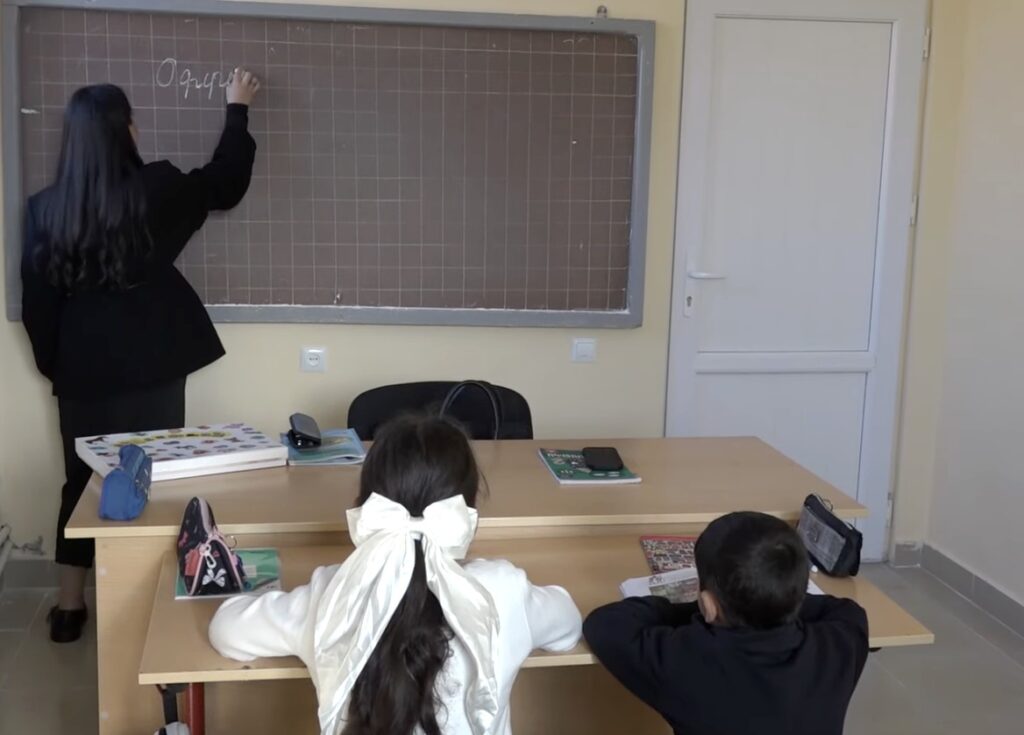
Ovik Ovsepyan and Mariam Sargsyan joined the programme this year.
Mariam is a journalist, and Ovik is an economist. Since September, they have moved to the border village of Koti in Tavush province. Mariam teaches Armenian language and literature, while her husband teaches mathematics and geometry.
“We first heard about this programme when it was only two or three years old. Back then, they had already started sending teachers to Artsakh. We saw how these teachers managed to change the life of the community. Thanks to them, the community’s life gained meaning,” Mariam said.
After relocating from Nagorno-Karabakh to Armenia, she noticed an announcement targeting Karabakh natives. They applied in the spring and completed several training stages. The Ministry of Education supervised their training, through which they earned their teaching qualifications. “We are both from Martuni. Life in Yerevan felt alien to us; we missed nature and rural life. That’s how we ended up here,” Mariam added.
Koti school has 200 students. Mariam teaches grades 5–7, and Ovik teaches grades 5, 8, 10, and 11.
“When we arrived, everything reminded us of Artsakh—the local dialect, the nature, the rocks and mountains. We thought, for two years, we’ve returned home. We’ve only been here two months, but it feels like we’ve lived here for years,” Mariam said.
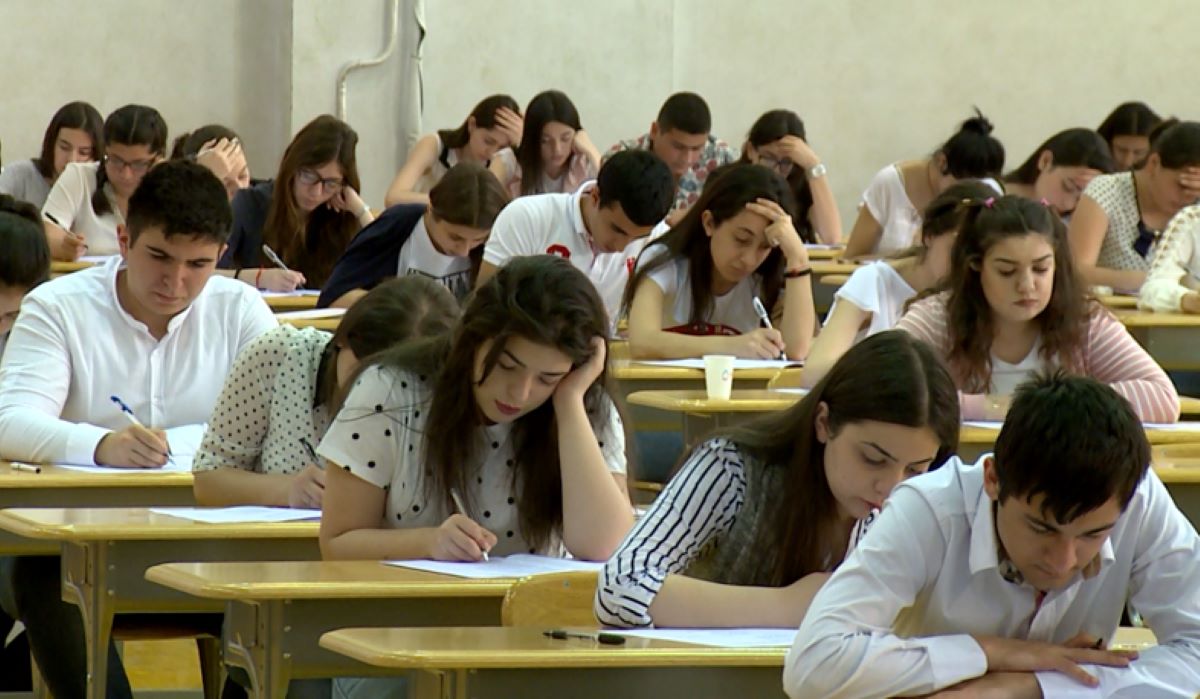
Impact of the programme on the education sector
Arshak Pogosyan, head of the programme’s university cooperation initiative, believes the organisation helps young people develop a strong connection to schools and teaching.
“Sixty to seventy percent of our graduates continue working in education. They take positions as school principals or deputy principals. Even if they do not stay in schools, they find roles in related fields. This shows that during their time in the programme they grow to love working in schools. They start enjoying teaching and remain in the sector. We even have cases where they continue working in the very communities to which we assigned them,” he said.
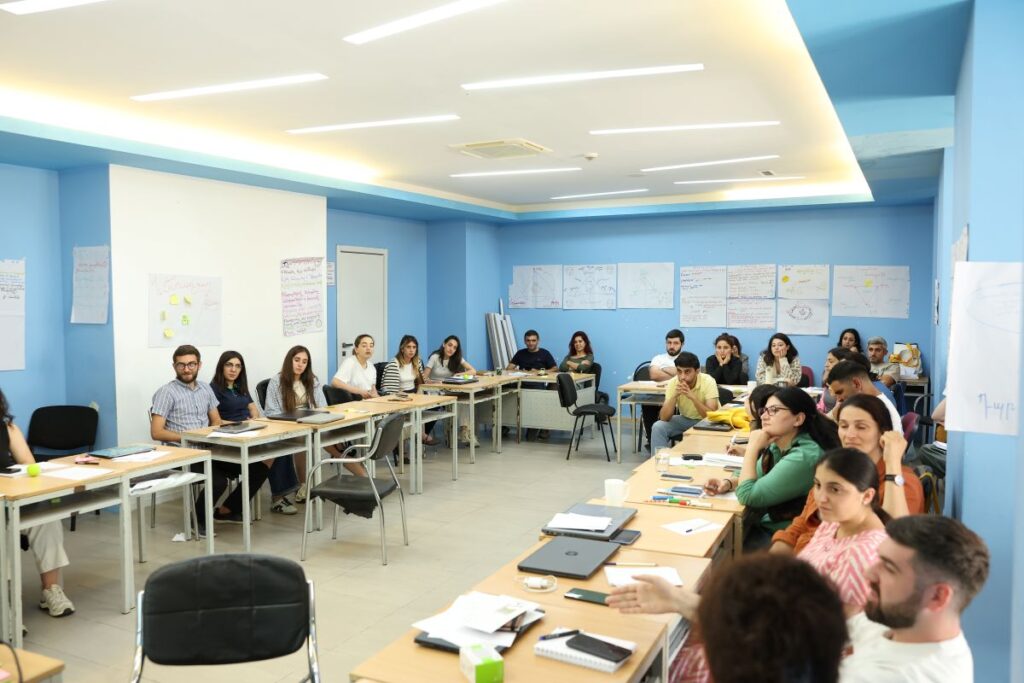
The effectiveness of the “Teach for the Future of Armenia” programme in education is also reflected in its new initiatives.
“The programme started with 14 participants. Now, ‘Teach for the Future of Armenia’ is just one of our initiatives. We also run the ‘Generation’ programme, a unique system operating at the primary school level. We have a master’s programme in collaboration with Yerevan State University, focused on teacher preparation and training, called ‘Leadership.’ Additionally, we created the ‘Iskra’ incubator, where our teachers can develop start-ups and secure funding. We also established a public policy development lab, mostly staffed by our alumni, with a mission to draft and propose regulations and legislation in education,” Pogosyan explains.
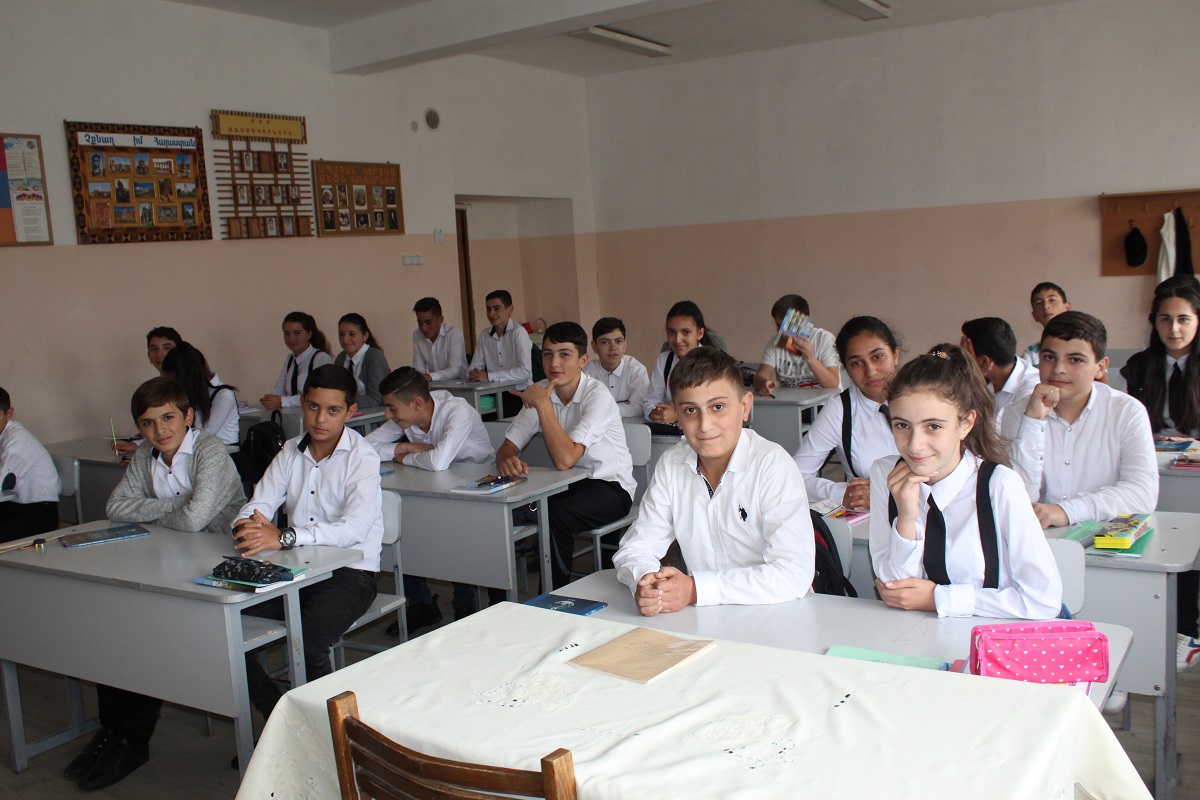
“Teach for Future of Armenia” programme