
Amazon is reportedly in discussions to invest $10 billion or more in OpenAI, the developer behind ChatGPT, according to information, citing sources familiar with the matter, Azernews reports, citing foreign media.
Day: December 17, 2025
Dubai has announced the launch of a single contactless hotel check-in system, a major innovation aimed at enhancing comfort, safety, and technological convenience in the hospitality industry. Once implemented, guests will have the option to skip the traditional reception desk and complete the check-in process remotely, Azernews reports.
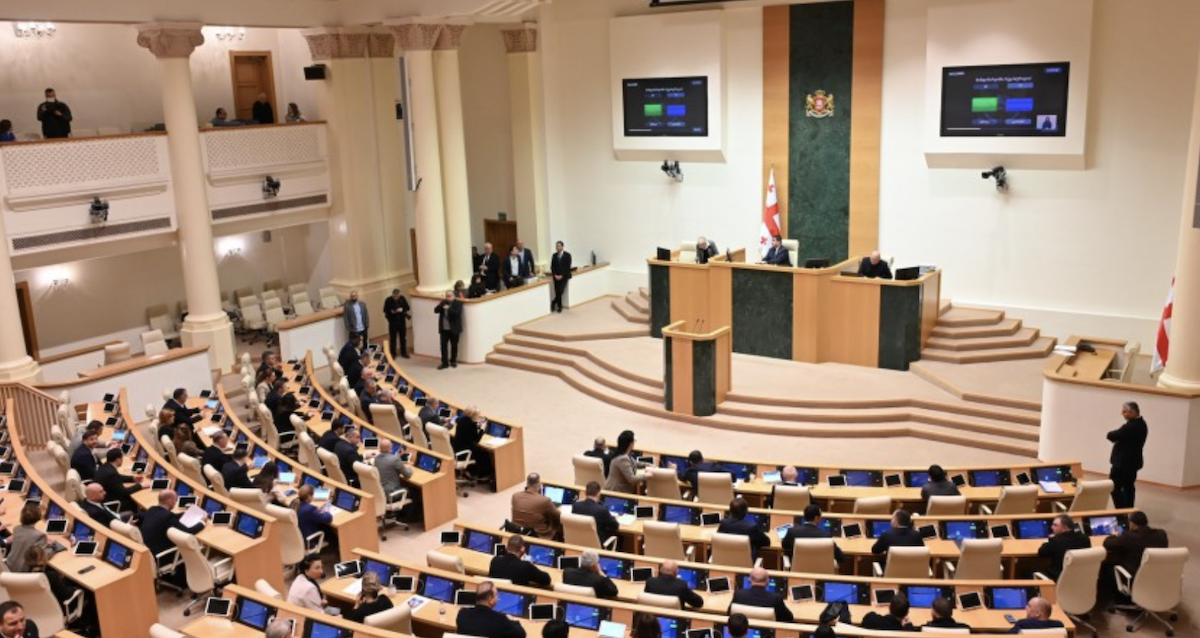
Georgia abolishes South Ossetia
On December 17, at its third and final reading, Georgia’s Georgian Dream–led parliament approved a decision to abolish the “Administration of the Former South Ossetian Autonomous Region” and to invalidate two laws:
- “On Creating Appropriate Conditions for the Peaceful Settlement of the Conflict in the Former South Ossetian Autonomous Region”
- and “On Property Restitution and Compensation for Those Affected in Georgia as a Result of the Conflict in the Autonomous District of Former South Ossetia.”
The decision was adopted unanimously by 83 votes and will take effect on January 1, 2026. Employees of the now-defunct administration will be dismissed and paid compensation equal to three months’ salary.
The temporary administrative-territorial unit was established by a decree of then-president Mikheil Saakashvili on May 8, 2007, on the territory of the former South Ossetian Autonomous Region, which existed as part of Georgia during the Soviet period. The unit has operated since then, funded from Georgia’s state budget, and is currently headed by Tamaz Bestaev.
- Simplified citizenship in South Ossetia fuels speculation of joining Russia — most residents disagree
- Russian foreign ministry: ‘There are no grounds to resume political dialogue with Georgia’
- How Tbilisi influenced 2022 presidential election in South Ossetia – opposition’s version
“This is a historic decision. We can put an end to the treacherous epic of the National Movement regime, which they created around the issue of South Ossetia in 2005–2008 and in the years that followed,” said Tornike Cheishvili, a member of the ruling Georgian Dream party and rapporteur for the adopted legislative package.
He said that the previous authorities, when Mikheil Saakashvili was president and the now-opposition National Movement was the ruling party, had pursued an “anti-state policy.”
“By creating this administrative-territorial unit (the administration of the former South Ossetian Autonomous Region), they continued what the Bolsheviks did in Georgia in the 1920s.
We must return to the legal status quo adopted in 1990 by the Supreme Council of the Republic of Georgia and its head, Zviad Gamsakhurdia, when the autonomous region was completely abolished,” Cheishvili said.
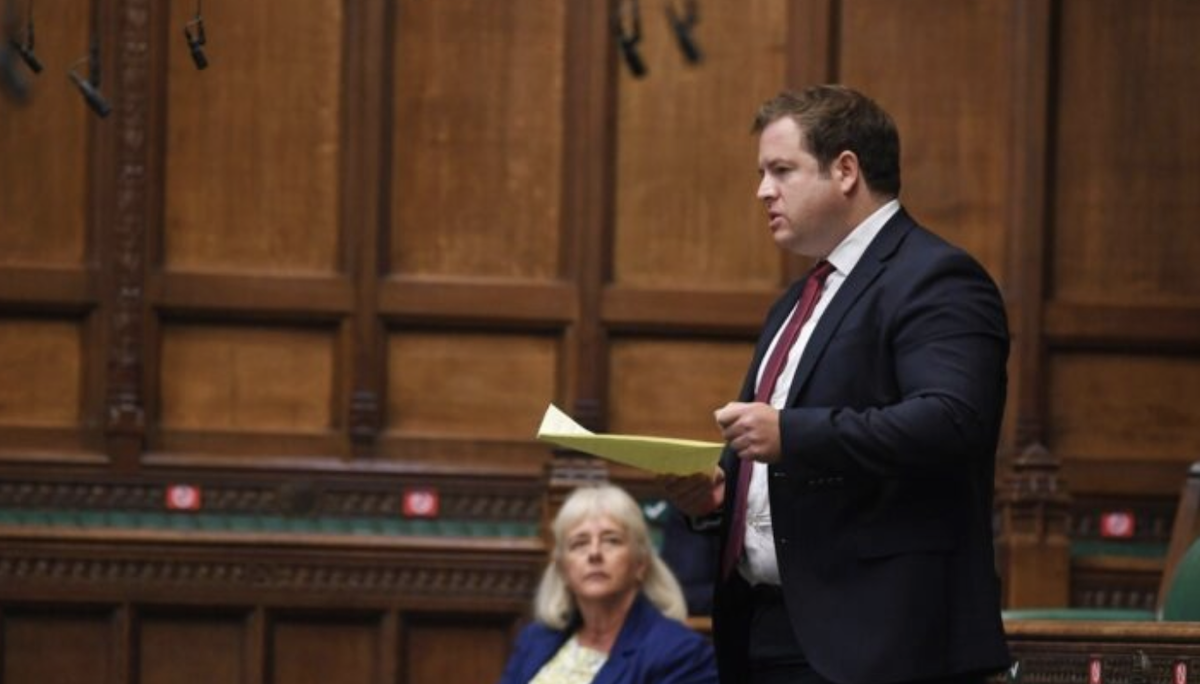
Georgian Dream parliamentary speaker Shalva Papuashvili said that the administration had been created in violation of the Constitution and included an equally unconstitutional alternative government.
“In November 2006, unconstitutional elections were held in the Tskhinvali region, organized by the National Movement government. A so-called president of South Ossetia was declared and a so-called ‘alternative government of South Ossetia’ was formed.
By taking this step, the government at the time indirectly legitimized separatist processes, which amounted to a clear and serious betrayal of Georgia’s state interests.
This decision artificially restored the administrative borders of the Soviet-era autonomous region that had been abolished in 1990. It later became one of the factors contributing to Russia’s military aggression in 2008 and the occupation of Georgia’s historic region of Samachablo.
For years, Georgia worked to strengthen its policy of non-recognition of the separatist regions. Even the indirect use of the term ‘South Ossetia’ by the National Movement regime constituted a violation of the Constitution and a betrayal of national interests. There is no such concept as ‘South Ossetia’ in Georgia’s legal and political space,” Papuashvili said.

News in Georgia
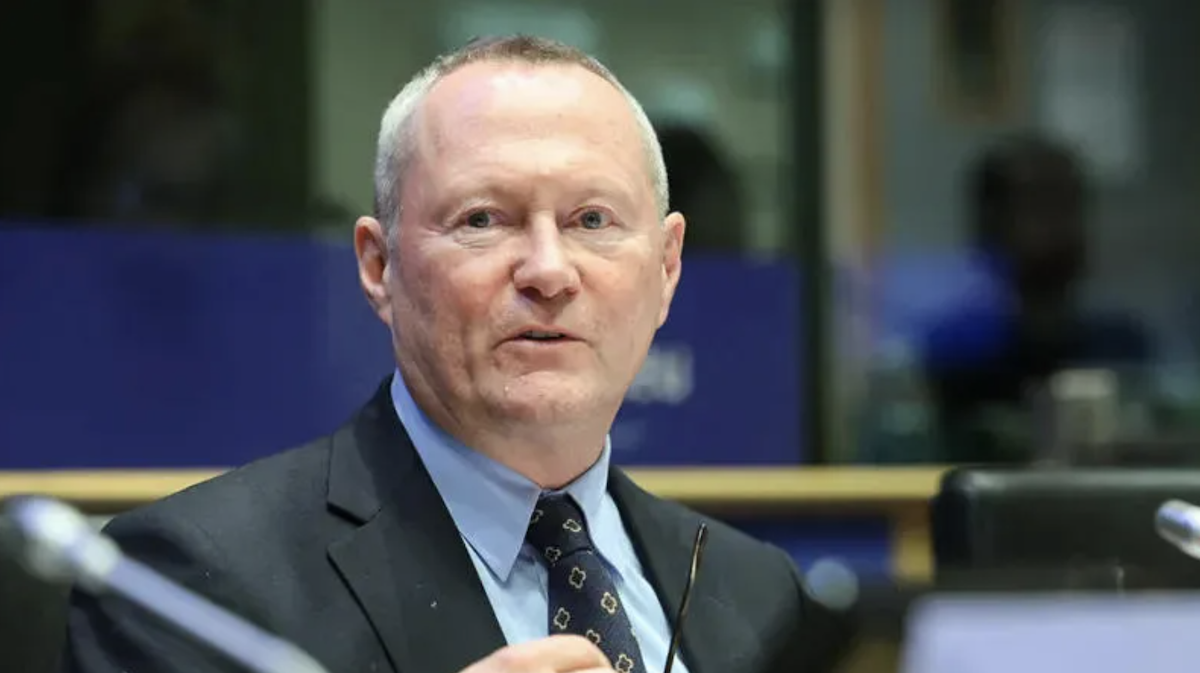
CoE commissioner writes to Georgia’s prosecutor
Council of Europe Commissioner for Human Rights Michael O’Flaherty has sent a letter to Georgia’s Prosecutor General Giorgi Gvarakidze. He said he was concerned about the lack of tangible progress in investigations into alleged cases of disproportionate use of force by law enforcement officers against protesters and journalists in late 2024.
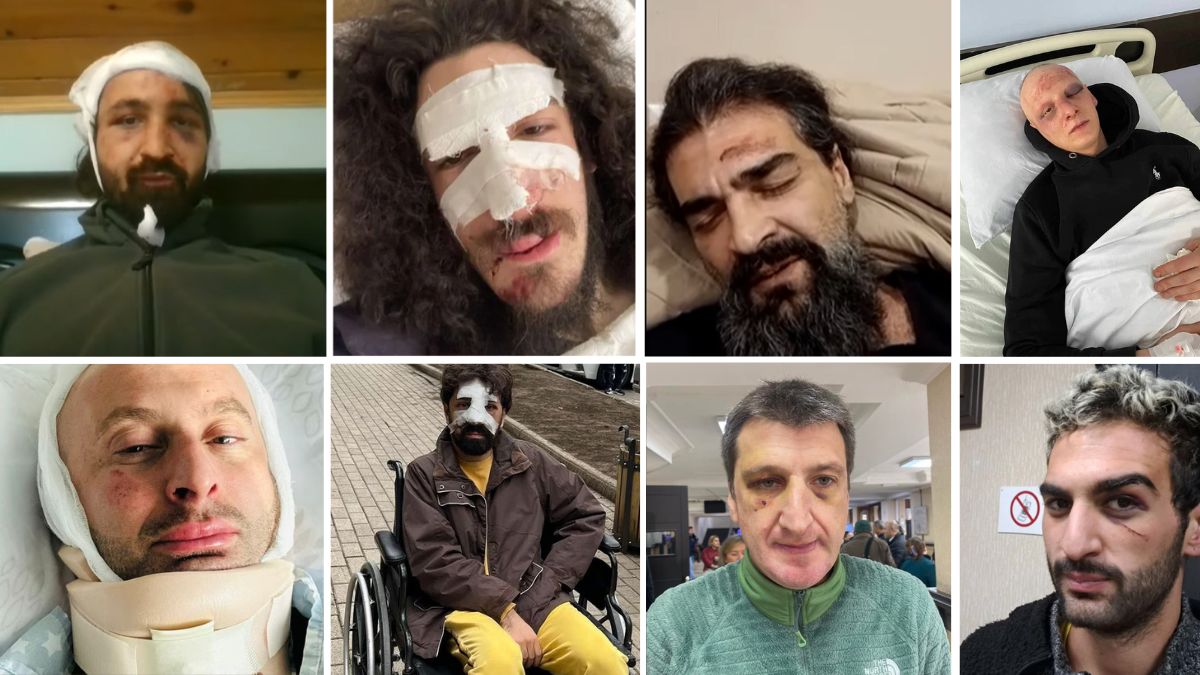
The letter refers to findings by Georgia’s public defender. They support numerous claims of ill-treatment of protesters. These include reports of torture and alleged threats of sexual violence against women.
Michael O’Flaherty raises concerns about the effectiveness of investigations launched by Georgia’s Special Investigative Service and later transferred to the prosecutor’s office. He notes that criminal cases are being opened against protesters and convictions handed down. At the same time, no one has yet been held accountable for alleged violence by police officers.
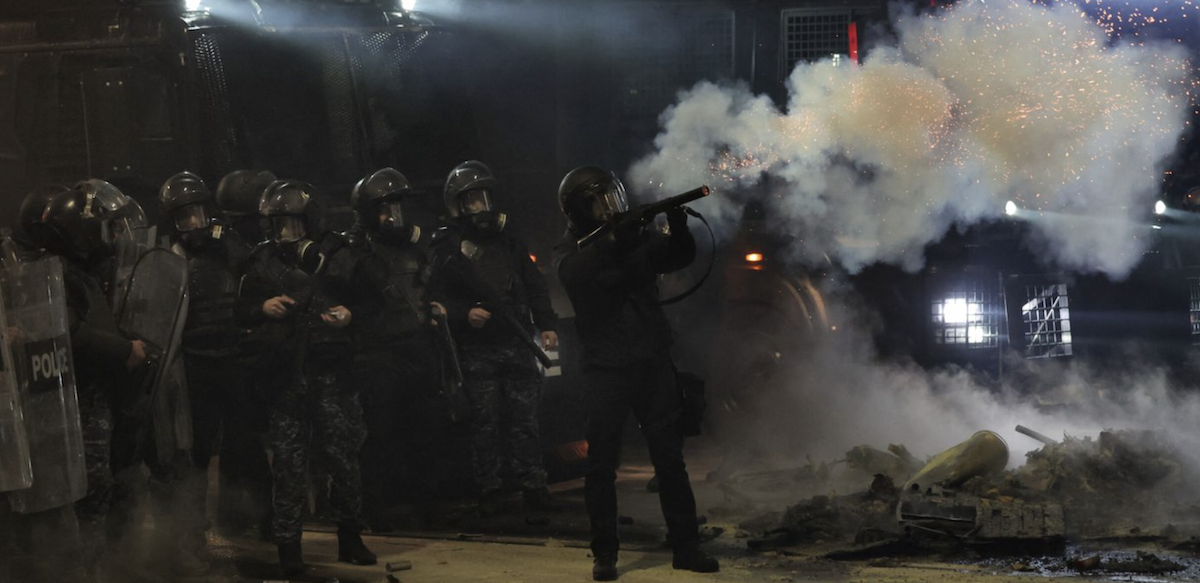
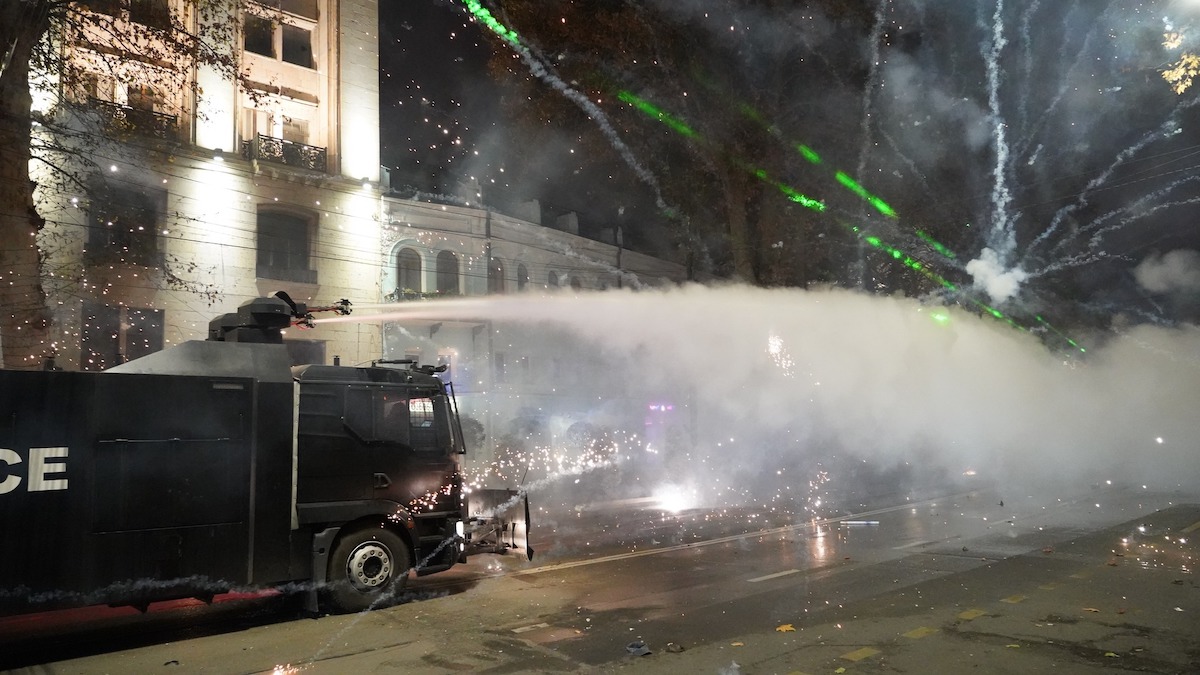
O’Flaherty also says the use of chemical agents to disperse protests must be thoroughly investigated. He argues this raises serious questions about the legality, necessity and proportionality of the use of force. This is especially important given official confirmation that certain chemical substances were added to water cannons during the protests.
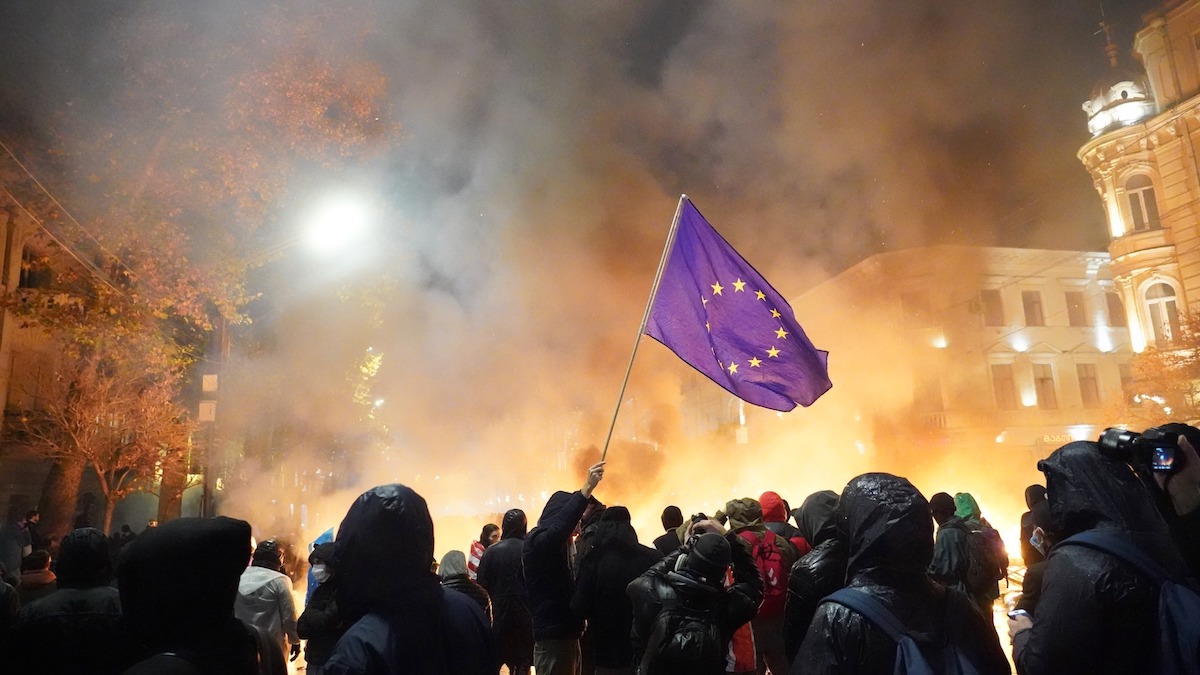
The commissioner calls for an immediate, thorough, independent and effective investigation. He urges that anyone responsible for human rights violations against protesters be held to account and requests updated information on the measures taken.
Background
On 18 December 2024, Georgian non-governmental organisations discussed what they described as systematic torture and inhuman treatment by law enforcement officers against participants in pro-European protests.
According to expert assessments, between 28 November and 5 December 2024 the interior ministry used chemical substances added to water cannons to disperse peaceful demonstrations, as well as pepper spray, tear gas and other crowd-control agents.
On 1 December 2025, the BBC published a report claiming that, based on evidence it had gathered, the Georgian authorities used chemical weapons dating back to the First World War to break up the protests.
CoE commissioner writes to Georgia’s prosecutor
Council of Europe Commissioner for Human Rights Michael O’Flaherty has raised concerns over the progress in investigating the use of force by law enforcers against protesters last November and December, in a letter dated December 10 and addressed to Georgia’s Prosecutor General Giorgi Gvarakidze.
The Commissioner referred to his March 2025 memorandum, issued following his January visit in Georgia, which noted advancing investigations and convictions against some protesters but “no tangible progress in the investigations against law enforcement personnel.”
“I was informed that more protesters have been convicted since, yet still no law enforcement officers have been brought to justice,” O’Flaherty wrote.
The commissioner also said that during his visit last January, he was “assured by the Deputy Minister of Internal Affairs that no water cannons containing chemical irritants had been deployed against protesters,” but “several officials […] have acknowledged that chemical substances were mixed into the water” since, apparently referring to recent remarks made by Georgian officials regarding BBC investigation alleging the use of dangerous chemical compounds against protesters last year.
He said the matter should be addressed within broader investigation by the Prosecutor of Georgia into the use of force by law enforcement against protesters last November and December, as it raised “important questions of legality, necessity and proportionality.”
Recalling the European Court of Human Rights’ case law on Georgia, the commissioner referred to previously identified shortcomings in similar investigations, including “lack of independence, failure to act with due expedition, inadequacy and lack of thoroughness and the inability of victims to properly participate in the proceedings,” as well as “shortcomings in the judicial proceedings brought against state agents” and “inadequate sentencing of perpetrators.”
In concluding remarks, O’Flaherty requested “updated information regarding the progress made by the prosecution authorities in ensuring the accountability of law enforcement officers for any cases of excessive use of force or any other human rights violations committed” in 2024.
Georgian authorities have faced growing scrutiny following the December 1 BBC investigation alleging the use of “WWI-era” toxic compound camite against protesters during last year’s pro-EU protests. The protests erupted following Georgian Dream’s announcement of halting EU integration. Authorities responded to protests by police force, including beatings, arrests, and dispersals with tear gas and water cannons.
Dozens of demonstrators have been tried and convicted on protest-related charges, but no police officer has been held accountable despite numerous documented abuses during last year’s protests.
Also Read:
- 02/12/2025 – Georgian Authorities Deny Use of Camite After BBC Investigation
- 27/05/2025 – CoE Commissioner Urges Georgia to Curb Police Abuse, Revise Legislative Changes
- 05/12/2024 – Watchdogs: Georgian Civil Sector Condemns Crackdown on Activists and Politicians
- 04/12/2024 – CoE Human Rights Chief Condemns Police Violence, Urges Investigations
Georgia bans voting abroad
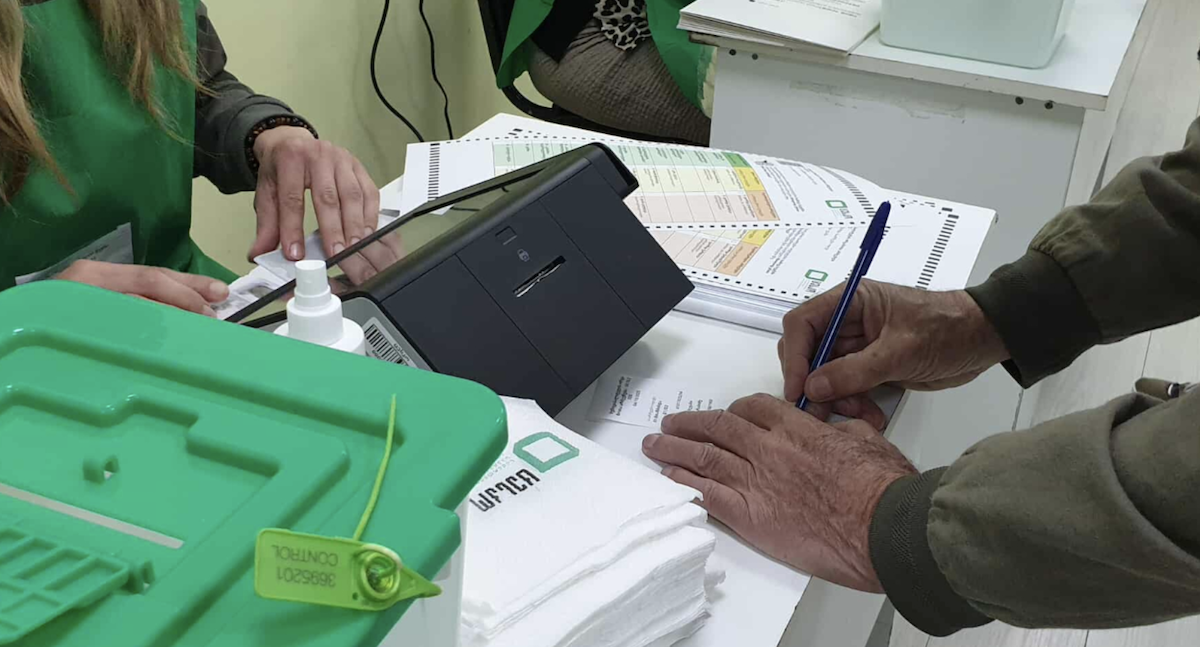
At an extraordinary session on 17 December, Georgia’s parliament approved a new version of the Electoral Code, under which voting in parliamentary and municipal elections will only be possible within the country.
What does this mean? Previously, Georgian citizens living abroad could vote at embassies and consulates. Under the new rules, they are effectively disenfranchised unless they travel back to Georgia specifically to vote.
The amendments were introduced to parliament by David Matikashvili, a member of the ruling Georgian Dream party.
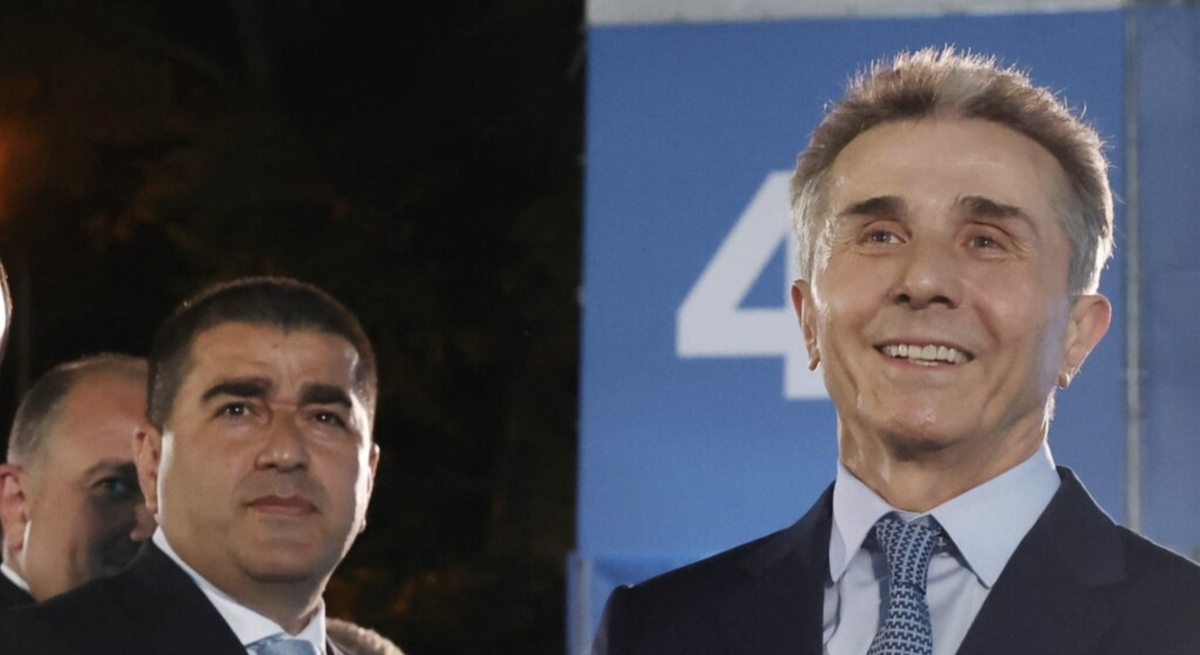
According to Parliament Speaker Shalva Papuashvili, the decision is based on Article 24 of the Constitution, which obliges the state to ensure the freedom of expression of the will, inherently meaning freedom from external interference.
Papuashvili claims that the voting rights of Georgian citizens living abroad have not changed. They can still vote, but the only requirement is to “come home” once every four years.
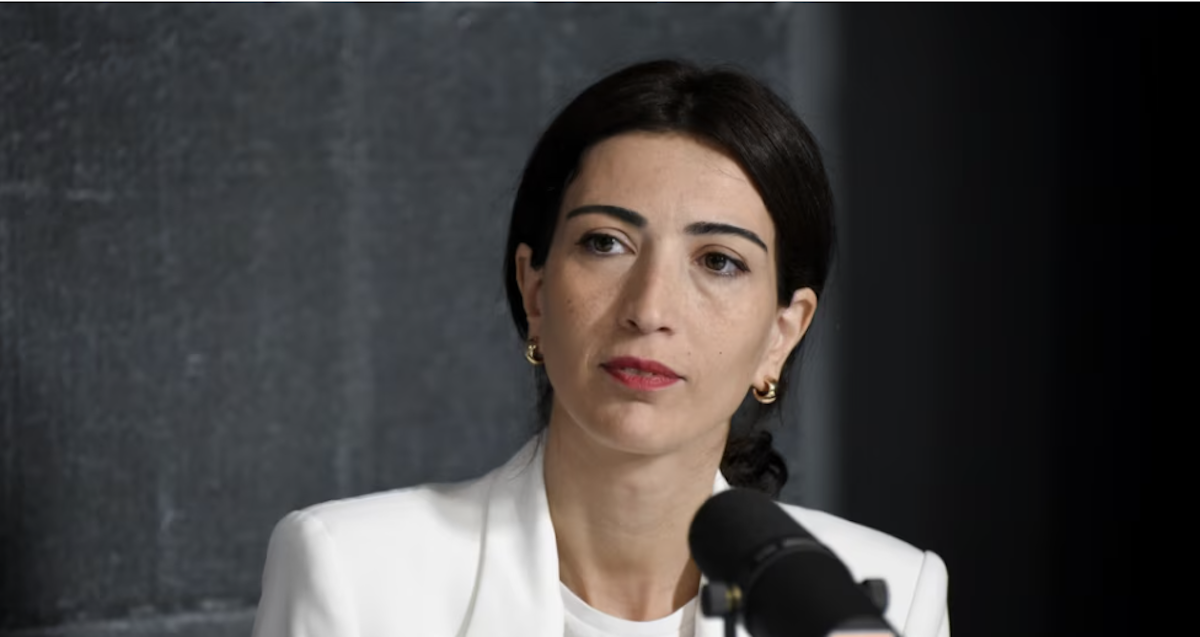
“Elections around the world are becoming increasingly vulnerable to external influence, with growing accusations of foreign interference.
The 2024 parliamentary elections [in Georgia] also showed how open and blatant external information and political pressure on voters can be.
In this context, the risks are especially high for non-residents — Georgian citizens living abroad are under the influence of foreign jurisdictions and political environments, where the state cannot prevent interference,” Papuashvili said.
He believes that for citizens living outside the country, “the risks of information manipulation are high,” as they do not have a clear understanding of the situation at home.
“Accordingly, requiring voting to take place on Georgian territory strengthens the resilience of elections, reduces the influence of external actors, and ensures a more informed and adequate choice,” the parliament speaker added.
He also noted that this voting model fully complies with international standards and is used, for example, in Ireland, Israel, Malta, and Armenia.

Georgia bans voting abroad