Categories
South Caucasus News

Yerevan to secure $250m loan to provide housing for Karabakh Armenians


$250m loan for housing Karabakh Armenians

$250m loan for housing Karabakh Armenians

Armenia will take a $250 million loan from the Asian Development Bank to fund a government programme providing housing for families displaced from Nagorno-Karabakh.

The programme has been running since 2024. In 2025, the government allocated 65 billion drams ($171 million) for its implementation. According to Deputy Minister of Labour and Social Affairs David Khachatryan, spending on the programme will exceed 40 billion drams ($105 million) in 2025.

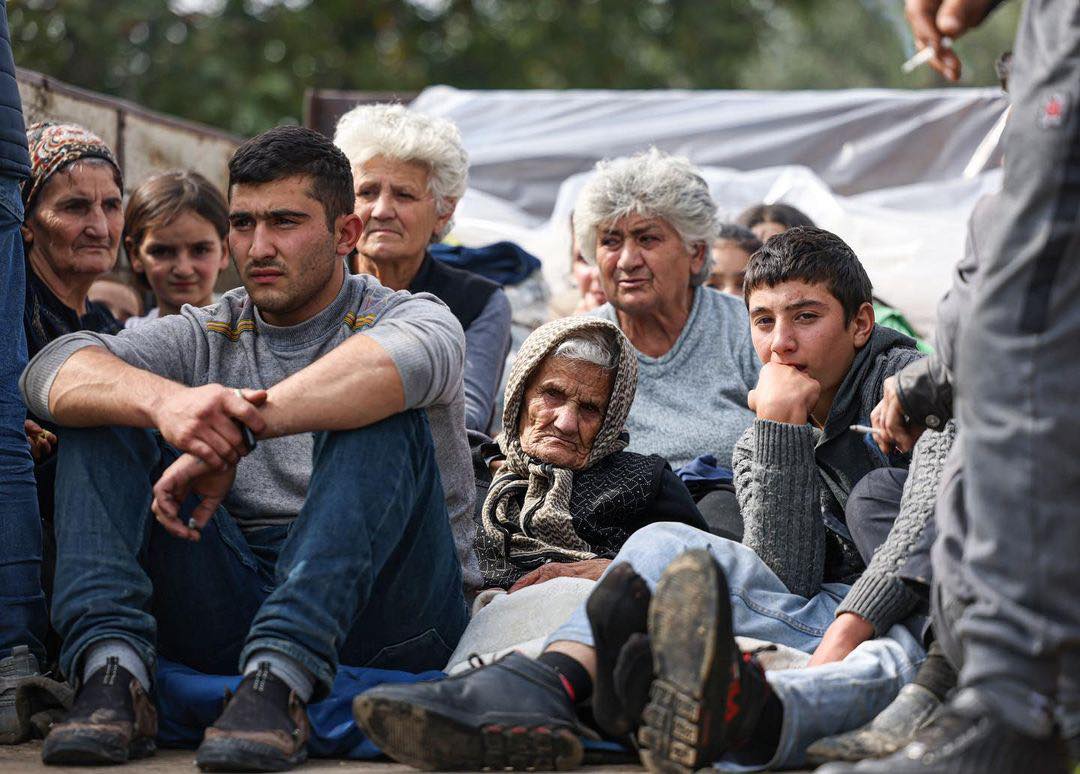
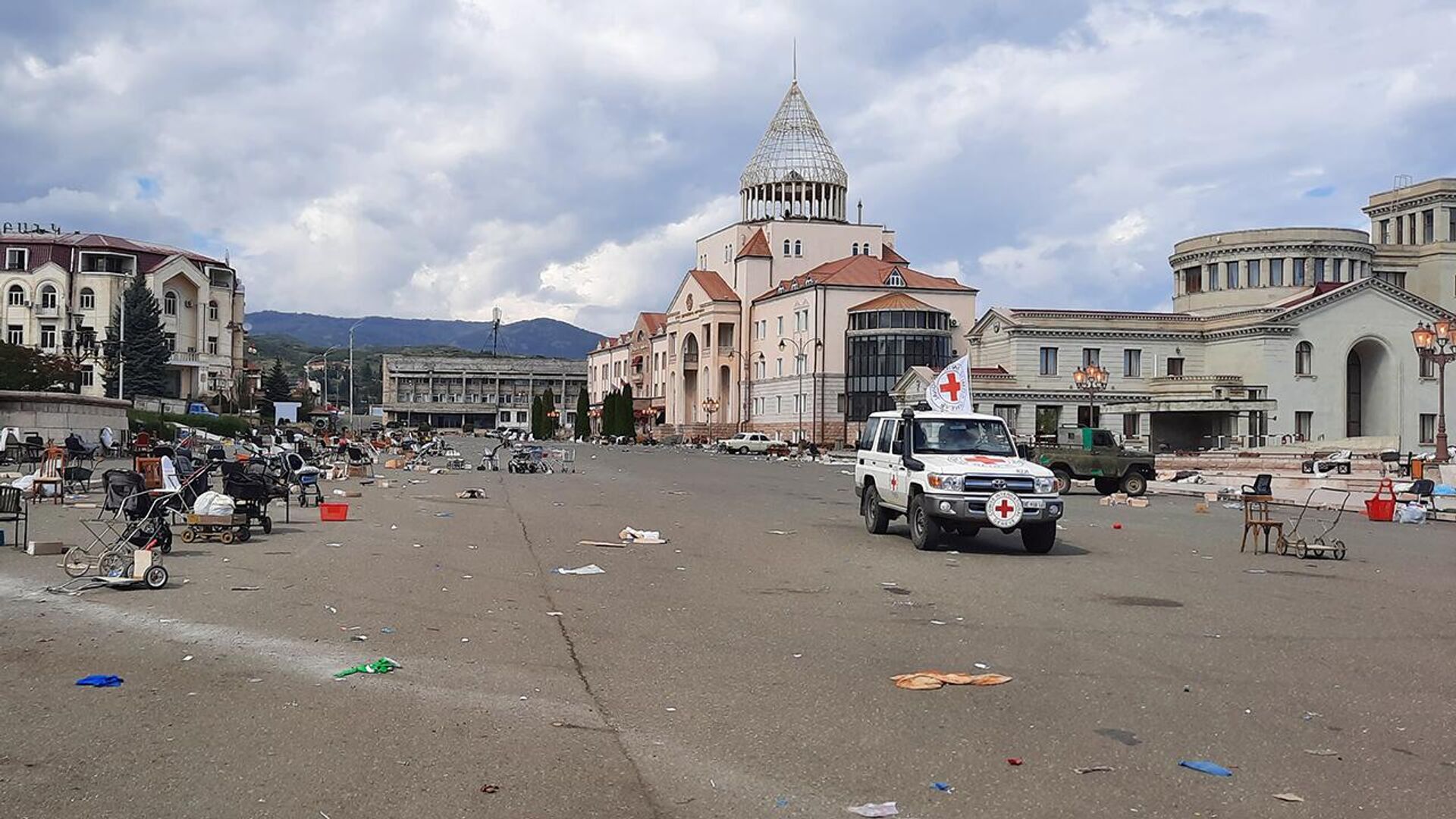
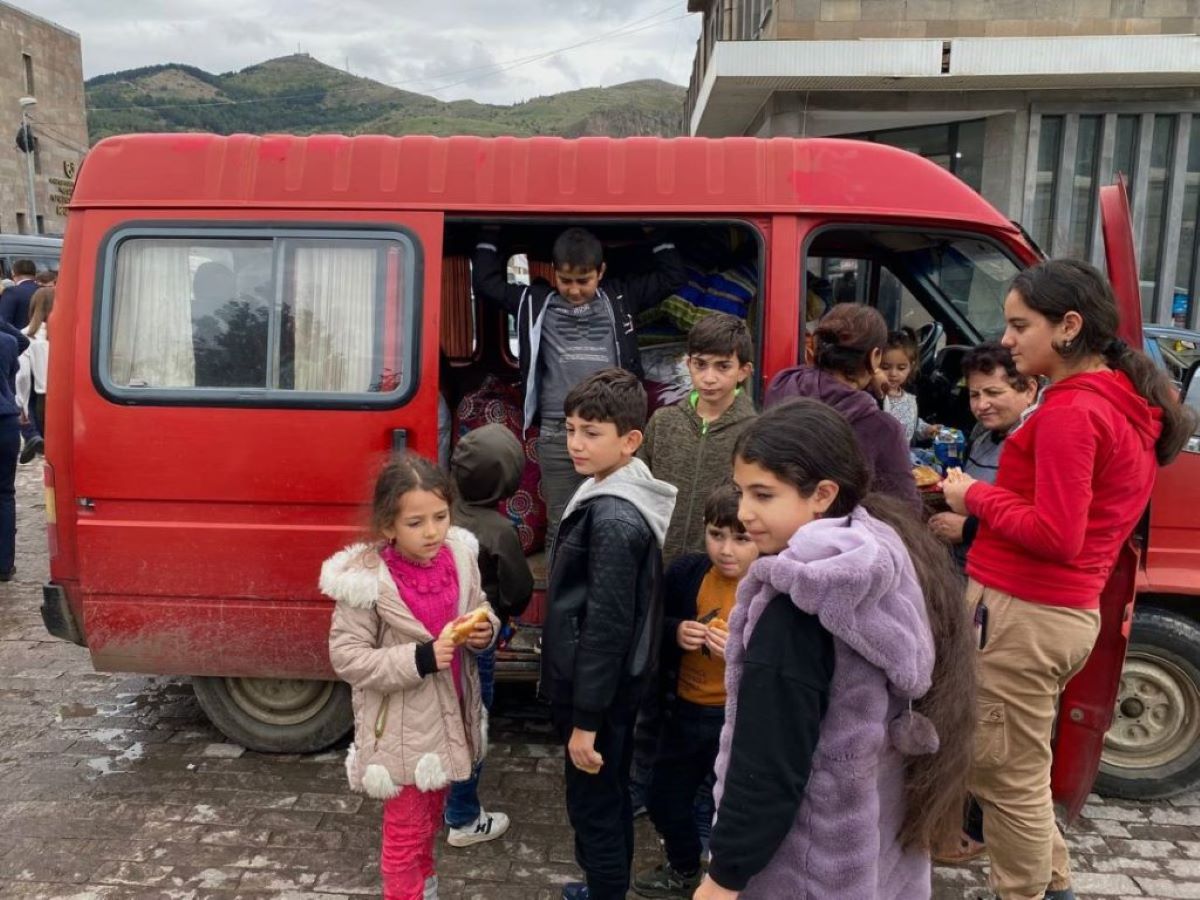
In September 2023, after ten months of a humanitarian blockade by Azerbaijan followed by military actions, nearly 120,000 Armenians had to leave their homeland. So far, 26,233 people from Karabakh have received Armenian citizenship. This is a mandatory requirement for accessing government assistance under the programme.

“The number of applicants whose citizenship requests are still under consideration stands at 6,696,” David Khachatryan said.


An attempt at “socio-economic integration of refugees”

“The aim of the programme is to create a sustainable, viable, and inclusive housing system in Armenia. It is essential for the socio-economic integration and welfare of families displaced from Karabakh. The project focuses on the long-term development of housing policy and the improvement of its implementation processes,” said Deputy Minister of Labour and Social Affairs David Khachatryan.

He added that the programme will be funded not only with the loan from the Asian Development Bank. The Global Fund for Concessional Financing will contribute an additional $16.45 million.

Under the law adopted by parliament, the deadline for disbursing the funds is 31 December 2030. The Armenian government must repay the loan over 27 years, with the first ten years designated as a “grace period.”
3,810 families have received certificates, and 1,631 families have already purchased housing.

As part of the government housing assistance programme, displaced families from Karabakh have been receiving certificates to purchase housing since 2024.

Preliminary estimates indicate that the project will provide homes for around 25,000 families. Prime Minister Nikol Pashinyan said the initiative is an investment project valued at about $2 billion.

Assistance is calculated per family member, with each receiving between three and five million drams ($7,800–13,000). The exact amount depends on the location chosen by the family.

“So far, 3,810 families have applied and received certificates to purchase housing, and 1,631 of them have already done so,” said Deputy Minister of Labour and Social Affairs David Khachatryan.

The government plans to use the funds from the Asian Development Bank to provide a long-term solution to the housing needs of 109,000 refugees of Armenian ethnicity.

Categories
South Caucasus News

Бесхозное жилье украинцев и политтехнология России


Categories
South Caucasus News

G1/4螺纹底孔多大? – 百度知道


1. 对于G1/4螺纹,底孔应打11.694毫米,换算后约为11.7毫米,因此需要使用相应尺寸的钻头。 2. 螺纹底孔尺寸对照表如下: – G1/8:钻孔直径8.8毫米 – G1/4:钻孔直径11.7毫米(老旅) – G3/8:钻孔直径15.2毫米 – G1/2:钻孔直径18.9毫米 – G5/8:钻孔直径21毫米 – G3/4:钻孔直径24.3毫米 – G1:钻孔直径30.5毫米 – G1 …

Categories
South Caucasus News

European gas storage reserves decline


Currently, 69.75% of gas remains in European underground storage facilities, 9.1 percentage points below the five-year average for this period, highlighting potential energy supply challenges as the winter season progresses, Azernews reports.

Categories
South Caucasus News

Georgian priest backing protests suspended from ministry


Georgian priest suspended from ministry

Georgian priest suspended from ministry

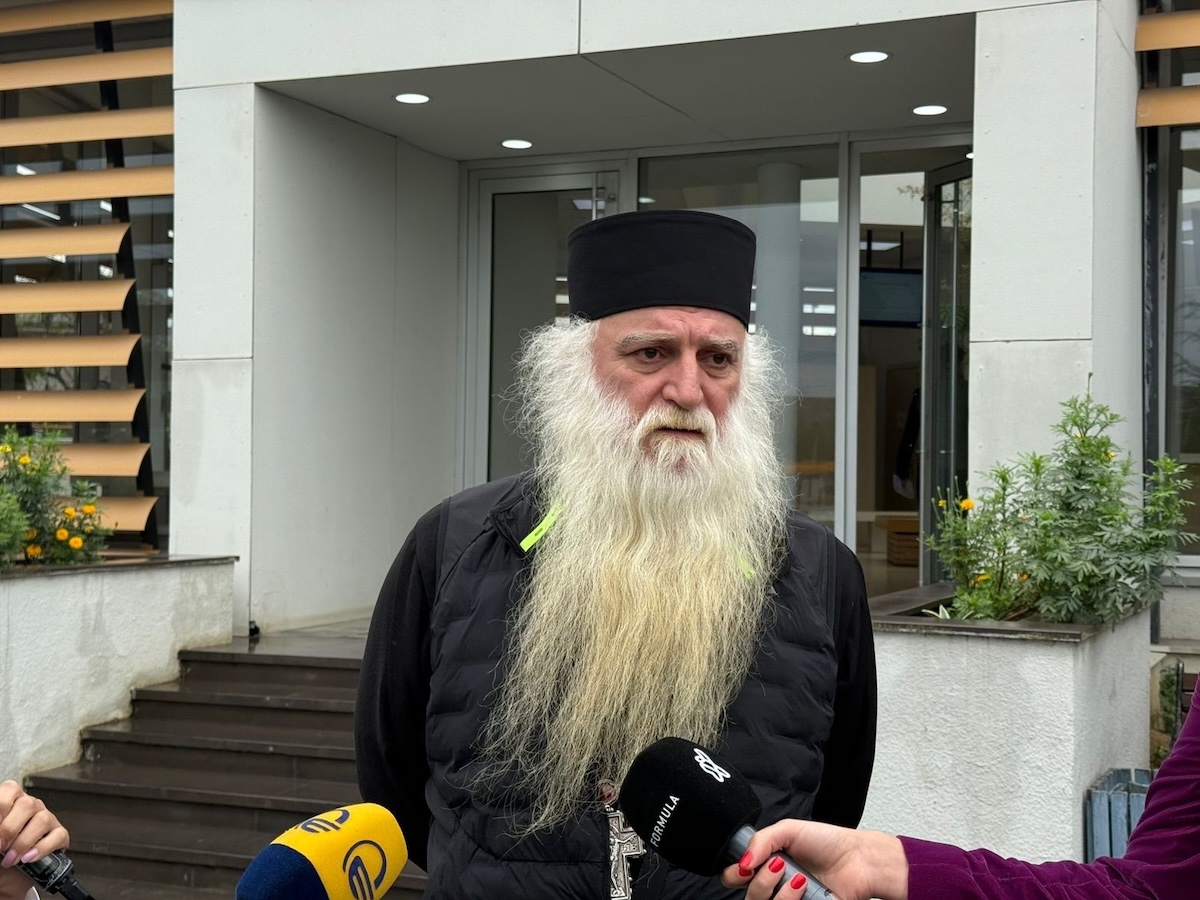
Archimandrite Dorote Kurashvili of the Georgian Orthodox Church, who has spoken out in support of anti-government protests, has been temporarily suspended from ministry. The decision was signed by Catholicos-Patriarch of All Georgia Ilia II.

A statement issued by the Patriarchate says the archimandrite had, “despite warnings, repeatedly violated the norms of church canonical ethics.” The suspension is based on Canon 55 of the Apostolic Canons, which stipulates that a clergyman who insults a bishop is subject to excommunication.

Formally, the case concerns church discipline and canonical order. In practice, however, it represents a striking example of the church being used as a political instrument.

Priest who spoke out against the regime

Archimandrite Dorote Kurashvili was one of the few clergy members to openly and publicly support pro-European, anti-government protests in Georgia.

He stood alongside demonstrators from the very first days of the rallies. When legislation was tightened and public gatherings were restricted, he proposed holding a public prayer outside the parliament building, reasoning that people who came to pray would not be arrested.

Archimandrite Dorote Kurashvili

Dorote Kurashvili has made outspoken anti-government statements in the media, openly saying that Georgia is ruled by a pro-Russian and anti-Western government that is “dragging the country toward the abyss.”

He has publicly condemned violence against peaceful demonstrators—something many other clergy members have refrained from doing. Kurashvili has described those detained during the protests as prisoners of conscience, a stance that sharply contrasts with the official rhetoric of both the government and the church.

He also persuaded a group of protesters to end a hunger strike outside the parliament building.

Persecution leading up to the decision

Several weeks before he was suspended from ministry, the archimandrite was demoted. On 29 October, he was reassigned as a priest at the Holy Trinity Cathedral in Tbilisi.

At the time, the diocesan commission said Kurashvili’s actions involved “disciplinary and moral violations.”

At a meeting of the diocesan commission on 16 December, which the archimandrite did not attend, he was issued a “stern warning.”

The Patriarchate continues to insist that the decision regarding Kurashvili is not politically motivated.

However, the sequence of events suggests otherwise.

‘The Church is dying, our country is dying’

After his suspension, Archimandrite Dorote Kurashvili said that “the Church is dying, the country is dying, and priests are staying silent.”

He said the decision would not stop him from speaking out—not as a priest, but as a citizen. At the same time, he did not rule out that it could give the authorities a free hand and even lead to his imprisonment.

Kurashvili also said he intends to appeal to the Ecumenical Patriarchate in Constantinople, asking for help in what he described as saving Orthodoxy in Georgia.

He said he had spent years trying to raise concerns about problems within the Church from the inside and had defended its hierarchical structure. Now, he added, he is forced to voice his position outside the Church. In particular, he criticised what he called a non-canonical institution of the priesthood and called for structural changes in the governance of the Church.

Statements from clergy and theologians

Religious expert Beki Mindiašvili believes that the Patriarchate not only failed to protect Dorote Kurashvili from political pressure but also became an instrument in his persecution. According to Mindiašvili, the punishment of clergy members is intended to intimidate those who are critical of the Church hierarchy.

Mindiašvili argues that Kurashvili’s suspension actually underscores his spiritual correctness and that supporting Archimandrite Dorote is a responsibility not only for believers but for all patriotic citizens.

Levan Sutidze, editor-in-chief of Tabula and a journalist covering religious issues, writes that the Patriarchate’s attempts to separate Kurashvili’s suspension from politics appear unconvincing, as the Church seeks to portray itself as neutral while its rhetoric aligns with the government’s position.

Sutidze also notes that Patriarchal decisions are never reviewed by the Holy Synod, leaving clergy who fall out of favour with no option but to appeal to the Ecumenical Patriarchate in Constantinople—a move that could set an important precedent for overcoming selective justice within the Church.

Georgian priest Konstantin Paichadze, who lives in the United States, also believes that Kurashvili’s suspension is linked to his active political engagement and reflects systemic problems within the Church.

According to Paichadze, while church canons provide the right to appeal unfair decisions, in practice there is no independent ecclesiastical court.


Categories
South Caucasus News

Технологии подождут: рациональный выбор Британии


Categories
South Caucasus News

Russia’s war economy and revival of “human meat grinder”


In modern wars, the front line no longer begins at the trench. It begins on a smartphone screen. Recruitment videos, paid advertisements, and carefully worded promises have become as essential to warfare as tanks and artillery. Russia’s growing reliance on foreign recruits in its war against Ukraine exposes not only a manpower shortage, but a deeper transformation of war itself into a transactional system where human lives are priced, marketed, and discarded.

Categories
South Caucasus News

Zelenskiy says talks with US could take place within coming days, demands security guarantees


Categories
South Caucasus News

Зеленский заявил о разногласиях с США по территориям


Categories
South Caucasus News

Korea Zinc falls amid US smelter plan dispute


The shares of Korea Zinc Inc., widely regarded as the world’s largest zinc smelter, fell sharply on Tuesday following significant gains the previous day. Investor unease arose after the company announced a major new project in the United States, Azernews reports, citing foreign media.