
Armenia, Iran Focus on Enhancing Tourism Cooperation Caspian Post
Day: December 8, 2025
The ruling Georgian Dream plans to extend anti-protest laws to pedestrian zones, introducing mandatory notice for such rallies and allowing administrative detention – and, for repeated acts, criminal sentences -for taking part in demonstrations that obstruct “uninterrupted movement of people,” among others.
The initiative, unveiled on December 8 by Irakli Kirtskhalia, Georgian Dream’s parliamentary majority leader, follows an intensifying crackdown on daily rallies in Tbilisi, including the introduction of detentions and eventual criminal liability for “blocking roads” and “covering faces” during protests in October. Under the new bill, such restrictions would now also apply to demonstrations that do not necessarily take place on roadways or obstruct traffic.
“These changes are being adopted to maximally protect a balance both regarding the freedom of assembly and expression, as well as to maximally protect the rights of citizens who live their daily lives in this country,” Kirtskhalia said during a briefing. In an obvious reference to daily Tbilisi rallies, he pointed at “payrolled group of three hundred people” who “try to create maximum discomfort for our citizens.”
Current protest regulations require prior notification, at least five days’ notice in case of a non-spontaneous rally, to the municipal authorities only if the protest activity is expected to obstruct traffic.
Under the new bill, rally organizers, regardless of whether their demonstration is expected to obstruct traffic, would be required to notify the Interior Ministry instead of municipal authorities. The Ministry, in turn, would be mandated to propose an alternative location or route if the planned location and route “threaten public order, the normal functioning of state and public bodies, enterprises, facilities and organizations, or transport, as well as the uninterrupted movement of people or human rights and freedoms.”
If protesters refuse to comply and gather in a location “through which they will restrict human rights and freedoms,” demonstrators could face administrative detention of up to 15 days, while organizers could face up to 20 days. Repeat offenses would incur criminal liability, punishable by imprisonment of up to one year.
In response to the non-stop demonstrations that erupted last November following Georgian Dream’s announcement to halt EU integration, the ruling party has repeatedly tightened protest laws. This included the introduction of heavy fines for protest-related offenses late last year, as well as October amendments imposing administrative detention and eventual criminal sentences for those “blocking roads” or “covering faces” during demonstrations, measures that human rights groups condemned as effectively criminalizing peaceful protest.
For nearly a year, protesters have daily blocked Tbilisi’s Rustaveli Avenue in front of parliament as a symbolic act of resistance. In the initial weeks of enforcing the new laws since October, over a hundred people were arrested, many of whom were sent to administrative detention, while one was charged criminally for a “repeated act.”
Starting in early November, police physically pushed protesters onto the sidewalks to prevent road blockages, prompting demonstrators to switch to evening downtown marches as an alternative form of protest. Detentions, however, continued during these marches.
Also Read:
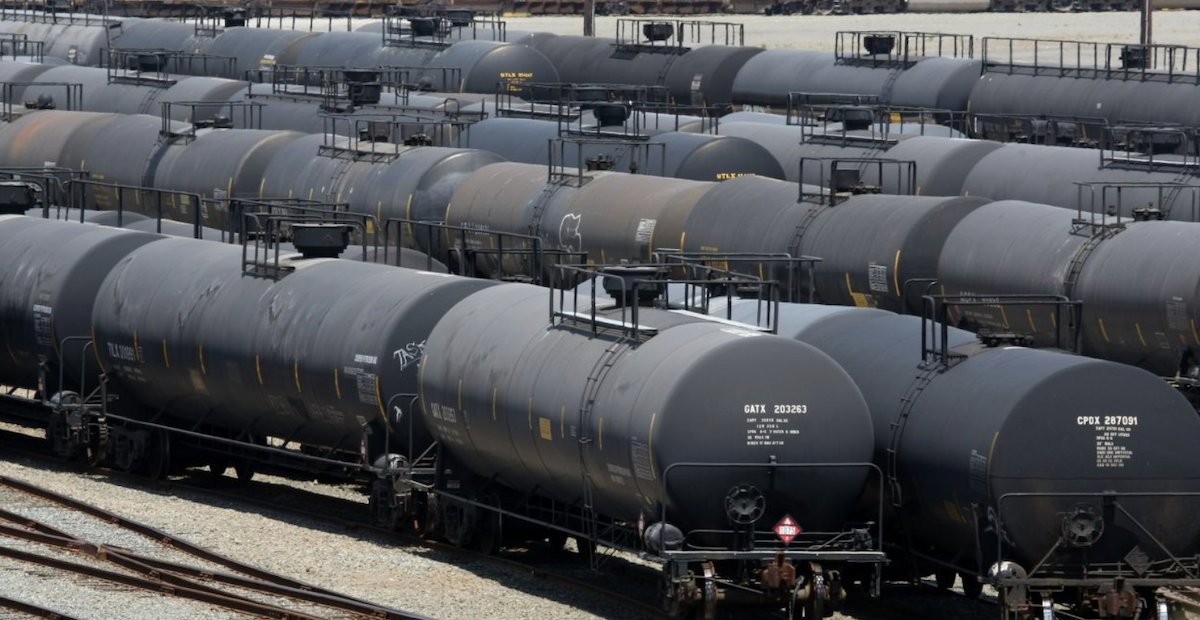
Fuel export to Armenia via Georgia
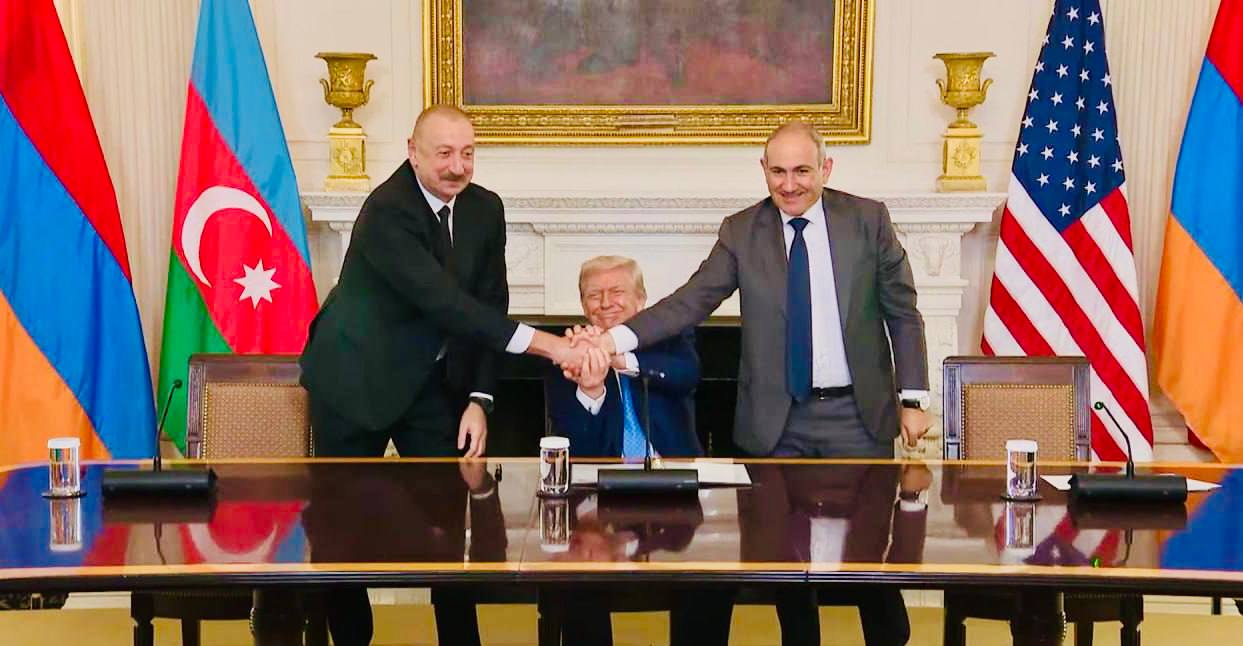
Georgia’s Ministry of Economy and Sustainable Development responded to reports in Azerbaijani media claiming that Georgian rail tariffs were hindering fuel shipments from Azerbaijan to Armenia. The ministry said it had received a request from the neighbouring countries for a one-time import of fuel from Azerbaijan to Armenia, which Georgia will carry out completely free of charge.
“On 5 December, the Georgian government received a request from partner countries for a one-time transit shipment of fuel from Azerbaijan to Armenia through Georgian territory. By decision of Prime Minister Irakli Kobakhidze, Georgian Railways was immediately instructed to carry out this one-time rail transport free of charge.
The decision has been communicated to the official parties. Georgia has been and remains a strategic and reliable partner for both Armenia and Azerbaijan. We have always supported, and continue to support, peace and cooperation in the region,” the statement said.
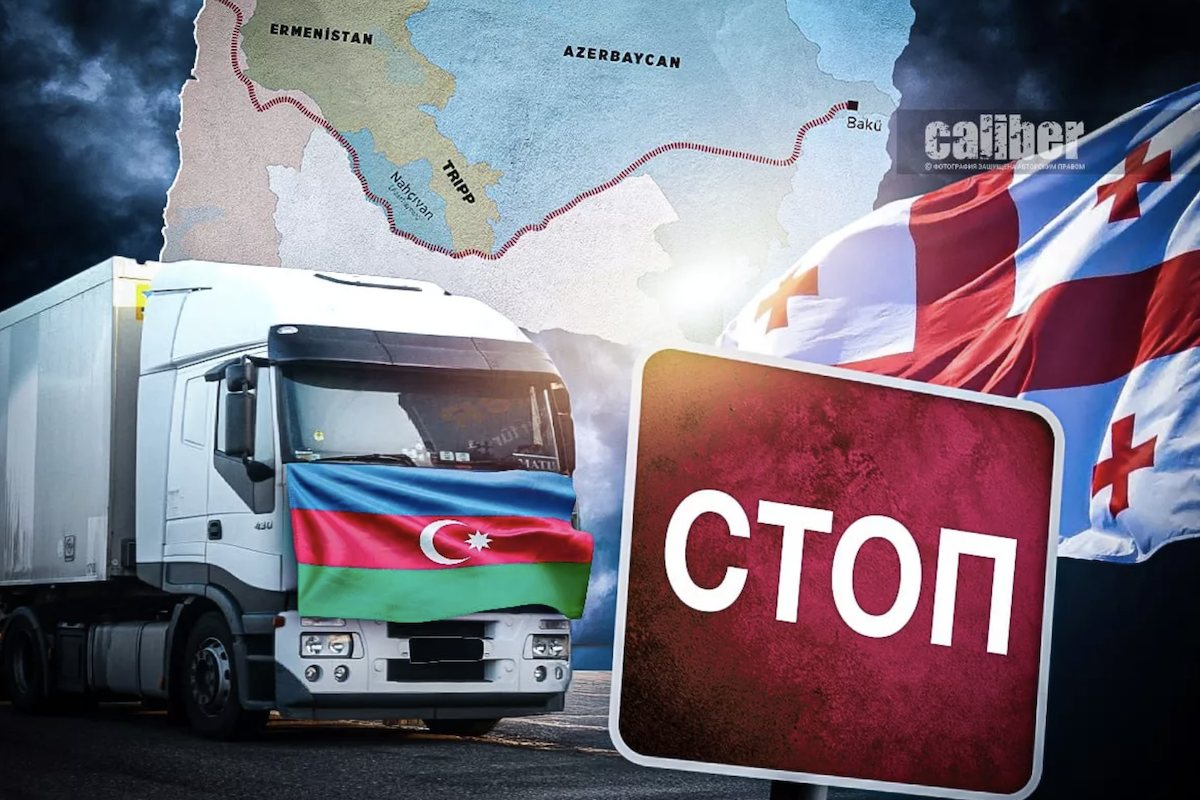
On 5 December 2025, Azerbaijani media reported a meeting between the authorities of Azerbaijan and Armenia that took place on 28 November. According to sources, the main topic of discussion was the export of Azerbaijani oil and petroleum products to Armenia, which could bring economic benefits to both Baku and Yerevan. Due to the lack of direct rail links between the two countries, transit through Georgia was considered the only way to carry out the deal.
The report states that Azerbaijan requested transit tariffs from Tbilisi, to which the Georgian side responded with a rate 20 times higher than the standard. According to Azerbaijani media, at a time when the South Caucasus has a unique opportunity to move from a logic of conflict to a logic of development, Tbilisi’s behavior represents an attempt to delay this transitional period.
“All of this undermines the overall momentum of regional peacemaking and demonstrates an unwillingness to participate in creating a space for shared prosperity,” writes the article’s author, Maxud Salimov.
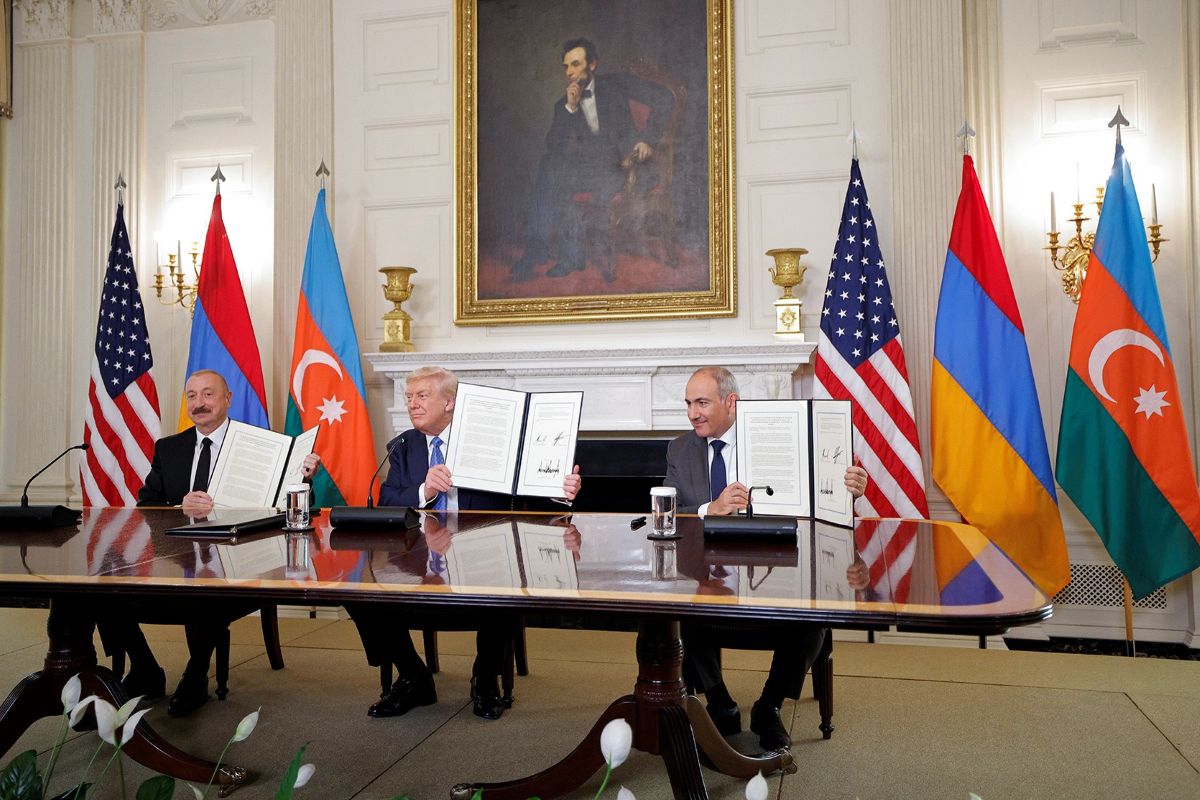
Last week, another pro-government Azerbaijani outlet, Caliber, published an article in which author Samir Veliev, drawing on drivers’ accounts, describes recent changes in how the Georgian side treats Azerbaijani truck drivers at the border.
According to the article, drivers face rude treatment and disregard for the law — they are held at the border for several days, and some even recall being mockingly asked, “When will the Zangezur corridor open?” and being encouraged to take that route.
The piece suggests that these shifts in Tbilisi’s policy may be linked to the “northern neighbor” or “those representing Armenian interests” within the Georgian government.
Fuel export to Armenia via Georgia