Categories
South Caucasus News

Russian foreign ministry: ‘There are no grounds to resume political dialogue with Georgia’


On Russia–Georgia dialogue

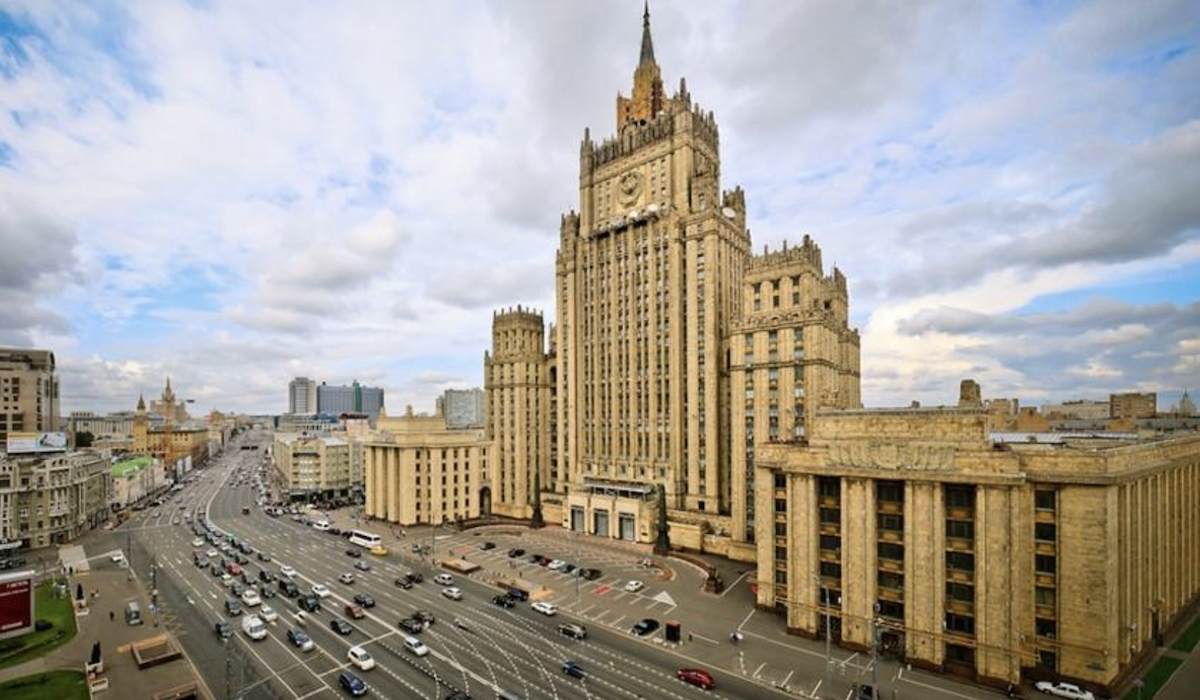
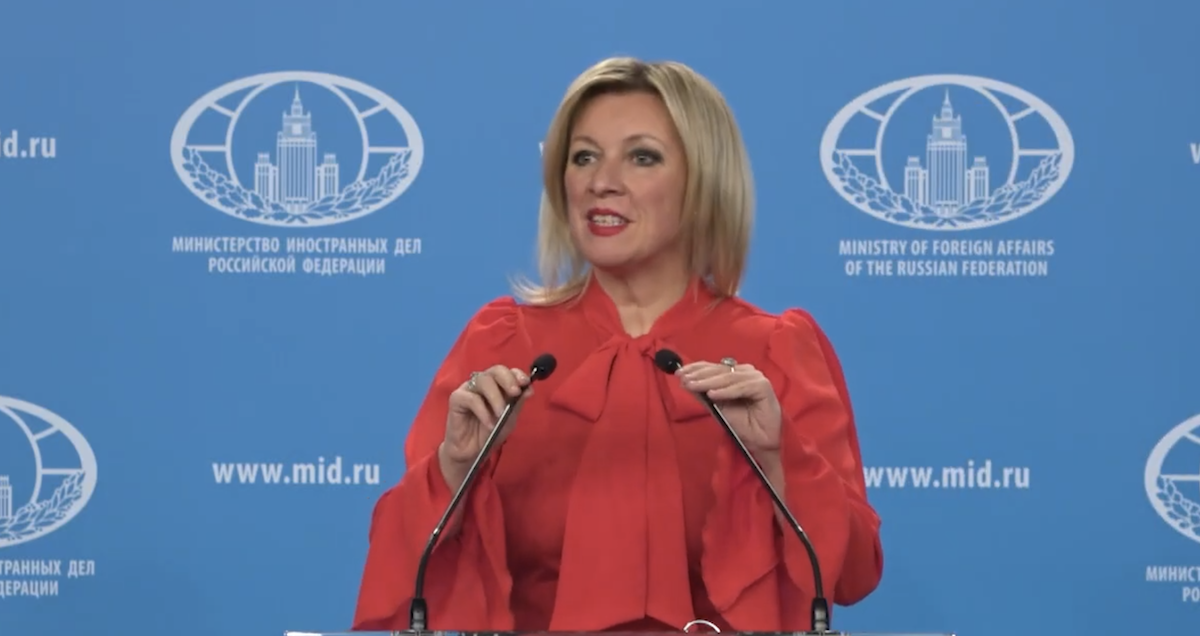
The Russian foreign ministry told Izvestia that, at this stage, the Kremlin sees no grounds for resuming political dialogue with Georgia.

Moscow believes that Georgia’s demand to renounce recognition of Abkhazia and South Ossetia’s independence is unrealistic and ultimately harmful to Georgia itself.

However, the ministry added that Russia remains open to steps towards normalising relations with Tbilisi, to the extent that the Georgian side is willing to take them.

“There are no grounds for resuming political dialogue between Russia and Georgia, because Tbilisi continues to follow the position adopted under the Saakashvili administration, linking the restoration of diplomatic relations to Russia’s renunciation of recognition of Abkhazia and South Ossetia.

This is an unrealistic demand that ultimately harms Georgia itself. Moscow has emphasised that its decisions to recognise the statehood of these republics are irreversible.

The ball is on the Georgian side, which, we believe, should be the party most interested in taking action,” the Russian foreign ministry said.

Georgia severed diplomatic relations with Russia following the August 2008 war.


Categories
South Caucasus News

Дело Могерини: мошенничество, коррупция и двойные стандарты ЕС


Categories
South Caucasus News

Azerbaijan to host Baku Cinema Breeze 2025 Int’l Film Festival


The 2025 edition of the Baku Cinema Breeze International Film Festival will take place on December 5-11, Azernews reports.

Categories
South Caucasus News

Georgian PM admits water cannons contained additives, questions whether substance was banned


Kobakhidze on alleged use of camite

Kobakhidze on alleged use of camite

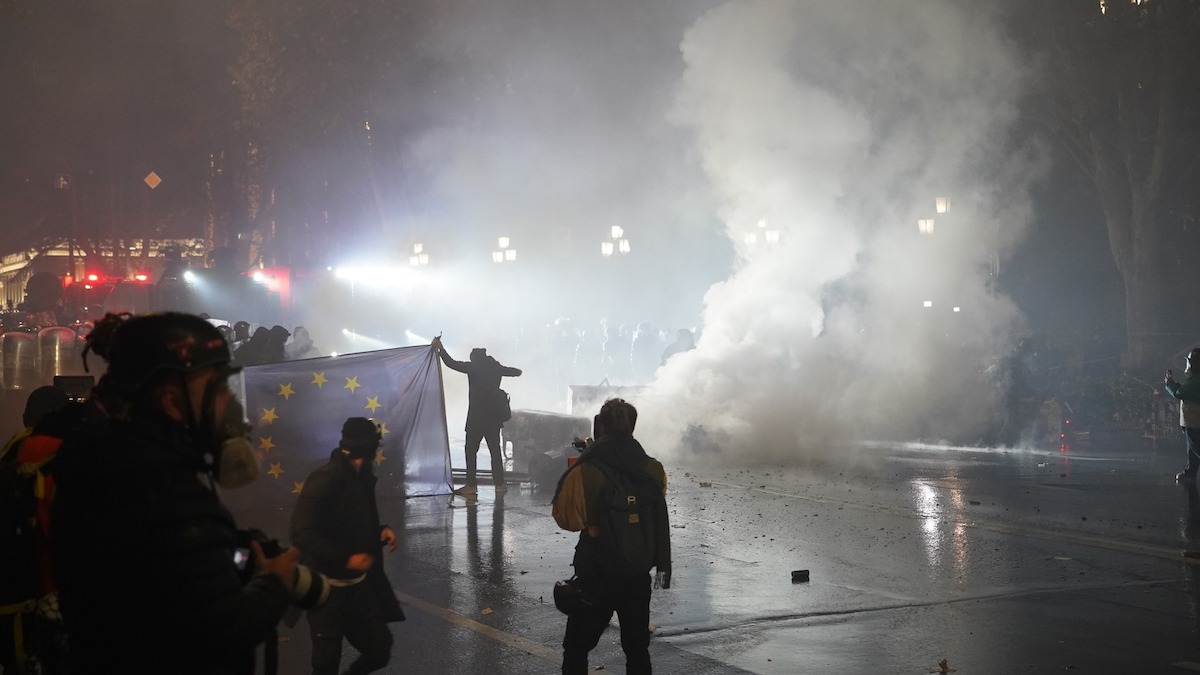
Georgian prime minister Irakli Kobakhidze has acknowledged that water cannons used to disperse protests in November and December 2024 contained an added substance. However, he denies that the chemical was camite — a World War I–era choking agent.

“The substance was indeed added. The key question is whether it was a banned one. The Interior Ministry has already confirmed that camite was never purchased or used, including under the previous government,” Kobakhidze said.

Asked whether the Interior Ministry intends to publish information about what exactly was added to the water cannons, Kobakhidze said that details would be made public once the investigation is complete.

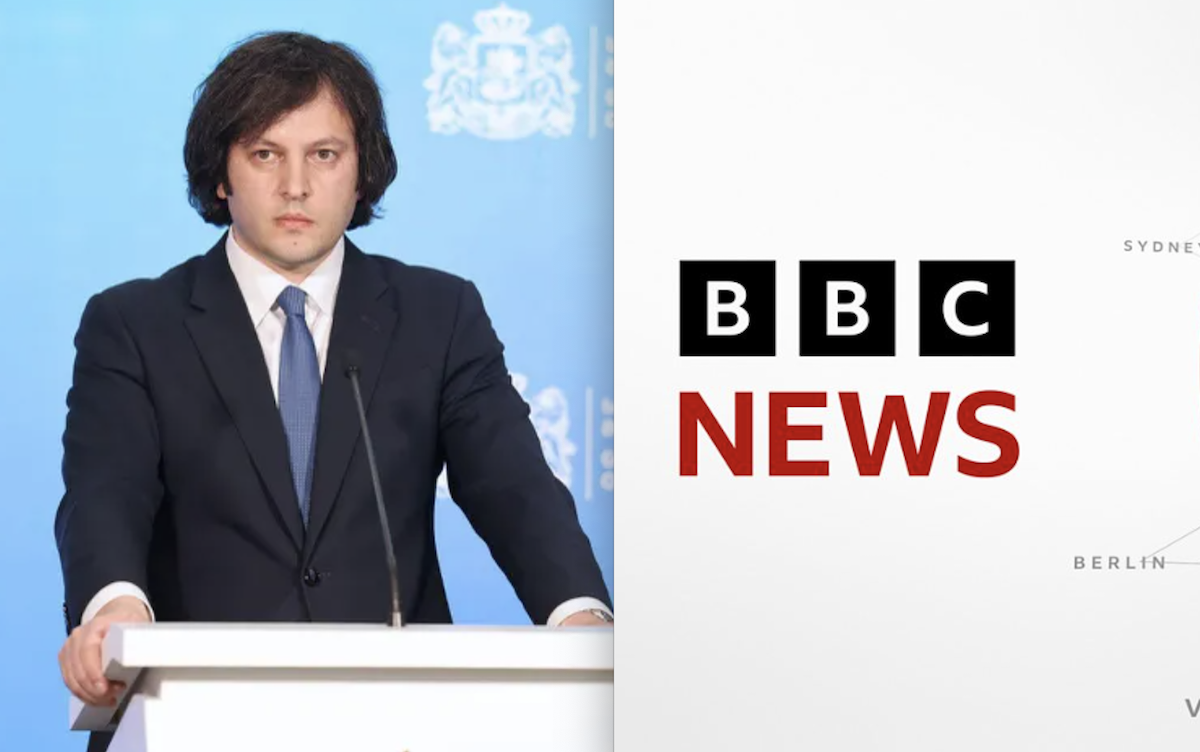
“The Interior Ministry has already exposed the BBC for spreading falsehoods, and on this basis we will appeal both to the UK’s regulatory authorities and to international courts. The BBC must retract the misinformation it has circulated,” Kobakhidze added.

According to the prime minister, if the use of camite is ultimately confirmed, former interior minister Vano Merabishvili will be held responsible.

On 1 December, the BBC published an investigation claiming that, according to evidence it had gathered, the Georgian authorities used camite — a First World War–era chemical agent — to disperse anti-government protests in November 2024.


Categories
South Caucasus News

“Russia understands only the language of force; ceasefire will lead to a new war,” -Ukrainian troops


Categories
South Caucasus News

Bannu terror attack: Assistant Commissioner Shah Wali Khan among four martyred


The brutal attack in the Pakistani city of Bannu, targeting the vehicle of Assistant Commissioner North Waziristan Shah Wali Khan, has once again exposed the murderous intentions of extremist networks such as Fitna al-Khawaraj (FAK). The assault martyred AC Shah Wali Khan, a civilian, and two police officers, while three more officers sustained injuries. This was not merely an attack on a convoy; it was a direct strike against governance, civilian administration, and the state’s ongoing effort to establish lasting peace in a region scarred by years of instability.

Categories
South Caucasus News

Azerbaijan strengthens its position in global persimmon market


Persimmons remain one of Azerbaijan’s most promising export commodities, with the country ranking among the world’s leading suppliers. Azerbaijani persimmons are especially competitive in the region, supported by favorable climate conditions and expanding orchard areas.

Categories
South Caucasus News

Kobakhidze Admits Substance Used in Water Cannons, Denies Camite


Georgian Dream Prime Minister Irakli Kobakhidze said a substance was mixed into the water cannons used to disperse protests in 2024, but ruled out camite, the military-grade chemical compound that the BBC suggested in a recent investigation may have been deployed.

“A substance was mixed [into the water cannons.] What matters is whether this substance was banned,” Kobakhidze said at a December 3 briefing at the government administration.

“As for reports about the use of camite…The Interior Ministry has already confirmed that the substance was not used and has never been purchased, even during the period of the United National Movement’s rule,” Kobakhidze added, declining to disclose the specific substance and adding that the State Security Service of Georgia’s investigation would determine what exactly was used.

He also acknowledged that the chemical code UN 3439 was correctly cited in the BBC investigation, but stressed that it covers “dozens” of chemicals, including camite, adding that “many of the substances” under the code are not banned.

While current Georgian Dream Interior Minister Gela Geladze said on December 2 that camite was not used, former Interior Minister Vakhtang Gomelauri said the night before that “the substances they are talking about” in the BBC investigation “were indeed purchased and used by the Interior Ministry, but only before 2012,” blaming the former United National Movement government.

“By what Mr. Vakhtang was referring to, various substances were purchased in 2009,” Geladze told journalists. “Your expectations have simply led to disappointment – this is not camite,” he insisted.

Citing chemical weapons experts, whistleblowers from Georgia’s riot police and medical professionals, a BBC Eye investigation suggested that an agent known as camite, which France used against Germany during World War I, but which was phased out by 1930 over concerns about its effects, may have been used during the first days of pro-EU demonstrations in Georgia that began on November 28, 2024.

The report followed long-standing concerns raised by Georgian professional and civil society groups about the use of unidentified chemical compounds during the dispersal of the November–December 2024 protests in Tbilisi. Police used tear gas, pepper spray, and water cannons against protesters, with some reporting long-term effects afterward, including headaches, fatigue, coughing, shortness of breath, and vomiting.

Georgian Dream has denied the allegations, calling the BBC investigation “absurd” and “a lie,” and has pledged to sue the broadcaster.

“The BBC report is not only a falsehood but also a cheap provocation planned by foreign intelligence services, serving two objectives,” Kobakhidze said.

“First, ill-wishers of our country seek to create a pretext to artificially reignite protest momentum that has already completely died down. Second, they aim to continue blackmailing the Georgian people and their elected government,” adding that the report will fail to fulfil these objectives,” he added.

He further warned that the accusations would not be left uncontested. “We plan, alongside conducting an investigation, to appeal to both the British communications regulator and, if necessary, to international judicial bodies, so that the BBC is held properly accountable and compelled to retract false information spread with the hallmark of intelligence services.”

The State Security Service of Georgia (SSSG) opened an investigation into the alleged “exceeding of official powers” and potential “assistance to foreign entities.” The agency summoned individuals featured in, or whose work was used in, a BBC investigative documentary that alleged Georgian authorities may have used a military-grade chemical compound known as camite to disperse protests in 2024.

While civil society groups are demanding that the government disclose what was mixed into the water cannons, they say the summonses of individuals featured in the BBC investigation appear less focused on establishing the facts than on pressuring those who spoke about or helped expose alleged human rights violations.

Also Read:


Categories
South Caucasus News

Funny how as soon as Russian influence in the southern Caucasus declines, the region is suddenly experiencing an unprecedented outbreak of peaceful coexistence


Funny how as soon as Russian influence in the southern Caucasus declines, the region is suddenly experiencing an unprecedented outbreak of peaceful coexistence

Categories
South Caucasus News

Окружение Трампа пытается переубедить Путина. Взгляд из Лондона