
Day: November 28, 2025
Georgian authorities have arrested Russian citizens Vladimir Dubovsky and Alina Savelyeva on charges of illegally entering the country. While some reports referred to the couple as anti-Putin, pro-Ukraine activists, Dubovsky has also faced accusations of working for Russian special services.
The Ministry announced an arrest late on Thursday after Unity of Ukrainians of Historical Lands (Єднання Українців Історичних Земель), a group co-founded by Dubovsky, raised alarms that the “unknown individuals kidnapped and took away by car” the couple, with their whereabouts unknown. “Volodymyr and Alina are also leaders of the movement Green Klyn – My Homeland,” the group wrote on the Telegram channel.
According to the ministry, the couple bypassed official border control when crossing into Georgia. Both have been charged under Article 344-2 of the Criminal Code, involving illegal crossing of the state border as a group and punishable by expulsion and a two-to-ten-year entry ban, or by four to five years in prison.
The ministry, which said that combating “criminal migration” was its priority, noted that the couple had repeatedly applied for asylum in Georgia, but their requests were denied – a decision later upheld by the courts. “Ultimately, on November 12 of this year, the court issued a detention order against both of them,” the ministry reported.
A 2022 report by Meduza, an independent Russian media outlet in exile, identified Dubovsky, who reportedly arrived in Georgia in 2021, as an anti-war activist and former Navalny office coordinator who has assisted Russians fleeing to Georgia after Russia’s full-scale invasion of Ukraine. According to Russian human rights platforms, Dubovsky was declared wanted in Russia, and in December 2024, “he was included in the Rosfinmonitoring [Russian public agency] list with a mark that is placed next to the names of those prosecuted under terrorism articles.”
However, Dubovsky has faced accusations from Russian opposition and activist circles of fraud and working for Russian security services. Egor Kuroptev, a Russian-Georgian journalist and former director of the Free Russia Foundation, warned in a Facebook post against portraying Dubovsky’s case as the abduction of anti-Kremlin activists.
“Don’t confuse the real beatings, torture, and threats to the safety of protesters in Tbilisi, the real threats to Russian activists in Georgia, with the case of a man who has been repeatedly accused by the Russian opposition over the years of working for the Russian special services and lying,” he said.
Kuroptev added that Dubovsky and Savelyeva illegally crossed the Armenian-Georgian border in 2023, applying for asylum only afterward, calling the move “just another provocation.”
“Is it any wonder that neither I nor anyone else in the opposition defended him, and everyone is silent? Well, there you go,” he wrote.
A March 2023 report by the pro-opposition broadcaster Mtavari Arkhi described Dubovsky as a “Russian criminal in Georgia” who was allegedly residing in the country illegally, criticizing Georgian authorities over a lack of response. The report included comments from Russian journalists and members of the Russian opposition community in Georgia, who accused him of fraud, embezzlement, and acting as an “agent” for Russian security services.
Also Read:
Armenia boosts border security
In Armenia’s Syunik region, three new border posts of the National Security Service’s border troops have been established: Kornidzor, Hndzoresk, and Artashen. Officially, it is only reported that the border guards have begun service and that the posts meet modern standards.
It can only be speculated that their establishment is another step by the government in transforming the country’s security system. Authorities are gradually transferring the border-guarding role, previously carried out solely by the army, to the border troops.
Armenian border guards are already securing the delimited section of the border with Azerbaijan in the north, in Tavush region.
In 2024, Armenia and Azerbaijan carried out the delimitation (establishing the exact border line) and demarcation (marking the border on the ground) of 12.6 kilometres along the Tavush–Gazakh section. Forty-three border markers have already been installed in this area. The armed forces have handed over the responsibility for guarding these territories to the border services.
As a result, a new system of control is taking shape against the backdrop of undelimited border sections, existing military infrastructure, and fragile relations with Azerbaijan.
Leonid Nersisyan, a military analyst at the independent research centre APRI Armenia, shared his view on what the establishment of the new border posts could mean. He also explained why the authorities decided to open them precisely along this stretch of the border.
- ‘Attempt to break iron curtain’ — Armenian experts on visit to Baku
- Is normalization of Armenian-Turkish relations possible without Baku?
- ‘Enclave issue to be discussed only after border delimitation’ — comment from Yerevan
Commentary from military analyst Leonid Nersisyan
New border posts in Syunik
“Deploying Armenian border guards along another section of the shared border with Azerbaijan fits entirely within the strategic course the state is currently pursuing. The aim is a gradual strengthening and expansion of the border troops, with the long-term goal of having them, rather than the Armed Forces, secure the entire state border of Armenia.
We can see this process unfolding in small but consistent steps. It began along the border with Iran, then continued at Zvartnots Airport. Now, border guards have started service on a new, still undelimited section of the border with Azerbaijan.
The presence of border guards here alone signals that this area is no longer a combat zone. It is becoming a regular stretch of the state border. Of course, the effectiveness will depend on the level of equipment and armament these units receive.
By comparison, Azerbaijan’s border troops have traditionally been numerous. They maintain a constant presence along the border and are equipped with a wide range of serious weaponry. Unlike Armenian border guards, they have always operated much like a regular army and have been nearly indistinguishable from it in combat capability.”
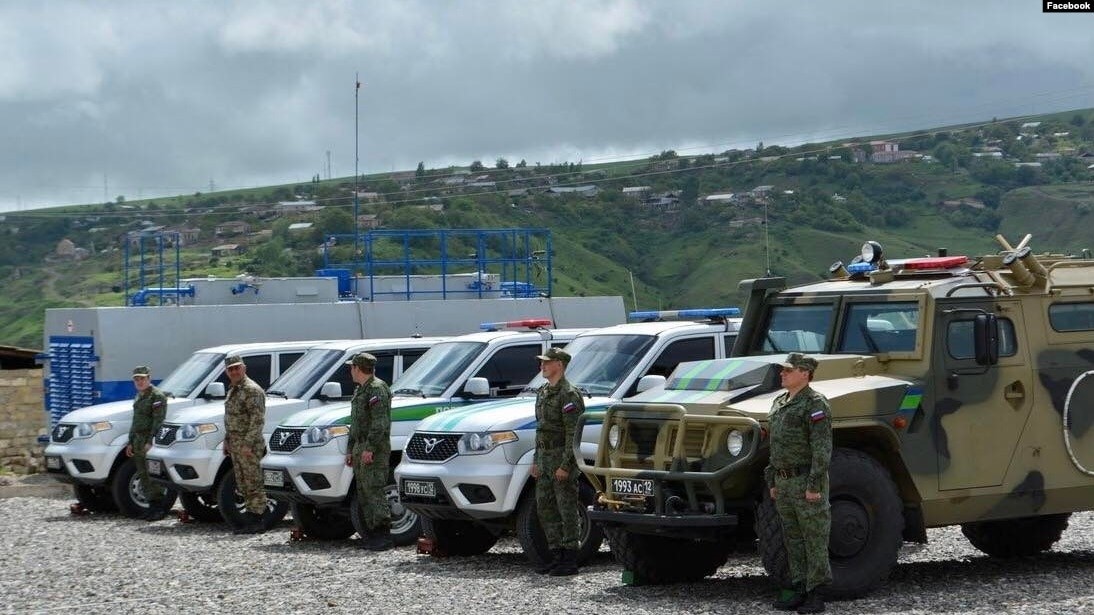
Situation along the Lachin direction
“There is currently little information, so we can only speculate. This may involve some medium-term plans. A road already exists in this area [the Lachin corridor], which both sides could potentially use. This may explain why authorities decided to begin setting up border posts in advance.
The border along this section has not yet been delimited, and Armenian troops remain in place. The appearance of border posts does not signal a replacement of army positions. This is particularly unlikely here, as the road serves as a logistical route for potential offensives, meaning strong fortifications are required rather than a troop withdrawal.
According to open sources, including Google Maps and satellite imagery, Azerbaijan has already built substantial fortifications on its side. This makes the area especially risky in terms of potential escalation.
Overall, the installation of border posts can be seen as a forward-looking measure, preparing for possible interactions between the sides. This specific section was likely chosen because of the existing road.”
Military infrastructure remains in place on both sides for now
“In general, there is a shared understanding that, eventually, Armenian border guards should control the entire state border. Ideally, this should follow full delimitation and demarcation of the border.
At present, military infrastructure remains on both sides. Azerbaijani border guards have been present on the Akari bridge since the Nagorno-Karabakh blockade. It is difficult to assess how actively this checkpoint is functioning, but the infrastructure itself exists.
Army units cannot be withdrawn until the border is fully delimited and Azerbaijani forces remain in close proximity.
Where demarcation has been completed, troops do not stand directly on the border line. However, military posts remain on both sides, roughly two kilometres from the frontier.
No section of the border has fully abandoned a military presence. At this stage, doing so would be highly unusual, given how fragile the current situation is.
It will take years before the border resembles those between peaceful neighbouring states.”
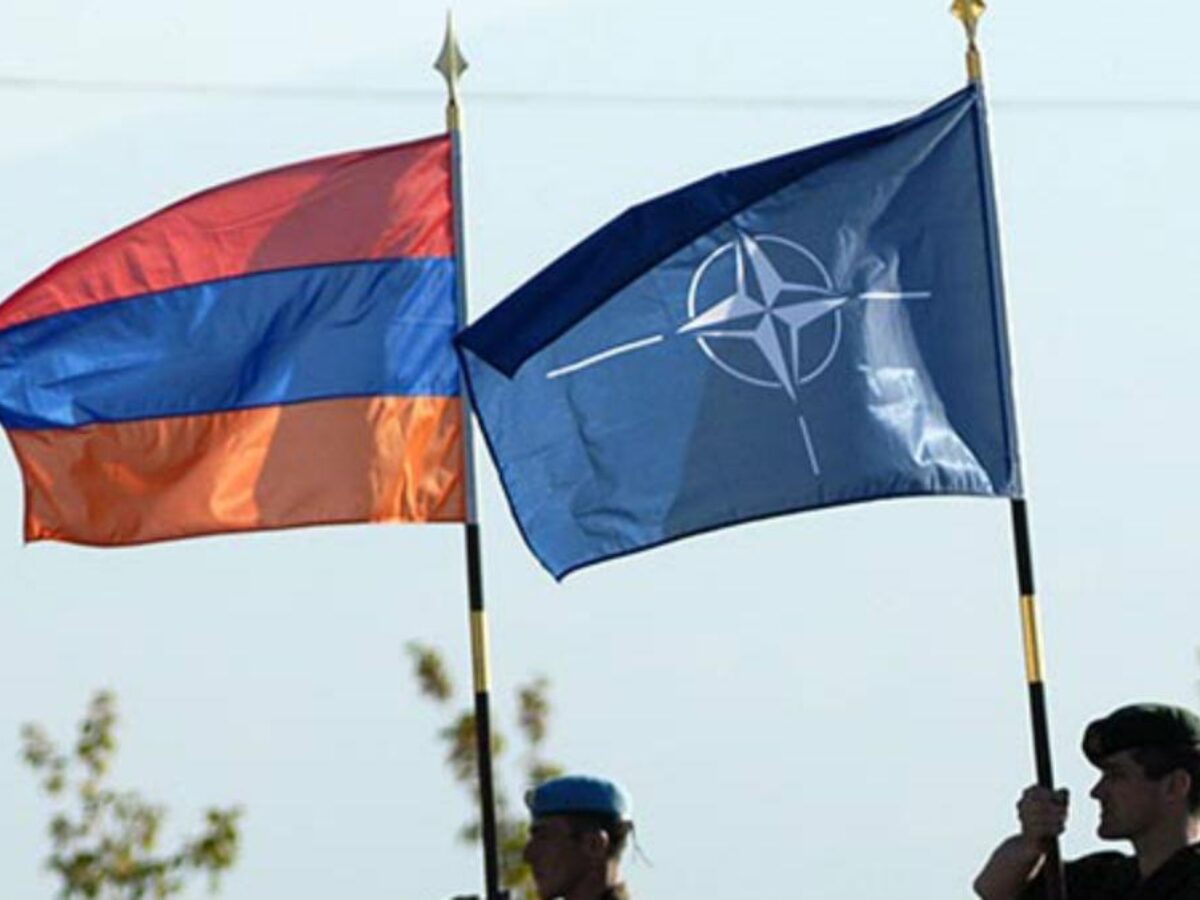
Armenia boosts border security