
The mobile operator continues to foster a strong investment culture in Azerbaijan
Day: November 17, 2025
Categories
Премьера казнят
Georgian Dream Foreign Minister Maka Botchorishvili is visiting Israel on November 17-18. She has already met with her Israeli counterpart, Gideon Sa’ar, and is scheduled to hold talks with Knesset Speaker Amir Ohana, National Security Minister Itamar Ben-Gvir, and Agriculture and Food Security Minister Avi Dichter.
Botchorishvili’s trip is her first visit to Israel in her capacity as Georgian Dream’s foreign minister and follows a series of recent exchanges between Georgian Dream and Israeli officials. GD Interior Minister Geka Geladze visited Israel in October, while Israeli National Security Minister Ben-Gvir traveled to Georgia in August.
Meeting With Israeli Foreign Minister
On November 17, Georgia’s Foreign Ministry reported on Maka Botchorishvili’s meeting with Israeli FM Gideon Sa’ar.
“The ministers highlighted the historical and cultural ties between Georgia and Israel and discussed key issues of bilateral relations,” the Georgian MFA press release said, adding, “Special attention was paid to prospects for deepening trade and economic cooperation between the two countries.”
The press release said the discussions also touched on the “regional security environment,” with Maka Botchorishvili welcoming the agreement between Israel and Hamas on the first phase of the Gaza peace plan and “emphasizing the significant efforts and contributions of the United States, and, in particular, President Trump, in promoting peace in the region.” “She once again reaffirmed Georgia’s support for the peaceful resolution of the conflict,” the press release added.
“At the end of the meeting, both sides confirmed their readiness to continue cooperation in a bilateral format,” the MFA concluded.
More to follow…
Also Read:
Categories
Ядерное соперничество растет

Georgian Dream’s new initiatives
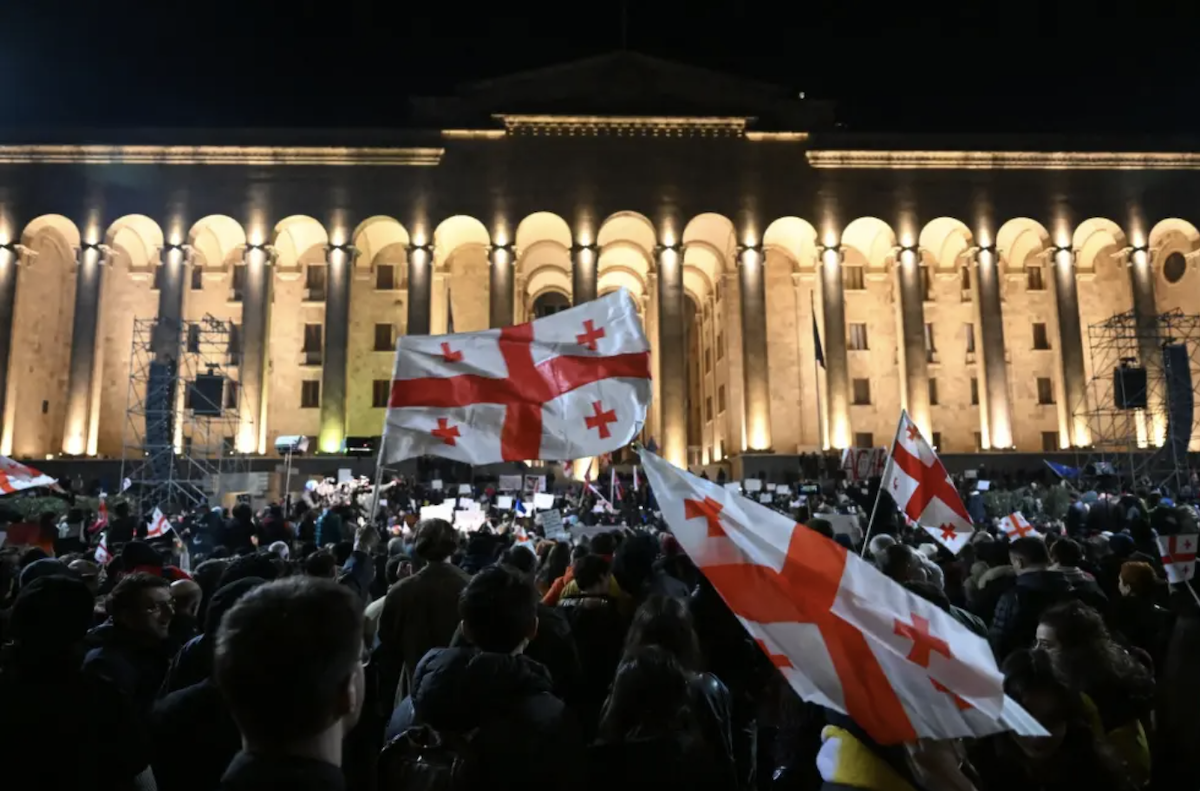
Georgia’s one-party parliament is considering a new package of legislative initiatives, including proposals to abolish the South Ossetia Administration, dissolve the Anti-Corruption Bureau and several other state bodies, and restrict voting rights for Georgian citizens living abroad.
The plans were announced by Shalva Papuashvili, the speaker of parliament from the ruling Georgian Dream party.
Lawmakers aim to adopt the amendments by the end of 2025.
The Georgian Dream party plans to abolish:
- the Anti-Corruption Bureau, with its powers transferred to the State Audit Office.
Shalva Papuashvili, the parliamentary speaker, noted that the bureau’s main task is collecting and monitoring asset declarations from officials, political parties and NGOs. Anti-corruption efforts are currently shared between the bureau, the Public Administration Efficiency Department, the State Audit Office and the Prosecutor’s Office.
“Following consultations with the government, a common view emerged that the collection and monitoring of declarations is better suited to the Audit Office,” Papuashvili said.
- The Temporary Administration of South Ossetia, created in 2007 under then-president Mikheil Saakashvili.
According to Papuashvili, the creation of this body was part of a “geopolitical game” orchestrated by external actors.
“From today’s perspective, it is clear these decisions were part of a geopolitical manoeuvre by a foreign power, in which Georgia was turned into a sacrificial pawn. Saakashvili’s policies escalated the situation in the region and ultimately led the country to war,” he said.
Papuashvili argued that even the indirect use of the term “South Ossetia” by the previous government amounted to a betrayal of the constitution and national interests. In Georgian legal and political usage, the territory is referred to as the Tskhinvali Region of Georgia.
- the Personal Data Protection Service, with its powers transferred to the State Audit Office;
- the Business Ombudsman’s Office, which would be moved under the Ministry of Economy.
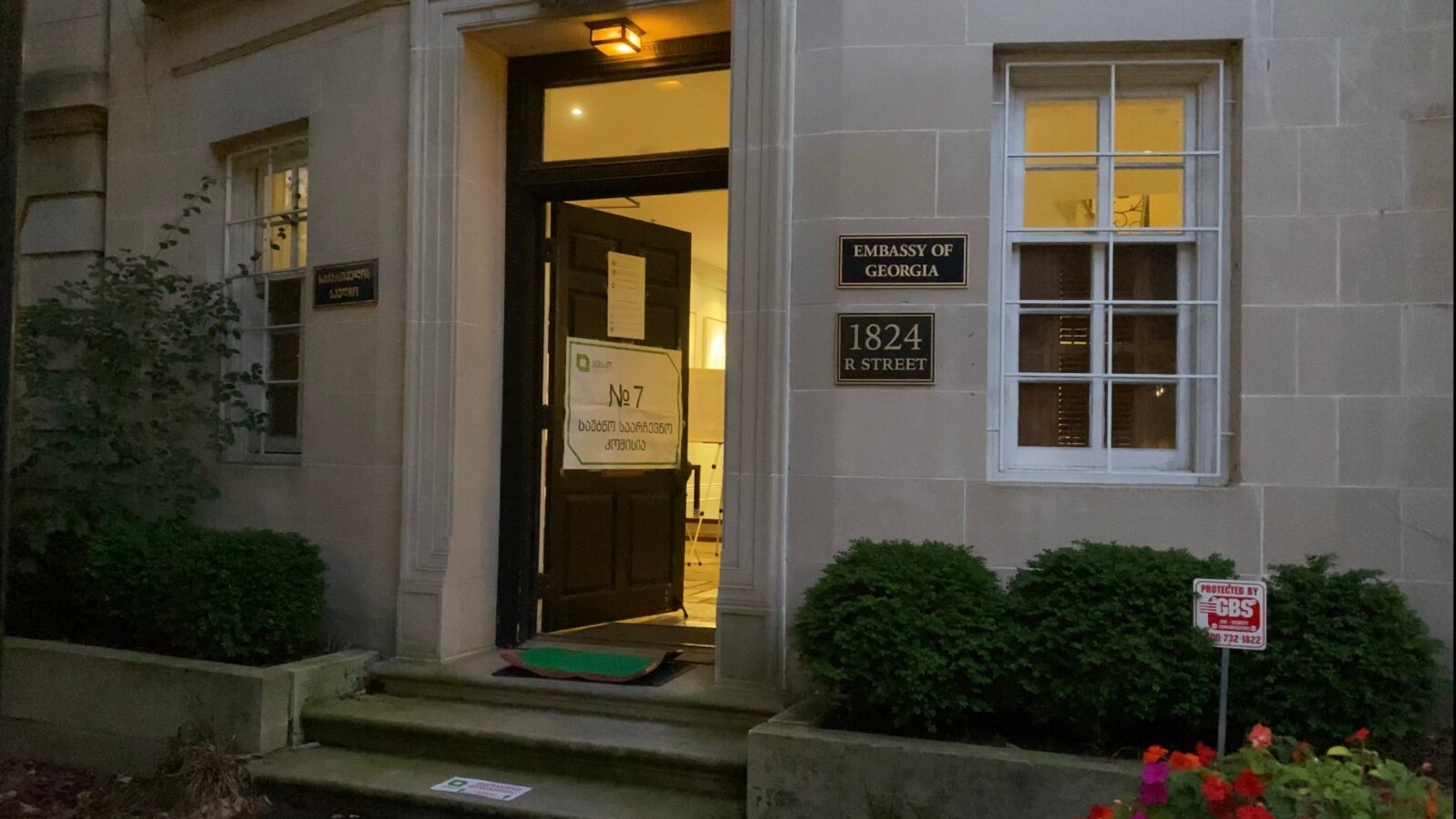
Regarding plans to restrict voting rights for Georgian citizens living abroad, a new amendment would allow them to take part in parliamentary and municipal elections only if they return to Georgia to cast their ballots.
Under the current electoral code, countries with large Georgian diasporas host polling stations at Georgian embassies and consulates during parliamentary elections.
Papuashvili says the proposed change is based on the state’s constitutional duty, set out in Article 24, to ensure free expression of the popular will — something that, he argues, requires an environment free from external interference.
According to the speaker, Georgians abroad “find it difficult to make an informed choice” because they are detached from the country and unaware of what is actually happening at home.
“There are specific risks of influence for non-resident citizens who are subject to foreign jurisdictions and political environments where the state cannot prevent interference.
Creating an election system on Georgian territory reduces the impact of outside actors and ensures a more stable process and more conscious voter choices,” Papuashvili said.
He cited Ireland, Israel and Malta as examples of countries that successfully apply similar systems.
Georgian Dream’s new initiatives