Categories
South Caucasus News

Armenia’s electricity network company owned by arrested Russian oligarch loses licence: what happens next?


“Electric Networks of Armenia” stripped of license

“Electric Networks of Armenia” stripped of license

The Public Services Regulatory Commission has decided to revoke the licence of the company Electric Networks of Armenia (ENA).

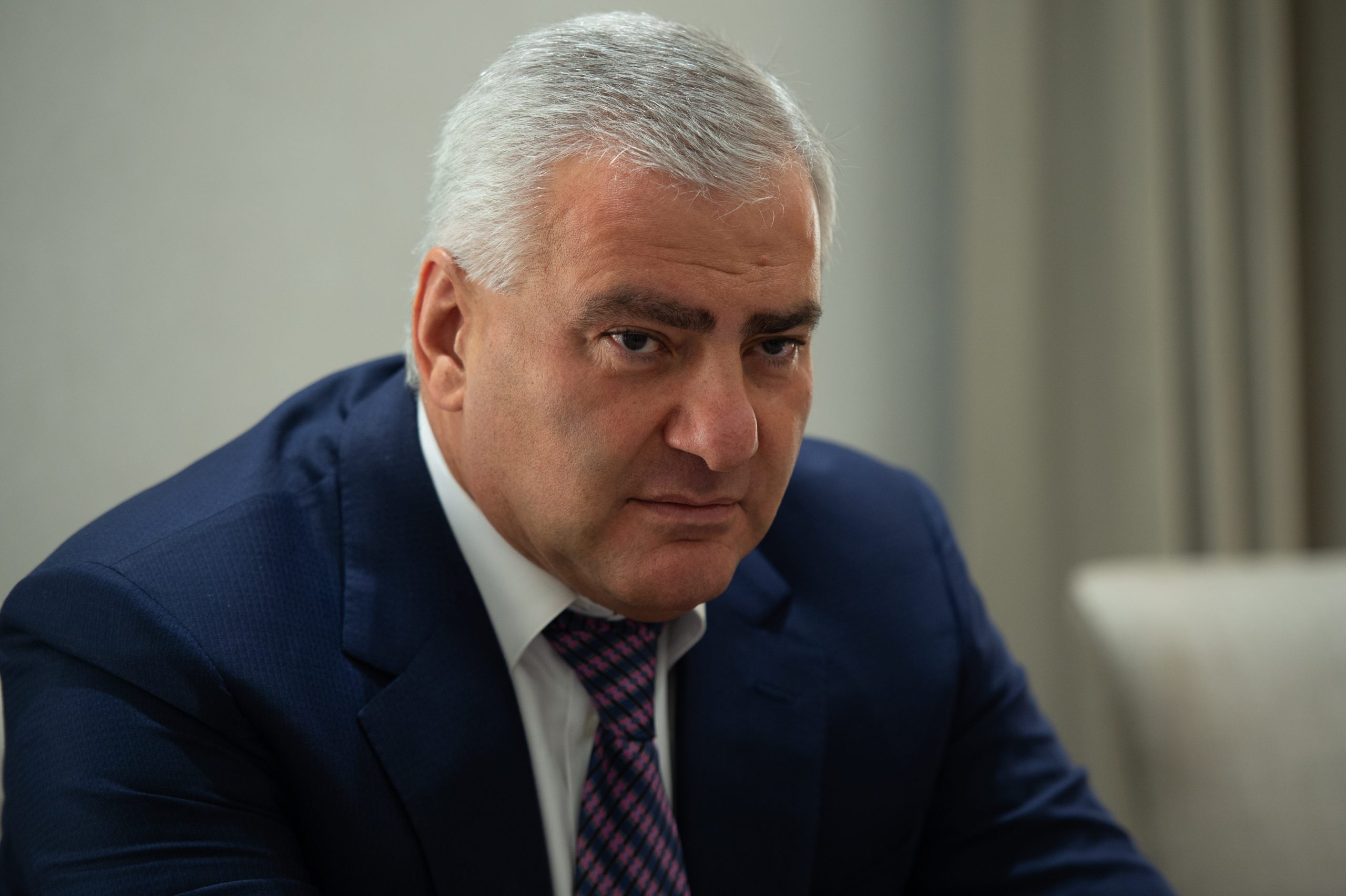
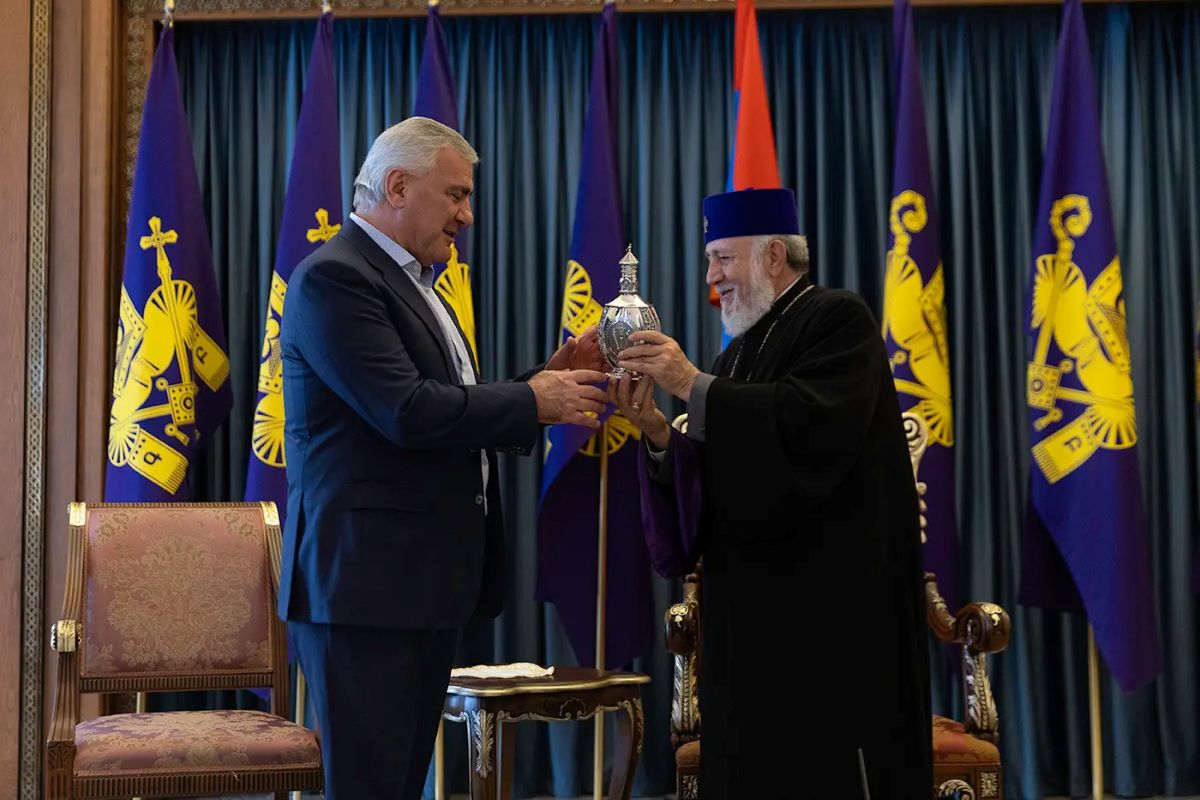
ENA is owned by Tashir Capital. The owner of that company is dollar billionaire and businessman Samvel Karapetyan, who has been under arrest for several months. He faces charges of publicly calling for the seizure of power.

“Over the next three months, the state will start negotiations with the owner over the transfer of property rights. If the parties fail to reach an agreement during this period, the state may assume ownership based on its pre-emptive rights,” Mesrop Mesropyan, the commission chairman, told journalists after the decision.

Former ENA chief David Kazinyan said the commission had long ago made the decision and that only the announcement remained.

He also questioned the commission’s independence, claiming it “acts under the prime minister’s instructions.”

“If the commission were truly independent, the maximum it could have done in the current circumstances would be to impose some sanctions,” he added.

Representatives of Tashir Capital said there was no solid basis to terminate the licence. Before the decision, they submitted a request to the commission to suspend proceedings in the case, but the request was rejected.

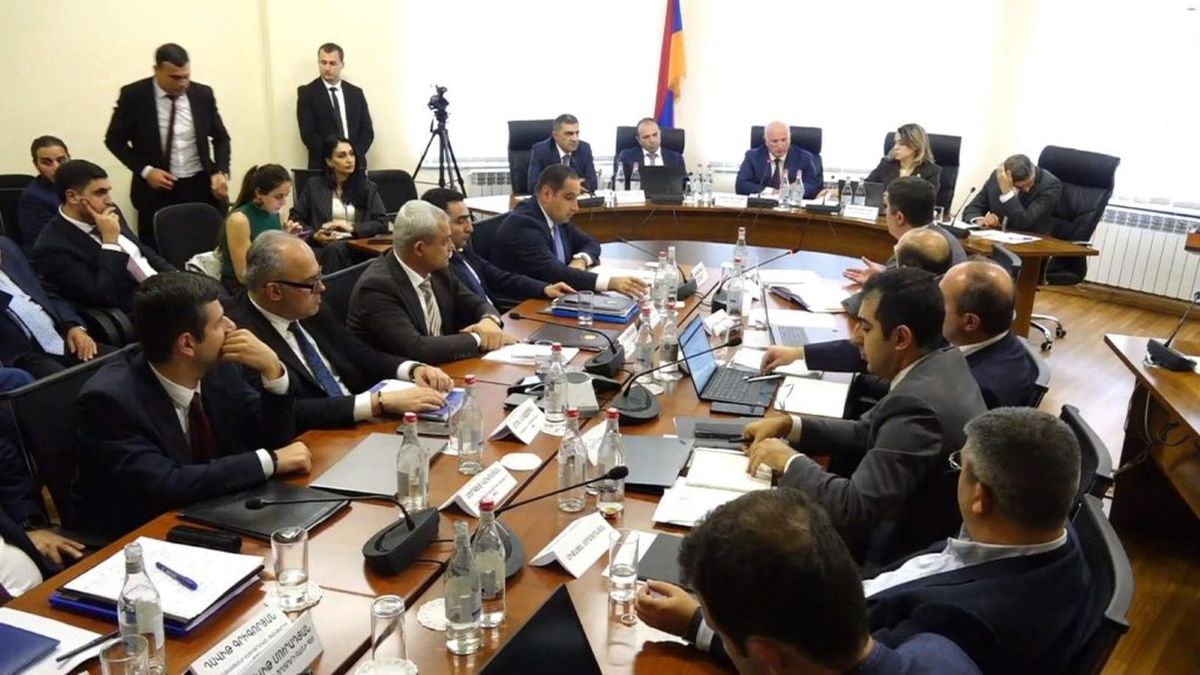
The discussion about revoking the licence began on 13 November, a Thursday. After lengthy debates, both sides made their closing statements on 17 November. The vote followed immediately. Four members voted in favour, and one opposed.

The decision to revoke the electricity distribution licence triggers a series of next steps:

  • Recognition of ENA as a state priority
  • Valuation of the company
  • Payment of compensation to the owner


Armenian Prime Minister Nikol Pashinyan has spoken for several months about the need to nationalise ENA.

“During my numerous visits to the regions, I was surprised and frustrated to see that ENA’s operations had almost caused an energy crisis in Armenia. My analysis suggests that the company carried out these actions to stir domestic dissatisfaction,” he told journalists before the government began investigating the company.

The government then appointed a temporary manager for ENA and launched inspections. Pashinyan described the government’s intervention as a “surgical” process.

The prime minister outlined two possible scenarios: either the state will buy ENA, or a private company will. He has previously called the process “inevitable.”

It remains unclear whether ENA’s owners will negotiate a sale with the government or what price they will demand. Former acting CEO David Kazinyan said the owners are preparing for all possible outcomes.

Earlier, ENA’s owner’s family filed a claim in international arbitration, seeking $500 million in compensation from the state.

Facts presented by ENA’s temporary manager

ENA’s temporary manager and ruling party representative, Romanos Petrosyan, presented a report to the Public Services Regulatory Commission on a violation in January 2025. The company’s automated electricity metering system failed, causing the loss of data going back to 2018.

Petrosyan also provided evidence that ENA had submitted false data to the commission. This led to an incorrect assessment of the state of the distribution network, the frequency of power outages, and actual energy losses.

He reported inaccuracies in the calculation of electricity losses and revenue. In particular, ENA’s management instructed various regional branch leaders to calculate losses using different tariffs.

Additionally, ENA issued financial guarantees totaling around $700 million to other companies in the Tashir group. For example, Tashir Capital received a $7 million loan from Ardshinbank, with ENA acting as guarantor. In another case, AMIO Bank provided millions of dollars to Armholding JSC, again guaranteed by ENA.

“ENA’s managers and executives submitted false reports for an extended period. This directly affected tariff formation. The procurement, supply, and purchasing processes were highly biased and discriminatory. It created a closed, monopolistic economic chain. Profits flowed from ENA to the Tashir group,” Petrosyan said.
‘ENA’s guilt not proven’ – lawyers

“Most of the evidence presented was obtained illegally and cannot be considered in the proceedings. Much of it is unreliable due to the unlawful manner in which it was collected,” said Aram Orbelyan, lawyer representing Tashir Capital.

Another lawyer, Vardan Aloyan, added that while problems may have existed, they should not be seen as deliberate:

“Nowhere has it been established that ENA is guilty. And if it is, the degree does not justify revoking the license.”

‘They want to punish Samvel Karapetyan’ – former ENA chief

Before the appointment of a temporary manager, David Kazinyan headed Electric Networks of Armenia (ENA). In his statement, he recalled Prime Minister Pashinyan’s calls for the nationalisation of ENA and described them as “a direct political order.”

He claimed the state simply intended to “take the company away from its owner.”

“You were deceived to ‘punish’ Samvel Karapetyan. Or to force him to the negotiating table, showing that ENA supposedly served political purposes,” he told the people of Armenia.

Rejecting the accusations, Kazinyan said the case materials were “extremely incomplete and inaccurate.” In his view, they were compiled to “create the appearance of anti-crisis management.” Regarding the alleged deliberate deletion of data from the system dating back to 2018, he argued it could not be proven.

As for the underreporting and irregularities at ENA, Kazinyan denied their “coordination.” He argued that any coordination would have had to come from a central authority and asked, “Where is this center? Labeling it as coordinated is criminal.”

The former acting CEO said the commission did not want to uncover the truth, otherwise it would have allowed witnesses to speak.

“The basis of the proceedings was testimony obtained using police methods. No internal investigation was carried out for four months. The temporary manager applied double standards. At times, the old ENA team was praised; when convenient, the same team was portrayed as a gathering of criminals,” David Kazinyan stated.
‘The commission uncovered information suggesting potential violations of the owner’s interests

The head of the commission’s financial and technical department, Mary Kazaryan, presenting the identified violations, stressed:

“The draft decision in no way targets the owner of the company or its shareholders. On the contrary, it refers to potential breaches of their interests.”

She emphasized that the company’s unlawful actions were “systematic and widespread.” In her closing statement, Kazaryan expressed the view that the company’s “illegal conduct” could indicate

  • both a coordinated approach by the company’s management,
  • and insufficient efforts to resolve the problems.

“The company committed violations that could have threatened the safety of the entire energy system or infringed on the rights and legitimate interests of millions of consumers,” she added.
‘Nationalization is proceeding within the framework of the law,’ said the interim manager.

The company’s interim manager, Romanos Petrosyan, stated that the nationalization process of ENA is fully legal:

“I am confident that the process is proceeding within the framework of the law, unless the Constitutional Court issues a different ruling,” he said.

He emphasized that the ENA violations should have been identified in a timely manner by the commission itself, which remained inactive for an extended period.

According to Petrosyan, the Anti-Corruption and Investigative Committees are already examining criminal cases:

“As a result of these investigations, we will receive the necessary assessments. It is possible that former ENA managers and executives were unwilling to disclose internal operations to law enforcement authorities. Consequently, all violations were, in some way, concealed or disguised.”

He added that the future of this strategically important facility will be determined based on the decisions of the Public Services Regulatory Commission.
Two scenarios mentioned by the Prime Minister

During his latest briefing, Nikol Pashinyan struggled to say whether the government has enough funds to acquire ENA if the company loses its license:

“Everything depends on the price. The price must be determined through a comprehensive analysis. If it proves reasonable, the matter will be seriously considered.”

Pashinyan said that if the price is too high and “it becomes clear that it is impossible to pay for the acquisition from the state budget,” the second scenario will be implemented. Under this scenario, ENA would be handed over to an international private company, which would pay the owners.

“In any case, the Republic of Armenia will retain a stake that allows it to maintain the state’s strategic presence in this critical infrastructure,” he emphasized.

The Prime Minister suggested waiting for the decision of the Public Services Regulatory Commission:

“This decision will either make the scenarios we are considering possible or impossible, or it will influence them in some way. First, we await the commission’s decision, and only then will we clarify the details.”

So far, there is no official information on whether any international company is interested in acquiring ENA.

Categories
South Caucasus News

Italian inflation eases in October


Italy’s annual inflation rate stood at 1.2% in October, according to the final report published on Monday by the National Institute of Statistics (Istat), Azernews reports, citing foreign media.

Categories
South Caucasus News

Польша готовится к нападению! Прогремел взрыв на железной дороге в Украину


Categories
South Caucasus News

HD Hyundai Mipo lands Oceania ship deal


HD Hyundai Mipo Dockyard Co. announced on Monday that it has secured a 219.4 billion-won (approximately US$150 million) order to construct two product carriers for a shipping company in the Oceania region, Azernews reports, citing Yonhap agency.

Categories
South Caucasus News

Azerbaijan: violations in cosmetic procedures and oversight issues


Illegal aesthetic centres in Azerbaijan

Illegal aesthetic centres in Azerbaijan

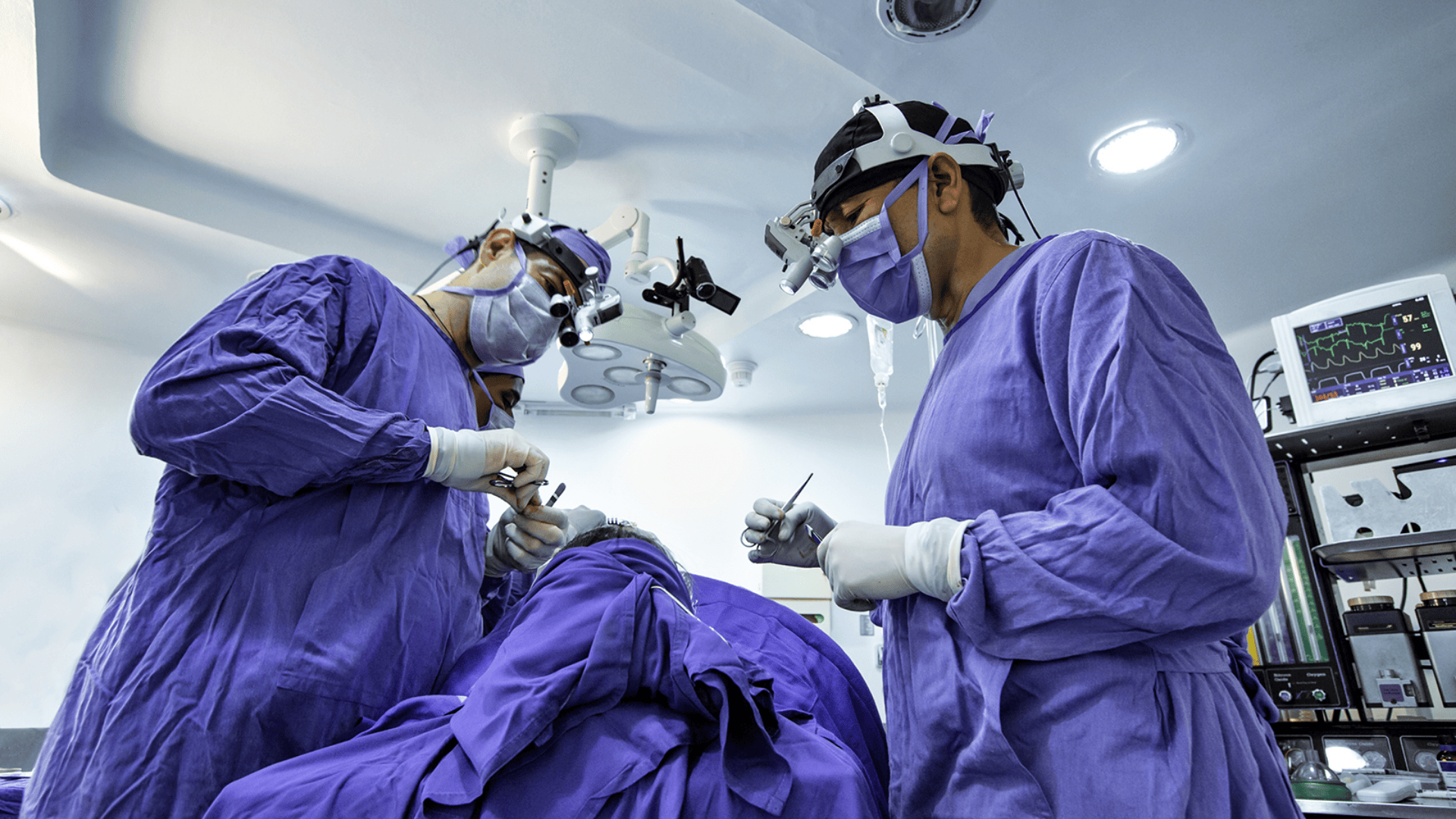
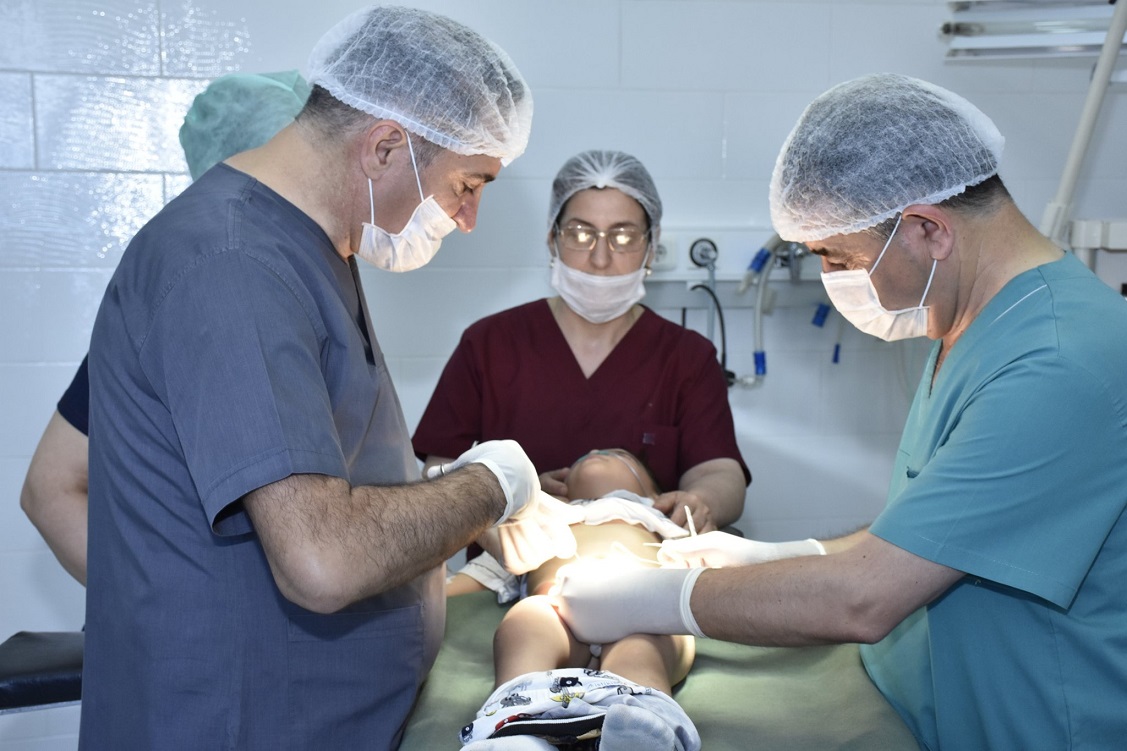
Some time ago, the General Prosecutor’s Office reported that a group of individuals at the Baku aesthetic centre UĞUR 777 was performing various cosmetic surgeries without the proper license or medical qualifications, resulting in serious harm to several patients.

Although the centre was registered under the name of Hayala Ismayilova, it was found to have no medical licence, and procedures presented as routine treatments were actually surgeries carried out in violation of standards. The authorities said breaches of hygiene and sanitary regulations created a risk of infection.

According to the statement, an investigation has been launched based on the evidence collected, and a criminal case has been sent to the investigative authorities. Administrative proceedings have also been initiated against the centre’s head under Articles 210.1 (practising medicine without a licence) and 215.1 (violating health rights) of the Administrative Offences Code.

How are aesthetic medical services licensed, monitored, and their advertising regulated in Azerbaijan?

The terms and place names used in JAMnews content, as well as the opinions and ideas expressed, reflect solely the position of the author or the specific community and do not necessarily represent the views of JAMnews or its individual staff members.

How is illegal activity identified and registered?

Under national law, a licence from the Ministry of Health, specifically the Analytical and Expert Centre, is required to operate a private medical facility. However, establishments offering “illegal aesthetic medical services” often bypass this requirement. Such businesses are officially registered only as beauty salons or aesthetic centres, meaning they are treated as ordinary commercial enterprises rather than medical institutions, and in practice continue operating without a licence.

For example, a study by the Ministry of Health’s Analytical and Expert Centre found that the aesthetic centre UĞUR 777 was registered with the tax authorities as a business entity but did not appear in the register of private medical institutions and had no licence to provide medical services.

Another case is the so-called Dost Estetik Mərkəzi, which was absent from both the Ministry of Health’s database and the Tax Service records.

In other words, it operated entirely without registration.

This evasion is linked to gaps in the oversight system. Without a licence, these centres are not considered official medical facilities and are therefore exempt from routine inspections.

Another issue is that licensing bodies primarily focus on entities already registered with the tax authorities. If an entrepreneur does not apply for a healthcare licence, opening an aesthetic centre at the initial stage can escape the Ministry of Health’s notice.

As a result, some centres without the necessary conditions or qualified staff effectively continue to operate as illegal clinics. This was the case with UĞUR 777, where patients were treated and surgeries performed in premises equipped with medical equipment without a licence. Individuals presented as “cosmetologist doctors” were not listed in the official unified register of medical professionals and are not legally allowed to practice medicine.

Another gap in the licensing system is the limited effectiveness of penalties. The Analytical and Expert Centre carried out several inspections of UĞUR 777 based on complaints. The centre was issued five administrative protocols and fined for operating without a licence.

However, fines proved insufficient, and the centre continued its operations despite these sanctions.

Inspections of aesthetic centres: routine or complaint-based?

In Azerbaijan, routine inspections of business entities were significantly scaled back several years ago to improve the overall business climate. It is therefore unsurprising that oversight of aesthetic medical centres is now mostly triggered by citizen complaints, media reports, or incidents.

According to the Ministry of Health’s Analytical and Expert Centre, when a report indicates a real threat to people’s life or health, an inspection is immediately launched, and unplanned checks are carried out in line with the law.

This was the case with UĞUR 777. Social media posts and media coverage drew attention to the problem. Only then did the Procedural Actions Department under the General Prosecutor’s Office initiate an inspection. In other words, the response mechanism at the first stage relied on complaints and available information.

Today, routine inspections are generally conducted only for medical facilities that hold an official licence. However, many aesthetic centres either operate without a licence or are not registered as medical institutions, and so they do not appear in the official annual inspection plans. For this reason, supervisory bodies, including the Ministry of Health and the Prosecutor’s Office, have in recent years started carrying out joint monitoring campaigns.

For example, in early 2024, nine aesthetic clinics and cosmetic centres were inspected following multiple complaints, with a joint investigation conducted. As a result, the managers of these institutions were held administratively responsible and fined for the violations identified.

Nevertheless, a full system of regular, scheduled inspections of aesthetic centres has not yet been established. After the moratorium on business inspections ended in early 2023, routine checks theoretically resumed, but the main oversight tool remains rapid response to cases considered high-risk.

The fact that several unplanned inspections were carried out at UĞUR 777 between 2023 and 2025, with violations identified each time, shows that monitoring focuses primarily on high-risk establishments.

It is clear that, in the absence of complaints or media coverage, many violations can remain hidden for long periods.

Advertising of Aesthetic Procedures: Regulation and Real Oversight

Advertising for aesthetic surgery and cosmetic procedures is permitted only when such services are provided by certified specialists and licensed clinics. Otherwise, the promotion is considered illegal. Article 428 of the Code of Administrative Offences also prohibits advertising diagnostic or treatment methods without official authorisation, and violators may face administrative penalties.

Regulation of Advertising on Social Media and Digital Platforms

A key part of recent amendments to the Law on Advertising concerns the regulation of online advertising. Promotions aimed at an Azerbaijani audience and distributed via social networks or other digital platforms are now fully covered by national legislation. For the first time, the law introduces the concept of a “digital platform influencer”, meaning a social-media figure with the ability to affect public opinion.

If such influencers publish paid promotional content, they are officially considered participants in the advertising process and must comply with the law. These rules apply equally to the promotion of aesthetic services on Instagram, Facebook and other platforms.

Core Requirements for Advertising Medical Services Online

A significant part of the amendments to the Law on Advertising concerns the regulation of promotions on digital platforms. Advertising aimed at an Azerbaijani audience and distributed via social media or other online services now also falls under national advertising rules. For the first time, the law introduces the term “digital platform influencer”, referring to social-media personalities.

If such individuals publish paid promotional content, they are formally treated as participants in the advertising process and must comply with the law. These requirements also apply to the promotion of aesthetic services on platforms such as Instagram and Facebook.

The main requirements for advertising medical services on digital platforms include:

  • Users must be able to recognise immediately that the published content is an advertisement.
  • Creating fake accounts or misleading the public for promotional purposes is prohibited.
  • If an aesthetic clinic or medical centre is being advertised, the ad must include the licence number, its issue date and the issuing authority. If the platform format does not allow full details, it must at least state that the clinic “holds a licence”, with a simple way for consumers to access further information.
  • If an influencer promotes a medicine, medical device or treatment method, the advertiser must provide the necessary permits and supporting documents upon request.

Oversight of compliance with advertising rules is carried out by the State Service for Antimonopoly Control and Supervision of the Consumer Market under the Ministry of Economy, which monitors promotional content and reviews complaints from the public.

Requirements for medical procedures: are examinations, indications and informed consent applied in practice?

An educational note prepared by the Prosecutor General’s Office explains the conditions under which aesthetic surgery and other cosmetic procedures should be carried out.

It states that such interventions must only be performed on a doctor’s recommendation, meaning there must be a medical need and clear clinical indications. Procedures carried out solely at the patient’s request, without medical necessity, are considered unacceptable.

  • Doctors are required to professionally assess a patient’s overall health, the potential impact of the planned procedure on their life and wellbeing, and any associated risks. Specialists must insist on a prior medical examination and may not proceed with surgery without it.
  • The principle of informed consent must also be applied. Patients must be informed about the nature of the aesthetic procedure, possible complications, and alternative options, after which written consent must be obtained. This is a standard requirement under national health legislation.
  • The Prosecutor General’s Office emphasises that plastic surgery and other aesthetic procedures should be carried out only when necessary. A separate record must be kept for each patient. When a patient returns for subsequent procedures, the doctor must review previous interventions and consider the cumulative effects.
  • Another key requirement concerns professional qualifications. Anyone performing aesthetic procedures must hold a medical degree and the relevant specialisation. It is illegal for unqualified individuals to use titles such as “doctor” or “cosmetologist doctor.”
  • Plastic and aesthetic procedures may only be performed by specialised medical personnel. Clinics must have anaesthesiology and resuscitation teams available to respond to complications and be able to provide intensive care in emergencies.
  • All medicines and cosmetic products used during procedures must be certified and meet quality standards. Using products of unknown origin or poor quality can lead to serious complications.

The reality is different

In practice, many illegally operating aesthetic centres fail to meet most of the required standards. For example, at the Uğur 777 centre, it was found that individuals presenting themselves as doctors — including H. Ismayilova, M. Bagirov, F. Aliyeva, G. Abdullayeva, Z. Salmanova and others — had neither higher nor specialized medical education, nor the necessary certifications. This represents a blatant violation of the requirement for qualified personnel.

Since surgical procedures were performed without adherence to standards, there was a risk of spreading diseases such as hepatitis and HIV due to the use of non-sterile instruments. Some patients later told media outlets that they had not received a proper medical examination before surgery and were not informed of the associated risks.

Informed consent forms were often either not completed at all or signed as a mere formality. Moreover, illegal clinics frequently do not maintain any medical records. Patient complaints are not registered, and the administrative procedures typical of licensed medical institutions are largely absent.

As a result, principles such as medical examination, informed consent, clinical indications, and professional qualifications, which are outlined in official educational materials, are often ignored in illegally operating facilities, even though they are followed in legally licensed clinics.

Authorities and medical experts advise citizens to use only officially registered and licensed medical institutions. They also recommend verifying the diplomas and certifications of specialists conducting examinations or procedures.

If the required documents are not provided, citizens are urged to report the issue immediately via the Prosecutor General’s hotline at 961 or through the official social media channels of the office.


Categories
South Caucasus News

Энергетические решения Белграда как сигнал дистанцирования от России


Categories
South Caucasus News

Xpeng’s Q3 revenue more than doubled


Guangzhou Xiaopeng Motors Technology Co. Ltd. (Xpeng) reported on Monday a remarkable 101.8% increase in revenue for the third quarter of fiscal 2025 compared to the same period last year, reaching 20.38 billion yuan ($2.87 billion), Azernews reports, citing foreign media.

Categories
South Caucasus News

Нью-Дели стремится увеличить экспорт и приблизиться к торговому соглашению с США


Categories
South Caucasus News

Download & use Google Translate


You can translate text, handwriting, photos, and speech in over 200 languages with the Google Translate app. You can also use Translate on the web.

Categories
South Caucasus News

30 Russian soldiers moving 25km thru pipe encounter Ukrainian surprise at exit – 29 dead, 1 captured