

Phone scams in Armenia
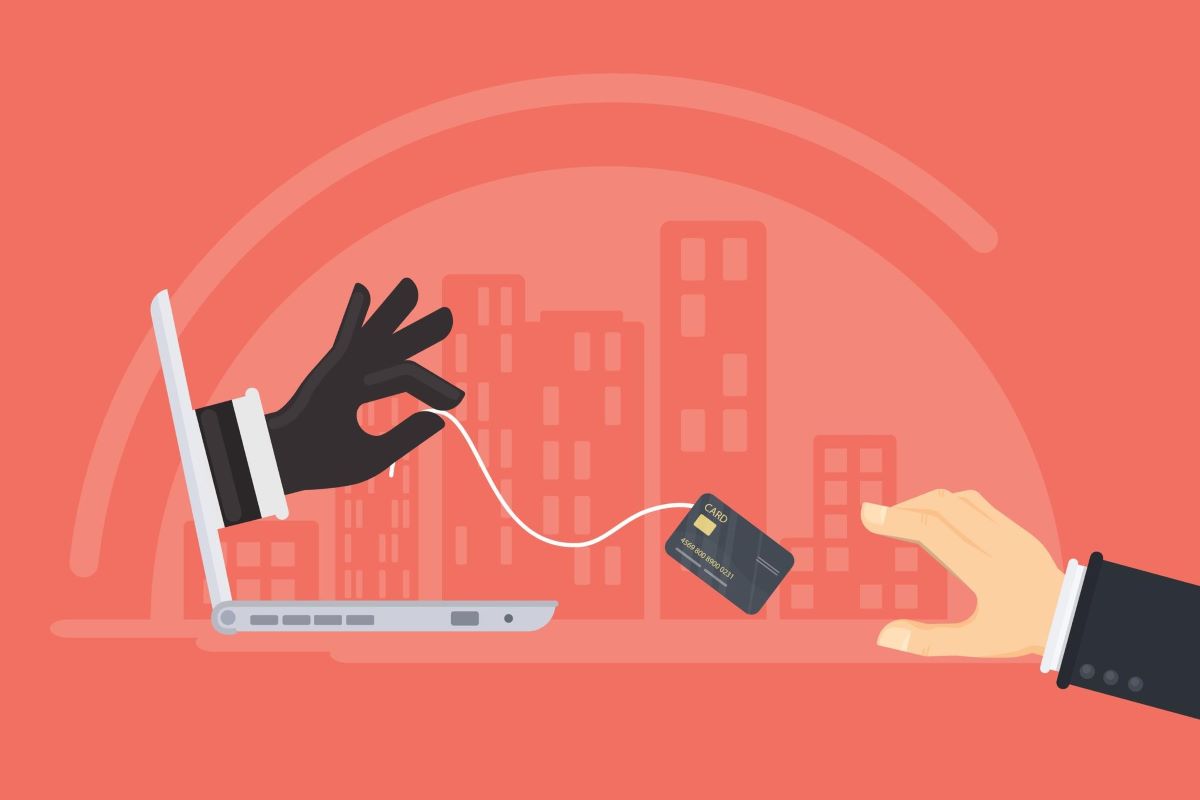
Social media users in Armenia are warning of a growing number of phone scams. In one reported case, a woman received a call from a foreign number offering to “activate 5G internet.” After agreeing, she was told to follow a set of instructions and, at the end, to restart her mobile phone. When she did so, she discovered that the money on her bank card had disappeared — and that two loans had been taken out in her name.
“Do not answer numbers starting with +421 or +370. Do not agree to any offer to connect to 5G. Just hang up,” she wrote on social media.
Information security expert Artur Papyan, speaking on a local TV channel, suggested that the scammers had likely sent a configuration file. By confirming it, the victim unknowingly granted them access to her phone.
Papyan stressed the need for extreme caution — especially when someone calls claiming to represent a bank or a service provider and insists that an issue must be resolved immediately.
“They usually say, ‘This is the bank’s security department (or your mobile operator). You must do exactly what we tell you right now.’ They pressure you so you don’t have time to think,” he explained. “Then they instruct you to perform strange actions — for example, to open a file they’ve sent or to follow a link. After that, they ask you to fill in your bank card details.”
Papyan believes that in most cases involving ordinary users or businesspeople, these scams are motivated by extortion. However, he does not rule out the possibility that some incidents could have political undertones.
- Armenian security services say attempted coup foiled, release evidence
- “Silence the enemy’s voice”: Protesters in Armenia demand shutdown of Russian TV channels
- “No one has the right to threaten Armenia”: Pashinyan responds to statements by prominent businessman
Politicians also report scam attempts
Armenia’s Minister of labour and social affairs, Arsen Torosyan, said that a fake WhatsApp account had been created under his name, using his photo. According to him, various messages were sent from that account, including to government employees. Torosyan warned the public not to respond to such messages.
“Since I am not the only public official whose name and photo were used to create a fake account, I believe this situation should be viewed in the context of hybrid attacks against us. We must remain vigilant and resist manipulation,” the minister wrote.
Shortly afterwards, reports emerged about another fake WhatsApp account — this time impersonating Tigran Petrosyan, head of the Food Safety Inspection Body. False messages were also distributed from that account.
The agency issued a warning, saying the scammers’ goal was “to commit fraud by exploiting public trust in a government official, unlawfully obtain information protected by banking secrecy, and pressure state employees into abusing their authority in ways that harm national interests.”
Public and political figure Mikayel Nahapetyan also reported an attack on his social media accounts.
“The attackers failed to gain access because two-factor authentication was enabled. I find it unlikely that my WhatsApp, Telegram and Facebook accounts were all targeted accidentally. Clearly, this was an attempt to gain control of my pages, access certain information, or maintain continuous monitoring,” he said.
Authorities take steps to identify those behind fake profiles
Following the statements by officials, Armenia’s National Security Service (NSS) issued a warning about coordinated attacks on online applications. The agency reported that a large number of fake accounts had appeared across various platforms — particularly on WhatsApp — exploiting public trust to deceive users.
According to the NSS, the possible objectives of the scammers include:
- obtaining information protected by banking secrecy,
- manipulating employees of state institutions to act against government interests,
- coercing public servants into actions or inaction related to their official duties,
- and collecting information while posing as government officials.
The NSS stated that all such incidents remain under constant supervision, adding that measures are being taken “to identify the individuals believed to have committed these crimes and bring them to justice.”

Commentary
Information security expert Artur Papyan explained that phone scammers generally pursue two main objectives:
“In the case of high-ranking officials, experts, or journalists, the political motivation is clear. For ordinary people and businesspeople, we are dealing primarily with extortion.”
According to Papyan, scammers have increasingly been using artificial intelligence to manipulate and replicate the voices of well-known individuals.
When it comes to foreign phone calls, they typically aim to accomplish the following:
“First, they simply check whether a number is active. They try to open an account using that phone number. If they find that the number is ‘empty’ or inactive, they can register it as a new, zero-status account.”
He also noted that scammers might attempt to buy time during a call in order to “steal” messages received on that number in real time.
Papyan warned that anyone receiving a call from an unknown foreign number should avoid sharing passwords, personal information, or bank card details. The most important advice is not to follow any instructions. He recommends simply ending the call, verifying the source independently, and enabling two-factor authentication across all mobile applications.
Follow us – Twitter | Facebook | Instagram
Phone scams in Armenia