
Day: October 25, 2025
For decades, Armenia has faced economic isolation, trapped by closed borders and limited access to international markets because of its stubborn stance in foreign policy. But a recent decision by Azerbaijan to open its territory for transit cargo is changing that narrative, offering Armenia a path toward new opportunities and signaling a real step toward peace. Naturally, the progress has sparked a flurry of reactions. Perhaps most intriguing is the response from Moscow, which has drawn considerable attention from analysts and policymakers alike.
German media have reported that several family members of Zelimkhan Khangoshvili, a Georgian citizen of Chechen descent who was assassinated in Berlin in 2019 by a Russian hitman, were deported from Berlin airport to Tbilisi.
Deutsche Welle reported that Khangoshvili’s brother, Zurab, and his family were among 48 persons deported from Berlin on a charter flight to Tbilisi. According to DW, which cited Khangoshvili’s relatives, early on October 23, police in the town of Wünsdorf, Brandenburg, “broke down the door to the apartment where Zurab Khangoshvili lived […] confiscated the family members’ cell phones, put them on buses, and took them to Berlin Airport.”
The outlet further said the brother of the assassinated Georgian “moved to Germany from Sweden about three years ago and feared for his safety.” Another German agency, Tagesschau, reported on October 25 that Zurab Khangoshvili, like his brother, was not granted asylum, and that a court in Potsdam had also rejected urgent applications against deportation “without further justification.”
Khangoshvili, also known as Tornike Kavtarashvili, was gunned down in broad daylight in Berlin’s Kleiner Tiergarten Park on August 23, 2019. In 2021, a German court found Russian citizen Vadim Krasikov guilty of murder and sentenced him to life imprisonment, and said that the killing had been ordered by the Russian government. Krasikov was later included in a high-profile 2024 prisoner swap between the United States, Germany, and Russia, which secured the release of several Russian opposition figures and Wall Street Journal reporter Evan Gershkovich, among others.
Hailing from Georgia’s Pankisi Gorge, Khangoshvili participated in the Second Chechen War, as well as in the 2008 August Russo-Georgian War, fighting against the Russian forces. He survived an assassination attempt in Tbilisi in 2015 and fled to Germany afterward.
According to Tagesschau, the deported family members “fear for their safety” in Georgia, noting that Zurab Khangoshvili “was also involved in the fight against Russia, and uninvolved family members are also being persecuted in revenge.” The outlet cited, among others, “mounting reports of cooperation between persons associated with Russian secret services and the Georgian leadership, which is currently cracking down hard on demonstrators and critics.”
In a separate report, Tagesschau noted that those deported to Georgia constituted the second-largest group of deportees from Germany during the first nine months of 2025, amid a rise in overall deportations. According to the outlet, of the 17,651 people deported between January and September, the highest number – 1,614 – were sent to Turkey, followed by 1,379 to Georgia.
Also Read:
- 14/08/2024 – Swapping FSB Hitman Krasikov Sends a Confusing Signal to Georgia
- 17/12/2021 – Georgian MFA on German Court’s Ruling over Khangoshvili Murder
- 15/12/2021 – Khangoshvili Murder Ruling: Berlin Expels 2 Russian Diplomats
- 31/08/2020 – Khangoshvili Murder: Independent Investigation Identifies Suspected Accomplice
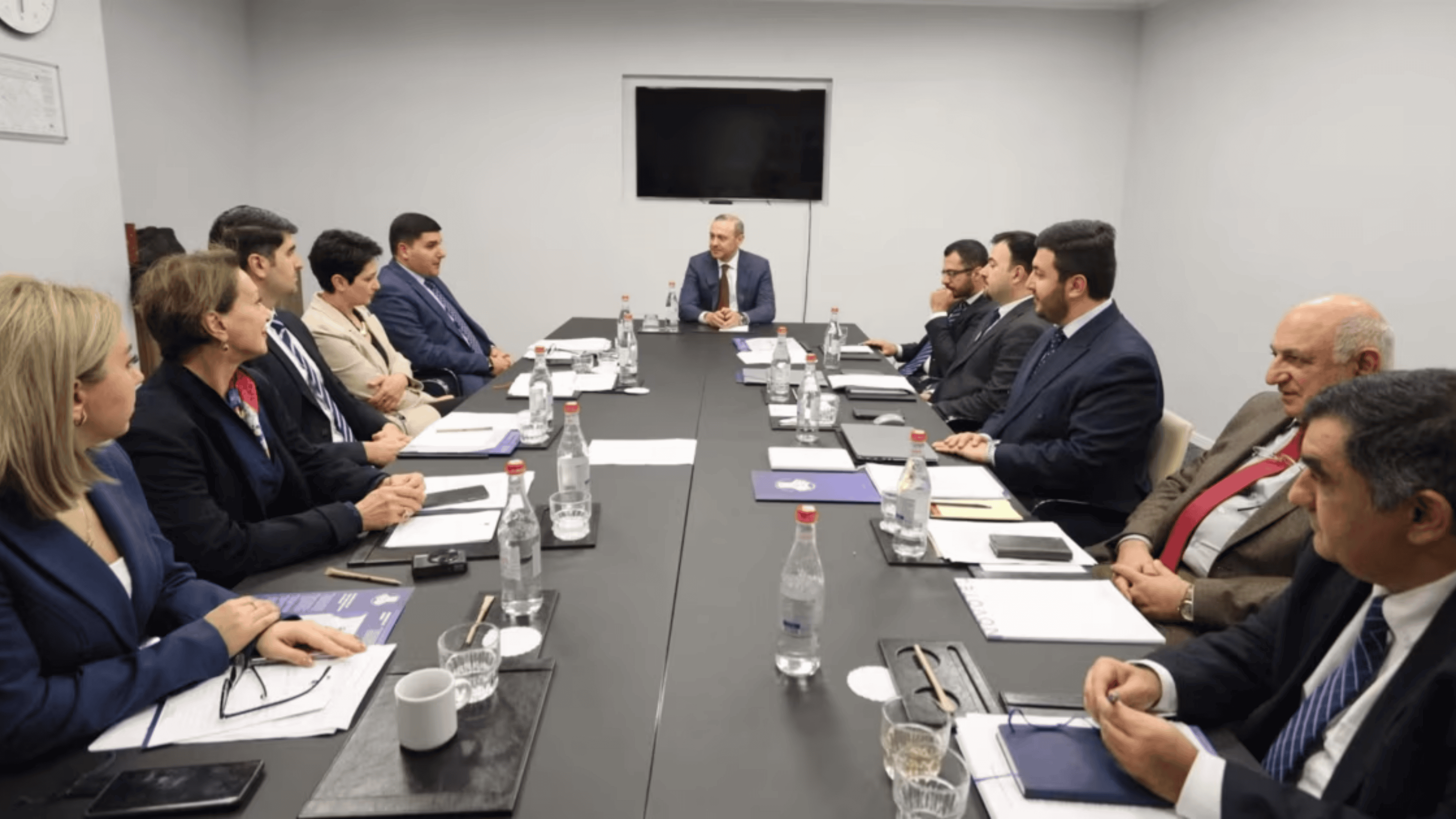
Meeting of Azerbaijani and Armenian NGOs
Representatives of civil society from Azerbaijan and Armenia who took part in a unique meeting held in Yerevan on October 21–22 – the first in more than 30 years of conflict between the two countries – said that the goal of the “round table” was to rebuild trust between the peoples and discuss the role of civil society in the peace process.
However, many independent Azerbaijani experts say that the composition of the participants, at least from Azerbaijani side, and the conditions of the meeting raise doubts about the real impact of this process. JAMnews spoke with several of these experts — their comments are below.
From Azerbaijan, participants included Farhad Mammadov, head of the Center for South Caucasus Studies; Rusif Huseynov, director of the Topchubashov Center; Ramil Iskenderli, chairman of the board of the National NGO Forum; Kamala Mammadova, editor-in-chief of the First News portal; and Dilara Efendiyeva, head of the Center for Women, Peace and Security.
From Armenia, participants included Areg Kochinyan, Boris Navasardyan, Naira Sultanyan, Narek Minasyan, and Samvel Meliksetyan.
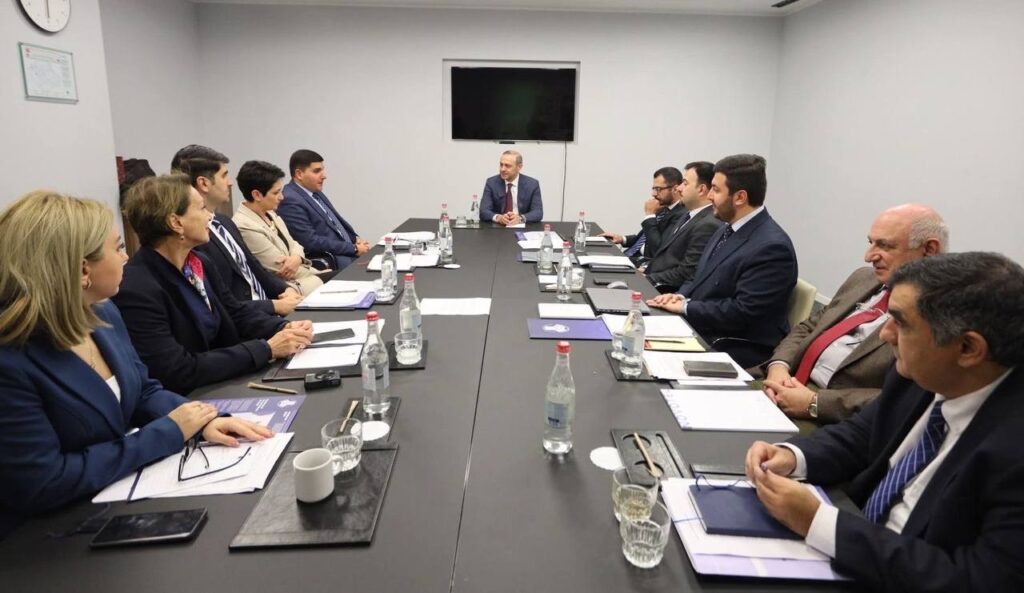
Participants of the meeting: “The goal is to determine how civil society can support the peace process”
Rusif Huseynov, Director of the Topchubashov Center, told Radio Azadliq that the aim of the meeting was to develop a mechanism for public support of the peace process:
“It’s important to define how civil society can contribute to the peace process and help ensure its sustainability. We plan to carry out joint projects on various topics and hold regular meetings in the future. New experts, analysts, journalists, and other NGOs should join the process to make it more effective.”
From Armenia, the meeting included Boris Navasardyan, head of the Yerevan Press Club, who said the initiative was aimed at restoring informal channels of communication beyond official diplomacy:
“Since this format of meeting is being held for the first time, it’s too early to assess its real impact. What matters is that the views of the civil sector on the peace process reach decision-makers in both Baku and Yerevan.”
Navasardyan added that the meeting’s agenda covered key issues of Armenian–Azerbaijani relations:
- Signing of a final peace agreement
- Border delimitation
- Opening of transport communications
- Humanitarian issues related to missing persons
- Restoration of contacts in border regions

Independent experts’ view: “People’s diplomacy under control”
Human rights defender Arzu Abdullayeva, long known for her peace initiatives, believes that the effectiveness of the meeting depends on a balanced composition of participants and a focus on reconciliation-oriented topics:
“The main goal is to influence public perceptions and eliminate hostile rhetoric. Both sides have been stigmatized, and now it’s necessary to develop ways to overcome these stereotypes.
If civil society and the government do not work together and in coordination, there will be no real results.”
Conflict analyst Arif Yunus, meanwhile, views the meeting as an example of “controlled people’s diplomacy.” According to him, since independent civil society in Azerbaijan has been dismantled, such initiatives are largely formal:
“Independent journalists and NGO representatives should take part in these meetings — but they are either in prison or have been forced to leave the country. That’s why these processes cannot build genuine trust.
This meeting is more of a symbolic exercise, kept under the authorities’ control.”
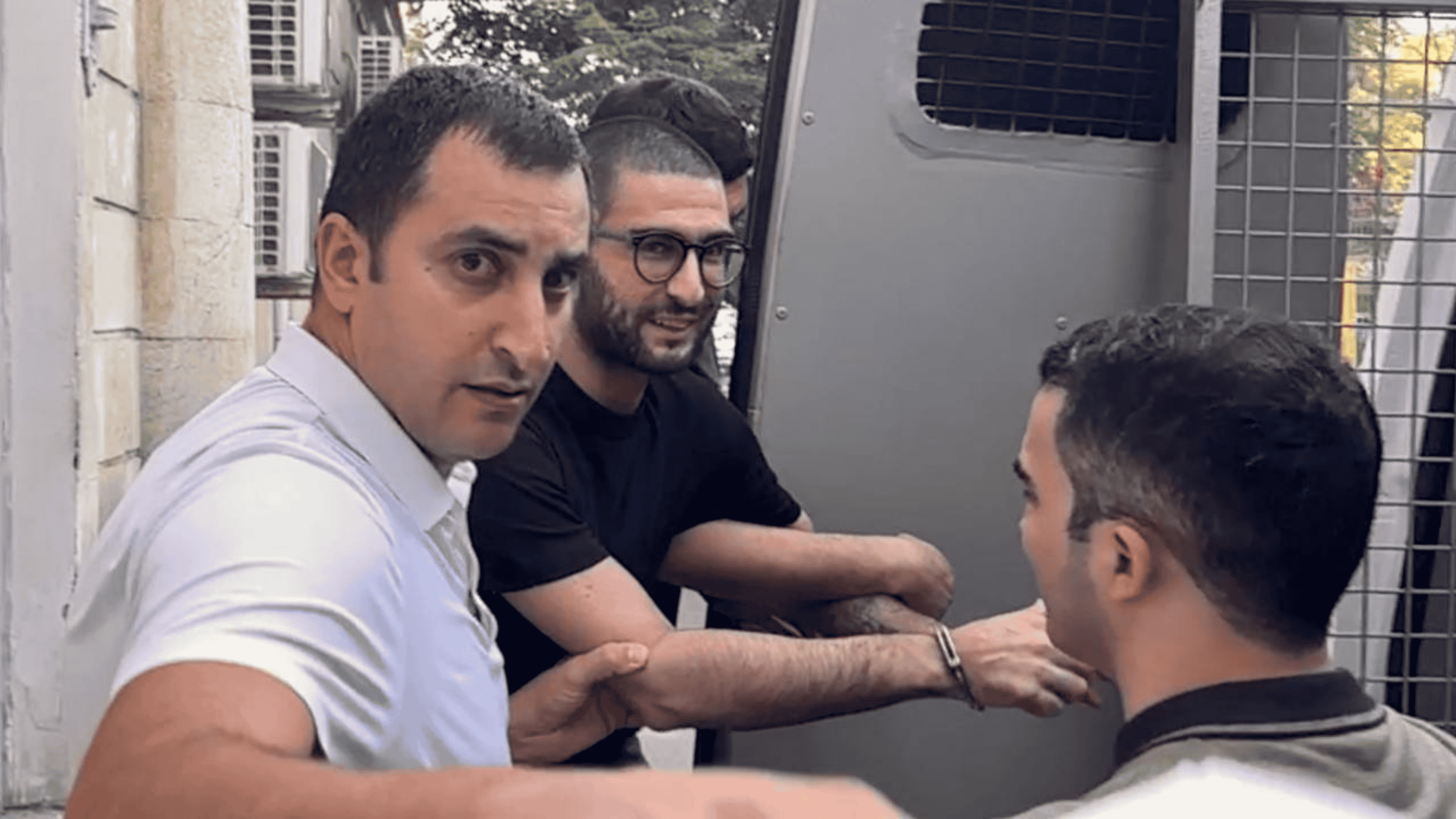
Context: Arrests, control, and a shrinking civic space
Over the past two years, around 50 journalists, NGO leaders, and civil activists have been arrested in Azerbaijan on various charges. The authorities claim they committed crimes, but international organizations view these arrests as politically motivated.
In August this year, Azerbaijan and Armenia initialed a peace agreement. The document envisions condemning ethnic hatred and discrimination, implementing confidence-building measures, and restoring channels of mutual communication.
Experts say these provisions will only be effective if all segments of society are genuinely involved in the process – including journalists, independent experts, women’s and youth organizations, and residents of border regions.
The sustainability of the peace process depends not only on intergovernmental agreements but also on reducing public hostility and fostering mutual empathy.
Independent experts agree that the participation of independent voices is crucial.
Otherwise, such meetings will remain merely symbolic gestures in history.
News in Azerbaijan
Inicio Si es la primera vez que usas YouTube o no has iniciado sesión todavía, en la página Inicio aparecerán los vídeos más populares de YouTube. Cuando inicies sesión y empieces a ver vídeos, en la página Inicio se te mostrarán vídeos recomendados en función de tus preferencias y de tu actividad en YouTube. Más información sobre cómo gestionar las recomendaciones Si quieres …