Relations between Azerbaijan and the EU
At a meeting in Baku, the Italian president said Italy fully supports Azerbaijan’s cooperation with the European Union and considers Baku a reliable partner. Hungarian Prime Minister Viktor Orbán, meanwhile, called Azerbaijan the EU’s “golden reserve.”
These statements came as Azerbaijan was suspended from the Parliamentary Assembly of the Council of Europe. Open backing from Italy and Hungary shows that Azerbaijan is not isolated at the European level. On the contrary, due to energy and geopolitical interests, the country’s ties with Europe continue to expand.
Observers say this support could lay the groundwork for Azerbaijan’s eventual return to PACE, as key EU states are not interested in a complete cutoff and instead regard Azerbaijan as a strategic partner.
Exclusion from PACE
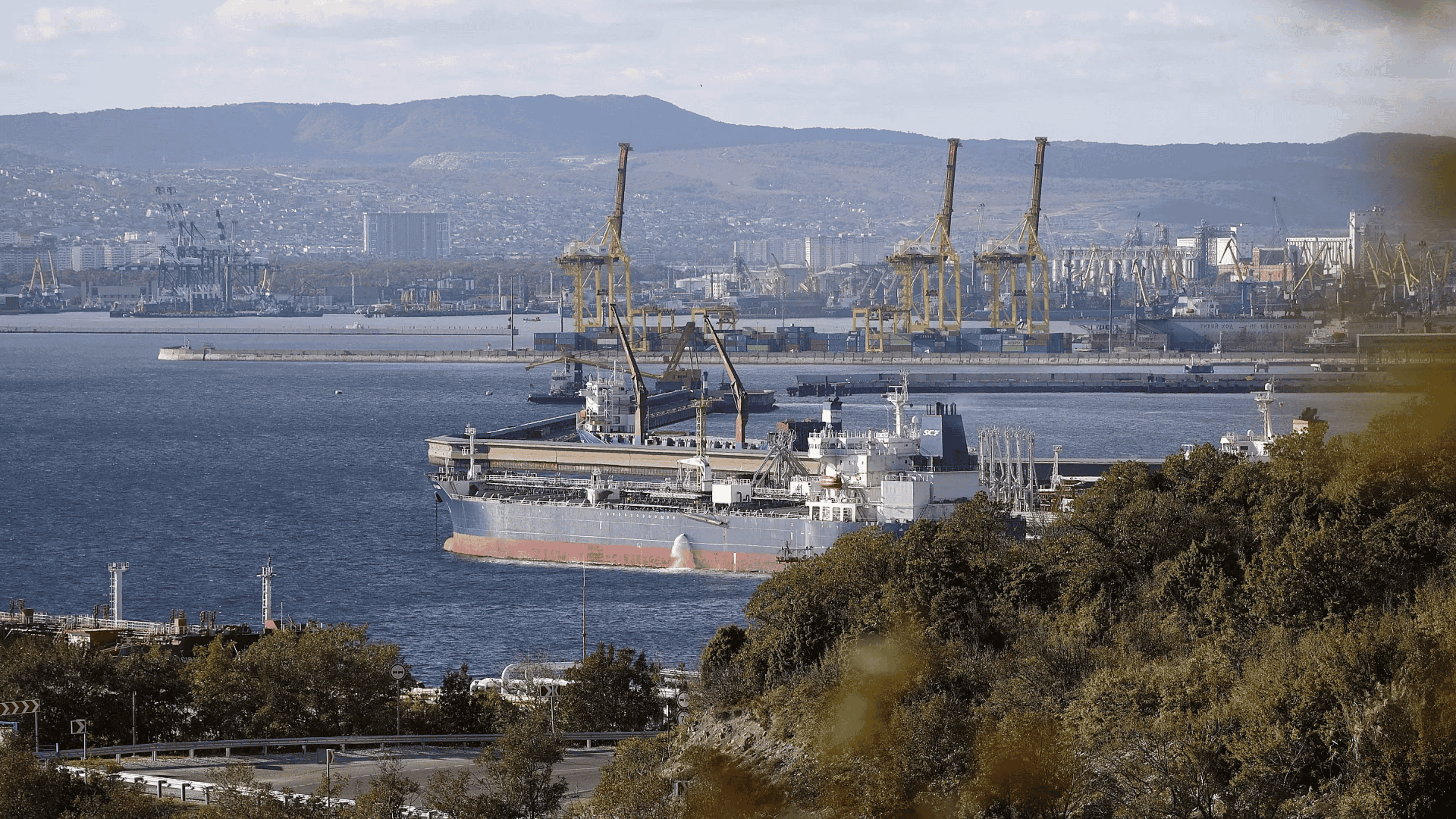
Since January 2024, PACE has refused to recognise the credentials of Azerbaijan’s delegation. The Assembly noted that over 20 years of membership, Azerbaijan had “failed to fulfil its core obligations,” citing “serious concerns” over the conduct of democratic elections, and the independence of its legislature and judiciary.
PACE also recalled past resolutions condemning the blockade of the Lachin corridor during the Nagorno-Karabakh crisis and the September 2023 military operation, highlighted human rights issues, and stressed Azerbaijan’s low level of cooperation with the Assembly.
In response, Azerbaijani authorities accused PACE of applying “double standards,” calling the decision “biased” and accusing the Assembly of “Azerbaijanophobia and Islamophobia,” announcing the country’s withdrawal from the organisation.
Baku emphasised that, following the restoration of Azerbaijan’s territorial integrity, such PACE statements are “pointless and reveal double standards.”
Message from Italy to Baku: could Azerbaijan return to PACE?
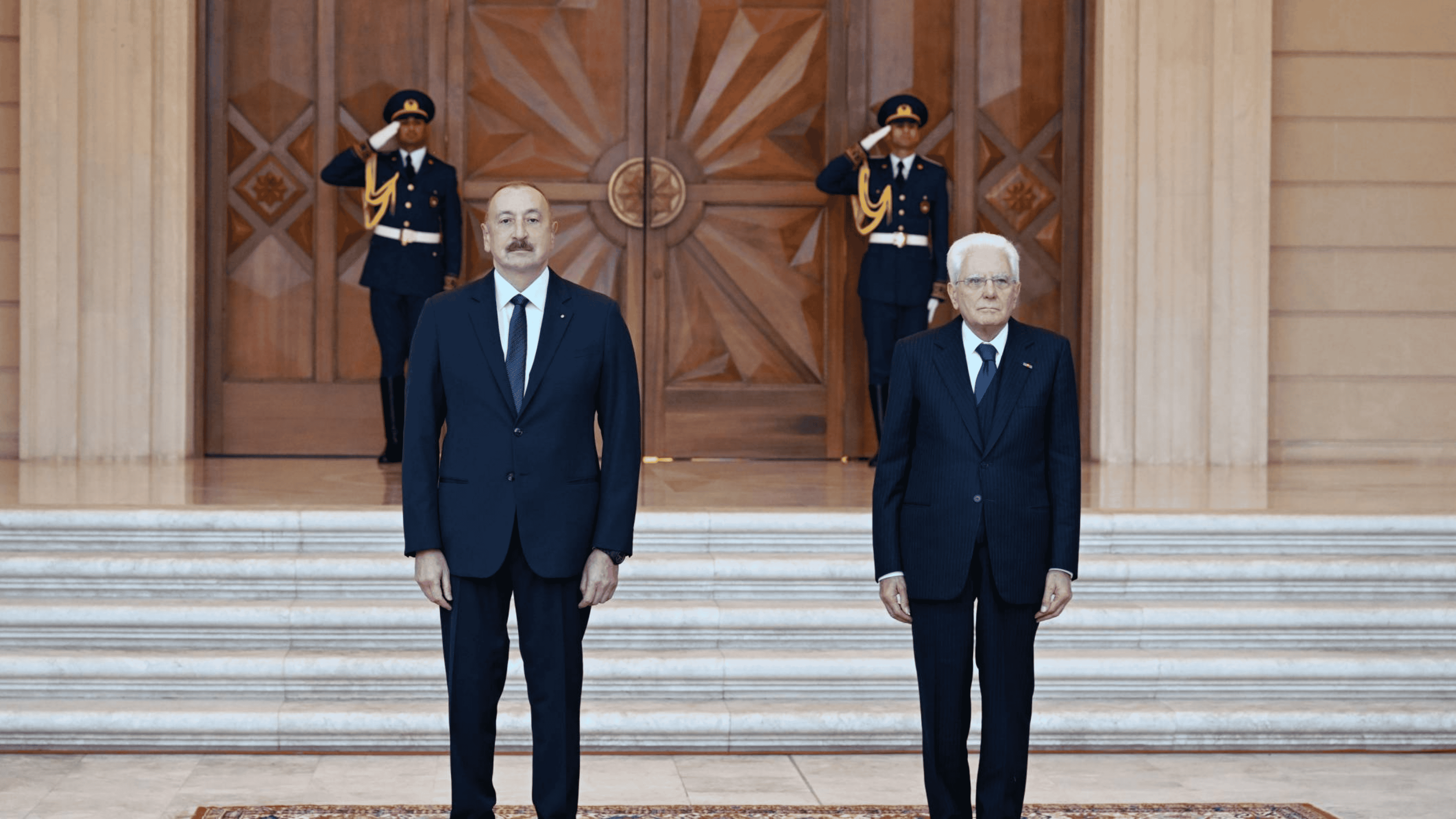
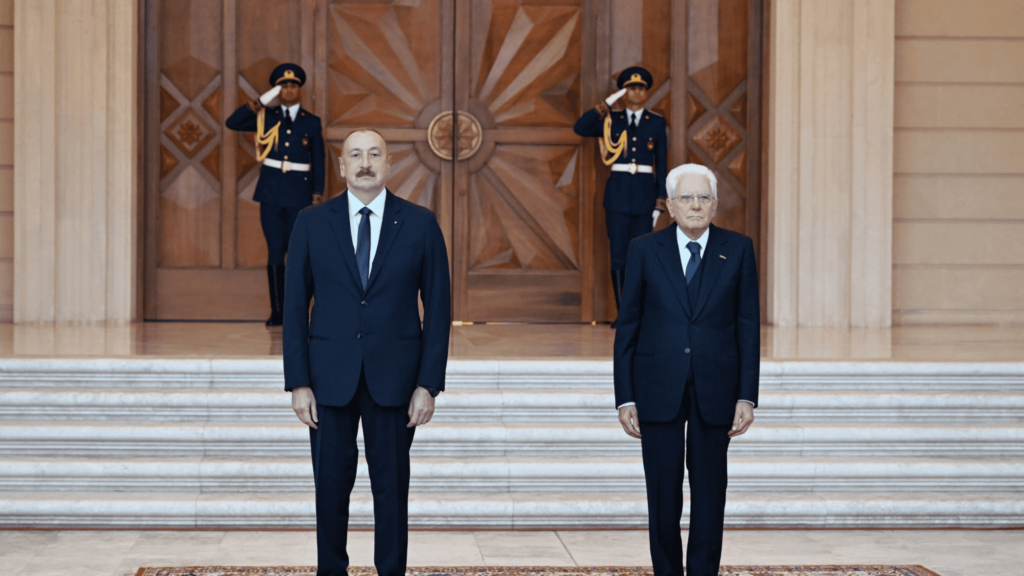
At a meeting in Baku, Azerbaijani President Ilham Aliyev and Italian President Sergio Mattarella made joint statements to the press. Mattarella emphasized that “Italy fully supports the strategic partnership with Azerbaijan” and noted that cooperation goes beyond the economic sphere.
He said collaboration should expand into energy, transport, education, and culture.
The Italian leader highlighted Azerbaijan’s role in the Trans Adriatic Pipeline (TAP) project and pointed out that Italy is a major importer of Azerbaijani oil. He also stressed that Italy would take concrete steps to deepen its relations with the European Union:
“Azerbaijan is a highly respected partner, and the EU recognizes this. Our cooperation will cover new areas and serve the well-being of our peoples. This is precisely why I came to Baku.”
Hungarian Prime Minister’s Remarks
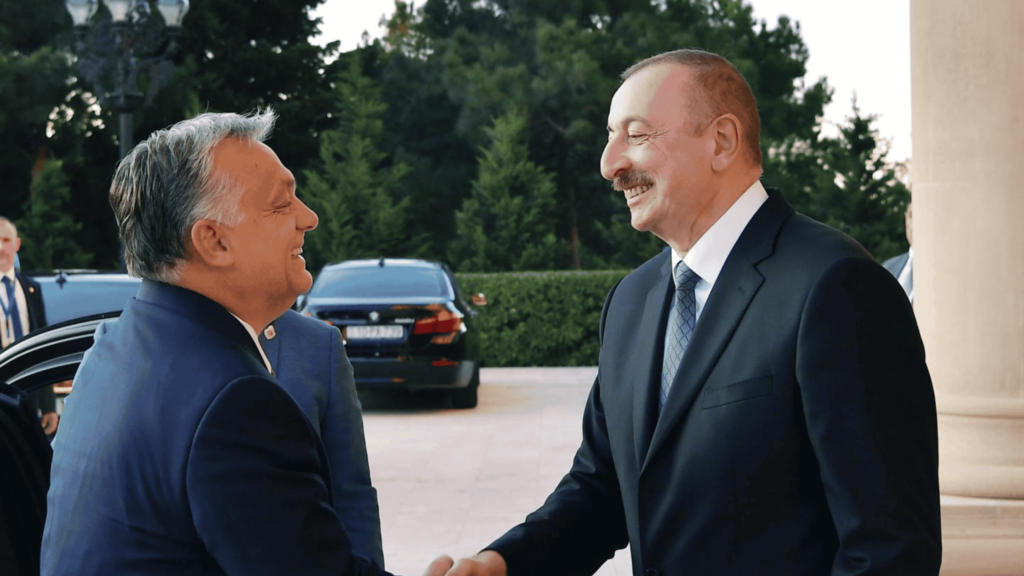
Hungarian Prime Minister Viktor Orbán said Europe is facing serious challenges in energy security, while Azerbaijan has both rich natural resources and stable, strong leadership.
Orbán’s description of Azerbaijan as a “golden reserve” is more than a compliment; it reflects Europe’s reality. The EU is seeking to reduce dependence on Russian gas and diversify suppliers, with Azerbaijan emerging as a key alternative.
Hungary has strengthened cooperation with Baku in the gas sector in recent years, seeing it as critical for national security. By highlighting Azerbaijan’s “stable leadership,” Orbán frames its political model as a convenient partner for Europe, contrasting with criticism of Baku in the PACE and European Parliament over human rights issues.
The statements by Orbán and Italian President Sergio Mattarella reveal divisions within the EU: some institutions focus on democracy and human rights, while others prioritise energy and security concerns. Hungary’s position clearly reflects the latter, limiting Azerbaijan’s isolation in Europe.
Away from PACE, but close to Europe?
After PACE refused to recognise Azerbaijan’s delegation, questions arose about its future ties with European institutions.
However, statements from Italy’s president may signal a new phase in Azerbaijan–Europe relations. Such political support could reopen discussions on restoring links with PACE. Italy, a leading EU country, portrays Baku as a strategic partner and openly advocates deepening cooperation.
This highlights Europe’s “values versus interests” dilemma. On one hand, Azerbaijan remains excluded from the Council of Europe, with ongoing human rights concerns. On the other, it is seen as a key partner for energy security and stability in the South Caucasus.
Italy’s support suggests that at least part of the EU prefers to see Baku not “on the sidelines,” but as an integral member of the European family.
Mattarella’s message in Baku carries weight for both energy security and diplomacy, and could mark an important step toward strengthening Azerbaijan’s European ties and potentially restoring relations with PACE in the coming years.
EU’s dilemma: values versus interests
Europe’s approach to Azerbaijan reveals a clear paradox. While Brussels officially champions democratic values, energy and geopolitical interests continue to drive closer cooperation with Baku.
Following the energy crisis of summer 2022, the European Commission signed a gas agreement with Azerbaijan: supplies to Europe were set to double, and the Southern Gas Corridor expanded to meet continental demand.
Though motivated by economic concerns, the EU’s pivot toward Baku drew criticism. The European Parliament and international NGOs highlighted Azerbaijan’s human rights issues, arguing that large-scale energy cooperation was inappropriate.
In October 2024, the European Parliament called for reducing dependence on Azerbaijani gas and suspending the 2022 memorandum. This reflects a split within the EU: energy security bodies clash with those prioritising human rights.
At the same time, EU leaders have not always unambiguously supported Baku. In early 2024, President Ilham Aliyev hinted that Azerbaijan might take tougher measures if Armenia failed to meet obligations on border delimitation. Josep Borrell condemned these statements, warning that unilateral force could trigger “serious consequences,” from political and diplomatic sanctions to limits on cooperation. Azerbaijan’s foreign ministry accused Borrell of “grossly distorting the facts.”
These disputes illustrate Europe’s dual approach: promoting conditions for peace while offering Azerbaijan strategic partnership. The EU is attempting to reconcile democratic principles and reform demands with practical interests in energy and trade.
As a result, this policy is often seen as “two-faced”: PACE and the European Parliament criticise pressure on civil society, while countries like Italy and Hungary emphasise strategic cooperation with Baku.
A new diplomatic model and its consequences
Azerbaijan has recently been pursuing a multi-vector diplomatic approach in its relations with the West. Baku’s activity is increasing at the UN, at the COP29 climate conference, and in regional organizations, while the focus has shifted from EU institutions to direct intergovernmental cooperation.
Analysts note that “EU–Azerbaijan relations are driven less by formal political alignment than by geo-economic interdependence.” So far, Azerbaijan has officially stated it does not intend to join the European Union. Cooperation is largely limited to strategic projects in energy, transport, and trade.
Over the past 15 years, the EU has become Azerbaijan’s largest trading partner, accounting for over 50% of total trade, making Baku even more dependent on Europe than some neighbors with formal integration, including Georgia.
Some results of this approach are already visible. Azerbaijan has strengthened its international standing, expanded strategic partnerships with China and the US, and hosted summits with Turkic-speaking countries as well as Turkey–Pakistan meetings. In Europe, Estonian Prime Minister Kaja Kallas’ visit this year demonstrated Brussels’ recognition of Baku as a strategic partner in energy and security. Projects such as the Southern Gas Corridor and the Middle Corridor are also attracting European investors; at the EU–Central Asia summit, €12 billion was allocated for Middle Corridor development, creating a basis for infrastructure renewal.
At the same time, this model carries risks. By distancing itself from Western values, Azerbaijan could face pressure from Western institutions in the future. Already, the European Parliament has called for reducing dependence on Azerbaijani gas, and human rights groups have appealed to UN bodies regarding political prisoners. While asserting regional leadership, Baku must balance relations among the major global powers.