Georgia’s State Security Service (SSSG) provided new details on two Ukrainian citizens detained on September 11 for allegedly transporting explosives into the country. SSSG claims they were acting under instructions from Ukraine’s Security Service (SBU). The suspects reportedly note that the device’s final destination was intended to be Russia, but the Georgian Security agency says the evidence points to a potential target in central Tbilisi, and refers to the possible link with the October 4 local elections.
SSSG First Deputy Head Lasha Maghradze said the suspects entered Georgia on September 10 in a Mercedes-Benz truck with Ukrainian license plates, after traveling through Romania, Bulgaria, and Turkey. Investigators reportedly discovered 2.4 kilograms of hexogen (RDX), a highly powerful explosive, in the vehicle.
Maghradze quoted one of the detainees as saying that employees of the Ukrainian Security Service “told him to bring this substance into the territory of Georgia and hand it over to a specific person indicated by them.” The SSSG emphasized that, according to the detainee, this instruction came directly from Ukraine’s SBU. The detainee reportedly added that the final destination of the explosive device was “supposed to be the Russian Federation,” and that it was intended for what Maghradze referred to as “Pautina 2.”
Operation “Pautina” was carried out by the SBU after approximately a year and a half of preparation in June. According to reports, the operation involved drones concealed inside mobile wooden houses and trucks, targeting sites deep inside Russia and reportedly destroying or damaging a dozen Russian aircraft.
The SSSG, however, stressed that evidence collected in Georgia points to a different scenario. “Based on the investigation and other operational materials, at this stage the only final location that appears is a residential house in Tbilisi, in the Avlabari area,” Maghradze said. “Precisely for this reason, along with other versions under investigation, active work is underway to determine whether there is any connection between this fact and the October 4 elections, as well as the plans announced by radical groups,” he added.
The reference to “plans” appears vague, but it comes in the context of SSSG detaining United National Movement’s Levan Khabeishvili. He was ostensibly detained on September 11 over his public statements offering USD 200,000 to police officers, including members of the Special Task Department, if they refused to disperse protesters and sided with demonstrators during the planned “peaceful revolution.”
The FBI and Utah authorities have released new footage showing the suspect wanted in connection with the fatal shooting of conservative activist Charlie Kirk fleeing…
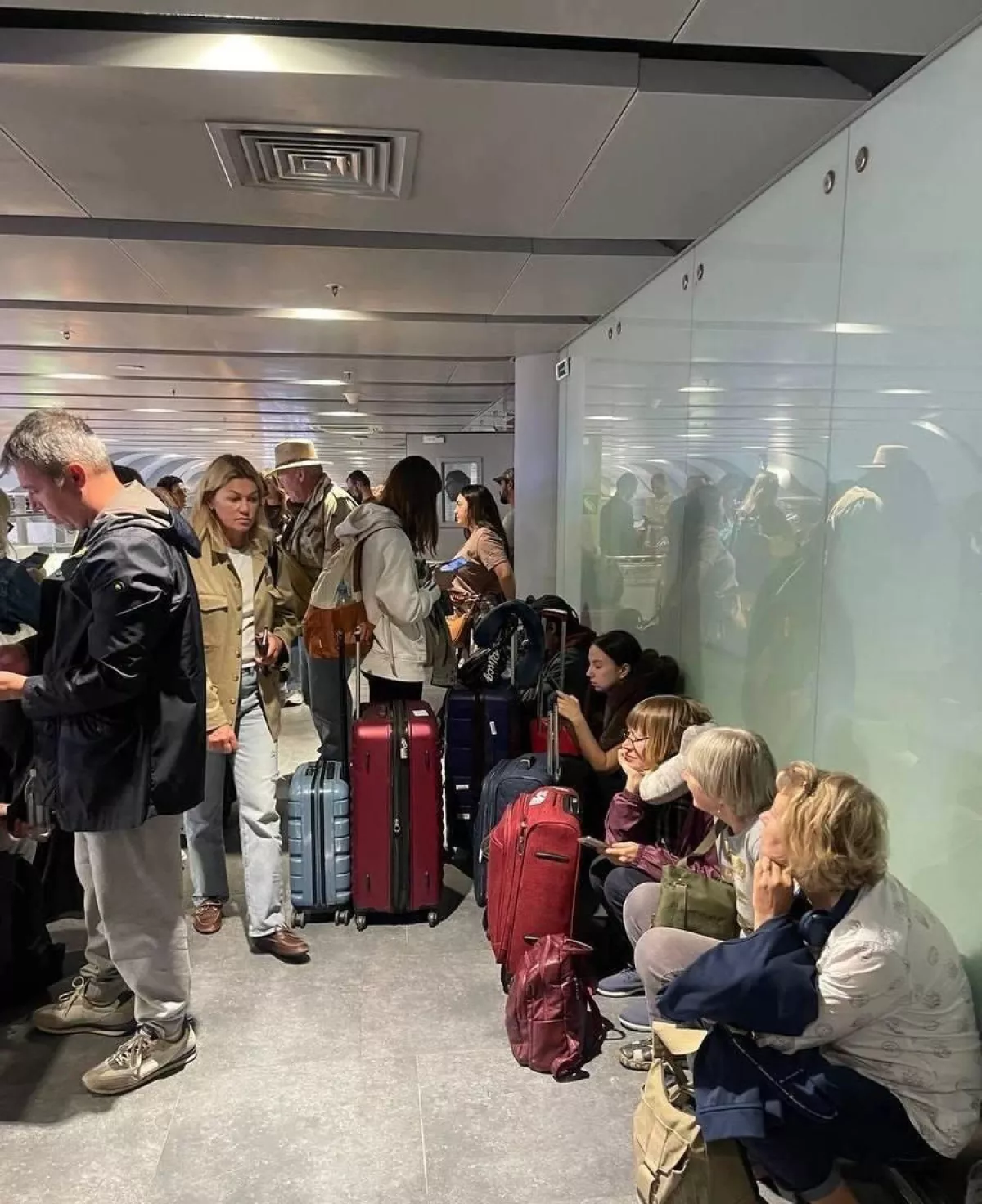
A nighttime drone attack attributed to Ukrainian forces has led to severe disruptions at Pulkovo Airport in St. Petersburg, Russia. According to reports from Russian…
A retrospective film screening dedicated to the 90th anniversary of the birth of People’s Writer, renowned screenwriter and prose author Maksud Ibrahimbayov has taken place at Nizami Cinema Center, Azernews reports.
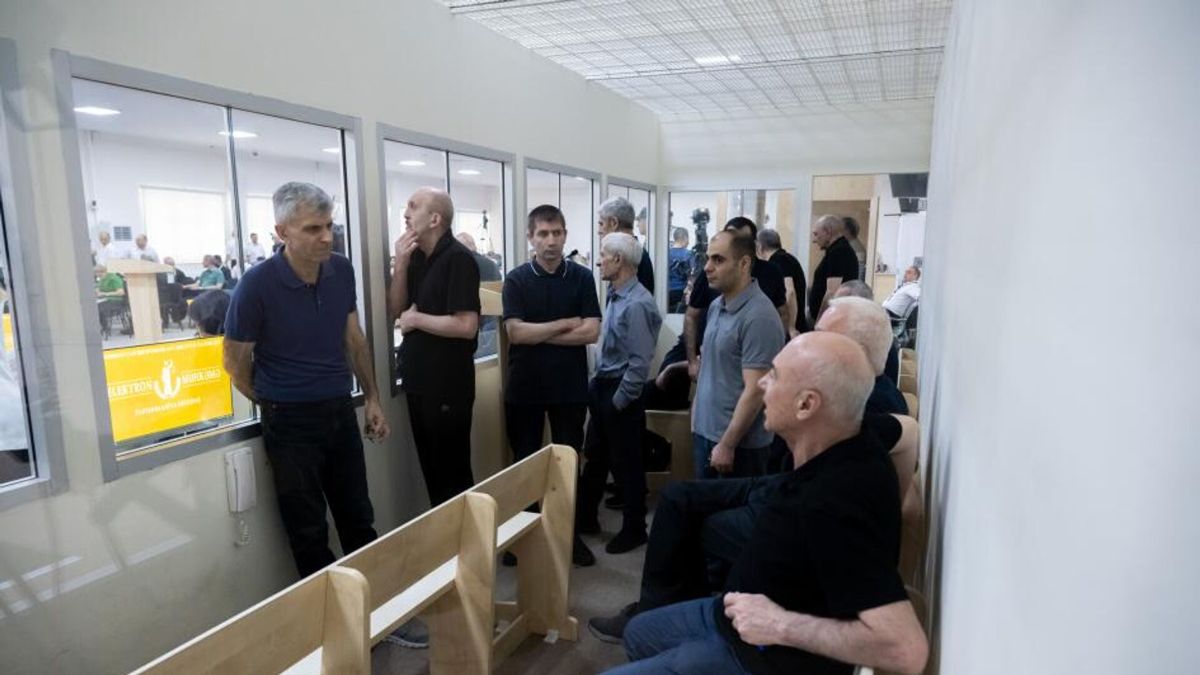
Suicide attempts and hunger strikes by Armenian prisoners in Baku
Armenian media are reporting suicide attempts and hunger strikes among Armenian prisoners held in Azerbaijani jails. News of the incidents emerged after phone calls with their families. According to reports, 46-year-old Vigen Euljekchian, a citizen of both Armenia and Lebanon, has been on hunger strike for a month in a Baku prison. His lawyer, human rights defender Luchiana Minasyan, is preparing an appeal to the Azerbaijani authorities demanding medical assistance.
It remains unclear which prisoner attempted suicide. Another rights defender, Siranush Sahakyan, told journalists only that the case does not involve the former military-political leadership of Nagorno-Karabakh. She linked the recent incidents to the halt of the International Committee of the Red Cross’s activities in Azerbaijan.
Well-known blogger Alexander Lapshin also confirmed “the dire situation of the Armenians held there,” saying he had received the information through his own channels but would not disclose sources for fear of endangering them.
Lapshin himself spent seven months in an Azerbaijani jail in 2017 after being arrested for visiting Nagorno-Karabakh. Drawing on his own experience, he said:
“The information that reaches us is only what the Azerbaijani authorities allow. All phone calls are strictly monitored by investigators, who are on the line and can cut the call if something is said that they don’t like. So if any information reaches us, it’s because the Azerbaijani authorities wanted it to.
This is pressure on Armenian society. The goal is to show that these unfortunate people — and they are, without doubt, unfortunate — are dying. Both the ordinary soldiers still held since 2020 and those arrested in September 2023 during the ethnic cleansing in Artsakh. It’s done to pressure Armenia’s leadership into making concessions.”
Armenian human rights defenders likewise believe that “Baku is using the prisoners as hostages and a tool of political pressure on Armenia.”
Below, human rights lawyer Siranush Sahakyan and Azerbaijan expert Tatevik Hayrapetyan comment on the situation of the Armenians imprisoned in Azerbaijan.
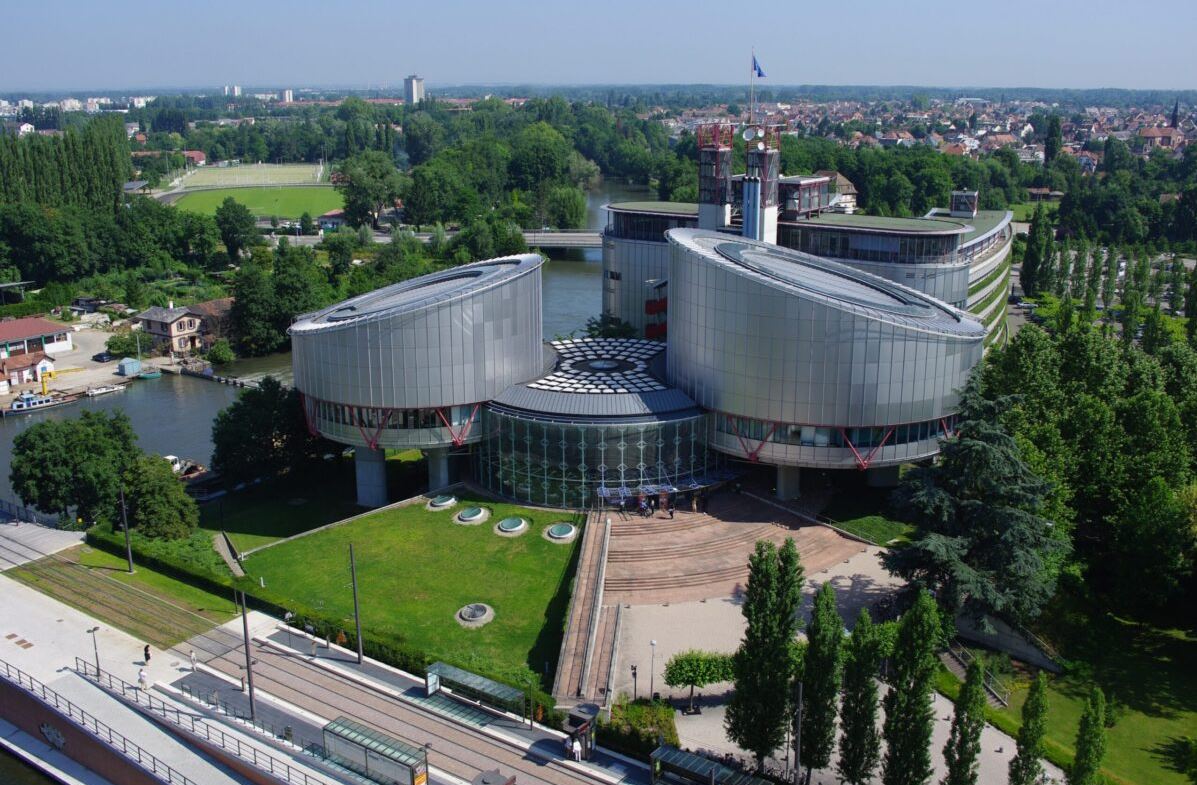
Siranush Sahakyan, human rights lawyer representing Armenian prisoners at the ECHR
Armenians have been left in complete isolation
“The ICRC used to visit Armenian detainees in Azerbaijan once every month or two. Sometimes Baku delayed permission, but after negotiations the visits usually went ahead. During those meetings, the detainees were able to contact their families. Through the Red Cross, they sent letters home and received parcels with food and hygiene items they lacked.
Direct monitoring by the ICRC was very important. It assessed the physical and psychological condition of the detainees. The organisation’s mandate does not allow it to make problems public, but they were documented and passed on to international bodies and families.
Information from the ICRC was considered reliable and neutral. Visits by its staff also had a positive effect on the families’ state of mind. Trusting the ICRC, they were relatively reassured. Unlike the false information spread by Azerbaijan, including through show trials in Baku, the ICRC’s data was credible.
Today Armenian detainees in Azerbaijan are in isolation. No international body has access to them. Entry to the country is still closed to international monitors, and anti-torture mechanisms are not functioning. There are now no channels left for obtaining objective information about the prisoners.
The last time ICRC staff met with Armenian detainees was in June 2025. Although the organisation’s work in Azerbaijan officially ended in September, from June onwards its representatives were already unable to visit them.”
“The hostage situation is clearly political and used by Azerbaijan as a tool to pressure Armenia. Manipulation is therefore to be expected. Baku keeps this issue under its jurisdiction, pointing to the absence of provisions on prisoners in the peace agreement. It decides their fate, pushing them into a humanitarian crisis in order to influence public sentiment in Armenia.
Although all communication is strictly monitored, given the prisoners’ dire condition, some may feel they have nothing to lose and disclose the truth — rather than the statements made under pressure. They may speak out during phone calls, believing their situation cannot get any worse.
All identified detainees are known to the international community. Their cases are being heard in international courts, which require Azerbaijan to provide information. There is a risk of uncontrolled actions by Baku, but its accountability to international bodies makes radical steps, such as killings, undesirable.
That said, nothing can be ruled out, since there are confirmed cases of torture and killings of Armenian prisoners. These are under investigation at the ECHR and the International Court of Justice. Among them are the demonstrative killings near Lake Sev Lich in Armenia’s Syunik region, and the executions in Hadrut square — all investigated as war crimes.
Sadly, it is impossible to uncover all of Azerbaijan’s war crimes. But today more than 30 cases involving the killings of prisoners are under investigation, alongside cases of executions and of torture and killings of Armenians in Azerbaijani prisons.”
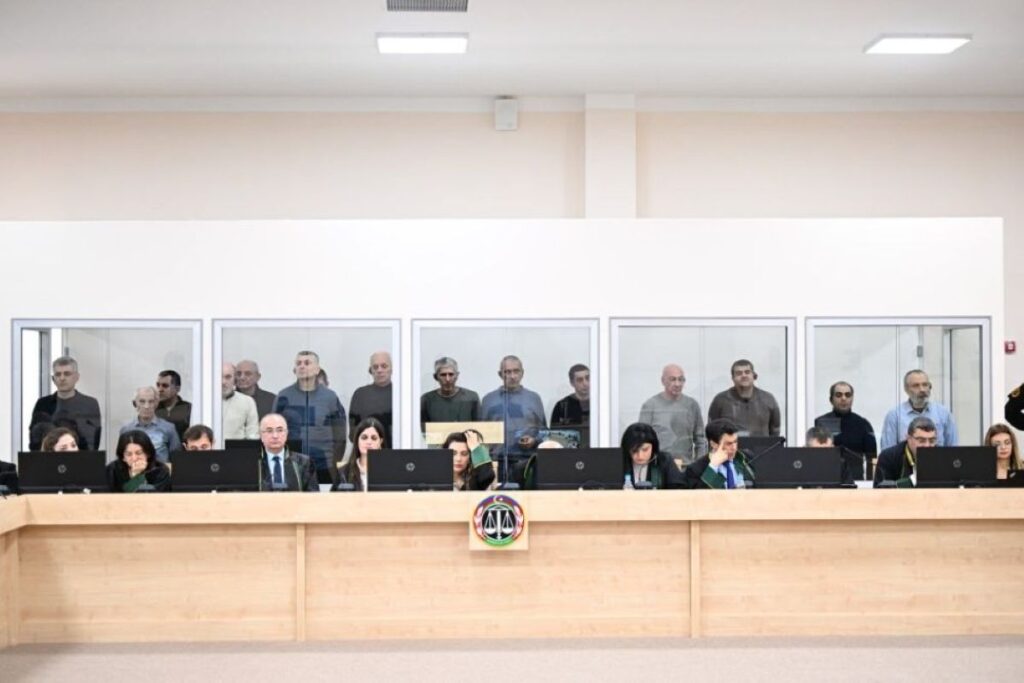
Trial in Baku
The interests of international actors may shift
“Azerbaijan today does not fear international pressure too much, since it shares common interests with global players, and the geopolitical reality works in its favour. But the authorities in Baku are concerned about evidence of war crimes, which in a different geopolitical context could become a threat to the Aliyev family. This explains the clear effort to leave no trace of those crimes.
It is this fear of international courts — which could expose the scale of actions against Artsakh and Armenia — that explains why Aliyev has demanded the withdrawal of international lawsuits as a condition for normalising relations between the two countries.”
“Armenian prisoners and the high-profile trial in Baku have become powerful tools in Aliyev’s hands for anti-Armenian propaganda and incitement of hatred. Even after the Washington agreements, where both sides pledged not to stir hostility, Aliyev returned home and immediately insulted Armenians, calling them ‘enemies’ and a ‘sick society’. He continues to demand changes to Armenia’s constitution, even though that is an internal matter.
Headlines about the show trial in Baku build myths of horrific crimes supposedly committed by Armenians against Azerbaijan, relying on absurd testimony.
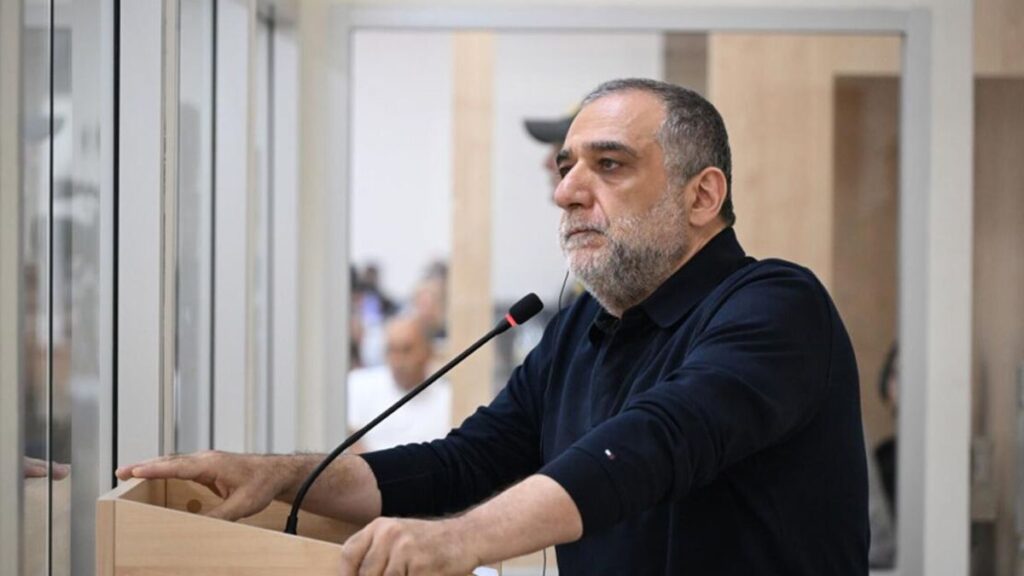
For example, in the case of Ruben Vardanyan, witnesses speak of ‘crimes’ from the 1990s — even though Vardanyan had no connection with Artsakh at that time.
The Russian businessman of Armenian origin announced on 1 September 2022 that he was renouncing Russian citizenship and moving to Nagorno-Karabakh. Before that, he had never lived there, held no posts and had no power to make decisions.
Ruben Vardanyan
Azerbaijan makes no attempt to hide such fabrications. The trial is taking place without international journalists or observers, despite claims of “openness.”
Aliyev is using the prisoners as leverage against Armenia. In Bakinsky Rabochiy, a newspaper founded by the Presidential Administration of Azerbaijan, an article openly stated that “the prosecutor’s indictment is directed against Armenia.”
TASS: Kirk’s murder tip of iceberg in U.S. domestic politics
The death of 31-year-old Charlie Kirk, one of the founders of the conservative student organization Turning Point USA and a supporter of Donald Trump, has become a new symbol of internal division in the U.S., writes Russian political analyst Alexandra Voitolovskaya in her article for TASS. According to her, Kirk was actively involved in promoting right-wing ideas among young people, hosted a radio show, participated in university tours, and criticized liberal values, which, in his opinion, were destroying the traditional way of life in American society. The author notes that Kirk’s activities reflected the overall growth of the far-right movement, which is supported by major donors, businesses, and political elites associated with the Republican Party. Against this backdrop, polarization in the country is intensifying, society is increasingly divided into two camps, and the upcoming midterm elections and the 2028 presidential campaign are seen as turning points, the author emphasizes (TASS).
Intended effect
The article portrays Kirk’s death as an indicator of the growing crisis in the American political system, where ideological confrontation has become a part of the struggle for power. Kirk’s personality is symbolized as a “sacred sacrifice” that can mobilize the conservative electorate and strengthen Trump’s position. At the same time, the article highlights the weakness and vulnerability of the Democratic Party.
RIA Novosti: Trump sends signal to Europe from Minsk
Washington has announced its intention to return its embassy to Belarus and partially lift restrictions on the Belavia airlines. The decision was presented as an initiative of U.S. President Donald Trump, who instructed government agencies to immediately agree on this step, Russian political commentator David Narmania writes in his article on RIA Novosti. According to him, Belavia itself reacted cautiously to the news, reminding everyone of the need for official documents and the remaining restrictions from the U.S. Treasury Department. Nevertheless, as the author writes, the event sparked lively discussion: some experts viewed the White House’s actions as an attempt to win Minsk over to its side. However, it is emphasized that Lukashenko has long proven his commitment to the alliance with Russia, and the “thaw” coincided with the process of restoring dialogue between Moscow and Washington (ria.ru).
Intended effect
The article portrays the U.S. as seeking to normalize relations with Belarus bypassing Europe. It suggests that Trump’s actions are not only a diplomatic signal to Lukashenko, but also a demonstration to European allies that U.S. policy contradicts theirs. This interpretation reinforces the narrative of U.S. strategic independence and European vulnerability, which can only observe the initiatives of Washington and Moscow.
Russia Today’s local office closed in Azerbaijan
The local branch of the Sputnik agency, part of the Russia Today media group, has been closed in Azerbaijan, the country’s Foreign Ministry spokesperson Aykhan Hajizade reported. He specified that the Russian company can only count on the accreditation of one correspondent. Russia has expressed concern and is consulting with Baku: Russian Foreign Ministry spokesperson Maria Zakharova said that Moscow has communicated its position to its Azerbaijani counterparts and is counting on a mutually acceptable solution. The decision to close the representative office came shortly after the Azerbaijani authorities demanded that the Russian House in Baku cease its activities, citing the lack of legal registration and violations of the law (rbc.ru, gazeta.ru).
Intended effect
The article highlights the deterioration of working conditions for Russian organizations in Azerbaijan and demonstrates Moscow’s cautious response, which does not engage in open conflict but calls for dialogue. This approach creates the impression that Russia is seeking to maintain its influence in the region through negotiations, despite Baku’s efforts to restrict Russian organizations’ activities.
RIA: Turkish Foreign Minister calls on EU and UN to stop Israel
During the press conference in Italy, Turkish Foreign Minister Hakan Fidan called on the European Union and the United Nations to take measures against Israel to prevent the collapse of the international security system, according to RIA Novosti. His appeal was prompted by the actions of the Israel Defense Forces during Operation Summit of Fire, which targeted senior Hamas leaders in Qatar. Eyewitnesses reported a series of powerful explosions in Doha, heightening international concern about the situation (ria.ru).
Intended effect
The article emphasizes Turkey’s role as an influential actor on the international stage, seeking to mobilize the EU and the UN to put pressure on Israel. The article highlights the threat to the international security system, underscoring Turkey’s significance as a country capable of influencing global diplomatic processes and drawing attention to the regional conflict.