
In its relatively short modern history spanning nearly 35 years, the independent Republic of Azerbaijan has achieved many significant milestones. In particular, the order given by the Commander-in-Chief, Great Leader Ilham Aliyev, to the Azerbaijani Army in 2020 marked an unprecedented moment in world military history. Within 44 days, without harming any civilians, the Azerbaijani Army achieved a great victory by liberating territories that had been under occupation for 30 years, utilizing advanced military technologies.
Day: September 11, 2025
Nine international human rights organizations expressed “profound concerns” over what they called the Georgian government’s “all-out assault” on human rights and civil society groups in the country, calling on the authorities to “immediately and unconditionally” end the persecution of civil society and media groups, and on the European Union, its member states, and the wider international community to take “urgent and coordinated measures to respond to and end this crackdown.”
The signatories of the September 10 statement are Amnesty International, Araminta, Front Line Defenders, Human Rights House Foundation (HRHF), Human Rights Watch, International Federation for Human Rights (FIDH), in the framework of the Observatory for the Protection of Human Rights Defenders, International Rehabilitation Council for Torture Victims (IRCT), Protection International, and World Organisation Agaist Torture (OMCT), in the framework of the Observatory for the Protection of Human Rights Defenders.
The statement reviews the Georgian authorities’ freezing of the bank accounts of seven CSOs in August and of several funds in March under the so-called “sabotage” probe, as prosecutors claimed the groups funded protesters who committed “violent acts” against police during the 2024 protests, citing what appeared to be modest purchases of protective gear such as face masks, gas helmets, goggles and pepper spray, as well as support for protesters and their families, including by covering fines and providing free legal aid.
“The authorities blatantly misrepresent the organizations’ legitimate human rights work and falsely claim that civil society groups used their funds to endorse and sponsor protests in Georgia’s capital, Tbilisi,” the statement said.
The organizations also noted that CSO leaders were summoned by prosecutors under the “sabotage” probe, before reviewing recent Georgian Dream legislation targeting civil society, including the Foreign Agents Law, the Foreign Agents Registration Act (FARA), and amendments to the Grants Law requiring foreign donors to obtain government approval before disbursing funds to local groups.
“The adopted laws and ongoing investigations are clearly aimed at criminally penalizing and eradicating all dissent and nonconformity in the country, and go against Georgia’s international legal obligations,” the statement noted.
The statement also cited the Georgian authorities’ use of excessive force during protests, the beating of opposition figures and independent journalists by riot police and “informal violent groups associated with the authorities,” and noted that no police officer has been prosecuted despite allegations of abuse.
“While failing to take effective steps to address serious allegations of police abuse, the authorities charged and convcited dozens of protesters on spurious criminal charges of using violence against law enforcement officials, sentencing some to lenghtly prison terms,” the statement added, specifically citing the jailing of eleven protesters who were found guilty of “disrupting public order” and sentenced to two years in prison each.
The organizations said international actors have a “critical role to play” in Georgia’s human rights crisis and called on the EU and member states to publicly condemn the judicial and other harassment of civil society, use all diplomatic and legal tools at their disposal to pressure officials involved in abuses, raise the issue at the UN Human Rights Council, push for comprehensive UN reporting, invoke the OSCE Moscow Mechanism, and urgently overcome administrative blockages to provide additional funding to Georgian civil society to help them withstand the impact of asset freezes.
Also Read:
Azerbaijan-Russia trade
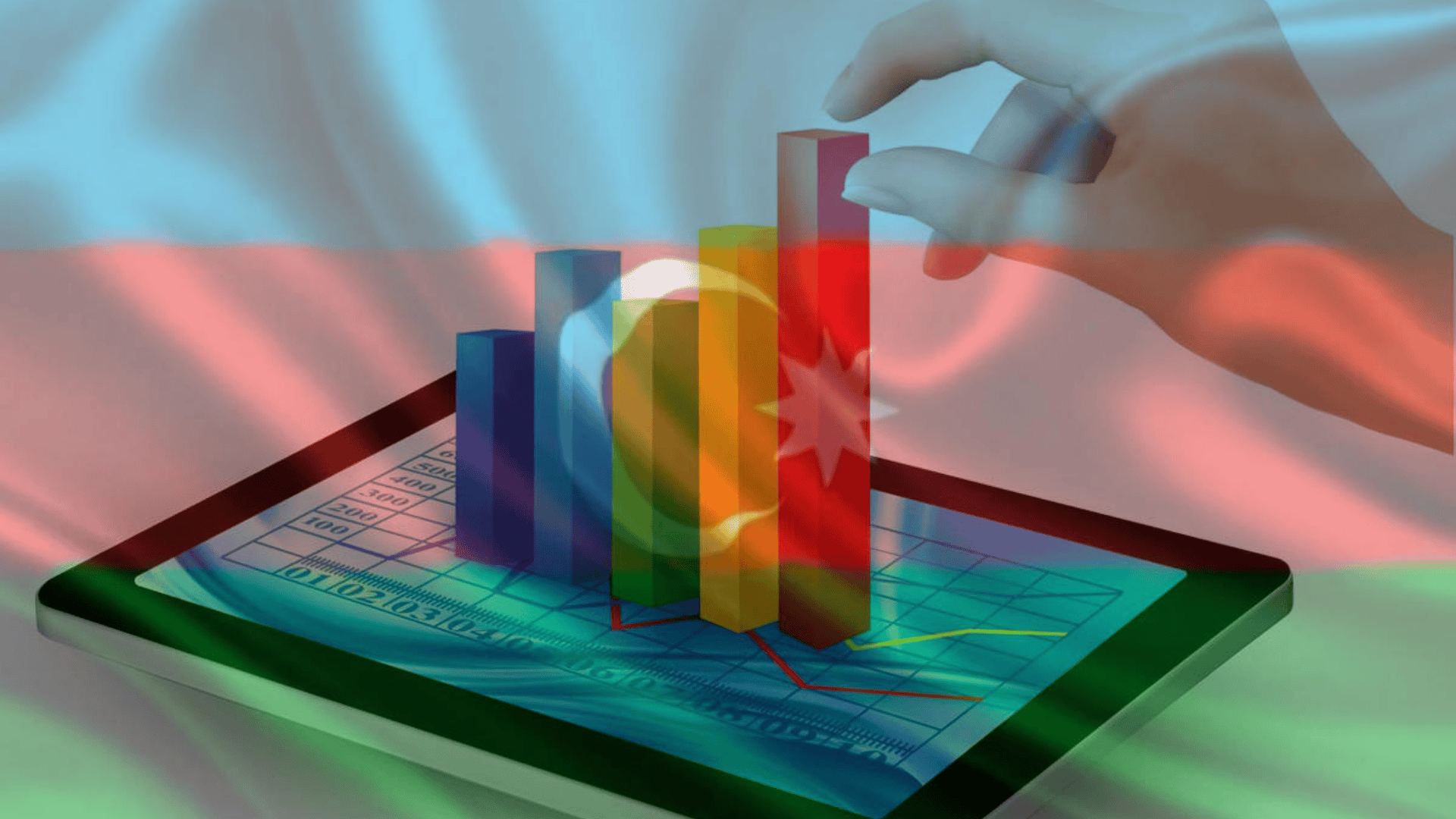
Although political relations between Azerbaijan and Russia have noticeably cooled in recent months, trade figures show the opposite trend: imports are rising sharply, while exports remain relatively weak, leaving a negative balance.
A string of incidents seemed likely to undermine trust between the two countries: the detention and deaths of Azerbaijanis in Yekaterinburg, the downing of an AZAL plane by the Russian military in December 2024, and the early withdrawal of Russian peacekeepers from Karabakh. Baku has begun openly criticising Moscow.
Yet the trade data shared by economist Toghrul Mashalli on his Telegram channel paint a different picture.
According to the data, bilateral trade in 2024 reached $4.8bn, with $3.62bn in imports and $1.18bn in exports. The trade deficit – imports exceeding exports – stood at $2.44bn.
The figures for the first half of 2025 confirm the continued growth. Turnover amounted to $2.52bn, up 16.3% on the same period last year. Imports rose 19.9% to $1.93bn, while exports reached $590.5m, a 6.1% increase. As a result, the trade deficit widened by 27%.
- Does Azerbaijan’s GDP growth mean people are better off?
- Inside Azerbaijan’s unregulated fertility market
- Azerbaijan: selective punishment for financial violations – what “culture of corruption” looks like. Opinion
The structure of trade is also clear: Russia supplies Azerbaijan mainly with crude oil, fuel, gold, wheat, steel and other industrial raw materials. In return, Azerbaijan exports mostly agricultural products – tomatoes, persimmons, hazelnuts – as well as polymers. This underlines Azerbaijan’s reliance on energy and industrial goods for imports, and on agricultural and chemical products for exports.
The data suggest that political chill has not hindered the expansion of economic ties. But growth driven largely by imports has further worsened Azerbaijan’s trade balance. Analysts say this imbalance highlights the need for the country to diversify imports and broaden its export base.
Azerbaijan-Russia trade