Soviel Mut, Kreativität und Durchhaltevermögen 🇬🇪
👇 https://t.co/PMeoGPENwv— Alexandra Herzog (@ak_herzog) September 5, 2025
Day: September 5, 2025
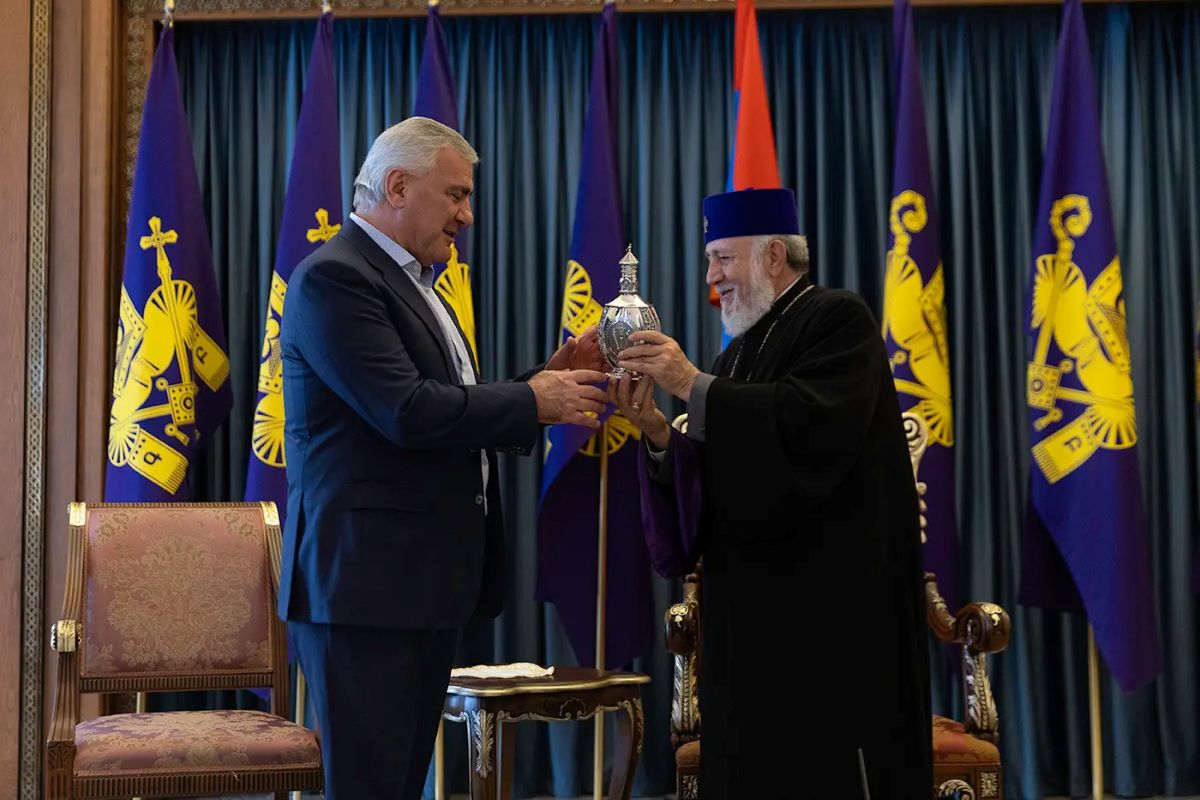
Russian influence in Armenia
Armenia is seeing intense political manoeuvring, with both the pro-Russian opposition and the authorities seeking to rally their supporters and attract new voters ahead of parliamentary elections set for June 2026. A kind of pre-election campaign has already begun well in advance.
At the same time, information campaigns and propaganda have reached a new level. Alongside familiar methods, large-scale fake news stories are being used to sway public opinion. These are often presented as articles supposedly written by well-known foreign journalists, who later deny any involvement. The stories appear on websites claiming to be foreign outlets, which in fact are created just days before publishing each new “scoop.”
Fact-checkers regularly debunk the content, and Russian involvement has already been detected in a number of publications about corruption scandals targeting the current government.
Against this backdrop, Moscow has put Sergey Kiriyenko — a crisis manager known for his experience in Abkhazia, South Ossetia, Moldova and Transnistria — in charge of handling relations with Armenia.
Analysts say Russia is facing a “unique political situation” in Armenia, where it cannot rely on traditional ties with ruling structures. At the same time, its “old guard” of former Armenian presidents has lost political weight. Public disillusionment has grown, and their initiatives — such as attempts to impeach the current prime minister — have failed. Moscow, it seems, has already concluded it should not place its bets on them.
Armenian experts note that Kiriyenko, who oversees the Kremlin’s directorate for strategic partnership and cooperation, has turned instead to “new faces” and soft power to advance Russian interests.
Robert Gevondyan, a political analyst at the Centre for Security Policy Studies, comments on who these new players are and how Moscow plans to deploy them in the upcoming elections.
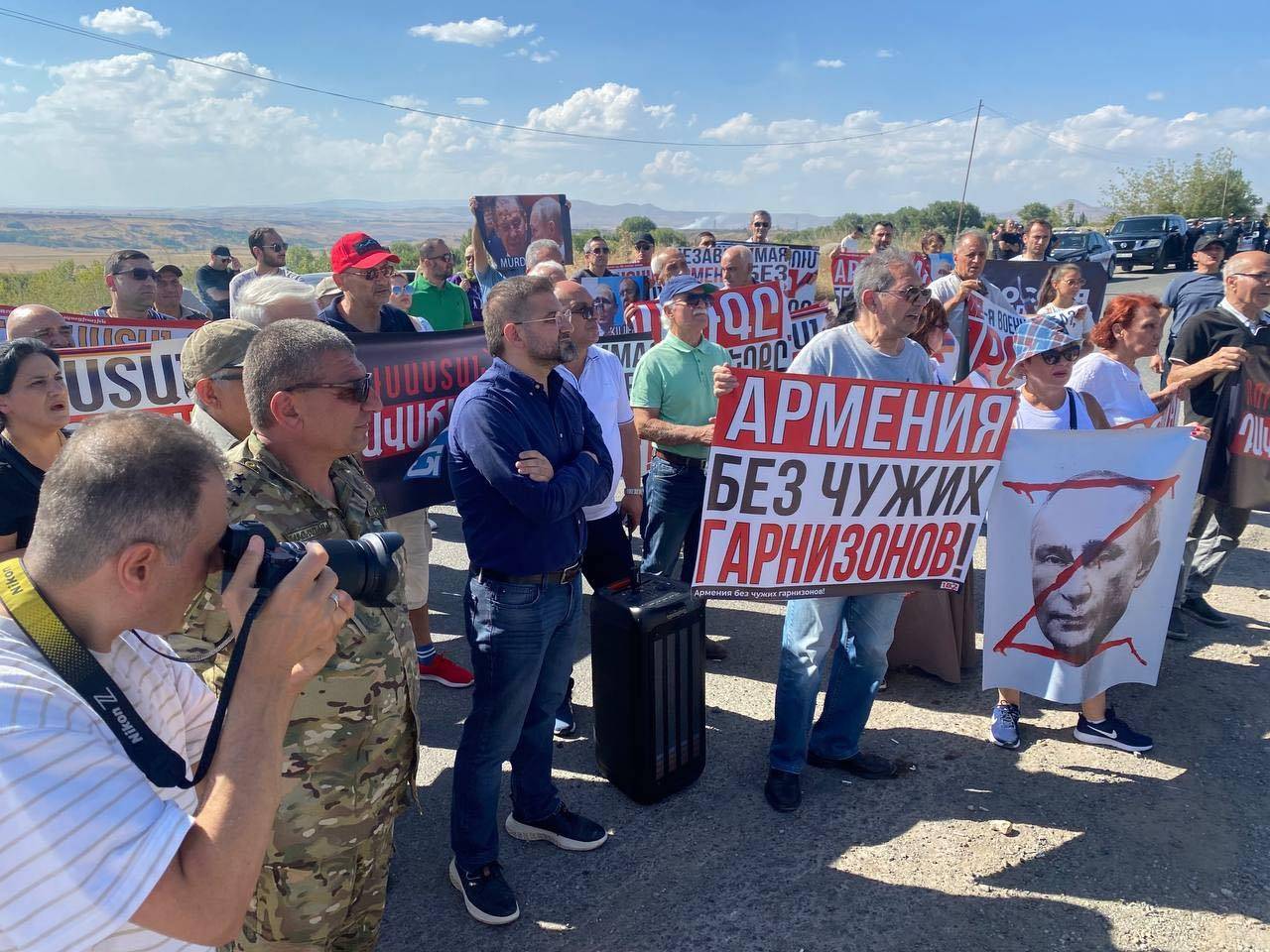
- “Armenia without Russian boots”: calls grow for withdrawal of Russian military base
- “Armenia is now in its least vulnerable position” – key points from Pashinyan’s briefing
- “Nationalisation of Armenia’s electric networks would collapse Russian influence”: Opinion
Comment by political analyst Robert Gevondyan
How Moscow uses the church to influence Armenia
“Russia has launched a propaganda campaign by exploiting the Armenian public’s special attachment to the church. Aware of the deep emotional bond Armenians have with the Armenian Apostolic Church, Moscow decided to draw the church into politics. It is no coincidence that Russian businessman Samvel Karapetyan, apparently sent to Armenia for political activity, began with statements in ‘defence of the church’.”
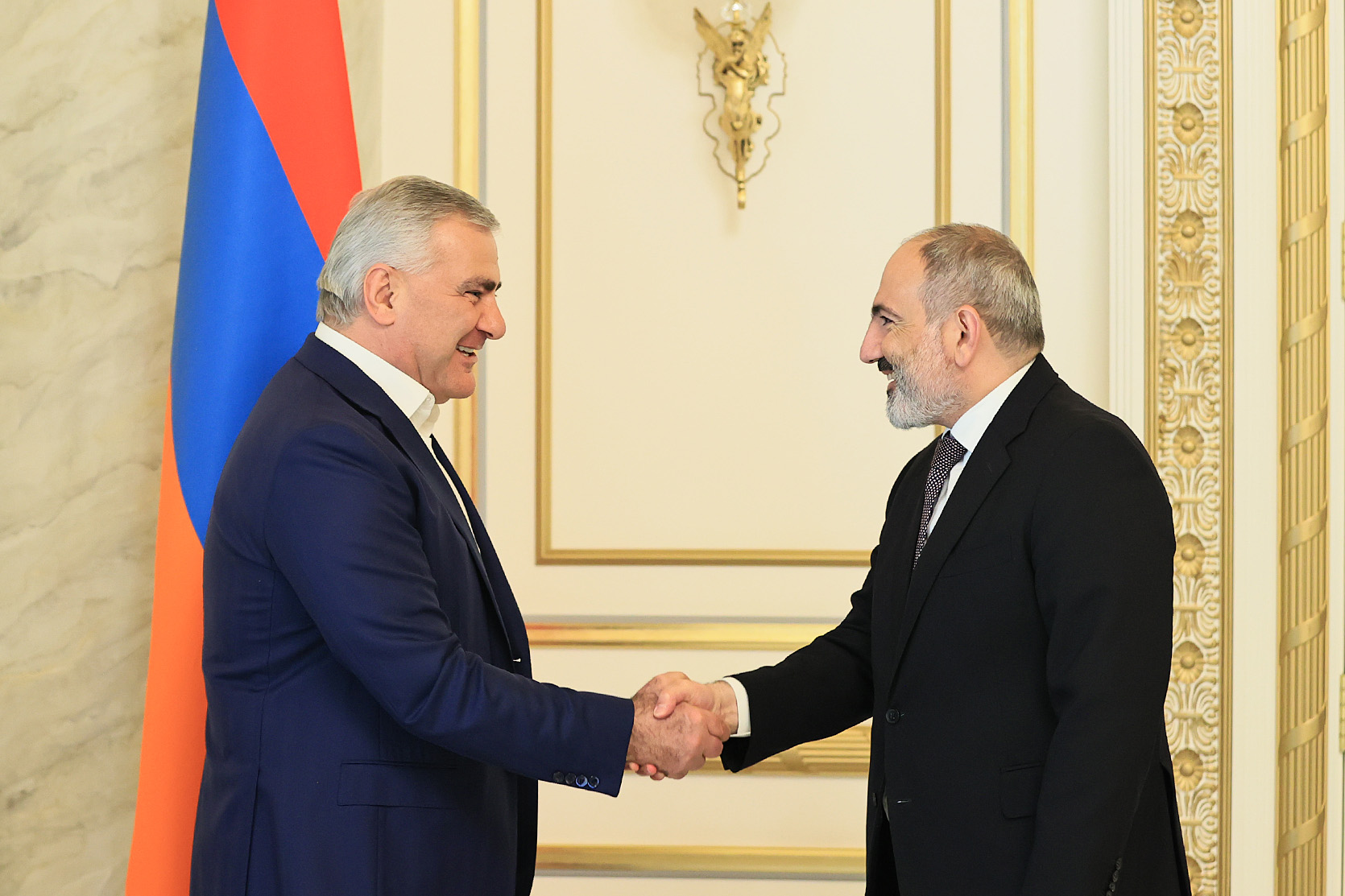
Since June 2025, dollar billionaire Samvel Karapetyan has entered the political struggle to change power in Armenia. Experts believe he was effectively “dispatched” from Russia. Until then, he had never appeared on the political scene. After his first moves, he was arrested in Armenia “for publicly calling for the seizure of power.”
In interviews with local media, he voiced support for the church against the backdrop of worsening relations between the government and the top clergy. He said: “If Armenia’s political forces fail to deal with this situation, we will have to intervene in our own way in the campaign against the church.” Later, speaking from a National Security Service detention centre, he announced the launch of a movement called “Our Way.”
Russian influence in Armenia
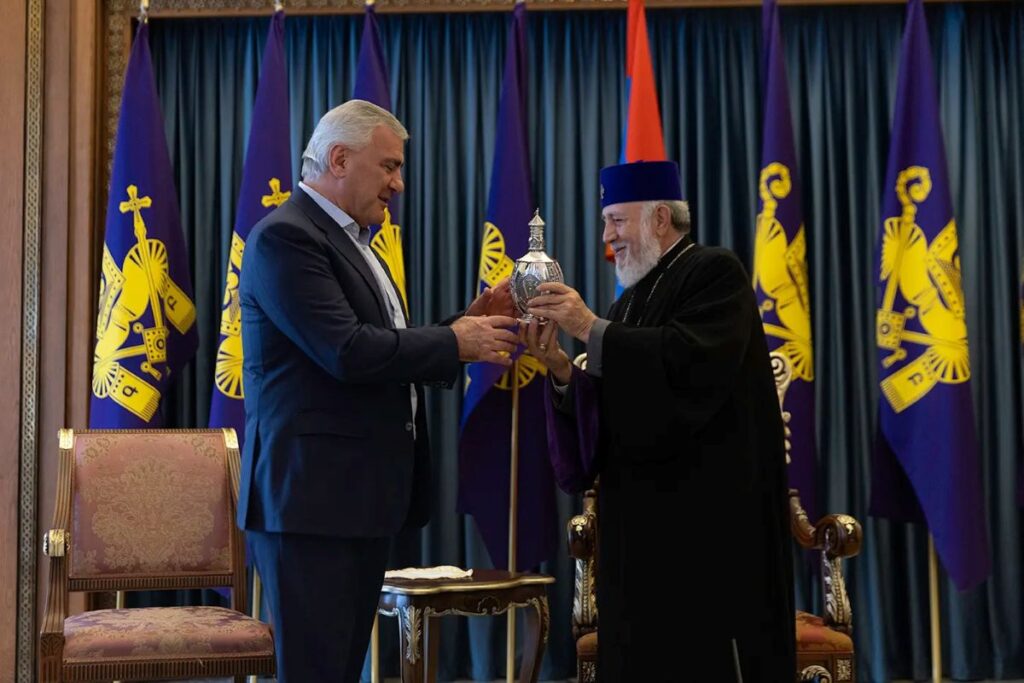
This strategy relies on manipulating the Armenian people’s attachment to the Apostolic Church for political ends. Unfortunately, some representatives of the church, whether willingly or under pressure, have played along. This has created a crisis between church leaders and the government that remains unresolved.
Russia will continue to play the “church card” through loyal or recruited actors. It is to be hoped that the spiritual leader of the Armenian Apostolic Church [Catholicos of All Armenians Karekin II] and other senior clerics will resist the temptation and avoid being drawn into this game. But we also understand that this is not so easy.
Many of them, while serving the church, have long benefited from the privileges of the former political and economic system [Armenia’s previous authorities, in particular two former presidents, are considered pro-Russian politicians]. Moscow likely holds compromising material on them, which could limit their choices.
The Armenian authorities and law enforcement agencies have a duty to get to the root of the problem and stop anti-Armenian activities in order to protect national interests.
The stakes are set
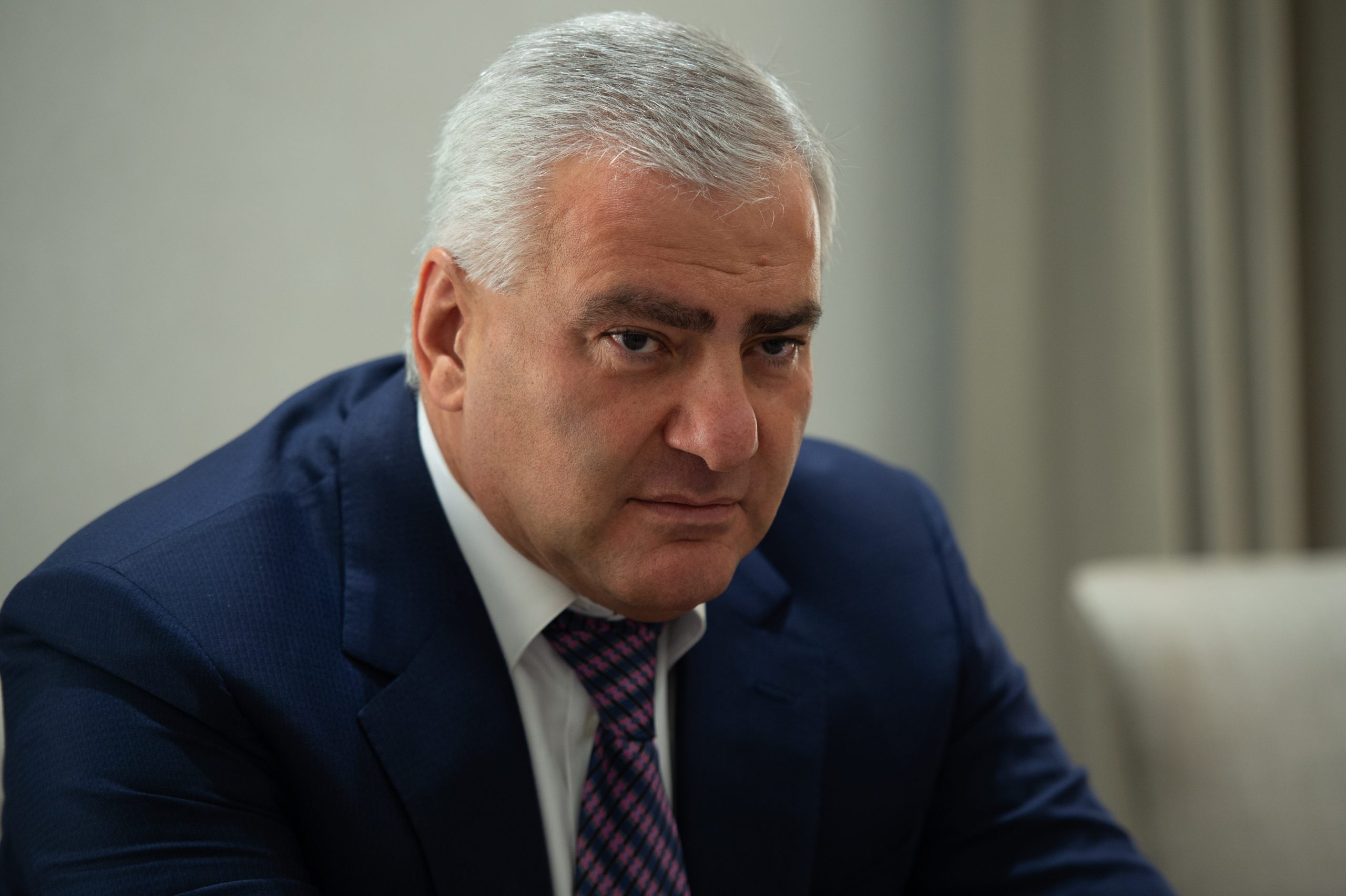
“Russia has placed its bet on Samvel Karapetyan. The systemic opposition operating in the political arena has lost public trust. Its resources allow it to fight only for second place, as before.
Since society rejects this opposition and does not support its political initiatives, Karapetyan’s supporters have chosen a different path — one that is presented as apolitical and tied to the church. They declared their movement ‘non-political’. And the very next day the Catholicos of All Armenians, Karekin II, met with and blessed them.
The essence of the strategy is to minimise any association with discredited political forces. Yet, lacking other resources, it is still the systemic opposition’s supporters who are now rallying around Karapetyan.
Karapetyan’s camp has chosen a tactic of avoiding political talk, focusing instead on the defence of the church. Playing on the emotions of the Armenian people, they aim to mobilise those who are weary of politics but are ready to go to the polls and vote for the ‘defenders of the church’.”
Russian influence in Armenia
What could unite the opposition
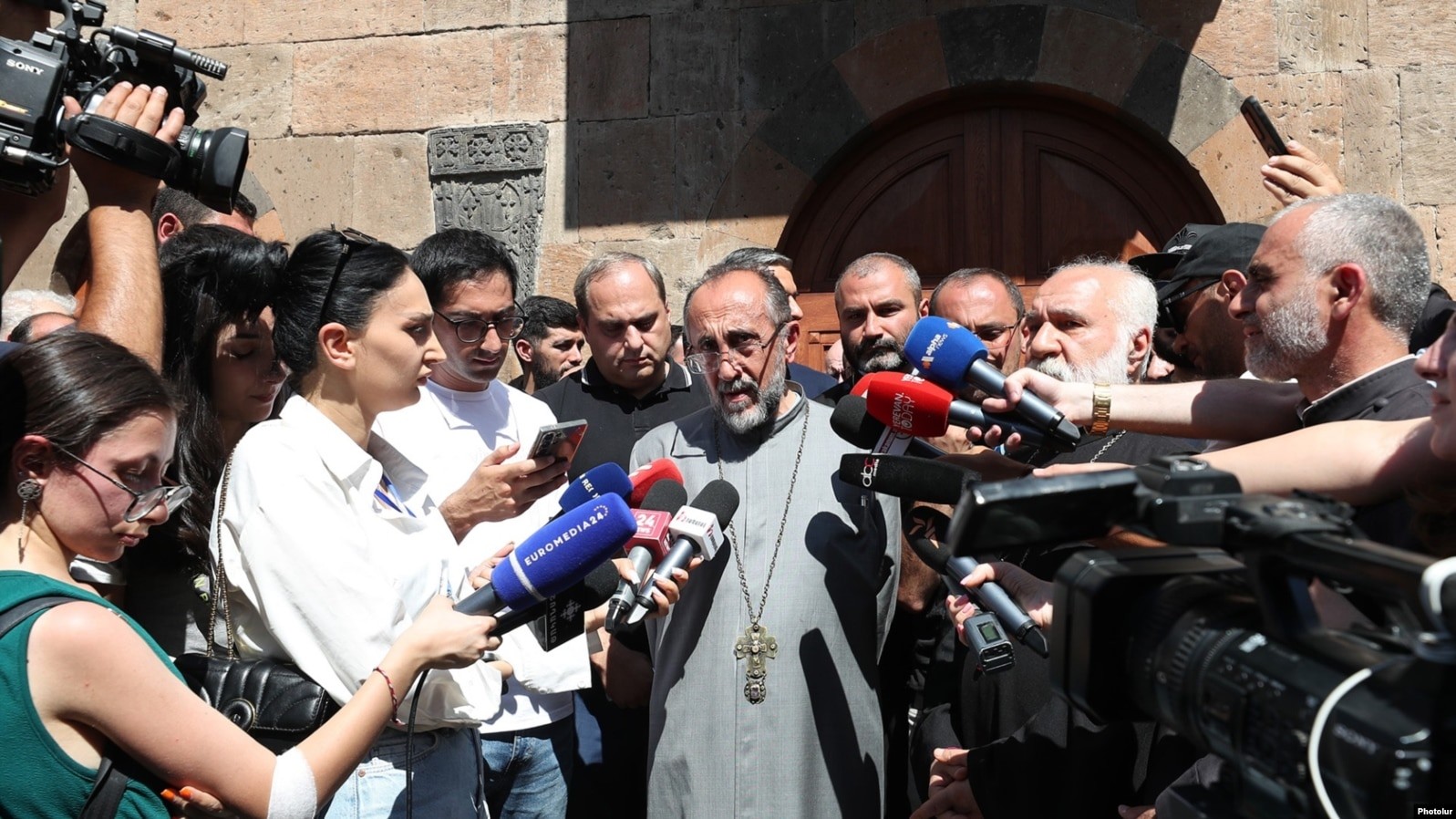
“In my view, Samvel Karapetyan will attract supporters of former president Robert Kocharyan and the ARF Dashnaktsutyun party. But an alliance is also possible with supporters of another former president, Serzh Sargsyan. The Armenian National Congress, led by Armenia’s first president, Levon Ter-Petrosyan, could also join. Other groups may come on board if common interests are found.
Sargsyan, however, might form a different bloc — with the Armenian National Congress and Bright Armenia. The Prosperous Armenia party of oligarch Gagik Tsarukyan could join either bloc, depending on the circumstances.
If Karapetyan succeeds in securing Sargsyan’s resources, Kocharyan’s supporters and Dashnaktsutyun would most likely go to the elections as a separate bloc. If both blocs make it into parliament, they could unite, though even together they are unlikely to win the 50%+1 needed to form a government.
The authorities, even in coalition with someone else, are also unlikely to clear that threshold. So a unification of the systemic opposition to prevent the government from forming a majority looks quite possible. Before the elections they may be rivals, but afterwards they could join forces against the ruling authorities.”
Information terror
“Russia’s information terror is nothing new — it has long been a key part of the hybrid war against Armenia. This year, the attacks are timed to the election period. Well-known media figures such as Margarita Simonyan and Semyon Bagdasarov, along with local pro-Russian outlets like Sputnik Armenia, News.am, Graparak and others, will play an active role. They will work in sync to push Russian ideology.”
Russian influence in Armenia

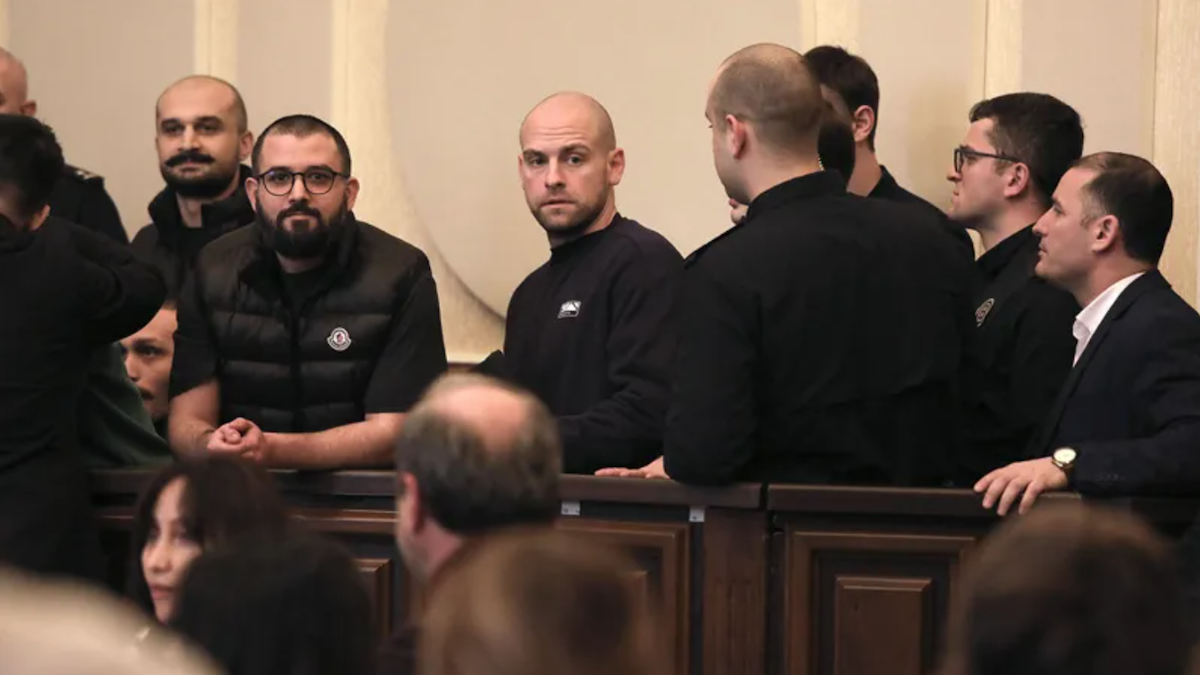
Reaction to pardon of opposition leaders in Georgia
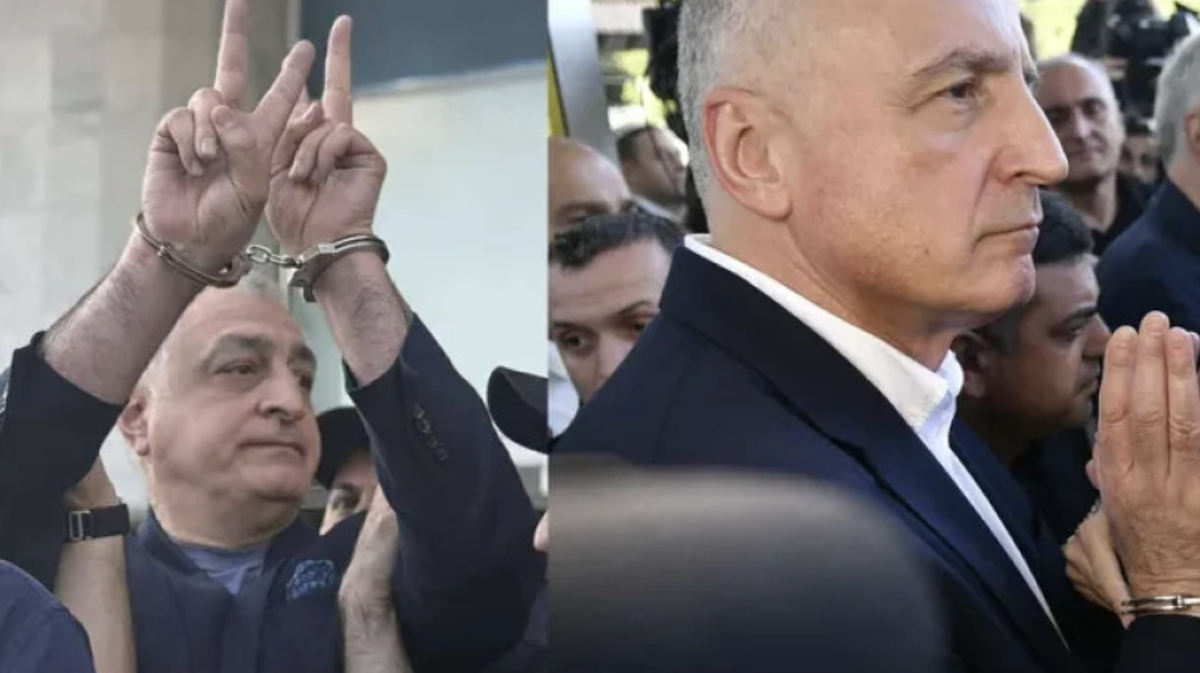
Opposition parties and the Georgian government have commented on the pardon of Mamuka Khazaradze and Badri Japaridze, leaders of the “Lelo – Strong Georgia” coalition.
Part of the opposition says the pardon is an attempt by Georgian Dream to legitimise the local elections scheduled for 4 October, and is calling on the coalition’s leadership not to take part.
Representatives of Georgian Dream, meanwhile, called the president’s pardon of opposition leaders a “humane act.” Guram Macharashvili, an MP from People’s Power, a satellite party of Georgian Dream, said the decision was made so that the opposition could not later claim: “We were in prison, how could we win the elections?”
Georgian Dream’s president, Mikheil Kavelashvili, explained the move in the same terms: “It was done so that no one could say the local elections are taking place under uncompetitive conditions.”
Opposition reaction
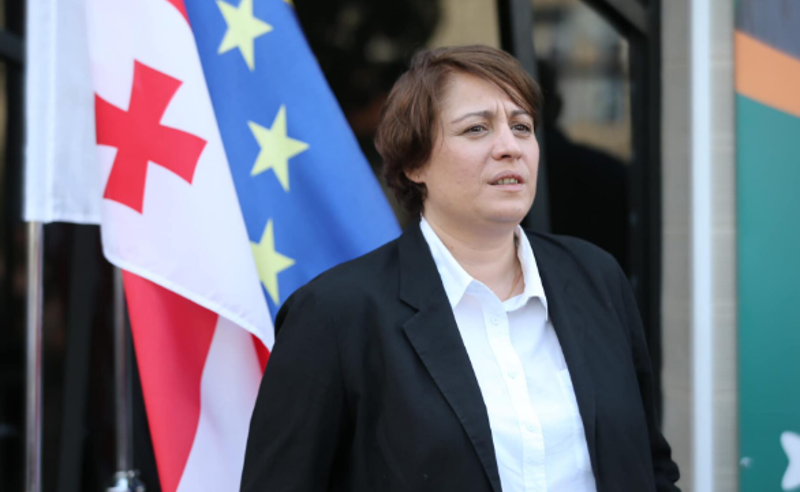
Elene Khoshtaria, Coalition for Change:
“It doesn’t matter what Georgian Dream has planned — what matters is how the real opposition responds. On the day of their release, I want to appeal to Mamuka and Badri with all my heart and respect to make the only right decision — not for the coalition, not for me, but for the country.
That decision is to step away from this false, non-existent Russian special operation [elections], and to return to a united, principled struggle of resistance that does not cooperate and does not submit. Such a choice will strengthen that struggle. It will be the only right decision for Lelo, for the whole opposition, for all activists, and, most importantly, for our country. I eagerly await that right decision from Lelo.”
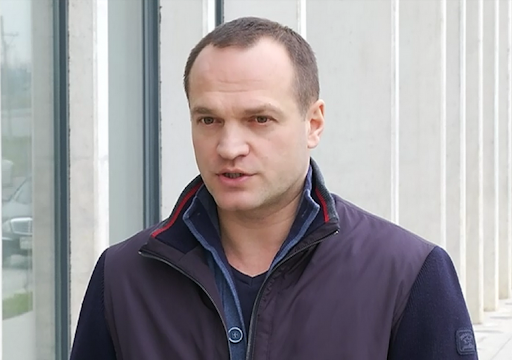
Petre Tsiskarishvili, United National Movement:
“Elections must be held in a competitive environment. First of all, this is not even an election. The only convincing step would have been if, before last year’s parliamentary elections, they had pardoned Mikheil Saakashvili, giving him the chance to participate fully in the elections. Then I would have truly believed that their political will, approach and intention were to ensure that the electoral process and elections at any level are competitive, and that no political leader ends up locked in a prison cell.”
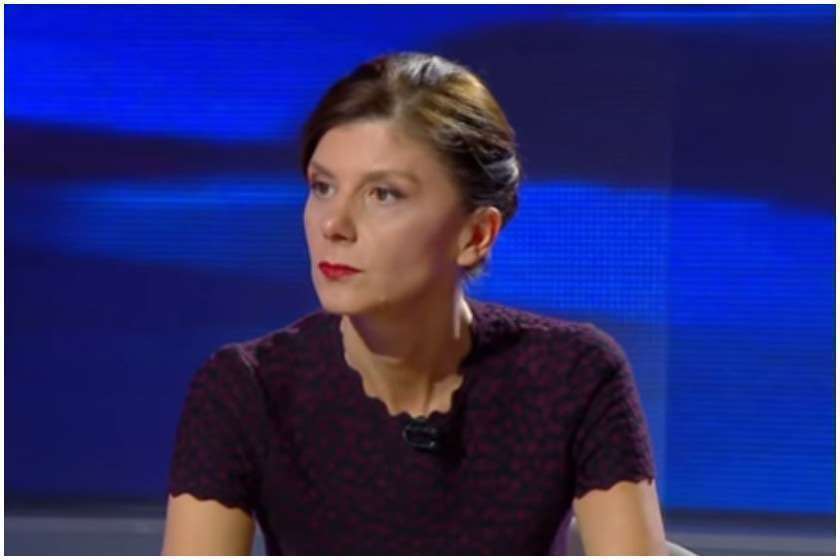
Tamar Chugoshvili, Federalists:
“Despite the huge differences between the Federalists and Lelo, and the many clashes we have had, we call on Lelo to return to the rational path of unity and strike Bidzina Ivanishvili where it hurts. It is clear he needs legitimacy for the farce called ‘local self-government elections’. That is why it is necessary to stop helping the regime deceive the Georgian people and not take part, thereby uniting the opposition and doing great good.
With this gesture [the pardon], Bidzina Ivanishvili has revealed himself — he genuinely wants at least some legitimacy for the 4 October elections, which is why he freed the opposition leaders. This was not a step for Khazaradze and Japaridze; it was a step taken in Ivanishvili’s personal interest, to preserve power and once again entrench his dominance over the country he has temporarily seized.
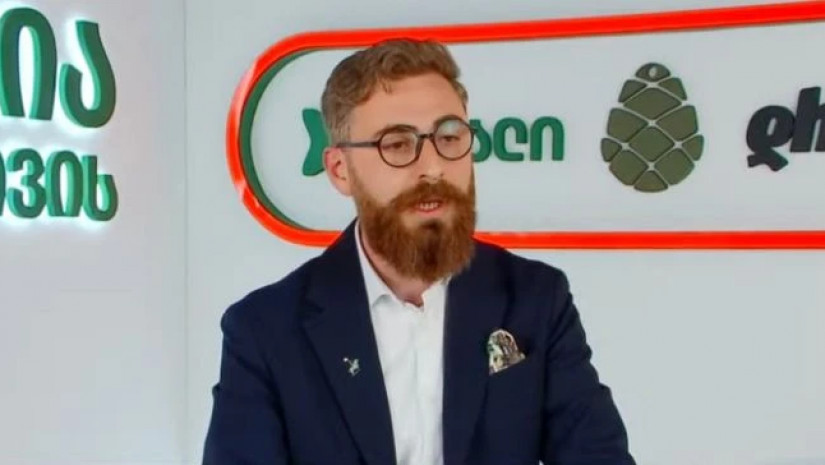
Giorgi Butikashvili, Coalition for Change:
“I don’t think there was a direct deal, but there was a non-verbal one — when one side decided to legitimise the parliamentary and local elections. This raises the question of what is happening: a deal or Ivanishvili’s game? Our party leaders ended up in prison because they refused to play by the rules, and no one is going to pardon them. Our main stance is moral clarity and consistent policy.
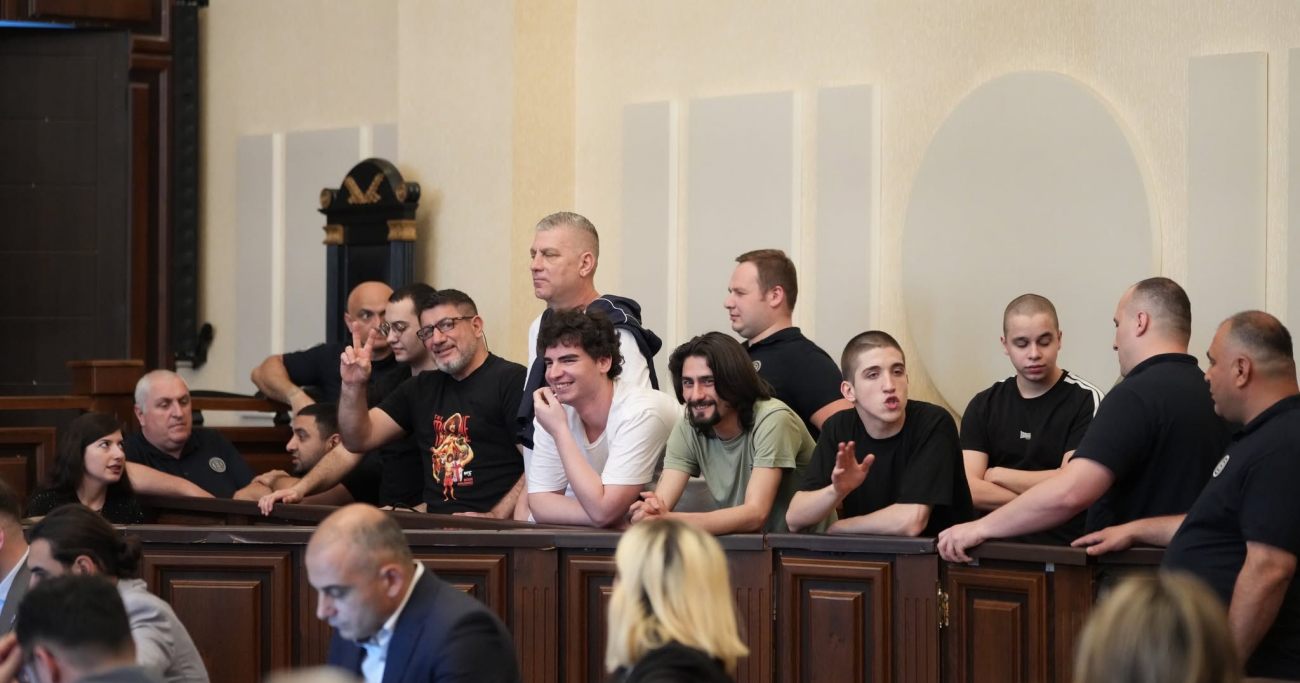
What a grotesque scene it is when, on the one hand, young men and women are sent to prison for two years, while on the other, Lelo runs an election campaign talking about water supply — completely at odds with public sentiment and the drama provoked by Georgian Dream.”
Reaction to pardon of opposition leaders in Georgia