
Categories
Day: August 28, 2025
Categories
Repression in Numbers
Georgian Dream authorities responded with repression to the wave of protests that erupted after the October 26, 2024, elections and the ruling party’s subsequent announcement about halting EU integration. The crackdown has involved arrests, prosecutions, restrictive legislation targeting NGOs, media, and opposition groups, purges in the civil service, and unpunished physical violence by police and party-linked thugs.
Below we have compiled key figures on the continuing repression, based on Civil.ge’s calculations, official data, and statistics from civic initiatives. The figures will be regularly updated as the situation evolves, new circumstances arise, and more data become available.
1. Arrests and Trials
Over 60 people are currently regarded as political prisoners by civic initiatives. These include more than 40 individuals detained on criminal charges in the context of protests since last November, 8 opposition figures jailed for boycotting the Georgian Dream–led parliamentary commission, 9 persons arrested during the spring protest movement against the “foreign agents” law, as well as other groups whose detentions are widely considered politically motivated.
The breakdown:
At least 48 persons were detained in the context of pro-EU, anti-Georgian Dream protests since November 2024 on criminal charges, 14 of which have already been sentenced to jail, 2 were acquitted and released, 4 more were found guilty but released with fines, while 28 await their verdicts. Specifically:
- 14 of 48 who have been handed jail sentences, include Archil Museliantsi, Davit Khomeriki, Anatoli Gigauri, Temur Zasokhashvili, Davit Lomidze, Mzia Amaghlobeli, Anri Kakabadze, Anri Kvaratskhelia, Saba Jikia, Giorgi Mindadze, Mate Devidze, Denis Kulanin, Daniel Mumladze, and Guram Khutashvili.
- 4 persons – Mamuka Jorbenadze, Guram Mikeladze, Davit Gvianidze, and Giorgi Davitadze – were found guilty of group violence but released with fines, having spent two months in pre-trial custody.
- 2 individuals were detained on drug charges linked to activism but were acquitted, including Tedo Abramovi and Giorgi Akhobadze.
- 4 persons – Nika Katsia, Anton Chechin, Anastasia Zinovkina, and Artem Gribul – await their verdicts on serious drug charges linked to their activism.
- 21 detainees await verdicts in three group violence trials, among them two groups on organized violence charges, including the case of 8 detainees (Zviad Tsetskhladze, Vepkhia Kasradze, Vasil Kadzelashvili, Giorgi Gorgadze, Irakli Miminoshvili, Insaf Aliev, Tornike Goshadze, and Nikoloz Javakhishvili), and the the case of 11 detainees (Andro Chichinadze, Onise Tskhadadze, Guram Mirtskhulava, Luka Jabua, Jano Archaia, Ruslan Sivakov, Revaz Kiknadze, Giorgi Terashvili, Valeri Tetrashvili, Sergei Sivakov, Irakli Kerashvili). A new group violence emerged in August involving 2 detainees – Mindia Shervashidze and Tornike Toshkhua.
- Three more are tried on individual charges, including Saba Skhvitaridze (reclassified to “intentional minor bodily harm”), Nino Datashvili (assault on officer), and Zviad Ratiani (assault on police).
- 4 out of the above-listed 48 detainees are Russian citizens: Artem Gribul, Anastasia Zinovkina, Anton Chechin, and Denis Kulanin. 2 more detainees are Ukrainian citizens: Ruslan Sivakov and Sergey Kukharchuk.
9 political figures are currently in jail after having been detained in recent months, including:
- 8 persons – Irakli Okruashvili, Nika Gvaramia, Nika Melia, Givi Targamadze, Giorgi Vashadze, Mamuka Khazaradze, Badri Japaradze, and Zurab Japaridze have been sentenced to months in jail over boycotting the “Tsulukiani Commission,” an investigative body in Georgian Dream’s one-party parliament. 6 of the “Tsulukiani Commission” convicts are active leaders of opposition parties.
- United National Movement member Lasha Tsanava was recently detained on fraud allegations.
1 politician – ex-Prime Minister Giorgi Gakharia – remains abroad as he faces two separate criminal probes over his 2019 actions as interior minister.
4 protesting miners in Chiatura – Giorgi Neparidze, Merab Saralidze, Tengiz Gvelesiani, and Archil Chumburidze – remain in pre-trial custody after being detained on group violence charges.
3 business figures – Irakli Papiashvili, Giorgi Chikvaidze, and Giorgi Bachiashvili – have been convicted on financial crimes, all alleging political motives and personal retribution from Georgian Dream founder Bidzina Ivanishvili.
9 persons remain in jail after being detained and convicted in the context of spring protests against the foreign agents law, including: Omar Okribelashvili, Saba Meparishvili, Pridon Bubuteishvili, Davit Koldari, Giorgi Kuchuashvili, Giorgi Okmelashvili, Irakli Megvinetukhutsesi, who were convicted on protest-related charges, and Ucha Abashidze and Mariam Iashvili, who were arrested in a similar context but convicted for illegally obtaining and storing secrets of private life.
2. NGO and Media Crackdown
Since November 2024, the Georgian Dream parliament has passed a number of repressive laws, cracking down on freedom of expression, press freedom, and freedom of association, among others. Here are the key numbers:
- 8 NGOs reported in June being inspected by the Anti-Corruption Bureau, a public body, based on three laws, including Georgia’s Law on Political Associations, the Law on Grants, and the Law on Combating Corruption; They were asked to hand over confidential data. The list of organizations: The International Society for Fair Elections and Democracy (ISFED), Transparency International (TI) Georgia, Sapari, Economic Policy Research Center, Civil Society Foundation, Georgia’s Future Academy, Social Justice Center, and Media Development Foundation.
- 7 NGOs (out of the above eight) reported in August receiving inspection notices from the Anti-Corruption Bureau under the Georgian version of the Foreign Agents Registration Act (FARA), demanding explanations for not registering as foreign agents and warning of criminal liability. List of organizations: The Economic Policy Research Center (EPRC), Civil Society Foundation, Sapari, Transparency International – Georgia, Media Development Foundation, International Society for Fair Elections and Democracy (ISFED), and Social Justice Center;
- 7 NGOs, got their accounts frozen in August under an ongoing “sabotage” criminal probe, with prosecutors alleging the NGOs helped demonstrators during the 2024 protests; List of organizations: Civil Society Foundation (CSF), the International Society for Fair Elections and Democracy (ISFED), the Institute for Development of Freedom of Information (IDFI), Democracy Defenders, Georgian Democracy Initiative (GDI), Sapari, and the Social Justice Center (SJC);
- The bank accounts of 5 other initiatives, including solidarity funds helping pay protest fines, were frozen in the same “sabotage” probe in March.
- More than 20 online media outlets are campaigning to raise funds, both individually and collectively, after FARA and amendments to the Law on Grants restricted their access to vital foreign funding.
- At least 3 media organizations – including Batumelebi/Netgazeti outlet and two broadcasters – Radio Tbilisi and Trialeti TV – said authorities seized their accounts, citing outstanding debts despite their commitments to pay.
- 2 TV channels – TV Pirveli and Formula TV, as well as Mtavari Arkhi, which went off air in 2025 over financial problems – were served with complaints from the ruling party under new broadcasting laws introducing content regulation. The state regulator found channels in violation.
- 1 TV Channel, Mtavari Arkhi, went off air in the spring, citing financial problems.
- 1 media organization, Mtavari Arkhi, currently operating online, is facing a criminal probe on alleged financial misconduct.
3. Civil Service Purges
- Between 700 and 1,000 employees were dismissed as part of what is believed to be politically motivated civil service purges since November 28, 2024, according to the assessment by Article 78 of the Constitution, and an independent union of Georgian civil servants. Many dismissals occurred as part of “reorganization” in several ministries, and followed repressive laws making it easier to dismiss public employees.
4. Violations Against Journalists
Center for Media, Information, and Social Studies (CMIS), a local media watchdog, has documented 174 violations against media workers during protests from November 28, 2024, to April 22, 2025. Including:
- 25 journalists were fined GEL 5,000 (USD 1,800) for “blocking roads” while carrying out their duties, according to CMIS.
- At least 90 journalists have faced physical assault, verbal abuse, or obstruction during the first two weeks of violent police dispersals since November 28, 2024, according to the International Press Institute (IPI) global network.
5. Fines, Detentions, Physical Violence
- Up to 400 people were detained in the initial weeks of the protests that erupted on November 28, 2024. Most were detained on administrative charges.
- Many detainees reported beatings and inhumane treatment, with the Public Defender’s report noting that 60% of 442 detainees visited by its representatives between November 28, 2024, and March 1, 2025, said they had been mistreated, with the share particularly high among those detained in the initial days of protests and during the February 2, 2025, highway rally.
- Dozens more were subjected to violence from thugs believed to be linked to the ruling party.
- Hundreds of protesters were reportedly slapped with heavy USD 1,800 fines for “blocking roads”, following December 2024 legislative changes that drastically increased the fine amount.
- At least 6 individuals were placed in administrative detention (one of them twice) on charges of ‘insulting’ officials in public spaces or on social media, while dozens of others were fined on the same grounds, following legislative changes introducing penalties for such acts.
0 police officers have been held accountable despite numerous documented abuses during the dispersals.
Istanbul Chamber of Commerce (İTO) President Şekib Avdagiç described the Central Bank of Türkiye’s decision to cut its policy rate by 300 basis points as highly significant, adding that with three more meetings remaining this year, the business community anticipates a total reduction of around 1,000 basis points under normal conditions.
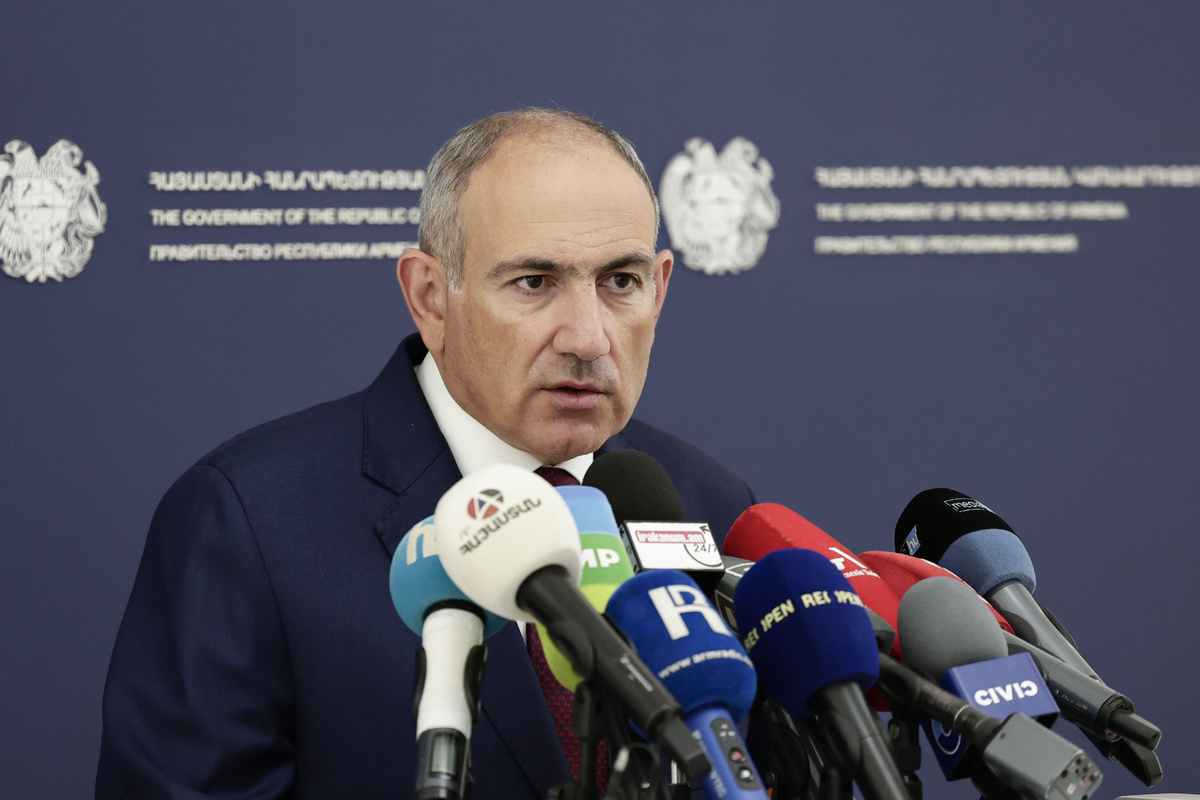
Pashinyan’s briefing: key takeaways
Armenian prime minister Nikol Pashinyan has dismissed recent remarks by former US deputy secretary of state James O’Brien, who claimed Armenia was left vulnerable after the Washington meeting between Donald Trump, Pashinyan and Azerbaijan’s president Ilham Aliyev.
Asked by Armenian journalists to comment, Pashinyan said: “If Mr O’Brien speaks about Armenia’s vulnerabilities, I must note that Armenia was at its most vulnerable precisely during his and their [previous administration’s] time in power. I would remind you of the events of 2023, 2022 and 2021. We were never satisfied with the work the US administration at that time carried out to support the peace agenda in our region.”
In his article, published by the European Council on Foreign Relations thinktank, O’Brien argued that Azerbaijan gained significant dividends from the White House meeting: “America gave Baku an advance merely for words about peace, while Armenia was left vulnerable.”
He also wrote that “it was a disgrace” for Armenia, as the border with Turkey remained closed, there were no major new investments for Armenia (aside from those promised by Antony Blinken in April 2024 and the August 8 US-Armenia agreement), and “the only result would be a corridor connecting different parts of Azerbaijan.” He added that unless the planned road link through Armenia to Nakhchivan became part of a global network, it would matter only to Azerbaijan.
At his latest weekly briefing, Pashinyan countered that Armenia is now “in its least vulnerable position in modern history.”
He added that O’Brien’s remarks should not be seen as “too strange,” reminding that when Trump came to power, “he lost his senior post and now faces the task of explaining why the Trump administration managed to do what they could not.” The prime minister suggested that O’Brien should “engage in self-reflection instead of trying to shift the blame for losing his position onto Armenia.”
In his article for the European Council on Foreign Relations, O’Brien assessed what Armenia had gained from the White House meeting. In his view, “it was a disgrace.”
“The border with Turkey remains closed, there will be no new investments for Armenia (apart from those promised by former secretary of state Antony Blinken in April 2024 and the agreement signed between the US and Armenia on 8 August). The only outcome will be a corridor connecting different parts of Azerbaijan,” he wrote.
O’Brien also argued that “unless the corridor [a road through Armenian territory linking Azerbaijan with Nakhchivan] soon becomes part of a global network, it will be of interest only to Azerbaijan.”
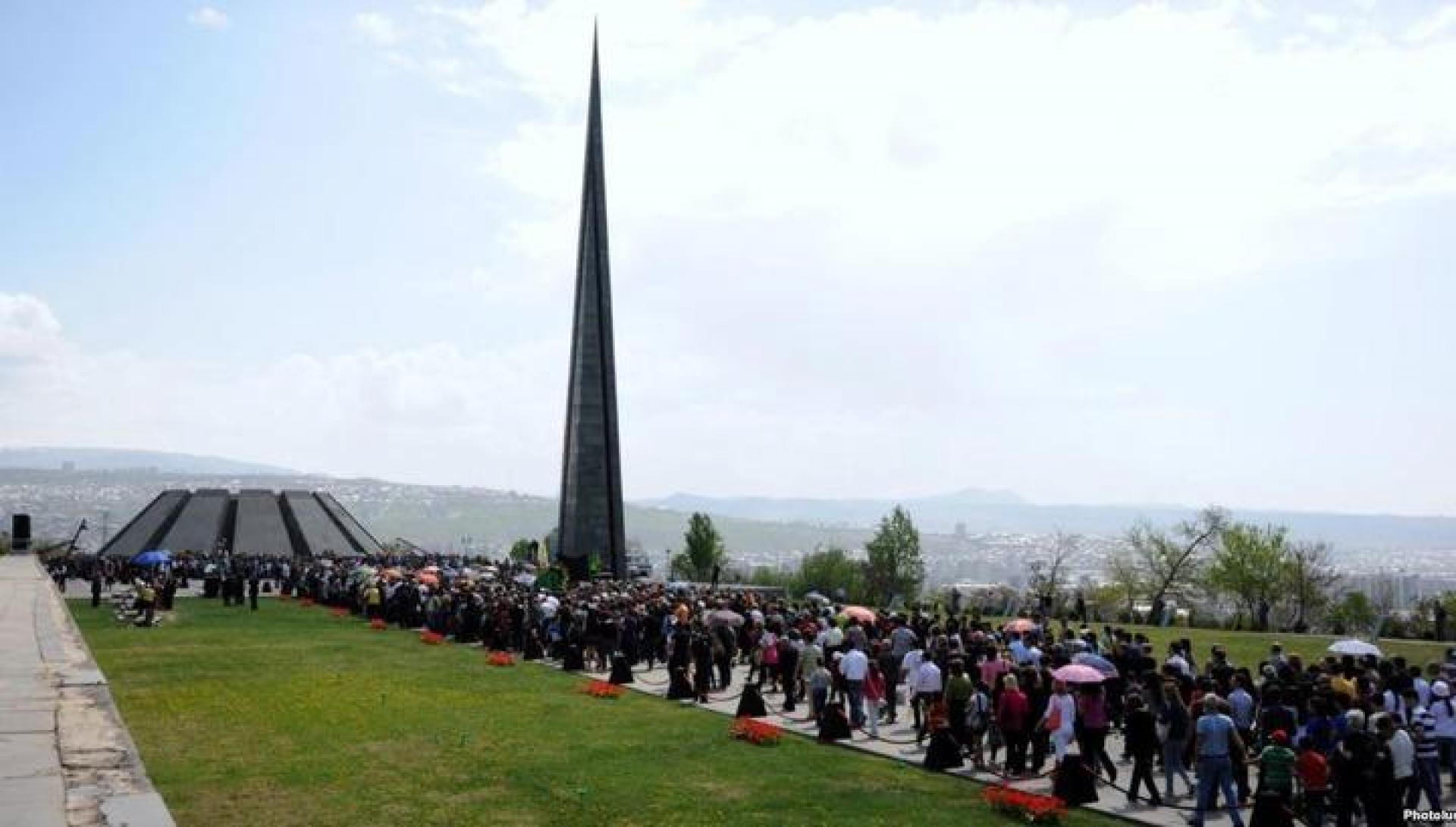
Since last week, Pashinyan has introduced a new format of communication with journalists — weekly 60-minute briefings. This week he answered questions on peace with Azerbaijan, relations with Russia, the statements of former Armenian presidents, and even the possible removal of the Catholicos of All Armenians. Below are the key takeaways from his briefing.
- “Trump Route” will create conditions for new investment in Armenia – economist
- Pashinyan believes “Trump Route” will become a new component of Armenia’s security
- ‘Historic summit’: Armenia and Azerbaijan sign documents with Trump’s mediation
- A Tbilisi perspective on the historic Aliyev–Pashinyan meeting
Peace with Azerbaijan is now irreversible
“When we say that peace [with Azerbaijan] has been established, we are not claiming the two sides no longer have any issues with each other. That never happens — even with countries with which we have never had conflict, or with those with whom we enjoy friendly relations. Establishing interstate relations is a dynamic process. Sometimes sides agree, sometimes they do not. But this does not change the bigger picture.
Peace between Armenia and Azerbaijan has been established. What it needs now is institutionalisation. There is no doubt that I, and my government, will move decisively and consistently along the path of institutionalising peace. We have already steered our ship into a safe harbour. Now the task is to make the piers stronger, more stable, and, ultimately, properly built. Peace is already irreversible. And I see this as the mission of our government — and my personal mission.”
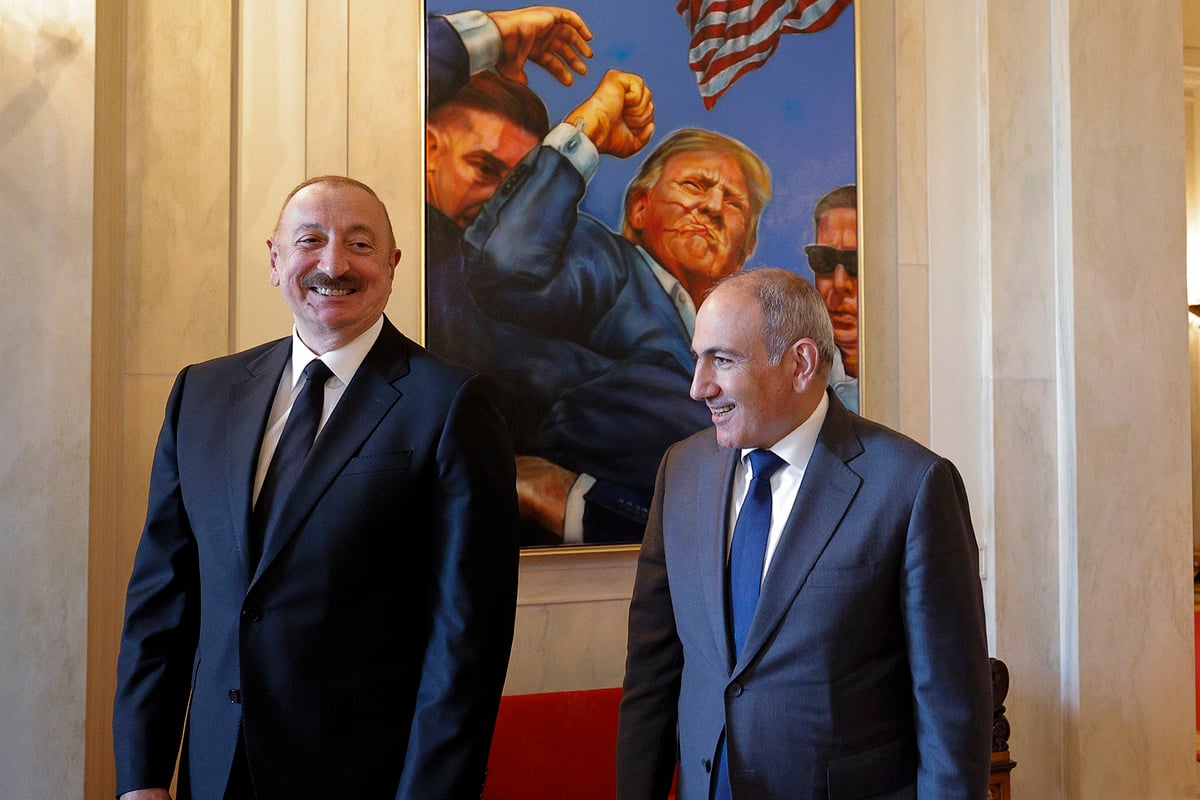
The issue of enclaves remains on the agenda
“No Armenian government, no matter how much it might want to, can abandon the issue of enclaves and exclaves — because Armenia itself has Artsvashen. We cannot renounce Artsvashen as part of Armenia’s sovereign territory.
As for the emphasis that the 200 sq km [occupied by Azerbaijan] are sovereign Armenian territory — all our lands have the same status [including the enclaves]. The Almaty Declaration of 1991 established that Soviet Armenia, with all its administrative territory and borders, became independent Armenia, while Soviet Azerbaijan became independent Azerbaijan. The agreement first reached on 6 October 2022 in Prague [when Armenia and Azerbaijan recognised each other’s territorial integrity] reflects exactly this. We are moving along the path of institutionalising that agreement. And we will continue on this path.”
No return to the 9 November trilateral statement
“Going back to the trilateral agreement of 9 November 2020 makes no sense, as that document belongs to the past.”
On 9 November 2020, Armenia and Azerbaijan, with Russia’s mediation, signed a statement ending the fighting in Karabakh. Armenian analysts point out that most of its provisions have since been violated by Azerbaijan and Russia. Some argue that the Armenian authorities should take steps to formally annul the agreement.
Upcoming visit to Russia
“I am glad that I am expected in Russia. I know I am expected there, and I always look forward to another opportunity to visit. As you can see, there is an active practice of mutual visits.
Yes, such a visit is planned soon, at the end of September. But before that, I will have an opportunity to meet the Russian president in Beijing. This month, too, we spoke on the phone.”
The Armenian delegation has been invited to China for celebrations marking the 80th anniversary of victory over Japan and the end of the second world war, to be held in Beijing on 3 September.
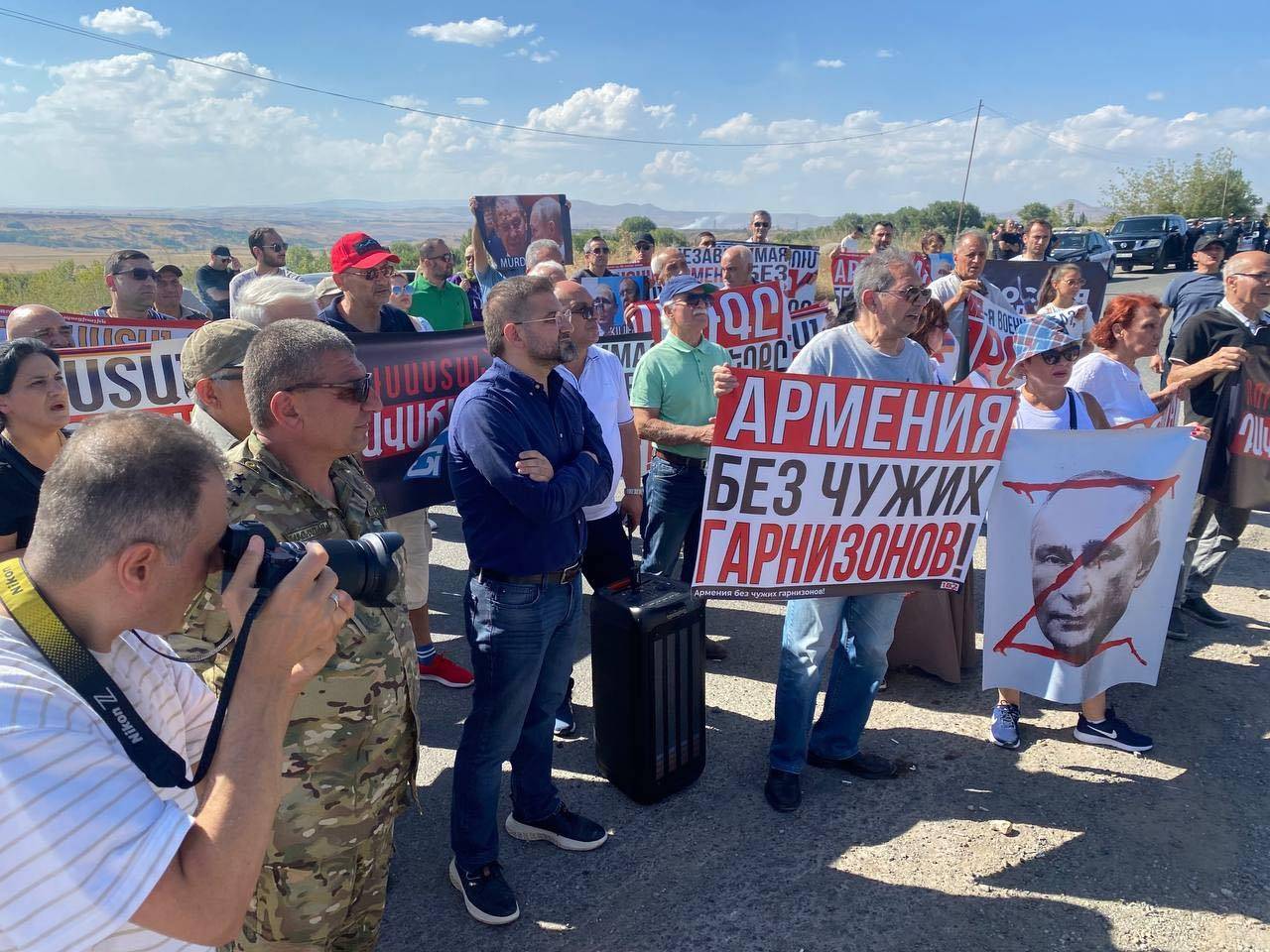
Leaving the Eurasian Economic Union is possible
“This is not a new topic. The debate started after Armenia’s parliament adopted a bill to start the process of joining the EU. We understand that simultaneous membership in the European Union and the [Russia-led] Eurasian Economic Union is impossible. When the moment comes and a choice becomes unavoidable, we will take the necessary decision.
If we say this at the official level, it means leaving [the EAEU] is possible. Any scenario is possible.
This depends, among other things, on the will of our people, on current circumstances and negotiations, on an analysis of conditions, opportunities and alternatives, and on our results and prospects.”
On calls to remove the Catholicos
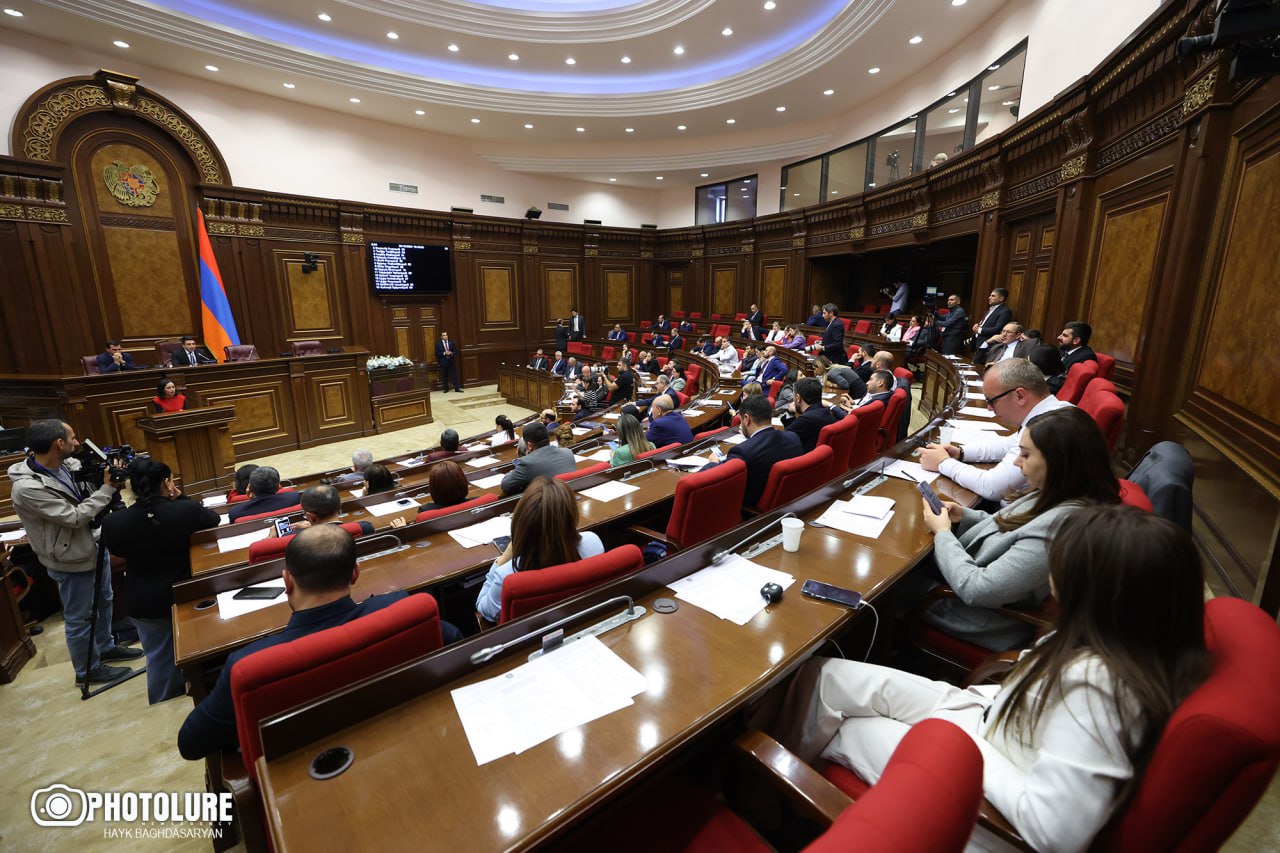
“My position on the Armenian Apostolic Church has not changed, and it cannot change under any circumstances. Ktrich Nersisyan [the secular name of the Catholicos] must leave the Holy See. Yes, the Holy See must be freed from Ktrich Nersisyan — and it must happen through the efforts of the followers of the Church, of which I am one. I have said that I will lead this process. And I believe you will soon see signs of it [Pashinyan had earlier announced plans to hold a rally in Etchmiadzin].
But it would be better if Ktrich Nersisyan, without delay, made the decision that he must make — the decision he cannot avoid.
There are rumours that violence is being prepared, that force will be used. But we did not use violence even in political processes [referring to the “velvet revolution” that brought a change of power in Armenia]. And we will certainly not resort to violence in matters concerning the Armenian Apostolic Church.”
For some time, Pashinyan has argued that the country needs a new spiritual leader. He has claimed that Catholicos Garegin II broke his vow of celibacy and has a child. At the same time, the prime minister insists he is not acting against the church, but that his actions are driven by the need for “renewal of the church, the state and society.”
On remarks by former presidents
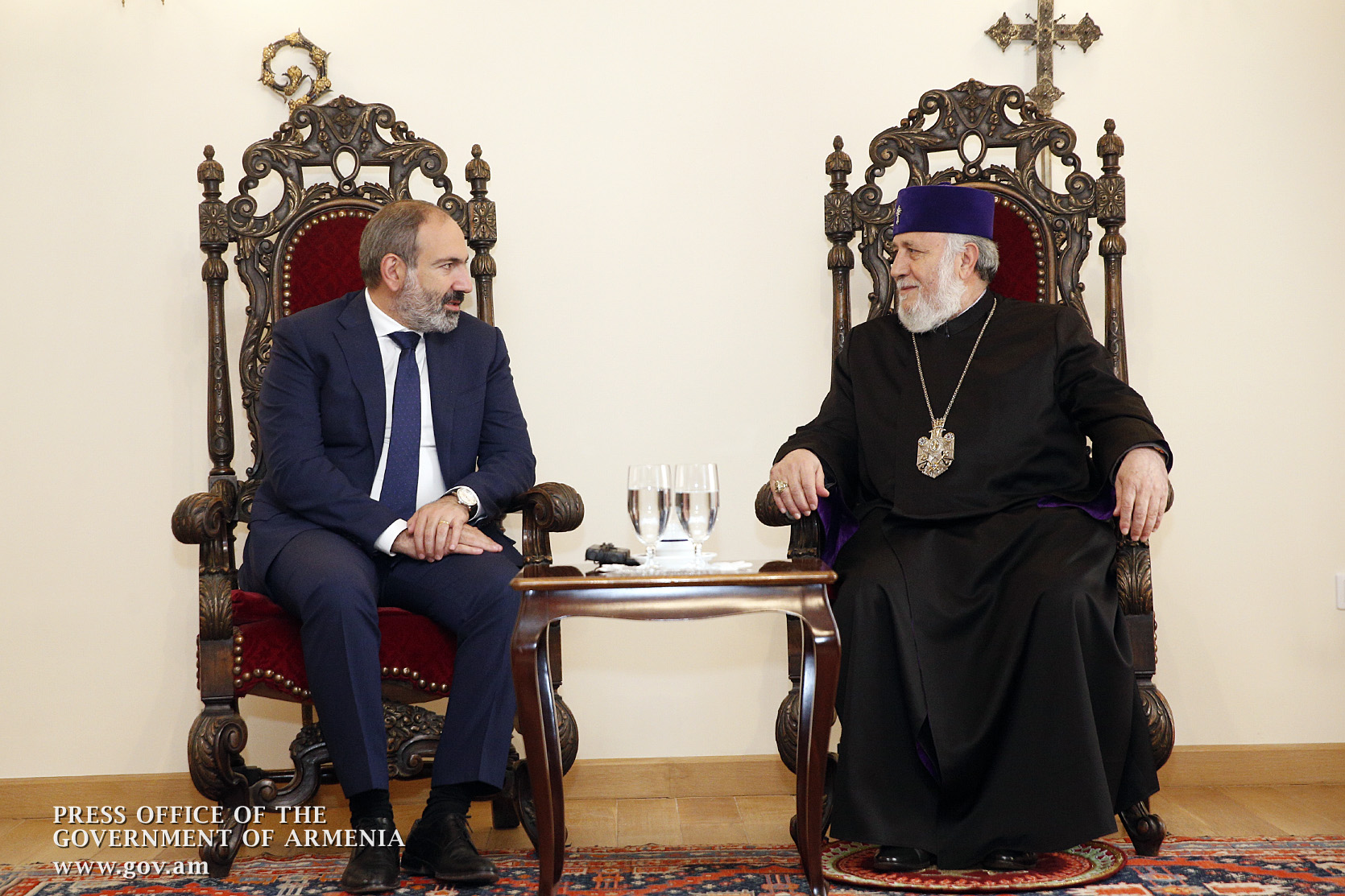
“Our people have already shown Serzh Sargsyan his place, as well as Robert Kocharyan and Levon Ter-Petrosyan. Note that all of them, except Ter-Petrosyan, are figures who have never won any legitimate election in Armenia. Do you understand? Serzh Sargsyan, Robert Kocharyan, Levon Ter-Petrosyan (apart from the 1991 election) — none of them ever won in free, democratic elections.
When I travel through the regions and talk to people, the main criticism I hear is that these figures still exist in Armenia’s political life. I have to answer to the people for the fact that Robert Kocharyan and Serzh Sargsyan still dare to say anything in Armenia.
I believe that in the upcoming elections [in 2026], the people will have the chance to finally cut out and silence the political voices of Serzh Sargsyan and Robert Kocharyan. And this must happen in a political, civilised way.”
On recognition of the Armenian genocide and Netanyahu’s statement
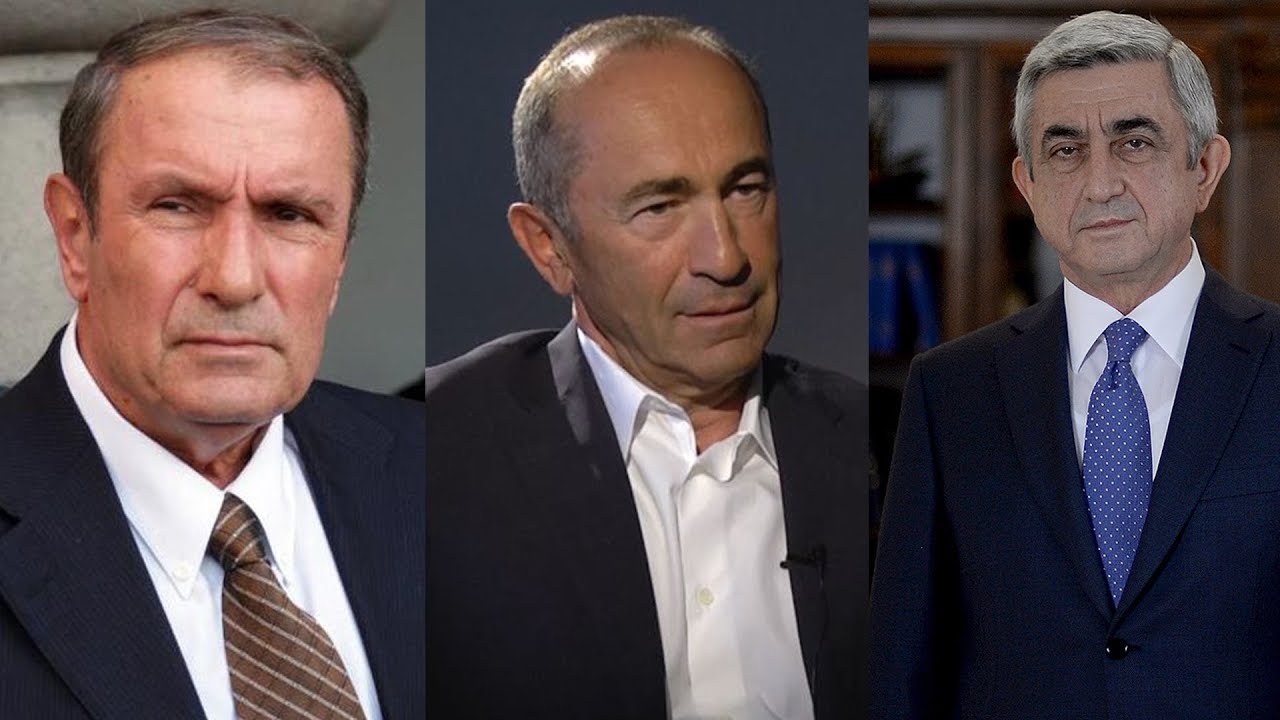
“We must decide whether we want recognition or non-recognition of the Armenian genocide to be used as a geopolitical bargaining chip in someone else’s hands, with no relation to the interests of our state and people. Do we want recognition of the Armenian genocide to come about by accident, or as something said by mistake in an interview?
I do not want us to place our martyrs in such a position. We must focus on the interests of our state. So many countries have already recognised the Armenian genocide. Now let’s take stock: what has Armenia gained from this? What has it brought to Armenia?”
During an interview, US podcaster of Armenian-Assyrian descent Patrick Bet-David asked Israel’s prime minister why his country does not recognise the genocide of Armenians, Assyrians and Greeks. In response, Benjamin Netanyahu said that, if he was not mistaken, the Knesset had adopted such a resolution. Bet-David replied that he expected to hear it from Netanyahu himself. “I just said it,” Netanyahu answered. Ankara has already criticised the Israeli prime minister’s statement.
Pashinyan’s briefing: key takeaways