
Day: August 28, 2025
Recent figures confirm the depth and strength of these ties. In the first half of 2025 alone, trade turnover between Azerbaijan and the U.S. increased by 60 percent compared to the same period last year. This momentum builds on the already impressive achievements of 2024, when bilateral trade volume reached $1.7 billion, representing a 94 percent growth from the previous year. These numbers are more than mere statistics; they reflect a strategic trajectory that places Azerbaijan firmly at the center of transatlantic economic cooperation.
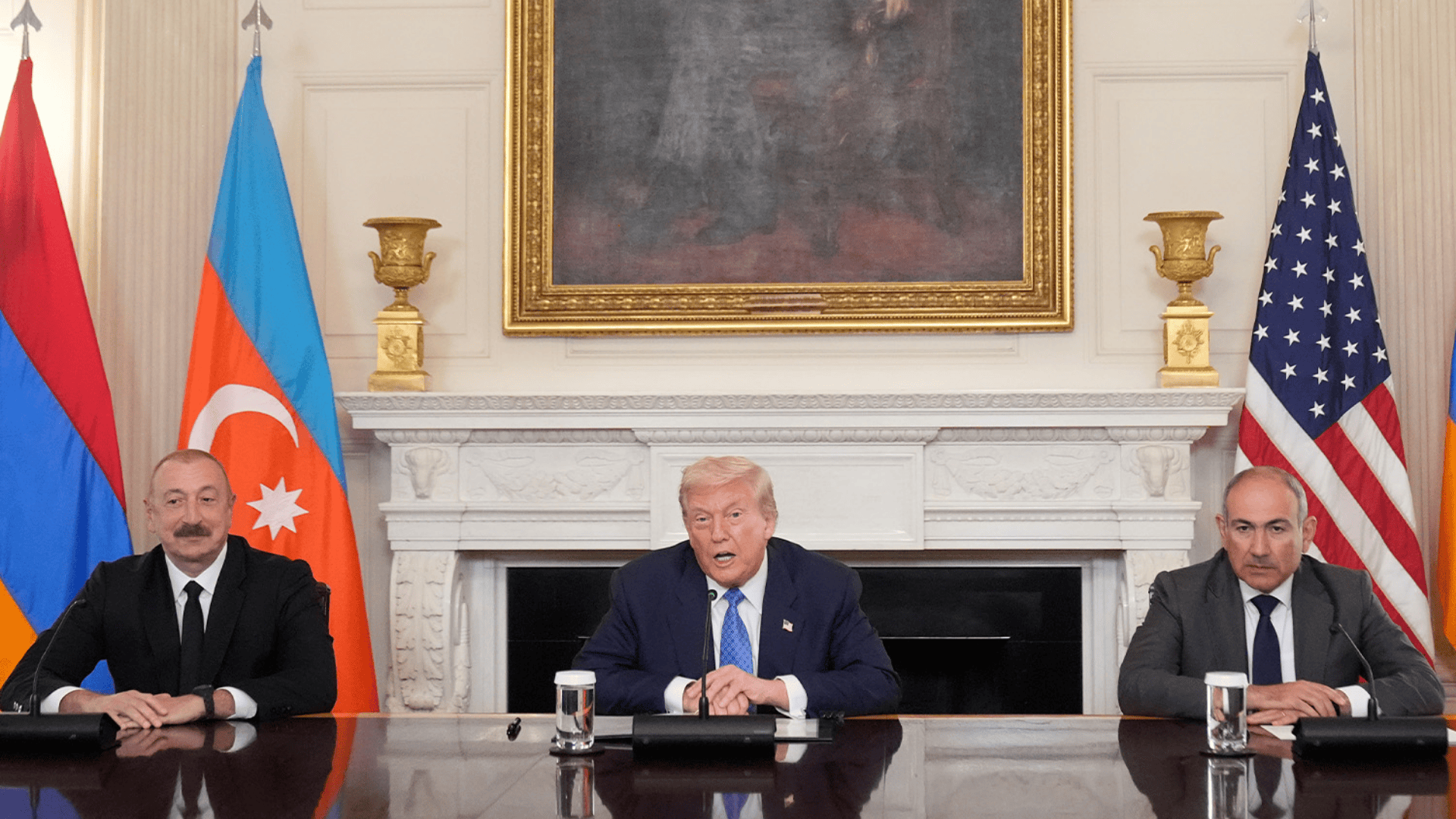
Azerbaijan–Armenia peace deal
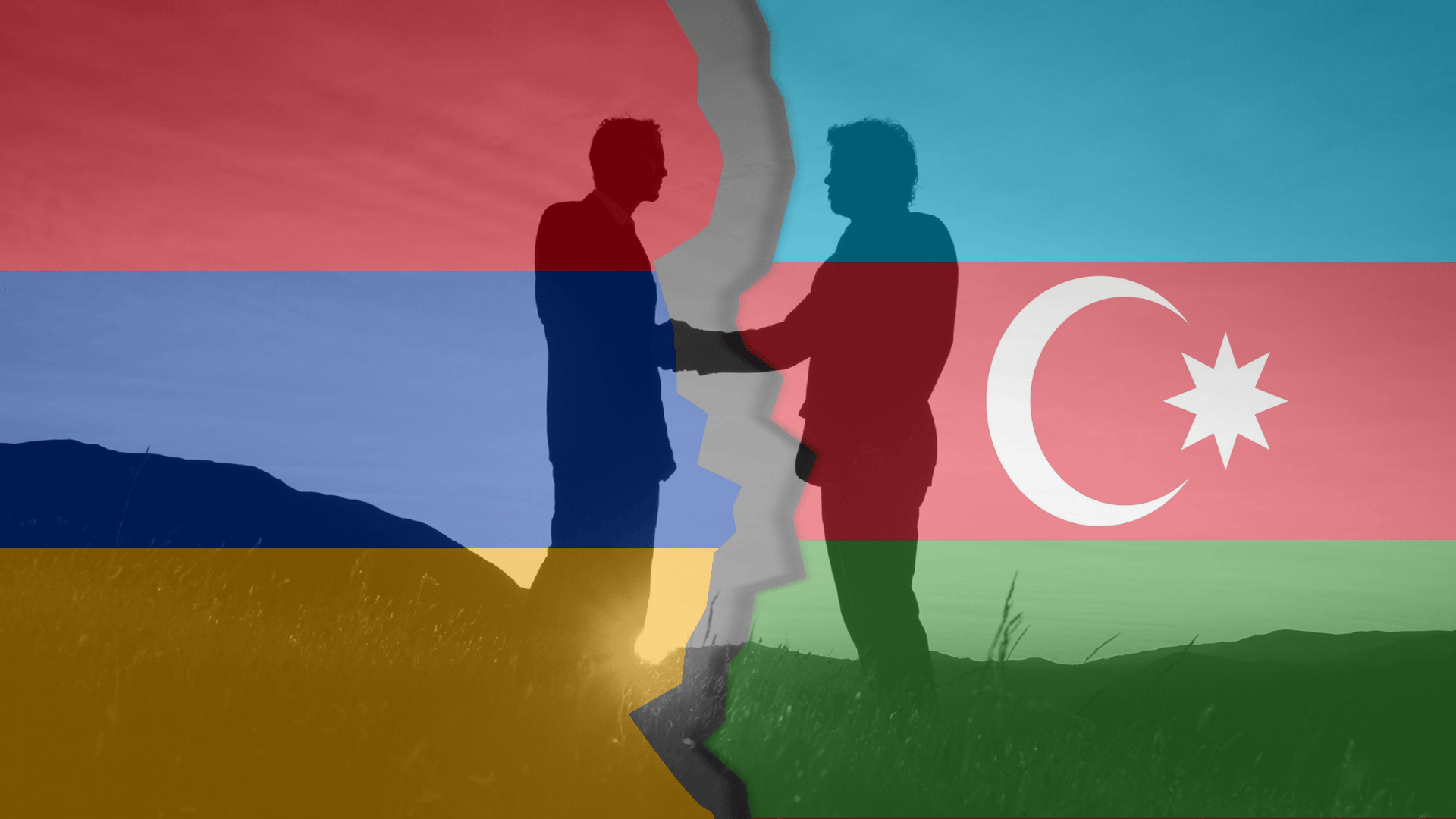
The initialling of a peace deal between the leaders of Azerbaijan and Armenia in Washington has been described as an important step towards ending the region’s decades-long conflict.
The move reduces the likelihood of war, but many questions remain: what led the sides to this agreement, what changes opened the way to compromise, and how might differences in the leaders’ approaches affect the durability of peace?
An analysis by the Khazar Research and Analysis Center noted that over the past five years the rhetoric of Nikol Pashinyan and Ilham Aliyev, their political strategies and their relations with international allies have shifted the course of the Karabakh conflict. Pashinyan, who came to power with a democratic reform agenda, has been forced to compromise, while Aliyev has largely maintained his position and gained a diplomatic advantage.
The article goes on to examine the contrast between these two approaches and the question of whether the outcome reached in Washington will lead to a sustainable peace.
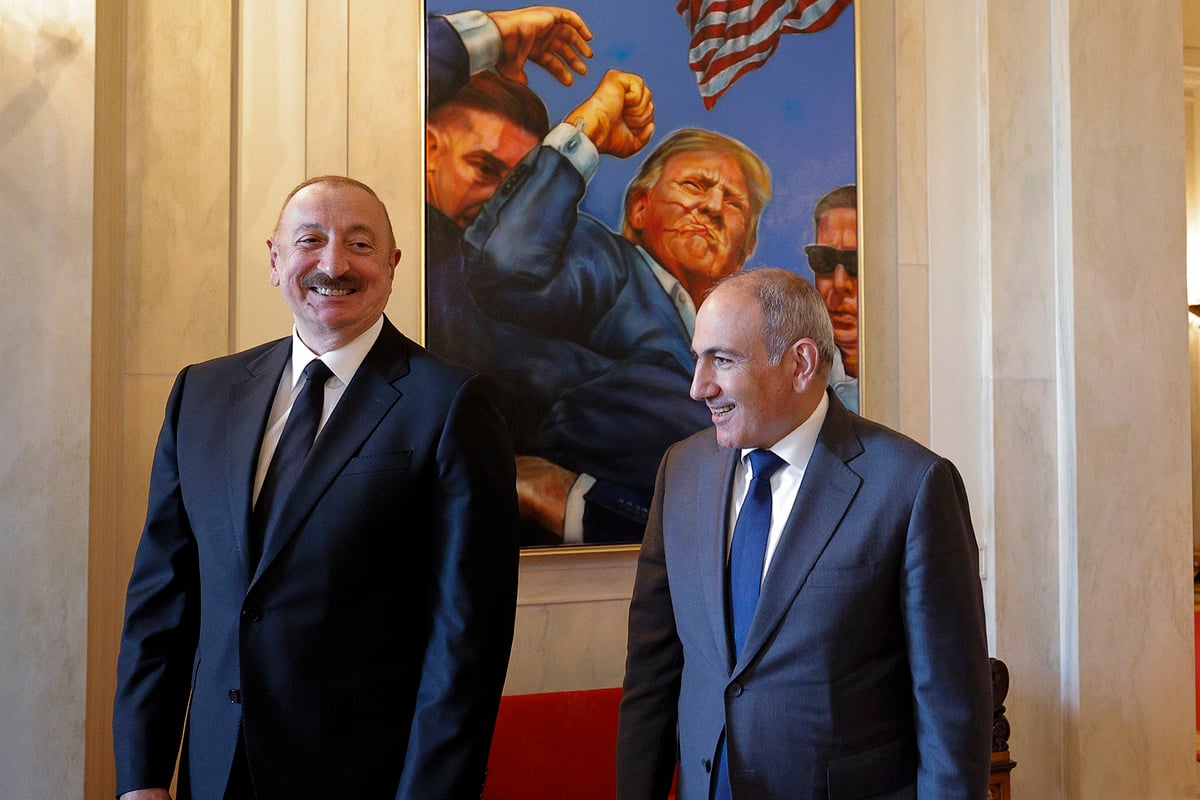
Pashinyan’s transformation
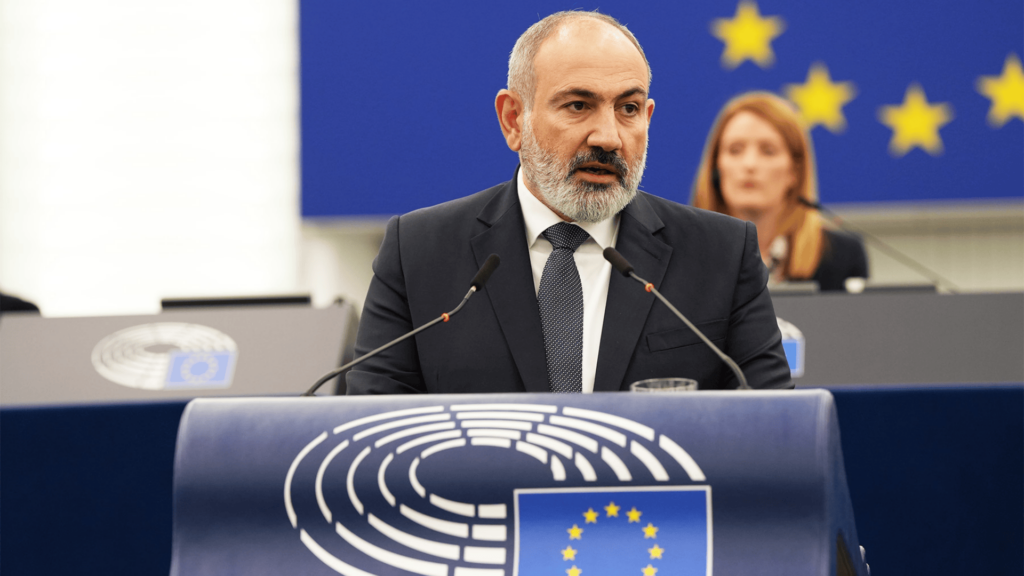
In 2018, Armenian prime minister Nikol Pashinyan, who came to power through democratic elections, initially framed the Karabakh issue as a “confrontation between democracy and authoritarianism.” He demanded Karabakh’s direct participation in negotiations and, with his statement “Artsakh is Armenia, full stop,” fuelled further escalation.
According to the Khazar Research and Analysis Center, Pashinyan’s rhetoric changed sharply after the 44-day war. The prime minister admitted that the idea of Karabakh’s independence was not realistic. He recognised Azerbaijan’s territorial integrity and told Armenian society that the choice between a “Historical Armenia” and a “Real Armenia” was unavoidable.
At the same time, Armenia’s government sought to diversify its security policy by distancing itself from Russia and strengthening cooperation with the West. The deployment of an EU mission on the Armenian-Azerbaijani border, joint military exercises with the US and NATO, and the “Crossroads of Peace” project were all steps in that direction.
Aliyev’s unchanged rhetoric
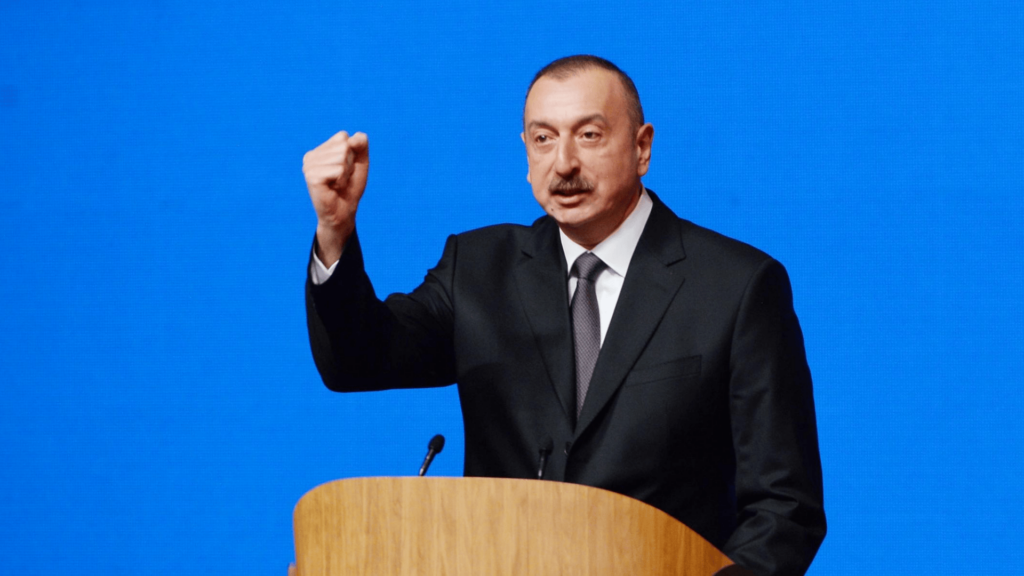
President of Azerbaijan Ilham Aliyev has consistently maintained his key thesis throughout the entire process: Karabakh is an inseparable part of Azerbaijan. In his speeches, peace was presented as the main goal, while war was described as the “last resort.”
The Center’s analysis emphasizes that although Aliyev used harsh and militaristic rhetoric for the domestic audience, on international platforms he demonstrated openness to compromise. Baku’s presentation of a draft peace agreement in 2022 is also seen as an indication of this approach.
At the same time, the president had long insisted on a model of the Zangezur corridor under Russian control. At the Washington meeting, his agreement—mediated by the United States—to a new communication route, dubbed the “Trump Route,” is considered an important turning point for Baku.
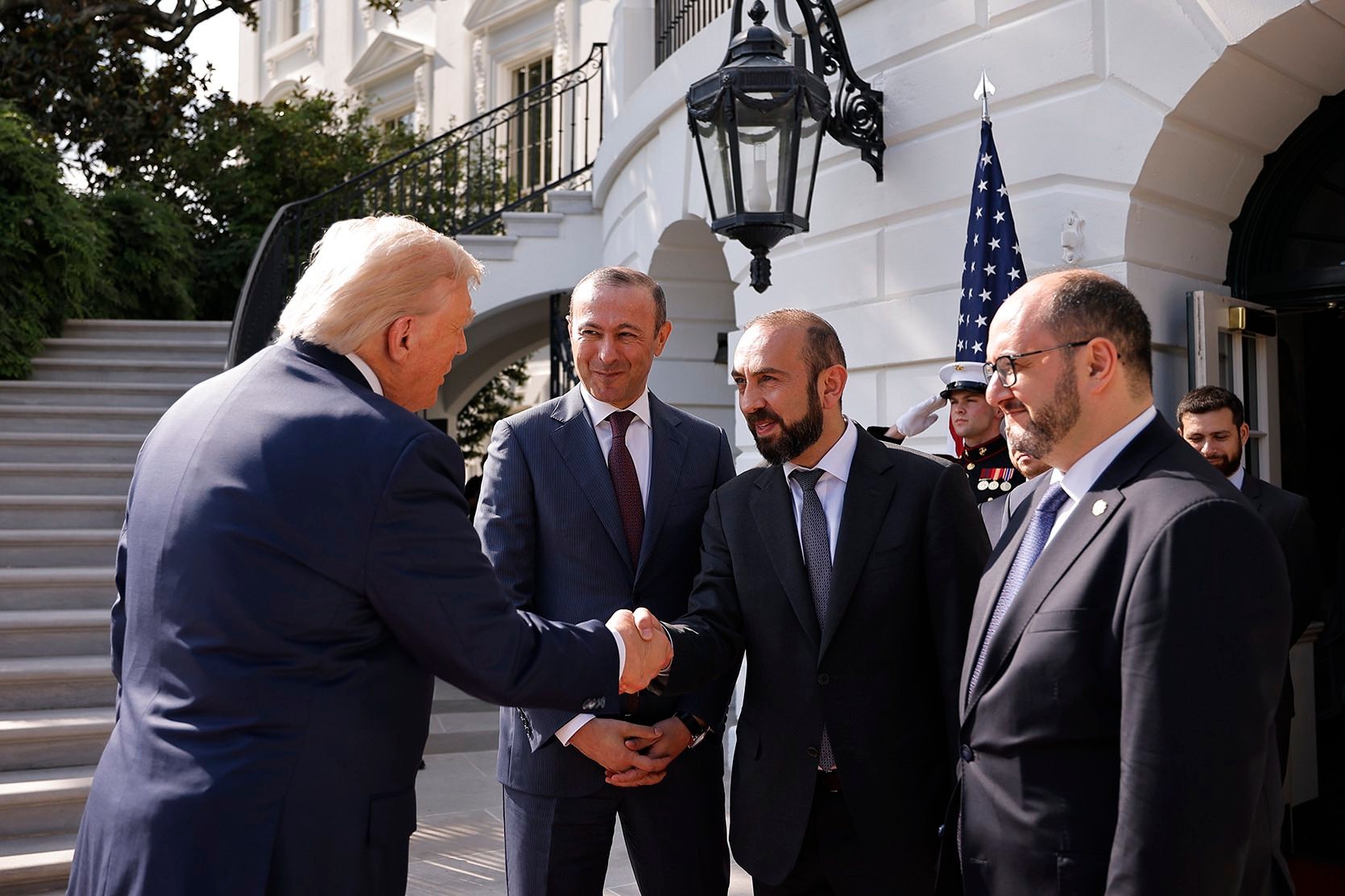
The stability of the new reality is in question
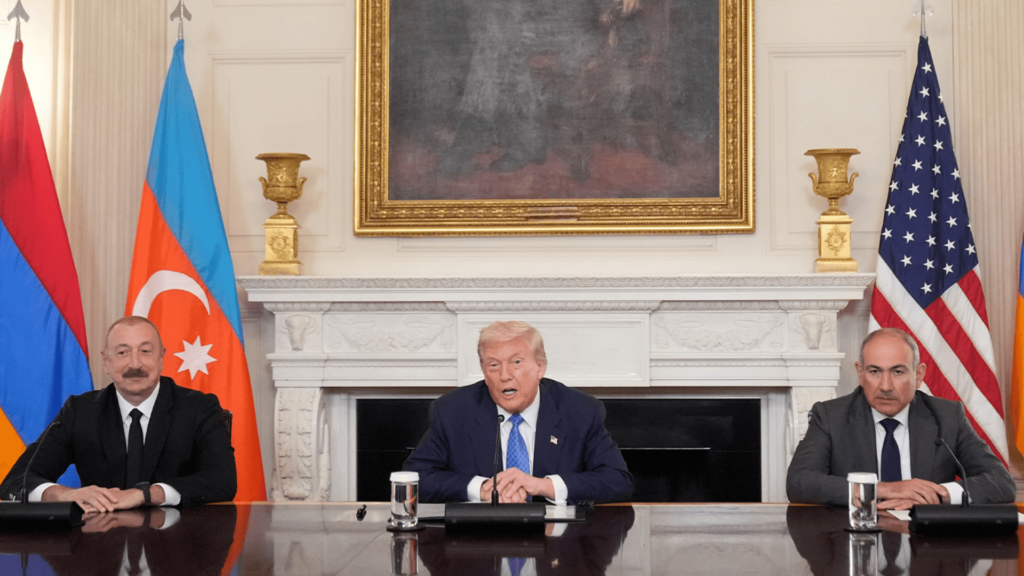
According to the conclusions of the Caspian Center for Research and Analysis, over the past five years Pashinyan has been forced to make compromises. Aliyev, on the other hand, while largely maintaining his position, has gained a diplomatic advantage.
Nevertheless, the main question remains unresolved: will the agreement initialed at the White House lead to a lasting peace in the region? As the Center emphasizes, in the context of confrontation between democratic and authoritarian regimes, the fate of peace will depend not only on documents, but also on the nature of the political systems themselves.
Context
The Karabakh conflict has been at the center of the South Caucasus political agenda for four decades. What began in 1988 as an ethnic confrontation quickly escalated into a war, claiming thousands of lives and leading to the forced displacement of hundreds of thousands. Despite the 1994 ceasefire agreement that froze the conflict, subsequent decades of diplomatic efforts brought no results.
The 44-day war of 2020 radically altered this balance, created new realities in the region, and forced the parties into tougher, yet at the same time more realistic compromises. In the years that followed, the leaders of both Armenia and Azerbaijan employed different rhetoric and strategies, but neither managed to remove the issue of peace from the agenda altogether.
The document initialed in Washington on August 8 is assessed as the next stage in this long process. However, the history of the conflict shows that peace depends not only on documents, but also on political will, public support, and shifts in the geopolitical balance of the region. How sustainable this current step toward resolving the Karabakh conflict will be remains an open question.
Azerbaijan–Armenia peace deal