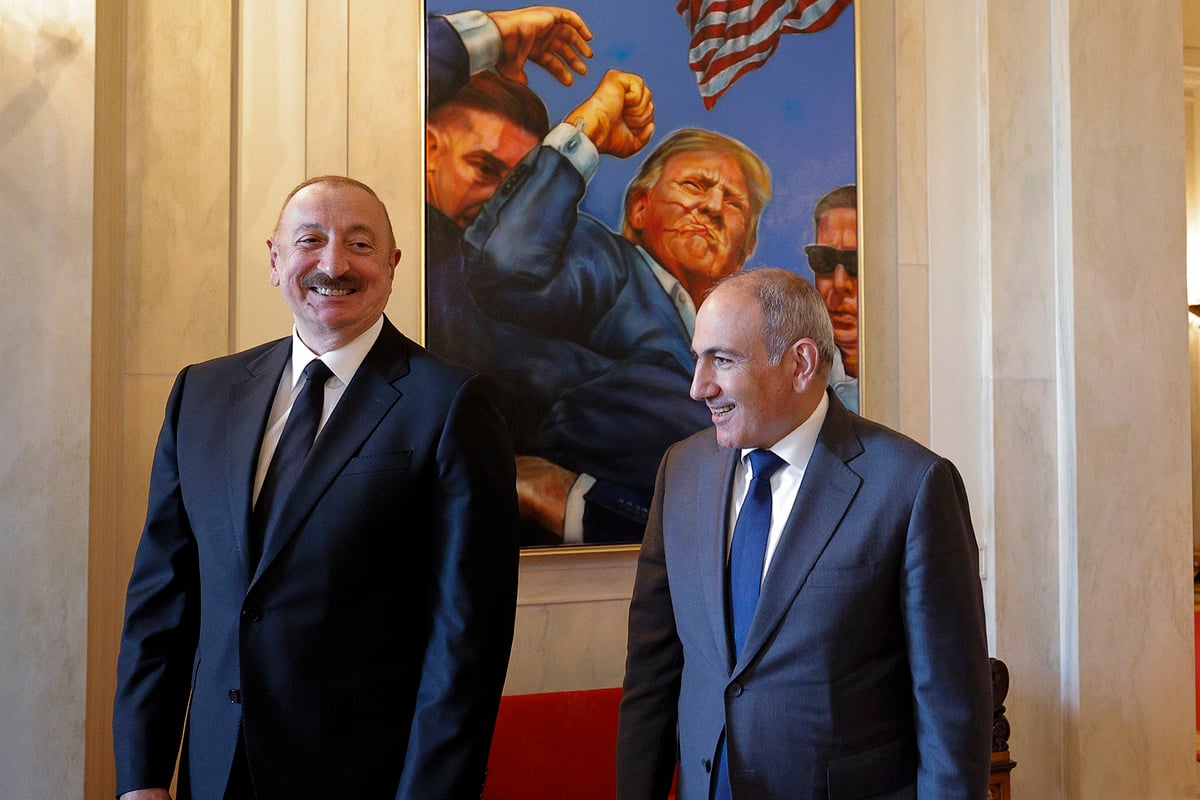
On the initialled Armenia–Azerbaijan peace treaty
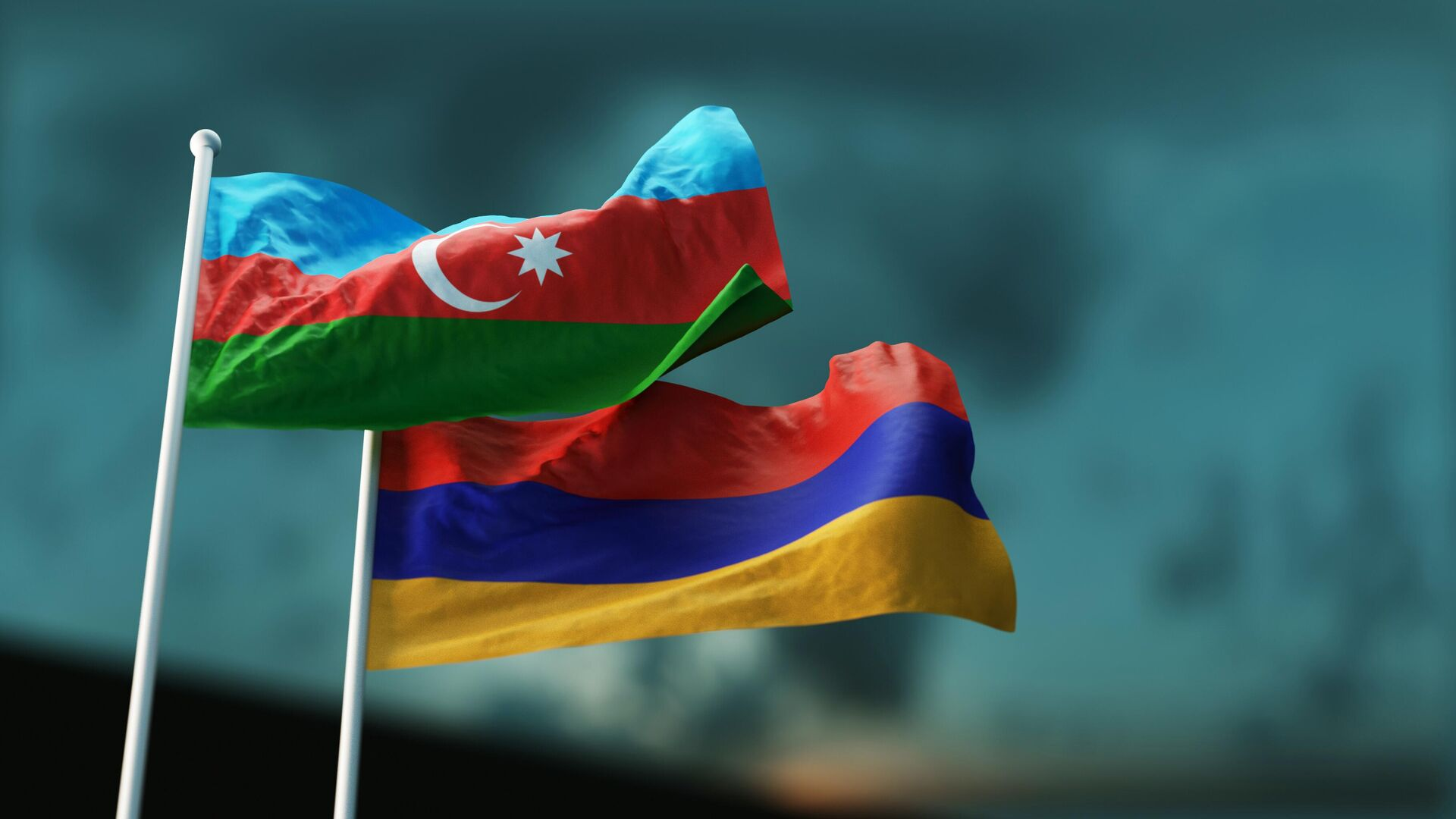
Armenia and Azerbaijan’s foreign ministers have initialled a peace treaty in Washington. The text of the agreement was finalised back in March, but Baku later set preconditions for its signing. One of them – a joint request to the OSCE to end the work of its Minsk Group, which mediated the Karabakh conflict – has already been met.
The second condition is a change to Armenia’s constitution. Baku claims it contains territorial claims against Azerbaijan. Yerevan insists it does not, though the constitution refers to the Declaration of Independence, which cites a joint resolution by the Supreme Council of the Armenian SSR and the National Council of Nagorno-Karabakh on “the reunification of the Armenian SSR and Nagorno-Karabakh.” Baku sees this as a territorial claim. Even after the Washington meeting, president Ilham Aliyev continued to insist that Armenia’s constitution be amended.
Armenia’s leadership says constitutional changes are a domestic matter. They have not ruled out removing the reference to the Declaration of Independence from the preamble, but any amendments would have to be approved by referendum, which, under Armenian law, cannot be held before 2027. If Azerbaijan continues to insist on this point, signing could be delayed by about two years.
Meanwhile, the text of the initialled peace treaty, published by Armenia’s foreign ministry on Monday, contains provisions that, according to Yerevan, fully address Azerbaijan’s concerns.
One of the provisions states that the parties “have no territorial claims against each other and will not make such claims in the future.” Another says that “neither side may refer to provisions of its domestic legislation as a justification for failing to comply with this agreement.” Armenian officials had made these points repeatedly even before the treaty text was published.
“The political climate now seems to be such that the peace agreement will only be concluded if a constitutional referendum is held. And yes, I see the risk that this referendum could in theory be held in Armenia, but fail,” political analyst Areg Kochinyan told JAMnews.
He believes the signing of the agreement is now being tied to the constitutional referendum. In that case, he said, the only hope would be that voters support it.
Commentary on several articles of the published peace treaty.
Commentary from political analyst Areg Kochinyan
“Azerbaijan is preparing for different scenarios”
Article II In full compliance with Article I, the Parties confirm that they do not have any territorial claims against each other and shall not raise any such claims in the future. The Parties shall not undertake any act – including planning, preparing, encouraging or supporting such acts – that aims to dismember or impair, in whole or in part, the territorial integrity or political unity of the other Party.
“Baku must abandon its ‘Western Azerbaijan’ thesis, because that is exactly what the peace agreement implies.
Over the past two years, Azerbaijan has been promoting the ‘Western Azerbaijan’ narrative, which essentially refers to almost all of Armenia’s territory. Azerbaijani authorities periodically raise the issue of ‘returning Azerbaijanis to this historical homeland’. President Ilham Aliyev has repeatedly made statements such as: ‘There has never been Armenia on this territory. Today’s Armenia is our land. Every time I say this, people try to point out that I have territorial claims. I say it as a historical truth.’
In response, Armenian prime minister Nikol Pashinyan has at times said Yerevan has grounds to suspect territorial claims from Azerbaijan. He believes the ‘Western Azerbaijan’ thesis is a direct encroachment on Armenia’s territorial integrity: ‘Western Azerbaijan refers only to the western regions of Azerbaijan. There can be no Western Azerbaijan on the territory of Armenia.’
This thesis can be interpreted in two ways:
- it was created as a counter-narrative to the rights of Karabakh Armenians and, more broadly, Armenians forcibly displaced from Azerbaijan over the years at various stages of the conflict;
- there is a genuine intention to seize all of Armenia’s territory and declare it ‘Western Azerbaijan’.
It is impossible to say at this point which of these is the real reason for the narrative – I don’t even think Baku has decided. It depends on many factors.
Unlike Armenia, Azerbaijan is preparing for all scenarios at once – for war, for peace, and for a state of neither war nor peace. The rhetoric about ‘Western Azerbaijan’ can also be used in different ways, depending on how events develop.
That said, at this stage it is the peace scenario that is being actively developed and promoted.”
“The EU monitoring mission could be repurposed”
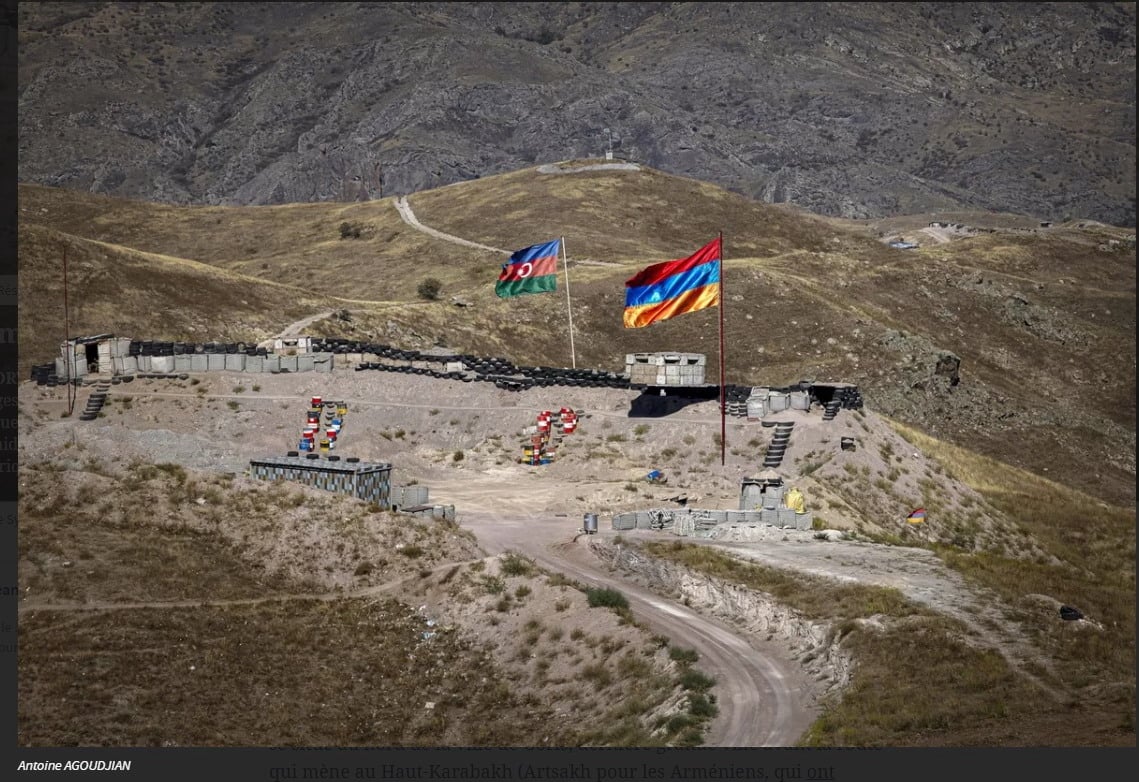
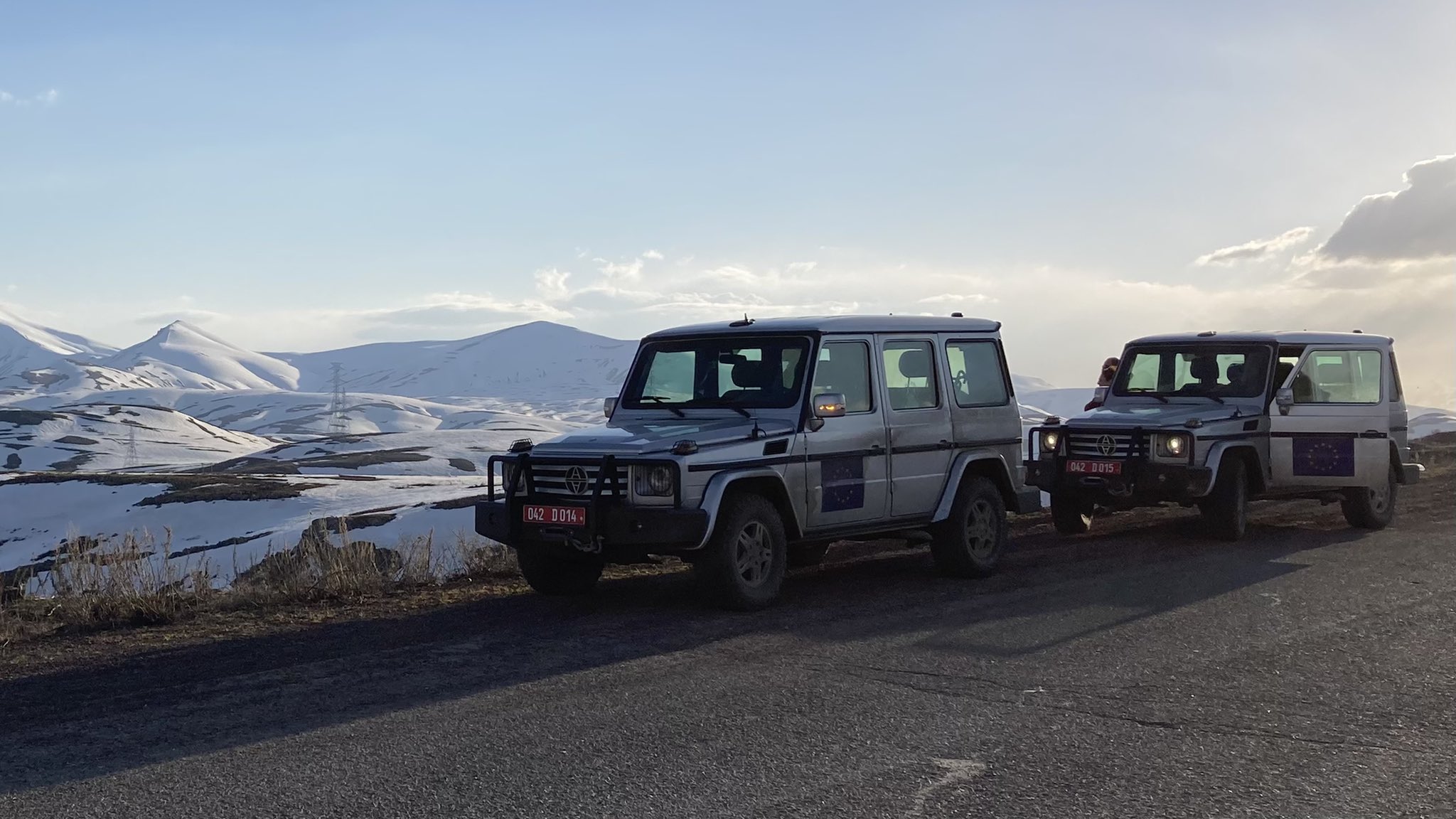
Article VII The Parties shall not deploy along their mutual border the forces of any third party. Pending the delimitation and subsequent demarcation of their mutual border, they shall implement mutually agreed security and confidence-building measures, including in the military field, with a view to ensuring security and stability in the border regions.
“Let’s be clear – this is not about the observers leaving right now, but about the time when the peace agreement is signed, ratified and enters into force. The EU monitoring mission is still in place and will continue its work for now.
The EU civilian monitoring mission has been observing the border with Azerbaijan from the Armenian side. According to both officials and local residents, it has significantly stabilised the situation there.
Of course, we first need to clarify what we mean by ‘border’. Usually, it refers to the so-called green border – the area within about 1 km of the actual borderline. In theory, if the EU mission continues patrolling from 1 km back, that would no longer count as the border.
But if we are genuinely moving towards peace and developing interstate relations, then there may no longer be a need for it in that role. In that case, we would need to reach an agreement with the EU quickly on repurposing the mission – keeping it in Armenia but giving it a different role. For example, it could help with military reform.”
“I’m sceptical about courts”: on dropping international lawsuits
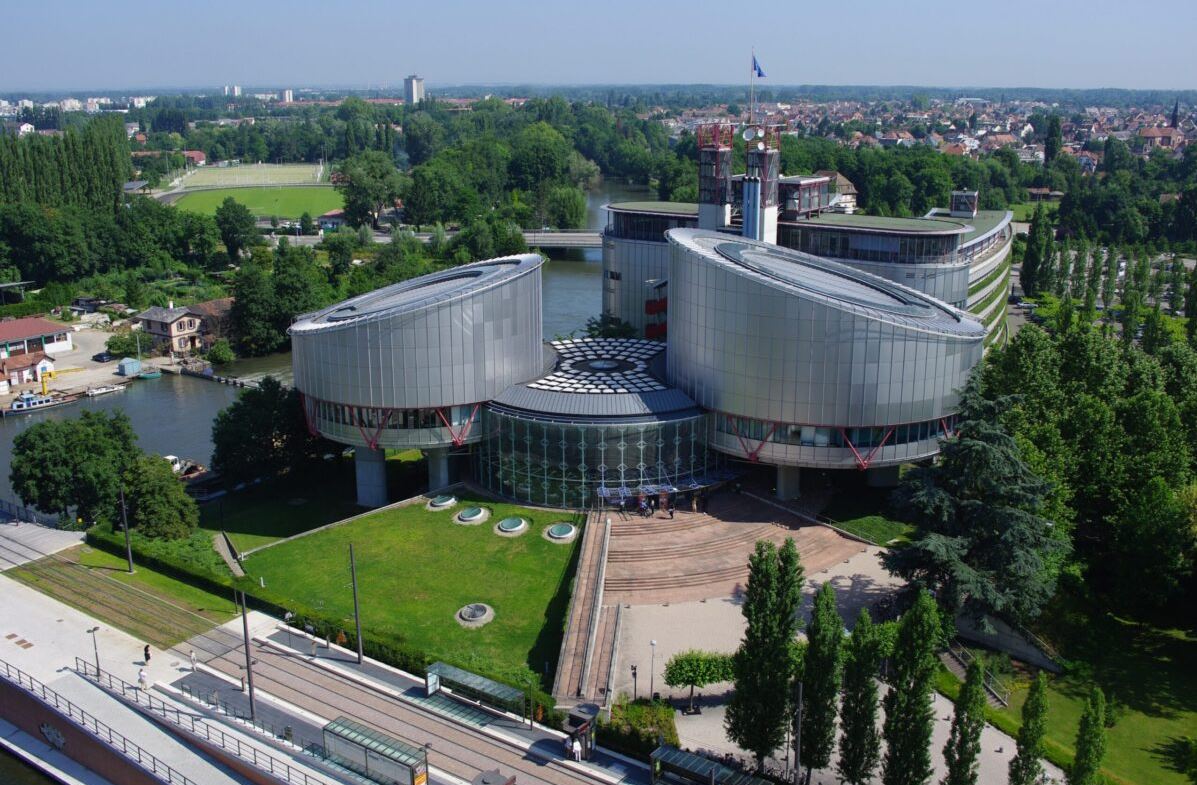
Article XV Without prejudice to Article XIV, the Parties shall withdraw, dismiss or otherwise settle all interstate claims, complaints, protests, objections, proceedings and disputes related to issues existing between them before the signing of this Agreement in any legal forum within one month from its entry into force, and shall not initiate such claims, complaints, protests, objections or proceedings thereafter. They shall also refrain from involvement in any way in such actions brought against the other Party by any third party.
“I’m very sceptical about international legal proceedings and courts. Let’s remember – there was a court ruling ordering Azerbaijan to open the Lachin corridor. How did that help us?
In negotiations, one side always gives something, the other gets something. It’s constant bargaining.
In my view, all these legal cases have been a bargaining chip for Armenia at certain stages of the talks. And in that logic, they should be played that way.
But to believe there will be a court that declares ‘Karabakh is Armenian land, Armenians must live there,’ and Azerbaijan will comply without objection… No matter how much a person might want to believe in these legal processes, after so many years it should be clear that the world doesn’t work like that.”
On the initialled Armenia–Azerbaijan peace treaty
The agreement offers stronger guarantees
“To be honest, I don’t think Armenia has played all its cards yet. The EU monitoring mission is still on Armenia’s border, and the legal cases have not been closed.
The peace agreement has not been signed yet. It’s not quite accurate to say Armenia has already made these concessions. We will be legally obliged to make them only once the peace agreement is signed.
And while the agreement does not give a 100% guarantee of peace, it is still a far stronger guarantee than the EU mission or the legal proceedings.”
The term ‘separatism’ and the Karabakh Armenians
Article VIII The Parties condemn and shall combat intolerance, racial hatred and discrimination, separatism, violent extremism and terrorism in all their forms within their respective jurisdictions, and shall uphold their applicable international obligations.
“Official Yerevan recognises Azerbaijan’s territorial integrity and will in no way support actions or processes against it.
What exactly do the parties mean when they talk about separatism? At this point, it’s hard for me to answer that. Quite simply, the sides still need to set up special commissions and hold their meetings. They must agree on common definitions for many terms – and that work has yet to be done.”
‘Talks behind closed doors’: the issue of prisoners and Trump’s request
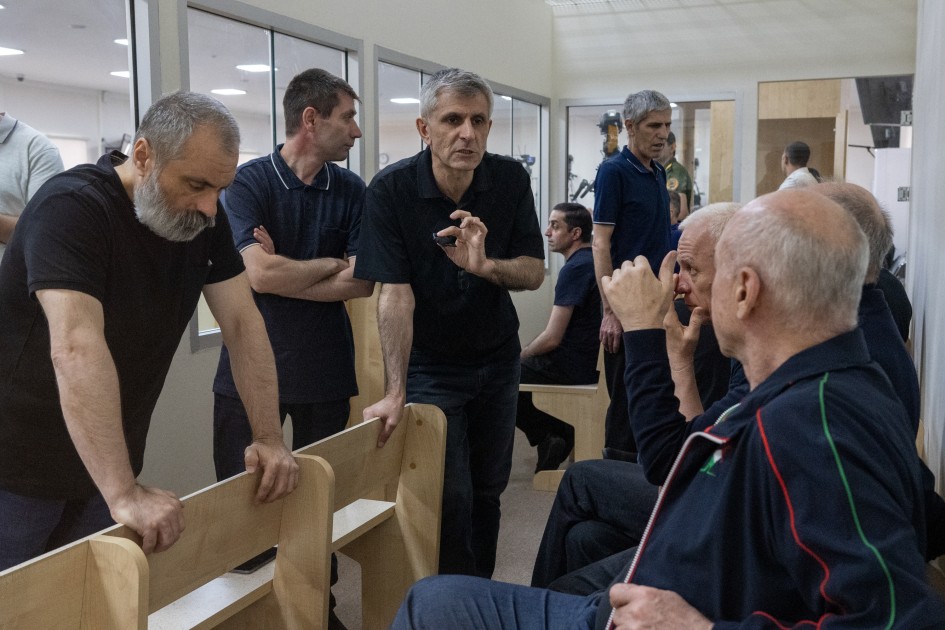
The agreement contains no provisions on the return of Armenian prisoners held in Azerbaijan. However, during the Washington meeting, Donald Trump spoke to prime minister Pashinyan about “23 Armenian Christians held in Baku.” The US president said he would ask Ilham Aliyev to release them.
“In the humanitarian context, other issues are also being discussed – the missing, forced disappearances. As for the Armenian prisoners in Baku, I think at some point Yerevan realised that the chances of achieving anything through public processes are much smaller than behind closed doors.
The most recent prisoner releases came as a result of closed-door talks and confidential agreements.
Time will tell what is possible at Trump’s request and what is not. I hope, in the current climate, it is possible. Moreover, it will be an important indicator of how real US engagement is – and of its will to resolve political issues.
In our region, personal authority matters a great deal when it comes to getting things done. We will see how much weight the US president’s word carries for Baku in this case.”
On the initialled Armenia–Azerbaijan peace treaty