
The Italian Ministry of Justice has announced plans to potentially release up to 10,000 prisoners — roughly 15% of the country’s total prison population — as part of efforts to ease severe overcrowding in detention facilities, Azernews reports.
Day: July 16, 2025
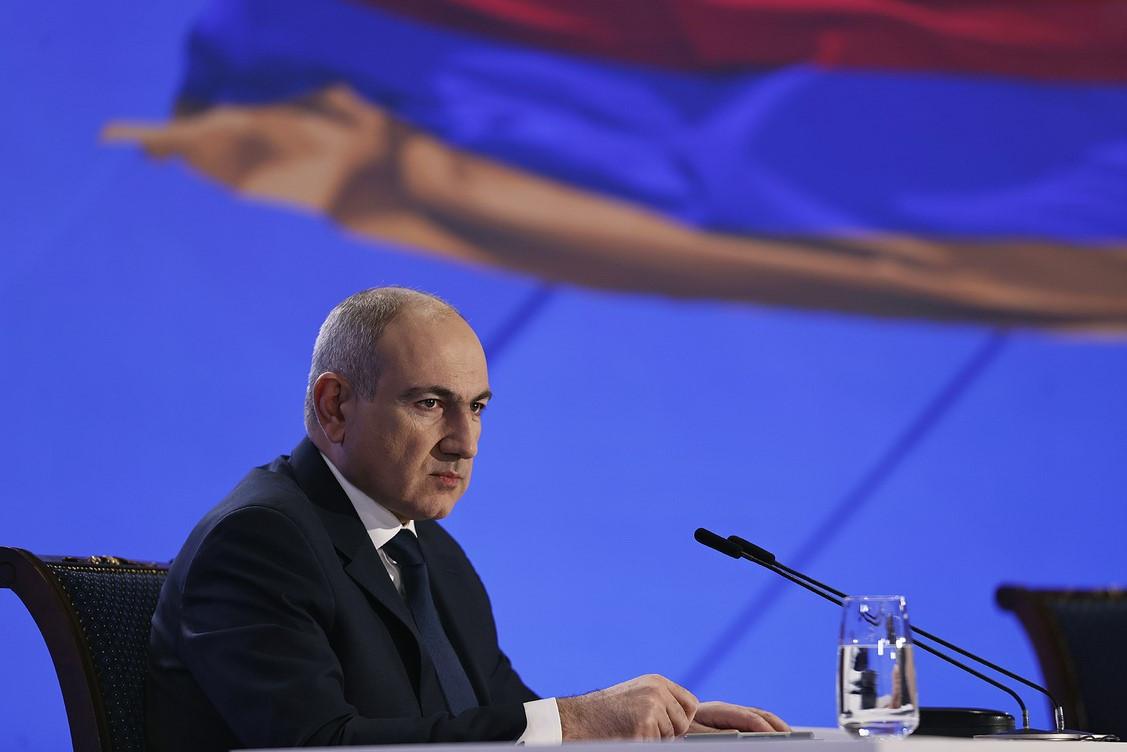
All key takeaways from the Armenian PM’s press conference
Armenian Prime Minister Nikol Pashinyan confirmed that Yerevan had received a proposal from Washington regarding the unblocking of regional transport links. He said the offer was informal, but “that’s how most diplomatic work is done.”
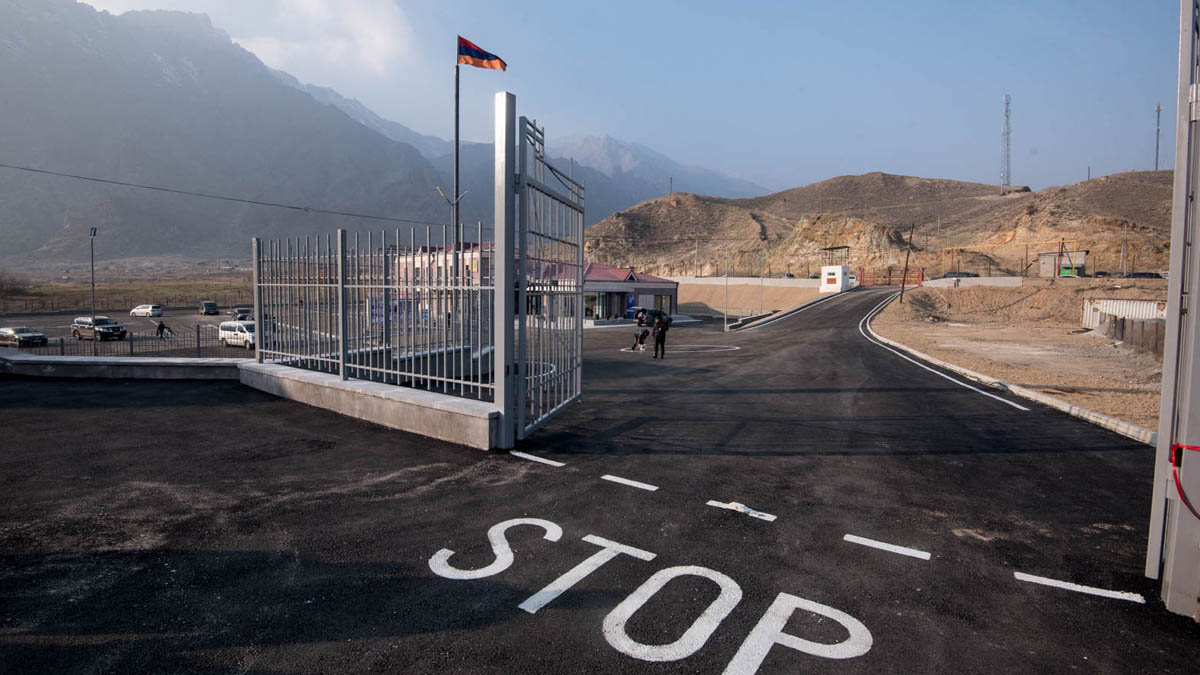
Media outlets have recently been discussing the possibility of outsourcing a road through Armenian territory to a US company. The route would connect Azerbaijan to its exclave Nakhichevan. The specific functions of the proposed company remain unclear. Back in 2022, Yerevan had suggested outsourcing border and customs control to Baku, but Azerbaijan rejected the offer.
According to Pashinyan, interest in managing Armenian roads through outsourcing has been expressed not only by the US, but also by the European Union—and even China has shown investment interest. He added that the American proposal could involve a joint Armenian-American entity.
“Can I say we have an agreement now? I can’t. Can there be agreement on this? Possibly,” said the prime minister.
However, he stressed that no proposal will be considered if it disregards Armenia’s sovereignty, territorial integrity, or jurisdiction. Azerbaijan continues to demand an extraterritorial corridor—referred to as the “Zangezur Corridor”—through southern Armenia.
Pashinyan also addressed the use of the term “corridor,” noting that since the November 2020 trilateral statement that ended the war in Nagorno-Karabakh, the word has acquired a politically sensitive and “allergic” connotation in Armenia. However, he said that international partners use the term without implying any infringement on sovereignty. He reassured that any agreement on transport links will respect sovereignty, jurisdiction, reciprocity, and equality.
During the nearly five-hour briefing, Pashinyan also touched on other key topics concerning Armenian society, including the peace treaty with Azerbaijan, Armenia’s possible EU membership, strained ties with Russia, the nationalisation of electric networks, and the government’s deepening tensions with the Armenian Church.
- “Baku weighing U.S. proposal”: Pashinyan-Aliyev talks in Abu Dhabi
- “Yerevan’s proposals on unblocking dispel Baku’s concerns,” Armenian officials believe
- French consulate on Armenia’s southern border: Will it deter Baku from escalation?
- “Erdogan’s statement points to a deal between Turkey and Russia” – opinion from Yerevan
“Numerous options for unblocking are under discussion”
Speaking about the potential outsourcing of transportation routes to a private organisation, Pashinyan stated that numerous options are currently being discussed with Azerbaijan, though no concrete agreement has been reached yet. He emphasised that Armenia already has outsourcing precedents that do not raise public concern:
“Management of Zvartnots Airport has been outsourced. The water system is under outsourced management. Armenia’s railway operations have also been outsourced. Yet the railway, the airport, and the water system all remain the property of the Republic of Armenia.”
According to Pashinyan, if an unblocked road is outsourced, a company could be established to attract investment:
“The ‘Crossroads of Peace’ project [the Armenian government’s proposal for unblocking regional communications] has enormous investment potential. At the same time, certain mechanisms are needed to consolidate those investments.”
He added that the “Crossroads of Peace” project includes not only highways and railways, but also oil and gas pipelines, electricity transmission lines, and telecommunications cables. All of this infrastructure would need to be developed and managed.
The prime minister also confirmed that land lease options are being considered. Armenian law allows construction on leased land. He stressed that investments would not be lost: any built road, pipeline, or other structure would remain, or eventually become, the property of Armenia once the lease expires.
Pashinyan further recalled that Yerevan is prepared to ease border crossing procedures on unblocked routes. He cited, for instance, passport checks and freight tariff proposals.
“We want to make Armenia a transit country in the international, regional, and global sense. And of course, we must try to offer the most attractive terms possible to convince international investors that this is a safe and efficient investment environment,” he said.
The possibility of preliminary signing of a peace treaty with Azerbaijan under discussion
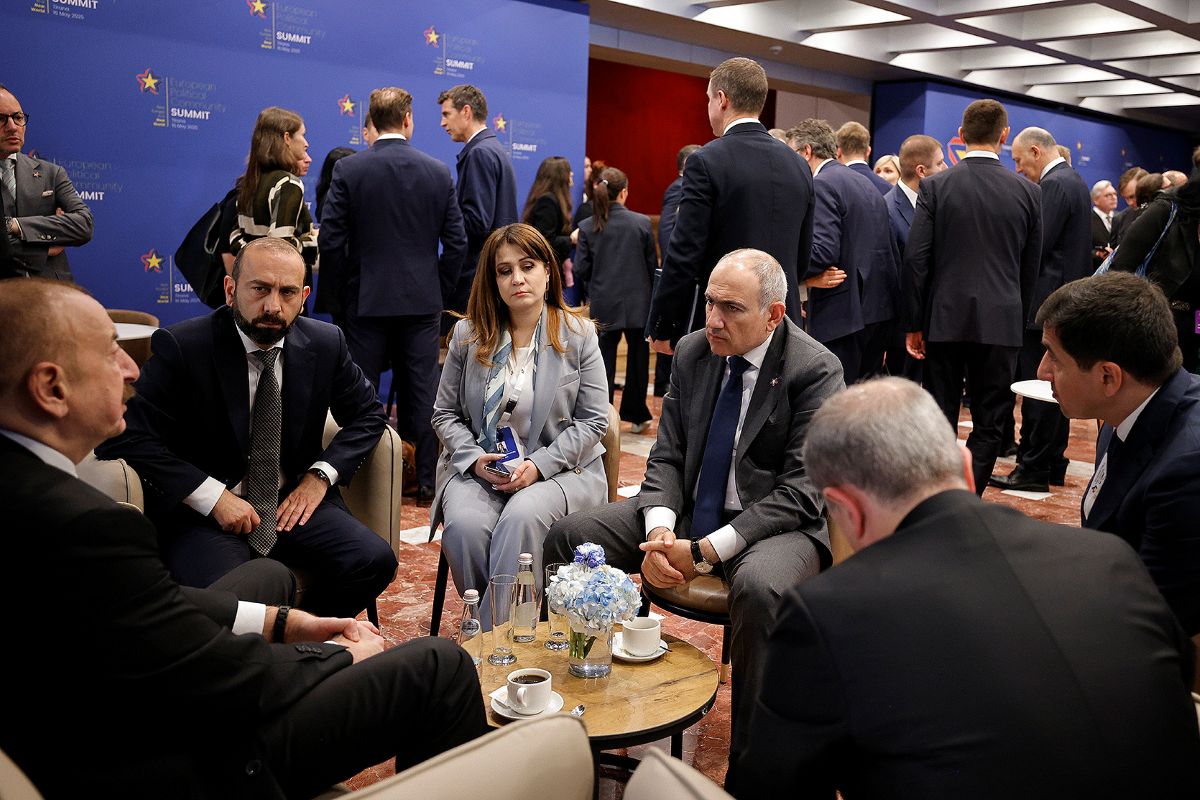
Prime Minister Pashinyan confirmed media reports that the issue of paraphing a peace agreement was also discussed during his meeting with Ilham Aliyev in Abu Dhabi.
“Under certain conditions, paraphing may be acceptable, under certain conditions—realistic, and under others—not so realistic,” he said, without going into detail.
He assured that Armenia would not miss the opportunity to sign a peace agreement, but only with due regard for the country’s national interests:
“On the other hand, it must be understood that the world is dynamic. One must remain flexible and attentive, so as not to find oneself overlooking existing opportunities.”
“Yes, Armenia wants to become a member of the European Union”
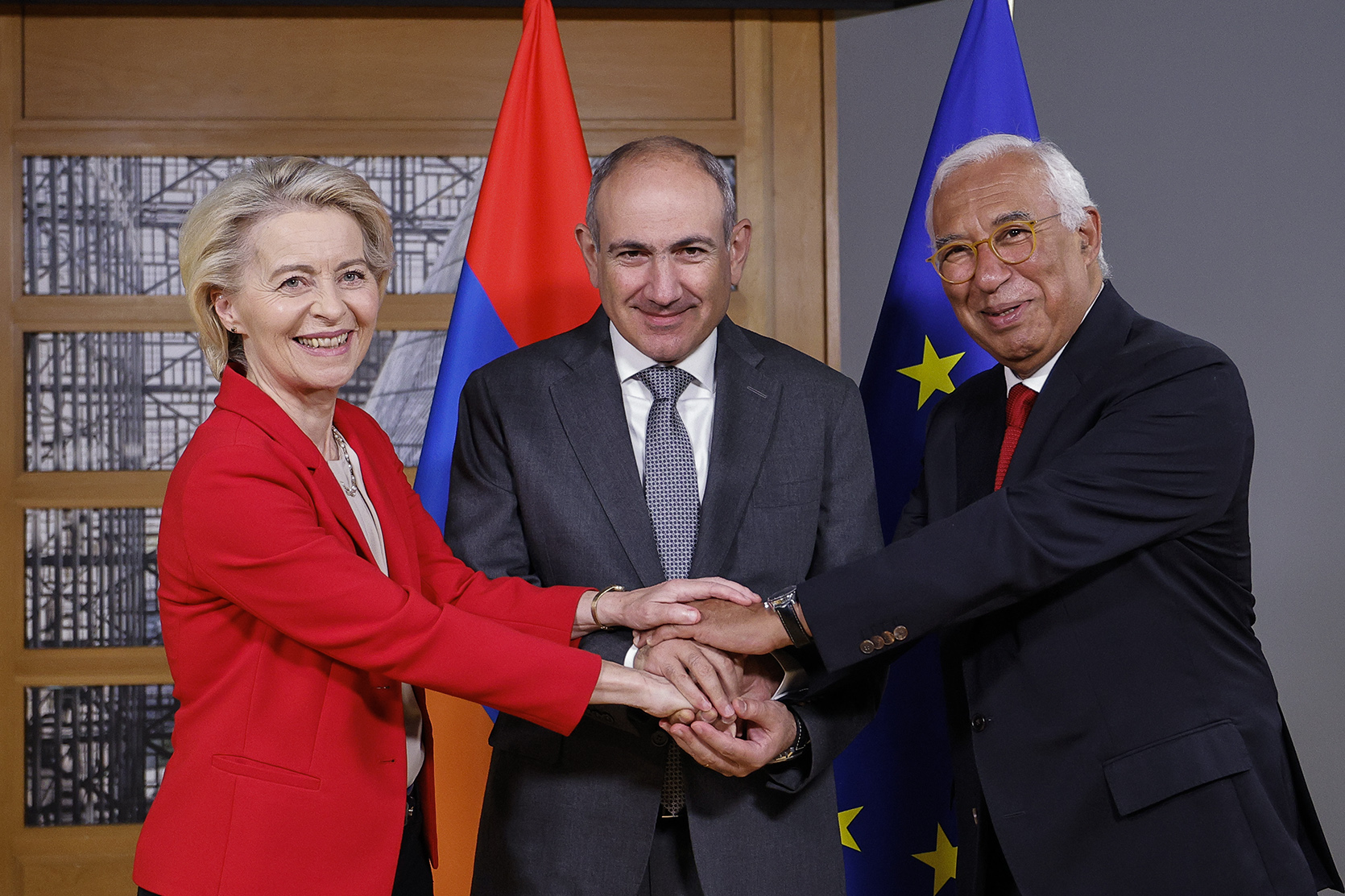
The prime minister also spoke about his recent visit to Brussels. According to him, during the meetings in the EU, he was asked whether the law adopted by the Armenian parliament means the country seeks to become an EU member:
“My answer was—yes, Armenia wants to become a member of the European Union.”
At the same time, he said both he and European partners acknowledged: this is not a simple process. All EU member states must agree, and Armenia must meet the criteria set by the Union.
He emphasised that regardless of whether Armenia ultimately joins the EU, the country will continue its ambitious reform programme:
“There are two options—either Armenia is accepted into the European Union, or not. If accepted—very good. If for some reason not, Armenia will still become a country that meets European standards.”
Later, in response to another question, Pashinyan said that in any case, Armenia will be a member of the EU in 20 years.
On relations with Russia and leaving the CSTO
Pashinyan was asked how long Armenia would maintain its “frozen membership” in the Collective Security Treaty Organization (CSTO).
“It is more likely that we will leave the CSTO than unfreeze our membership,” he said.
The Russian-led military bloc failed to respond to Armenia’s request for assistance when Azerbaijani armed forces advanced into Armenian territory. CSTO member states argued that the border had not yet been delimited. In Armenia, this response was interpreted as the bloc not recognising Armenia’s sovereign territory and not acknowledging it as part of its area of responsibility.
“In practical terms, Armenia’s participation in the CSTO is essentially frozen. I believe that the CSTO did not fulfil its obligations to Armenia regarding security, particularly in 2021 and 2022. And this could not go without consequences,” Pashinyan stated.
The prime minister also addressed Armenia’s relations with Russia:
“They are undergoing a phase of transformation. Armenia-Russia relations will no longer be what they used to be. But that does not mean our relations with Russia should be bad. No, I believe our ties with Russia should be good—much better than they were before.”
“Some Russian TV channels have crossed all boundaries”
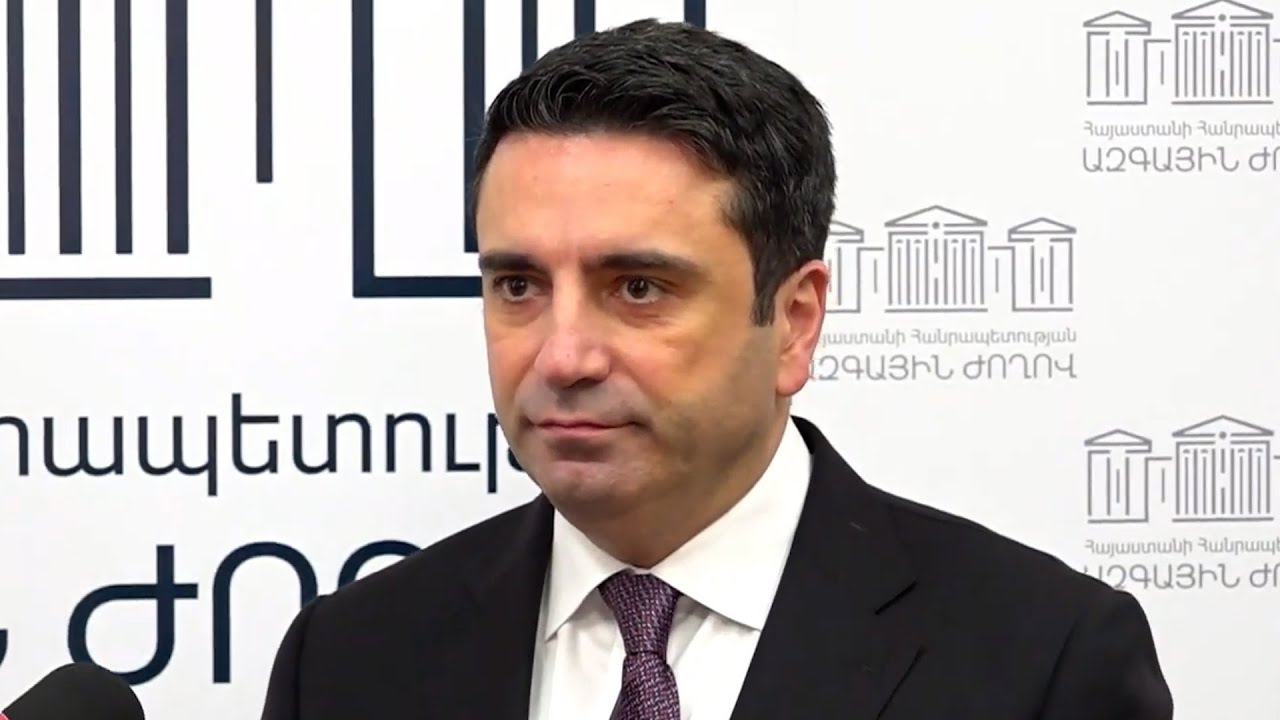
Three Russian TV channels are broadcast in Armenia’s public multiplex. The anti-Armenian content of some of their programs periodically causes public outrage. Local experts describe these channels as “a component of Russia’s hybrid warfare against Armenia.”
Pashinyan, however, does not want Armenia to be forced to make a decision to suspend their broadcasting:
“Armenia wants to have normal, natural, friendly relations with Russia, based on mutual respect. Yes, some Russian TV channels have crossed all possible lines. But I wouldn’t want us to be forced into making that decision, because we’re not seeking confrontation, contradictions, or conflict with Russia. Yet I have the impression that there are forces in Russia trying to push Yerevan into such a move.”
He added that his personal relations with Russian partners — the Russian president and prime minister — are “open, transparent, and sincere.” That, too, he said, would make it uncomfortable if Armenia had to make such a decision.
“We never said the state would always manage the electricity networks”
According to Pashinyan, the issue with the Electric Networks of Armenia (ENA) began long ago. During his regional visits, people regularly complained to him about ENA’s operations:
“We are obliged to protect the interests of Armenian consumers. And since ENA — despite numerous public and governmental appeals, requests, and warnings — failed to take appropriate action, the government is now obliged to take relevant steps,” he said, referring to the initiated nationalisation process.
The prime minister explained that the government’s goal is to assume temporary control in order to investigate what occurred within the company:
“But we never said that after the nationalisation process — or even during it — the state would always manage ENA. Our goal is to find the most efficient manager and establish very clear public and state oversight over the management.”
Pashinyan also did not rule out the possibility of handing over the management of the nuclear power plant to a foreign company. The government has already announced to international firms that it is open to cooperation.
“This campaign is not against the church. The church is a sacred institution for me”
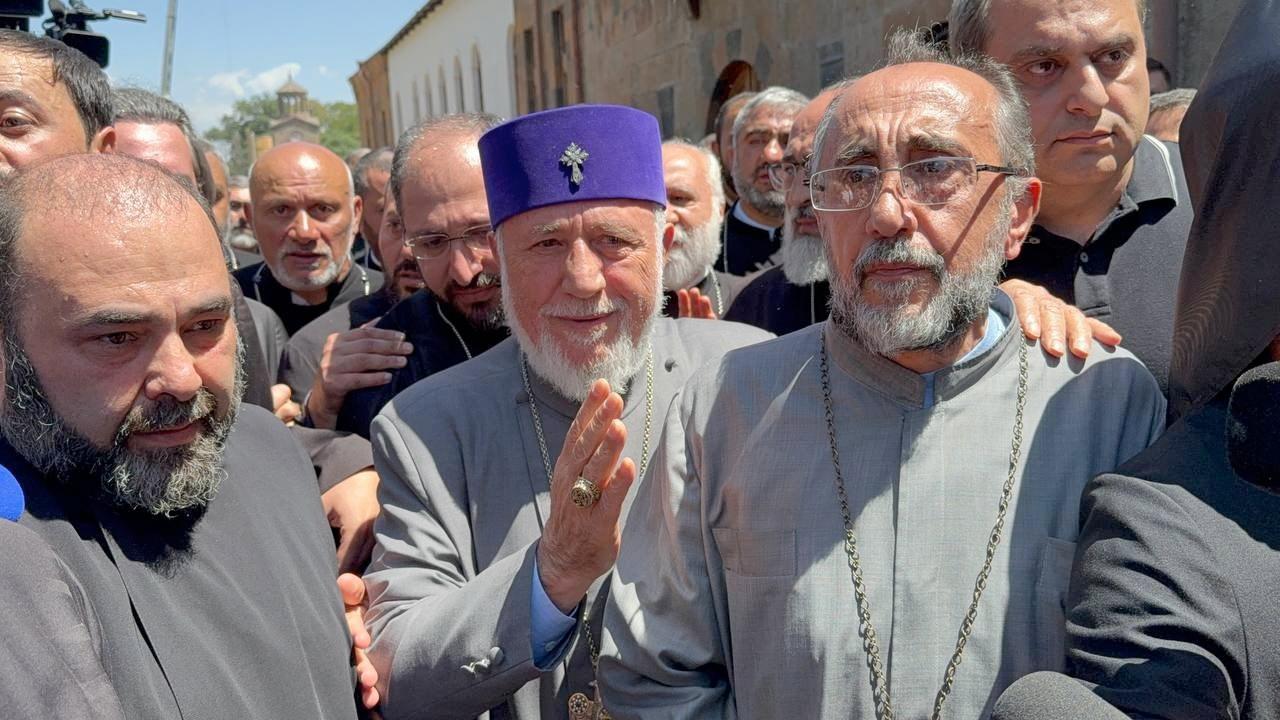
During the press conference, the prime minister was repeatedly asked about the worsening relations with the church. He disagreed with the claim that he had started a campaign against the church. He assured that for him and his family, the Armenian Apostolic Church is sacred:
“What we are doing now is in the name of the church. Otherwise, we could simply remain indifferent to the destructive process happening within the church. If someone is a true follower of our church, they cannot be indifferent to its decline.”
Journalists asked how he intends to achieve the catholicos’s resignation. Pashinyan replied that it would happen the same way Armenia freed itself from Serzh Sargsyan in 2018.
He expects that the people will support his demand just as they once joined his revolutionary movement under the slogan “Reject Serzh” — the now former president of Armenia:
“The Holy See of Etchmiadzin is the epicentre of our spiritual and moral values. And if we, as followers of the church, at some point stop and do not carry this agenda to the end, it could be perceived as a rejection of morality and ethical values.”
He accuses the catholicos of breaking his vow of celibacy and claims he has a child. He reminds that according to the church’s charter, the Catholicos of All Armenians owns all the church’s property. In his view, a moment may come when it turns out that the church’s property is owned by a private individual — the catholicos’s child. He argues this development must be prevented.
Additionally, Pashinyan stated they will not allow external forces to use information they have about clergy members to create a “state within a state.” In his social media posts, he already warned that compromising material on church officials could be used against the state.
“If necessary, our actions will be very harsh, but lawful,” he declared.
Follow us – Twitter | Facebook | Instagram
All key takeaways from the Armenian PM’s press conference
My best advice for getting started in machine learning is broken down into a 5-step process: Step 1: Adjust Mindset. Believe you can practice and apply machine learning. What is Holding you Back From Your Machine Learning Goals? Step 2: Pick a Process. Use a systemic process to work through problems. Step 3: Pick a Tool.
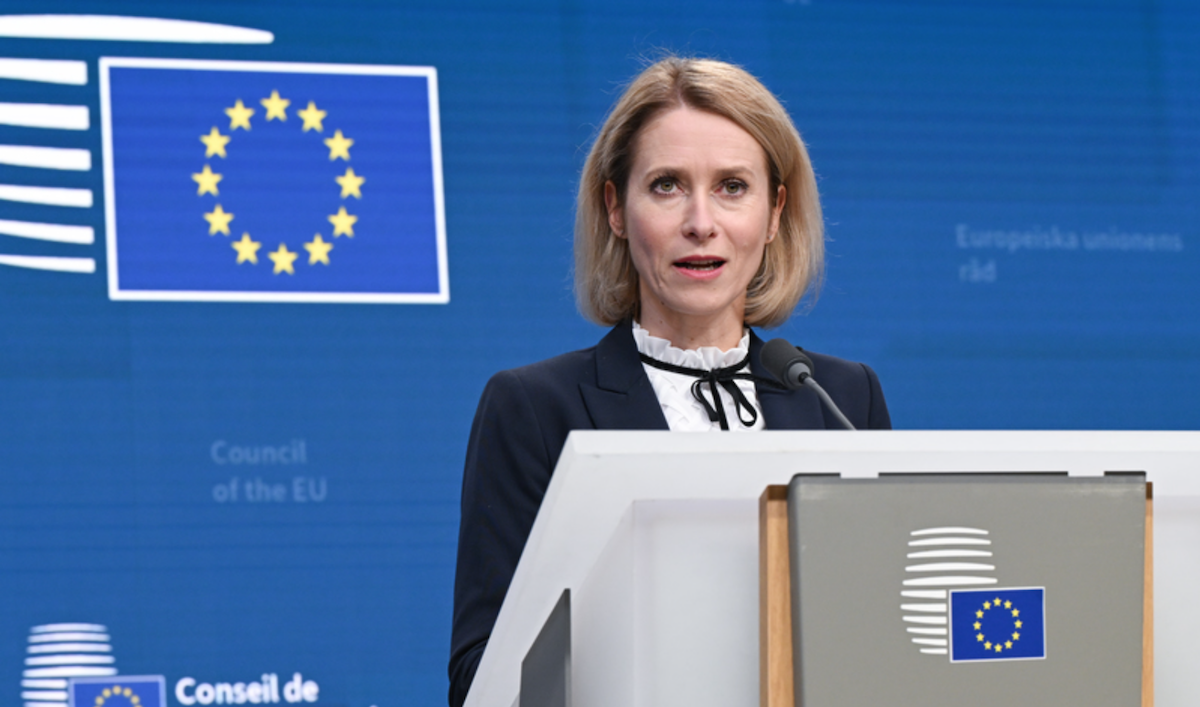
Kaja Kallas warns Georgia of consequences
Kaja Kallas, the European Union High Representative for Foreign Affairs and Security Policy, explained the content of the letter containing recommendations for Georgia, setting August 31 as the “final deadline” for their implementation.
According to Kallas, if the recommendations are not fulfilled and the Georgian government does not return to the path of European integration, there will be consequences, including the possible suspension of the visa-free regime with the EU for Georgian citizens.
What Kaja Kallas said:
“The attack on democracy in Georgia is linked to the Georgian Dream party and its founder, Bidzina Ivanishvili, and the situation is worsening. EU foreign ministers have discussed support for Georgian civil society and various options.
Among the measures considered are suspending visa liberalization, suspending the Association Agreement, and sanctions.
The regression of Georgian democracy will have its price.
As you know, we have had a visa-free regime with Georgia since 2017 – a significant privilege granted by the EU to countries. Accordingly, there are recommendations Georgia has not fulfilled, as detailed in the seventh visa liberalization progress report.
I will not list each one now, but for example, one requirement is that the Georgian government must ensure protection of fundamental rights for all citizens, including freedom of association, assembly, expression, the right to privacy, participation in public life, and prevention of discrimination.
That is just one of eight points. And when we hear that seven out of eight opposition leaders are arrested – that definitely does not correspond to the example I gave.
The government was given until the end of August to meet these recommendations, so the question arises: what will our response be if they are not met?
So far, we have maintained the position that we do not want to hurt the Georgian people by suspending visa liberalization, which would directly affect them. But at the same time, this is also a matter of trust in the European Union.
If we grant such a privilege and bonus to a country that does not meet the conditions, there must be consequences, so society sees that the government is not following the European path and is not serious about its candidate status for EU membership.”
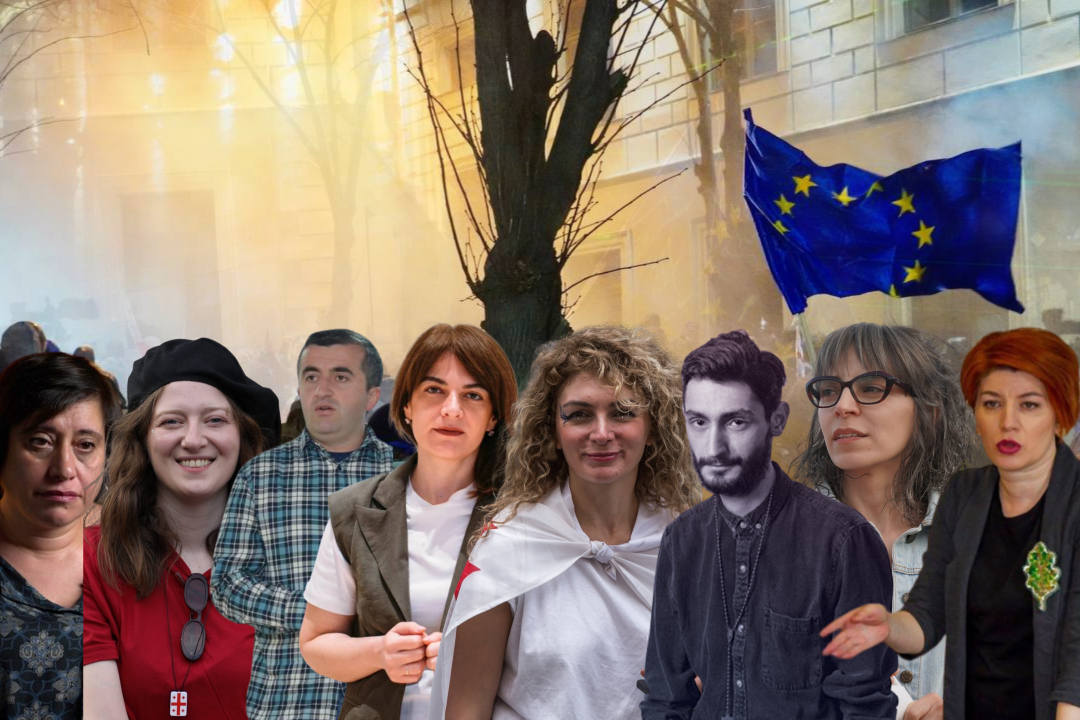
News in Georgia
The South Caucasus is fast becoming a focal point of U.S. foreign policy, from peace talks and corridor diplomacy to potential Abraham Accords expansion. What’s driving Washington’s renewed push in the region?#InsidePolitics #SouthCaucasus #USForeignPolicy #ZangezurCorridor… pic.twitter.com/bzlbK9jFKS
— AnewZ (@Anewz_tv) July 16, 2025