
Day: June 30, 2025
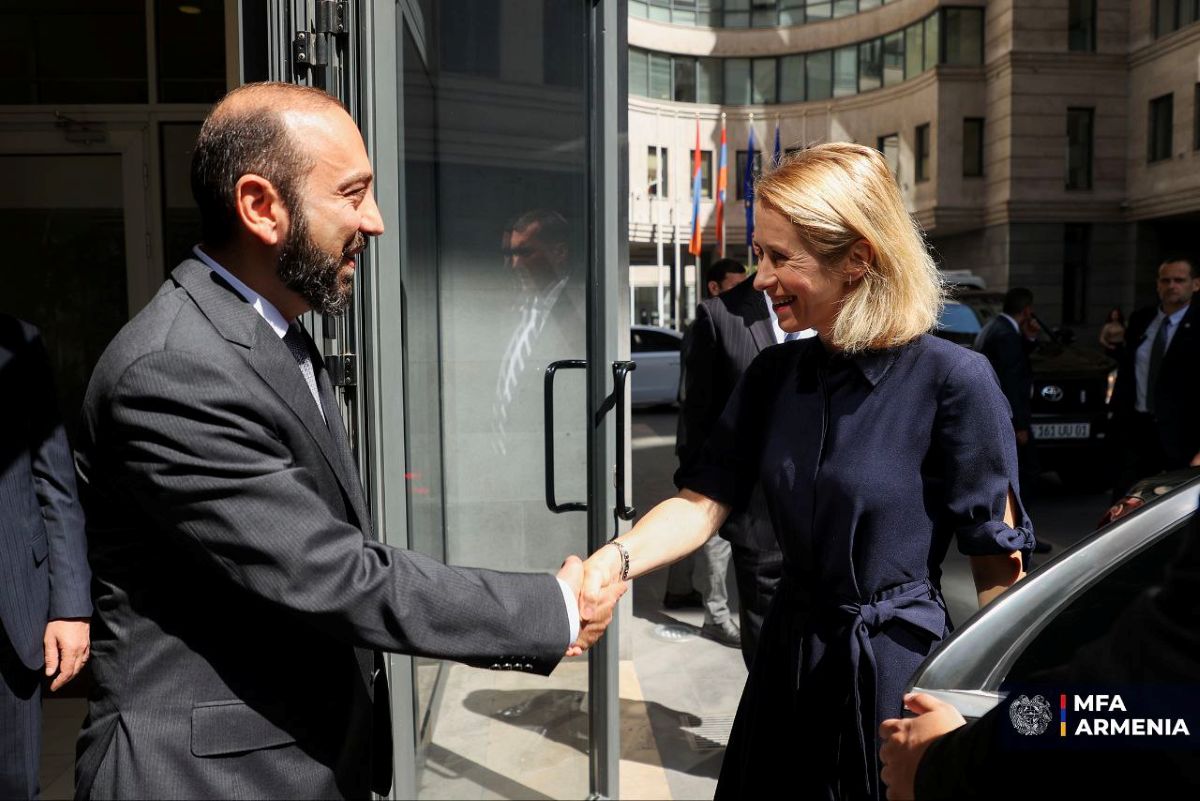
Kaja Kallas’ visit to Armenia
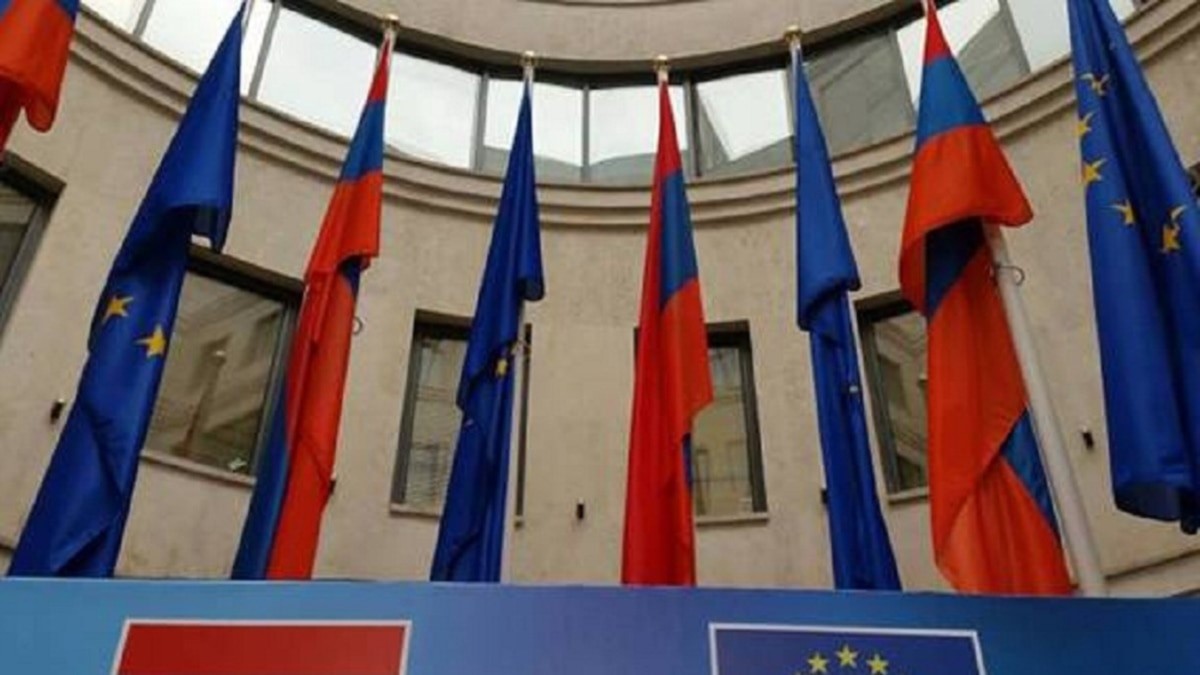
EU High Representative for Foreign Affairs and Security Policy Kaja Kallas is on her second day in Armenia. Following talks with Armenian Foreign Minister Ararat Mirzoyan, a joint press conference was held. They informed journalists about the signing of an agreement outlining Armenia’s involvement in the EU’s CSDP (Common Security and Defence Policy) crisis management operations. According to Kallas, the document envisions Armenia’s participation in EU missions around the world.
This is a vivid example of mutual readiness to expand the Armenia-EU partnership agenda. And it demonstrates Armenia’s commitment to making a constructive contribution to global security, stability, and peace, Mirzoyan stated.
International affairs expert Varduhi Harutyunyan recalls that, according to a study conducted by the EU’s Eastern Partnership Regional Communication Program, 75% of Armenian citizens expect the EU to play a greater role in strengthening the country’s defense. In this context, she emphasizes that the mechanisms currently in place in Armenia-EU relations are not yet sufficient to meet these public expectations.
Given the ongoing discussions within the European Union on defense and security issues, cooperation in the defense sphere with individual European countries is more relevant for Armenia, the expert believes, citing examples of Armenia’s cooperation with France, Greece, and Cyprus.
- Armenia to begin EU accession process as parliament backs civil society initiative
- EU extends Armenia border monitoring mission for two more years – what does it mean?
- Economy minister: ‘Armenia won’t swap EAEU for another bloc, it seeks independence’
Armenian FM highlights ‘three significant achievements’
According to Armenia’s Minister of Foreign Affairs, in addition to the signing of the framework agreement, two more “significant achievements” have been recorded:
- the completion of negotiations on the new partnership agenda,
- the launch of consultations in the field of defense and security.
The launch of defense and security consultations, he noted, is a “decisive step.” It aims to align cooperation with current challenges.
“In this context, I would like to particularly highlight cooperation aimed at strengthening Armenia’s defense capabilities, resilience, and the further development of democratic institutions, which also includes areas such as combating hybrid threats and disinformation”, Ararat Mirzoyan stated.
New Armenia-EU partnership agenda
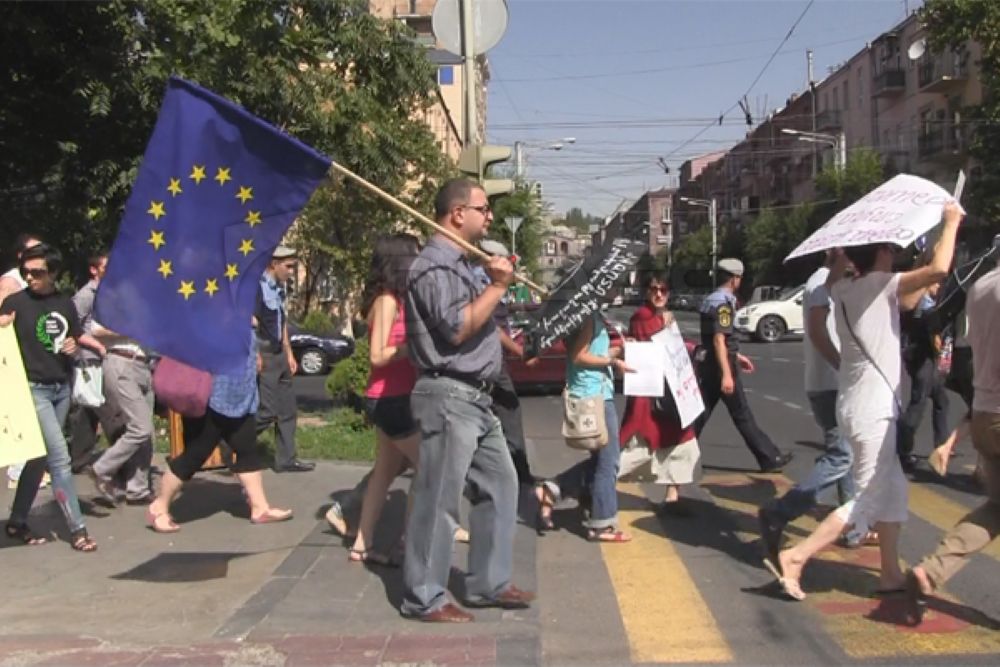
“Armenia and the European Union have successfully concluded negotiations on a new partnership agenda. This is an ambitious document that will complement and further deepen the bilateral Armenia-EU agenda through new areas of cooperation. At the same time, it will contribute to the effective implementation of the Comprehensive and Enhanced Partnership Agreement between Armenia and the EU”, said Armenia’s Foreign Minister.
According to him, the document outlines additional areas, directions, and instruments of cooperation. Ararat Mirzoyan affirmed that details will be presented to the public in the near future.
“The new agenda defines our priorities in the areas of economic development, security, and resilience”, added Kaja Kallas.
“The EU will continue to support Armenia”
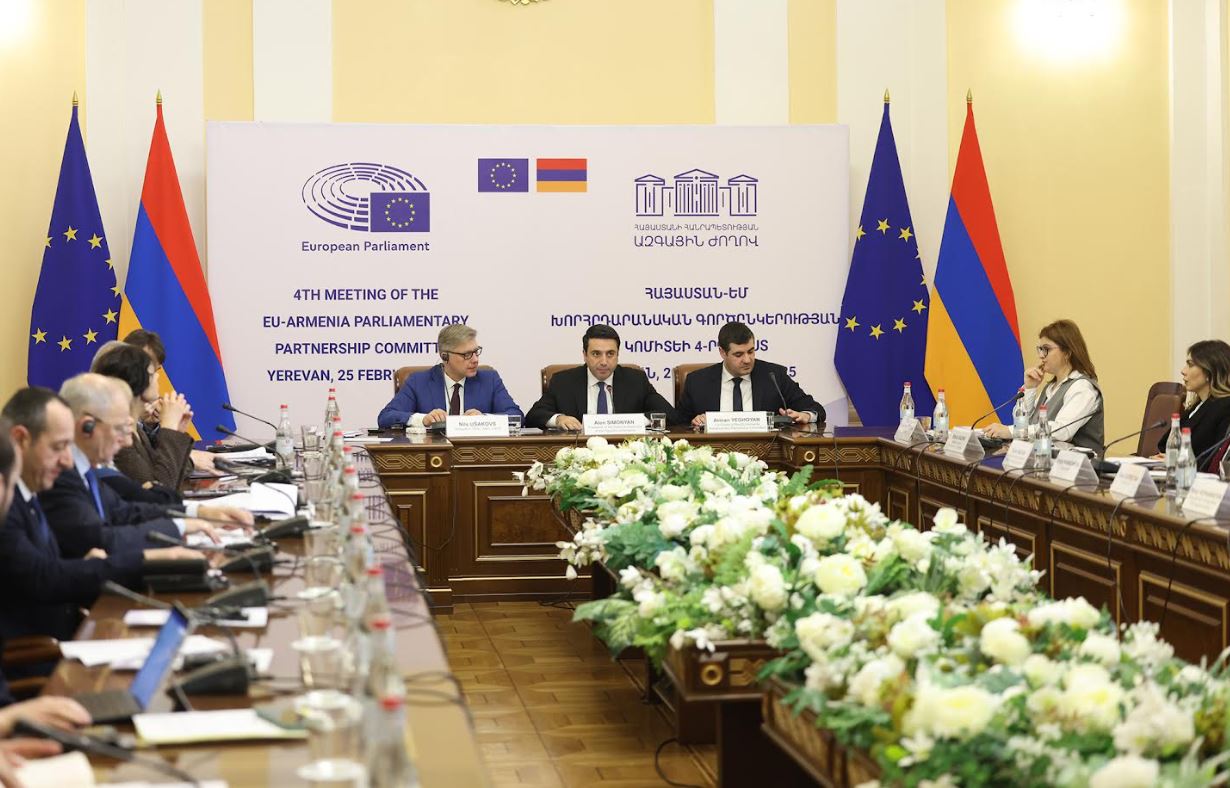
The EU High Representative stated that she came to Yerevan with a clear message: the EU and Armenia have never been closer than they are now. Kaja Kallas emphasized the importance of Armenia’s continued commitment to democracy and freedom, especially in the face of hybrid threats and external interference. She stressed that the European Union is ready to support Armenia in this critical moment.
Journalists asked her about the current status of the European Peace Facility assistance to Armenia and about Hungary’s position this time, after it vetoed the aid in 2024.
The European Peace Facility is a tool through which Brussels provides funds to non-EU countries to enhance their defense capabilities, prevent conflicts, and strengthen peace.
“The EU consists of 27 democratic countries, which complicates the decision-making process. Sometimes a country can block a decision. Yes, we have not yet made a decision, that is true. But we are working on finding a solution to this problem,” Kallas replied.
Key points from the Kallas-Mirzoyan talks
During the press conference, Ararat Mirzoyan said they discussed with the EU colleague:
- possible realistic steps toward implementing the bill on Armenia’s accession to the EU,
- issues related to the visa liberalization process,
- programs to deepen economic ties,
- regional and Middle Eastern developments,
- the Armenia-Azerbaijan negotiation process.
In February 2025, the Armenian Parliament approved a bill to launch the process of joining the European Union. The initiative was put forward by civil society representatives and pro-Western political forces in Armenia. To bring the bill to the parliamentary agenda, the initiative group gathered 60,000 signatures instead of the required 50,000.
“We also discussed with the High Representative initiatives implemented with EU participation in the field of regional communications. I emphasized the comparability and potential complementarity of the ‘Global Gateways’ strategy and the Armenian government’s ‘Crossroads of Peace’ project,” Mirzoyan stressed.
Comment
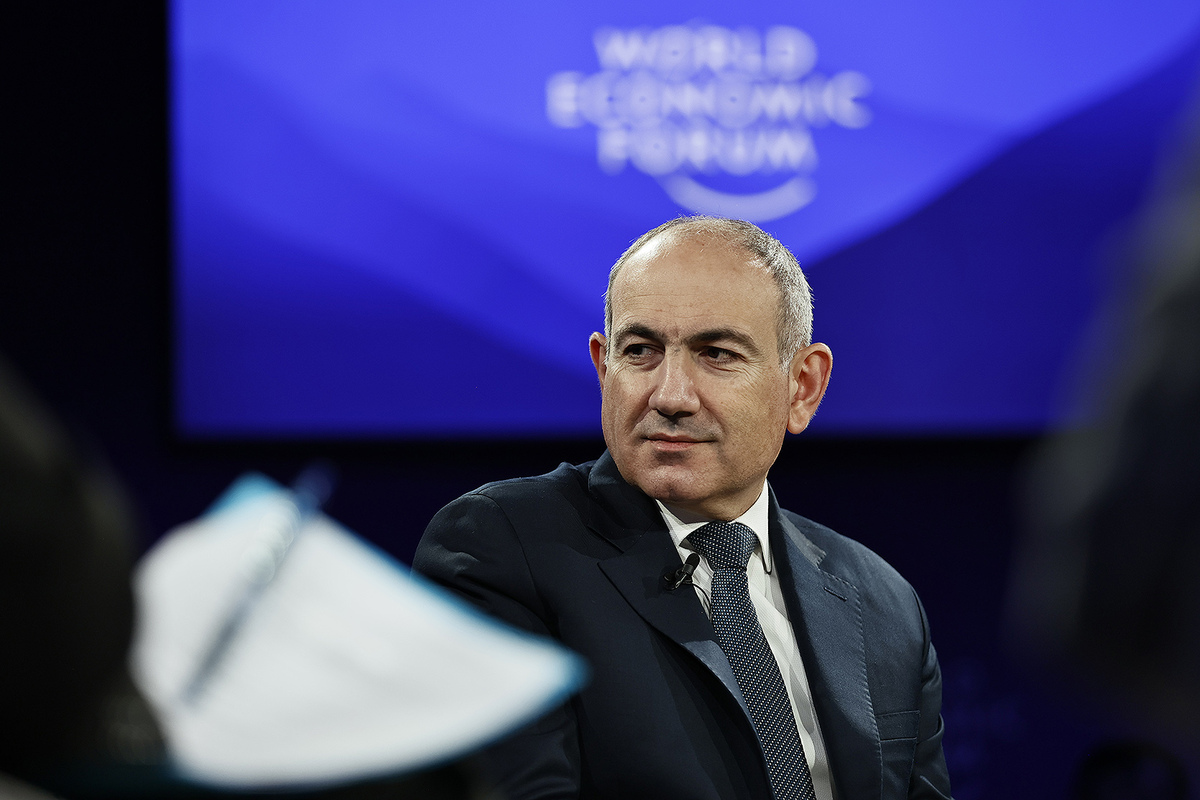
Varduhi Arutyunyan, an international affairs expert at the Orbeli Analytical Research Center, believes that the new Armenia-EU partnership agenda will be signed in the near future. According to her information, the document also covers the area of security.
She reminds that, according to public opinion polls, the majority of Armenian citizens associate the deepening of relations with the European Union with improvements in Armenia’s security and defense capabilities.
At the same time, the analyst believes that it is more appropriate for Armenia to continue building closer defense cooperation with individual European countries rather than with the European Union as a whole. She emphasizes that the EU is not a defense organization:
“Today, Europe’s security largely depends on NATO and the United States. It should be noted that the EU is not a security-exporting institution and cannot fully provide the vital security needs of Armenia.”
According to Arutyunyan, as a result of the Trump administration’s policy approach, the EU’s main task is to develop a strategy to reduce dependence on the United States and establish its own security system.
“Although security cannot be a key focus in Armenia-EU relations, Yerevan and Brussels have begun gradually strengthening cooperation in this particular area. This partnership direction includes mechanisms aimed at enhancing Armenia’s security system.”
She cites examples of Armenia-EU cooperation in security:
- a 10-million-euro package of non-lethal military aid to Armenia provided through the European Peace Facility in 2024,
- the appointment of Armenian military attaché to the EU in Belgium in 2025.
She also notes that Armenia will face a significant challenge in withdrawing from the Eurasian Economic Union (EAEU), which operates under Russian leadership. Integration into the EU economic system will also be complex. At the same time, the country will need to work on strengthening stable democratic institutions upholding the rule of law.
The expert stresses that Armenia’s accession to the EU should not be seen as a “quick fix” for the country’s security or economic problems:
“This is still a long-term goal. Armenia must develop a multilayered, balanced, and well-rounded foreign policy. It should primarily focus on its own institutional stability and internal consolidation. At the same time, the door to European integration and EU membership must remain open. Membership should be viewed not as the sole objective, but as a long-term strategic outcome.”
Follow us – Twitter | Facebook | Instagram
Kaja Kallas’ visit to Armenia
Crowds gathered on Tbilisi’s Rustaveli Avenue on Day 214 of non-stop Georgian resistance to protest continued repression by the Georgian Dream government.
Various speakers addressed the rally, including Georgia’s fifth president Salome Zurabishvili, activists, students, and family members of detained protesters.
The rally comes as authorities intensify crackdown on dissent, jailing several opposition leaders and activists over the past weeks. Dozens remain in jail on criminal charges believed to be politically motivated, and several protesters have been already sentenced to years in prison.
“Unity is the plan,” Zurabishvili told the public, congratulating them on seven months of protests to which “they could not do anything” and which “they could not disperse.”
Also Read: