
Day: June 27, 2025
The steady expansion of credit investment, particularly by private banks and NBCOs, reflects growing confidence in Azerbaijan’s financial system and its economic recovery trajectory amid ongoing structural reforms and investment-friendly policies.
According to the Central Bank of Azerbaijan (CBA), this figure represents…
According to the Central Bank of Azerbaijan (CBA), this figure represents…
Armenia reacts to global gold price surge
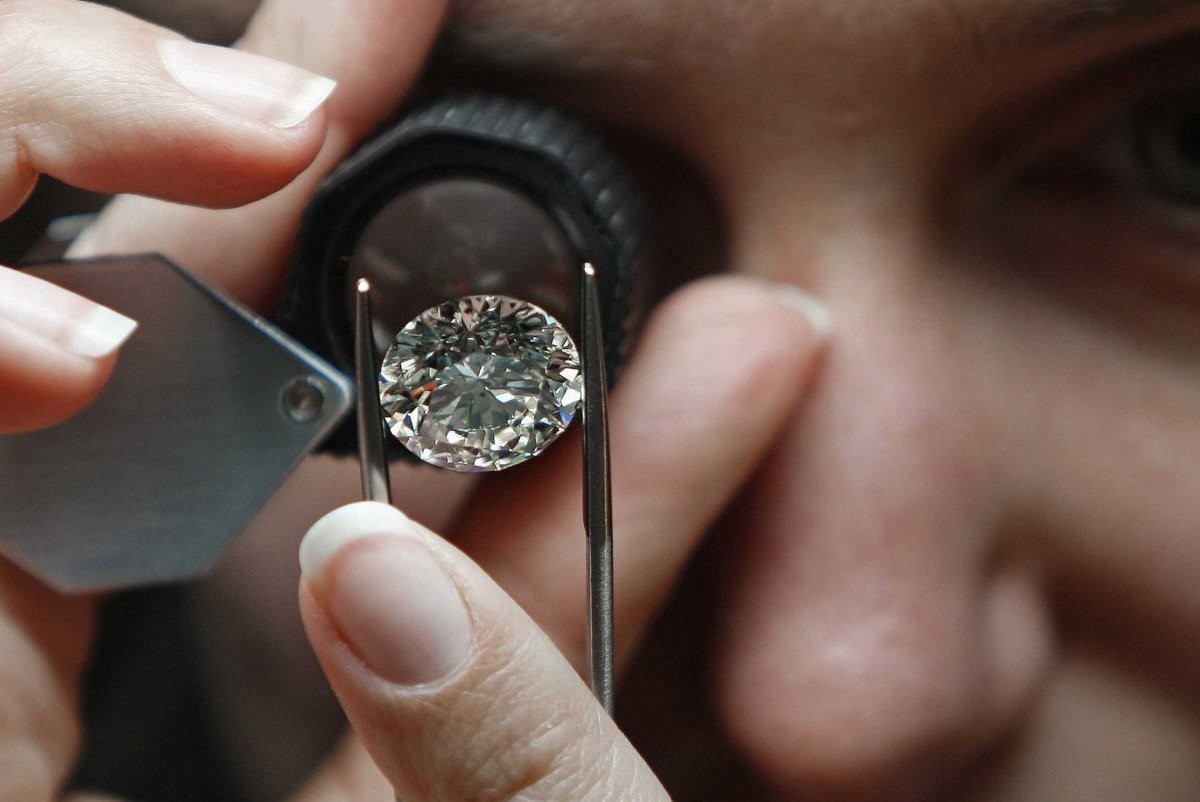
In April 2025, the global price of gold reached a new record, exceeding $3,500 per troy ounce of 999 fine gold. The Armenian market responded immediately — prices rose. According to the Central Bank’s exchange rate, the average price of 1 gram of 999 fine gold in April stood at around 42,000 drams ($110), and for 585 gold — 25,000 drams ($65.50). These prices remain in effect today.
The price increases on the local market over the past year have led to a decline in sales.
A troy ounce — the standard unit of weight for precious metals — is equal to 31.1 grams.
Buyers in Armenia are watching market developments with concern. Even dedicated jewellery enthusiasts are avoiding risky purchases, despite gold traditionally being considered a stable investment.
- ‘Modernisation is essential for progress’: Economist’s proposals to Armenian authorities
- Georgia-Armenia trade in 2024: Sharp decline amid government optimism
- ‘Armenia faces choice: lead or follow others’ – IT specialist
Producers increase export volumes
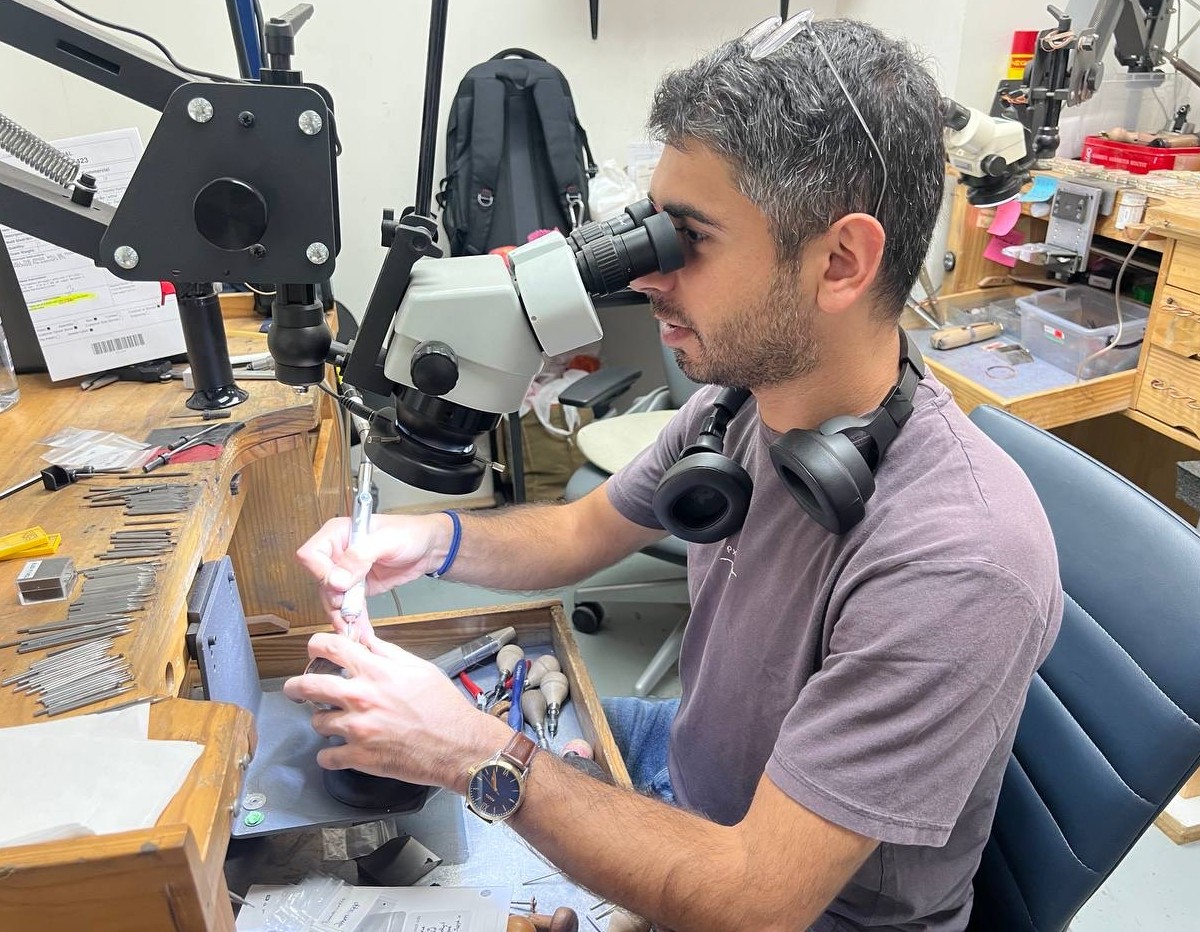
Artavazd and Gor Sargsyan, brothers who have been producing gold jewellery for 18 years, admit they did not anticipate such a sharp rise in gold prices.
“Small price fluctuations have always existed. Prices used to vary within $2–5 per gram. But now, just look at what’s happening. The market price for one gram of 585 gold has reached 30,000 drams. To compare, in 2024, a gram of the same gold cost 20,000 drams — that’s a 30% increase. People blame us for raising jewellery prices, but they don’t realise the real cause is the high cost of raw materials,” explains Gor Sargsyan.
Sales volumes have dropped by half. As a result, some jewellery is now produced exclusively for export. According to the businessman, they export to Kazakhstan, Russia, Uzbekistan, and the UAE:
“Unlike our fellow citizens, people in these countries buy gold as an investment. So the price surge hasn’t really changed their behaviour. They buy at high prices and sell at high prices too.”
Gor Sargsyan believes that in Armenia, gold jewellery is mostly bought for special occasions — weddings, birthdays, christenings:
“There aren’t many buyers who purchase gold jewellery out of love for it or to use it as a financial cushion. Some items we only produce on request — whether for local sale or export. It could be a major financial loss for us if products sit unsold for a long time. Gold jewellery, like clothing or other goods, can go out of fashion.”
He adds that the global gold price hike has significantly impacted sales volumes for all local producers. However, so far, they’ve managed to offset their costs through exports.
Sellers turn to social media as sales struggle
The situation has proven more difficult for another part of the business chain — those selling gold and gold jewellery.
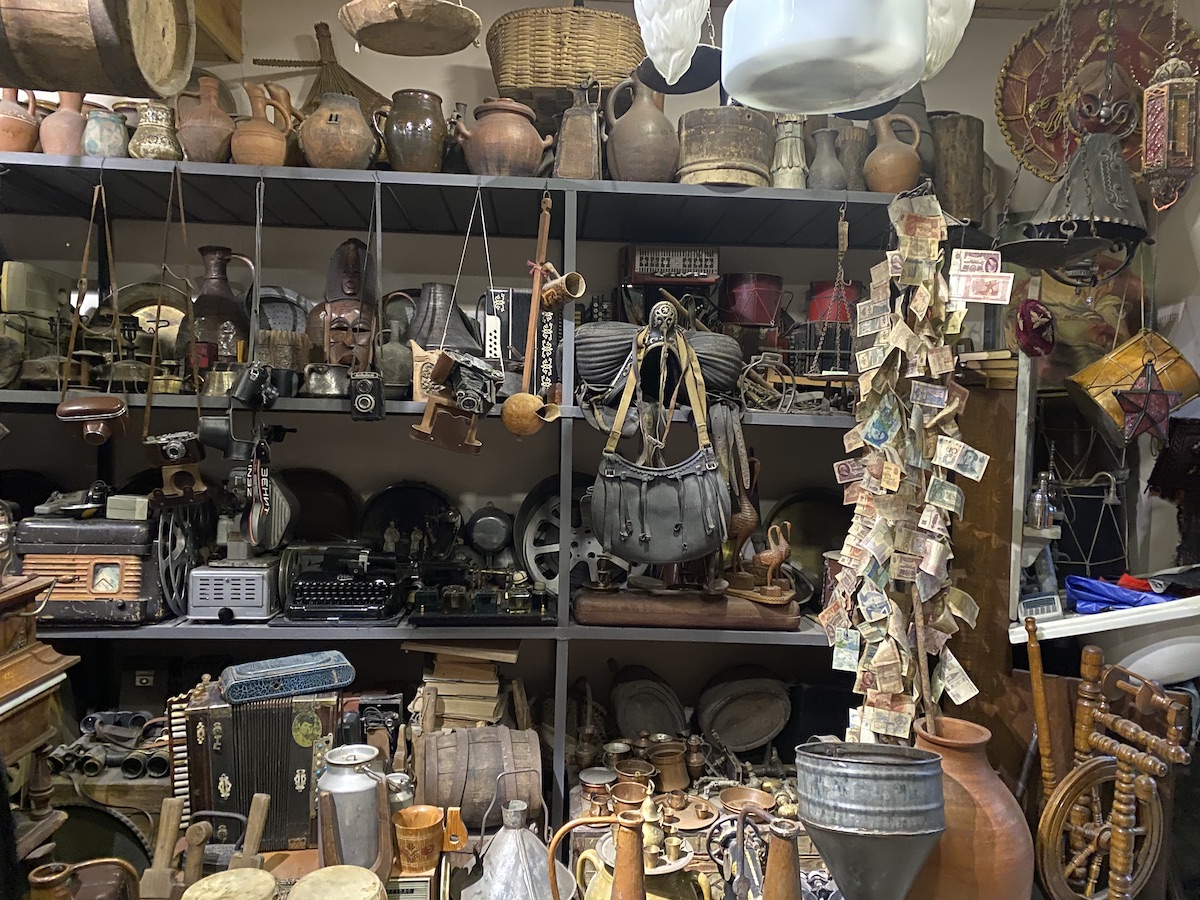
Naira, who sells jewellery at Yerevan’s gold market, says she had to reactivate her Facebook and Instagram pages just to cover basic expenses such as stall rent:
“Of course, most of my customers are regulars, but I do get some new ones too. Right now, we have a few trendy models that we’ve started offering in lighter weights — those are selling.”
According to her, buyers are now typically spending around 100,000 drams ($260):
“More expensive pieces are only of interest to very specific clients. We had strong sales right after the COVID-19 pandemic — 2023 was a record year for us. Now, we’re just trying to keep our spot at the market, cover costs, and earn at least a little income. But we’re hopeful.”
Sellers at the market declined to make any forecasts. Instead, they appealed to the government to consider their situation and, at the very least, stop “squeezing” them with taxes. They noted that in other countries, steps are being taken to support production and sales amid the global price surge.

“Gold price rise won’t shake Armenia’s economy”
Economist Armen Ktoyan attributes the record surge in global gold prices to the weakening of the US dollar amid a trade war launched by President Donald Trump — and the resulting increase in demand for gold as a reserve asset:
“Globally, gold remains the most stable reserve asset. Today, the winners are those states, entrepreneurs, and individuals who chose gold as an investment. Armenia won’t benefit from rising prices for this precious metal, as it holds no gold reserves.”
According to Ktoyan, Armenia served as a transit country over the past two to three years for gold exports from Russia to the UAE:
“This generated additional income in the country. But recent statistics show a drop in Armenia’s foreign trade turnover in gold — although it’s hard to directly link that to the price surge.”
He emphasises that jewellery is a priority sector for Armenia’s economy. Rising prices could have brought in more revenue — but only if purchasing power and export volumes had remained unchanged.
On the question of whether it is wise to invest in gold, Ktoyan notes that behaviour varies depending on expectations:
“There’s a logic to it: if prices are expected to rise, investors move their spare funds into gold as an asset — leading to increased buying. Conversely, if prices are expected to fall, they divert funds elsewhere.”
He believes fanatical jewellery buyers follow a different logic. Most are simply hoping prices will drop again so they can return to buying appealing items.
Rather than offering forecasts, Armen Ktoyan advises keeping a close eye on global trends and external factors influencing gold prices.
In any case, he is confident that no serious shocks to Armenia’s economy are expected in this sector.
Armenia reacts to global gold price surge
https://t.co/SAvpDV4NvI
–
News Review #NewsAndTimes #NT #TNT #News #Times #World #USA #POTUS #DOJ #FBI #CIA #DIA #DOD #ODNI #Trump #TrumpNews #TRUMPISTAN #Israel #Mossad #Netanyahu #Ukraine #NewAbwehr #OSINT #Putin #Russia #GRU #Путин #Россия #Bloggers #Opinions #SouthCaucasus
-…— Michael Novakhov (@mikenov) June 27, 2025
Opposition arrests continue in Georgia
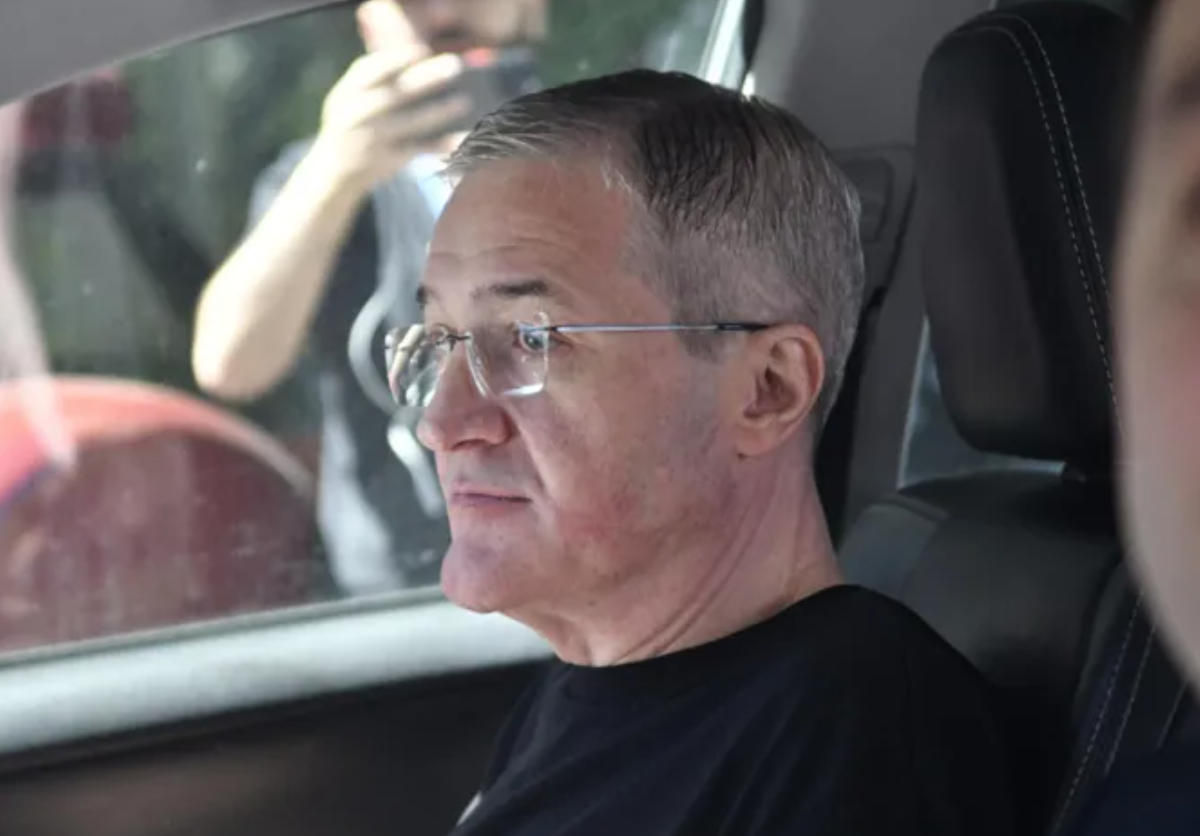
Opposition figure and former chair of the parliamentary committee on defence and security (2008–2012), Givi Targamadze, has been sentenced to seven months in prison and barred from holding public office for two years for failing to appear before a parliamentary investigative commission. The commission was set up to examine the actions of the Saakashvili administration between 2003 and 2012.
On 5 February 2025, the Georgian Dream-led parliament established an investigative commission to examine the activities of the United National Movement government. The body is officially titled the “Temporary Parliamentary Investigative Commission on the Activities of the Regime and Political Figures of the 2003–2012 Period.”
Georgian Dream announced the commission’s formation on 9 January 2025. According to the party’s parliamentary leader, Mamuka Mdinaradze, the commission will operate for six months and present its findings for discussion and approval during the first week of the September session.
Givi Targamadze was a witness at The Hague tribunal in the case concerning the 2008 war. Russian President Vladimir Putin had called for his arrest as early as 2012.
At Russia’s request, Interpol issued a “red notice” for Targamadze in 2013 — a call for global law enforcement agencies to locate and provisionally detain him pending extradition or similar legal action. However, Interpol later ruled that the notice violated its own statutes and removed Targamadze from the wanted list. Nevertheless, he remains wanted by Russia on charges of inciting unrest and organising terrorism.
In addition, Targamadze was sentenced in absentia by Belarusian authorities to 25 years in prison for his support of the Belarusian democratic opposition.
Targamadze was summoned to appear before the parliamentary investigative commission examining the actions of the Saakashvili government.
According to the former MP, it is ironic that Georgian Dream and then-Justice Minister Tea Tsulukiani — now head of the parliamentary commission investigating the Saakashvili government — claimed the Hague tribunal’s ruling on the 2008 war as their victory, when it was Targamadze himself who provided key testimony at the tribunal.
“I was a witness in the Hague tribunal’s case on the 2008 war. Based on my personal testimony, five arrest warrants were issued — for General Borisov, for then–prime minister and later interior minister of the so-called South Ossetia, Chochiev, who was Russian and personally oversaw a detention centre where many Georgian citizens were tortured, and also for the so-called ombudsman, who was part of the same system. I currently hold witness status at the Hague tribunal.
I never spoke about this before — I tried to maintain a certain decorum and preserve some relationships. But now that the Georgian Dream government has strayed so far from the civilised world, there’s no point in staying silent. The irony is that Tsulukiani, then Justice Minister, declared the Hague ruling a victory for herself and the Georgian Dream government — and then summoned me to her commission, where she shouted that I should be arrested,” Targamadze said.
When asked whether the Georgian Dream parliamentary commission would seek to challenge the Hague tribunal’s findings, Targamadze replied:
“We’ve seen the questioning of the former chief of general staff and the head of the peacekeeping forces — and we’ve seen the tone. It was a continuous attempt to blame the Georgian side. Yet both Strasbourg and The Hague conducted investigations and delivered rulings which found no fault with Georgia for any part of the war. Still, this parliamentary commission is trying to dispute that.”
Asked whether he feared for his safety after publicly stating he had testified in The Hague, the former MP responded:
“I understand that this might put me in greater danger — but that doesn’t matter. […] Putin once spent four minutes at a press conference talking about me. If he really wants me dead, he’ll kill me eventually. I’m alive by chance — what else would be protecting me? So, it is what it is. I took this step consciously.”
Реакция Запада на приговор Таргамадзе
Chair of the Estonian Parliament’s Foreign Affairs Committee, Marko Mihkelson, reacted to the sentencing of Givi Targamadze on social media platform X:
“Russia is carrying out a massive offensive inside Georgia, with the support of a Georgian puppet government.”
Russia is carrying out a massive offensive inside Georgia, with the support of a Georgian puppet government. https://t.co/F4G1RgM1yb
— Marko Mihkelson
(@markomihkelson) June 27, 2025

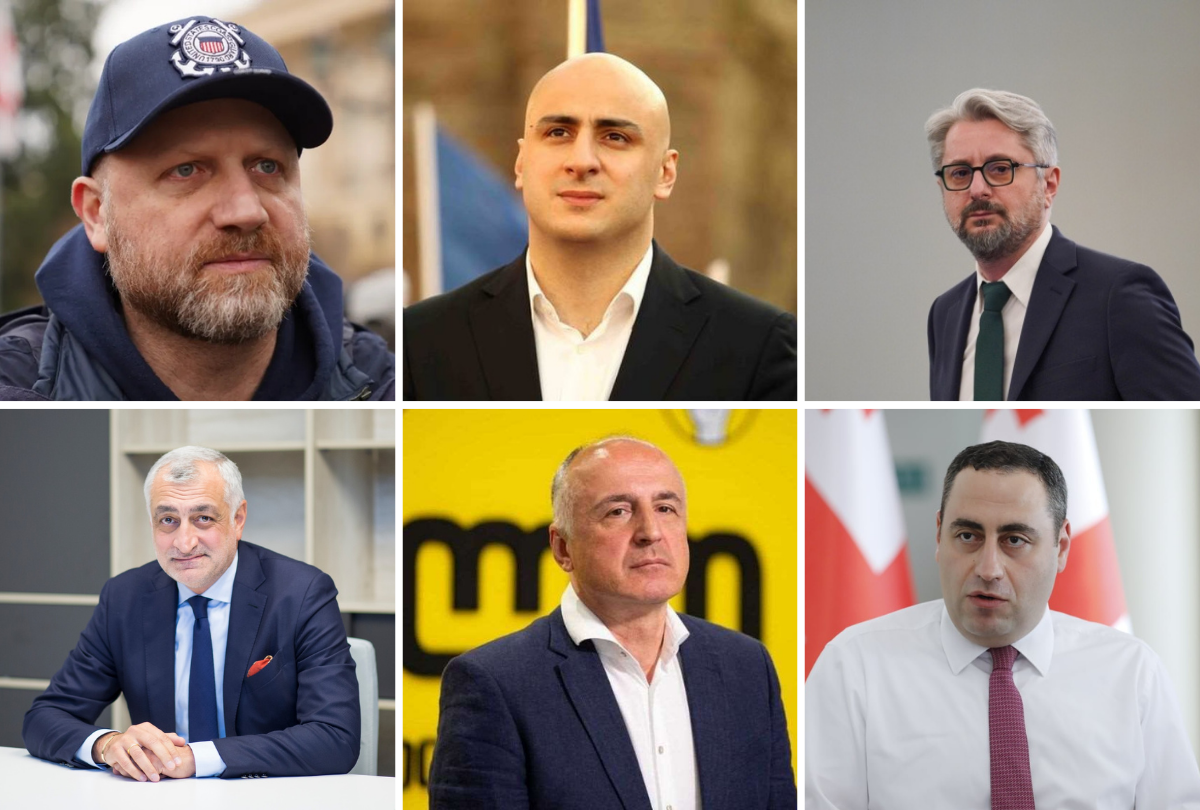
On 24 June, the court found Giorgi Vashadze, leader of the Strategy Aghmashenebeli party, guilty of failing to appear before the parliamentary investigative commission examining the actions of the Saakashvili government from 2003 to 2012. He was sentenced to seven months in prison and banned from holding public office for two years.
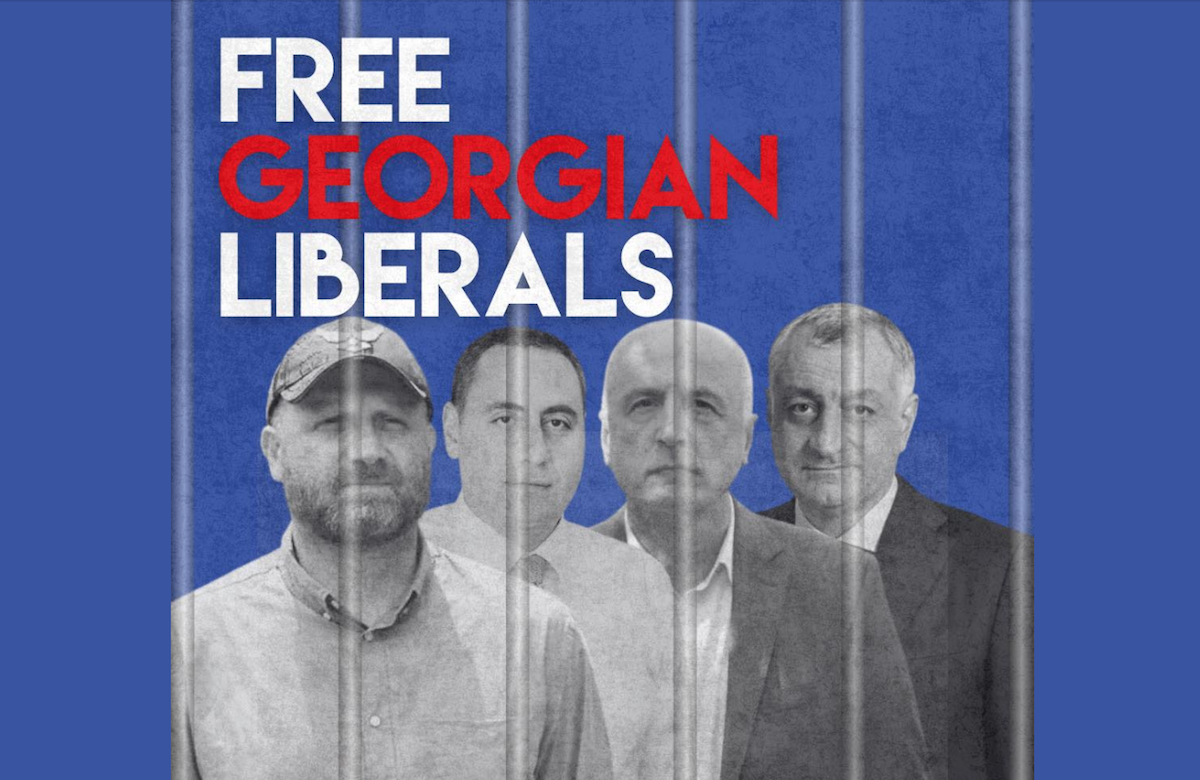
On 23 June 2025, a court controlled by Georgian Dream sentenced three opposition leaders to prison: Mamuka Khazaradze (Lelo), Badri Japaridze (Strong Georgia), and Zurab Japaridze (Coalition for Change).
Nika Melia, Zurab Japaridze, and Nika Gvaramia (Coalition for Change), along with former Defence Minister Irakli Okruashvili, are already serving prison sentences for failing to appear before the same parliamentary commission.
Taxes are everywhere, every day, to such an extent that one might let that all-important, mid-April deadline for filing your annual tax returns sneak up on you. One problem with waiting until the last minute: by that point, it may be too late to implement an efficient investment strategy for minimizing your tax bill.
Opinion on Georgian Dream
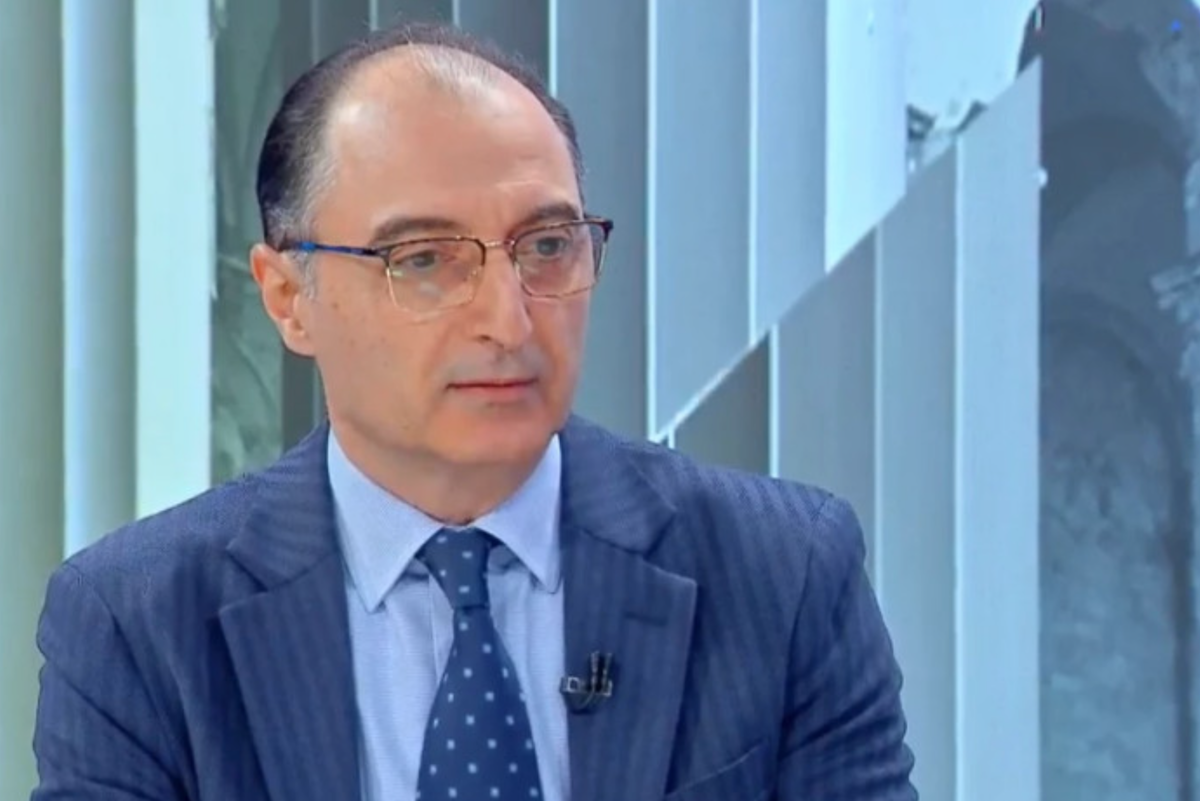
Giorgi Badridze, a researcher at the Randel Foundation, argues that the ruling Georgian Dream party has moved from authoritarianism to dictatorship. In his view, the imprisonment of political opponents and the suppression of dissent are hallmark features of a dictatorial regime.
Badridze also questioned whether Bidzina Ivanishvili’s actions could truly be independent from coordination with Russian oligarchic and political circles. He warned that Georgia is losing international legitimacy — a development that plays into Russia’s plan to render the country fully dependent on Moscow.
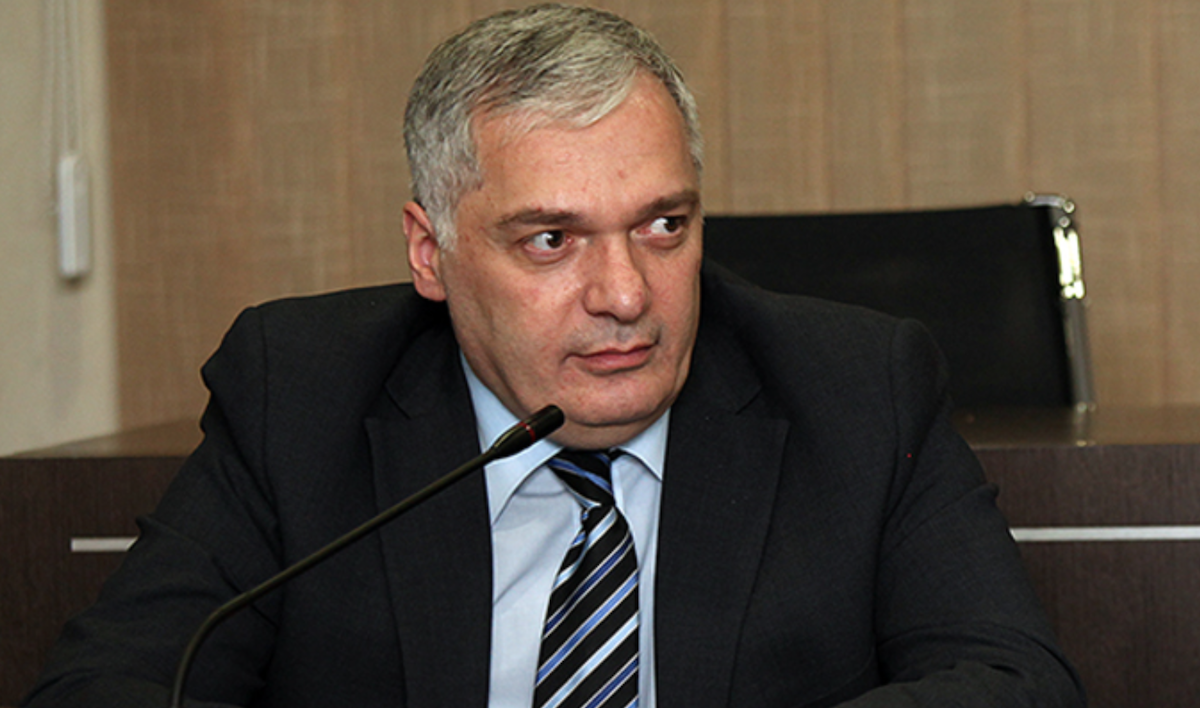
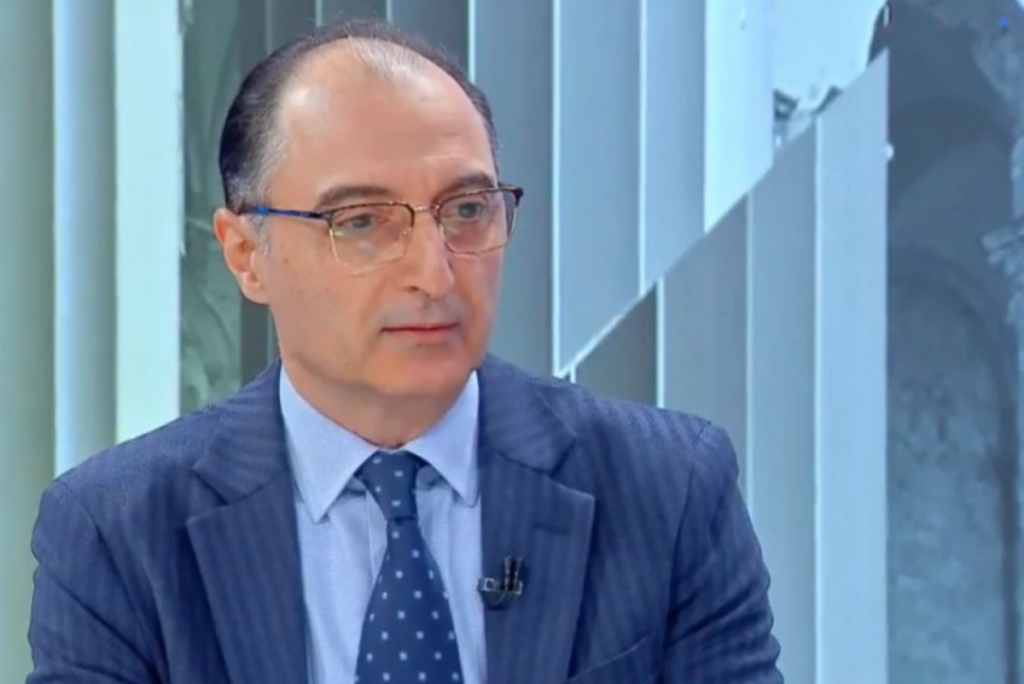
Giorgi Badridze:
“Until now, Bidzina Ivanishvili’s government was described as authoritarian. Today, without exaggeration, we can call it a dictatorship. We are witnessing a situation where political opponents are being arrested en masse and all dissent is being suppressed. There is no more textbook definition of a dictatorship than what we are seeing now.
No matter how much we say that Russia and Georgia merely share overlapping interests, I find it hard to believe that there isn’t also direct coordination. Ivanishvili has well-known ties to Russian oligarchic and political circles — there is no doubt about that.
Georgia is undergoing a process of ‘Belarusisation’, where anti-democratic actions undermine the regime’s legitimacy, making it increasingly dependent on Russia. While in the past it could manoeuvre between Russia and the West, today it is forced to side with Russia in international disputes.”
I don’t believe a long-term, stable dictatorship can be established in Georgia — but at this stage, the actions taken by Ivanishvili’s regime fully align with Russia’s plan. We are already in a situation where Georgia is losing its international legitimacy because of its government. This directly serves Russia’s goal of making Georgia entirely dependent on it.
Figures within the Georgian regime are crossing political red lines at such speed that I cannot rule out the possibility that Salome Zurabishvili will also become a target — despite her being a French citizen. Mikheil Saakashvili is a Ukrainian citizen, and he is in prison.
One of the opposition’s biggest problems is its inability to stick together. Someone even joked: ‘They didn’t want to be together — but they ended up sitting together.’
I wouldn’t rule out that these repressions could reach Salome Zurabishvili as well. Whatever her role may have been in the previous political phase, the fact that today’s parliamentary elections are no longer recognised by the West is, in part, down to Salome Zurabishvili.”
Opinion on Georgian Dream