
United Nations Secretary-General Antonio Guterres warned on Thursday that the UN Charter was under assault like never before as the 193-member world body marked the 80th anniversary of the signing of its founding document, Azernews reports, citing Tribune.
Day: June 27, 2025
https://t.co/BWlRV4wlMC
–
News Review #NewsAndTimes #NT #TNT #News #Times #World #USA #POTUS #DOJ #FBI #CIA #DIA #DOD #ODNI #Trump #TrumpNews #TRUMPISTAN #Israel #Mossad #Netanyahu #Ukraine #NewAbwehr #OSINT #Putin #Russia #GRU #Путин #Россия #Bloggers #Opinions #SouthCaucasus
-…— Michael Novakhov (@mikenov) June 27, 2025
Iranian transport ministry spokesperson Majid Akhavan announced Friday that the country’s northern, southern, and western airspace will remain closed until 2 pm on June 28. The Ministry of Roads and Urban Development said the measure aims to ensure the safety of flights and passengers, Azernews reports.
https://t.co/HXTGEvE7OY
–
News Review #NewsAndTimes #NT #TNT #News #Times #World #USA #POTUS #DOJ #FBI #CIA #DIA #DOD #ODNI #Trump #TrumpNews #TRUMPISTAN #Israel #Mossad #Netanyahu #Ukraine #NewAbwehr #OSINT #Putin #Russia #GRU #Путин #Россия #Bloggers #Opinions #SouthCaucasus
-…— Michael Novakhov (@mikenov) June 27, 2025
Pakistani Prime Minister Muhammad Shehbaz Sharif received a telephone call from U.S. Secretary of State Marco Rubio late last night, during which the two leaders discussed a broad range of bilateral and regional matters, with a strong emphasis on peace and stability in the Middle East and South Asia, Azernews reports.
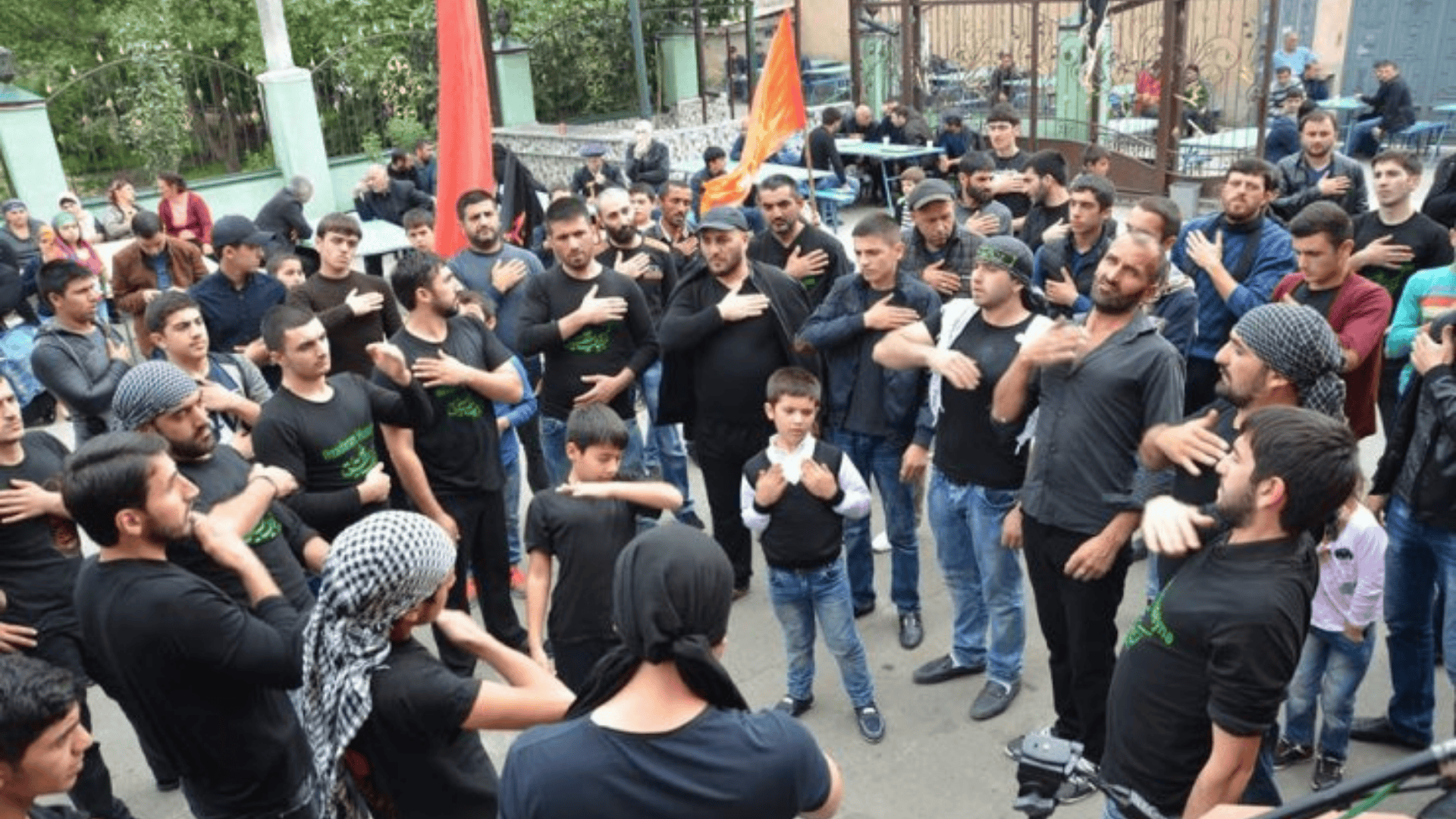
Children and religious rituals in Azerbaijan
Azerbaijan’s Ministry of Internal Affairs and the State Committee for Work with Religious Organisations have issued a joint warning, stating that some parents are bringing underage children to religious ceremonies — particularly memorial gatherings — and stressed that children’s physical and psychological safety must be taken into account in such situations.
In the official statement, parents are urged to consider that participation in such mass ceremonies is “inadvisable” and are called on to show particular sensitivity in cases that may contradict the law.
However, the statement has raised questions in the context of human rights, freedom of religion, and children’s rights. JAMnews has analysed the situation from multiple perspectives.
Legal expert: “The limits of the ban are unclear”
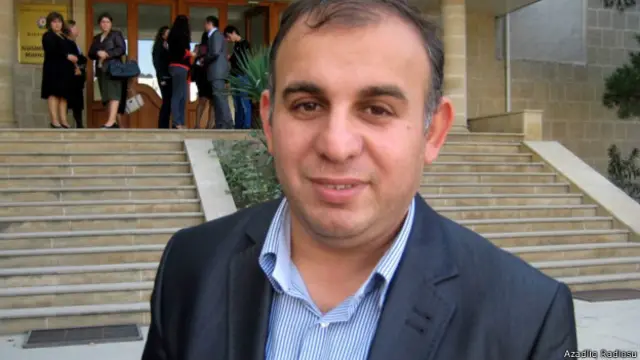
Lawyer Khalid Bagirov argues that vague and abstract wording in government restrictions creates legal uncertainty and opens the door to abuse.
In a comment to JAMnews, he stated:
“If a parent of Shia faith wants to bring their child to an Ashura ceremony, that is their right. The state must clearly define what exactly is being prohibited: mourning rituals, self-flagellation, chest-beating? Or merely presence? Such legal ambiguity is unacceptable.”
Bagirov also refers to the UN Convention on the Rights of the Child, emphasising that raising children in accordance with parents’ religious beliefs is a fundamental right.
In his view, the government’s approach is part of a broader, systemic policy of restricting the rights of the Shia community in Azerbaijan. He points to Ashura processions in regions like Lankaran, which raise concern among the authorities — but, he argues, at the heart of that concern lies the issue of freedom of peaceful assembly.
“Under the pretext of regulating religious rituals, the state is attempting to limit the freedom of assembly and public processions.”
Bagirov adds that if such vague and restrictive measures continue, increased police control near mosques and bans on minors entering with their parents could soon follow.
Believer: “This is a continuation of the hostile attitude toward the Shia community”
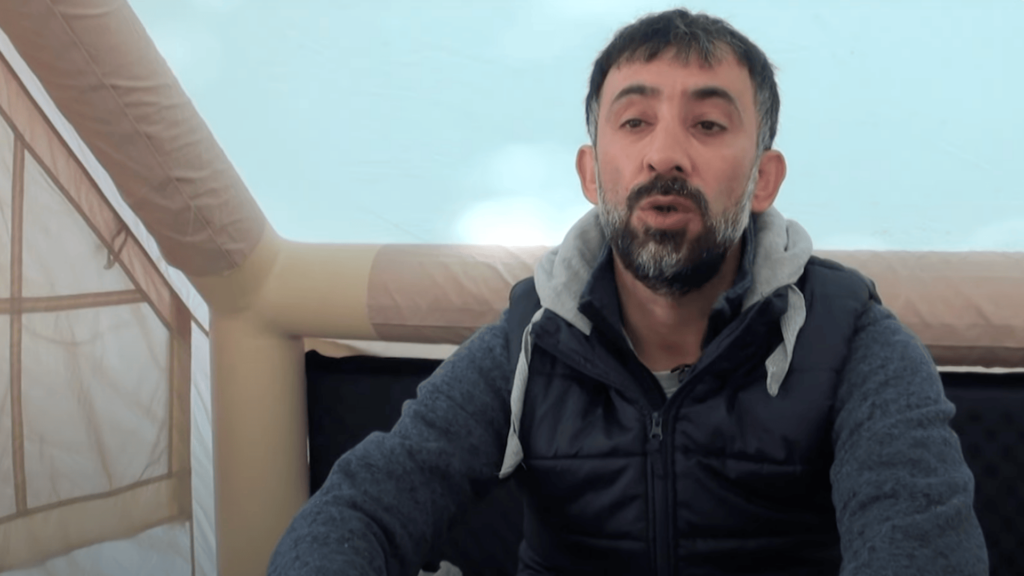
Alemdar Bunyatov, representative of the Muslim Unity Movement in Europe, views the issue in a broader context.
Speaking to JAMnews, he said the policy reflects a systemic and hostile attitude by the Azerbaijani authorities toward the Shia community:
“This is not just about religious ceremonies. It’s part of a long-standing hostile policy toward people who identify as Shia. Now, under the pretext of protecting children, they are targeting the religious rights of families.”
Bunyatov also stressed that such an approach is rooted in double standards. He questioned:
“What exactly is so concerning about a child being present at a mourning ceremony alongside adults that it warrants a ban? These people are part of society too — how can participation in such rituals possibly harm a child’s upbringing?”
- Police violence against minors in Azerbaijan: “Each was forced to pay a bribe”
- Azerbaijan holds anti-Islamophobia conference while religious activists face persecution
- Azerbaijan accused of supporting Israeli intelligence amid Iran-Israel escalation
Militarist propaganda in schools
In Azerbaijan, there is a growing practice of introducing military-themed propaganda in schools from an early age. Officially promoted patriotic campaigns centre on the cult of martyrdom, alongside events and lesson formats that emphasise military symbolism.
The authorities offer no critical commentary on these activities — on the contrary, such rhetoric is presented as a model of patriotism. This highlights the selective nature of official warnings regarding religious rituals: on one hand, state-approved and even state-promoted militarist and emotional narratives; on the other, administrative warnings against personal religious practices.
Social worker: ‘The state should keep equal distance from both religious and military rhetoric’
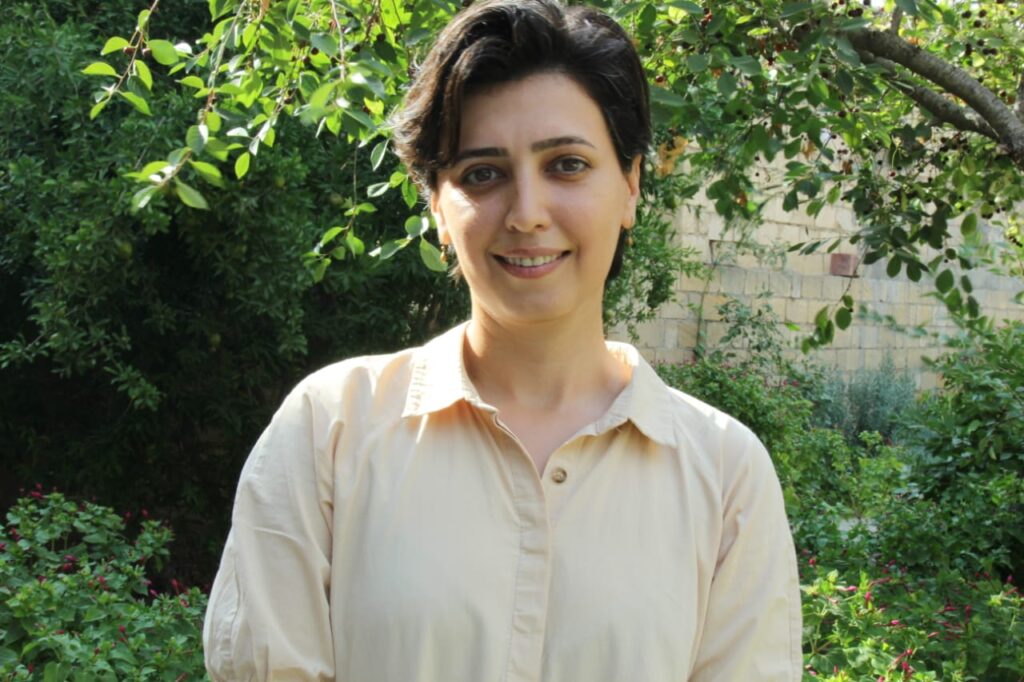
Social worker Sanubar Heydarova approaches the issue from the perspective of child psychology.
In an interview with JAMnews, she emphasised that to understand the authorities’ concerns about children attending religious ceremonies, one must also consider parallel practices:
“From an early age, children in Azerbaijani schools are exposed to military rhetoric filled with images of blood, martyrdom, war, people crushed by tanks. This can be psychologically damaging. Yet the state presents it as patriotism and sees no threat in it.”
Heydarova believes that if the government truly wants to protect children from harmful influences, its approach should be comprehensive and balanced, not selective. She proposes an alternative model for cultivating civic values:
“Children should be taught that loving your country means not littering, volunteering, caring for public property. Patriotism cannot be measured only through war.”
In her view, schools should offer neutral, objective religion classes, where children receive information about different faiths. This, she argues, helps develop an informed and healthy capacity to make decisions about religious participation.