
Day: June 20, 2025
Categories
Wasi – Software inmobiliario
Con Wasi tendrás tu propia página web inmobiliaria, auto administrable y sin necesidad de conocimientos en programación. Dominio Gratuito .inmo; Si tienes dominio propio lo puedes enlazar. Más de 30 plantillas diferentes para tu página Web inmobiliaria. Plantillas personalizables y sin líneas de código.

lawyer comments on Georgia’s new restrictive laws
Nona Kurdovanidze, Chair of the Georgian Young Lawyers’ Association (GYLA), has stated that the Anti-Corruption Bureau’s demand for personal data on the beneficiaries of human rights NGOs — under the foreign agents registration law and the Law on Grants — is an expression of total control.
According to Kurdovanidze, there are other laws in place that protect the confidentiality of certain types of information, and this case involves precisely such protected data.
She believes the Georgian authorities are using the new foreign agents law (FARA) as a tool to target independent organisations — which, she says, fundamentally distinguishes it from the original FARA law in the United States.
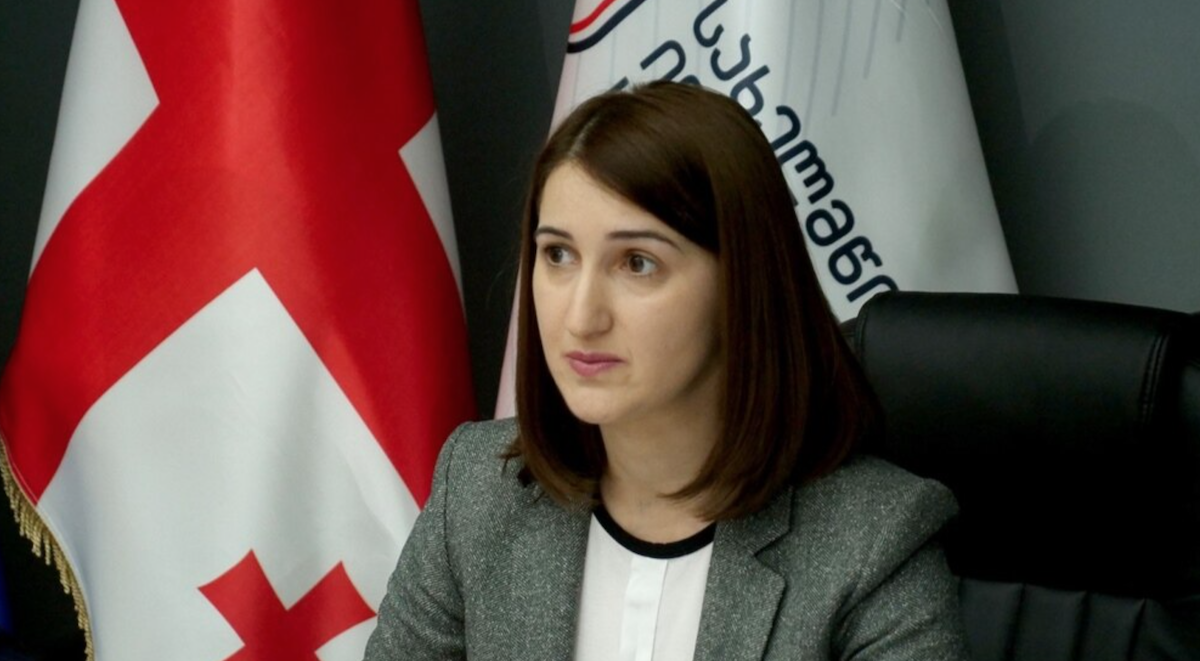
NGOs report that enforcement of the new law began on 17 June, with human rights defenders already being asked to hand over personal data of the individuals under their protection — including ID numbers, names, surnames, photographs, financial and banking information, and health records.

Nona Kurdovanidze:
“They [the ruling Georgian Dream party] claim that this law is a direct translation of the American FARA. But its implementation in the Georgian context is entirely different from the US. These are not identical laws, because the political context and the purpose of their application differ.
It’s important to remember that in the US, unlike in Georgia, the law is not applied to non-governmental organisations.
From the outset, it was clear that the aim of adopting this law in Georgia was to suppress civil society organisations, individual activists, independent people, and the media.
In addition, amendments were made to Georgia’s Law on Grants, and it is on the basis of those changes that specific organisations are now being asked to provide information. We [at GYLA] haven’t yet received such a request, but sooner or later it will affect us all.
This is an expression of total control. It is completely unlawful, because Georgia has other specific laws that state certain types of information are confidential and cannot be shared with third parties.
For example, if an organisation is providing legal assistance to a particular individual, information about that person cannot be disclosed to anyone. That is a guiding principle for any lawyer.
In my view, the goal of all this is to make people stop trusting human rights organisations and to discourage them from seeking help.

Moreover, it is utterly unthinkable to treat political figures as subjects of special protection and to punish citizens for criticising them. On the contrary, public figures should have understood from the outset that they may be subject to criticism.”
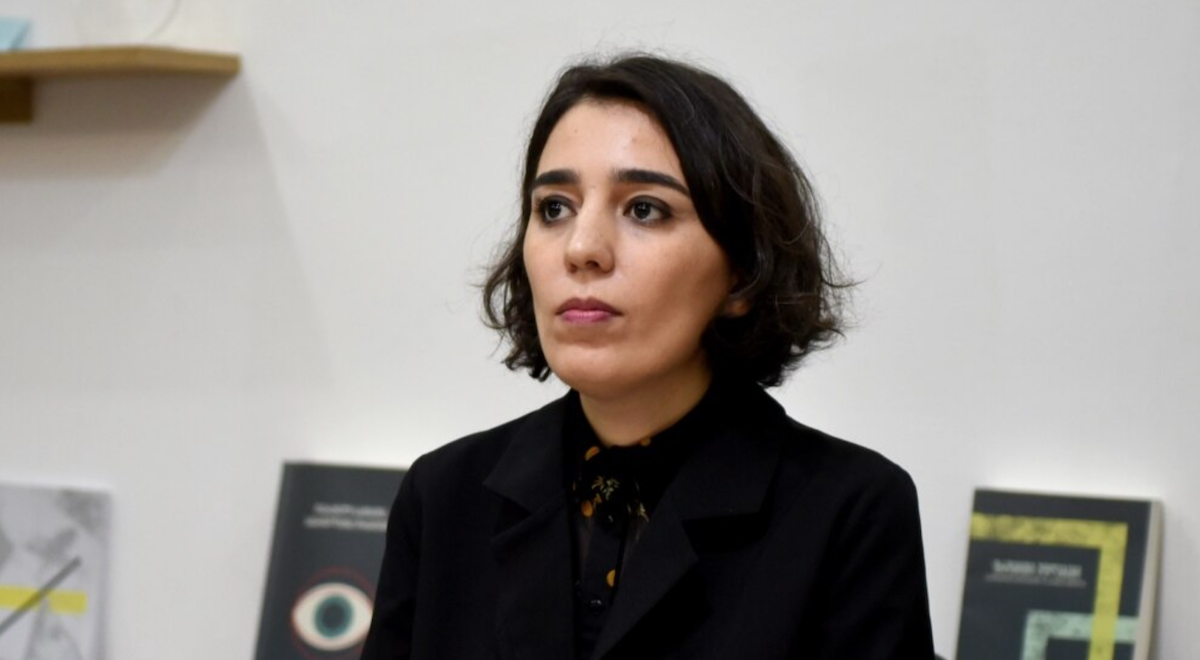
lawyer comments on Georgia’s new restrictive laws
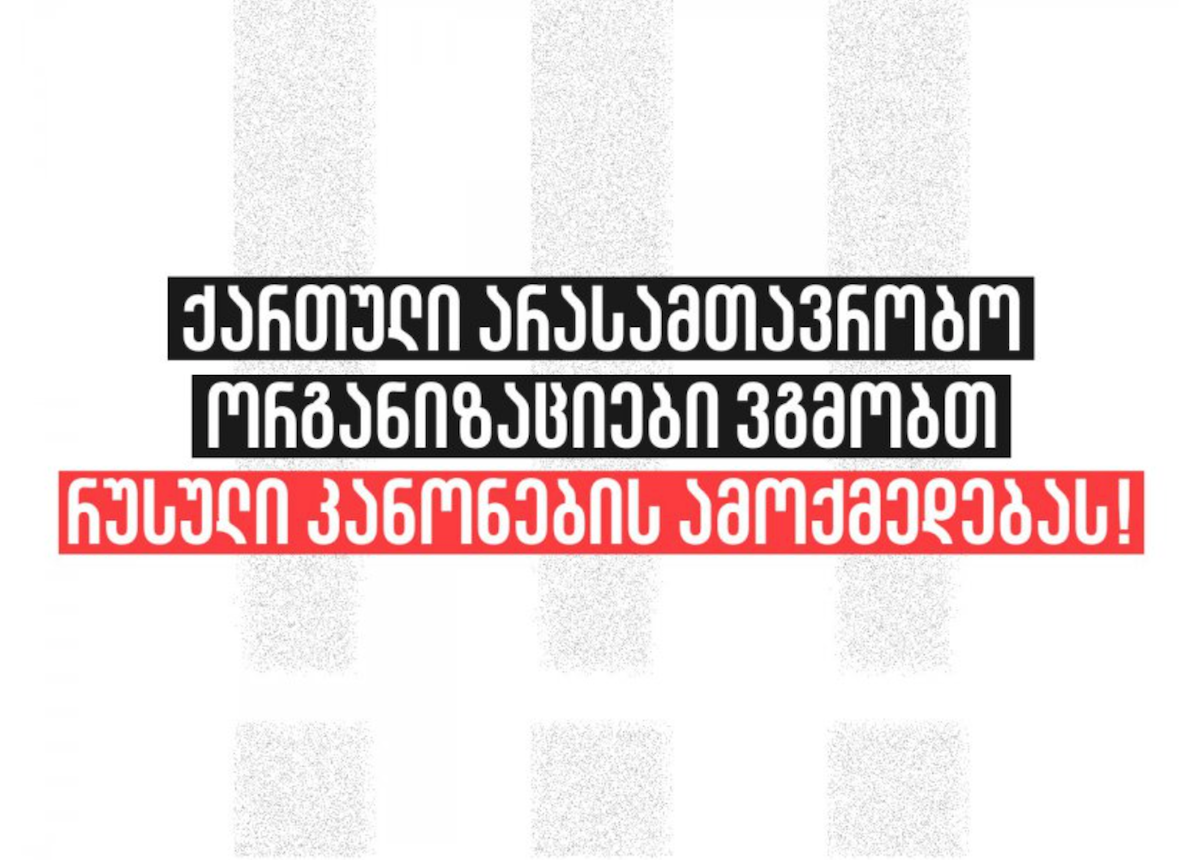
Joint statement by Georgian NGOs
Georgian non-governmental organisations have issued a joint statement condemning the adoption of restrictive laws, particularly the law on the registration of foreign agents (FARA). The authors express solidarity with their colleagues who have been asked by the Anti-Corruption Bureau to hand over confidential information.
The NGOs declare that they stand united in their struggle and will not surrender Georgia’s future “to either Ivanishvili’s regime or the authoritarian systems of Putin and Lukashenko.”
They report that the enforcement of the new law began on 17 June, with human rights defenders already being asked to provide personal data of the citizens under their protection — including ID numbers, names, surnames, photographs, financial and banking information, as well as health records.
“We state clearly and unanimously – no one will be left alone in this struggle. This kind of ideological and institutional persecution of civil society is a direct copy of the Russian model. We will not surrender Georgia’s future to Ivanishvili’s regime or to the authoritarian systems of Putin and Lukashenko.
We fight together — for each other, for our beneficiaries, and for a free Georgia.
We do not live by Russian rules, and we never will,” the statement reads.
The law on the registration of foreign agents, modelled almost verbatim on the US Foreign Agents Registration Act (FARA), was passed by the Georgian Dream-led parliament on 1 April 2025 and came into force on 31 May. Authorities claim its purpose is to limit foreign interference in the country’s internal affairs and the work of state institutions.
The legislation introduces a broad definition of “agent of foreign influence,” encompassing any individual or organisation receiving any kind of funding from abroad while engaging in civic, political, or informational activity. Such entities are required to register, with penalties for non-compliance including fines and prison terms of up to five years.
Independent legal experts confirm that while the text of the Georgian law closely mirrors the US FARA, its intended use is entirely different. In the United States, FARA deliberately does not apply to NGOs, media, or organisations working in the public interest. It is reserved for entities acting “under the direction and control of a foreign government.” Moreover, the US has an independent judiciary. In Georgia, enforcement of FARA falls to the Anti-Corruption Bureau — an institution lacking independence.
EU High Representative for Foreign Affairs and Security Policy Kaja Kallas and EU Enlargement Commissioner Marta Kos issued a joint statement warning that the law marks a serious setback for democracy and represents yet another aggressive move by Georgian Dream to suppress dissent.