
https://t.co/Qhu0zAzYZK
News Review #NewsAndTimes #NT #TNT #News #Times #World #USA #POTUS #DOJ #FBI #CIA #DIA #DOD #ODNI #Trump #TrumpNews #TRUMPISTAN #Israel #Mossad #Netanyahu #Ukraine #NewAbwehr #OSINT #Putin #Russia #GRU #Путин #Россия #Bloggers #Opinions #SouthCaucasus
-…— Michael Novakhov (@mikenov) May 2, 2025
Month: May 2025
Max-Planck-Institute made the final above the genoms and said homeland is Northern Iran, Southcaucasus eastern anatolia and northern iraq partially… and we know hurrians and urartians had not been kurds.
— ReşîSumerî (@AkramElKurmanci) May 2, 2025
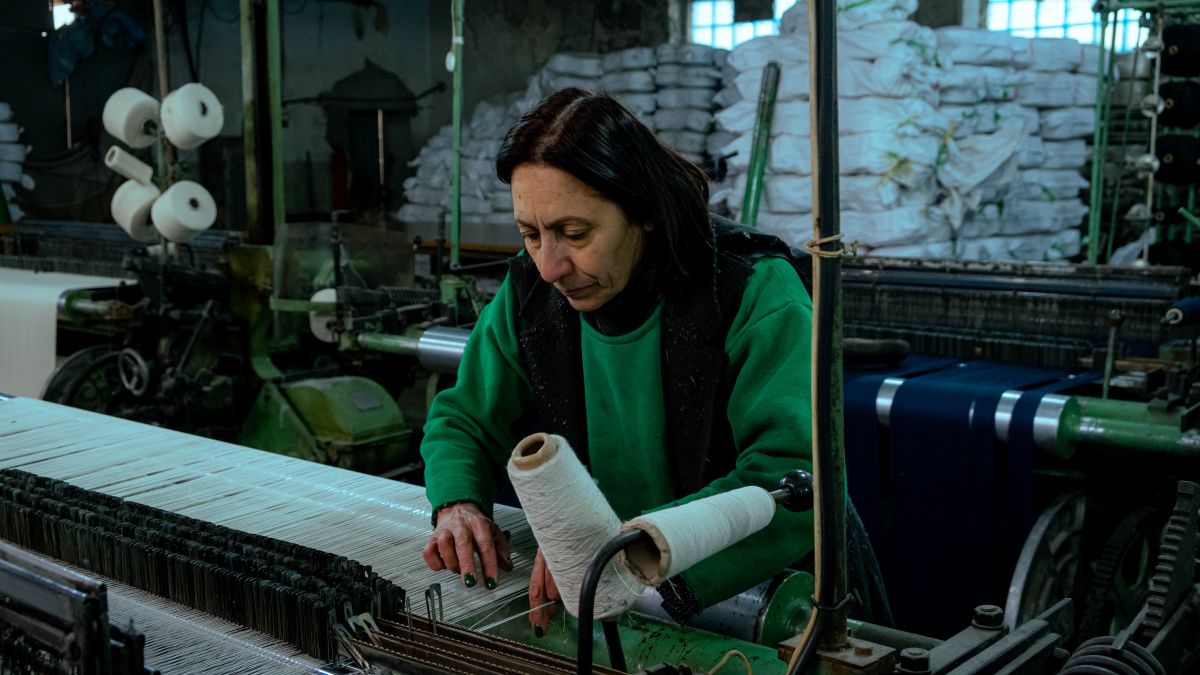
Textile production in Armenia
In recent years, Armenia’s textile industry has become one of the country’s comparatively less developed economic sectors — a sharp contrast to the Soviet era, when it was a powerful industry with significant export volumes. In an effort to revive and grow the sector to its full potential, the government has designated textile production as a strategic export sector.
This status brings state support for manufacturers, including customs incentives for imported production equipment, subsidised loans, and tax breaks.
Textile manufacturing is also one of the few economic sectors that provides high levels of employment for women — over 90% of the workforce is female. Today, Armenia has around 260 textile companies employing 7,400 people — a modest figure considering the industry’s former capacity.
Only a handful of major firms manage to export their products. Small and medium-sized businesses face intense domestic competition and a host of other challenges.
Producers discuss the difficulties they encounter — and how they are trying to overcome them.
- ‘Modernisation is essential for progress’: Economist’s proposals to Armenian authorities
- Armenia doubles betting duty in fight against gambling addiction
- Georgia-Armenia trade in 2024: Sharp decline amid government optimism
Fabric producer discusses challenges facing his business
Andranik Khachatryan has nearly 40 years of experience in the textile industry. For many years, he headed one of the workshops at the Soviet-era Kamvol (Worsted) Combine — once a major production facility. He recalls that back then, the plant employed around 3,000 people. Today, only a few companies in Armenia have the capacity to produce at scale and export.
Andranik decided to invest the knowledge he had accumulated over the years into his own production. He has just six machines, but his workshop manages to produce a considerable volume of fabric.
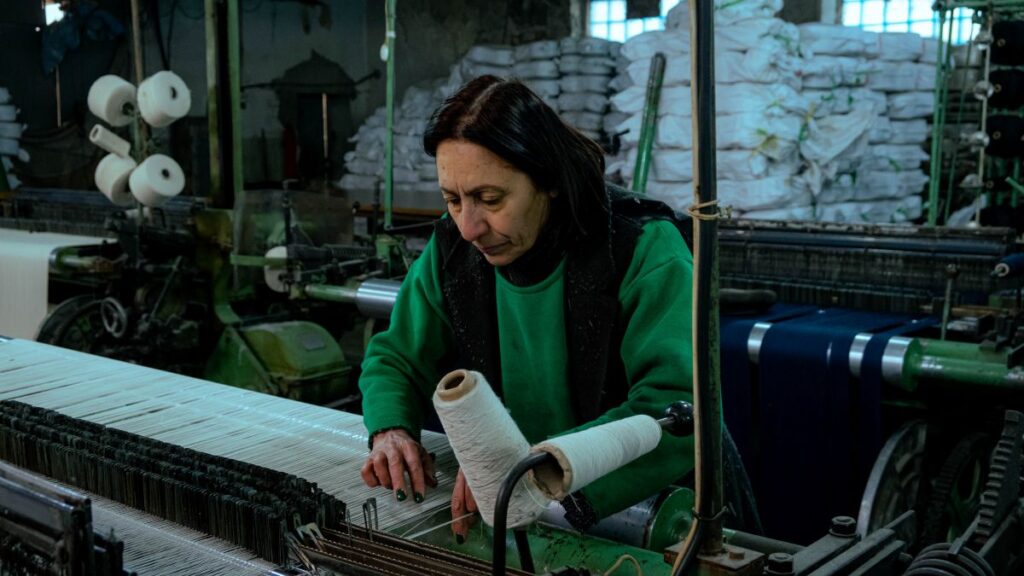
“Our limitations aren’t just about the number of machines, but also about skilled personnel. At the moment, all our employees are women over the age of 65. There are no younger specialists, because there are no opportunities for them to gain professional training. In the past, we had vocational schools, and their graduates would enter the workforce,” he says.
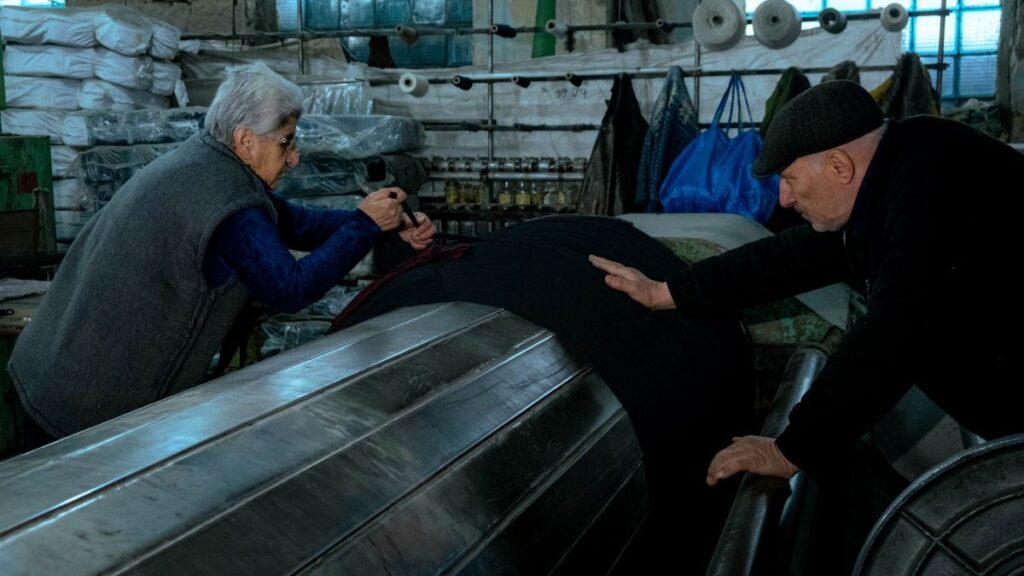
He explains that large factories don’t face a critical shortage of specialised workers — much of their production is automated. But for small and medium-sized businesses using outdated equipment, the lack of trained specialists will become a serious issue within a few years.
Andranik’s workshop uses both locally produced and imported threads, mainly from China. He says he has no trouble selling his products — around ten types of fabric sell quickly on the Armenian market. His main buyers are garment factories, mining companies, and printing houses.
“Still, it’s hard for a producer to survive and stay competitive. For example, business is quite slow right now because there are factors affecting buyers’ confidence and sales — I’m talking about the political situation, taxes and duties, rising prices,” he says.
He adds that tensions rise among textile producers whenever political circles begin actively discussing the potential reopening of the border with Turkey.
Andranik is convinced that if that happens, Turkey would quickly flood the Armenian market. In that case, small and medium-sized businesses would be forced to shut down, unable to compete. He believes only the largest local manufacturers might be able to hold their ground against Turkish companies — though even that is uncertain.
Clothing producer on selling through online platforms
Small-scale manufacturers have found a solution to one of their key challenges — selling their products on the local market — by turning to online sales platforms.
Alina Kasyan runs a small clothing business from the basement of her home. She employs just four women and specialises in children’s clothing. Most of her raw materials are imported and paid for in foreign currency, which creates difficulties when exchange rates fluctuate.
“It took me a long time to find a supplier abroad offering a reasonable price. But I’ve been in business for three years now and I’m really satisfied. It’s not easy to sell clothing in Armenia. Opening a physical shop doesn’t make sense for us — we don’t produce enough volume. Eventually, I realised that selling online was the way to go,” she explains.
For several months now, she has been working with the online platform Wildberries, with a monthly turnover of nearly one million drams (about $2,577).
“Even though the income is modest, I’m determined to grow the business. I plan to buy two more sewing machines soon and hire two more employees. My goal is slow but steady growth — I want the business to survive even during crises. My employees share this mindset — they’re willing to work for modest pay if it means having stable jobs. I try to motivate them. When sales are good, I offer bonuses or an extra day off,” she says.
According to Alina, the market is full of uncertainties, and even the slightest political or economic upheaval in the country affects their operations:
“It may sound strange, but the mandatory declaration process for citizens — which at first glance has nothing to do with us — impacted our sales. In January, we sold only three items via our Facebook page, whereas in January last year we sold goods worth 700,000 to 800,000 drams [$1,800–2,060]. Still, I’ve always been helped by optimism. If you have a good product, people will find out about you, and you’ll carve out your place in the market.”
Young specialists lack sufficient training
In Armenia, two universities and several colleges offer programmes that could prepare specialists for the textile industry.
However, textile manufacturers say they are dissatisfied with the level of training provided. They believe that graduates enter the workforce with insufficient knowledge for real production work.
At the end of 2024, Economy Minister Gevorg Papoyan met with representatives of the textile industry. He assured them that the government would continue supporting the sector’s growth, including maintaining tax and customs incentives. To improve local workers’ skills, international experts will also be brought in for training.

By historical standards, a Brent crude price of $64 per barrel might not sound alarming. But when seen through the lens of recent trends and the broader global economic landscape, the World Bank’s revised oil price forecast carries a message that policymakers — particularly those in oil-exporting economies — can’t afford to ignore.
According to the Bank’s April update, the average price of Brent crude oil is expected to decline to $64 per barrel in 2025, down from around…