Categories
South Caucasus News

Azerbaijan’s State Oil Fund invests $50 million in UAE energy infrastructure


The State Oil Fund of the Republic of Azerbaijan (SOFAZ) has invested $50 million in ADNOC Gas Pipeline Assets LLC (AGPA), a key energy infrastructure company based in the United Arab Emirates. The investment was made through a specialized fund managed by Lunate Capital, a global alternative investment firm headquartered in Abu Dhabi, Azernews reports, citing the Fund.

Categories
South Caucasus News

Саммит в Лачине – позитивный сигнал | Мир снимает оковы санкций с Сирии


Categories
South Caucasus News

From Denise Bronzetti and Italo Righi, Captains Regent of the Republic of San Marino


His Excellency Mr. Ilham Aliyev, President of the Republic of Azerbaijan
Your Excellency,
On the …

Categories
South Caucasus News

Senior US State Department Official to visit Azerbaijan for 30th Baku Energy Forum


Wyatt Toehlke, Senior Advisor for European and Eurasian Affairs at the U.S. Department of State, is set to visit Azerbaijan in early June, Azernews reports.

Categories
South Caucasus News

Северная Европа на пороге войны: реалии и риски


Categories
South Caucasus News

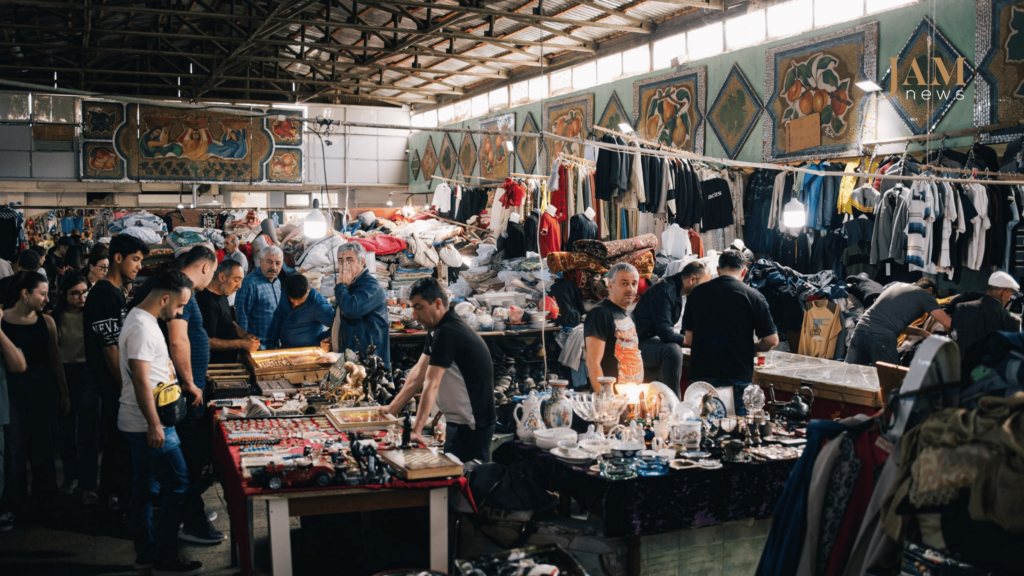
Sabunchu, Azerbaijan: where oil, railways and flea market meet. Photo report


Sabunchu flea market in Azerbaijan

Sabunchu flea market in Azerbaijan

Sabunchu is one of Baku’s historically and culturally rich districts. This settlement has a long-standing history tied to the oil industry and railways and is also renowned for its unique flea market.

In this article, we take a virtual journey through Sabunchu, exploring its vibrant market and discovering its history, character, and local way of life.
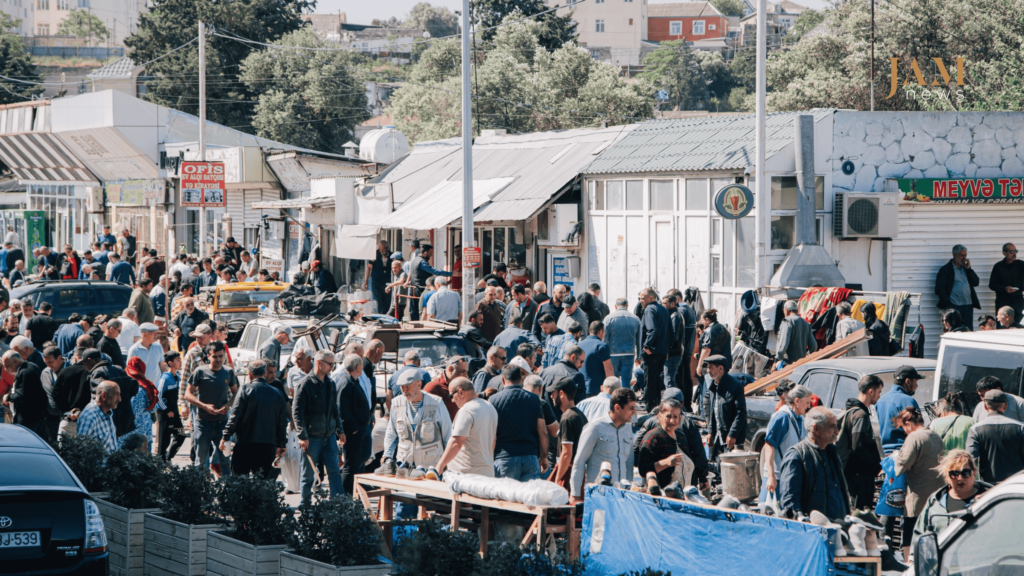
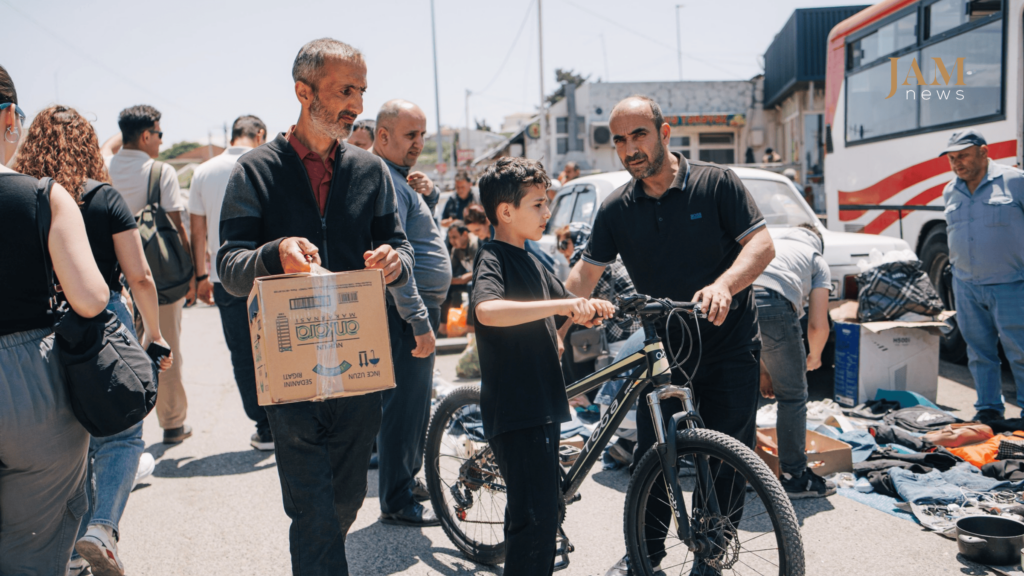
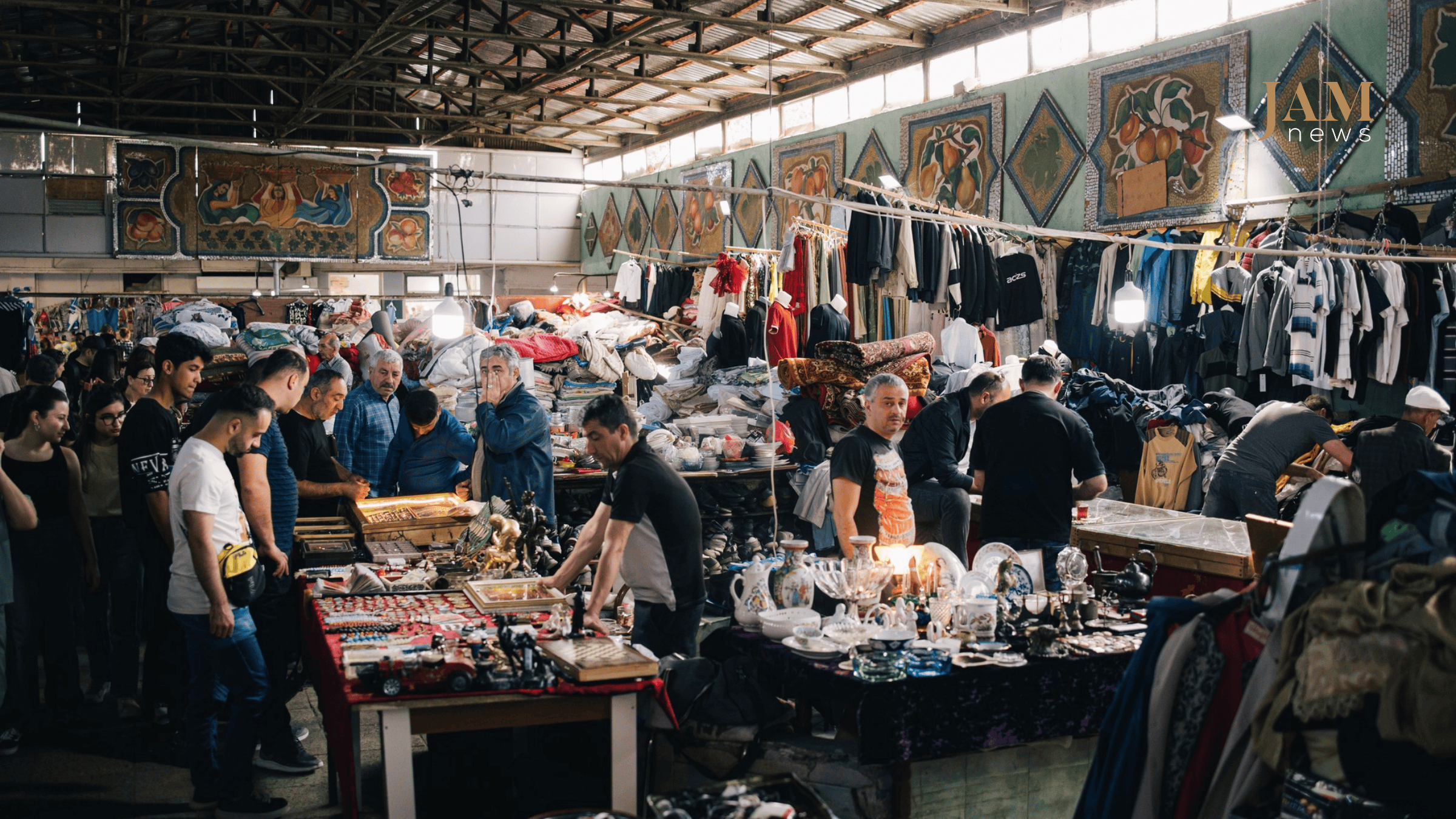
The main attraction of Sabunchu is undoubtedly its market. Established in the late 19th century, it is increasingly drawing the attention of tourists eager to experience the “real” Baku.
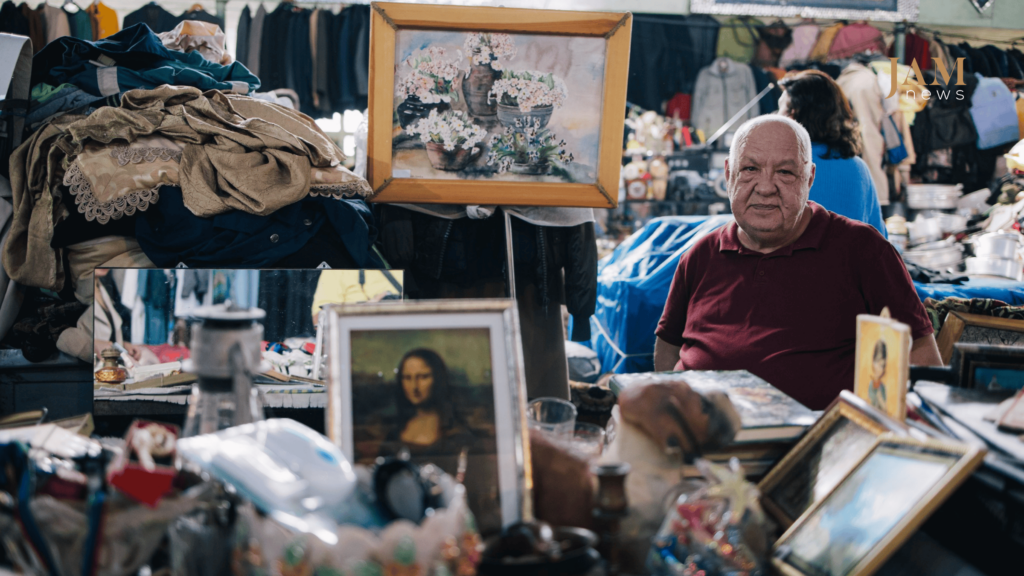
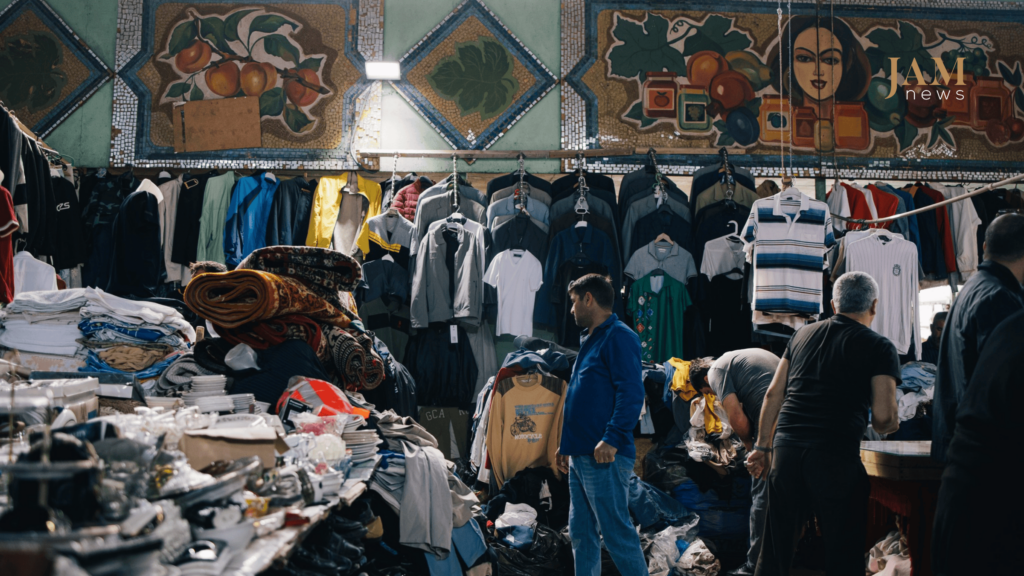
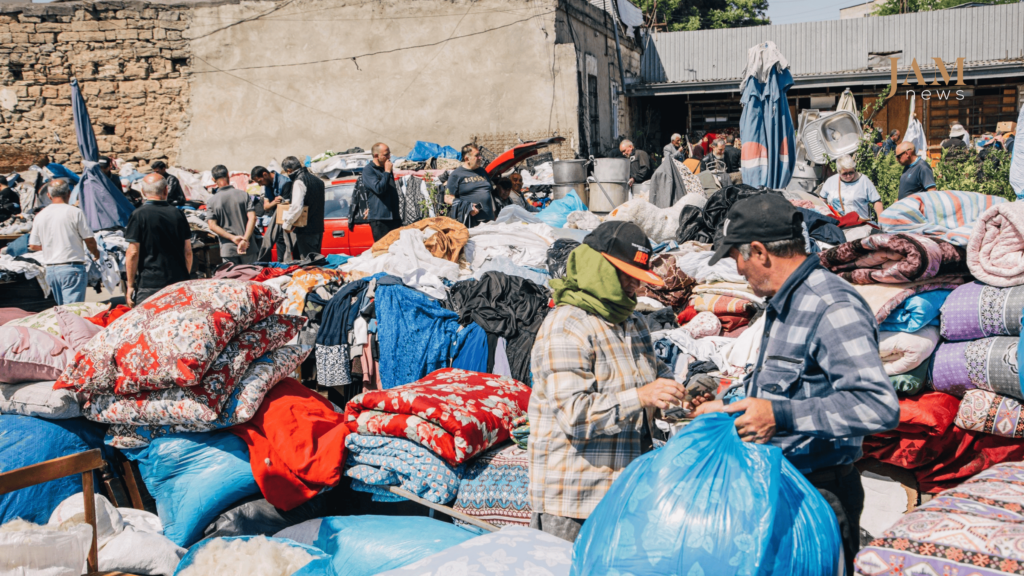
This market is also known as the “flea market,” the “bird market,” and even the “dead man's market.” The name “flea market” emerged in the 1990s, while “dead man's market” refers to the fact that second-hand, previously used items are sold here. You can find virtually anything at this market.
This market is also known as the “flea market,” the “bird market,” and even the “dead man’s market.” The name “flea market” emerged in the 1990s, while “dead man’s market” refers to the fact that second-hand, previously used items are sold here. You can find virtually anything at this market.

History of Sabunchu

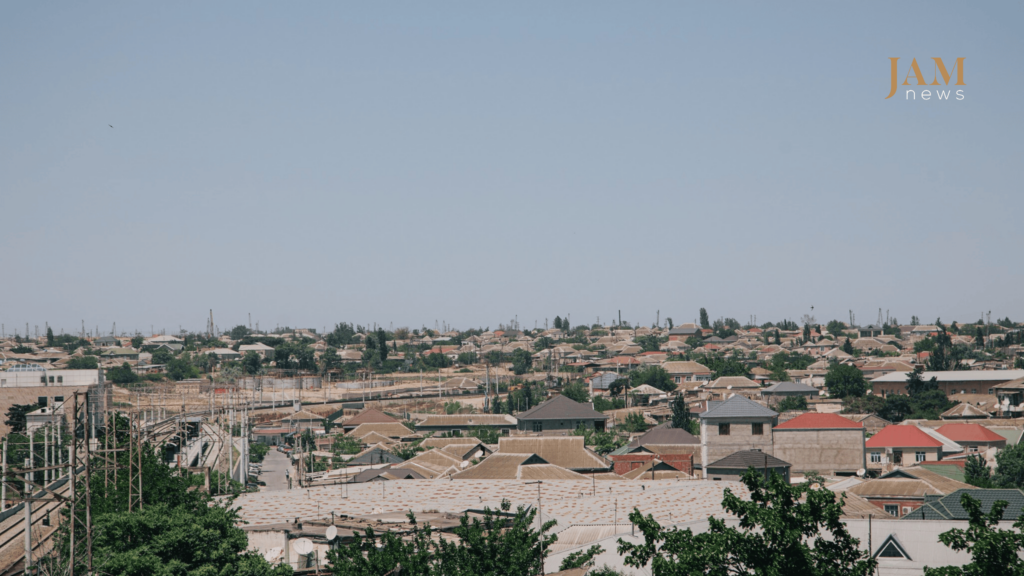
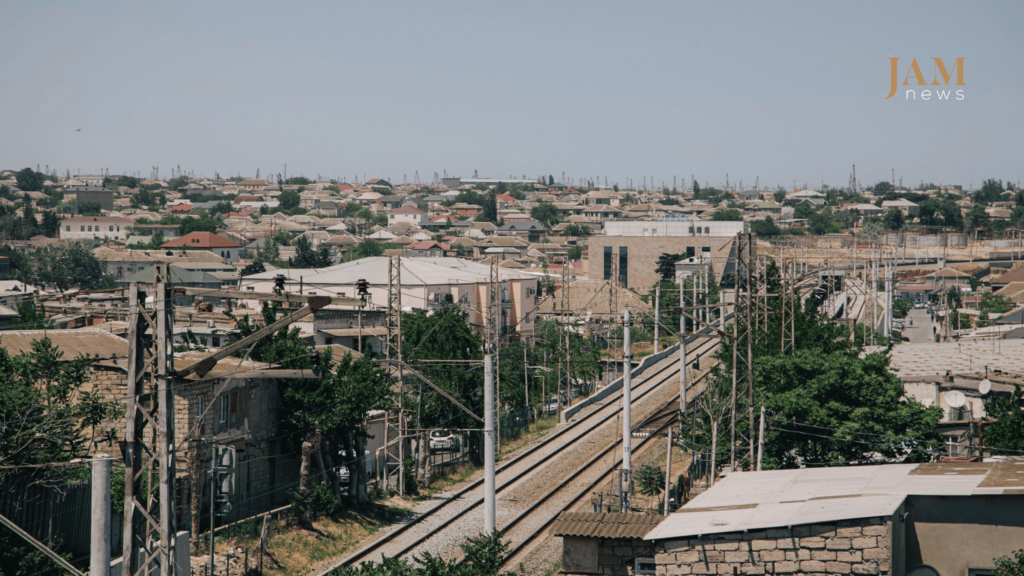
Sabunchu became an important hub in the late 19th century thanks to the development of the oil industry. By the early 20th century, around 35% of Baku’s oil was being extracted here. The construction of a railway line in 1880 also turned Sabunchi into a key junction for suburban trains. This historical background gave the district its distinct character.

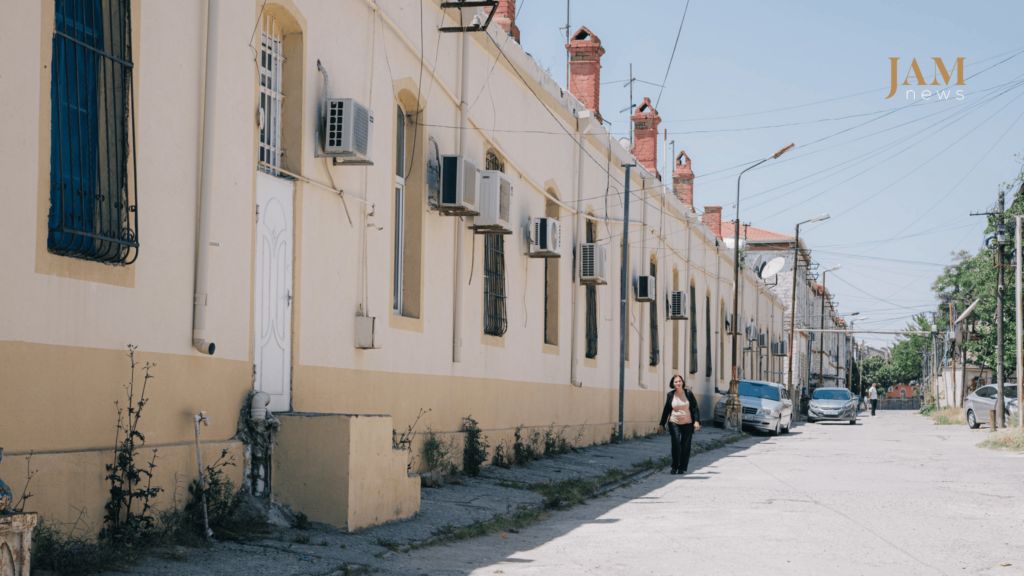
The Nobel brothers, who played a major role in developing Azerbaijan’s oil sector, also left their mark on Sabunchu. Some of the buildings constructed for oil workers and their families still stand, including former canteens. However, with the arrival of displaced families during the war in the 1990s, these historic buildings changed: new rooms were added, altering their original appearance.
Sabunchu, Azerbaijan: where oil, railways and flea market meet. Photo report
This railway was built in 1880.
Nobel settlement, built for oil workers and their families. This building used to house a canteen.

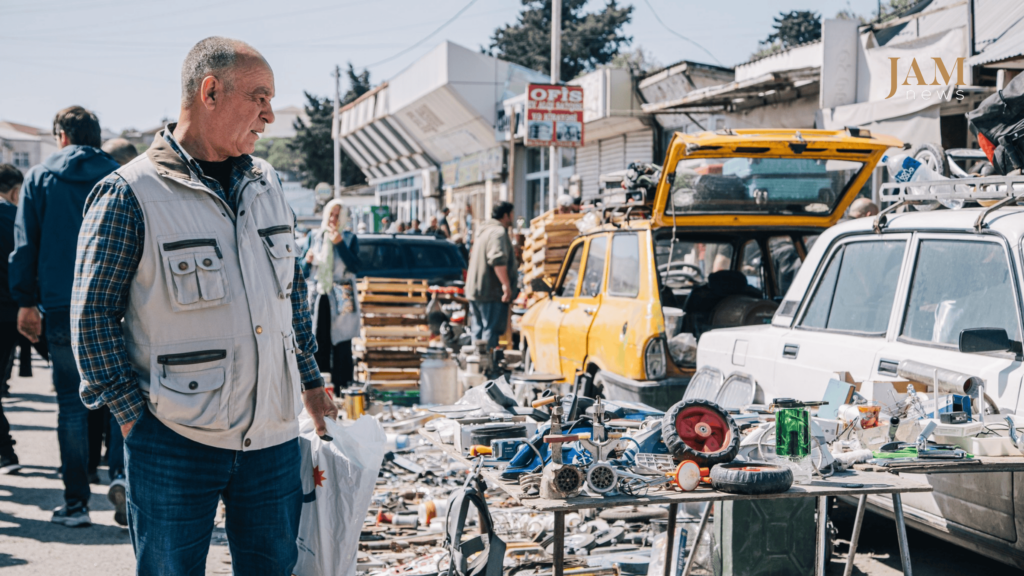
Sabunchu “flea market” — also known as “dead man’s market”

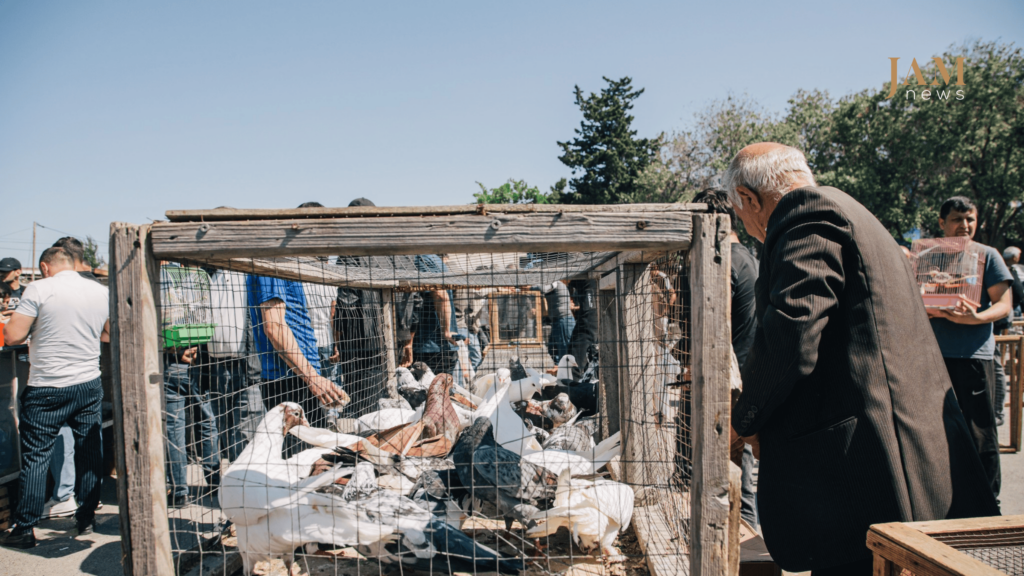
The history of the Sabunchu Bazaar dates back to the late 19th century. Today, it draws the attention of both locals and tourists eager to see the “real” Baku. One of the market’s standout features is its bird trade — mostly pigeons, though other domestic animals are occasionally sold as well. Unfortunately, there are occasional reports of stolen dogs being sold.

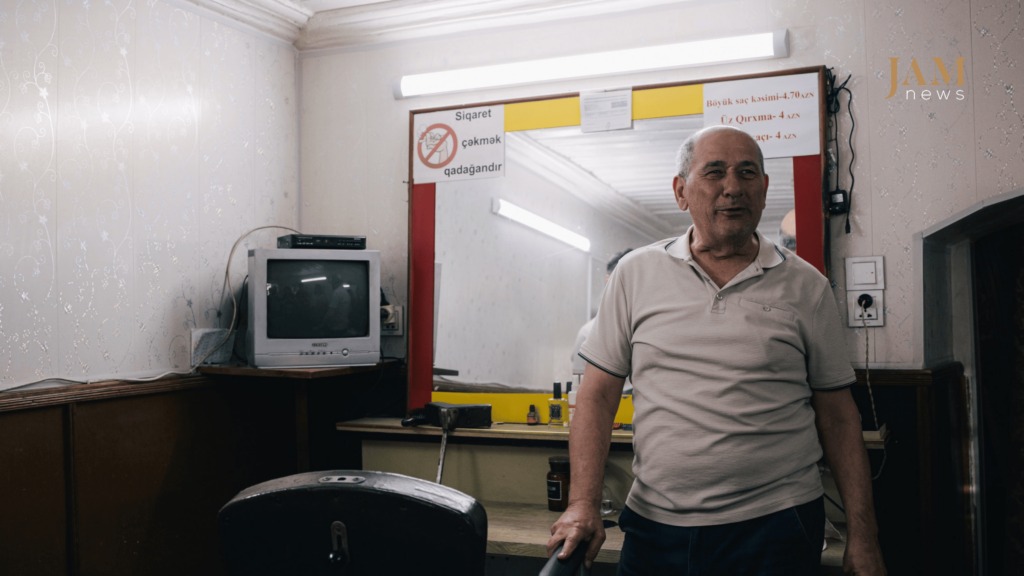
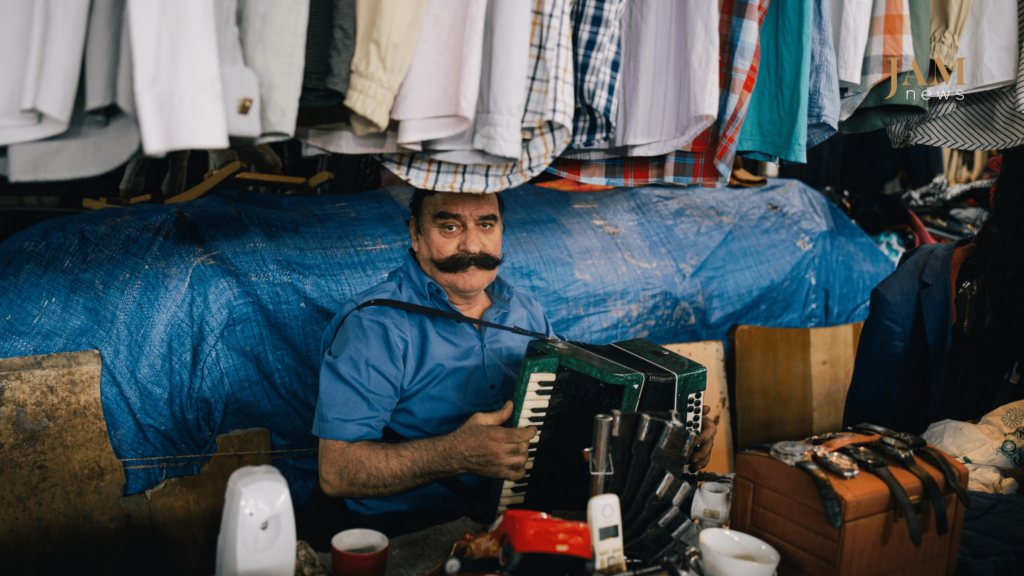
Equally noteworthy are the market’s colorful characters. One such figure is a vendor named Qurban, known as “Keroglu,” who has become a local legend. His warm personality and skill with the accordion turn a trip to the market into a true performance. Another memorable figure is Alkhaz, a barber who has been working for over 50 years. Closely connected to the local Jewish community, he even speaks Hebrew. His barber shop, along with the vintage chair and mirror he uses, preserves traces of the past.


The market also serves as a social hub for locals. On Sundays especially, pigeon breeders from across Baku gather here. The market’s unique atmosphere — full of noise and bustle — stands in stark contrast to the quiet streets of the settlement. After the clamor dies down, it’s as if time in Sabunchu pauses.

Sabunchu and its flea market hold a special place on Baku’s historical and cultural map. This neighborhood, rich in its ties to the oil industry and railways, also stands out for its vibrant market culture and close-knit community. There’s something here for everyone — from pigeon enthusiasts to tourists eager to experience a piece of the past. The Sabunchu market is truly a living, breathing corner of Baku.
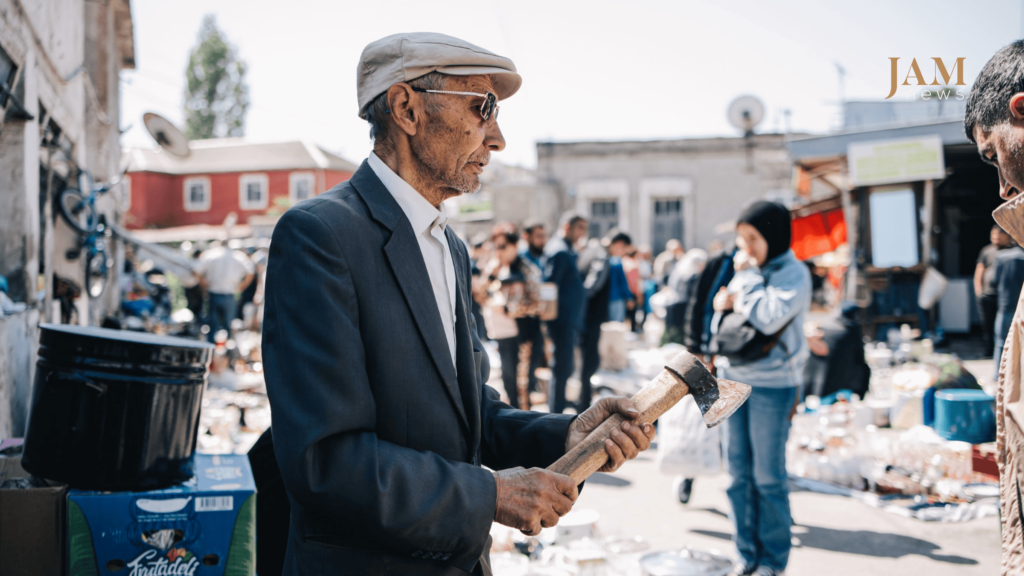
Most people come to the market for birds, though other domestic animals are sometimes sold as well — there have even been reports of stolen dogs being resold here.
This is Qurban, a true legend of the local market. His moustache earned him the nickname “Keroglu.” He often plays the accordion willingly, especially for visitors.
This is Qurban, a true legend of the local market. His mustache earned him the nickname “Keroglu.” He often plays the accordion willingly, especially for visitors.
Alkhas has been working as a barber for over 50 years — his chair and mirror have been preserved since those early days. One day, a regular customer brought him brandy and sweets. Surprised, Alkhas asked, “What’s the occasion?” The customer replied, “Today marks exactly 45 years since I first got my hair cut by you.”
On Sundays, pigeon breeders from all over Baku gather here.
The market’s closed-off section.
People jokingly say that the Sabunchu market is a miracle market — it's never caught fire, unlike many other chaotic markets in Azerbaijan where fires are a frequent occurrence.
People jokingly say that the Sabunchu market is a miracle market — it’s never caught fire, unlike many other chaotic markets in Azerbaijan where fires are a frequent occurrence.
Sabunchi market
Sabunchu market
Sabunchu market
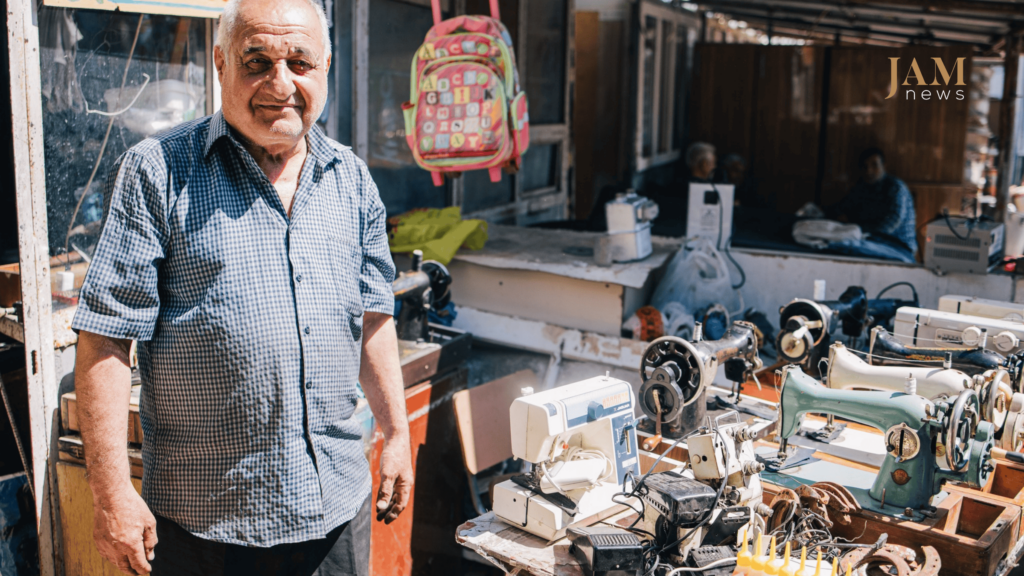
Vagif is a sewing machine repairman.
Vagif is a sewing machine repairman. He recalls: “One day an elderly customer came up to me and said, ‘A home without a sewing machine is like a home without an owner. A decent woman wouldn’t run to a tailor over every little thing.”
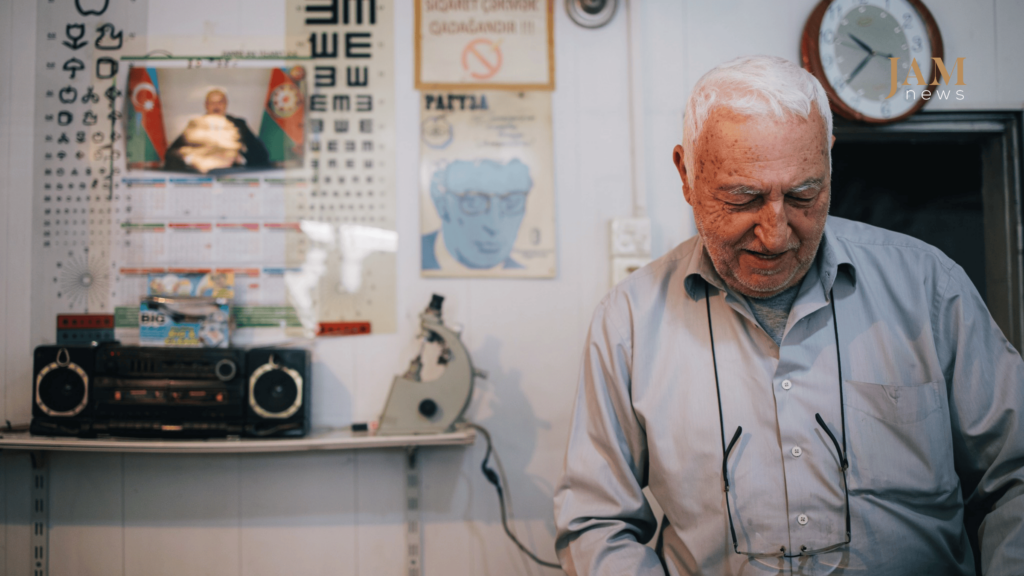
Farhad was the man who opened the first optician’s shop in Sabunchu.
Farhad was the man who opened the first optician’s shop in Sabunchu. He says it was elderly revolutionaries who first approached him with the request: “We’re old now — we need glasses.”

Life in Sabunchu

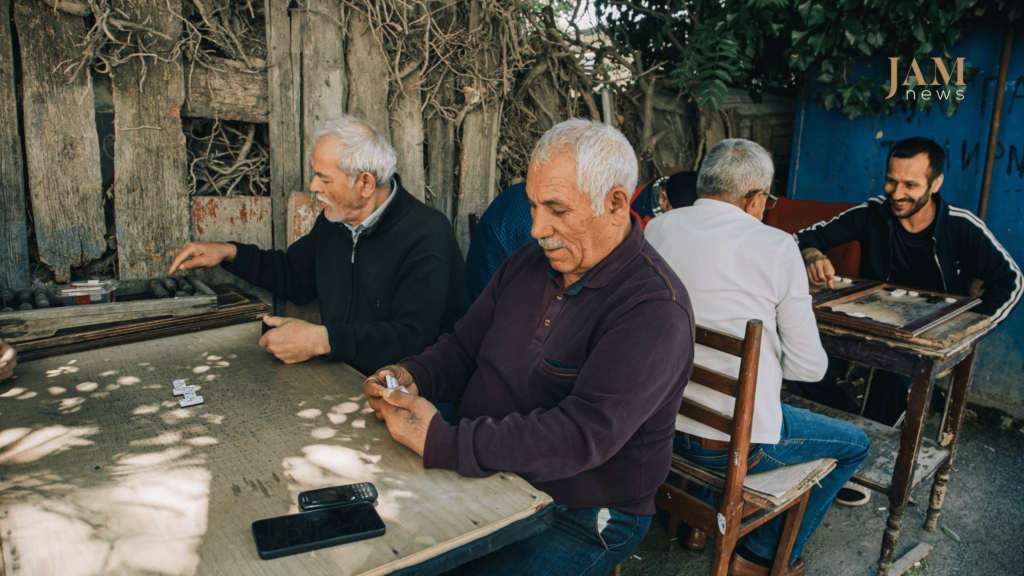
Beyond the market, Sabunchu is marked by a quieter, more traditional way of life. Neighbors remain closely connected, often spending time playing dominoes and backgammon.

Sabunchu is also home to an area once known as the “Jewish Quarter.” During the oil boom, the local Jewish community—originally from Quba’s Red Settlement—settled here. Today, however, no Jewish residents remain.
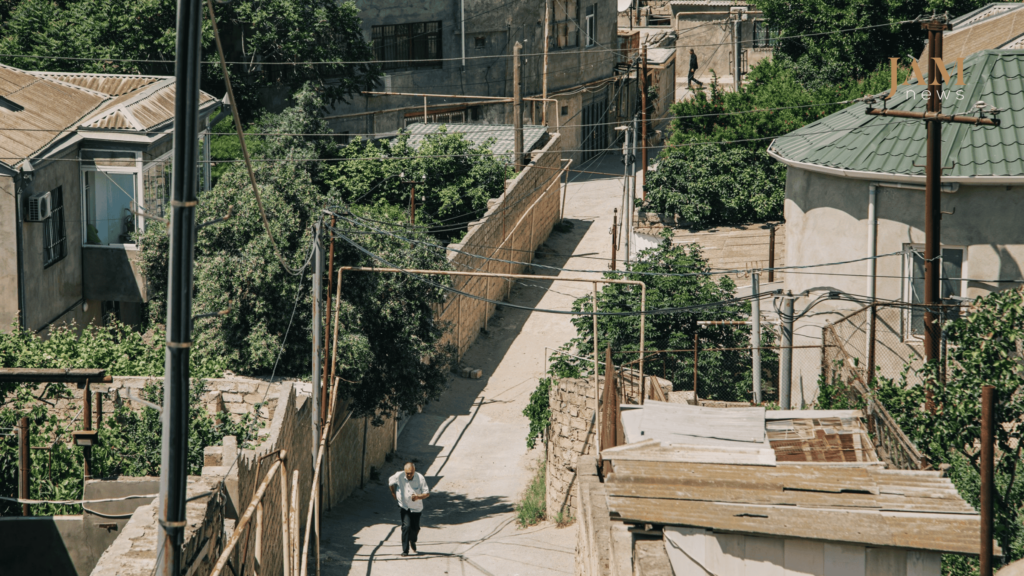
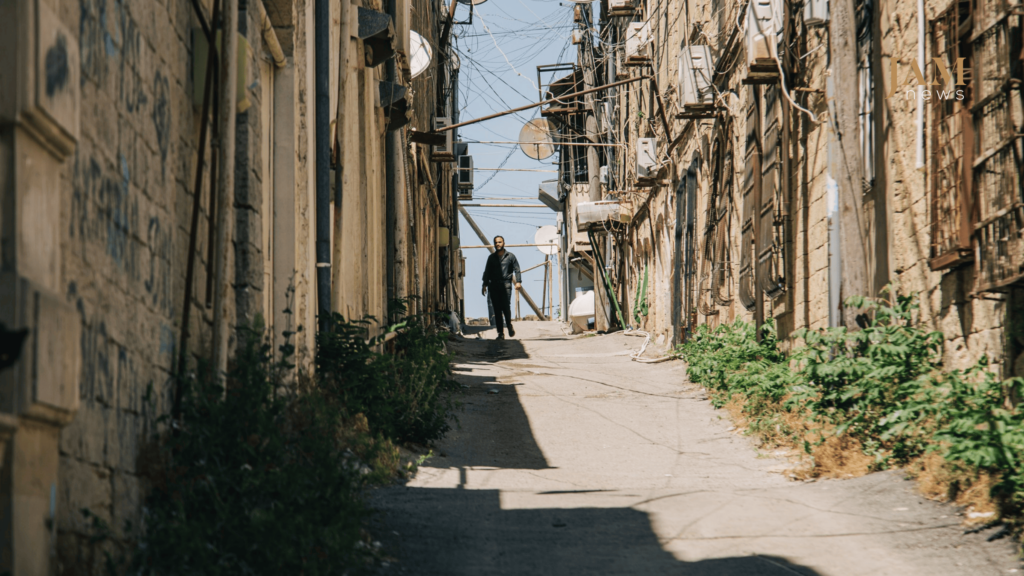
The atmosphere in the settlement shifts immediately—from the bustling market to a quiet residential area. It feels as if life in Sabunchu has come to a standstill; despite it being Sunday, a deep silence reigns throughout.
Life in Sabunchu
Neighbourly ties here remain strong. People still gather to play dominoes and backgammon together.
Neighborly ties here remain strong. People still gather to play dominoes and backgammon together.
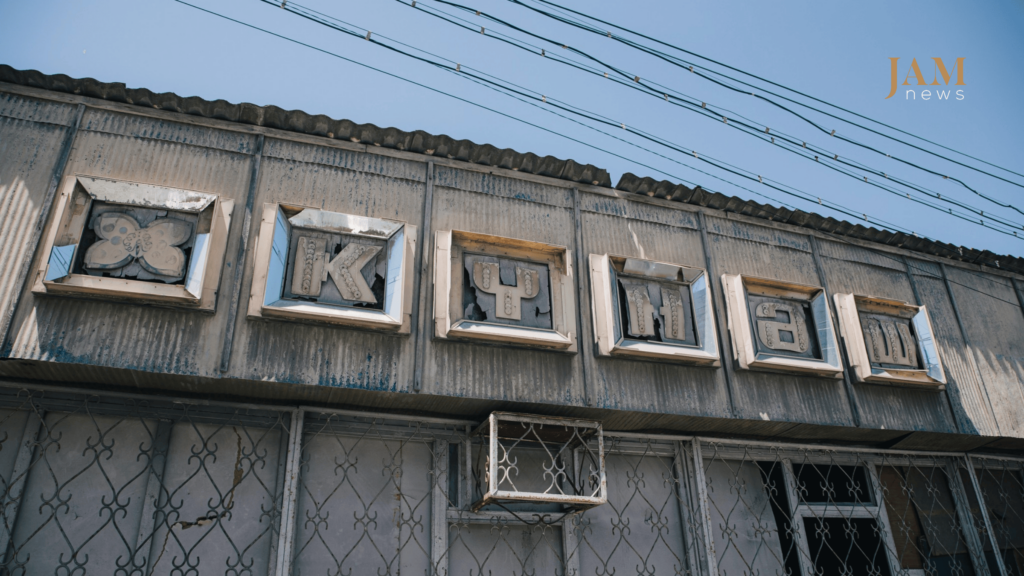
This building once housed a gymnasium, and during the Soviet era, it operated as a shop bearing the Cyrillic sign “Gunesh” — meaning “Sun.” However, due to its distance from the main market, business was slow and the shop eventually closed.
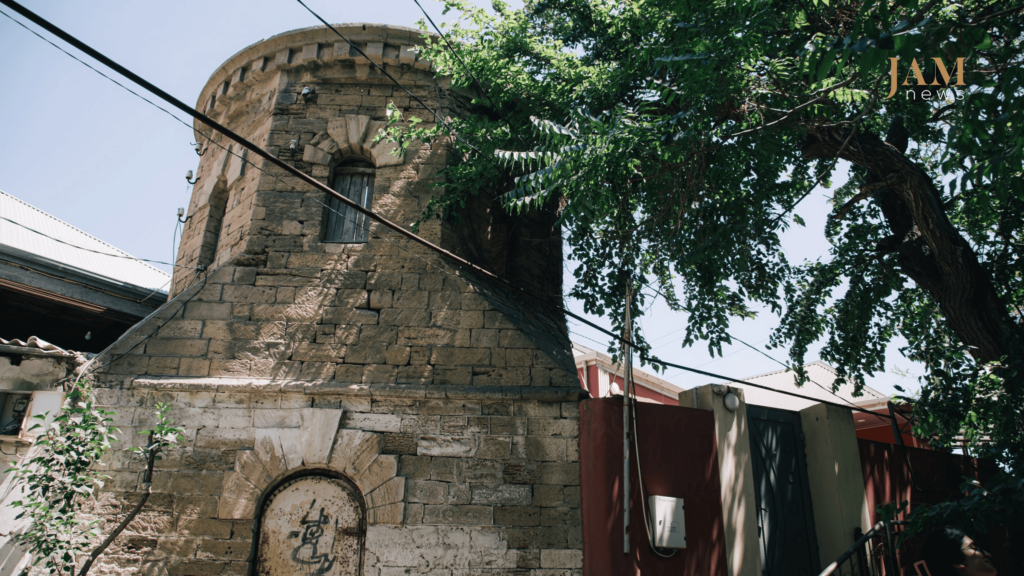
This is the water tower, which used to collect water reserves and supply the settlement with water.
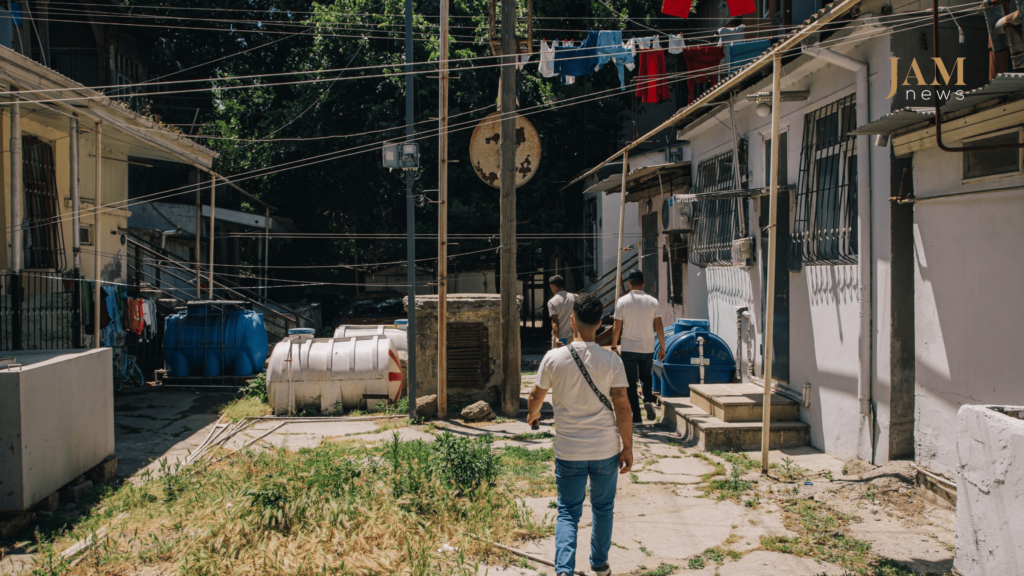
In the 1990s, during the Karabakh war, internally displaced people began moving here.
In the 1990s, during the Karabakh war, internally displaced people began moving here. Accustomed to more spacious homes than the cramped apartments of Baku, they started adding extensions to existing buildings. As a result, the historical architecture was completely altered and lost its original appearance.
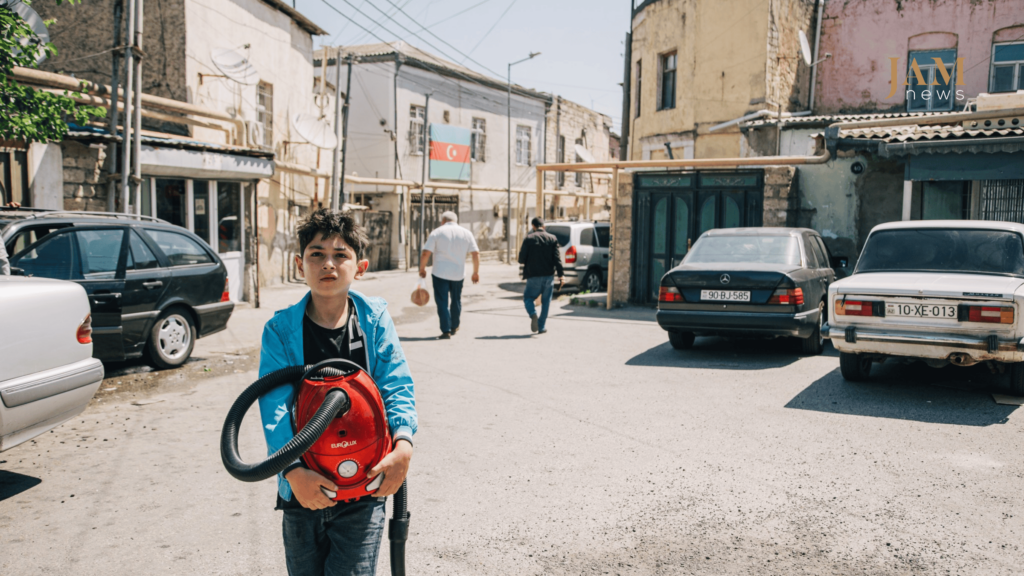
This area is known as the "Jewish Quarter."
This area is known as the “Jewish Quarter.” During the oil boom, many Jews relocated here from Quba (the Red Settlement). Today, however, there are no Jews left living in this neighborhood.


Categories
South Caucasus News

Azerbaijan advances to WMF World Cup quarterfinals


Azerbaijan has advanced to the World Mini-Football Championship by defeating Romania 2-1 in a penalty shootout after a 1-1 draw, Azernews reports.

Categories
South Caucasus News

Megan Moroney is swiftly becoming Georgia’s new country queen – AJC.com


Megan Moroney is swiftly becoming Georgia’s new country queen  AJC.com

Categories
South Caucasus News

Great return continues: 41 families resettle in Beylik Village of Lachin


In line with President Ilham Aliyev’s order, the “Great Return” to Azerbaijan’s territories liberated from occupation is progressing steadily, Azernews reports.

Categories
South Caucasus News

«Золотой купол» и пустая казна: Россия перед лицом нового оружия США