Broad money supply in Azerbaijan up by over 4%
Day: May 28, 2025
Badr Gunba on future of Sukhum airport
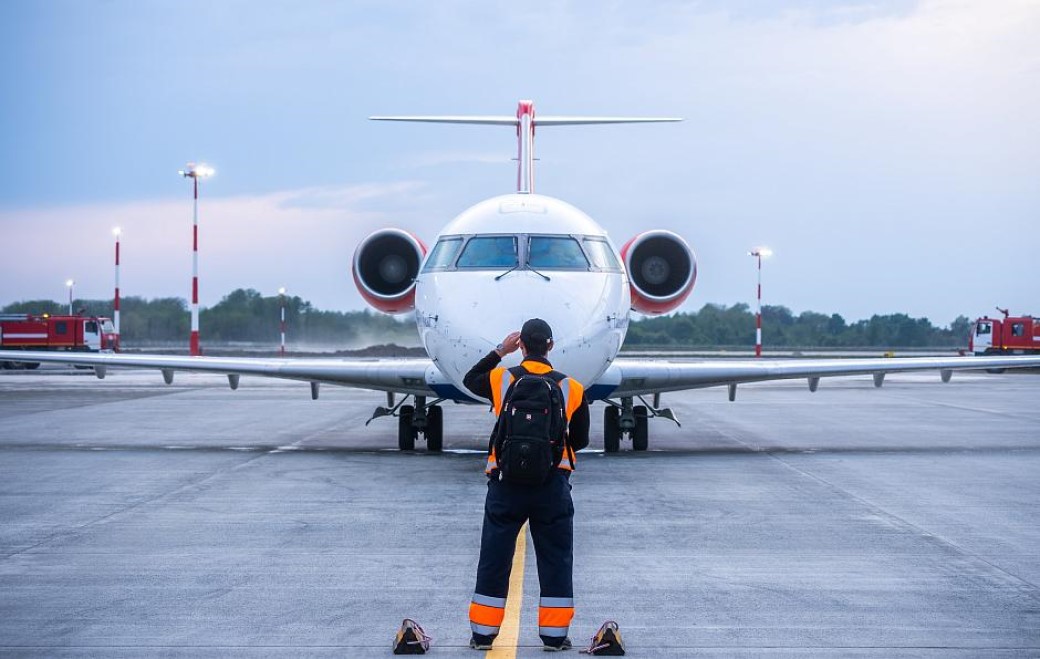
Abkhazian President Badr Gunba has claimed that Sukhum Airport will handle 1 million passengers in 2025. However, based on the current number of flights and ticket prices, that forecast appears highly unrealistic.
Gunba presented this projection during the Caucasus Investment Forum in Mineralnye Vody.
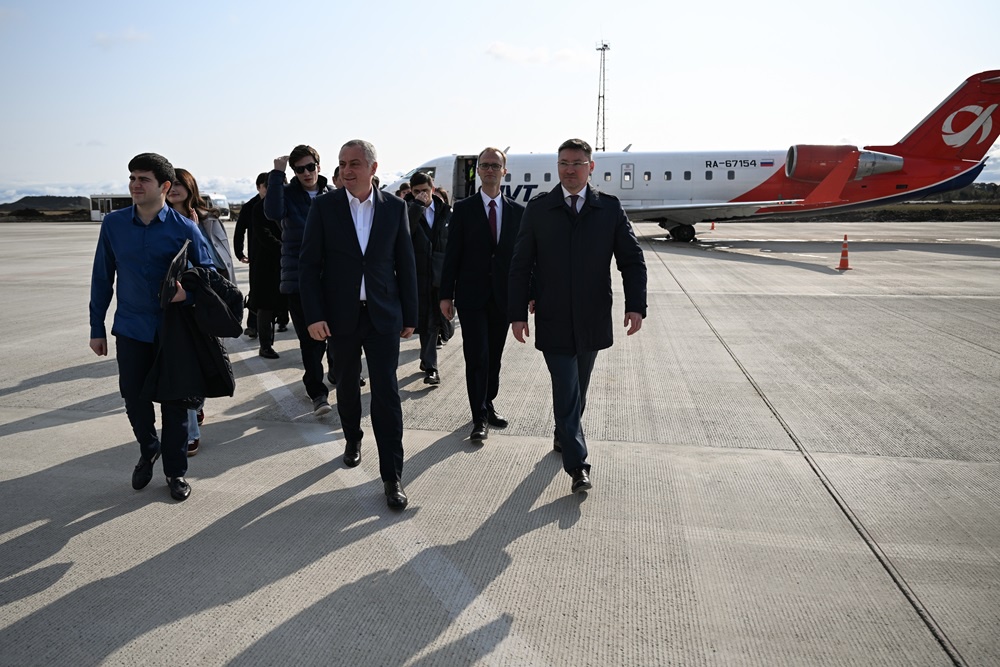
In a separate conversation with Russian Prime Minister Mikhail Mishustin, Gunba acknowledged that Sukhum Airport is currently operating at a minimal capacity — with only two flights a week and connections to just two Russian cities: Moscow and Nizhny Novgorod.

It is worth recalling that Sukhum Airport had been out of service for over 30 years following the outbreak of the Georgian-Abkhaz war in 1992–93 and only resumed operations on 1 May 2025.
Due to the airport’s lack of an international license, flights are limited to routes within Russia. These are operated by Russian domestic airlines, which are not subject to sanctions for violating international aviation regulations.
The Abkhaz authorities have promised that starting mid-June, the flight network will expand to include several more Russian cities and that the airport will operate daily. However, even if this materializes, reaching the target of 1 million passengers remains highly unlikely.
The main issue is that most flights arriving in Sukhum require a layover in one of Russia’s cities, which increases both travel time and ticket prices.
The cheapest flight from Moscow to Sukhum currently costs 25,000 roubles (around $314), at least twice as much as a flight from Moscow to Sochi. As a result, most Abkhaz residents still prefer to travel to Moscow via Sochi airport, which is only about a three-hour drive from Sukhum.

That said, the Abkhaz government has promised to lower ticket prices. Last week, the republic’s parliament amended the law “On Value Added Tax” to introduce a zero VAT rate on services related to international air travel through Sukhum Airport.
Toponyms, terminology, views and opinions expressed by the author are theirs alone and do not necessarily reflect the views and opinions of JAMnews or any employees thereof. JAMnews reserves the right to delete comments it considers to be offensive, inflammatory, threatening or otherwise unacceptable.

Why Azerbaijan isn’t signing peace deal
Armenia and Azerbaijan have agreed on the text of a peace agreement, yet tensions continue to rise, according to experts from the International Crisis Group. U.S. Secretary of State Marco Rubio has also warned that the risk of renewed armed conflict between the two countries remains real. Meanwhile, the Armenian authorities continue to show readiness to sign the peace deal — while Azerbaijan keeps putting forward new pretexts to avoid it.
Experts in Armenia believe that Baku is waiting for a favourable moment to escalate tensions again.
Political analyst Benyamin Poghosyan, a senior fellow at the APRI Armenia think tank, shares his view on the positions of both sides regarding the peace agreement, the conditions under which Azerbaijan might launch a new military offensive, and what is currently holding Baku back.
- US links Abraham Accords to Armenia-Azerbaijan peace process: What’s behind the move?
- “We are strengthening Armenia’s defence capabilities”: French foreign minister visits Yerevan
- Lavrov in Yerevan: Traditional diplomacy, untraditional atmosphere
- Opinion: “Baku alarmed by Armenia’s legal action amid potential consequences for Aliyev”
Commentary by political analyst Benyamin Poghosyan
It takes two to tango
“Armenia has repeatedly stated at the highest level its readiness to sign a peace agreement with Azerbaijan. This has been expressed by the Prime Minister, the Foreign Minister, the Secretary of the Security Council, and other senior officials. However, as the saying goes, it takes two to tango. One side’s willingness is not enough.
On the surface, Azerbaijan puts forward specific conditions for signing the agreement. At present, these include the dissolution of the OSCE Minsk Group and amendments to Armenia’s Constitution — namely, the removal of a reference to the Declaration of Independence, which in turn cites the joint resolution of the Supreme Council of the Armenian SSR and the National Council of Nagorno-Karabakh from 1 December 1989 ‘On the Reunification of the Armenian SSR and Nagorno-Karabakh.’
But these demands are not genuine preconditions that would lead to the signing of an agreement if fulfilled. Rather, they serve as excuses to delay the process.
Azerbaijan is demonstrating a lack of will to make peace with Armenia. Even if Armenia were to meet these demands — amend its constitution and call for the Minsk Group’s dissolution — Baku could simply set new preconditions. These might include demands for an extraterritorial corridor through Syunik, the resettlement of hundreds of thousands of Azerbaijanis in Armenia, the creation of conditions for their residence, and the deployment of foreign forces under the pretext that Armenia cannot guarantee their security. Each time, Baku would declare: until these conditions are met, there will be no agreement.
Azerbaijan’s actions and statements make it clear that this is not about specific concerns — it is a deliberate strategy to avoid signing a peace deal.”

Pashinyan and domestic audience: peace agreement as political trump card
“The demands of Ilham Aliyev — which are essentially excuses to avoid a peace agreement — are no secret. The President of Azerbaijan publicly voices them at every opportunity.
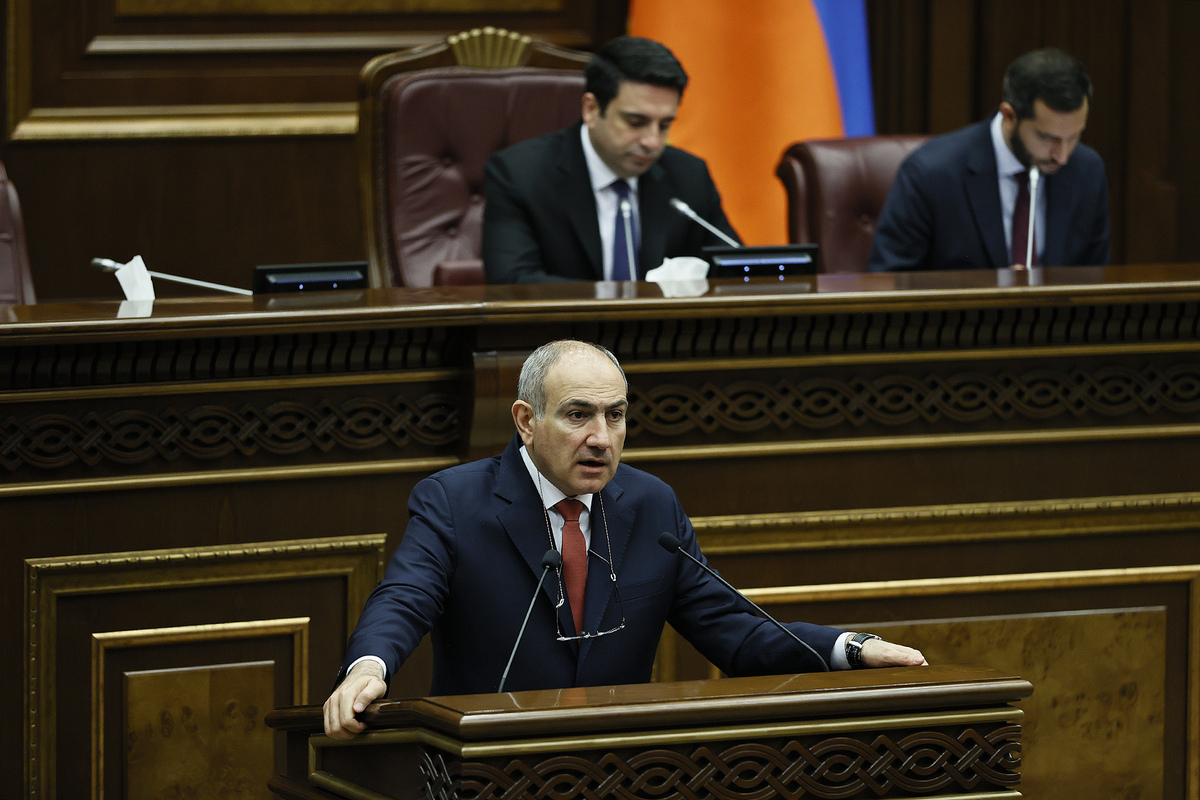
For Nikol Pashinyan, however, signing a peace deal with Azerbaijan is not just a matter of foreign policy. It is also a crucial domestic political tool aimed at strengthening his position ahead of the 2026 parliamentary elections.
One year from now, voters will go to the polls, with foreign policy expected to be one of the key topics alongside the economic situation. The opposition and broader public will judge the ruling party’s performance since summer 2021.
In this context, a peace agreement with Azerbaijan could serve as a major achievement for Pashinyan, showcasing the success of his chosen path.
Since 2022, the Armenian government’s main foreign policy focus has been what it calls the ‘peace agenda.’ The authorities have declared their intention to normalise relations with Baku and Ankara, open the border with Turkey, and sign a peace agreement with Azerbaijan. These steps, in the government’s view, are meant to eliminate the threat of a new war and create conditions for economic growth.
To achieve this goal, Pashinyan has stressed his willingness to make painful concessions — if they result in long-term peace.”
Foreign policy successes and failures of Pashinyan’s government
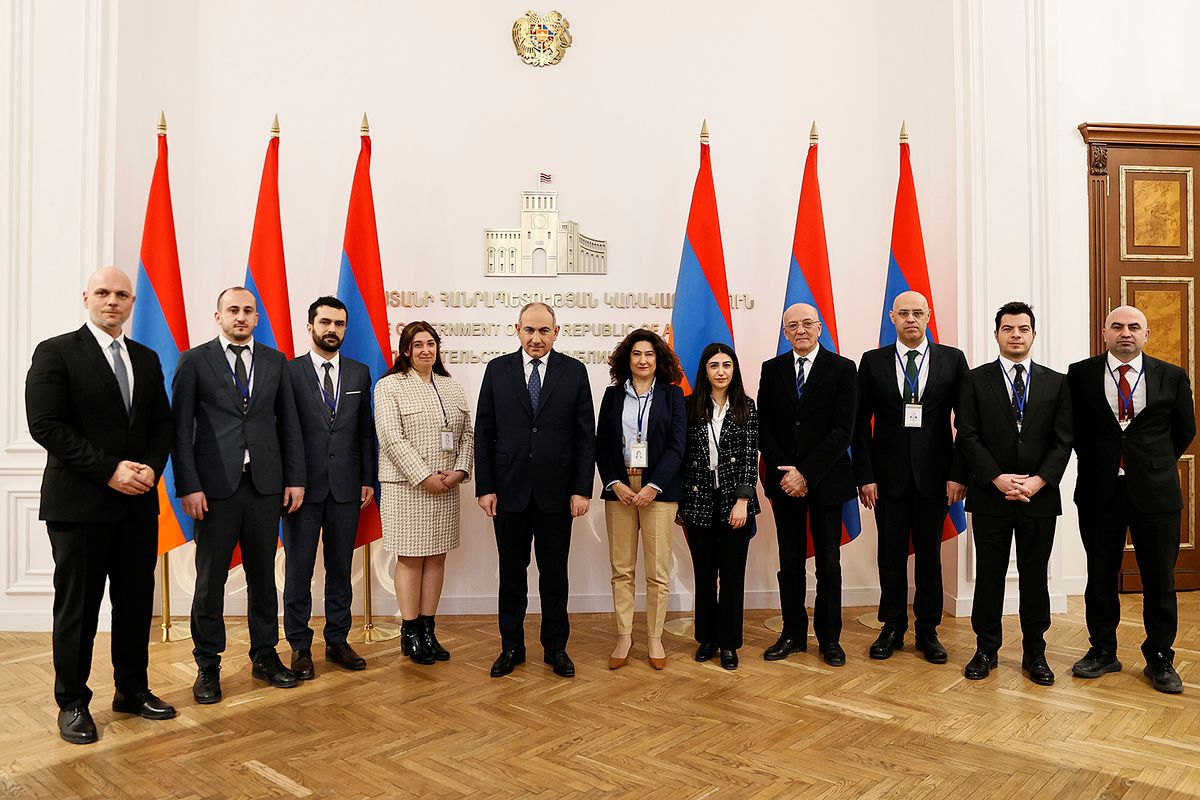
As Armenia heads toward the 2026 parliamentary elections, Prime Minister Nikol Pashinyan’s government carries significant foreign policy baggage.
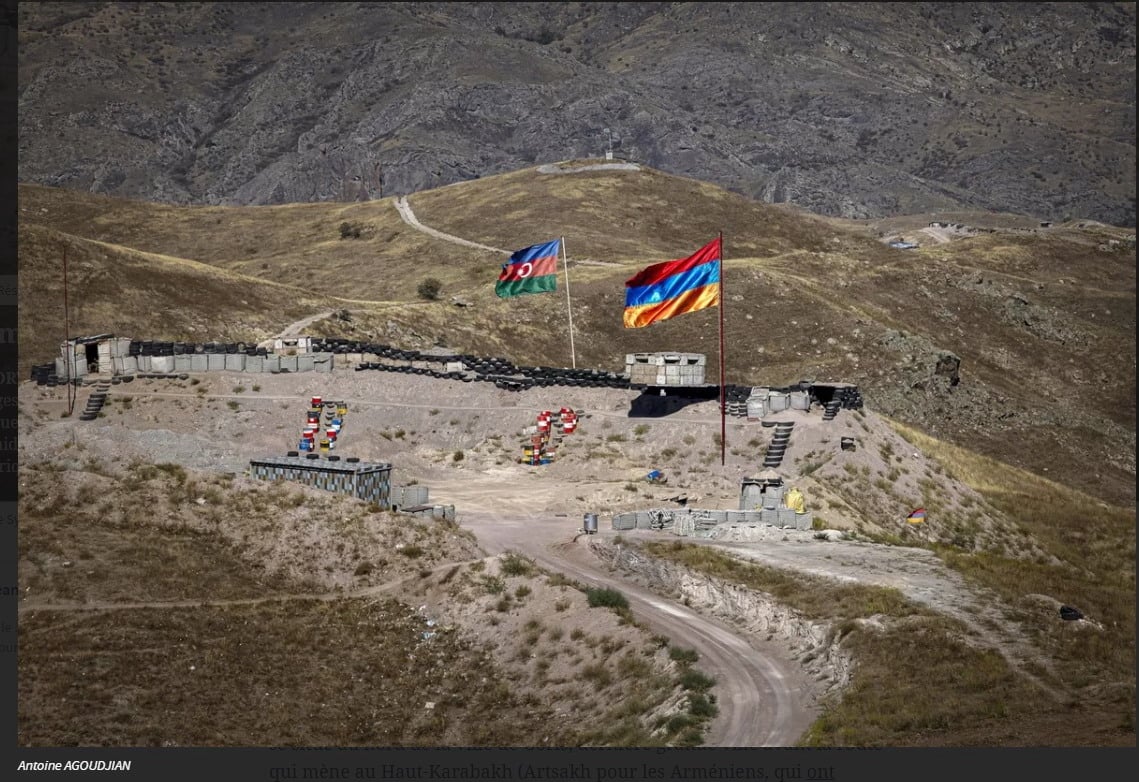
Among its major failures are the loss of the Nagorno-Karabakh Republic — accompanied by the ethnic cleansing of Armenians — and Azerbaijan’s occupation of strategic Armenian territories. These areas, located in the Gegharkunik, Vayots Dzor, and Syunik regions, give the adversary a positional advantage and control over parts of Armenia’s infrastructure. Additionally, relations with Russia remain undefined.
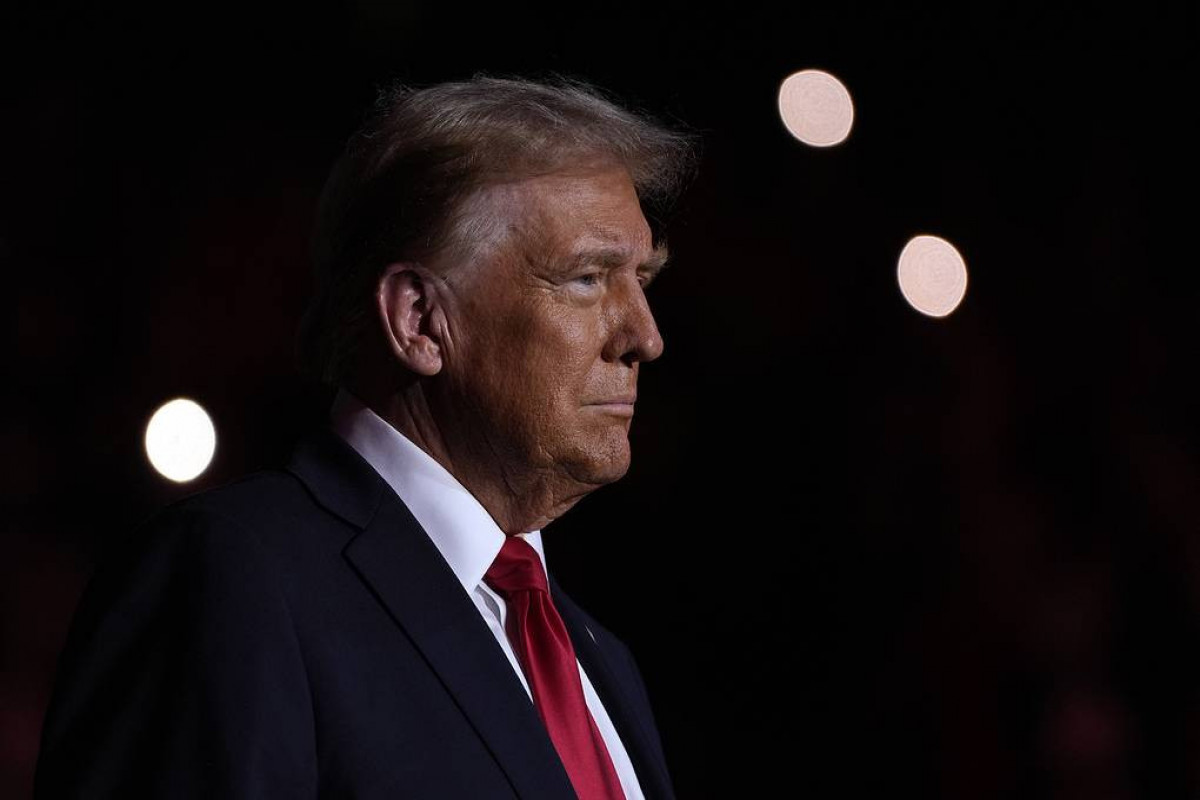
On the positive side, Armenia signed a Strategic Partnership Charter with the United States in January 2025. However, although the Trump administration has not revoked the document signed under President Biden, the overall direction of U.S. foreign policy in the South Caucasus remains unclear — diminishing the weight of the agreement.
Another positive development is the deepening of ties with the European Union. Dialogue on visa liberalisation has begun, though it is a lengthy process unlikely to conclude before the 2026 elections. A new EU–Armenia partnership agenda is expected to be signed by the end of 2025, but it will not mark a significant shift, as it is based on the Comprehensive and Enhanced Partnership Agreement signed back in 2017.
Pashinyan’s message: either ruling party — or war
As Armenia’s leadership prepares to enter the 2026 election race, it faces a foreign policy landscape in which the negatives far outweigh the positives.
The only major card Pashinyan’s Civil Contract party can play is to double down on its peace agenda. The government will tell voters that, despite the lack of full success, the text of a peace agreement with Azerbaijan has been agreed, and the framework for joint border delimitation commissions has been signed. They will argue that they are striving for peace — even if progress is slower than expected.
The Prime Minister will offer voters a clear choice:
- support for his party means a chance for peace, based on an agreement with Azerbaijan and the normalisation of relations with Turkey;
- the alternative — a victory for opposition parties — means renewed war.
Pashinyan will continue to insist that the peace agenda is working, even if not as effectively as hoped.
Azerbaijan’s strategy: consolidate gains and weaken Armenia
“Azerbaijan seeks to consolidate its achievements from 2020 to 2023 — the defeat of the Nagorno-Karabakh Republic and the expulsion of all Armenians from the region.
It also wants guarantees that Armenia will not attempt to partially or fully reclaim what it has lost.
In addition, Baku is pursuing a long-standing goal: securing a corridor to Nakhichevan — a project Azerbaijan and Turkey have aspired to since the founding of the Azerbaijan Democratic Republic in 1918.
Azerbaijan also intends to resettle its citizens on Armenian territory.
The only guarantee of all this, from Baku’s perspective, is a weakened Armenia — one incapable of altering the status quo established after September 2020.
Baku believes that signing a peace agreement and opening the Armenian-Turkish border would strengthen Armenia’s position, making it less vulnerable than it is now. Conversely, by not signing an agreement, Azerbaijan can keep Armenia in a constant state of tension — trapped between war and peace, under the threat of renewed escalation and the semi-blockade that has defined the country’s last three decades.”
Peace agreement: reduced risk of escalation, but no guarantee of stability
A peace agreement between Armenia and Azerbaijan could reduce the risk of escalation — but it would not eliminate it entirely.
Once the agreement is signed, it would become more difficult for Baku to justify aggression against Armenia in the eyes of the international community — for example, in an attempt to secure a corridor to Nakhichevan.
However, that does not mean Azerbaijan would refrain from using force. For Baku, such an agreement would not be an obstacle — especially amid the global chaos we are witnessing today.
The current shift in the world order is accompanied by numerous conflicts, with dozens of countries deploying troops across borders, disregarding international norms.
In this context, Azerbaijan has an interest in maintaining a level of tension — preserving the option to escalate again when it sees fit. Keeping the situation unstable allows Baku to dictate terms and act in its own interest.
Convenient moment for escalation and risks of unpredictable consequences
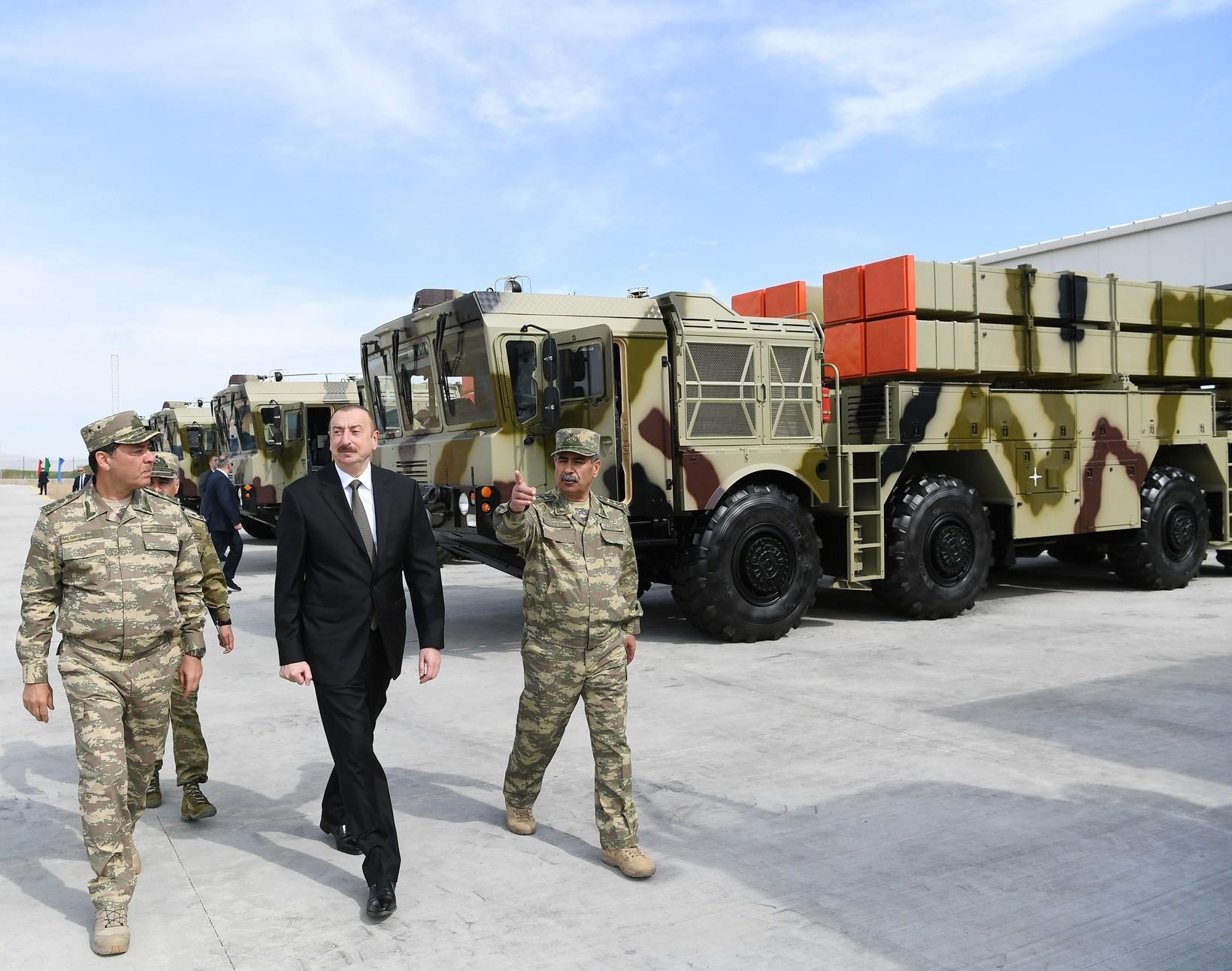
Azerbaijan conducts daily strategic assessments of the potential consequences of launching an attack on Armenia to secure a corridor to Nakhichevan.
Baku understands that, alongside the potential benefits — weakening Armenia and fulfilling its long-standing goal of a land link to Turkey — any aggression could also carry serious risks.
Chief among these is the possibility of military intervention by Iran, which could have catastrophic consequences for Azerbaijan, even threatening its statehood. The mere uncertainty over how far Iran might go acts as a significant deterrent to decisive action from Baku.
Another restraining factor is the unclear position of Russia — especially in the event of stabilisation on the Ukrainian front.
The West’s reaction is also unpredictable.
At present, the South Caucasus is unlikely to be at the forefront of U.S. foreign policy priorities. At the same time, it remains uncertain how the Trump administration — which portrays itself as a supporter of peace rather than war — would respond, especially in light of ongoing talks with Iran.
These uncertainties are holding Azerbaijan back from making a decision to launch a new war against Armenia.
However, the moment Baku assesses that the potential gains outweigh the risks and the situation tilts in its favour, it may opt for escalation.
Continued war in Ukraine, combined with a breakdown in U.S.–Iran negotiations — particularly if accompanied by possible military action against the Islamic Republic — could create favourable conditions for Azerbaijan to attack Armenia.
In such a case, a decision to start a new war could be made immediately.