
Aliyev Confident Over Azeri Terms For Peace With Armenia Ազատություն Ռադիոկայան
Day: May 20, 2025

Saving the Ossetian language
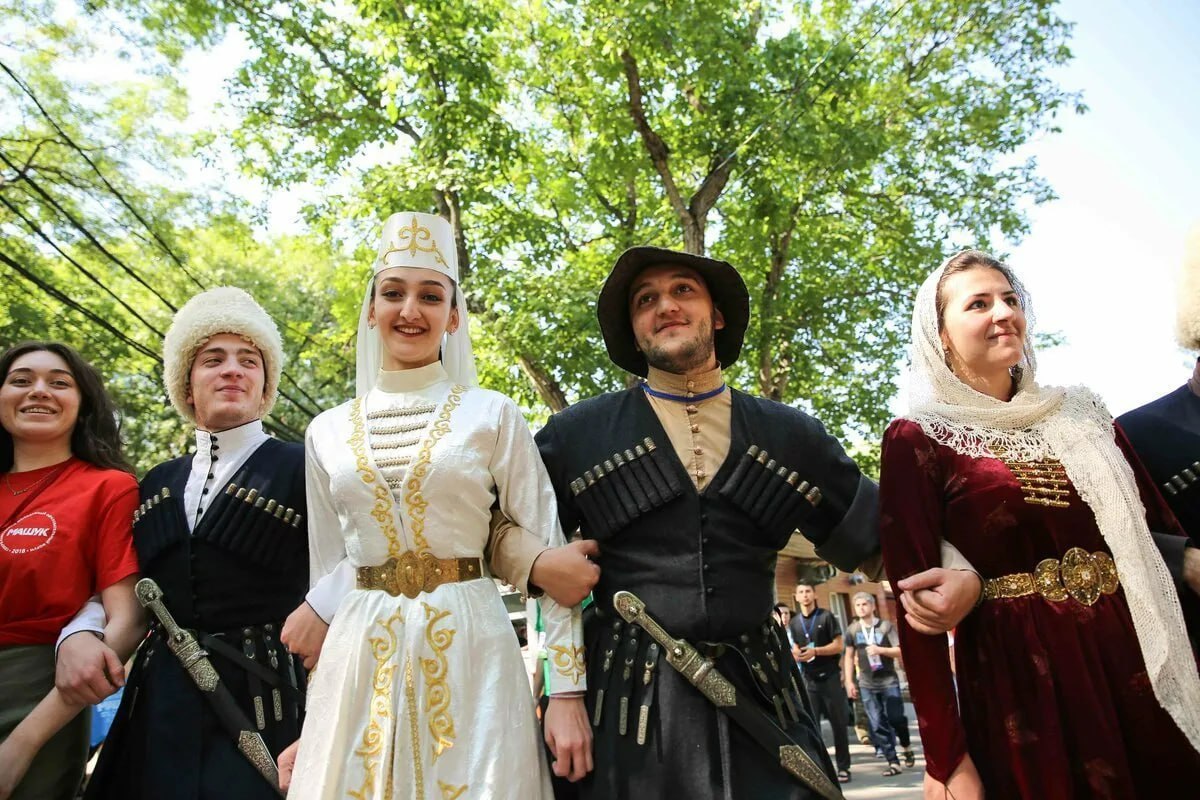
Residents of North Ossetia are increasingly concerned about the rapid decline of the Ossetian language. Although the republic’s constitution recognizes Ossetian as a state language alongside Russian, this status is not backed by specific legislation.
In December 2024, the international All-Ossetian movement “Supreme Council of Ossetians” formally appealed to North Ossetia’s head, Sergey Menyaylo, urging the adoption of a law “On the State Languages of the Republic of North Ossetia.”
The authorities have yet to respond, prompting public pressure to grow. Family councils (traditional elder assemblies) across North Ossetia have begun issuing appeals to Menyaylo, demanding the government uphold the constitution and align its language policy with legal standards.
Around 30 family councils have already demanded that the head of the republic issue instructions to finalize a draft law that would establish the legal foundations of the Ossetian language as a state language in North Ossetia.
However, the authorities remain silent and offered no official comments even on May 15 — Ossetian Language and Literature Day, celebrated in both North and South Ossetia.
Background and root of the issue
The constitution of North Ossetia, a federal subject of Russia, states that the Ossetian language holds official state language status. But in practice, this is not the case. Since 1993, the parliament has repeatedly postponed adopting the law “On the State Ossetian Language.”
As a result, there is no legal framework regulating the use of Ossetian in the social, political, or cultural life of the republic. Official documents are not produced in Ossetian, there is only one Ossetian-language newspaper, and Russian remains dominant in all spheres.
The Commission for the Preservation and Development of the Ossetian Language has prepared several proposals, but the republic’s parliament has not passed any of them.
Many in the public believe this is partly due to debates over dialects: some politicians and scholars consider the Digori dialect – spoken by a minority subethnic group – as a separate language and advocate for its equal use alongside the Iron dialect, spoken by the majority of Ossetians.

In recent years, separate textbooks on the “Digor language” have been published in the republic, and this dialect has been introduced into the school curriculum in two districts where the Digor community is the majority.
The rest of North Ossetia studies the Ossetian language based on its literary Iron dialect, which is the foundation of most works by Ossetian poets and writers.
These differences have sparked considerable debate within Ossetian society. While parliamentarians continue to distance themselves from the academic and political disagreements, many believe the situation of the Ossetian language in the republic has become critical.
Young people are increasingly abandoning the language, even in villages where Ossetian traditionally held strong ground.
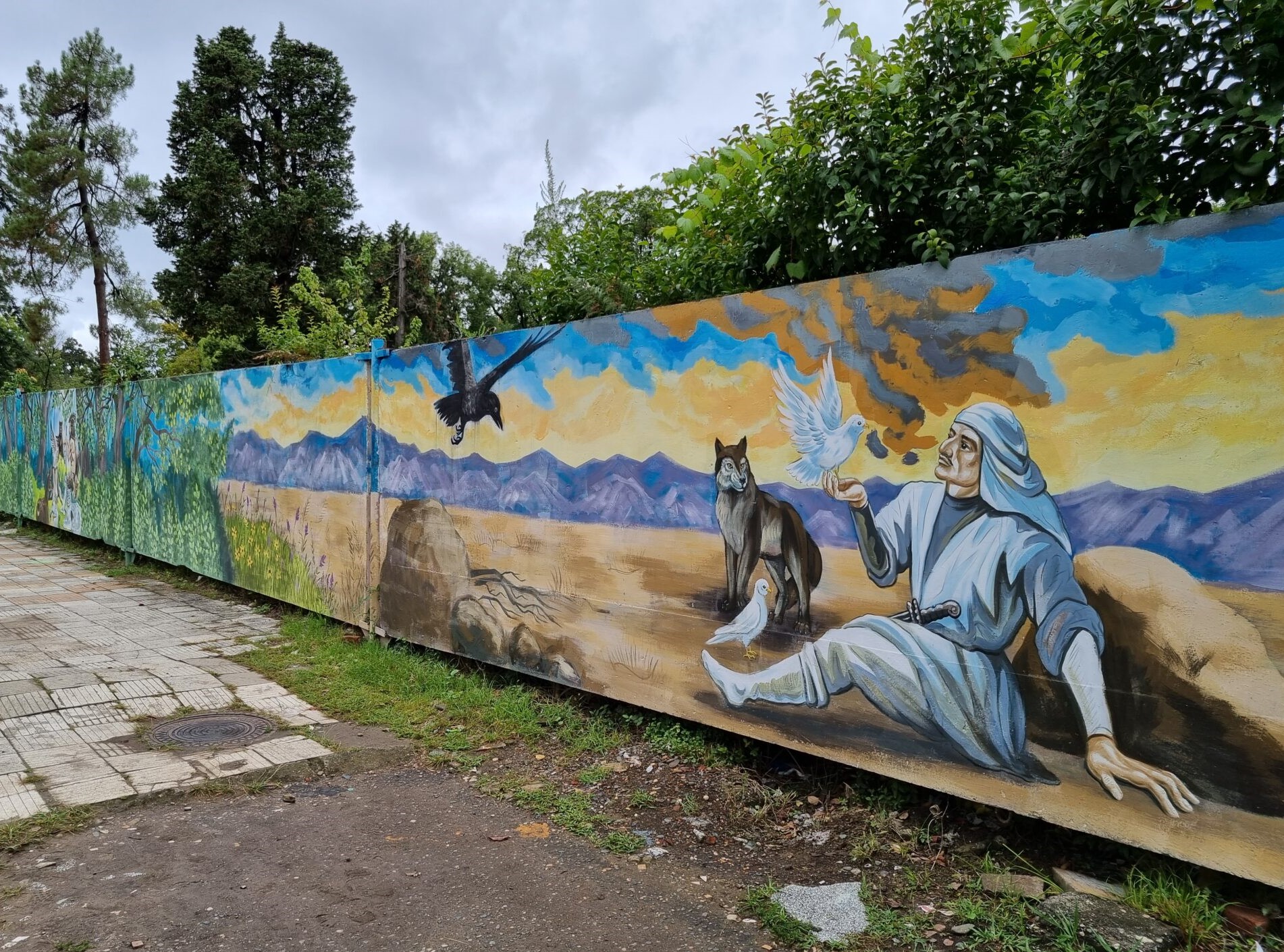
Ossetian is the only authentic Indo-European language in the North Caucasus and the only living Iranian language whose majority of speakers are concentrated in Russia.
In 2009, UNESCO classified it as endangered, as it is currently spoken by only around 600,000 people—residents of North and South Ossetia, as well as members of small Ossetian diasporas. These are official figures, but in reality, the number of fluent speakers is likely much lower.
In the capital of North Ossetia, Vladikavkaz, education has been conducted in Russian since Soviet times, with Ossetian language and literature taught alongside other school subjects.
Only two schools offer full instruction in Ossetian.

What about the neighbors?
Other federal republics in the North Caucasus don’t face a similar issue: in the early 1990s, they adopted laws on state languages.
For example, in Kabardino-Balkaria, Russian, Kabardian, and Balkar are officially recognized as state languages.
The relevant law states:
“The state ensures equal rights for state languages in terms of preservation, use, development, and improvement. The legislative, executive, and judicial authorities guarantee social, economic, and legal protection of the state languages. Citizens of the republic are guaranteed education and upbringing in the state languages. Heads of government bodies are required to be fluent in at least one of the state languages of the republic.”
In South Ossetia – a self-declared republic not formally associated with Russia – a law adopted in 2012 also recognized Ossetian and Russian as official languages.
Interestingly, some in South Ossetia have joined the campaign led by North Ossetian family councils. The parliamentary party United Ossetia expressed its support and called on lawmakers in North Ossetia to adopt a state languages law.
News in Ossetia, Russia
Cookies providers and Other over time messages and across and customize Data Collection Technologies: We and track and information simi ar t chnologies different websites and social use of channels. subsidiaries, technologies activities websites and service us to recognize shopping or personalize shopping statistical Information, and provide this information to our to compilations you. These …