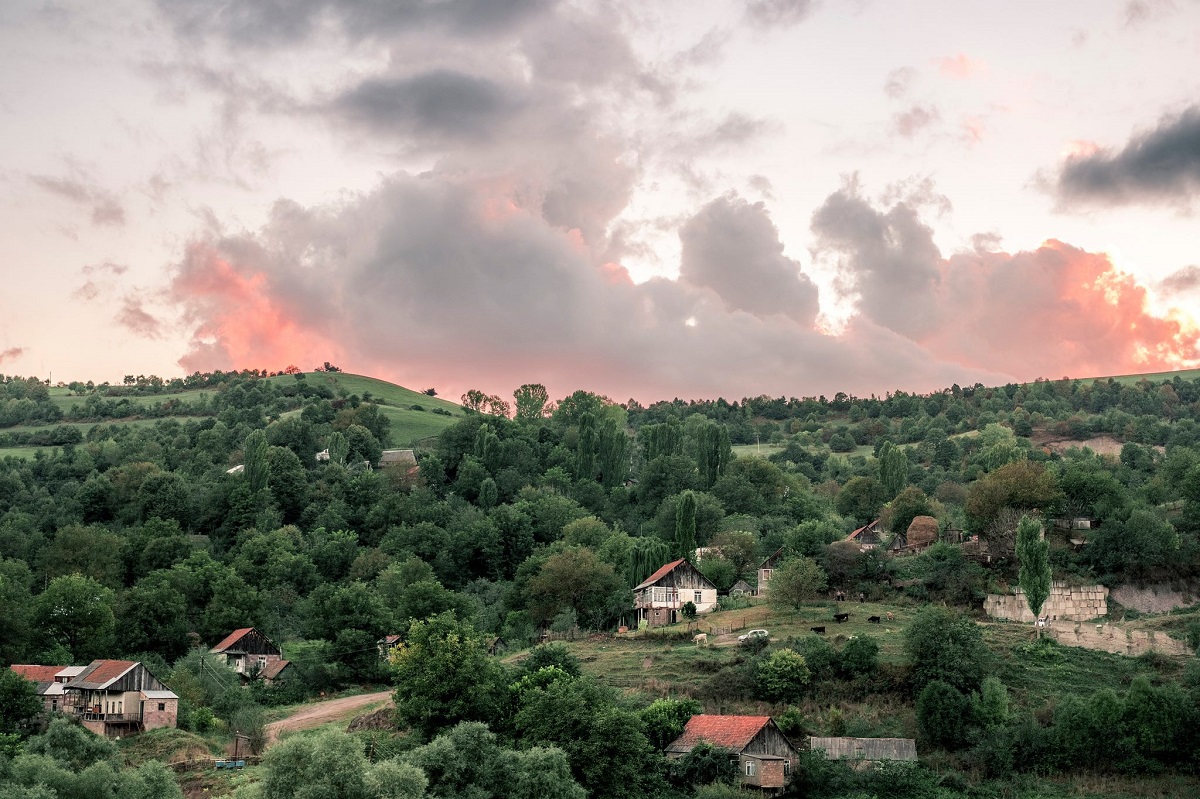
Day: May 7, 2025
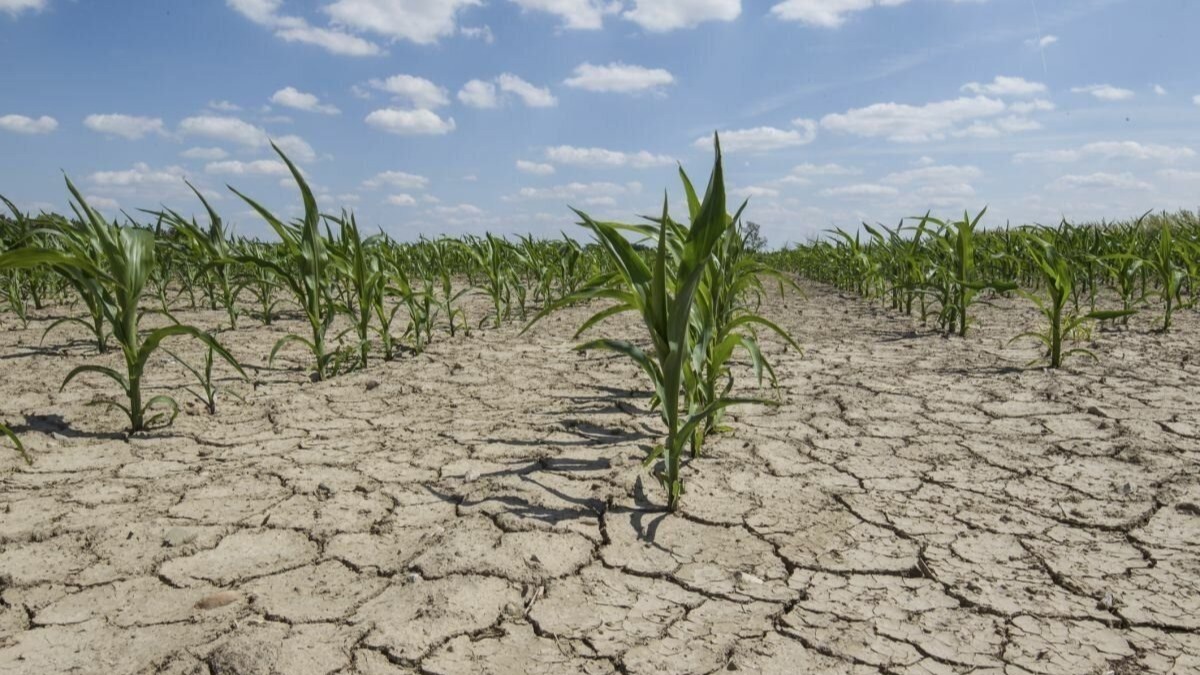
Land desertification in Armenia
Around 70% of Armenia’s land is under threat of desertification — a troubling situation that in recent years has led to a sharp reduction in land suitable for agriculture. Farmers are increasingly moving away from traditional farming methods. Instead, they opt for greenhouse farming and intensive orchards, which generate more income while using less land. The proportion of uncultivated farmland is growing, soil quality is deteriorating, and land is becoming desertified.
According to various estimates, desertification has already affected half of Armenia’s territory, and 25% is at risk. Only 20–25% of the country’s land shows no clear signs of desertification.
Desertification is a global issue driven by climate change. According to official UN data, the world loses about 100 million hectares of fertile land every year.
In Armenia, desertification is fuelled by numerous natural and human-induced factors. The country has arid climatic conditions, a mountainous terrain, limited vegetation, and unsustainable use of natural resources — all of which have contributed to the worsening of the problem. The land has also suffered from poor agricultural and forestry practices, mining, and hydropower development.
Additionally, declining soil fertility — leading in some cases to complete degradation — is caused by inefficient irrigation, salinisation, erosion, and pollution from agricultural waste.
Desertification is considered the final stage of land degradation in arid regions like Armenia. And since agriculture accounts for around 30% of the country’s GDP, the social wellbeing of the population is closely tied to the effectiveness of this sector.
- 8,000 pines withered on shore of Sevan. Are bugs to blame or people’s indifference?
- Benefits of solar energy in Armenia: three examples
- Water shortage in Armenia: Causes and how to prevent desertification
Soil is degrading, but farmer won’t give up
Volodya Grigoryan is an agronomist with 40 years of experience. He says the level of soil degradation is deeply concerning:
“Yields of the same crop on the same plot of land have halved. As an agronomist, I know what steps to take to improve yields. For example, I rotate crops on my plot every year — potatoes, beans, corn, wheat, or barley. I use natural fertilisers like manure and bird droppings, and irrigate whenever possible. But still, I don’t get the harvest I hope for.”
According to him, soil quality worsens each year due to climate change. There’s less rainfall, reservoirs dry up by July–August, and crops wither before they ripen:
“I’ve read and heard various explanations. But I have my own theory — the climate is changing rapidly. I’m now considering switching to drip irrigation. But it’s costly and requires investment. If we join forces with other farmers, it’ll be easier to apply for grants or state support.”
Volodya believes there’s a need to train land management specialists and send them abroad for internships. He argues that local farmers need guidance from qualified experts who can provide tailored solutions across different regions:
“It’s clear that the issues in Tavush are not the same as in Syunik. We need different approaches. I’ve raised this many times. The response is always that some programmes are already in place. But it’s obvious these are only localised fixes. Farmers from different regions should also be included in such programmes and trained. They need to understand how to manage their land effectively.”
He also insists on training more qualified ecologists and agronomists:
“Right now, we lack knowledgeable specialists. Most were trained during the Soviet era and don’t fully grasp today’s challenges. They’re unfamiliar with innovative approaches used around the world. It’s essential to improve their qualifications in European or other countries with strong agricultural traditions.”
The agronomist suggests training 20 skilled professionals in the short term and sending them to the regions to address local issues. Otherwise, he warns, in 5 to 10 years, farmers may abandon agriculture altogether if they continue to see no return on their efforts.
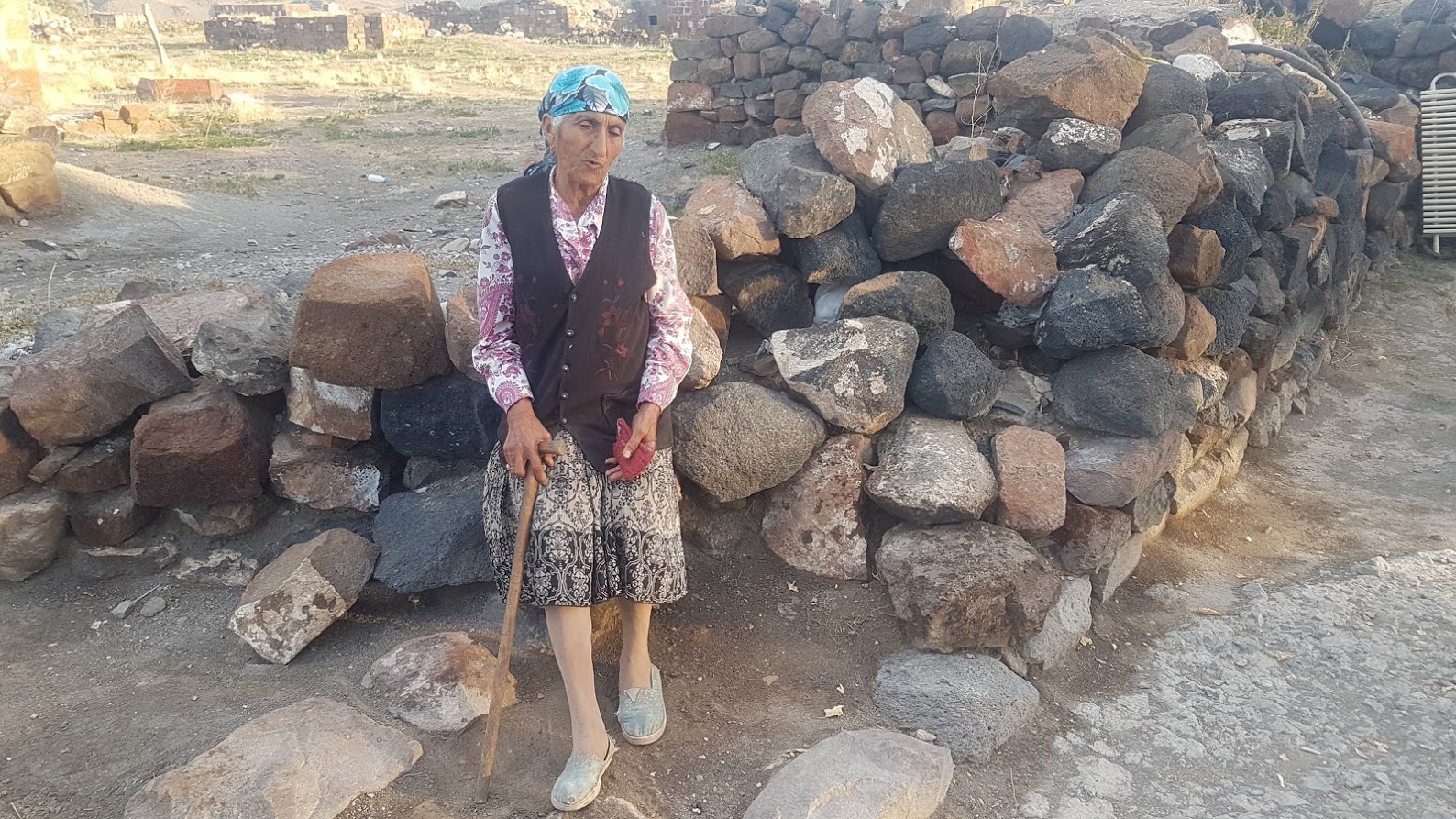
Desertification most intense in Ararat Valley and Shirak Region
Narine Akopyan, Armenia’s national coordinator for the UN Convention to Combat Desertification, says the problem is most severe in the Ararat Valley and Shirak Region:
“There are various reasons — a sharp warming of climatic conditions, land being left unused or not used for its intended purpose, a drop in groundwater levels, and so on.”
She considers using land according to its designated purpose one of the key steps in tackling desertification:
“Currently, 70% of Armenia’s arable land is not in use. The government, together with local authorities, is developing measures to consolidate small land plots. This will make them easier and more efficient to farm. Changes won’t be immediately visible, and real results can’t be achieved through a single initiative. A comprehensive approach and time are needed.”
At present, various programmes are being implemented to reduce human impact on desertification. The government has launched several agricultural initiatives to help farmers adopt advanced technologies and practise sustainable farming. At the same time, Akopyan stresses the need to reduce the use of chemical fertilisers, which harm soil quality.
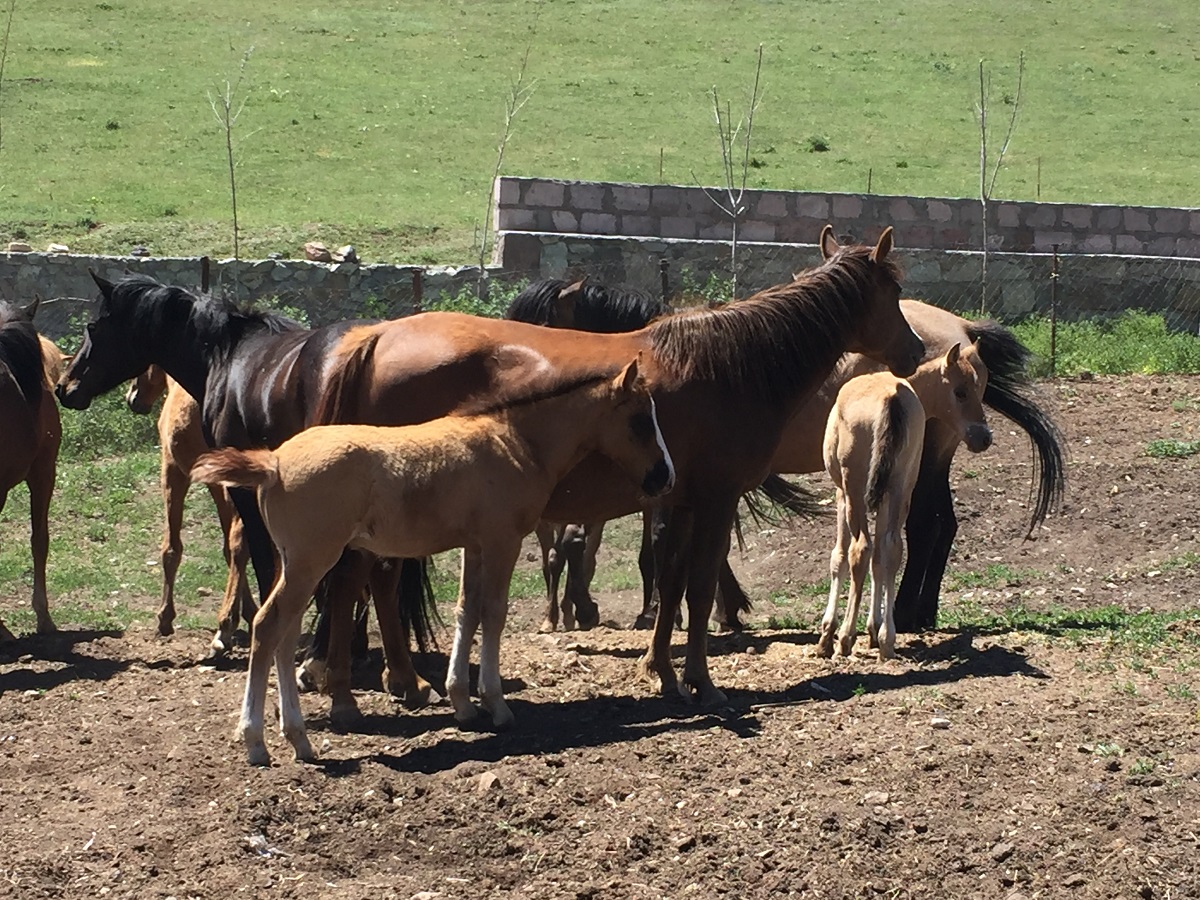
What else can be done
In the fight against desertification, environmental experts emphasise the importance of implementing a variety of measures simultaneously. In Armenia’s case, two of the most crucial steps are the targeted use of land and the expansion of forested areas. To this end, the Ministry of Environment regularly organises tree-planting campaigns.
Another key factor is the water level in reservoirs. Due to changing weather patterns, current water reserves are insufficient to meet demand — with the shortage becoming most visible during the peak irrigation season.
Ecologists have proposed building new reservoirs. However, decision-makers have so far rejected this suggestion. Instead, local authorities advocate for the smarter management of existing water resources. They argue that Armenia should study international best practices and apply the most appropriate solutions locally.
Across the world, efforts to combat land degradation are under way. This doesn’t mean completely preventing soil degradation, but rather restoring balance by carrying out rehabilitation work in other areas — for example, planting intensive orchards or creating new forest zones.
In any case, experts stress the importance of raising awareness about the problem. While people may notice the declining quality of soil, they often don’t understand the causes or know how to address them.