
The Region in Brief The Armenian Weekly
Day: April 30, 2025
Armenia extends housing compensation for Karabakh refugees
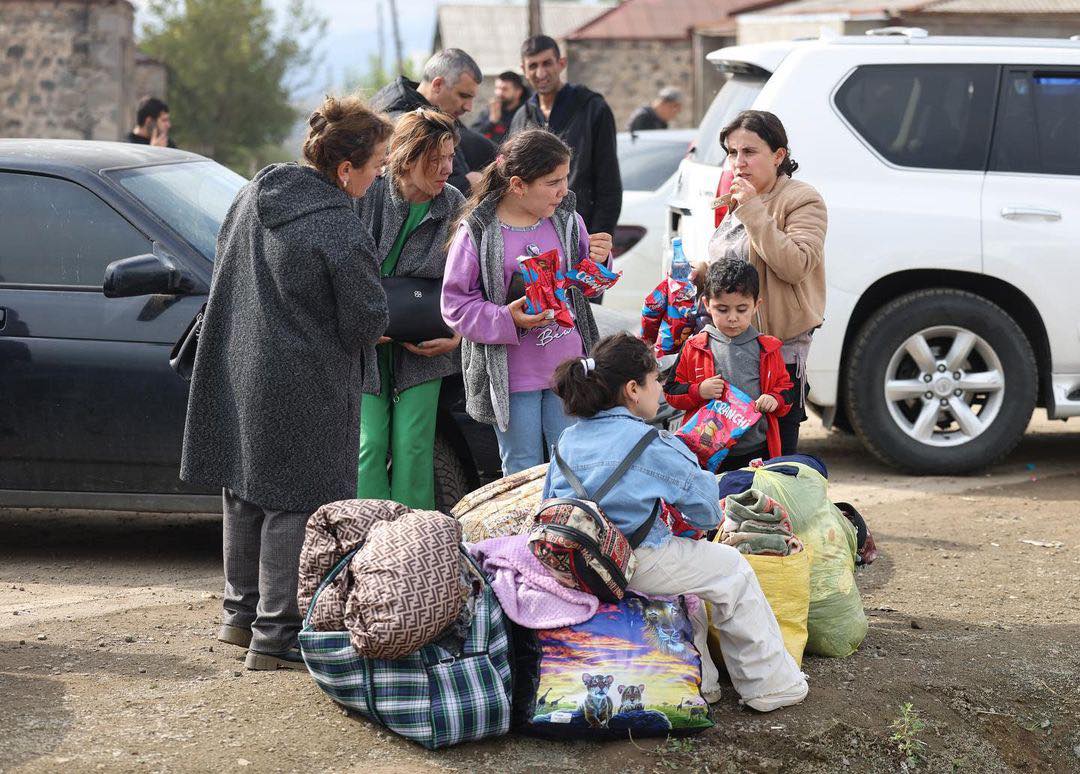
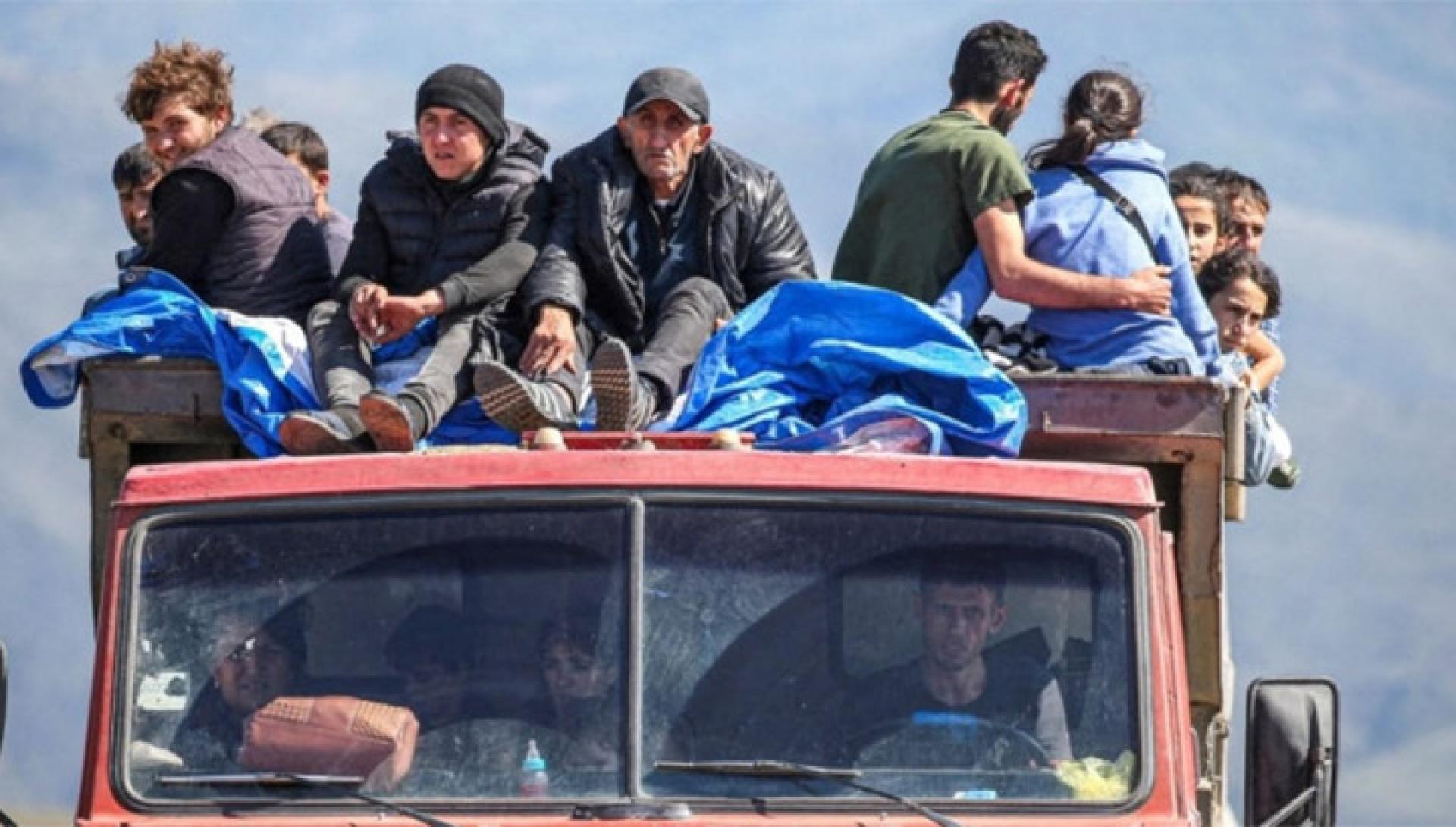
All forcibly displaced people from Nagorno-Karabakh will continue receiving monthly support of 50,000 drams (around $130) for an additional two months. This payment has been provided since the first days of their arrival in Armenia and is intended to help cover rent and utility costs. It concerns ethnic Armenians who, after a 10-month blockade of Nagorno-Karabakh by Azerbaijan that ended in military action, were forced to abandon their homes and belongings — around 150,000 people in total.
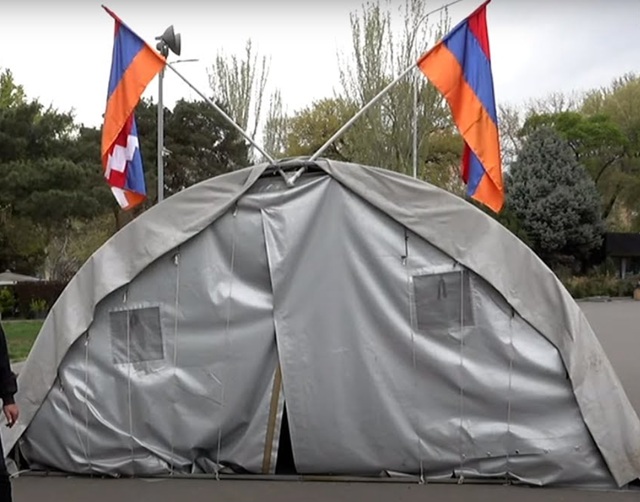
On 30 April, the Armenian government decided to fully extend the programme. Previously, authorities had narrowed the pool of eligible recipients, which sparked public outrage. Karabakh Armenians held protests outside the government building, and a sit-in has been ongoing for over a month at Freedom Square in central Yerevan, where a protest tent had been set up.
Meanwhile, members of the Council for the Protection of Artsakh Armenians’ Rights held meetings with various officials, demanding the full continuation of the compensation programme — despite earlier government statements that the original terms would not be reinstated.
However, on the evening of 29 April, the Council announced that the cabinet had accepted the protesters’ demands. As a result, the protest tent in Freedom Square will now be dismantled.
- Karabakh Armenians reject Armenian citizenship: fears and expectations
- ‘Their only guilt is being Armenian’: European Parliament urges Baku to release prisoners
- Human rights report accuses Azerbaijan of “ethnic cleansing in Nagorno-Karabakh”
Government plans to improve efficiency of support programmes
The housing aid scheme is commonly referred to as “40+10” — under this programme, each displaced person receives 40,000 drams (about $103) for rent and an additional 10,000 drams (around $26) to cover utility bills.
Starting from 1 April 2025, the government decided to limit eligibility to certain categories of people:
- persons with disabilities (groups 1 or 2),
- individuals aged 63 and over,
- those who have lost their breadwinner,
- students in general or vocational education,
- and children under 18.
The government has now decided to extend the payments to all beneficiaries once again. The decision was explained as follows:
“These changes are part of ongoing reforms aimed at improving the effectiveness of the programmes. To implement them properly, further assessments and an extension of the timeframe are required.”
“We’ll continue the protest if needed”
Nzhde Iskandaryan, a member of the Council for the Protection of Artsakh Armenians’ Rights, announced last night that the protest tent at Freedom Square would be dismantled. The council will now continue its work at the Karabakh Armenians’ representative office in Armenia.
He also stated that the Armenian government not only agreed to extend the “40+10” programme but accepted all their other demands as well.
“During the meeting, we addressed all aspects of the housing support programme that require revision. They accepted them,” said Iskandaryan, without disclosing further details of the proposal presented to the government.
From social aid to right of return: demands of Karabakh Armenians
On 29 March, displaced persons from Nagorno-Karabakh held a rally in Freedom Square. The Council for the Protection of Artsakh Armenians’ Rights presented a list of demands addressed to both the Armenian authorities and the international community.
In addition to the continuation of the housing compensation programme, the council demanded:
- that all possible legal, political, and diplomatic steps be taken to ensure the collective return of Artsakh Armenians to their homeland, and a safe, dignified, stable, and independent life there;
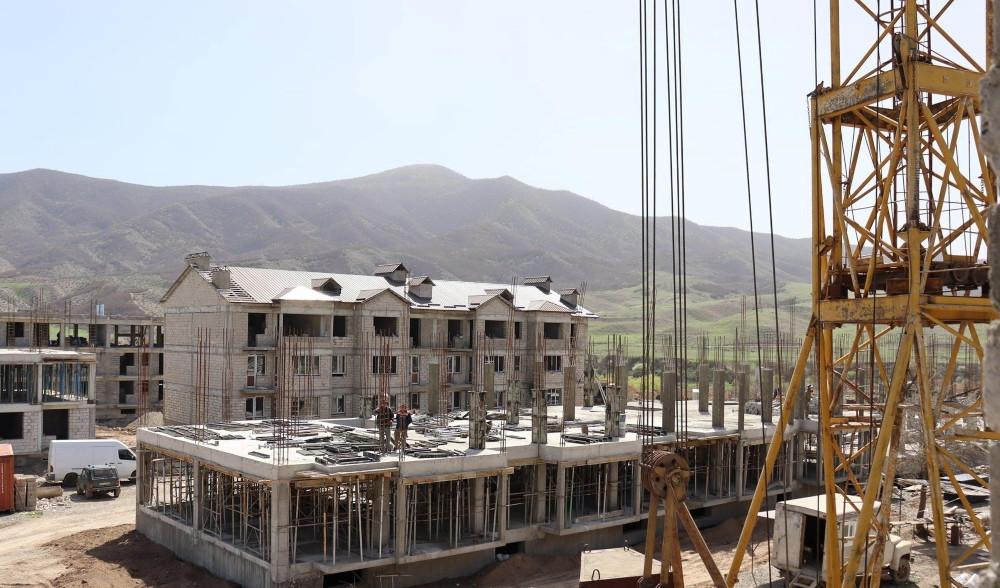
- the launch of a new, effective housing programme based on a comprehensive assessment of families’ needs, encouraging homebuilding and preventing population outflow;
- the implementation of effective employment programmes;
- the organisation of an international donor conference to raise funds for the displaced;
- the end of any forced policy requiring them to accept Armenian citizenship;
- the right for displaced persons to manage their own pension savings independently;
- the prevention of hate propaganda in society, particularly against Artsakh Armenians — including from public officials — and punishment for all such actions without exception;
- every effort to protect and immediately release all Armenians held and tortured in Azerbaijan;
- fulfilment of obligations to clarify the fate of missing persons;
- international advocacy for the protection of Armenian spiritual and cultural heritage in Artsakh, as well as public and private property;
- the filing of state-level complaints by Armenia and/or partner countries with the International Criminal Court, demanding an investigation and punishment for the forced displacement of Artsakh residents and other international crimes;
- no withdrawal of complaints against Azerbaijan in international courts, as such a move would be extremely dangerous;
- the avoidance of steps to dissolve the OSCE Minsk Group — the internationally recognised format for resolving the Karabakh conflict — and the resumption of talks within the Minsk Group framework to protect and restore the rights of Artsakh Armenians;
- the proper inclusion of legitimate Artsakh representatives in decision-making processes that affect them, both domestically and internationally.
Council members describe their demands as a “call for justice” and state they are ready to defend their rights both in Armenia and on the international stage.
However, it remains unclear whether the Armenian government intends to fulfil all of these demands.
Armenia extends housing compensation for Karabakh refugees
China has passed its first comprehensive legal framework aimed at fostering the growth of the non-state sector, marking a major policy shift in support of private enterprise. The law is designed to provide stronger legal protection and greater policy support for private businesses, which have long played a vital—yet sometimes vulnerable—role in the country’s economy, Azernews reports.
Global oil markets are once again gripped by turbulence as economic data from the United States shows signs of weakness and trade tensions between Washington and Beijing escalate. Brent crude, the global benchmark, recently fell nearly 1% to $62.70 per barrel—its lowest in two weeks—amid a broader sell-off in U.S. stocks and slumping manufacturing indicators. Meanwhile, China, the world’s largest oil importer, faces intensifying headwinds due to punitive tariffs and cooling export demand, raising fears of a broader economic slowdown.