
Day: December 31, 2024
In 2024, Azerbaijan has demonstrated remarkable resilience and growth, achieving several significant economic milestones. The country’s strategic efforts to diversify its economy, attract foreign investment, and strengthen its institutional frameworks have played a crucial role in this positive trajectory.
#SouthCaucasus
12.01.24
Syrian Rebels Capture Russian Pantsir System: Reports – Newsweek https://t.co/W1yjObVWYJ— Michael Novakhov (@mikenov) December 31, 2024
#SouthCaucasus
Saudi Arabia Confirms Pantsir Introduction | Aviation Week Network https://t.co/dOIc0VAW5w
Pantsir-S1 – Google Search https://t.co/6rV1VWG7I9https://t.co/dOIc0VAW5w— Michael Novakhov (@mikenov) December 31, 2024

US Congressman Joe Wilson on Georgia crisis
Republican Congressman and Chairman of the U.S. Helsinki Commission Joe Wilson believes that the Georgian Dream party has “completely misguided views” about Donald Trump, emphasizing that Trump supports freedom and democracy and backs leaders like Salome Zourabichvili. Wilson made these remarks in an interview with the Georgian bureau of Radio Free Europe/Radio Liberty.
On December 29, the inauguration of Mikheil Kavelashvili, appointed president by the ruling Georgian Dream party, took place in the Georgian Parliament.
Kavelashvili became the first Georgian president not elected by the people. His legitimacy is not recognized by the opposition, civil society, or non-governmental organizations. Western partners of Georgia also refrained from congratulating him on his appointment.
On the day of the inauguration, thousands gathered in support of Salome Zourabichvili, whom a significant portion of the public considers the country’s only legitimate leader.
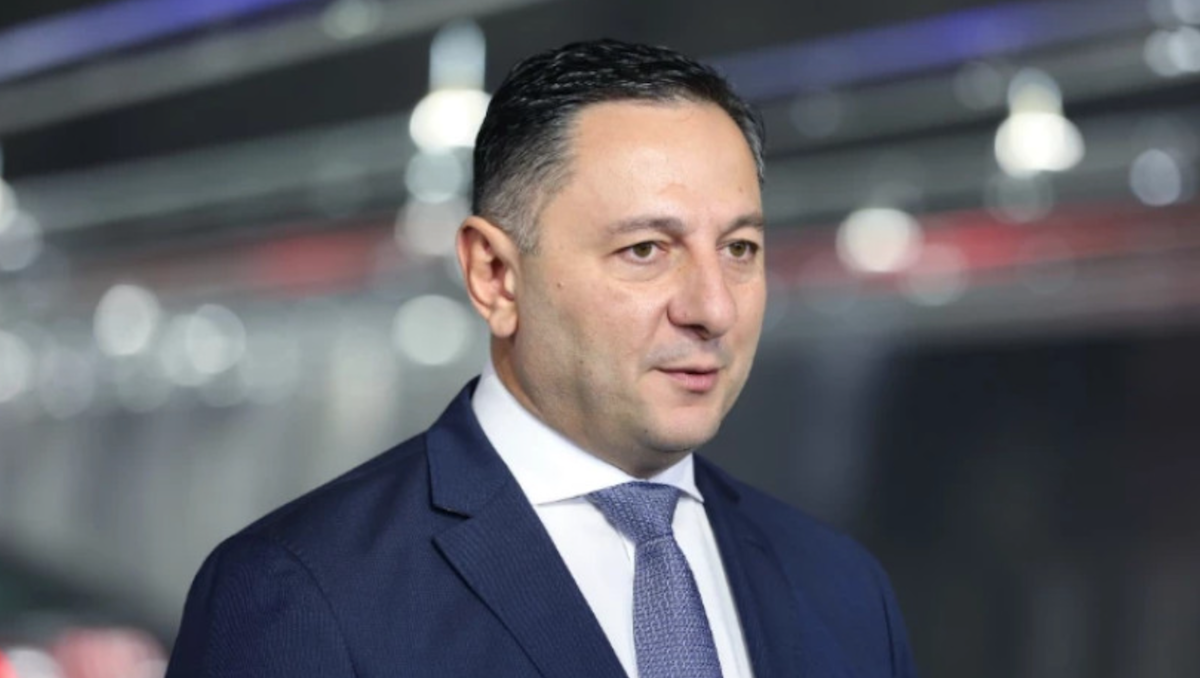
According to Joe Wilson, Salome Zourabichvili is the legitimate president of Georgia, a view shared by many Americans.
“We had hoped to prevent Putin’s interference in Georgia’s political system, but unfortunately, that didn’t happen. Everyone in America, even within the Biden administration, is thinking about this today.
There is a belief that the current situation in Georgia is the result of [Russian] interference and subversive activity, which is particularly concerning for us as Trump supporters,” Wilson stated.
The congressman also noted that in May 2024, Georgia’s Prime Minister attended the funeral of Iran’s president. Wilson warned that if Donald Trump returns to the White House, he will be informed about Georgian Dream‘s cooperation with “the Tehran regime,” which could lead to new sanctions.
I believe Georgian Dream has a completely misguided view of Donald Trump. He is a supporter of freedom and democracy and backs leaders like President Zourabichvili, who speaks out against war criminal Putin. Yes, Trump advocates for negotiations, but when he sees that agreements are unattainable, he takes decisive action, Wilson emphasized.
Wilson reminded that on January 3, 2025, the new U.S. Congress will convene, during which he plans to introduce the MEGOBARI Act. This legislation outlines substantial financial and economic assistance for Georgia, conditional on its return to a democratic path of development.

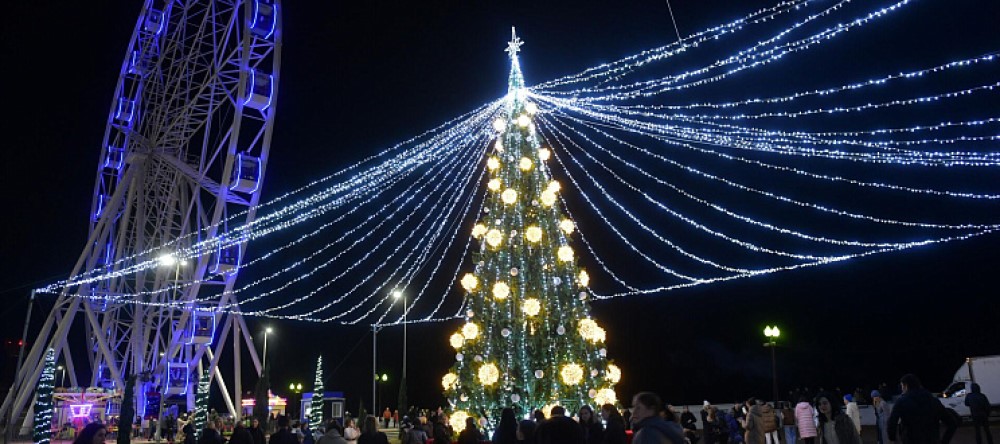
What happened in Abkhazia 2024
Although Abkhazia’s 2024 tourist season broke all previous records, it’s unlikely the republic’s residents would call this year a success. For many, it will long be remembered for the deep crisis that ultimately led to yet another (the third consecutive) early resignation of the president.
Silver lining amid crisis
Let’s start with the positives.
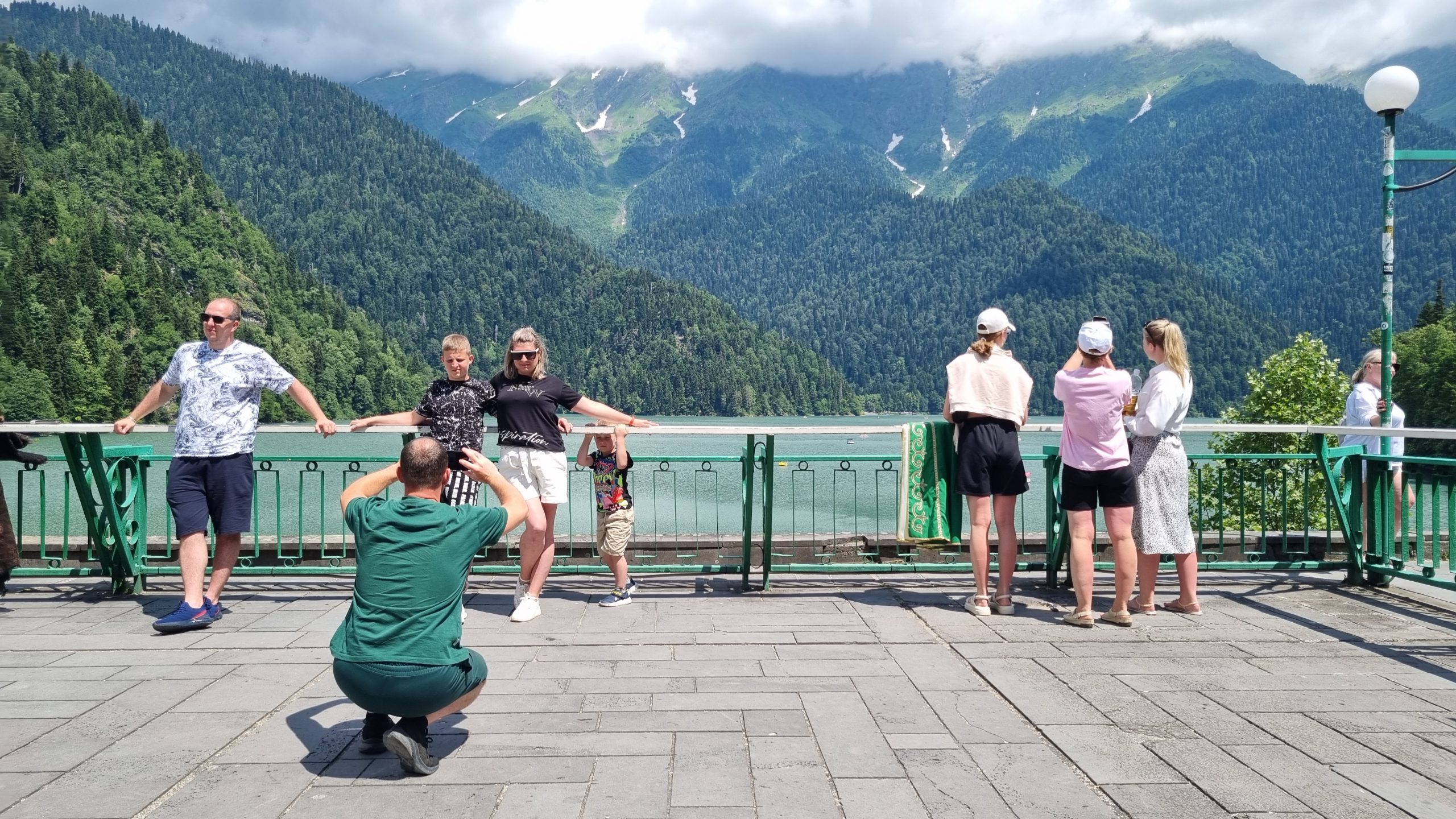
Extensive Western sanctions against Russia deprived most Russians of the opportunity to vacation in Europe, restoring Abkhazia’s appeal as a travel destination. For many, it became the most convenient option.
First, it’s close. Second, it’s affordable. Plus, payments can be made in rubles, and everyone speaks Russian. Of course, the service leaves much to be desired, and it can’t compare to Turkey or Egypt—but then again, the prices are much lower.
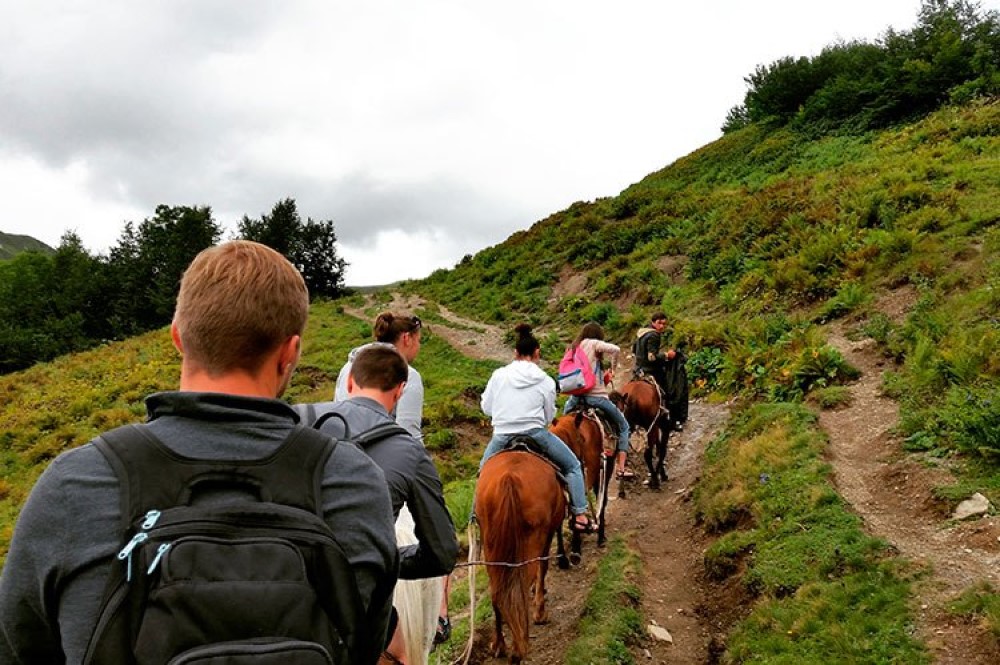
According to official statistics, from January to September 2024, Abkhazia welcomed 4.6 million Russian tourists. Economically, this made the year quite successful for many Abkhazians working in the tourism industry.
However, despite the tourism boom, Abkhazia remains dependent on subsidies, with nearly 40% of its budget funded by financial aid from Russia.
In return for its generosity, Moscow expects reciprocal gestures from Abkhazia, including extensive privileges for Russian investors. This expectation became the root cause of the political crisis.
No to Apartments
The first stumbling block in Russian-Abkhaz relations was a draft law that would allow Russians to build and purchase apartments in Abkhazia. Despite former President Aslan Bzhania’s assurances that this would boost the local economy and increase budget revenues, most of the population fiercely opposed the idea.
The main reason for the rejection lies in the fact that, for a tiny republic with a population of just 240,000, such an influx of foreigners poses a genuine threat of turning ethnic Abkhazians into a minority.
Moreover, lifting the existing ban on selling real estate to foreigners would inevitably drive up housing prices, making it unaffordable for most locals.
In short, Abkhazians had plenty of reasons to resist the adoption of the apartment law—and they succeeded. Even the usually loyal parliament, mindful of public sentiment, refused to consider the bill.
Disagreement with agreement
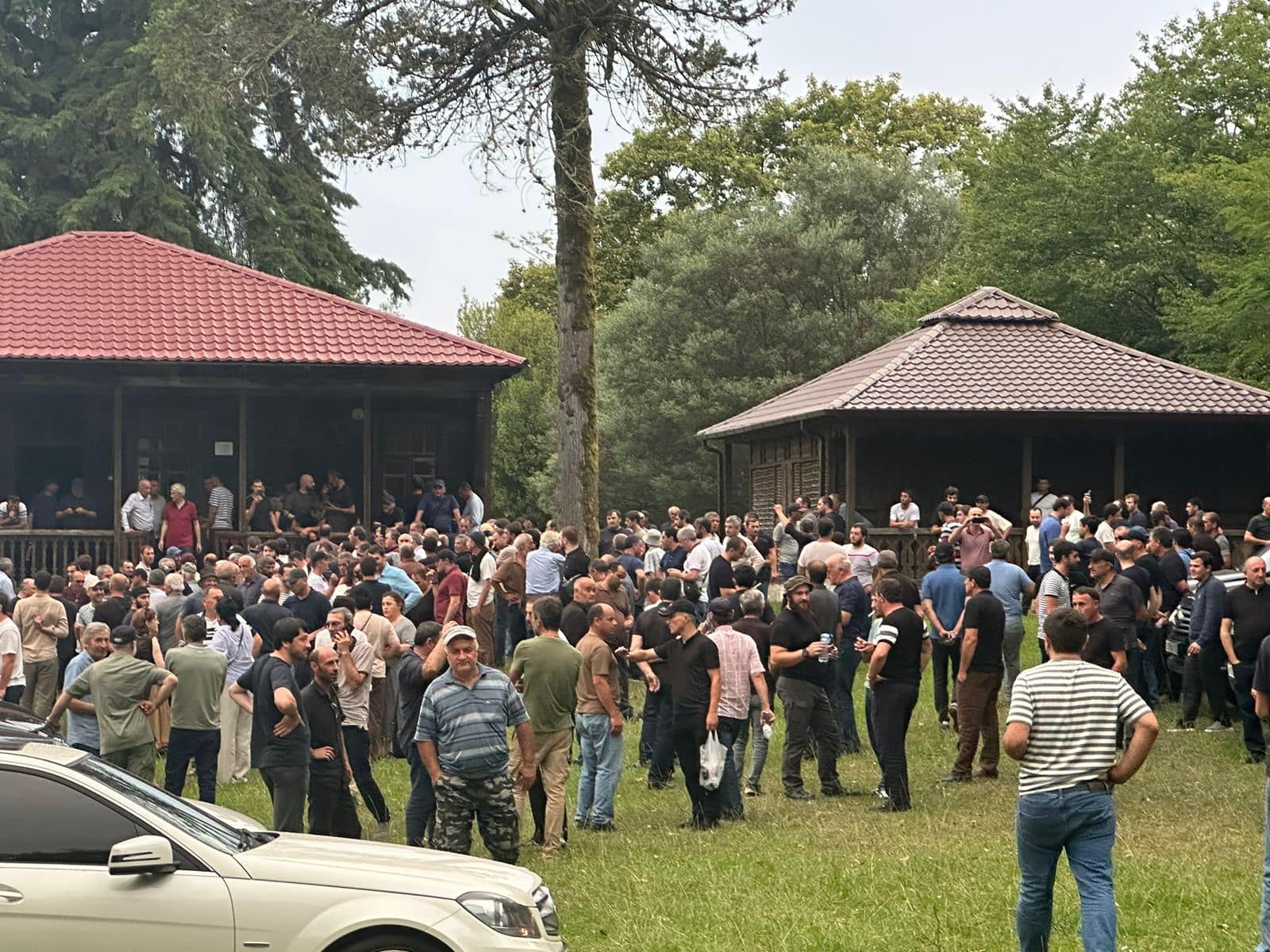
But Aslan Bzhania didn’t give up and embedded the idea of apartments into an even more contentious agreement on Russian investments.
The agreement proposed unprecedented benefits for investors, including the right to use Abkhaz land as collateral for bank loans. If enacted, it would mark the beginning of the end for local businesses, which cannot compete with Russian companies under such conditions.
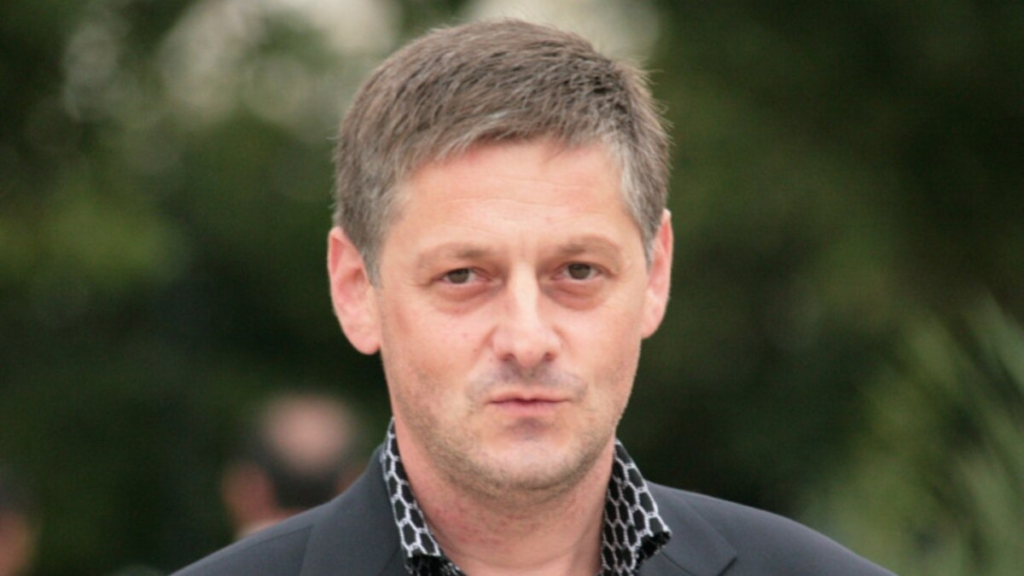
An attempt to ratify the controversial agreement in parliament on November 15 sparked mass protests that escalated into a mini-coup. Protesters seized the government complex, ultimately forcing President Aslan Bzhania to resign.
Dark December and glimmer of hope
Another crisis of 2024, one that will likely remain etched in Abkhazian memory for years, was the energy collapse that struck the republic at the year’s end.
The seasonal electricity shortage caused by low water levels at the Inguri HPP dam was worsened this year when a disgruntled Russia decided to sell electricity to Abkhazia at market rates. For Abkhazia, the cost was prohibitive, leaving the government with just enough funds to supply power only during nighttime hours, while the republic remained without electricity during the day.
This continued throughout December, pushing the situation to the brink of catastrophe as the budget was completely depleted. However, by the end of the year, Moscow softened its stance and resumed supplying Abkhazia with a “preferential electricity package,” restoring the previous arrangement.
- Energy crisis in Abkhazia: Daytime power cuts loom
- “If cryptocurrency mining isn’t stopped, Abkhazia will sink into darkness.” Opinion
However, the Kremlin has made it clear that Russia’s favorable treatment of Abkhazia directly depends on its fulfillment of obligations, including the ratification of the contentious investment agreement.
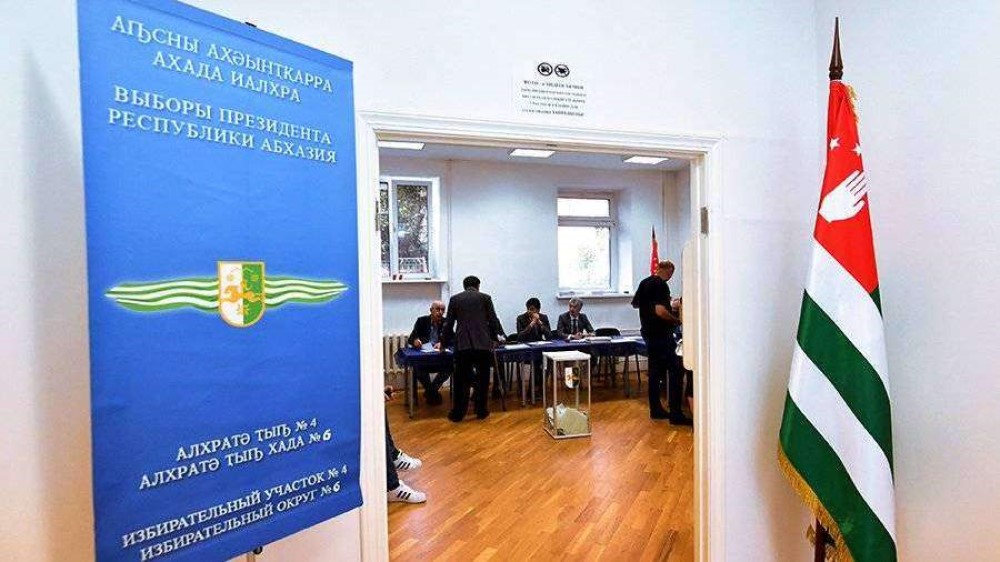
In other words, the crisis is far from over. Finding a way out will fall to Abkhazia’s next president, who will be elected on February 15, 2025.
Terms, place names, opinions and ideas suggested by the author of the publication are their own and do not necessarily coincide with the opinions and ideas of JAMnews or its individual employees. JAMnews reserves the right to remove comments on posts that are deemed offensive, threatening, violent or otherwise ethically unacceptable