Turkiye’s Minister of Treasury and Finance, Mehmet Şimşek, stated that as of December, Turkiye has met international standards for reserve adequacy.
Day: December 26, 2024
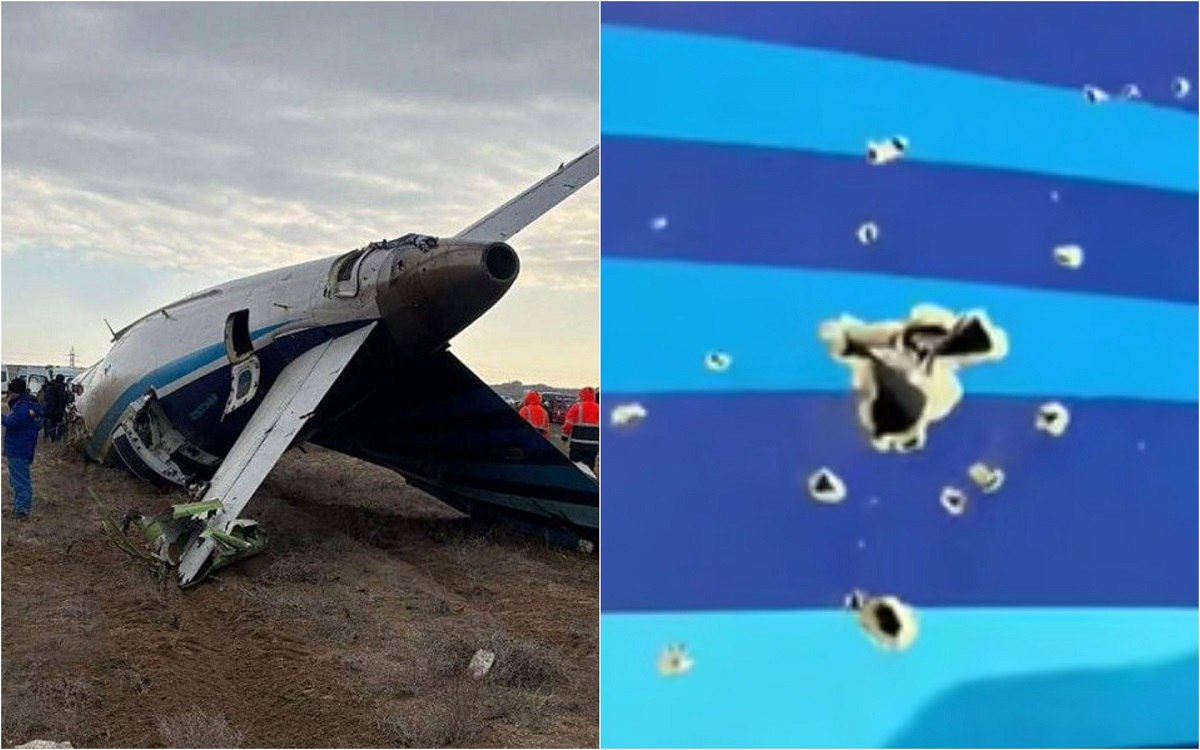
Azerbaijani plane said downed in Russia
Today is a day of mourning in Azerbaijan. The country is grieving the victims of the crash of the Azerbaijan Airlines plane, which was on a Baku-Grozny flight and crashed in Aktau.
Later in the evening, the first semi-official version of the tragic plane crash, which resulted in 38 deaths, was announced. On the pro-government Telegram channel “Caliber,” citing “sources close to the government,” it was reported that the Azerbaijani passenger plane was downed by a Russian air defense system.
Wounded plane crash victims brought to Azerbaijan
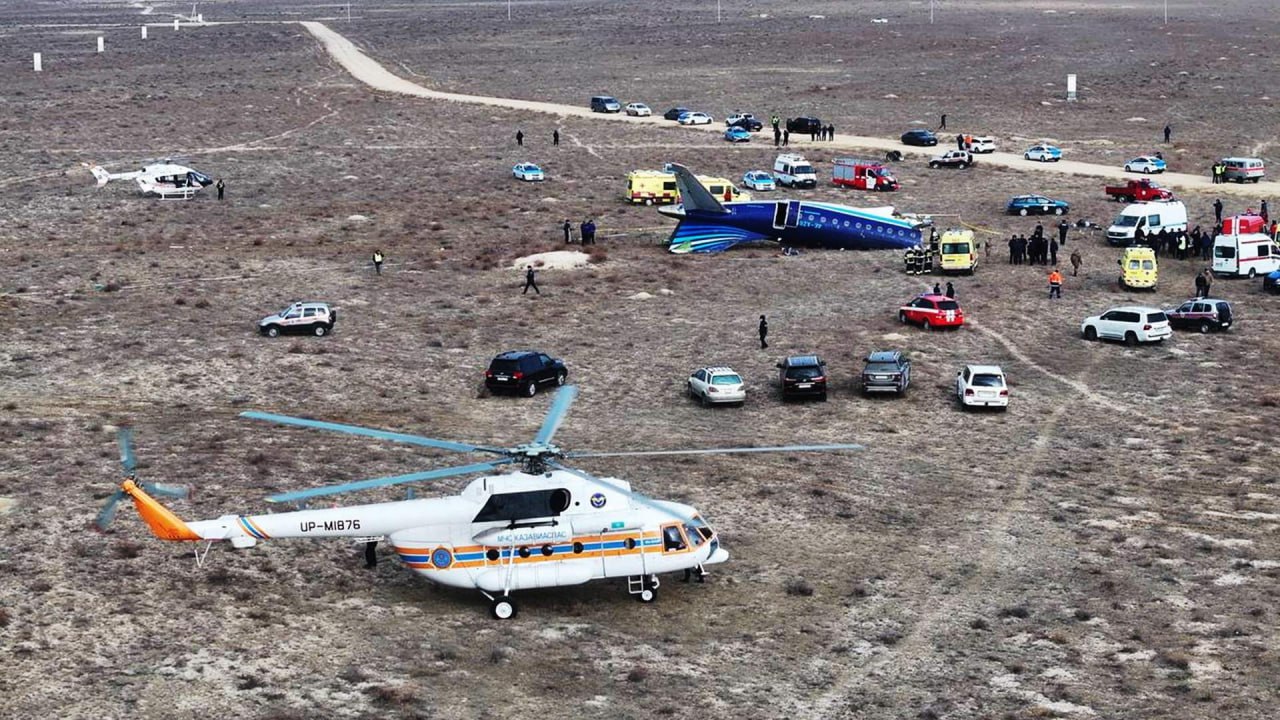
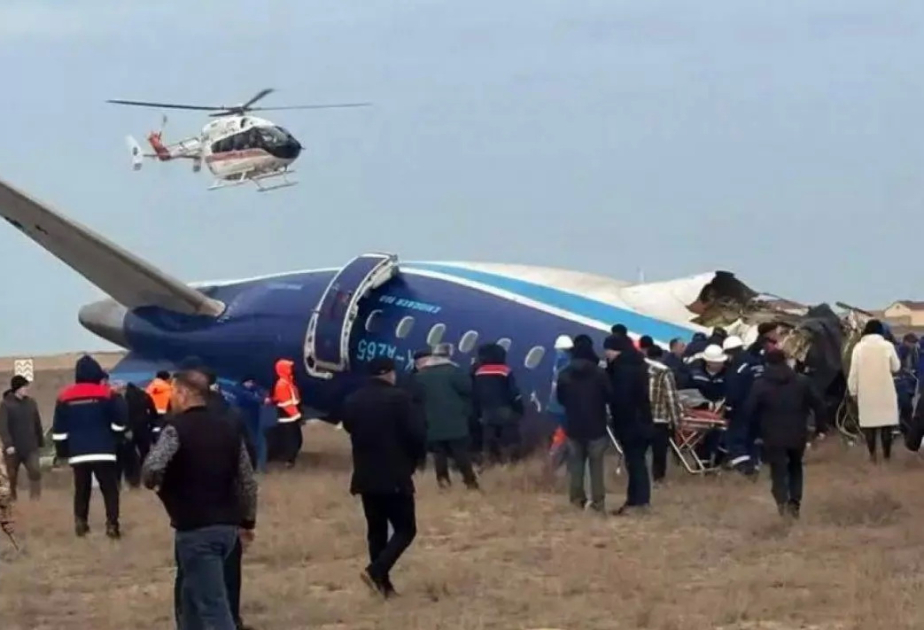
On the morning of December 25, an Embraer 190 plane, flying from Baku to Grozny, the capital of the Russia‘s Chechen Republic deviated to the Kazakh city of Aktau for unknown reasons and crashed, 3 kilometers short of the airport. As a result of the crash, 38 people were killed, and 29 others were injured. There were 62 passengers and 5 crew members on board.
As of today, the identities of 25 of the deceased have been confirmed. Three of them are crew members — two pilots and a flight attendant.
DNA analysis is being conducted to identify 13 bodies.
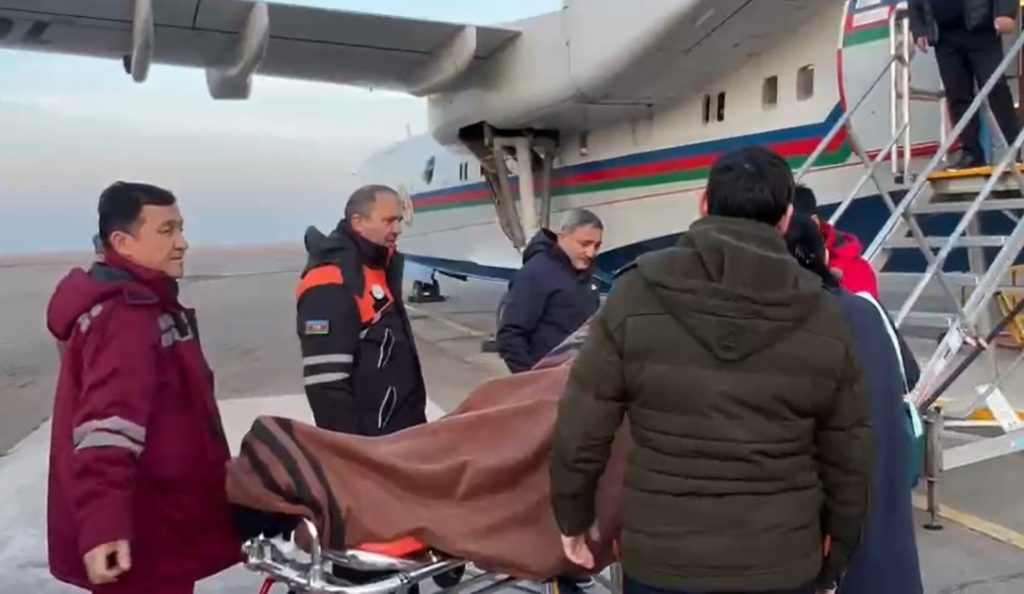
12 of the surviving passengers are being transported to Azerbaijan today. It was reported that 7 individuals, in stable condition, will be transported on a regular flight, while 5 passengers, whose condition is assessed as moderate, will be flown on a special Azerbaijani Emergency Ministry aircraft, escorted by a separate medical team.
Unfounded versions of the crash causes
Today, Azerbaijani Foreign Minister Jeyhun Bayramov held a phone conversation with his Kazakh counterpart Murat Nurtleu regarding the investigation into the causes of the plane crash. On the same day, Azerbaijani Prime Minister Ali Asadov discussed the progress of the investigation with his Kazakh counterpart Olzhas Bektenov.
Official sources have not yet made statements about the progress of the investigation or named possible causes.
In the initial hours after the crash, Azerbaijan Airlines (AZAL) stated that the tragedy could have been caused by the plane colliding with a flock of birds. Another version suggested that the plane’s change in course could have been due to bad weather in Grozny. However, these versions were quickly discarded.
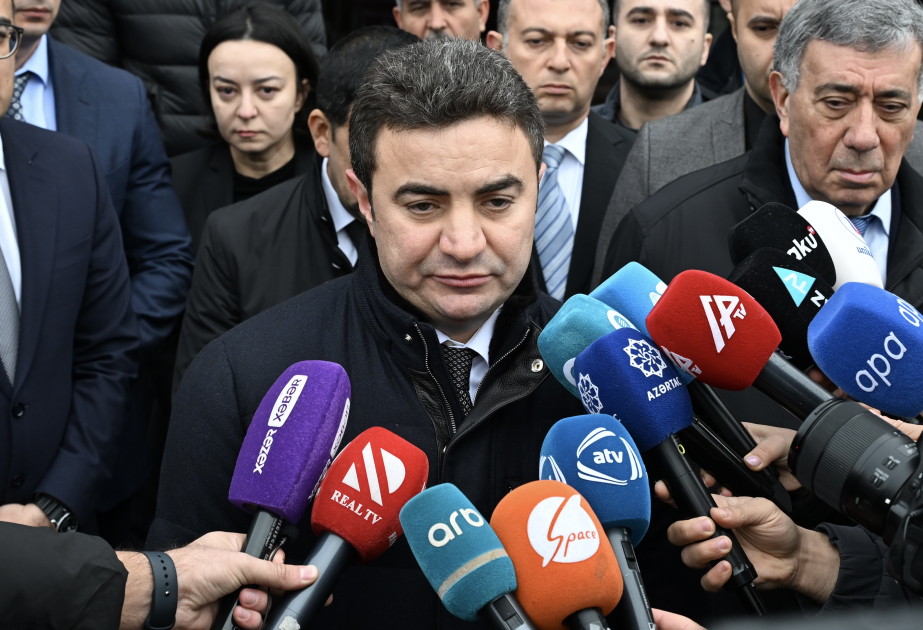
After the statement made today to the media by the president of AZAL, Samir Rzaev, the version suggesting that the cause of the crash could have been a malfunction of the aircraft was also ruled out. According to him, the plane underwent a major overhaul in October, and there can be no question of any malfunction.
In fact, after footage from the crash site was shared on social media, along with a video where surviving passengers recounted the moments of the tragedy, the most discussed version became that the plane was shot down.
In the video showing the remains of the plane, numerous punctures resembling shrapnel marks can be seen on the fuselage.
Zaur Mamedov, one of the passengers who survived the crash, recounting the moment of the tragedy, says that two explosions were heard, after which the plane became unmanageable.
Did Russia down Azerbaijani plane?
On the evening of December 26, the pro-government Telegram channel Caliber not only confirmed the possibility of the plane being shot down but also stated that it was downed by a Russian air defense system.
“According to reliable government sources, Caliber.Az has learned that preliminary results of the investigation indicate that the Azerbaijan Airlines plane, traveling from Baku to Grozny, was subjected to an attack near Grozny, using the Russian air defense system ‘Pantsir-S.’
Furthermore, as a result of the use of electronic warfare systems by the Russian side, the communication system of the Azerbaijani aircraft was completely paralyzed. This caused the plane to disappear from radar in Russian airspace and was only re-established in the Caspian Sea area,” the message reads.
Caliber.Az further noted that according to Russian sources, during the flight over Chechnya, Russian air defenses were attempting to down Ukrainian UAVs.
“The head of the Security Council of the Chechen Republic, Ramzan Kadyrov, confirmed the fact of a drone attack on Grozny on the morning of December 25, stating that there were no casualties or damage. In this case, the Russian side should have closed its airspace to civilian aircraft, which, however, was not done. Why a no-fly zone was not declared over Chechnya is a big question.
As we know, Grozny airport did not approve the plane’s landing. Moreover, our aircraft was also denied landing permission at airports in Makhachkala and Mineralnye Vody. The disoriented crew, subjected to air defense fire and electronic warfare systems, was redirected to the Kazakh city of Aktau. It can be assumed that this recommendation was given with one goal: for the plane to crash into the Caspian Sea, with all witnesses perishing and the plane sinking. However, this is our assumption.
Alternative versions, spread by Russian media, are deliberate disinformation intended to mislead public opinion. Videos from the plane’s cabin show that two passengers were injured by shrapnel. All witness statements, including those about explosions heard outside the aircraft, point to the operation of air defense systems.
For the Azerbaijani side, involved in the investigation, the situation is absolutely clear. No one claims it was done intentionally. However, given the established facts, Baku expects the Russian side to admit to downing the Azerbaijani plane, issue an official apology to the Azerbaijani people, and conduct a full investigation, with all responsible parties held accountable,” the publication writes.
Expert opinion
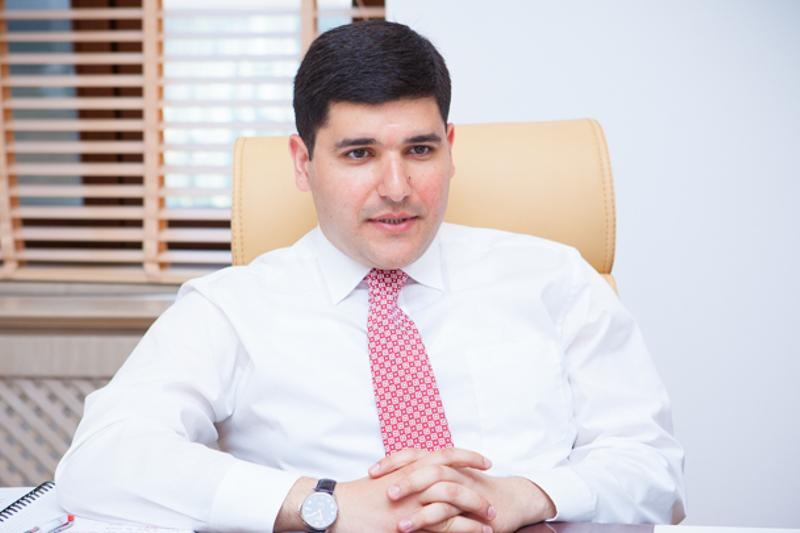
According to political analyst Farhad Mammadov, the fact that preliminary information has been made public suggests that Baku expects official recognition from Russian authorities of the incident, followed by steps such as an apology and compensation.
“In recent years, there have been incidents in Azerbaijan-Russia relations, and Azerbaijan has issued apologies. There is nothing shameful in this. As a result, the quality of relations did not suffer.
Now, it is Russia’s turn.
It would be wise for Moscow not to delay its actions, not to tie them to the official results of the investigative commission’s work. This would make life easier for both itself and Kazakhstan, where the plane crash occurred.
If Moscow denies responsibility, it will undoubtedly affect the quality of relations,” Mammadov notes.
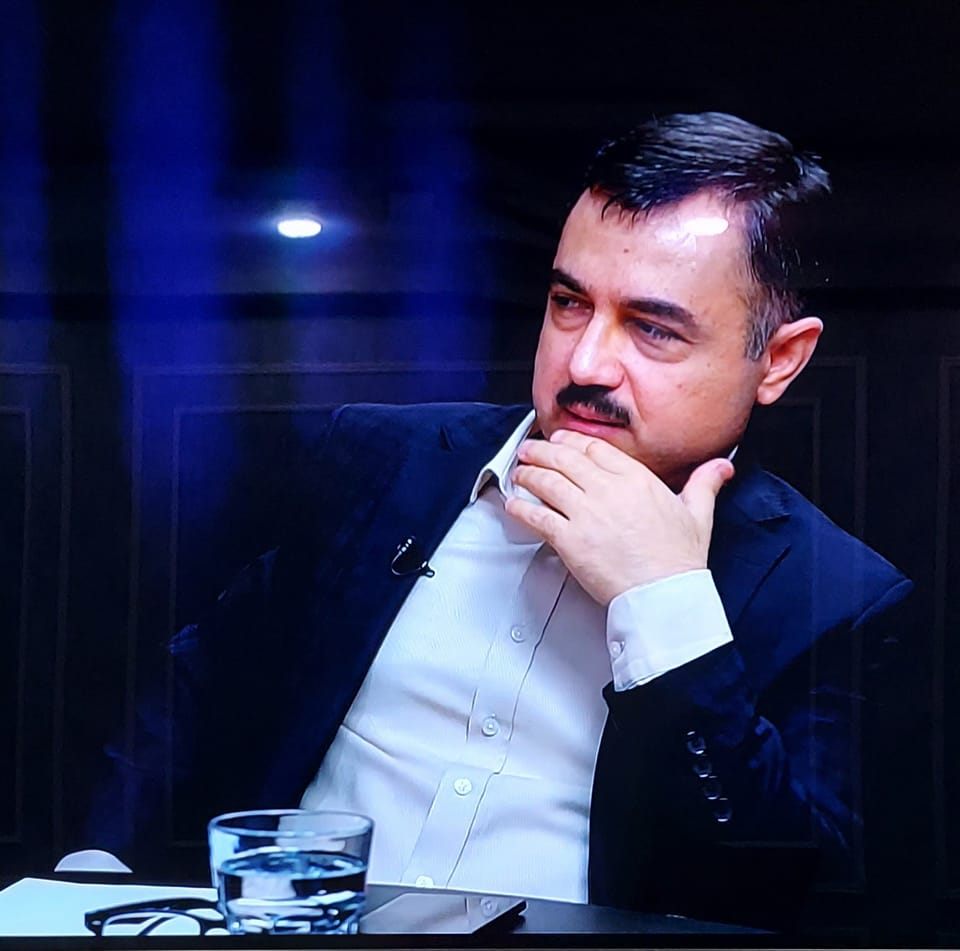
Political analyst Shahin Jafarli believes that even if the Azerbaijani plane was accidentally downed by a Russian air defense system, there are still unclear aspects.
“If the opposing side had admitted to accidentally downing the plane, apologized, and covered the damages, this could have been somewhat understood.
However, there can be no satisfactory explanation for why the plane was not allowed to land on Russian territory after the incident.
This step is unfriendly towards Azerbaijan and completely contradicts agreements between the two countries, international civil aviation conventions, and humanitarian principles.
I don’t know who said it first, but it is the plain truth: Russia doesn’t have allies, it only has vassals or enemies…” he wrote on social media.
https://t.co/5RLhFH4tKthttps://t.co/F0DJjgxNyo
–#NewsAndTimes #NT #TNT #News #Times #World #USA #POTUS #DOJ #FBI #CIA #DIA #ODNI #Trump #TrumpNews #TRUMPISTAN #Israel #Mossad #Netanyahu #Ukraine #NewAbwehr #OSINT #Putin #Russia #GRU #Путин #Россия #SouthCaucasus #Bloggers
-…— Michael Novakhov (@mikenov) December 26, 2024
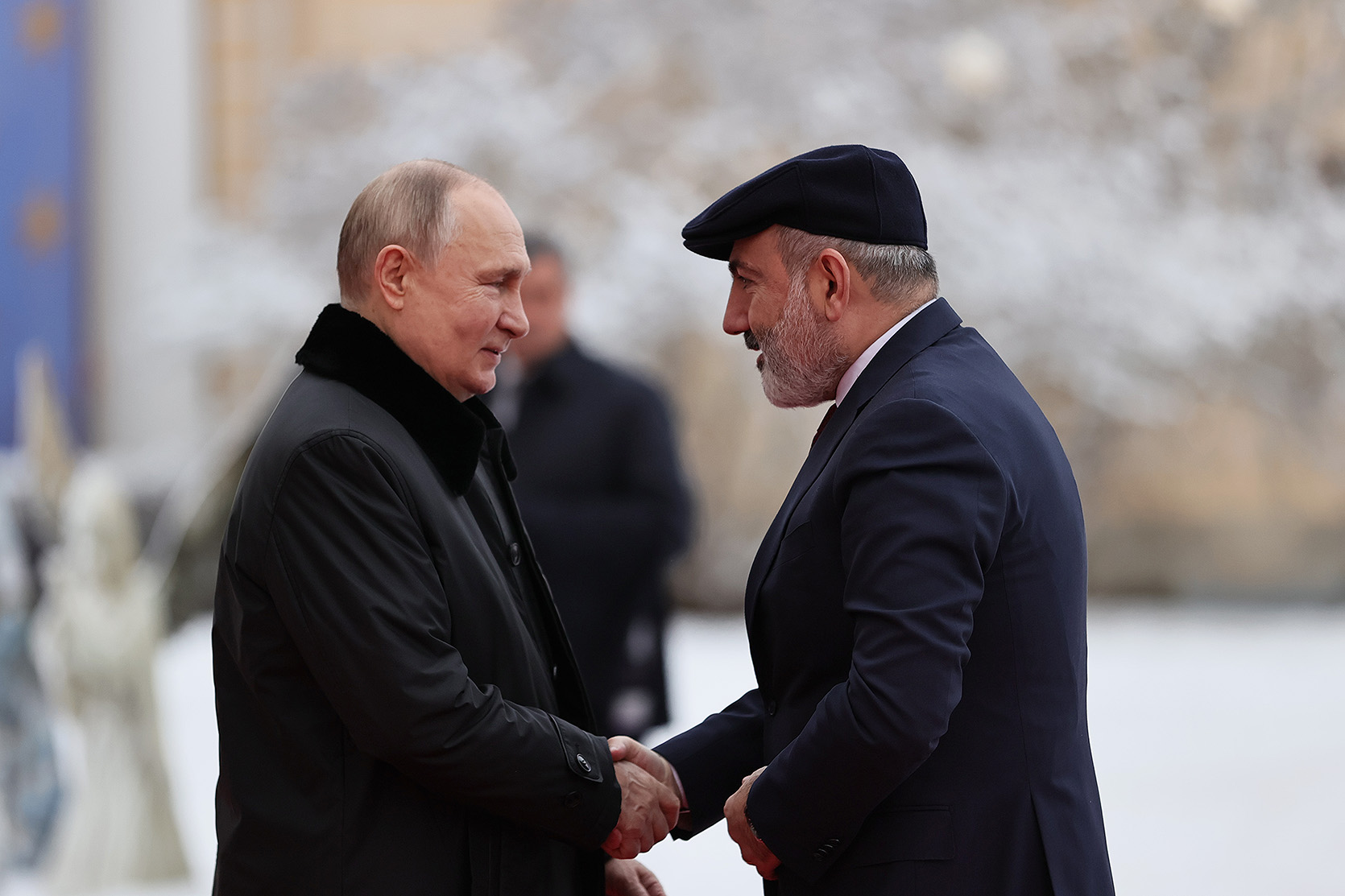
Pashinyan missed informal CIS summit
Armenian Prime Minister Nikol Pashinyan did not attend the informal CIS summit of leaders, which took place in Russia the day before. He announced that he could not fly to St. Petersburg due to testing positive for COVID-19.
Speculations immediately appeared on social media about the possible reasons for his absence. In response, members of the ruling team stated that there was no need to invent conspiracy theories, as they were baseless. However, experts hold a different view. In particular, political scientist Lilit Dallakyan believes that Pashinyan’s refusal to attend the trip might be linked to his reluctance to engage in negotiations with Ilham Aliyev on Russian soil:
“Perhaps Pashinyan received signals that Putin would try to organize a meeting with Aliyev there. And he didn’t want to discuss issues like the delimitation of the Armenian-Azerbaijani border at this venue. And we see that Russia has once again become active in this direction.”
Today, Russia held a meeting of the Supreme Eurasian Economic Council. Armenia has been presiding over the bodies of the Eurasian Economic Union, which operates under Russia’s leadership, since January 2024. Pashinyan stated the day before that he would make a decision on whether or not to participate in the meeting “by the end of the day.”
Russian President’s spokesperson Dmitry Peskov stated that remote participation by the Armenian Prime Minister in the meeting was perfectly acceptable: “Armenia remains a very important participant in both the EAEU and the CIS. Both Armenia and the Armenian people benefit from this participation. So, it’s a two-way street. Both the CIS and our Armenian friends are interested in this.”
By the time the article was published, Pashinyan had already delivered a speech at the economic council meeting via video link.
- Opinion: ‘Unblocking communications in Caucasus carries risks’
- Opinion: Russia loses Syria and may take tougher stance in South Caucasus
- “Both a victorious and defeated Russia pose a threat to Armenia”: A view from Yerevan
Pashinyan skips CIS leaders’ summit for the first time
Since taking office, Prime Minister Nikol Pashinyan has participated in five informal summits of CIS leaders. The summit was not held in 2020 due to the COVID-19 pandemic. This year, for the first time, the Armenian prime minister did not take part in the summit.
JAMnews reviewed official statements about all previous meetings, and it turned out that the prime minister’s office provided very limited information. All the reports mentioned that the leaders discussed “issues related to the development of cooperation in the CIS space.”
On December 25, Azerbaijani President Ilham Aliyev also did not attend the summit. Due to the crash of an AZAL airline plane traveling from Baku to Grozny, Aliyev was forced to return to Azerbaijan.
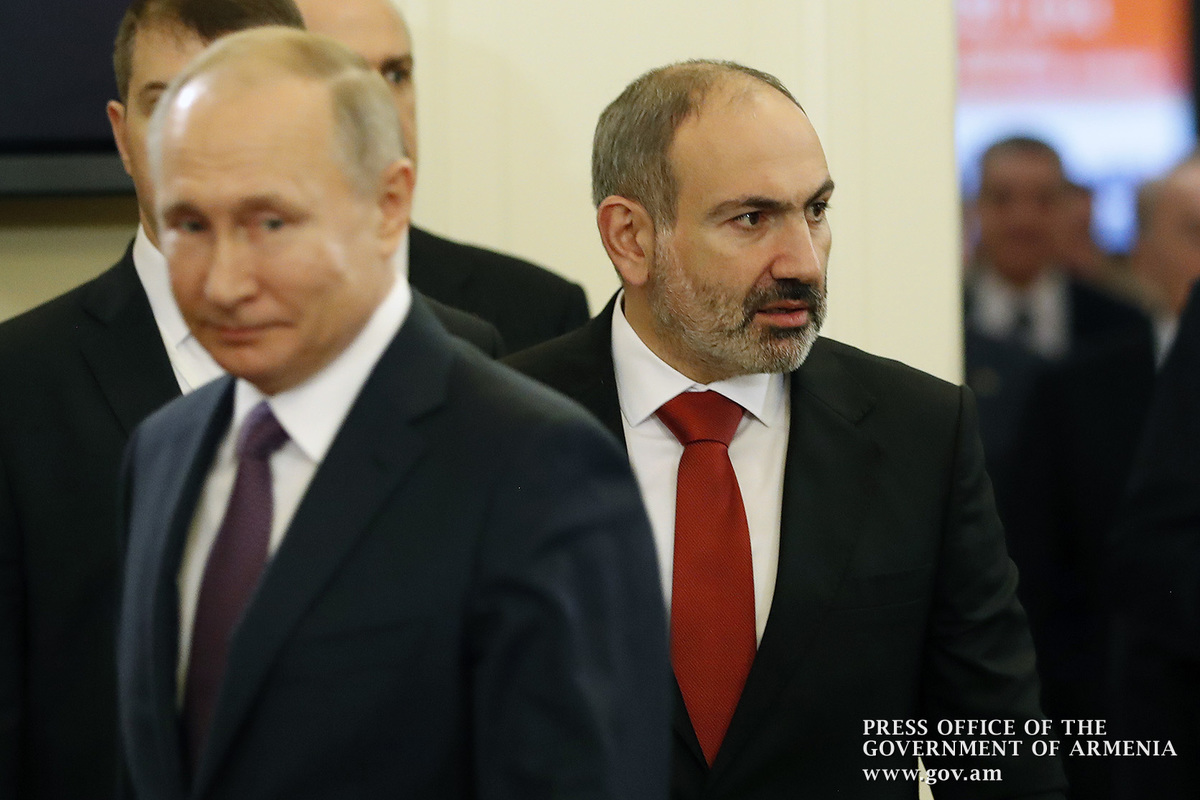
Leaders of Armenia and Azerbaijan met 2 months ago
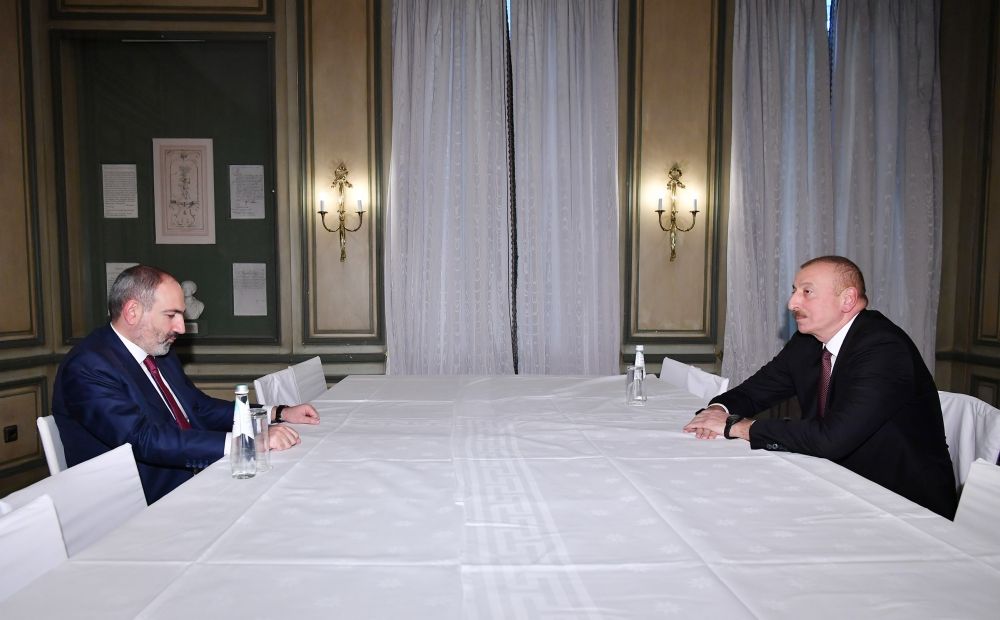
The last meeting between Pashinyan and Aliyev took place on October 24 in Kazan, within the framework of the 16th BRICS summit.
BRICS is an acronym for the first letters of the names of the participating countries: Brazil, Russia, India, China, South Africa.
It was reported that the leaders of Armenia and Azerbaijan discussed issues related to the bilateral agenda, the signing of a peace treaty, as well as the delimitation and demarcation of borders.
“Foreign ministers have been instructed to continue bilateral negotiations on the Agreement on the Establishment of Peace and Interstate Relations with the aim of finalizing and signing it as soon as possible,” the official press release stated.
According to footage from Kazan, this meeting took place in an unprecedentedly friendly atmosphere. However, Armenian analysts, despite everything, declared: “Without pressure, Baku will not agree to peace.”
Recently, their forecast has been confirmed by the rhetoric in official statements from Baku.
In his latest interview with Russian RIA Novosti outlet, Ilham Aliyev stated that Armenians should not forget the results of the second Karabakh war and the “counter-terrorism operation” in September 2023, which resulted in all Armenians leaving their homeland.
“They must understand that, despite the maximum support from Macron’s regime and the US State Department, here, on the ground, if they contemplate another provocation against us, no one will help them,” Aliyev declared.
In his “counter-interview,” Pashinyan stated that Armenia has no intentions, goals, or plans to attack Azerbaijan:
“If Azerbaijan has no intention of attacking Armenia, the likelihood of escalation in the region is zero.”
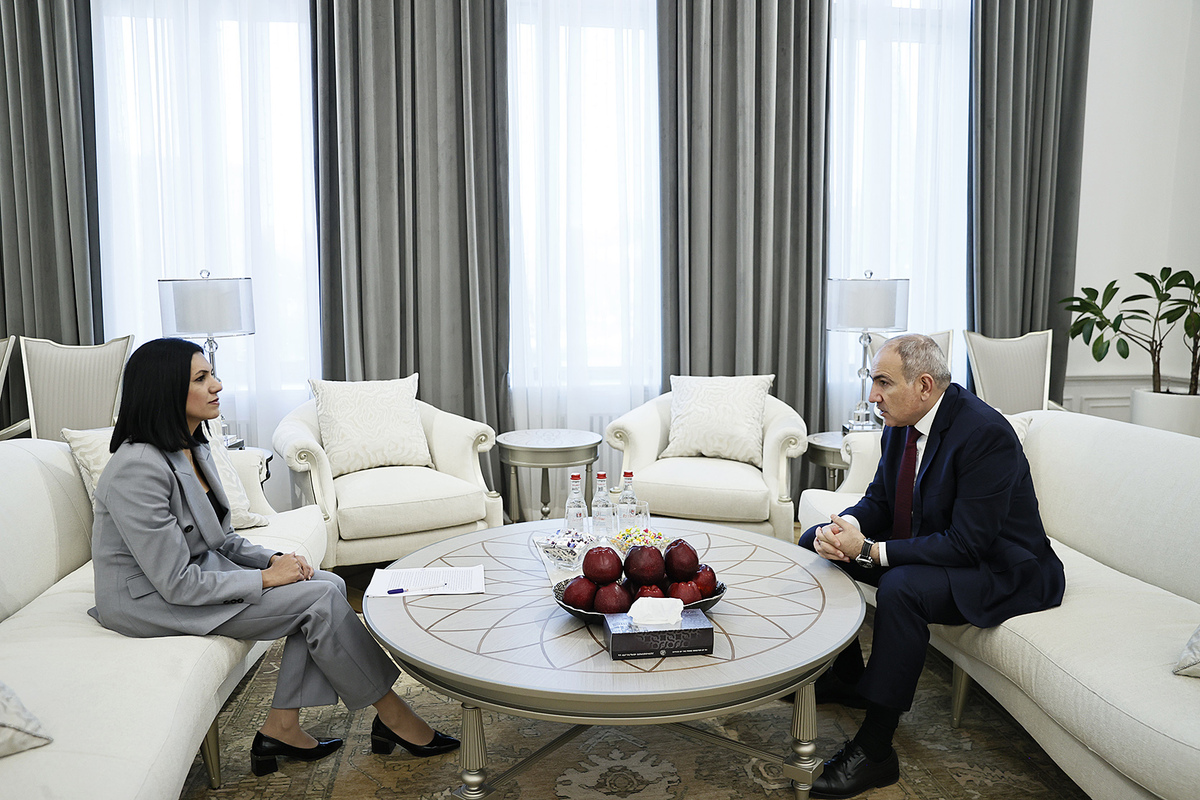
“When he has something to say, he speaks about it directly and frankly”
The leader of the ruling parliamentary faction “Civil Contract,” Ayk Kondjoryan, says that there are circles promoting their conspiracy theories regarding all processes. He assures that they are completely unfounded:
“I rely on the official statements of the Prime Minister. I think there’s no need to look for a black cat in a dark room. When the Prime Minister makes a decision, he communicates it clearly and directly with both our society and international partners. When he has something to say, he speaks about it openly and frankly. There is no need to hide anything or avoid anything.”
Political scientist Lilit Dallakyan
Political scientist Lilit Dallakyan suggests that Nikol Pashinyan may have tried to avoid negotiations with Ilham Aliyev:
“In recent interviews, the President of Azerbaijan has been acting unconstructively. It would have been more appropriate to speak directly about this, rather than referring to illness. In any case, it was important not to meet with Aliyev at the CIS platform. As a principle — you refuse negotiations on Western platforms, we refuse negotiations at the CIS platform.
And the Armenian Prime Minister has reasons to avoid negotiations in the Russian format. Russia, in sync with Azerbaijan, constantly accuses Armenia, claiming that Western partners are inciting and arming it. This indicates a biased attitude towards Armenia at this platform.”
Lilit Dallakyan does not rule out that Moscow and Baku are trying to return Yerevan to the trilateral format, to implement the provisions of the November 9, 2020 statement. This document, which ended the war in Karabakh, has been cited by Armenian authorities, who have repeatedly stated that the other two parties have not fulfilled their obligations under this document.
Commenting on the current situation, the political scientist emphasizes that it is important not to forget — establishing peace in the South Caucasus is not in Russia’s interests:
“If you have been violating the military balance for years, arming Azerbaijan, knowing it is preparing for an attack, then your goal is not to establish peace here.”
In her opinion, Baku is not allowing peaceful relations with Armenia to be established:
“And Azerbaijan itself is not particularly eager for this either. I am sure that even if the two provisions of the peace treaty, on which the parties have not yet reached a compromise, are agreed upon, Azerbaijan will put forward new demands. Baku is driving the negotiation process into a deadlock, misleading the international community by claiming that Armenia’s constitution, EU observers monitoring the border with Azerbaijan, and the weapons Armenia is purchasing for its defense are allegedly preventing the signing of a peace agreement.”