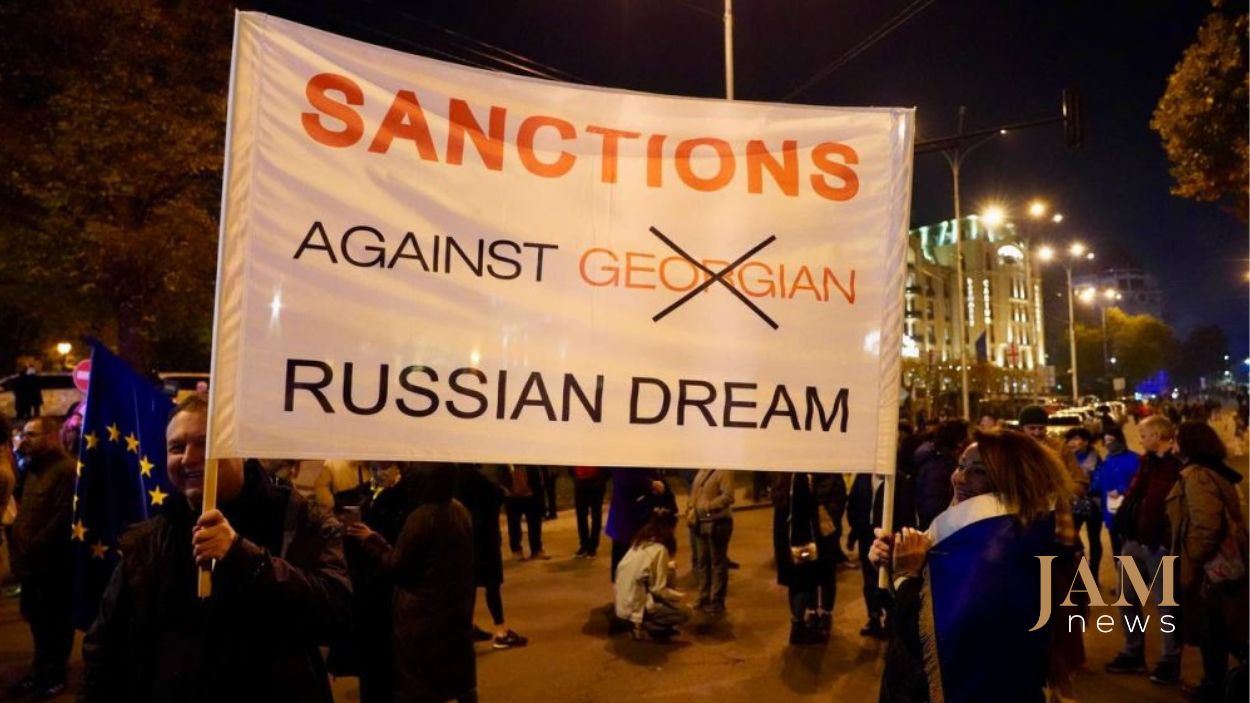
Western sanctions against Georgian Dream
For the first time in Georgia’s history, dozens of individuals are under sanctions from the United States and EU member states. Among them are high-ranking officials, judges, private individuals, businessmen, members of parliament, and other Georgian Dream members.
- 17 OSCE member states “strongly condemned the unjustified violence by the Georgian Dream”
- Georgian NGOs report torture and abuse of detained protesters
- Helsinki Commission: ‘They will turn Georgia into platform for Russian, Chinese, and Iranian influence’
Which sanctions were imposed?
More than 110 individuals face U.S. visa restrictions. These restrictions apply not only to those directly on the sanctions list but also to their family members, impacting several hundred people in total.
Hundreds of people (an exact list is unavailable) holding diplomatic passports will no longer be able to travel to EU countries visa-free.
Six individuals are included in the Magnitsky List, which imposes strict financial sanctions, including freezing all assets, shares, and financial holdings of those listed. Four of these individuals hold high-ranking positions.
The Magnitsky List is based on the Magnitsky Act, passed by the U.S. Congress in 2012. Initially, the law was aimed at imposing sanctions on Russian officials responsible for the 2009 death of Russian auditor Sergei Magnitsky.
In 2008, Sergei Magnitsky accused Russian officials of corruption, after which he was arrested. He died in November 2009 in prison, where he was systematically denied medical care..
The United States now uses the Magnitsky Act against individuals accused of corruption and serious human rights violations. The “Magnitsky List” currently includes over 650 people.
More than 40 individuals have been sanctioned by the Baltic states, and over 19 are under personal sanctions from Ukraine.
Many officials are subject to multiple sanctions packages simultaneously. For example, Interior Minister and Deputy Prime Minister Vakhtang Gomelauri has been added to the sanctions lists of several countries as well as the Magnitsky List.
Western partners imposed sanctions on Georgian officials for obstructing democracy, human rights violations, spreading disinformation, corruption, and brutal repression of protesters and journalists.
JAMnews has compiled all instances of sanctions against Georgian Dream and its supporters from 2023 to the present. This article explains who has been sanctioned in Georgia and why, what different types of sanctions entail, and how Georgian authorities are responding to their implementation.
_____________________
April 2023: Sanctions against high-ranking judges
On 5 April 2023, the U.S. State Department imposed visa sanctions on four Georgian judges (three sitting and one former) for their involvement in corrupt activities.
▇ As a result of this decision, these judges and their family members were banned from entering the United States.
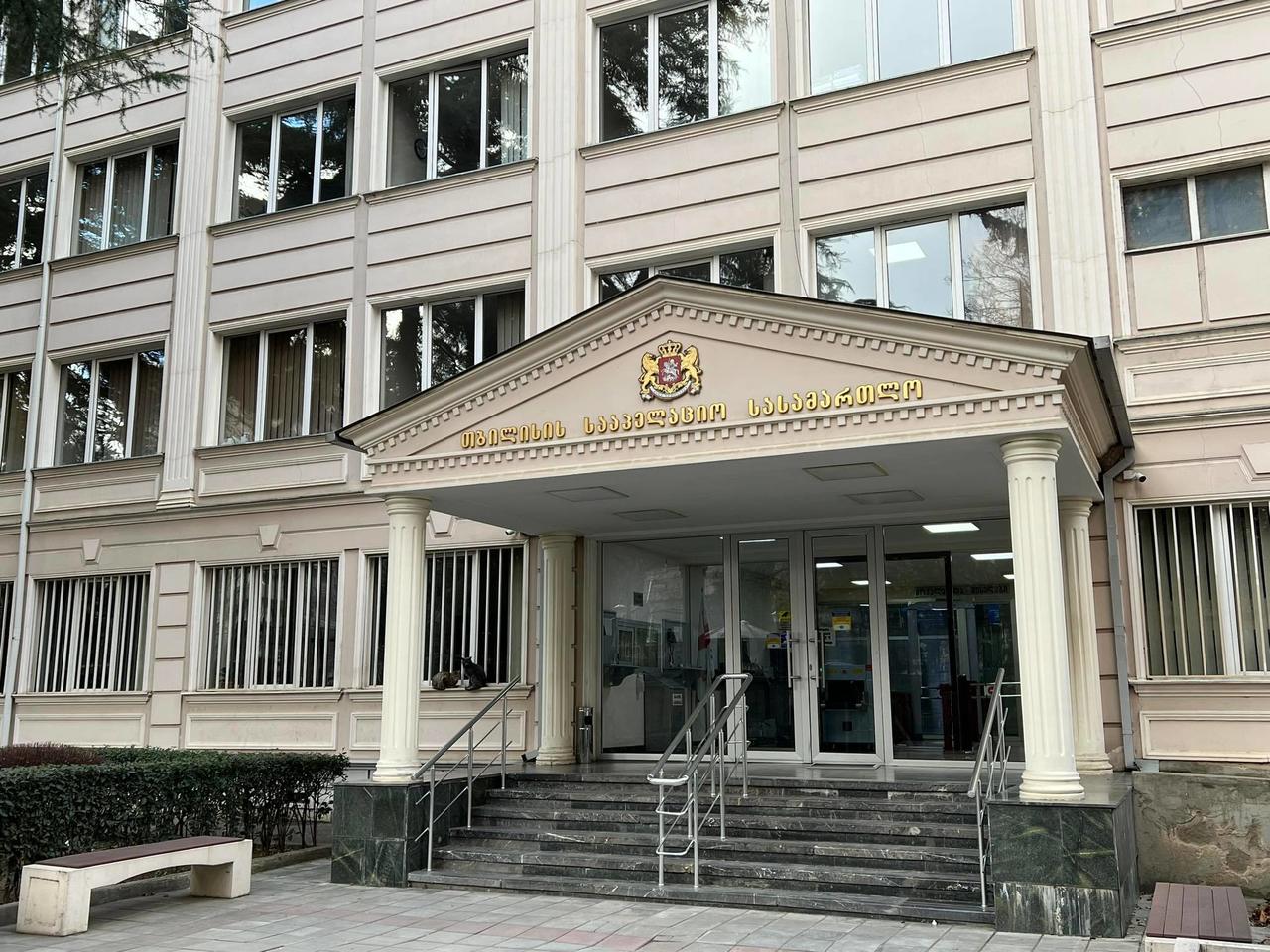
The sanctions list includes:
- Mikheil Chinchaladze – Chairman of the Tbilisi Court of Appeals;
- Levan Murusidze – Member of the High Council of Justice;
- Irakli Shengelia – Deputy Chairman of the Court of Appeals;
- Valerian Tsertsvadze – Former Chairman of the Court of Appeals.
U.S. Secretary of State Antony Blinken stated that “the individuals mentioned abused their positions as court chairmen and members of the High Council of Justice, thereby undermining the rule of law and public trust in Georgia’s judicial system.”
This marks the first time in the history of independent Georgia that a partner country has used a sanctions mechanism against its citizens. As a result, this step triggered a strong reaction from Georgian Dream.
The ruling party blamed the imposition of sanctions against high-ranking judges on a “campaign by the NGO sector and the opposition.” Authorities called the accusations against the judges unsubstantiated and intensified their anti-Western rhetoric.
September 2023: Sanctions against former Prosecutor General Otar Partskhaladze
On 14 September 2023, the United States imposed sanctions on Georgia’s former Prosecutor General, Otar Partskhaladze, for his cooperation with Russia’s FSB.
Partskhaladze was banned from conducting financial transactions and entering the United States.
▇ This means that all of Partskhaladze’s property and assets in the United States are “frozen,” and he is prohibited from transferring or selling his assets to third parties.
According to the U.S. State Department, Russia’s FSB collaborated with Otar Partskhaladze to promote a pro-Russian course in Georgian politics.
At the time, Partskhaladze held both Russian and Georgian citizenship. Subsequently, the President of Georgia revoked his Georgian citizenship, and the country’s National Bank restricted the former Prosecutor General’s access to his personal accounts.
Leaders of Georgian Dream called the National Bank’s decision unconstitutional. Following this, the National Bank restored Partskhaladze’s access to his accounts, stating that international sanctions cannot be applied to a Georgian citizen within the country unless a Georgian court delivers a guilty verdict against them in a corresponding case.
Experts linked the National Bank’s reversal to government pressure on Georgia’s banking sector. Most private banks did not agree with the National Bank’s decision.
“A storm is brewing in a teacup,” was how former Prime Minister Irakli Garibashvili reacted to the sanctions against Partskhaladze.
June 2024: First U.S. sanctions package and visa restrictions for Georgian Dream members
On June 6, 2024, the United States imposed visa restrictions affecting up to 30 members of Georgian Dream.
The sanctions targeted MPs, law enforcement officials, Georgian Dream officials, and their family members. The names of those sanctioned were not disclosed.
▇ U.S. visa sanctions mean that the individuals targeted, as well as their family members, cannot obtain visas to the United States, and any existing visas are suspended.
White House spokesperson Matthew Miller stated that the individuals included in the sanctions lists are responsible for undermining democracy in Georgia. According to Miller’s statement, they restricted the rights to freedom of assembly and expression, authorised attacks on peaceful protesters, deliberately spread disinformation, and intimidated civil society on the orders of the Georgian government.
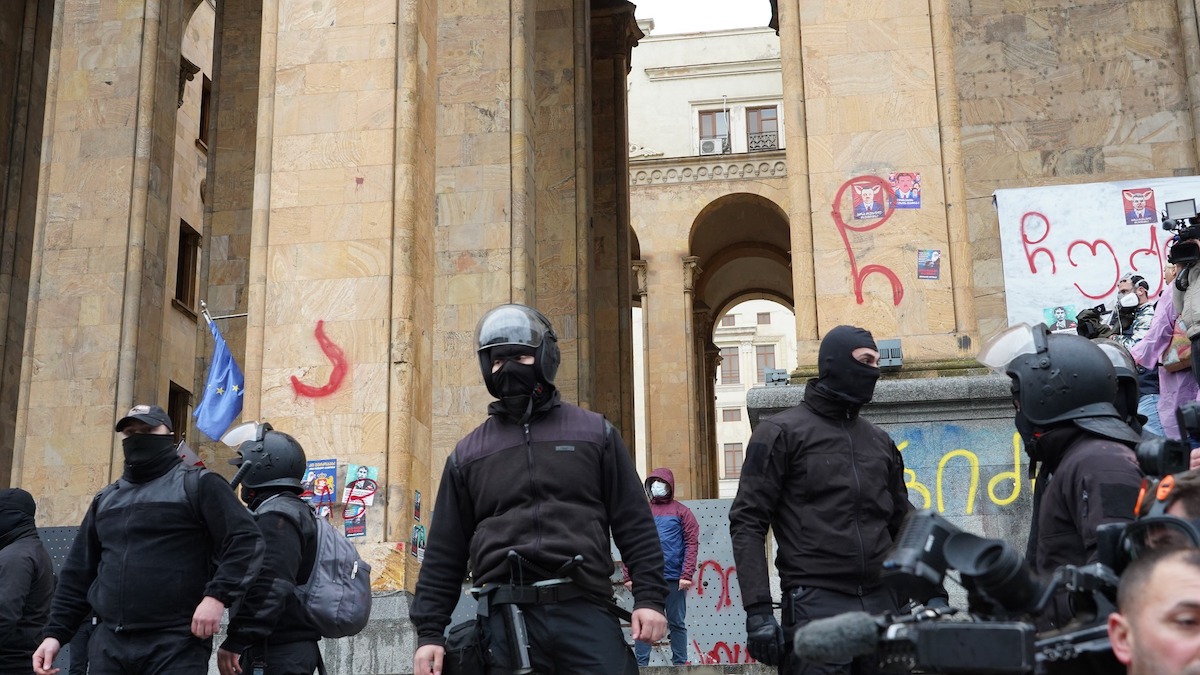
The first sanctions package followed the parliament’s adoption of the “Foreign Influence Transparency Act” in May 2024. The law was passed amid 50 days of protests, during which the authorities used violence against demonstrators. The legislation also drew sharp criticism from the West — after its adoption, the European Union effectively suspended Georgia’s Euro-integration process.
The “Foreign Influence Transparency Act” was initiated by the ruling Georgian Dream party and passed by parliament in its third reading on 28 May 2024. The law mandates the creation of a special registry where “foreign agent organisations” must register. These are defined as any organisations receiving more than 20% of their funding from foreign grants. In a small and economically modest country like Georgia, this encompasses virtually all non-governmental organisations. Individuals or organisations refusing to voluntarily register in the registry face a fine of 25,000 lari (approximately $8,900) and will be forcibly registered by the state.
September 2024: Second U.S. sanctions package and “Magnitsky List”
On 16 September 2024, the United States imposed visa restrictions on more than 60 individuals and their family members for their involvement in undermining democracy in Georgia.
The State Department’s statement noted that the sanctions targeted:
- Businesspeople involved in corruption;
- Individuals deliberately spreading disinformation and violent propaganda;
- Law enforcement officers responsible for the mistreatment of protesters;
- Members of the Georgian Parliament.
▇ U.S. visa sanctions mean that the individuals targeted, along with their family members, are prohibited from obtaining visas to the United States, and any existing visas are suspended.
On the same day, the United States also imposed financial sanctions on four individuals, including high-ranking officials.
The following individuals were added to the “Magnitsky List”:
- Zviad Kharazishvili – Director of the Special Tasks Department of the Ministry of Internal Affairs;
- Miller Lagazauri – Deputy Director of the Special Tasks Department of the Ministry of Internal Affairs;
- Konstantine Morgoshia – A leader of the far-right movement “Alt-Info,” known for spreading pro-Russian propaganda and organising attacks on activists;
- Zurab Makharadze – Another leader of “Alt-Info.”
Kharazishvili and his deputy were sanctioned for authorising and organising violence against demonstrators. Konstantine Morgoshia and Zurab Makharadze were sanctioned for spreading disinformation and inciting hatred, including calls for violence against the organisers and supporters of the LGBTQ+ Pride March in Tbilisi in July 2021.
During that event, a group disrupted the march and attacked its participants and journalists. As a result of a brutal beating, Lexo Lashkarava, a cameraman for the Georgian channel “Pirveli,” lost his life.
▇ Being included in the “Magnitsky List” not only entails visa sanctions but also financial sanctions, including the “freezing” of all assets and restrictions on financial transactions in the United States.
As legal expert Zviad Shkhvitaridze explains, sanctions are applied not only to the individual directly included on the list but also to anyone who in any way assists the sanctioned person in evading them.
December 2024: Sanctions from the Baltic states
More than 40 individuals have been included in the sanctions lists of the Baltic States (Lithuania, Latvia, and Estonia), including members of Georgian Dream, judges, high-ranking officials, and law enforcement officers.
Initially, the Baltic States imposed joint sanctions on 11 individuals, and later, Estonia and Lithuania expanded the sanctions lists.

Chronology of sanctions:
On December 1, 2024, the three Baltic states — Lithuania, Latvia, and Estonia — agreed on sanctions against individuals responsible for suppressing lawful peaceful protests in Georgia.
“We do not welcome those who violate democracy and human rights in our countries,” — wrote the foreign ministers in a post on social media platform X.
By joint decision of the three countries, sanctions were imposed on 11 individuals, including:
- Bidzina Ivanishvili – Honorary Chairman of Georgian Dream;
- Vakhtang Gomelauri – Minister of Internal Affairs of Georgia;
- Shalva Bedoidze – Deputy Minister of Internal Affairs;
- Ioseb Chelidze – Deputy Minister of Internal Affairs;
- Alexander Darakhvelidze – Deputy Minister of Internal Affairs;
- Giorgi Buthuzi – Deputy Minister of Internal Affairs;
- Zviad Kharazishvili – Director of the Special Tasks Department of the Ministry of Internal Affairs;
- Miller Lagazauri – Deputy Director of the Special Tasks Department of the Ministry of Internal Affairs;
- Mirza Kezevadze – Deputy Director of the Special Tasks Department of the Ministry of Internal Affairs;
- Vaja Siradze – Director of the Patrol Police Department of the Ministry of Internal Affairs;
- Teimuraz Kupatadze – Director of the Central Criminal Police Department of the Ministry of Internal Affairs.
On December 14, Estonia imposed sanctions on an additional 14 Georgian officials, including the Prime Minister appointed by Georgian Dream, Irakli Kobakhidze. The names of other individuals on the list have not been disclosed.
▇ The sanctions imposed by the Baltic states include a ban on entry for individuals included in the sanctions lists.
On December 15, Lithuania imposed sanctions on an additional 17 individuals, including Irakli Kobakhidze and his father, Giorgi Kobakhidze.
The list also includes:
- Kakha Kaladze – Mayor of Tbilisi;
- Mamuka Mdinaradze – Chairman of the Georgian Parliament from Georgian Dream;
- Tea Tsulukiani – Member of the Political Council of Georgian Dream;
- Levan Murusidze – Member of the High Council of Justice;
- Dito Samkharadze – MP from Georgian Dream;
- Goga Khaindrava – Ideologist of Georgian Dream;
- Grigol Liluashvili – Head of Georgia’s Security Service;
- Otar Partskhaladze – Former Prosecutor General of Georgia;
- Mikheil Chinchaladze – Chairman of the Tbilisi Court of Appeals;
- Shalva Tadumadze – Deputy Chairman of the Supreme Court of Georgia;
- Viktor Japaridze – Member of Georgian Dream, owner of the pro-government TV broadcaster “PosTV”;
- Irakli Rukhadze – Owner of the pro-government TV channel “Imedi”;
- Kakha Bekauri – Chairman of the National Communications Commission of Georgia;
- Zviad Shalamberidze – Former Governor of Imereti and member of Georgian Dream;
- Irakli Karseladze – Minister of Regional Development and Infrastructure of Georgia.
“We will not tolerate violence and persecution of peaceful protesters, journalists, and the opposition,” wrote Lithuania’s new Foreign Minister, Kęstutis Mažeika, on social media platform X.
The Georgian Dream government called the decision by the Baltic states anti-Georgian. In a press release from the government administration, it was stated that Georgia will remain in “a one-sided friendship mode” with these countries.
December 2024: Sanctions from Ukraine
On December 4, 2024, Ukrainian President Volodymyr Zelensky signed a decree imposing personal and economic sanctions against the honorary chairman of Georgian Dream, Bidzina Ivanishvili, and 18 other high-ranking officials.
According to the decree of the President of Ukraine, the following individuals were included in the sanctions list:
- Bidzina Ivanishvili – Honorary Chairman of Georgian Dream;
- Irakli Kobakhidze – Prime Minister of Georgia, appointed by Georgian Dream;
- Grigol Liluashvili – Head of the State Security Service of Georgia;
- Kakha Kaladze – Mayor of Tbilisi;
- Mikheil Chinchaladze – Chairman of the Tbilisi Court of Appeals;
- Mamuka Mdinaradze – Chairman of the Georgian Parliament from Georgian Dream;
- Vakhtang Gomelauri – Minister of Internal Affairs of Georgia;
- Otar Partskhaladze – Former Prosecutor General of Georgia;
- Irakli Rukhadze – Owner of the pro-government TV channel “Imedi”;
- Levan Murusidze – Member of the High Council of Justice;
- Viktor Japaridze – Member of Georgian Dream, owner of the pro-government TV broadcaster “PosTV”;
- Dimitri Samkharadze – MP from Georgian Dream;
- Goga Khaindrava – Propagandist, ideologist of Georgian Dream;
- Giorgi Kobakhidze – Father of Prime Minister Irakli Kobakhidze;
- Zviad Shalamberidze – Former Governor of Imereti and MP from Georgian Dream;
- Shalva Tadumadze – Deputy Chairman of the Supreme Court of Georgia;
- Tea Tsulukiani – Former Minister of Justice and Culture, MP from Georgian Dream;
- Irakli Karseladze – Minister of Regional Development and Infrastructure of Georgia;
- Kakha Bekauri – Chairman of the National Communications Commission of Georgia.
December 2024: Third U.S. sanctions package and additional visa restrictions
On December 12, 2024, the U.S. State Department announced new visa sanctions against 20 individuals accused of undermining democracy in Georgia. The list includes ministers, members of parliament, law enforcement and security service personnel, as well as private individuals. The names of those sanctioned have not been disclosed.
▇ U.S. visa sanctions mean that the individuals targeted, along with their family members, are prohibited from obtaining visas to the United States, and any existing visas are suspended.
After the new sanctions package, the list of individuals subject to visa restrictions has increased to 110 people, not including the family members of those sanctioned.
December 2024: European Union sanctions
It was announced that the European Union will cancel the visa-free regime for Georgian citizens holding diplomatic passports.
This was stated by the High Representative of the Union for Foreign Affairs and Security Policy, Kaja Kallas, after a meeting with the foreign ministers of the EU member states.
▇ This means that all Georgian citizens holding a diplomatic passport will no longer be able to enter EU countries visa-free using that passport. However, they will still be able to travel to the European Union with an ordinary passport.
The issuance of diplomatic passports is regulated by the Law of Georgia “On the Approval of the Procedure for Issuing Passports for Official Purposes.” According to the law, hundreds of people in Georgia are entitled to use diplomatic passports.
Among them are:
- The President of Georgia (and their spouse);
- The Speaker of the Parliament (and their spouse);
- The Prime Minister (and their spouse);
- Ministers and their deputies;
- Members of Parliament;
- Chairs and members of the Supreme, Constitutional, and Appeals Courts;
- The Secretary and members of the High Council of Justice;
- The Chief Prosecutor of Georgia;
- The President of the National Bank of Georgia;
- The Public Defender of Georgia;
- Governors;
- The Mayor of Tbilisi;
- The Chairman of the Central Election Commission;
- The Catholicos-Patriarch of Georgia.
Diplomatic passports are also used by officials in the government administration and employees of certain ministries. A full list can be found in the first appendix of the law.
Vano Chikvadze, an expert on European integration, explains the European Union’s decision as follows:
“This is a diplomatic signal that an ordinary passport is stronger than a diplomatic one. Usually, it’s the other way around. In this way, the EU has placed the citizen above the official.”
Prime Minister Irakli Kobakhidze called the EU sanctions “a minor inconvenience”:
“They will still get a visa and travel to the European country. Yes, it’s uncomfortable, but just a minor inconvenience.”
December 2024: British sanctions
On December 19, 2024, the United Kingdom imposed sanctions on five high-ranking Georgian officials for authorizing and organizing violent attacks on journalists and peaceful protesters.
▇ Individuals subject to sanctions are banned from entering the United Kingdom. In addition, their property in the UK will be “frozen.”
The following individuals have been included in the UK’s sanctions list:
- Vakhtang Gomelauri – Minister of Internal Affairs of Georgia;
- Alexander Darakhvelidze – First Deputy Minister of Internal Affairs;
- Sulkhan Tamazashvili – Head of the Tbilisi Police Department;
- Zviad Kharazishvili – Director of the Special Tasks Department of the Ministry of Internal Affairs;
- Miller Lagazauri – Deputy Director of the Special Tasks Department of the Ministry of Internal Affairs.
December 2024: Additions to “Magnitsky List”
On December 19, 2024, it was announced that the U.S. imposed financial sanctions on the Minister of Internal Affairs Vakhtang Gomelauri and the Deputy Director of the Special Tasks Department of the Ministry of Internal Affairs Mirza Kezevadze. Previously, in September 2024, the Director of the Special Tasks Department of the Ministry of Internal Affairs, Zviad Kharazishvili, and another deputy, Miller Lagazauri, were added to the “Magnitsky List.”
Sanctions against Gomelauri and Kezevadze were imposed for their role in authorizing and organizing brutal repressions against media representatives, opposition members, and protesters during the 2024 demonstrations.
▇ These sanctions mean that any assets of Vakhtang Gomelauri and Mirza Kezevadze, or their shares in assets located in the United States or owned by U.S. citizens, will be “frozen.”
Any company, firm, or organization that is directly or indirectly, individually or collectively, 50% or more owned by individuals under sanctions will also have their assets “frozen.” Additionally, they have been banned from entering the United States and conducting financial transactions within U.S. territory.
The Georgian Dream government responded to the sanctions by presenting those included in the lists with the state order “For Merit” and promised to compensate for the financial losses they may face as a result of the sanctions. Additionally, the sanctioned Minister of Internal Affairs, Vakhtang Gomelauri, was appointed Vice Prime Minister.
Sandro Kevkhishvili, the manager of the anti-corruption program at Transparency International Georgia, explains that a person included in the “Magnitsky List” remains on it for life. This means that, regardless of whether Georgian Dream stays in power or not, Georgian officials will not be removed from the list.
According to Kevkhishvili, those on the “Magnitsky List” will not be served by many banks and will face difficulties when crossing borders.
“The individuals under sanctions have power, so they won’t face too many problems—they will be able to pay in cash, and no cases will be initiated against them. But it’s important that they feel the pressure as soon as they lose power and know they will be on this list for life,” adds Kevkhishvili.
The West began applying increased pressure on high-ranking Georgian officials after the Georgian Dream government passed the “Foreign Influence Transparency Act,” despite several days of large-scale protests. Law enforcement brutally dispersed the demonstrations and used violence against the protesters.
The imposition of sanctions continued after tens of thousands of people took to the streets following the announcement of the results of the parliamentary elections in October 2024 and Prime Minister Kobakhidze’s statement about suspending Georgia’s Euro-integration in November 2024.
Protests against the suspension of Euro-integration began on November 28. During the first week, demonstrators were subjected to violent attacks using water cannons, pepper spray, and tear gas.
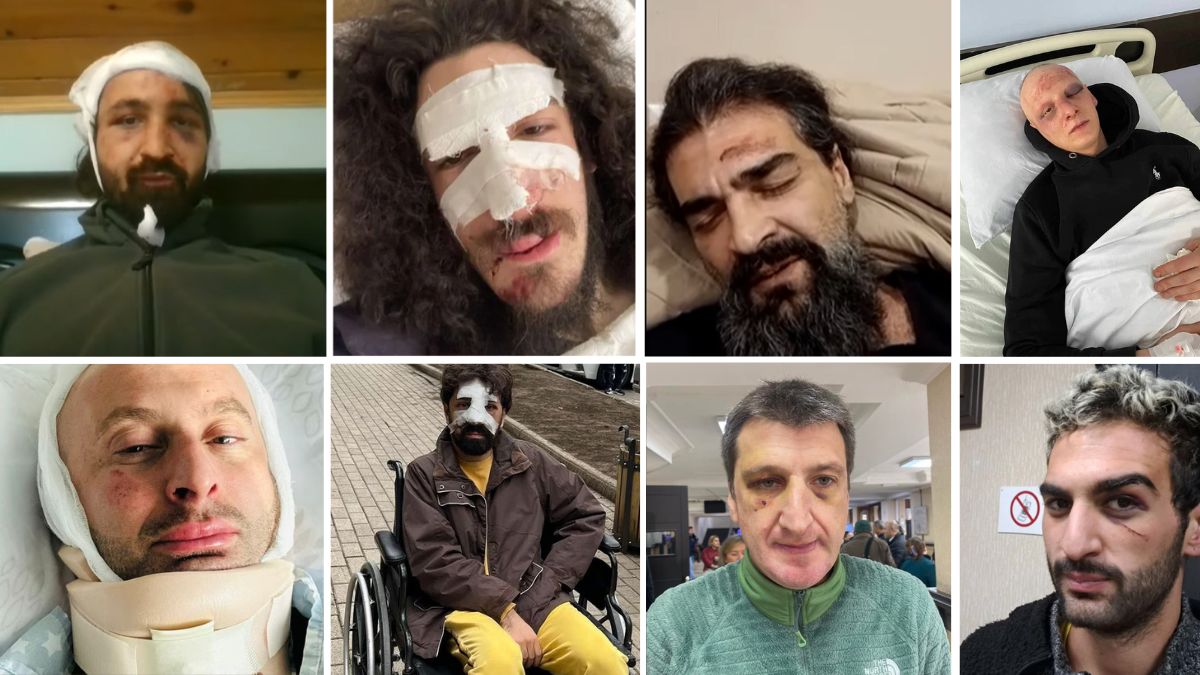
As of today, around 500 people have been arrested, including more than 30 on criminal charges. Hundreds of people were severely beaten and injured. Georgia’s Public Defender equated the beating of demonstrators to torture.
Due to the mass protests, Georgia has been in the global media spotlight and under the attention of Western partners for a month. Statements from these partners indicate that the imposition of sanctions, including personal ones, will continue and will affect the honorary chairman of Georgian Dream and the de facto ruler of Georgia, Bidzina Ivanishvili.
Western sanctions against Georgian Dream