
First Vice-President of the Republic of Azerbaijan Mehriban Aliyeva has shared a post on her social …
Day: December 24, 2024
https://t.co/xQcNMkoON9#NewsAndTimes #NT #TNT #News #Times #World #USA #POTUS #DOJ #FBI #CIA #DIA #ODNI #Trump #TrumpNews #TRUMPISTAN #Israel #Mossad #Netanyahu #Ukraine #NewAbwehr #OSINT #Putin #Russia #GRU #Путин #Россия #SouthCaucasus #Bloggers
– https://t.co/T8CxfQzy8o…— Michael Novakhov (@mikenov) December 24, 2024
“Life is starting anew there (in the liberated territories – ed.), from scratch. The projects we are implementing are unmatched in the world and perhaps never will be,” said President Ilham Aliyev during his speech at the ceremony dedicated to the sports results of 2024, Azernews reports, citing Azertag.

Georgia parliamentary elections violations
The International Republican Institute (IRI) has published its final report on the 2024 parliamentary elections in Georgia, which were held amid growing public dissatisfaction with the deviation from the Euro-Atlantic course and the deterioration of human rights and freedoms.
Significant electoral violations identified
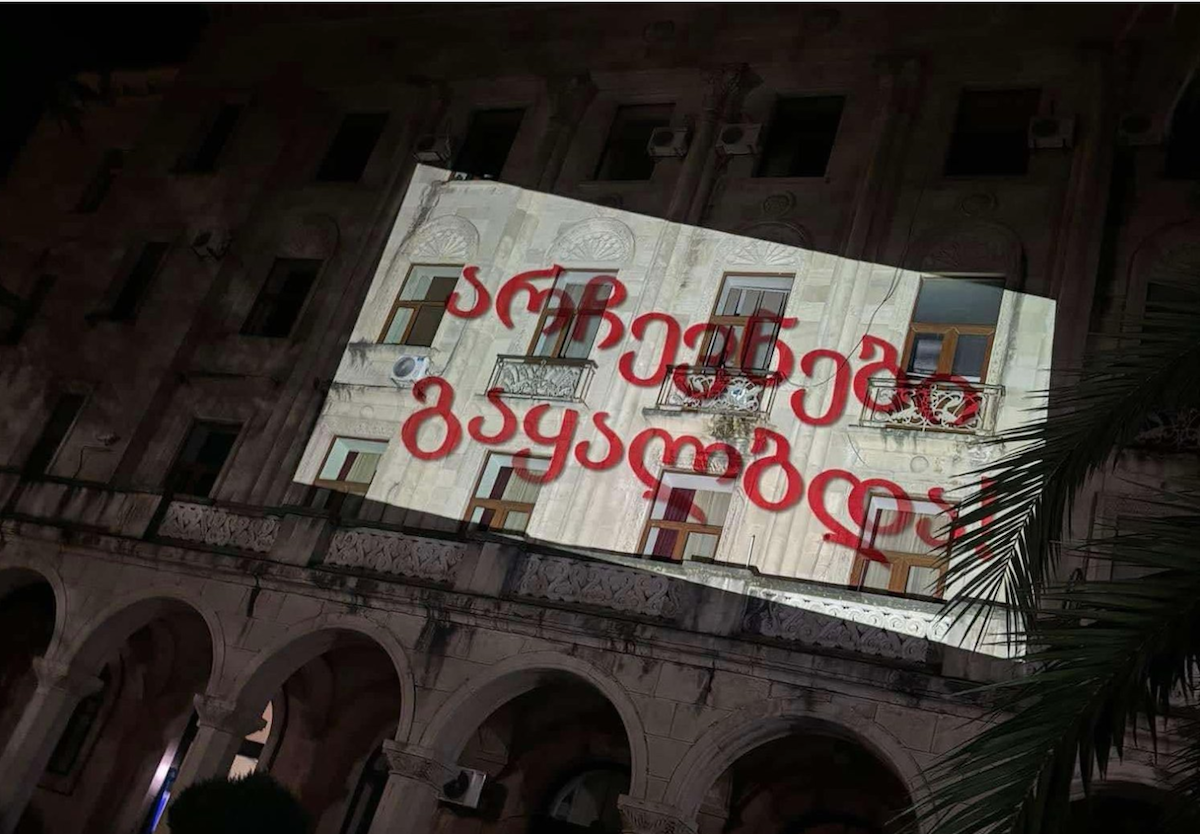
In the run-up to the elections, the government made unprecedented changes to the legislation. For example, it adopted the controversial “Foreign Influence Transparency Law,” also known as the “Foreign Agents Law.” The adoption of the law and the subsequent persecution of civil society by the government led to widespread public protests.
The law on “transparency of foreign influence” was initiated by the ruling party, “Georgian Dream,” and passed by parliament in its third reading on May 28, 2024. It provides for the creation of a special register in which “foreign agent” organizations must register. These are defined as any organizations where more than 20% of funding comes from foreign grants. In a small and poor country like Georgia, this applies to nearly all non-governmental organizations.
The persecution of civil society, the abuse of state resources by the authorities, the obstruction of opposition parties, systematic voter intimidation, and the lack of public trust in state institutions made the electoral process fundamentally flawed.
The International Republican Institute’s election monitoring mission identified significant violations and highlighted four key issues with the elections:
● Unequal conditions for candidates and the abuse of state resources;
● Persecution of civil society and opposition parties, as well as systematic voter intimidation;
● The state’s capture of electoral and judicial institutions;
● Lack of recognition of election results by the public.
Unequal conditions and abuse of state resources
The transfer of the functions of party donation checks and election campaign financing from the State Audit Service (SAS) to the Anti-Corruption Bureau (ACB), appointed by the Prime Minister, led to the creation of an unreliable environment in which the ACB could be used against opposition coalitions.
Amendments to the “Political Associations of Citizens” law, prohibiting parties from receiving donations from legal entities and forming pre-election blocs, forced candidates to leave their parties and join a united electoral list. Given the one percent electoral threshold required for parties to receive state funding, these changes weakened the motivation for smaller parties to unite and compete for mandates.
In addition, the ban on providing free airtime for political advertising to all parties and the limited distribution of free airtime among parties as a whole complicated the interaction between opposition candidates and voters. The ruling “Georgian Dream” party, with a significant financial advantage, was able to dominate the media landscape.
The ruling party also used state-sponsored events to promote its candidates and employed state resources to force civil servants and socio-economically vulnerable populations to participate in rallies in support of Georgian Dream.
The ruling party also used state-sponsored events to promote its candidates and employed state resources to force civil servants and socio-economically vulnerable populations to participate in rallies in support of “Georgian Dream.”
Persecution of opposition and systematic voter intimidation
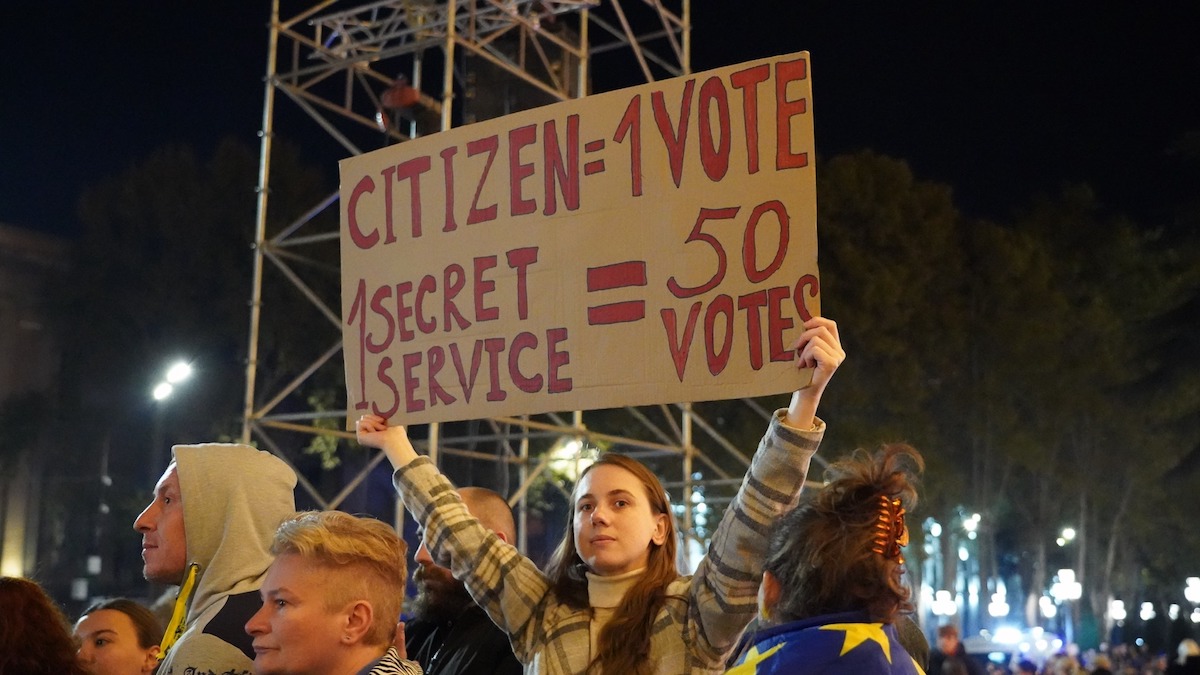
Although the election period was predominantly peaceful, systematic voter intimidation was observed in rural areas and regions with ethnic minorities. Tactics such as coercing voters into handing over their ID cards became more frequent as election day approached. While the elections themselves were conducted without serious technical issues, the presence of video cameras at polling stations and the use of special pens that compromised the secrecy of the vote instilled fear among voters and undermined trust in the electoral process.
State capture of electoral and judicial institutions
The independence and impartiality of the Central Election Commission (CEC) were questioned by the public due to changes within the structure, such as the removal of the opposition-nominated deputy chair and the lowering of internal voting barriers.
Additionally, the CEC’s controversial decision to appoint polling station members a week before the election day, which was upheld by the court, drew sharp criticism. Critics argued that this decision increased the ruling party’s influence over the elections.
Although both electronic and manual vote counting were expected vulnerabilities in the electoral process, investigative bodies and the courts did not address concerns about their validity. The inadequate and biased response from the authorities, as well as the ineffective mechanisms for resolving election disputes, further eroded public trust in the process and contributed to the rejection of the election results.
Public rejection of election results
The election period and election day were marked by widespread violations, undermining trust in the process. Observations revealed a range of coercive tactics aimed at manipulating voters and the results. These included a deceptive disinformation campaign targeting voter data collection, pressure on voters, surveillance, and breaches of voting secrecy.
In addition to coercion and voter intimidation, other violations were observed on election day. These included voter surveillance, vote buying, and the “carousel” practice—where the same individuals voted at multiple polling stations. These violations, coupled with ineffective mechanisms for resolving election disputes, further exacerbated societal tensions, which escalated into long-term instability after the elections.
“The democratic principle of citizens accepting election results is fundamental to the stability and legitimacy of any democracy but requires trust in institutions and the electoral process. Lack of broad public trust and acceptance of results raises questions about the legitimacy of the election outcomes,” the report states.
In addition, the International Republican Institute (IRI) election observation mission found a decline in the level of healthy political competition in the parliamentary elections, which creates the risk of power being monopolized by one party. In this regard, the mission emphasized the urgent need for electoral reforms to address serious vulnerabilities in the legal, administrative, and institutional foundations of the electoral process. It also called on the Georgian government to respond to questions from the country’s citizens and the international community regarding the legitimacy of the election results.
The mission recommends that the government prioritize reforms that will strengthen the independence of electoral and law enforcement bodies, the judiciary, and the media, in order to create a freer and more open political environment in the country. Addressing these issues is crucial for Georgia’s democratic progress and Euro-integration, as well as for ensuring that elections truly reflect the genuine will of the people.
IRI President: “Only new elections can restore trust in the legitimacy of the government”
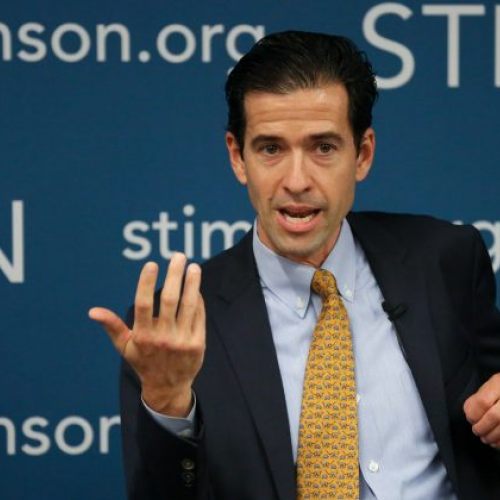
“[In these elections] Georgia’s institutions functioned as levers of the ruling party, rather than being independent and impartial. <…> Only new elections can restore the Georgian people’s confidence in the legitimacy of their government,” said IRI President Daniel Twining.
Georgia parliamentary elections violations