Categories
South Caucasus News

CEC Rejects President’s Allegations of Vote-Rigging Amid Growing International Scrutiny of October 26 Elections


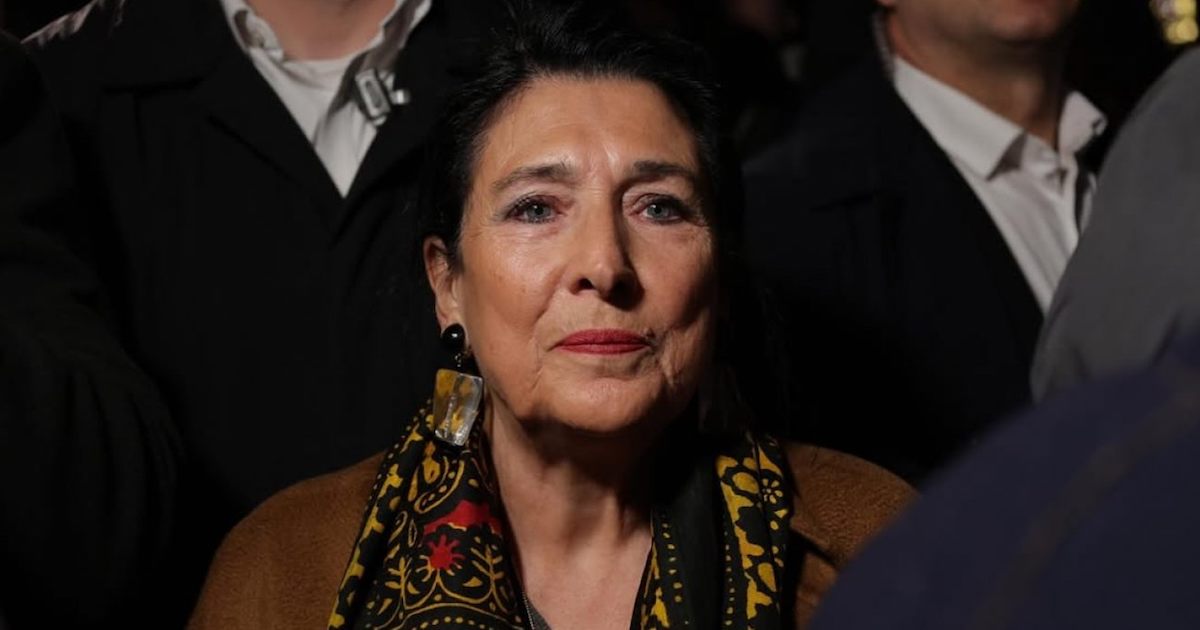
On 24 December, the Central Election Commission (CEC) of Georgia issued a statement denying allegations of vote-rigging made by President Salome Zurabishvili regarding October 26’s elections. The CEC described the allegations as “absolutely baseless” and “part of a politically motivated disinformation campaign.”

“There are no confirmed facts or evidence indicating that violations occurred during the parliamentary elections that could have had a significant impact on the final results of these elections” the CEC stated, emphasizing that such claims add greater tensions in an already polarized environment.

The Commission said that the October 26 elections were conducted “at a high professional level and in full compliance with the legislation.” The CEC claimed that it was also “confirmed by the recently published assessment of the OSCE/ODIHR Election Observation Mission.”

The CEC urged the President and all stakeholders to stop making allegations. “We once again call on the President and all interested parties making such allegations to provide relevant, substantiated evidence or refrain from spreading unsubstantiated/unfounded and misleading statements that undermine public trust in the election process,” the statement read.

The statement was released following the President Salome Zurabishvili’s call on Bidzina Ivanishvili to negotiate new elections, describing the 26 October elections as rigged. In the President’s video address released on December 23, she reiterated that the elections were rigged and said that that public confidence in the authorities had been severely eroded.

She stressed that efforts to seek justice through constitutional and legal channels had been exhausted, as evidence of vote rigging had been presented to all available courts, with the Constitutional Court, widely believed to be part of the so-called “judicial clan”, rejecting her appeal.

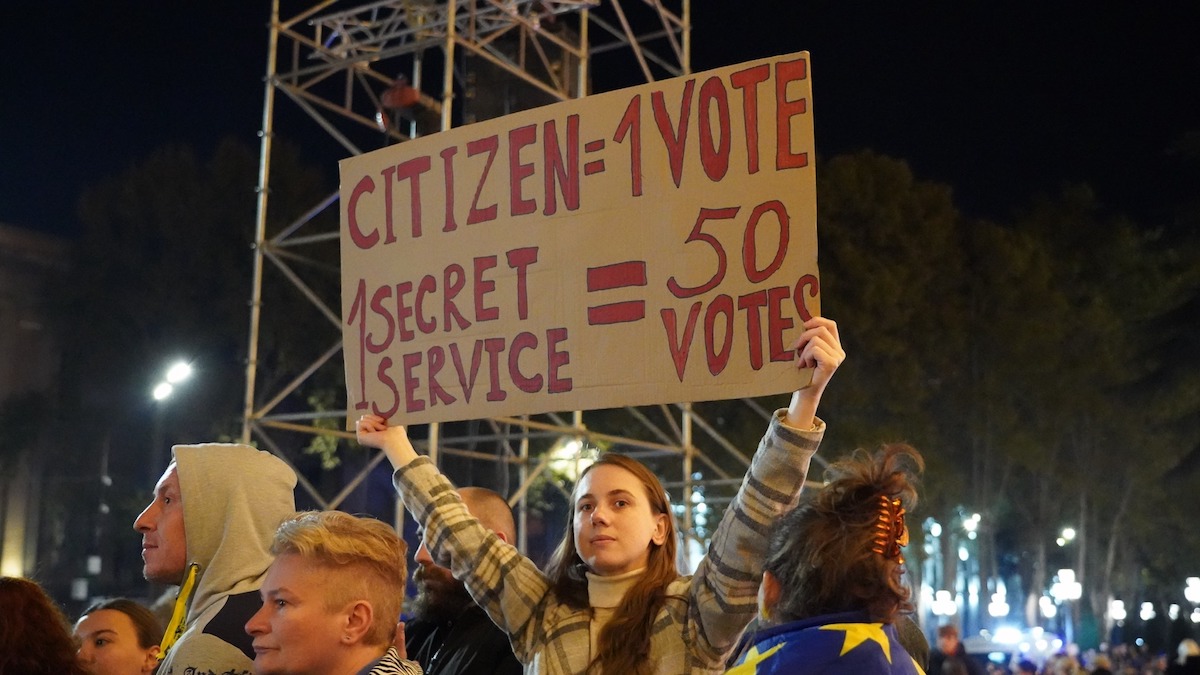
Not only the President but also international observers, including the OSCE/ODHR have raised concerns about the integrity of the election process. In its final report regarding October 26 elections, OSCE/ODIHR while noting that while the elections were generally “well-administered,” said that the elections took place amidst “serious concerns” about the impact of recently adopted legislation on fundamental freedoms and civil society, steps to diminish the independence of institutions involved in the election process, and pressure on voters, “which combined with election day practices compromised the ability of some voters to cast their vote without fear of retribution.” The critical report also stresses the lack of post-election legal remedies.

Similarly, the IRI mission’s findings pointed to a “decline in genuine political competition,” with the mission noting that numerous factors heavily marred the election process, casting serious doubts on the election’s credibility. IRI emphasized the urgent need for “coherent and comprehensive election reforms” to address weaknesses in the legal, administrative, and institutional frameworks governing elections.

Earlier, PACE also issued a critical report on November 29, raising doubts about whether 26 October election results truly reflected voters’ will. The report outlined widespread voter intimidation, particularly in rural areas, and procedural violations such as vote-buying and interference during the count. The report also highlighted the politicization of key state institutions like the Central Election Commission and urged the Georgian authorities to implement the reforms for restoring trust, including reversing changes that have undermined opposition representation, enhancing voting secrecy, and improving electoral dispute resolution.

Also Read:


Categories
South Caucasus News

Armenia Scraps Controversial Video Surveillance Bill – Hetq Online


Armenia Scraps Controversial Video Surveillance Bill  Hetq Online

Categories
South Caucasus News

”Unfortunately for Ivanishvili, it’s unlikely Trump will fall for his fabrications” — Washington Examiner


Trump is not Ivanishvili's friend

Trump is not Ivanishvili’s friend

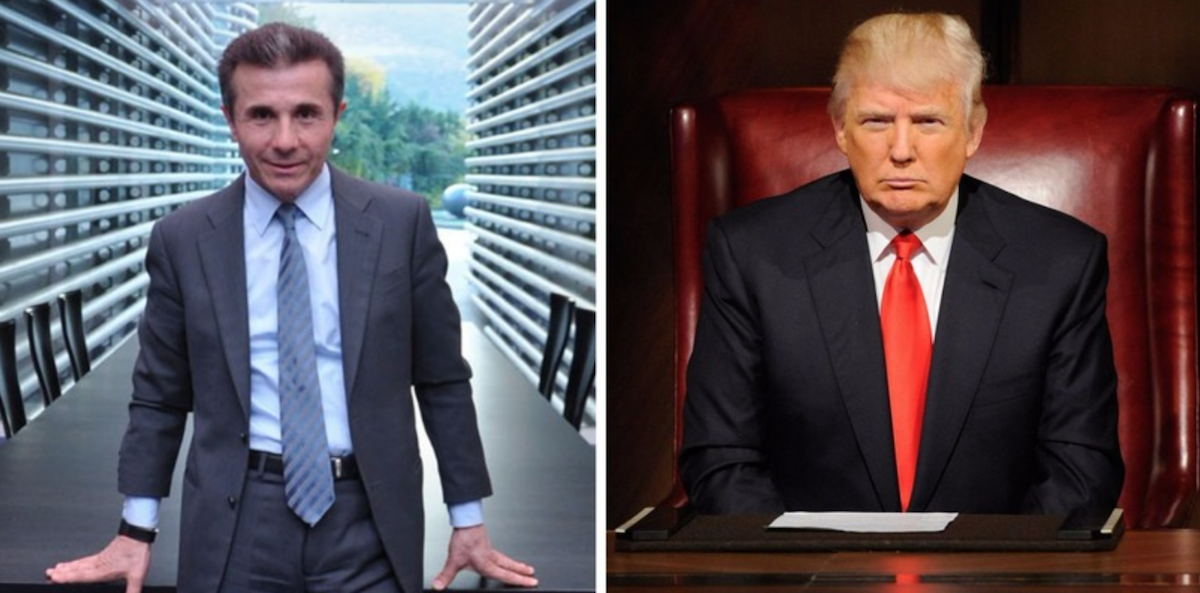
The US-based outlet Washington Examiner has published an article explaining why Donald Trump, contrary to the expectations of Bidzina Ivanishvili, the honorary chairman of the Georgian Dream party and the de facto ruler of Georgia, is unlikely to become an ally of the ruling party and may even oppose it.

Among other arguments, the article’s author, Tom Rogan, highlights the stance of Mikheil Kavelashvili, the president elected with the backing of the ruling party, towards the United States. According to Rogan, the fact that Georgian Dream is neither a friend of America nor of Trump is evidenced by Kavelashvili’s harsh anti-American rhetoric and other actions by the party.

“Corrupt elite acting against ordinary people” – What Washington Examiner says about Georgian Dream

In response to the violence it is inflicting upon its own people, the Biden administration has suspended its strategic engagement with the government in Tbilisi. Georgian Dream is arrogantly betting, however, that Trump will ignore their brutality and corruption.

The party wants him to ignore its theft of state resources, its betrayal of the Georgian constitution, and its attacks on innocent men and women. Georgian Dream is also keen that Trump not notice its supplication to Russia, its prime minister’s attendance at a funeral for a top Hamas leader, and its support for Chinese strategic interests.

This latter concern has led to the government signing a strategic partnership agreement with Beijing and. seemingly unqualified support for Chinese security, technological, and political interests.

Instead, Georgian Dream hopes that Trump will adopt the same approach to it that he has adopted toward Hungarian Prime Minister Viktor Orban. Namely, welcoming its rhetorical praise while ignoring its blatant betrayal of Trump and America’s better interests.

Unfortunately for Ivanishvili, Trump is unlikely to fall for its fiction. As in his first term sanctioning of the Nord Stream II energy pipeline, Trump has shown a willingness to target economic interests that undermine U.S. security and interests.

And Ivanishvili and Georgian Dream encapsulate the very thing that defines Trump’s political identity: a corrupt elite acting against the interests of the common man and women without any sense of guilt.

In turn, rather than laughing it up in anticipation of Trump’s arrival, Ivanishvili should be nervous about facing sanctions, including secondary sanctions, on his interests. The Georgian Dream government should fear the same.

The key point here is that Georgian Dream is no friend of Trump or America. Don’t take my word for it, take President-designee Mikheil Kavelashvili’s.

A former soccer star, Kavelashvili has blamed the United States for the brutality his partners have inflicted on their fellow citizens. A vehement anti-American, in June, Kavelashvili attacked members of Congress, including prominent Republicans, as having an “unquenchable desire to destroy our country.”

And in stark contrast to the conciliatory rhetoric Trump has employed since his election triumph, Kavelashvili warned his political opponents that they would face dark consequences for testifying to the U.S. Congress on Georgia’s human rights crisis. As he put it, “After the elections, the Georgian people will give you all a proper place for this unprecedented betrayal!”

Trump should judge Georgian Dream for what it is. A group of corrupt thugs who want to smash Georgia’s constitution and people into obedience in order that they might better enrich themselves and better serve American adversaries in Moscow and Beijing.

A group, that is to say, which deserves Trump’s sanction-laden derision far more than it does any offer of friendship.


Categories
South Caucasus News

National Art Museum’s director shares yearly reflections and future goals


The Azerbaijan National Art Museum had an exciting year, filled with new projects and achievements.

Categories
South Caucasus News

Azerbaijan notes growth in e-vehicle imports


In the first eleven months of 2024, Azerbaijan saw a significant increase in the import of electric vehicles, Azernews reports, citing the State Customs Committee.

Categories
South Caucasus News

Human Rights Watch ⁦@hrw⁩: Police actions against protesters were punitive. via ⁦⁦@JAMnewsCaucasus⁩ https://t.co/ekoFcb2Mxo


Categories
South Caucasus News

Frohe Weihnachten! Merry Christmas! შობას გილოცავთ (Shobas Gilotsavt)! https://t.co/VAaG8nLHE4


Categories
South Caucasus News

Azerbaijani female farmers in rural areas get support within framework of AFAQ project


Under the Agricultural Procurement and Supply OJSC of the Ministry of Agriculture, the Agrarian Activities of Azerbaijani Women (AFAQ) project, supported by PASHA Holding, has been assisting female farmers.

Categories
South Caucasus News

Tear Gas, Violence, and Medals: HRW Slams GD Government Response to Protests


On December 24, Human Rights Watch, a leading international human rights watchdog has issued a statement raising alarm over the Georgian authorities’ violent crackdown on pro-EU protests, and stressing the punitive nature of these actions. “In widespread and apparently punitive acts, security forces have chased down, violently detained, and beat protesters”, the watchdog said, adding that police also tortured and otherwise ill-treated them in police vans and police stations. 

“The level of the authorities’ violence against largely peaceful protesters is shocking, blatantly retaliatory, and violates Georgia’s domestic laws and international norms,” said Hugh Williamson, Europe and Central Asia director at Human Rights Watch.

HRW reported that police have used tear gas, water cannons, and rubber bullets to disperse the crowds. It also cited Georgian local rights groups as saying “Since November 28, the authorities have arrested more than 460 protesters, of whom the majority face administrative charges and approximately 30 face criminal charges. The rights groups said that over 300 of those arrested alleged ill-treatment and torture during or following their arrest, with at least 80 of them requiring hospitalization.”

The watchdog also highlighted several testimonies from detained and injured demonstrators, including Avtandil Kuchava, Zviad Ratiani, Aleksandre Keshelashvili, who reflected on the moments of detention and beatings that they experienced.

HRW highlighted that despite international outcry, the Georgian government has doubled down, awarding medals to Interior Ministry officials involved in the crackdown, and said that: “Honoring these officials while investigations are pending shows contempt for the obligation to hold people accountable for the violence.”  

The statement reminded the Georgian authorities that under the International Covenant on Civil and Political Rights and European Convention on Human Rights, they have an obligation “to respect the right to freedom of assembly and to refrain in all circumstances from engaging in prohibited ill-treatment”.

HRW also noted that the OSCE recently triggered the Vienna Mechanism, demanding answers from Georgian authorities about arbitrary arrests and ill-treatment. Should Georgia fail to respond, participating states may escalate to the Moscow Mechanism for an independent inquiry, HRW noted.

“Georgian authorities should free all those detained solely for the peaceful exercise of their right to assembly,” Williamson said, adding: “There needs to be a reckoning and accountability for the broken bones and other injuries police intentionally inflicted on so many people.”

Also Read:


Categories
South Caucasus News

News – Armenia News


News  Armenia News