
Day: December 20, 2024
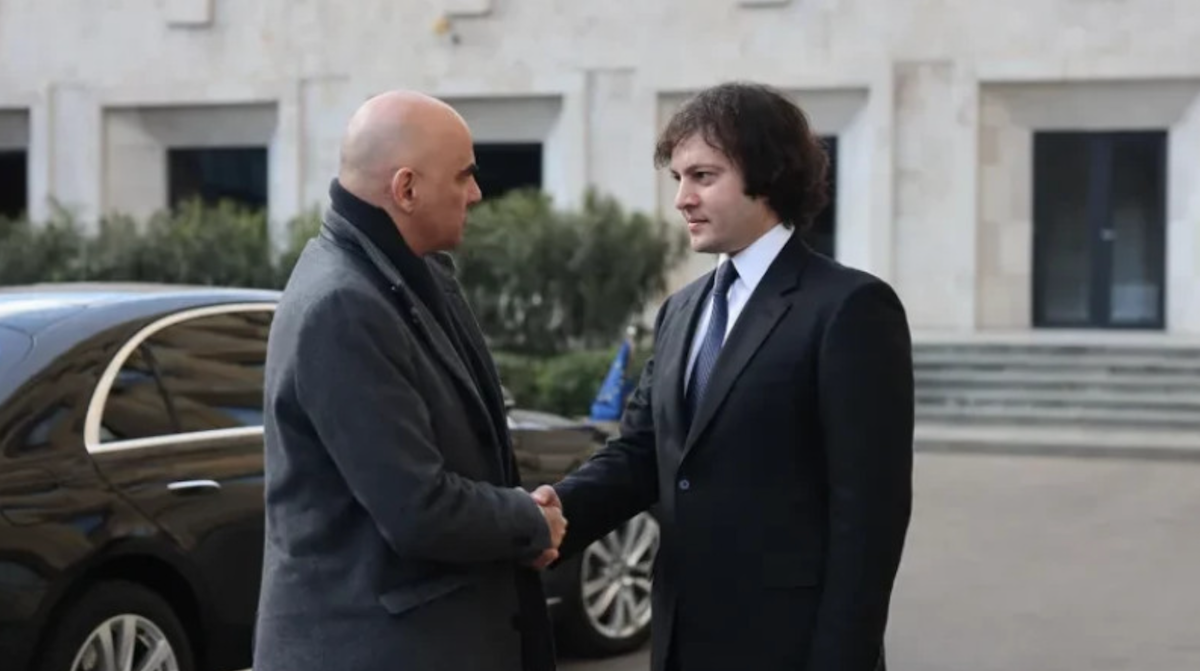
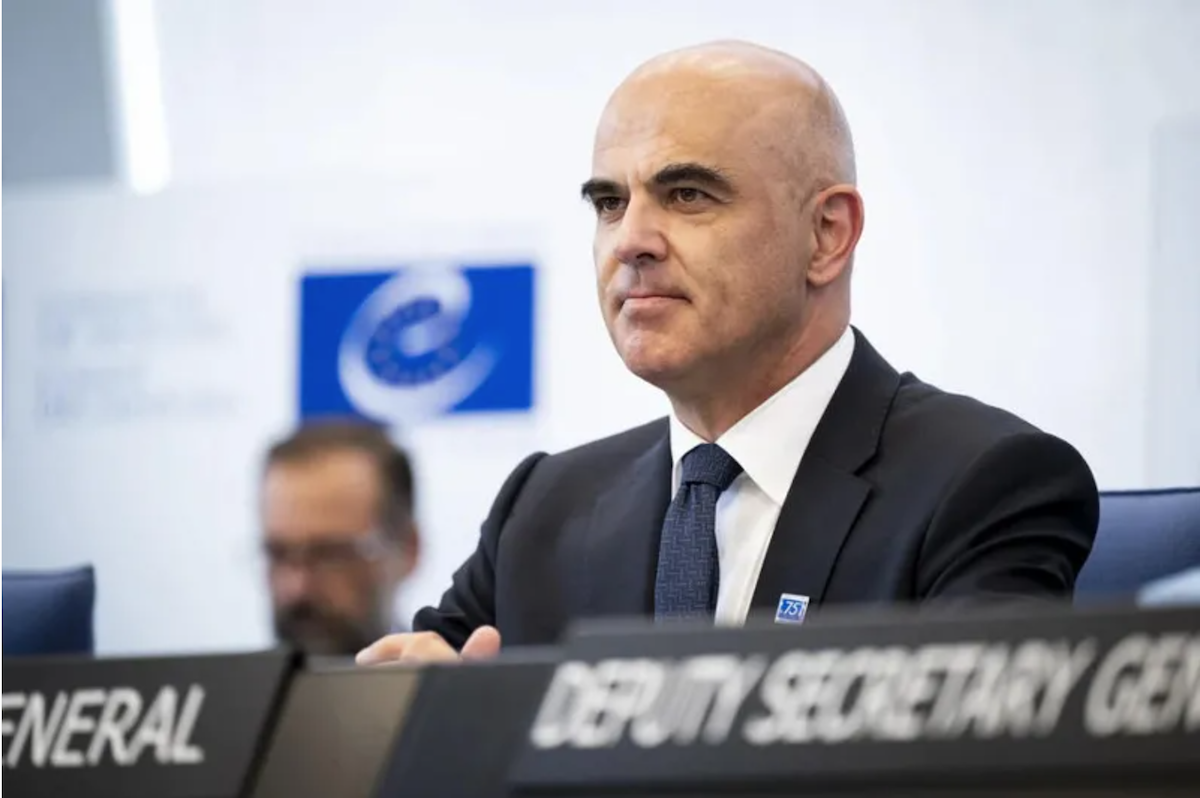
On December 20, Alain Berset, Secretary General of the Council of Europe, concluded his three-day visit to Georgia with a press conference at which he unexpectedly announced that he received a promise from the GD government about forming a working group to amend the Foreign Agents’ law. The announcement was immediately criticized by President Salome Zurabishvili, representatives of civil society organizations and leaders of the opposition. They stress that the problem is the Russian-style government, rather than the law itself.
President’s Reaction
President Salome Zurabishvili shared her thoughts on the matter following the meeting with CoE Secretary General and his delegation. She stressed that they seem to be “a little confused” and that they “don’t understand well the situation here.”
The President stressed that during the meeting she emphasized that Alain Berset, as a representative of the oldest European institution that aims to protect democracy, human rights and freedoms in its member states, doesn’t have the mandate to set up “some kind of commission” with an “unrecognized” government to work on the Foreign Agents Law, of all things. “Who cares about the Russian law anymore?” she pointed out.
Zurabishvili stressed that the GD representatives not only deceived the Council of Europe delegation, but at the same time disrespected it. They made the Secretary-General believe that he was entering into a “constructive dialogue”, while moments later they made “provocative statements” such as those about awarding Medals of Honor to officials who have been sanctioned by several countries, including the U.S. and the UK, for organizing or participating in repressions and human rights violations against demonstrators.
The President noted that this situation is another example of the actions of the “Russian government”, trying to resort to formality, such as changing something in the law in an attempt to silence the voices of the people and end the protests. She stressed that the only way out of this crisis is the new elections.
CSOs’ Reaction
Heads of the leading Georgian CSOs all criticized the CoE Secretary General’s announcment:
Nona Kurdovanidze, Georgian Young Lawyers’ Association (GYLA): “The main advisory body of the Council of Europe, the Venice Commission, has unequivocally stated about the “Russian law” that this law cannot be changed, it must be repealed. No working process will be able to improve this law, it must be repealed. However, the repeal of this law will not help the current crisis. The format expressed by the Secretary General of the Council of Europe will not correct the systematic practice of torture and impunity.”
Tamta Mikeladze, Social Justice Center: “Russian law does not lend itself to refinement. It is a paradigmatic anti-democratic law from the very beginning, and this is exactly what the Venice Commission said. No organization has a mandate to refine the regime when people are tortured in the streets, torturers are awarded Orders of Honor, and we are threatened every day with more severe authoritarianism.”
Nino Dolidze, International Society for Fair Elections And Democracy (ISFED): “Yesterday, together with representatives of partner CSOs, I met with the Secretary General of the Council of Europe. We discussed the ongoing processes in the country, the most serious human rights violations and the political crisis. We were also joined by victims who spoke and told their stories. The Russian law was not discussed at all at this meeting, and it was not in our interest to discuss this law. Today there is a much more serious political and legal crisis in the country, and society has clearly formulated two specific demands.”
Baia Pataraia, Sapari: “I want everyone to know that yesterday, in their conversation with Berset, the NGOs never once mentioned the Russian law or its repeal. We talked about torture and massive violations of human rights, and we expressed our unchanged demands: freedom to political prisoners and new elections in Georgia. We will not negotiate about any Russian laws! The illegitimate and violent regime must end!”
Opposition’s Reaction
The leader of the For Georgia party, Giorgi Gakharia, wrote on social media, “I think Ivanishvili promised him as well the post of Vice-Prime Minister,” referring to the GD government’s decision, announced today, to appoint sanctioned Interior Minister Gomelauri as the third Vice-PM.
The same sarcastic tone is evident in the Unity-UNM’s Chair Tina Bokuchava‘s Facebook post, who wrote: “Sit down, you failed!”
One of the Coalition for Change leaders Nika Gvaramia said one should not “discuss some kinds of reforms” with an “illegitimate gang that committed a constitutional coup and has been torturing people.” He also recalled that the Coalition members had refused to meet with Berset the day before as a sign of protest against his meetings with GD officials, stressing: “There will be no Charles Michel-2 [EU-brokered political agreement achieved in 2021 and later broken by the GD]. There will be no negotiations with terrorists. There is nothing to negotiate, only new elections. This has been said and should not be reconsidered.”
The representative of the opposition coalition Strong Georgia, Ana Natsvlishvili, also stressed that the main demands now are “unconditional freedom for political prisoners and new, fair elections.” “After the Russian law, so many red lines were crossed – on October 26 [fraudulent parliamentary elections], then on November 28 [GD aborts EU accession], then every day and night after November 28. Changing one Russian law, even if it were to be repealed, will not change this… I will not walk on the broken bones and strained nerves of my fellow citizens. No to the Russian government!”
Also Read:
- 20/12/2024 – Secretary General of CoE Visit to Georgia
Council of Europe sparks outrage in Georgia
During his visit to Georgia, Council of Europe Secretary General Alain Berset stated that the government had pledged to amend the controversial “Law on Transparency of Foreign Influence” (commonly referred to as the “foreign agent law” or “Russian law”) and establish an international working group for this purpose. The statement has sparked outrage among parts of Georgian society.
Critics argue that Berset’s remarks effectively bolster the ruling party, “Georgian Dream,” helping it to legitimize its position while diverting public attention from more pressing national issues.
Reactions
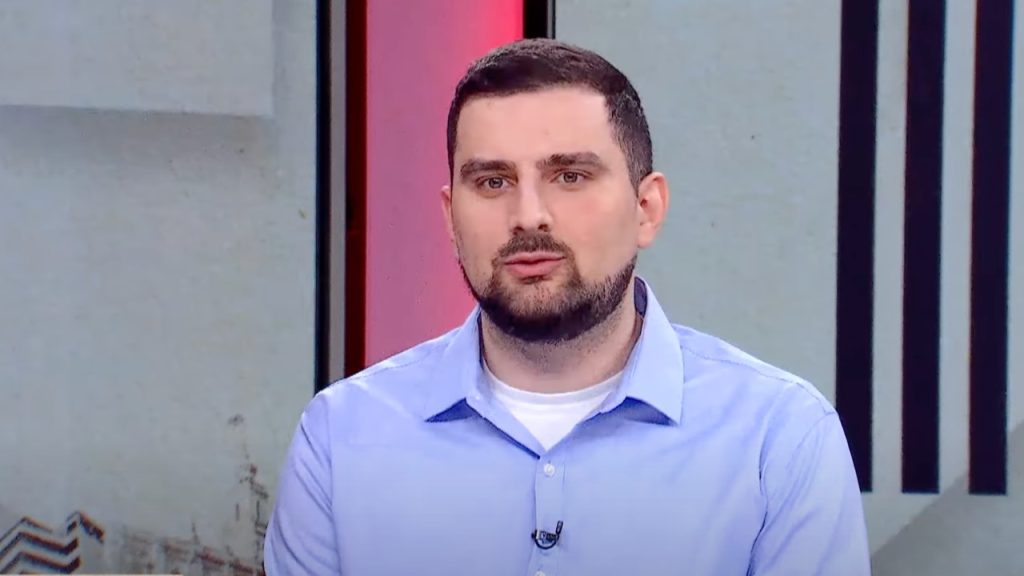
Saba Brachveli, representative of the Civil Society Fund:
“The party [Georgian Dream], which preached absolute sovereignty and denounced international partners, suddenly abandoned the primary symbol of its authoritarianism, the ‘Russian law,’ following the visit of a Council of Europe representative.
A separate issue is why Mr. Berset allows himself to make demands [to the authorities] while bypassing civil society. Especially considering that we have openly been defying this law for several months, and the stakes are now even higher.
For Georgian Dream, amending the law is an attempt to gain at least a shred of legitimacy and recognition.”
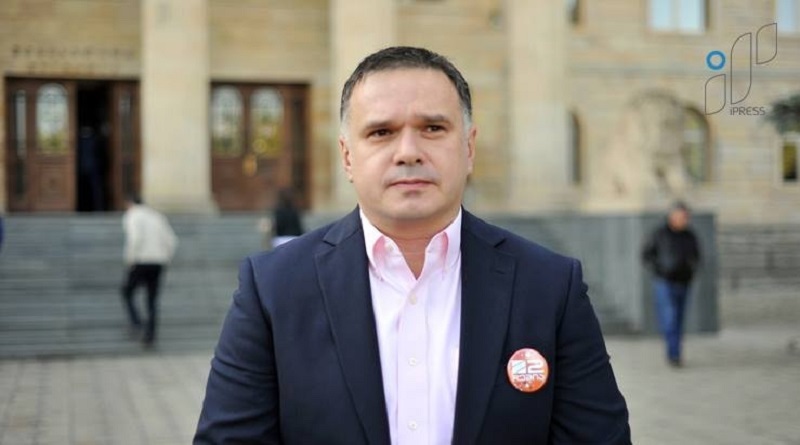
Zaza Bibilashvili, founder of the Chavchavadze Fund:
“According to Council of Europe Secretary General Alain Berset, he received a promise from the Georgian government to amend the ‘Law on Transparency of Foreign Influence,’ for which a working group will be created.
But there is no legitimate government in Georgia—the issue of the parliamentary elections on 26 October remains unresolved. In this way, the regime is trying to ‘buy’ legitimacy for itself.
Participating in such a bargain is tantamount to betraying the Georgian people. It would be an unforgivable mistake, even a crime on our part, to allow ourselves to even enter into this discussion.
A person who trades Georgia’s sovereignty, democracy, and European future for Russia’s authoritarian regime and the promise to amend a law is not a friend of the Georgian people.”
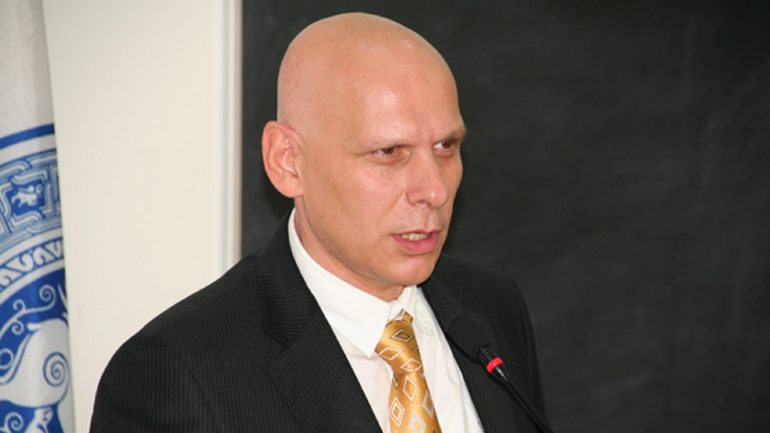
Iago Kachkachishvili, sociologist:
“Georgian Dream will adopt another ‘Russian law’ if it is not punished for usurping power.
In fact, mass protests against the ‘foreign agent law’ are already a thing of the past.
Today, we have a much more important and serious goal—to preserve the country’s Western orientation (its independence).
And this goal is completely incompatible with Georgian Dream remaining in power.”
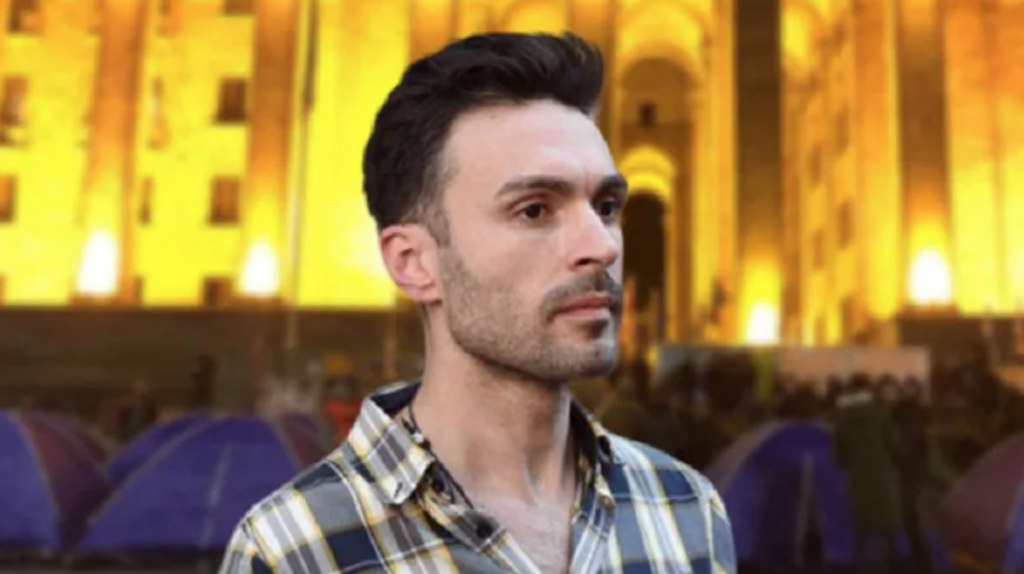
Shota Digmelashvili, editor-in-chief of Georgian Forbes:
“The Secretary General of the Council of Europe, by his own admission, came to Georgia not to legitimize the parliamentary elections of 26 October. The current Georgian government remains illegitimate, regardless of who meets with them or talks to them.
Discussions about compromises regarding the ‘foreign agent law’ should in no way distract us from the main goal—holding new parliamentary elections and freeing political prisoners.
The Secretary General of the Council of Europe himself said that, before engaging in dialogue, the prerequisites for that dialogue must be established and trust must be strengthened. And the prerequisite for dialogue will only be created after the new elections are held and political prisoners are freed.”
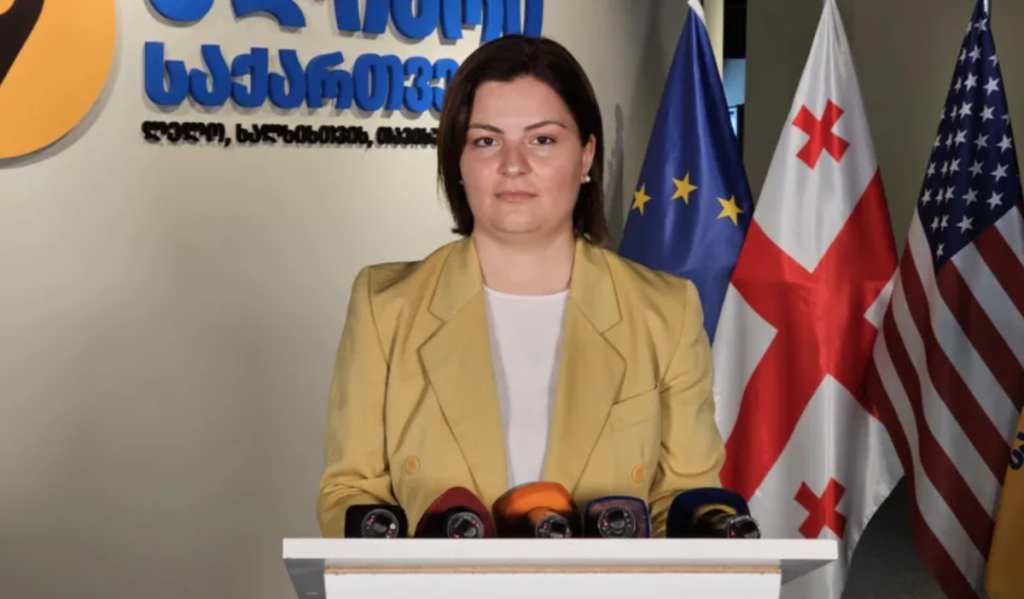
Ana Natsvlishvili, lawyer and member of the opposition party Lelo:
“Our demands remain unchanged: unconditional freedom for political prisoners and new, fair elections. The adoption of the ‘foreign agent law,’ which is the greatest evil, became possible in this country because our state was stolen from us—this was done step by step over many years by the Russian oligarch [Bidzina Ivanishvili].
After the adoption of the ‘Russian law,’ many more red lines were crossed. Therefore, changing or even repealing this one law will not change anything anymore.”
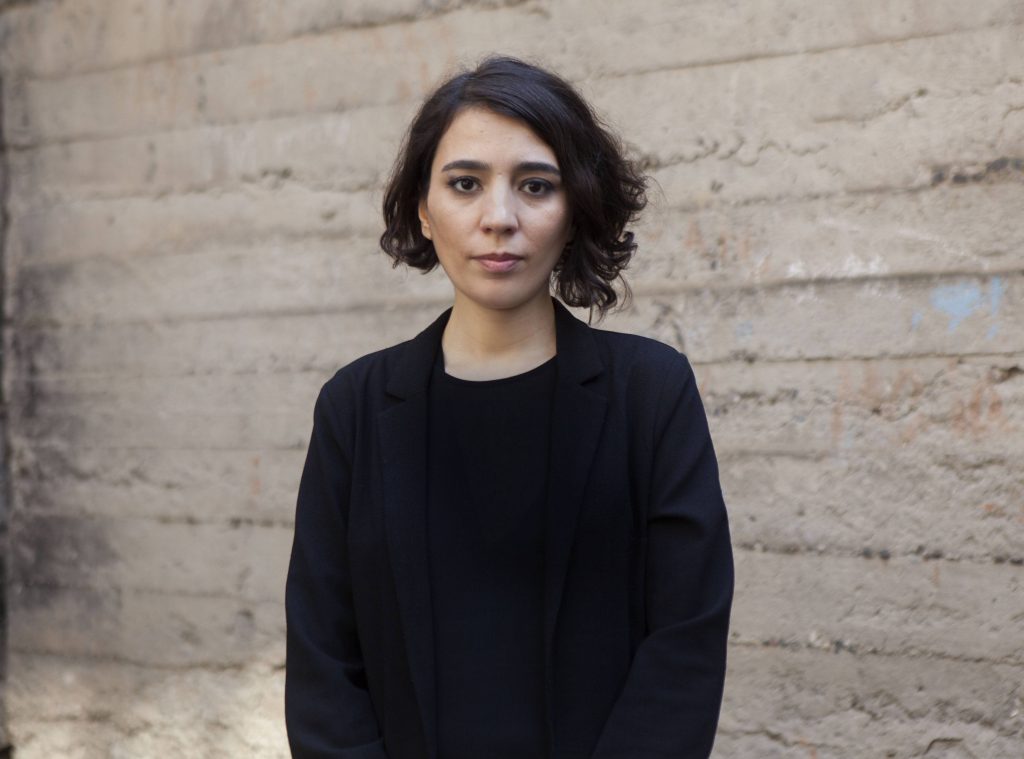
Tamta Mikheladze, Director of Programs at the Center for Social Justice:
“We met with Council of Europe Secretary General Alain Berset early in the morning, before his meeting with members of ‘Georgian Dream.’ We already knew that Berset came to Georgia hoping for political dialogue, so our clear stance was that the Council of Europe, as a regional political organization, does not have sufficient political weight, tools, or trust in our country to end the current political crisis.
Therefore, we asked the Council of Europe, represented by Alain Berset, to use its legal tools to respond to the various human rights violations in the country.
We are not part of the EU’s legal system, so the Council of Europe is the most effective and closest organization for us in this regard, and naturally, their modus operandi should be human rights and the rule of law.
But instead of sticking to human rights approaches and making clear statements about Georgia’s violations of its commitments within the Council of Europe, Berset, in fact, indirectly supported ‘Georgian Dream.’
The ‘foreign agent law’ is not subject to revision; it cannot be ‘reworked.’ It is inherently anti-democratic, as confirmed by the Venice Commission.
No organization, including the Council of Europe, has the right to whitewash a regime when people are being tortured in the streets, torturers are promised honorary medals, and the country faces the threat of even harsher authoritarianism every day.
Only after fundamental compromises can we speak of normalization and de-escalation. No one can do this during a two-day visit without any political weight.
Yes, at some point, a high-level political process will be needed to overcome the crisis and achieve a new political agreement through democratic means. But this must be done by the right people at the right time, with rules and objectives that are clear and acceptable to all.”
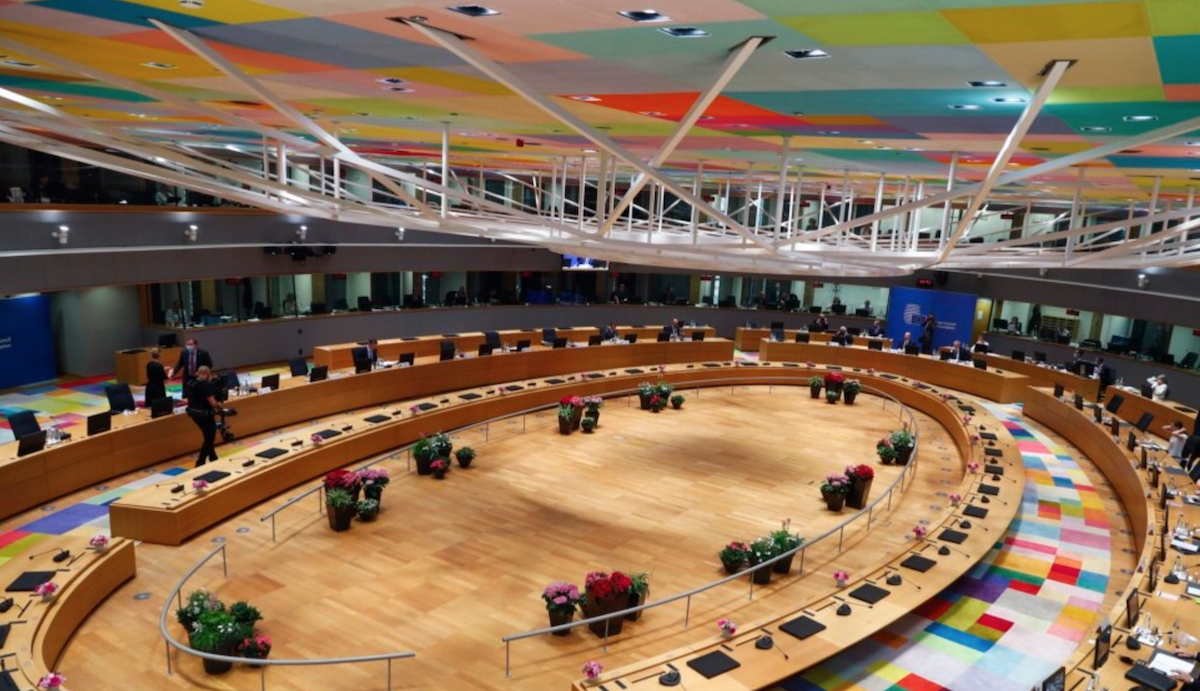
Council of Europe sparks outrage in Georgia
Categories
“AbzasMedia” Trial Has Begun
The trial of seven journalists arrested in connection with the criminal case related to the publication “AbzasMedia” has commenced. The case is being heard at the Baku Serious Crimes Court, chaired by Rasim Sadikhov, with Novruz Karimov and Leyla Asgerova-Mammadova serving as members of the judges’ panel.
The accused journalists are Ulvi Hasanli, the director of “AbzasMedia”; Sevinj Vagifgizi (Abbasova), the editor-in-chief; Mahammad Kekalov, the deputy director; Hafiz Babali, an editor at Turan News Agency; journalists Nargiz Absalamova and Elnara Gasimova; and economist and Radio Azadliq employee Farid Mehralizade. The trial is part of a broader investigation that includes charges related to alleged corruption and illegal activities exposed by the journalists.
The trial’s preparatory hearing took place on December 17, 2024, and it was revealed that a significant portion of the seats designated for attendees had been occupied by outsiders. It was claimed that about 20 of these individuals were those who had taken exams for judicial positions or were present for internships.
The accused journalists objected to this, stating that the hall was deliberately filled with unnecessary people while their family members and supporters were left outside. They demanded the removal of these individuals. Additionally, media representatives who had come to observe the proceedings were not allowed entry, with an order issued specifically barring journalists from attending the session.
As the trial began, Sevinj Vagifgizi objected to two of the three judges on the panel, Rasim Sadikhov and Novruz Karimov, citing their history of issuing politically-motivated rulings. Vagifgizi argued that Sadikhov had been involved in sentencing human rights defender Intigam Aliyev to seven and a half years in prison in 2014-2015, a decision later found to violate the European Convention on Human Rights.
She stated that this demonstrated Sadikhov’s lack of independence and his role in political repression. Vagifgizi also accused Novruz Karimov of being involved in illegal activities during his tenure at the National Security Ministry (NSM) and later as a judge, where he allegedly issued unlawful verdicts in politically-charged cases, including the prosecution of journalist Parviz Hashimli. Vagifgizi emphasized that these judges had been involved in corruption and that they should not be presiding over her case.
The third judge, Leyla Asgerova-Mammadova, was mentioned by Vagifgizi as someone whose background was unknown to the defense team, with the hope that she would not become complicit in what they perceived as an unjust process.
The objections raised by the accused journalists were supported by other defendants, including Farid Mehralizade, who declared that judges like Sadikhov and Karimov were not needed in the country. Despite these objections, the court did not uphold them, and the trial proceeded with the judges in place.
During the hearing, the personal details of the accused journalists were clarified, and their rights and responsibilities were outlined. The judge informed the court that Ramil Abbasov, an official from the State Tax Service, was acting as the civil claimant, as the agency had filed a civil lawsuit against the journalists.
This civil case was in addition to the criminal charges against them. The court’s physical layout featured a glass booth divided into two sections. Three female journalists—Sevinj Vagifgizi, Nargiz Absalamova, and Elnara Gasimova—were placed in the smaller section, while the other four accused individuals were seated in the remaining portion.
Defense lawyers condemned this arrangement, describing it as inhumane, and requested that the journalists be allowed to sit next to their attorneys for proper consultation. The court granted this request, allowing the journalists to sit beside their legal representatives for the duration of the proceedings.
The defense lawyers then raised several motions, including a request to terminate the criminal case, or if that was not possible, to release the accused on house arrest or with bail. Lawyer Javad Javadov, representing Farid Mehralizade, argued that his client had no connection to the “AbzasMedia” case and believed his arrest was related to his work with Radio Free Liberty’s Azerbaijani service.
He further requested that Mehralizade be placed under house arrest, as he was not a flight risk and had family ties, including a newborn child. Hafiz Babali’s lawyer, Rasul Jafarov, also argued that his client had not committed any criminal acts and highlighted Babali’s health problems, including a Group III disability due to eye and foot issues. Jafarov pointed out that medical records from the Ombudsman’s Office confirmed these health issues. Other lawyers, such as Fakhraddin Mehdiyev, referred to the accused journalists as “knights who expose corruption,” emphasizing their role in uncovering state corruption.
In response, journalist Hafiz Babali told the court that all seven defendants had been punished for their investigative work exposing corruption. He stated that the public had been shaken by their arrests and that their investigations into corruption had been misinterpreted as criminal activities. Babali also explained that their bank accounts were thoroughly checked and no illegal activities were found.
He asserted that they were victims of political and legal repression. Babali criticized the judicial system, stating that the law prohibited judges from knowingly issuing unlawful decisions, but that these judges had done so intentionally. Farid Mehralizade echoed this sentiment, adding that “AbzasMedia” had been at the forefront of exposing corruption and that Azerbaijan’s law enforcement agencies were punishing those who exposed wrongdoing, not those who committed it.
Despite the defense’s motions and arguments, the judges, led by Rasim Sadikhov, did not grant any of the requests. The next hearing in the trial has been scheduled for December 28, 2024.
The arrests of the “AbzasMedia” journalists began on November 20, 2023, with Ulvi Hasanli and Mahammad Kekalov being detained first, followed by Sevinj Vagifgizi. Investigative journalist Hafiz Babali, along with Nargiz Absalamova, Elnara Gasimova, and Farid Mehralizade, were arrested shortly after. They face charges under Article 206.3.2 of the Criminal Code for smuggling by a group of persons, but the charges were later escalated to include illegal entrepreneurship, money laundering, tax evasion, and more, carrying penalties of up to 12 years in prison.
Following Ulvi Hasanli’s arrest on November 20, 2023, a search was conducted at the “AbzasMedia” office, where it was claimed that 40,000 euros were found. However, Hasanli denied the allegations, insisting that the money was planted by those who claimed to have found it. The accused journalists maintain their innocence, arguing that they are being punished for exposing corruption, including the business dealings of several high-ranking officials, including members of the President’s family. Government representatives, however, insist that the arrests were based on concrete evidence of criminal activity.
The post “AbzasMedia” Trial Has Begun appeared first on MEYDAN.TV.